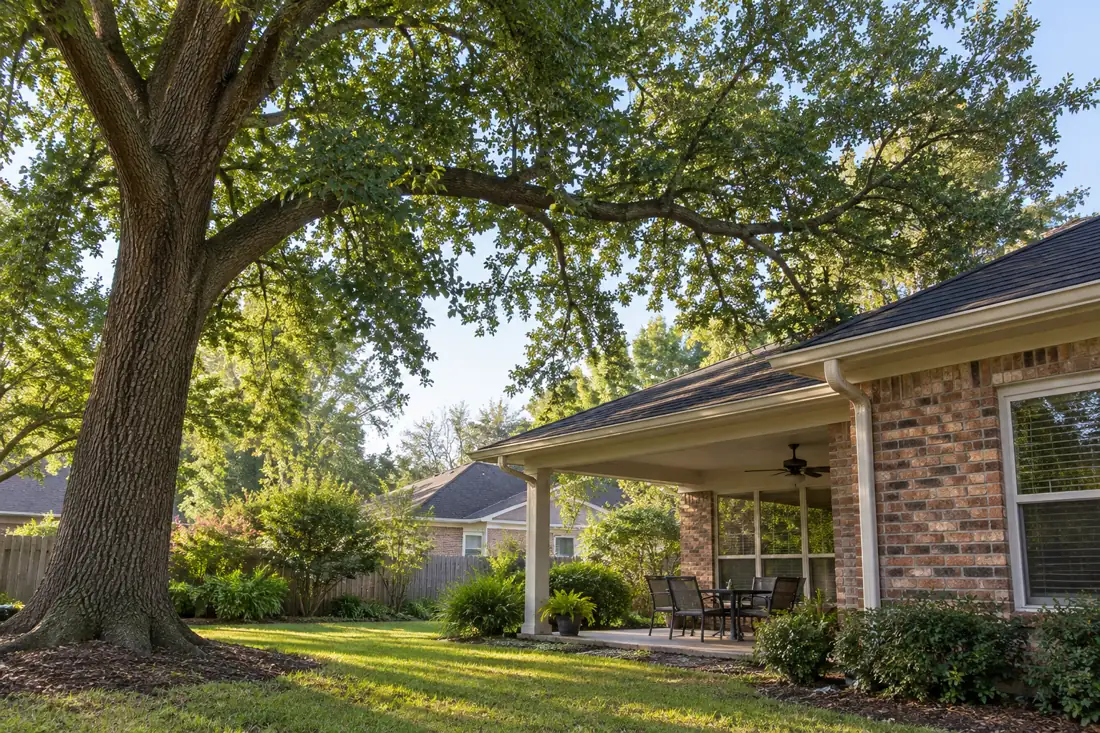
Deadwood work should distinguish dead branches from live structural limbs. A mature oak may have dead material in several canopy locations, including areas over occupied space. Identify the property’s use and ask how the work area will be controlled. The scope should state what is being removed and what will remain.
Mark deadwood work by canopy zone without promising a risk score
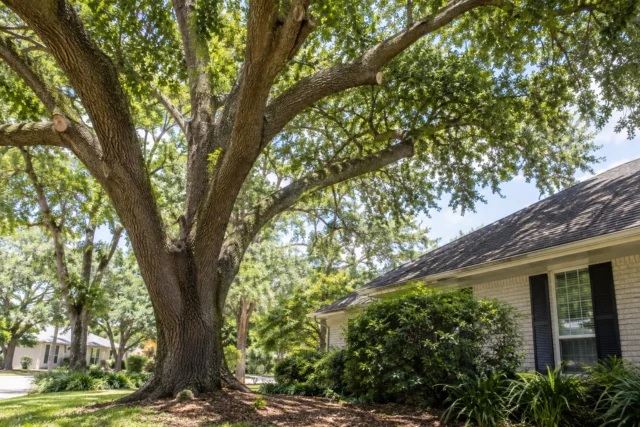
For a broad mature oak, organize the request by recognizable canopy sectors such as driveway side, roof side, rear yard and street-facing branches. A safe ground photo from each viewing point can help the contractor locate visibly dead branches without treating a photograph as proof of structural soundness. Where a branch is partially obscured, say that it needs closer professional evaluation instead of describing its interior condition as known.
Keep the specified deadwood objective separate from live-branch clearance, crown reduction and removal of a structurally compromised limb. Ask which material is proposed for removal, what access method limits soil disturbance near the trunk and how retained brush and wood will be handled. Record any visible branches that remain under a separate monitoring or follow-up decision rather than implying the whole oak has been certified safe.
For this project, separate dead branch identification, occupied targets and cleanup. These details help the contractor understand what must be protected, what information needs confirmation and what result you want from the work. A clear request is more useful than an assumed method or a price based only on tree size.
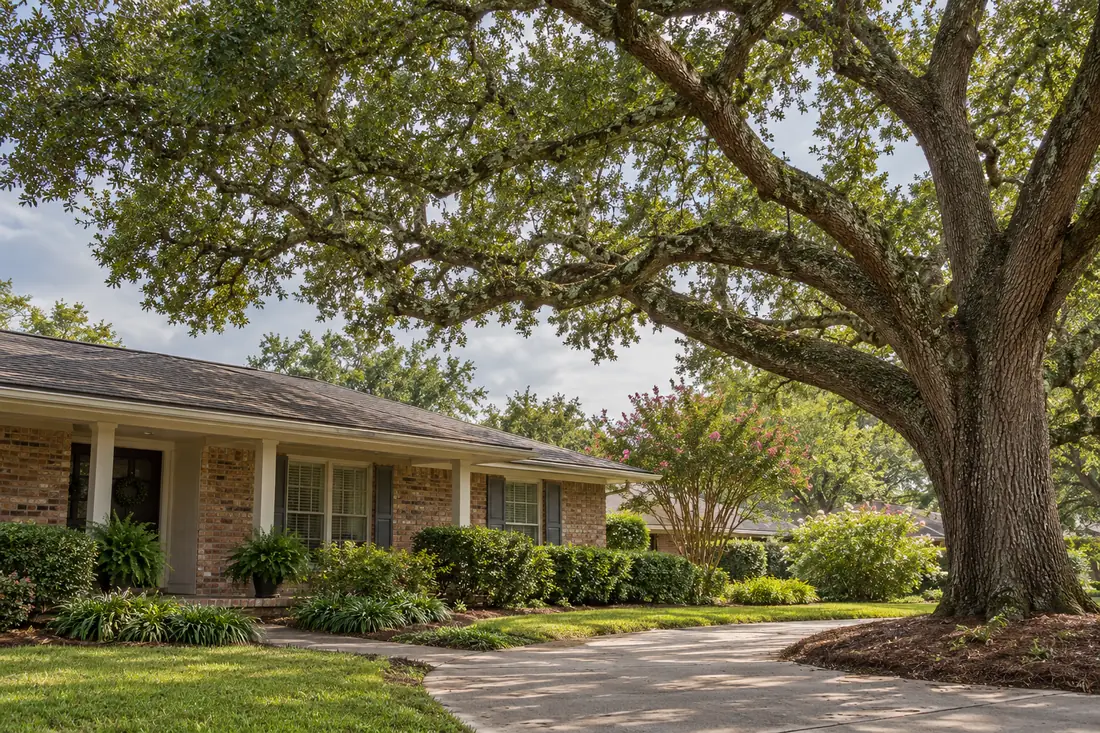
Mature oaks can retain dead limbs high in a broad canopy, where they may threaten a walkway, roof or parked vehicles. Distinguish clearly deadwood from healthy interior branches and allow a qualified professional to judge the size, attachment and consequences of removal. Avoid stripping all interior growth or topping a mature tree in the name of cleanup; that can reduce useful shade and change load distribution. Ground photographs can identify target areas, but branch condition may require closer professional inspection.
Ask the arborist to identify the deadwood being targeted, explain access and rigging methods, and note whether any structural defects warrant additional evaluation. Protect roots from excessive machinery traffic, especially on wet ground, and confirm what happens to limbs, logs and chips. Where cavities, wildlife activity or protected habitat are observed, discuss appropriate timing and site-specific considerations without claiming a universal rule. Preserve the assessment and photo record to guide future maintenance rather than treating one pruning visit as permanent certification.
Identify dead branches without mistaking normal changes
Mature live oaks may carry isolated dead twigs, old branch stubs, or limbs that have lost foliage for different reasons. Seasonal leaf exchange and patchy canopy appearance are not, by themselves, proof that a large branch is dead. A useful inspection considers bark condition, buds, branch structure, the time of year, and the tree's history. From the ground, note branches that remain bare when comparable parts of the crown have new foliage, but avoid making a final diagnosis from one view.
Photograph the entire canopy so the branch location can be understood. Then use ordinary zoom for the particular deadwood concern, remaining outside the potential fall area. Do not climb, scratch high branches, or break twigs to test them. A large dead limb over an occupied route warrants timely professional guidance even if the rest of the oak appears vigorous.

Use the planning checks before authorizing the work
A deadwood inquiry benefits from a sequence of photographs rather than one zoomed-in image. Capture the whole tree and the area below the suspected branch from a safe position, then note what has changed and when it was observed. Leafless twigs, discoloration and a recent break may deserve investigation, but none alone proves an appropriate pruning cut. Do not climb, pull on hanging material or stand beneath a questionable limb to obtain a better view. Give the assessor the location of occupied routes, structures and access constraints so the recommended scope relates to the actual risk and the tree.
Prioritize deadwood by what lies underneath
Deadwood above a rarely visited natural area presents a different exposure than a comparable limb above a driveway, patio, bus stop, or neighbor's roof. An assessment can consider the branch size, position, attachment, target use, and other tree conditions. Removing every small dead twig from a vast mature oak is not necessarily feasible or desirable. The work scope should describe which portions of the canopy and what sizes of material are being considered.
If a branch is hanging after a storm or appears partly detached, restrict access and seek prompt assistance. Do not use a ladder or throw a rope over the branch. The immediate priority is keeping people away, not producing a perfect close-up for a quote. Accurate target information allows the contractor to prioritize the most consequential conditions first.

Distinguish deadwood pruning from crown reduction
Deadwood removal focuses on material that is dead or failing; crown reduction changes the size or load of living branches. Combining them without explanation can lead to more pruning than the owner intended. On a mature oak, preserving appropriate live canopy matters for energy production and shade. A proposal should identify whether healthy branches will be cut, why, and how the tree's natural form will be maintained. Indiscriminate topping is not a responsible deadwood strategy.
Ask the tree professional to explain cut locations and the treatment of large limbs. Proper branch collar considerations matter when removing whole branches, and cuts should not damage the trunk unnecessarily. An owner should not prescribe precise cuts from a distant photograph. The final scope should connect every significant category of pruning to a tree-health, structural, or clearance objective.
Deadwood location and exposure
Map the dead branch against the occupied area below it. A limb above a regularly used walkway, parking stall or roof requires a different conversation from fine dead twigs in a distant section of canopy. Take a wide view from a safe position that shows the whole tree and the target, then a closer view if possible without entering a fall zone.
Note the date and whether severe weather, excavation or a recent change in leaf condition preceded the concern. Do not label an entire oak unsafe merely from one isolated bare branch.
Separate observations from diagnosis. Old branch stubs, seasonal foliage changes and damaged branches can look similar in a single photograph. Ask a qualified assessor to identify the particular material at issue, whether live branches must also be cut for access, and what structural effects those cuts may have. Request a written description of the intended removal, with deadwood separated from optional canopy raising, clearance or weight reduction. That prevents an open-ended instruction to trim an established oak heavily without a defined purpose.
Mature-oak deadwood: separate branch removal from a health diagnosis
A mature oak may have dead twigs, shaded interior branches and larger dead limbs for different reasons. A seasonally sparse crown or a leafless section is not enough by itself to diagnose the tree's condition. Begin with the position, approximate size and target beneath each suspect branch.
Look for bark loss, cracks, hanging pieces and changes visible in older photographs, but do not stand beneath the limb to inspect it. A sidewalk, roof, driveway or playground directly underneath changes urgency. Photograph the entire crown so the estimator can understand load paths and adjacent live structure.
Request a tree-specific deadwood scope rather than a direction to remove every interior branch. The objective is to address identified dead or hazardous material without unnecessary thinning, topping or large live cuts. The assessment may also find a trunk, root or branch-union issue that deadwood pruning will not correct.
Ask for cleanup limits and whether any wood is retained as habitat where safe and appropriate on the property. Final review should compare the marked limbs with the actual cuts and identify any remaining concern needing separate qualified assessment. A visually cleaner canopy is not proof that the tree as a whole is risk-free.
Consider old wounds, cavities, and decay separately
A mature oak can compartmentalize some wounds while carrying cavities or areas of decay. Deadwood near an old pruning cut may prompt a closer examination, but the visible stub alone does not establish the condition of the whole tree. Mushrooms, cracks, loose bark and soil changes near the base are separate observations that deserve attention in a comprehensive review. They should not be ignored simply because the estimate request began with one bare branch.
Provide the tree's known history: past storm damage, major cuts, construction, lightning, root excavation, or irrigation changes. The professional may decide that a limited pruning scope is sufficient or that further assessment is necessary before work. Do not describe deadwood removal as curing disease or guaranteeing that every remaining branch is sound. The distinction helps owners make informed decisions without unnecessary removal of a valuable tree.

Protect an oak's structure during necessary pruning
Large limbs can exert significant loads, and their removal may affect adjoining branches or reveal concealed defects. The contractor should determine a safe sectional handling method and identify the intended final pruning points. Heavy branches over a roof or drive may require controlled work and dedicated access. A homeowner should not request that large pieces simply be dropped because the lawn appears open. The entire route and targets need consideration.
Avoid drastic changes to a mature oak's crown solely for symmetry after deadwood removal. A healthy canopy may naturally have an irregular shape, and unnecessary major cuts create wounds. A professional can explain which smaller live branches, if any, should be adjusted for the specific objective. Dead branches may be addressed in various seasons, but species and local conditions may affect the broader pruning plan.
Plan equipment and access around tree roots
A large oak often has an extensive root system, and its root zone may extend under driveways, lawns, and adjacent beds. Equipment access should account for soil moisture, compaction, irrigation, and hardscape constraints. The tree's roots are part of the living system the owner is trying to retain. Tell the contractor about recent trenching, drainage changes, buried utilities and areas that remain wet after rain.
Where equipment must operate near the tree, ask what ground protection or alternative positioning is appropriate, recognizing that no mat guarantees an undamaged soil structure. Do not allow log piles, machinery or spoil to be placed casually over sensitive roots. A plan that preserves the tree must consider both cuts in the crown and disturbance at ground level. If the work is close to utility lines, specialized coordination may be required.
Closeout scope for a mature oak
Confirm how the ground area will be protected, where debris can be handled and whether utility proximity changes who should perform the task. For closeout, compare the same safe viewpoint before and after; note any deliberately excluded limbs, unaddressed hangers or areas requiring follow-up. A cleared driveway does not establish that every defect in the canopy has been eliminated. Keep the agreed scope, approved changes and dated completion images with property maintenance records, particularly for an insurance file or a future site manager.
Decisions to confirm
- Show the branch, tree and exposed target in one frame
- State observed signs without assuming a diagnosis
- Separate deadwood removal from live pruning
- Record exclusions and post-work follow-up

Define debris handling and retained wood expectations
Deadwood removal can produce many small branches and some large sections. The agreement should state whether brush is chipped, logs are hauled, and the area is cleaned of accessible debris. Some owners want to retain wood, while others need all material removed; the chosen placement should not obstruct walks, drains, or vehicle areas. A general promise of cleanup may not include collecting every leaf or repairing incidental landscaping unless those tasks are specifically agreed.
If the owner also requests stump grinding or work on a separate tree, place those tasks in their own scope lines. Deadwood pruning does not involve grinding the living oak's roots, and root disturbance can create problems. Keep the project focused on the actual tree condition and the agreed materials. A clear finish prevents confusion when a few naturally shed twigs appear later.
Record the treated branches without claiming permanent safety
After the crew has released the site, compare the work with a map or photographs identifying the intended limbs. Document which dead branches were removed and any recommendations for further assessment or monitoring. The record can help future arborists distinguish old cuts from new changes. It cannot certify that every branch will remain intact in future storms. Living trees change, and a mature canopy may shed additional small material over time.
Owners can keep repeatable wide-view photographs and report fresh cracks, hanging limbs, or new dieback if observed. Ask a qualified professional what monitoring interval is appropriate for the site and tree. This is more useful than describing one pruning appointment as a lifetime solution. Labels on educational website images should make clear that they are illustrative rather than actual customer jobs.
Ask for a measured oak deadwood scope
A Tree Huggers estimate request should include a whole-tree image, safely zoomed views of the dead branches, the routes or structures underneath, and any known history. Say whether the objective is deadwood removal only or a broader structural assessment. The contractor can then discuss which parts of the tree need professional inspection and what work may be appropriate. Avoid quoting an invented price or implying an immediate availability guarantee.
The final proposal should identify the branches or canopy zones covered, treatment of live wood if any, access needs, material handling, and exclusions. Where uncertainty exists, record it rather than making unsupported promises. Good deadwood management supports both the mature oak's value and the practical use of the property, without confusing appearance with a complete risk assessment.
Questions about this project
How should I describe the pruning I want?
Explain the objective: clearance for a route or building, deadwood, a damaged branch or structural development. Ask for suitable tree-specific work rather than requiring an arbitrary shape or amount of canopy to be removed.
Will pruning resolve every tree concern?
No. Root, trunk and major structural problems may need a different assessment or response. State the full concern so pruning is not used as a substitute for evaluating the condition that prompted the call.
Is a free work estimate the same as a written risk assessment?
Not necessarily. Explain whether you need pricing, condition advice, a documented assessment or a combination. Ask what the visit includes, who provides it and what limitations apply to any findings or recommendations.
What history should I share?
Share known storm damage, prior failures, construction, root disturbance, flooding, pruning and recent changes. Include the timing and nearby property use. Useful history supports the evaluation without replacing inspection of the current tree and site.
Does healthy-looking foliage mean a tree is structurally safe?
No. Leaves do not establish the condition of roots, trunk or branch connections. Explain visible defects and recent changes, and ask for an assessment appropriate to the tree and nearby targets.
Should I test a cracked branch or trunk?
Do not pull, shake, climb or cut damaged material to test it. Keep clear of the affected area and describe the condition from a safe location. Qualified assessment and an appropriate work plan are needed.
Which property features should I point out?
Identify buildings, vehicles, fences, fixed fixtures, landscape features, utilities and occupied routes. Explain what can move and what must remain. Include existing damage and any buried features you know about along the access route.
Should people remain inside the work area?
The contractor and site contact should establish an exclusion area and access arrangements appropriate to the work. Keep children, pets, visitors and other workers outside the active zone until the responsible parties say it can reopen.
What should I compare besides the price?
Compare tree identification, work objectives, access assumptions, hauling, stump treatment, site finish and exclusions. Ask whether permits or other coordination are part of the scope and who can approve changes if conditions differ.
Does an online request book the crew?
No. A request starts the estimate conversation. The company still needs to discuss scope, availability and any site assessment. For a dangerous or urgent condition, call 504-458-8336 rather than relying on a form response.
What should I tell Tree Huggers about deadwood removal from a mature oak?
Explain the property address, the work you want and the specific concerns: dead branch identification, occupied targets, cleanup. Send safe photos of the tree, surroundings and access route. The contractor can then discuss the assessment and scope needed for this situation.
How do I request an estimate for this work?
Call 504-458-8336, text photos or use the estimate form on this page. Include the address, desired outcome and any timing constraints. The company will need to review scope and availability; an online request does not confirm a price, appointment or emergency dispatch.
Get a scope for your property
For deadwood in a mature oak, identify the specific hanging or dead limbs visible above occupied paths, vehicles, patios or other targets. A safe ground-level photograph and the approximate location in the crown can guide a useful inspection, but a distant picture cannot reveal every branch connection.
Ask for a deadwood-focused pruning scope, whether retained live limbs need separate assessment and how cuts and rigging will protect the remaining canopy. Clarify what size deadwood is included, how fallen pieces will be handled and what can remain naturally in low-use parts of the property. Avoid treating deadwood removal as routine topping.