Core capabilities
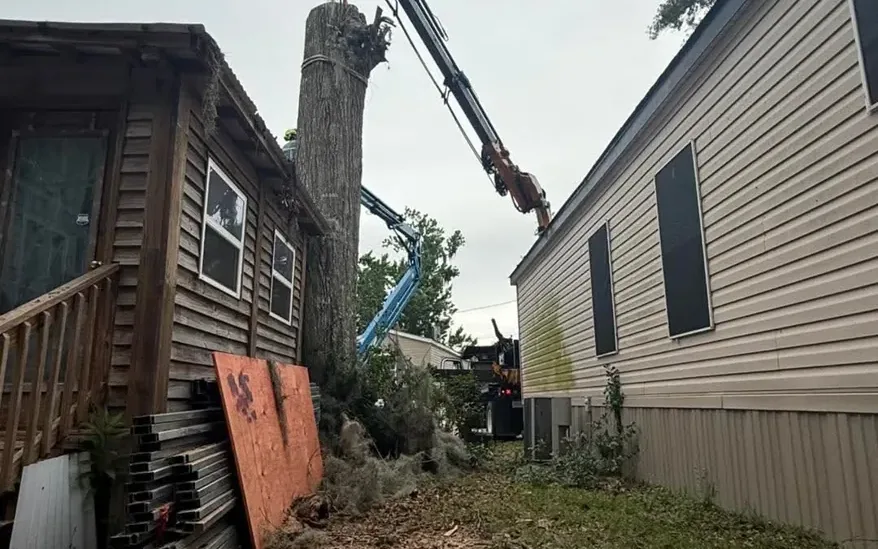
Large, compromised and difficult trees near structures, roads, occupied areas and other critical targets.
Practical scope and safety guidance: A capability statement is useful only when its claims can be verified for the procurement at hand. Before inviting a response, identify the legal buyer, site or service region, type of requested tree work, procurement deadline and the exact supporting documents required. Distinguish emergency response, routine grounds maintenance, complex removal and debris hauling because they may have different specifications and equipment needs. A prospective buyer can request current insurance evidence, licensing or registration where applicable, references that may actually be contacted with permission, workforce safety information, and equipment or subcontractor details appropriate to the scope.
Do not assume a marketing page proves a certification, government contract, response time or geographic presence. Ask for clear pricing units, exclusions, invoicing terms, change-order authority and closeout documentation. An organized site inventory and photographs will help produce a comparable proposal, especially where public access, traffic, utility coordination or protected vegetation affects work sequencing.
Trees on structures, blocked access, hanging limbs, storm cleanup and regional mobilization.
Property management, facilities, municipal sites, schools, healthcare, hospitality, industrial and contractor support.
Equipment-driven strengths
Tree Huggers is positioned for difficult work where access, control and production matter. Crane-assisted removal, remote-controlled or mechanized cutting and conventional tree-work methods can be combined based on the site and project objectives.
Routine service market and home base.
Large storm, commercial and specialized-equipment projects can justify regional deployment.
Homeowner service quality with large-project capability.
Typical project types
Project coordination
For larger work, Tree Huggers can coordinate around site contacts, access restrictions, occupied areas, staging, debris handling, photo documentation and project sequencing. Exact insurance, documentation and project-specific requirements can be reviewed before work begins.
Use this overview to begin a project review
Tree Huggers Tree Service LLC is based in Marrero and serves Greater New Orleans. This capability overview brings the main service categories and project-coordination questions together for owners, facilities teams, contractors and public purchasers. It helps a buyer describe a possible fit before the company reviews the current site, requested work and requirements. It is not a substitute for a project-specific proposal or current vendor documentation.
Start with the property or project locations, the work objective and the person coordinating decisions. Explain whether the inquiry concerns one tree, several facilities, a defined clearing area or storm-related work across multiple locations. The commercial and government service overview connects related property categories. Keep the requested scope distinct from a general interest in equipment or a broad request for every service listed on this page.
Difficult trees need a site-specific approach
Service categories include high-risk removal, large trees, constrained access and trees affecting structures or other occupied areas. Provide safe photos that connect the tree to nearby buildings, routes and access. Describe known damage or a recent change without attempting to test unstable material. The purpose of the inquiry is to identify the task and necessary review, not to select a cutting method from a photograph alone.
For removal pricing, state which tree is intended and what happens to wood, branches and the stump. For retained trees, state the specific pruning, care or condition question. A difficult location can involve several responsibilities, including access coordination and later property repairs. Ask for the accepted work and exclusions to be clear so the buyer can compare actual results rather than relying on a general label such as complete tree service.

Equipment is a resource, not a universal prescription
The existing service offering includes crane-assisted, remote-controlled or mechanized and conventional tree-work approaches, selected according to the task and site. The equipment overview provides related context. Describe the route, setup, ground, nearby targets and loading area so the company can discuss a practical method. A service description does not establish resource availability, machine suitability or a guaranteed production rate for a particular inquiry.
Give current conditions rather than assuming a previous job at another property is comparable. Tree size is only one part of the work picture. Access restrictions, retained features, material handling and site operation can change the approach. Where a buyer has a required method or equipment specification, submit it for direct review with the scope. Confirm the accepted arrangement before treating it as a committed part of the project schedule.
Give purchasing teams a verifiable capability summary
A capability statement helps a procurement officer decide whether to request more details, but it is not a substitute for a current proposal, insurance evidence, or the solicitation’s required forms. Keep the statement organized around the services offered, realistic service geography, types of properties addressed, access and scheduling considerations, and a direct route for requesting documentation. Avoid inserting unverifiable project counts, public contracts, emergency-response guarantees, or certifications the business has not supplied.
Separate general tree-service capabilities from work that may require specialized subcontractors, site-specific permits, traffic arrangements, or utility coordination. Agencies may need different documentation for a one-time hazardous-limb request and a multi-property maintenance program. A useful intake asks for the location, ownership or authority, site access limitations, scope and deadline for a formal procurement response. Procurement teams should verify all applicable registrations, licensing and insurance directly from current documents.
For a request for qualifications, attach only approved factual evidence and indicate which documents can be supplied upon request. For competitive bids, use the exact solicitation language, quantities, timing, safety provisions and evaluation criteria instead of a generic marketing description. Keep estimated prices and compliance assertions out of evergreen service copy unless independently verified. A concise capability page should direct serious buyers into a traceable inquiry workflow without falsely implying a current government contract.

Storm inquiries need current priorities
Storm service categories include tree-on-structure work, fallen trees, hanging limbs, blocked access and vegetative debris tasks. The storm overview links related response services. Call 504-458-8336 about current tree-work availability and describe the present condition from a safe place. An online request does not reserve a crew or establish arrival time. Immediate threats to people or electrical involvement require the appropriate emergency or utility response.
For larger events, organize locations and priorities so the first discussion is usable. Separate urgent tree handling from wider processing, hauling and later restoration. The regional mobilization page addresses larger project inquiries. Regional deployment depends on the accepted scope, current resources and arrangements; this overview is not a standing commitment to respond to every event or travel to every location on request.
Occupied properties need operational coordination
Commercial and public-property inquiries can involve facilities, schools, hospitality, healthcare, industrial sites, managed properties and municipal work. Identify the site contact, ordinary use of the work area and routes that must be coordinated. A quiet photograph does not establish an available operating window. Explain closures, access restrictions and purchaser requirements so the tree work can be discussed alongside actual property operations.
For contractor support, share current drawings, retained-tree decisions and the required next-trade finish. For portfolio or public work, tie photographs and requested tasks to clear location identifiers. The scope should identify who can approve changes and accept completion. These details help the company evaluate project fit without claiming that a broad capability description satisfies every facility, construction or purchasing requirement automatically.
Keep purchaser documents current and specific
Submit the actual document list, response instructions and project requirements to the company. Ask directly about current licensing, insurance, qualifications, references or other records the purchaser needs. Do not infer a particular credential, policy limit, bond, registration or contract eligibility from this page. Where a requirement matters to the buying decision, its current evidence and applicability need review for that project.
The procurement guide helps organize that exchange. Keep response deadlines and the authorized purchasing contact visible. A request for documents is separate from accepting a price or scheduling work, and an inquiry does not establish agreement to attached contract terms. A concise requirement list is more useful than assumptions that every item in a purchasing package is automatically included in a general service offering.
Compare the finish as well as the headline task
Describe the desired handling of logs, branches, chips, stumps and grindings. Explain future use of the area and whether another party performs backfill, grading, repairs or restoration. Tree removal and construction-ready ground are different outcomes. The material-handling guide helps frame the route from tree work through loading, destination and the condition left for the next responsible party.
Share access and known relevant feature information early, including the source and limits of that information. Clarify who coordinates required confirmation or other specialist work. A scope should make major assumptions visible and provide a way to discuss changes when the site differs from the original brief. That is especially useful when proposals use similar service names but describe different hauling, stump or finish responsibilities.
Send a brief that makes the first conversation useful
A strong first inquiry includes the address or location list, safe photographs, work objective, current concerns, access, material expectations and timing needs. Add the site contact and approval authority. If the buyer needs written findings, a formal condition review or a particular completion report, state that explicitly; those outputs should not be assumed from an estimate request or a general capability overview.
A possible brief could request three identified removals, a defined haul route and later stump work coordinated with a separate grounds contractor. This is a planning example, not a claimed project. Keep the final accepted scope, changes and remaining responsibilities together for closeout. Call, text photos or use the native estimate form to start the review, then confirm the specific proposal and current availability directly with Tree Huggers.
Make the capability statement project-specific
Before using a capability statement to qualify a tree-service vendor, identify the documents your procurement process actually requires. A service overview is not proof of current insurance, a specialized credential or award eligibility. Request the appropriate up-to-date records through the purchasing process rather than treating broad descriptions as verified claims. State whether the proposed work involves tree removal, pruning, storm recovery, access clearing or debris hauling; each activity can have different site constraints and deliverables.
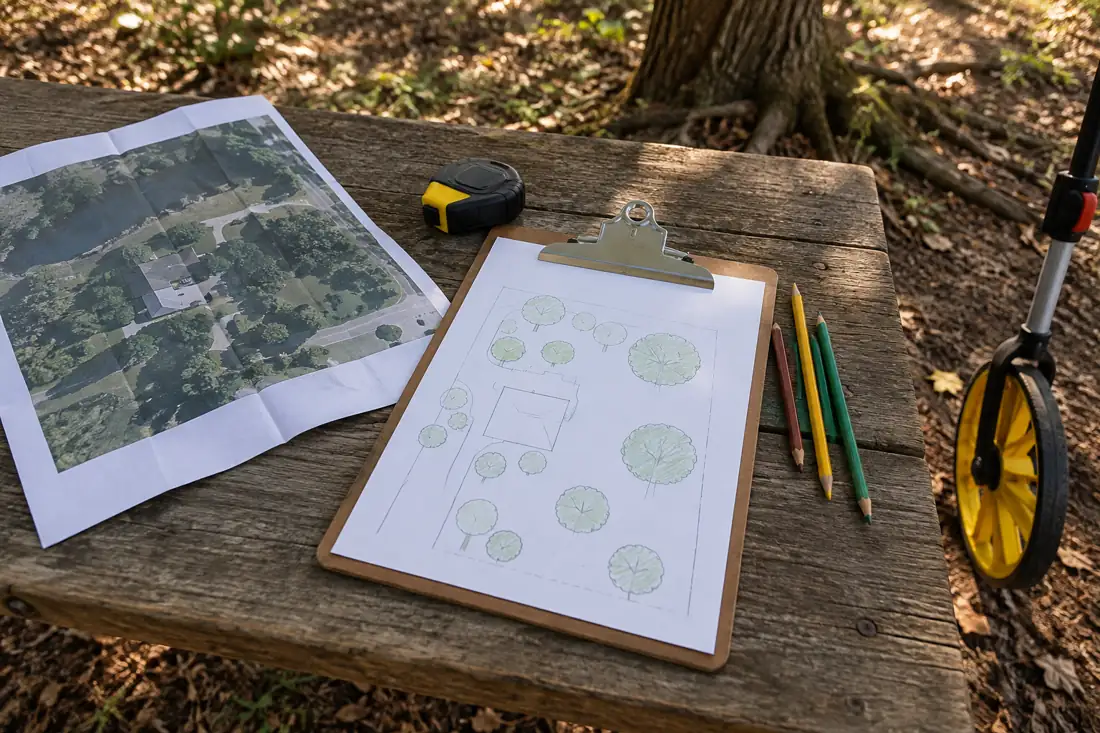
For a multi-property solicitation, list the address, site contact, tree identifiers, access restrictions and material disposition separately for each location. One line saying tree service at several buildings can conceal different ground conditions and operating hours. Explain whether the buyer needs a price by location, alternate, accepted work order or other authorized scope. Share safe overview photographs showing nearby structures and loading routes; never direct employees beneath unstable limbs to obtain closer images.

Separate buyer requirements from field assumptions
Document the owner of every critical coordination task. The property manager may handle tenant notifications, the utility may control electrical access and another contractor may handle traffic or paving. Confirm whether a written assessment, completed-work photographs or a specified closeout format is required before work begins. A general quote cannot silently stand in for engineering findings, tree-risk certification or a completion record beyond the work actually accepted.
Review the final proposal against exact trees, intended outcomes, wood and chip removal, stump handling, access restoration and exclusions. Record who approves changes and accepts completion. This creates a defensible request without implying that Tree Huggers has already completed a particular public contract or holds unverified qualifications. A good capability inquiry is a starting point for an actual job-specific discussion, not a substitute for that discussion.
Use a capability statement as a starting document
A buyer should provide the property, the tree inventory or work limits, the desired window and required contract documents. Verify current eligibility, insurance, registration and capacity separately; a general website overview is not a record of a public award or performance.
A useful scope conversation distinguishes equipment available from equipment suitable for the site, and known direct capabilities from subcontracted support. Specify debris handling, work-area restoration, tree identifiers and the party who accepts the final result before turning an overview into a quote.
Tree Service Capability Statement questions
Where is Tree Huggers based?
Tree Huggers Tree Service LLC is based in Marrero and serves Greater New Orleans.
Is this capability page a project proposal?
No. It describes service categories and the information needed for a project-specific review.
What difficult-tree work can be discussed?
Inquiries can cover large or compromised trees, constrained access and trees near structures or occupied areas.
Does an equipment listing guarantee availability?
No. Current resources, site suitability, method and schedule require direct confirmation.
Can regional storm projects be submitted?
Yes. Send locations, priorities, scope and coordination details for review of possible deployment arrangements.
Does the form confirm emergency dispatch?
No. Call about current availability; involve appropriate emergency or utility services for immediate threats or electrical involvement.
What should a facilities team provide?
Describe actual property use, work locations, access, operating constraints and the authorized contact.
How should contractor requirements be submitted?
Share current drawings, tree limits, retained-tree decisions, sequence and the finish the next trade needs.
Where can a buyer obtain current vendor documents?
Request the specific documents directly from Tree Huggers for the actual project requirements.
Does this page certify a particular registration or policy limit?
No. Verify current evidence and applicability directly rather than inferring it from the overview.
What should proposals clarify about cleanup?
Identify material handling, stumps, grindings, destinations, surface finish and separately assigned restoration.
What belongs in the first project brief?
Include locations, safe photos, task, concerns, access, material expectations, timing, requirements and approval contact.
Let’s plan your tree work.
Send the property address, safe tree photos and the result you need. Include access restrictions and the person who can approve the work.