Tree work with a practical mindset
Tree Huggers Tree Service LLC serves the New Orleans metro from the Westbank and has built a reputation through residential tree work, repeat customers and difficult jobs that require more than a basic saw-and-rope approach. Public profiles for the company show a long history of customer feedback, including more than eighty HomeAdvisor reviews and an A+ BBB profile.
Those third-party signals matter because tree work depends heavily on trust: customers are often handing a crew access to expensive property while heavy limbs are suspended above homes, vehicles and landscaping.
Site planning detail: The most valuable company introduction explains how a tree-care inquiry turns into a practical scope, without inventing credentials or promises. A homeowner can describe the tree, its surroundings, the concern and the result needed; a team can then determine whether a site visit, more photos or another specialist is appropriate. Distinguish routine maintenance from a tree leaning toward a structure, where safety boundaries come first.
Explain how adjacent landscaping, gates, driveways, traffic, power lines and debris handling influence work planning. Identify the stated service area accurately, but do not imply a physical branch office at every location. Use verified company imagery where available, and label educational planning illustrations privately in the asset register. The estimate form should remain the primary action; direct contact remains available for visitors who need it.
Our goal is to keep the local, owner-led responsiveness that made the company successful while building the systems, equipment and website presence necessary to compete for much larger work.
Understand how a site-specific tree request is evaluated
Learning about a tree-service company should make the next conversation easier rather than suggest that every job follows the same pattern. A homeowner may need a tree health discussion, a property manager may need controlled site access, and a public buyer may need procurement documents. Describe the location of the concern, the decision you are trying to make and the timing restrictions. These details let a service inquiry be directed to the appropriate evaluation without claiming any particular result in advance.
Tree work in the New Orleans region can involve close property lines, older structures, wet ground, dense canopies and seasonal storm preparation. Those are planning contexts, not proof that any specific property has a defect. A reliable scope separates what can be seen in photographs from what requires a qualified on-site look. If the project depends on access through someone else's parcel or use of a public right-of-way, note the required permission before setting expectations.
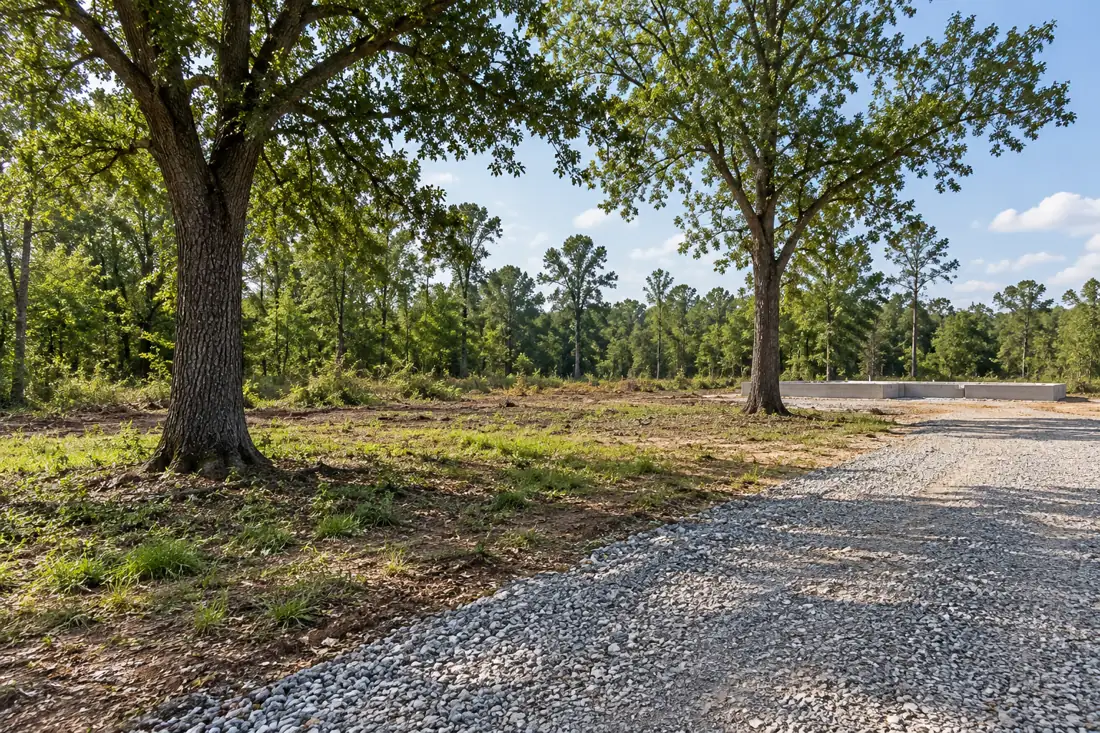
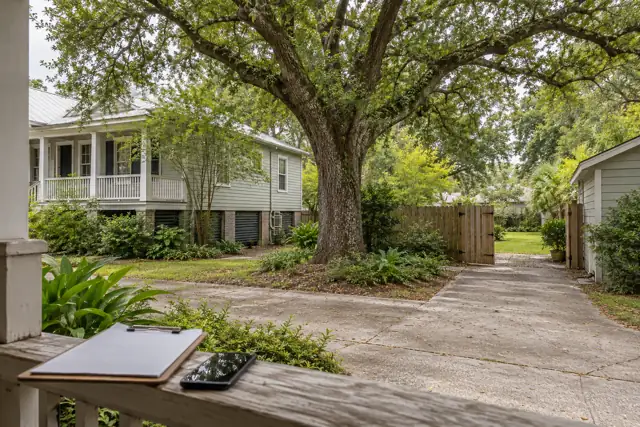
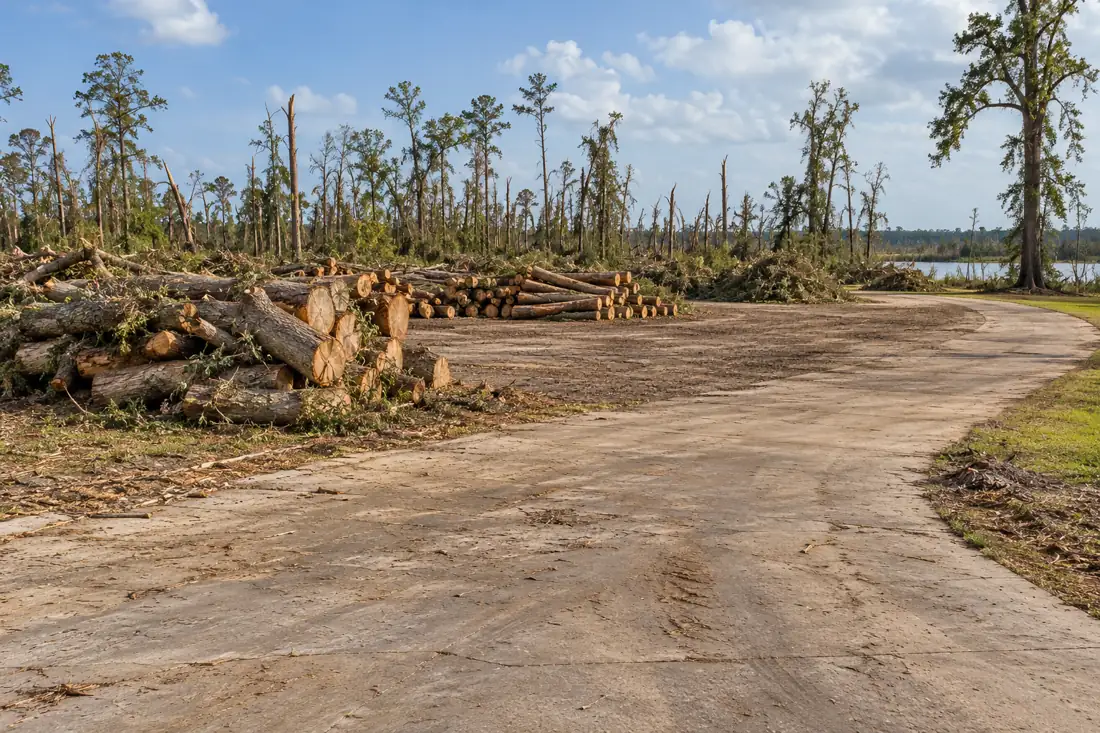
When reviewing a proposal or company profile, look for plain explanations of service boundaries, safety exclusions, disposal, scheduling dependencies and how questions are handled. Do not infer insurance coverage or certifications from marketing copy; request current supporting documentation directly for the actual project when needed. Educational scenes on this site illustrate common property-planning conditions and are not presented as photographs of past customer jobs.

Why the name still fits
Being called Tree Huggers does not mean every tree should stay. It means understanding that trees are valuable assets when they are healthy and appropriate for the site — and serious liabilities when they are structurally unsound, badly located or storm-damaged. Good tree service means knowing when pruning, cabling, treatment or preservation makes sense and when removal is the responsible option.
Equipment is part of the evolution
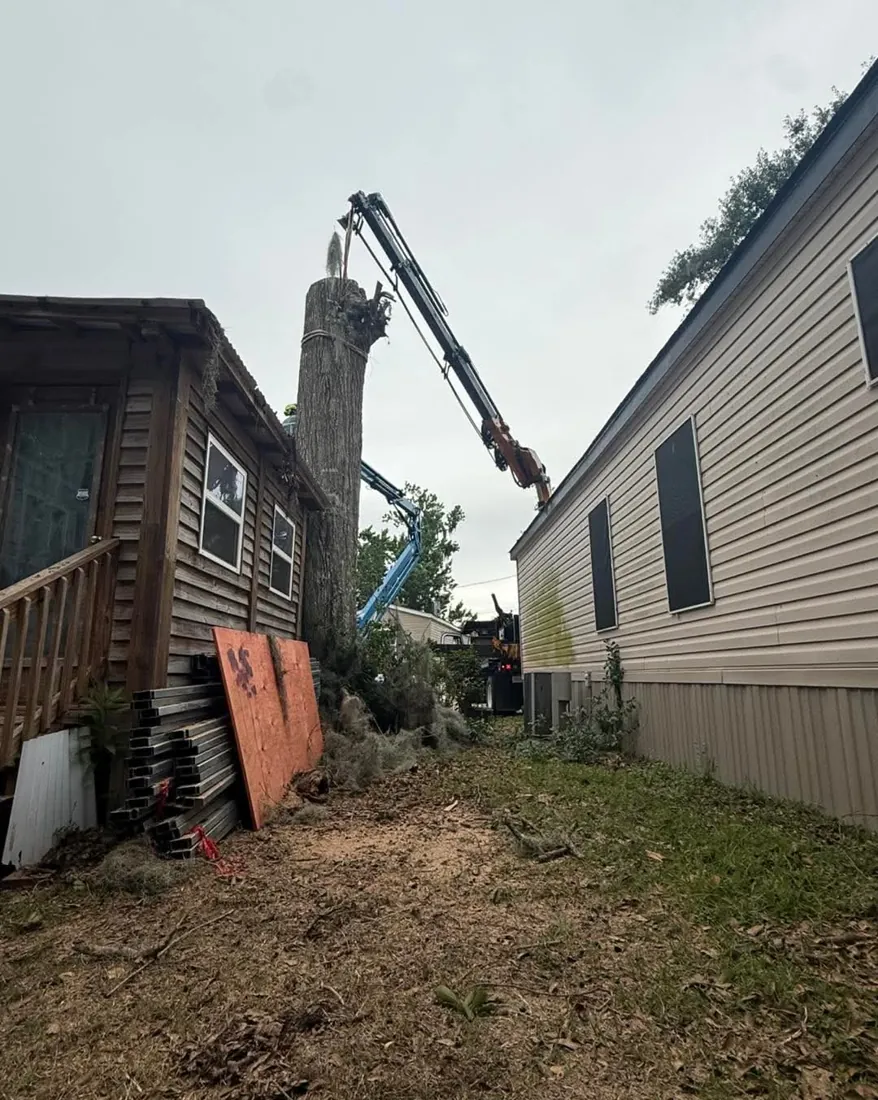
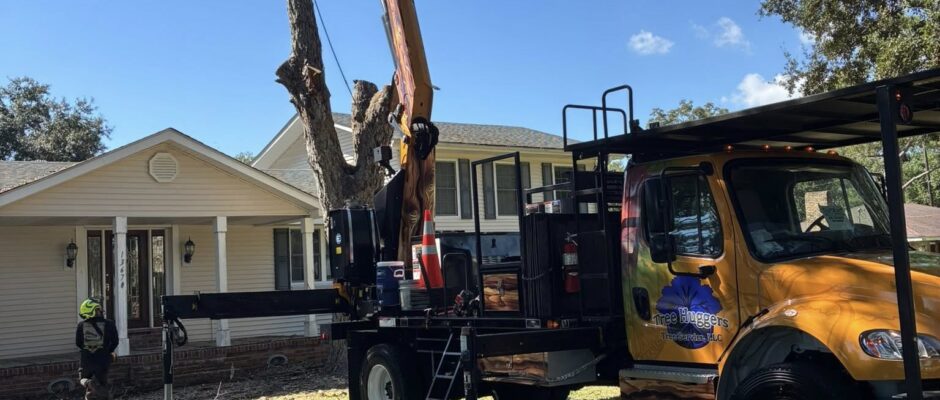
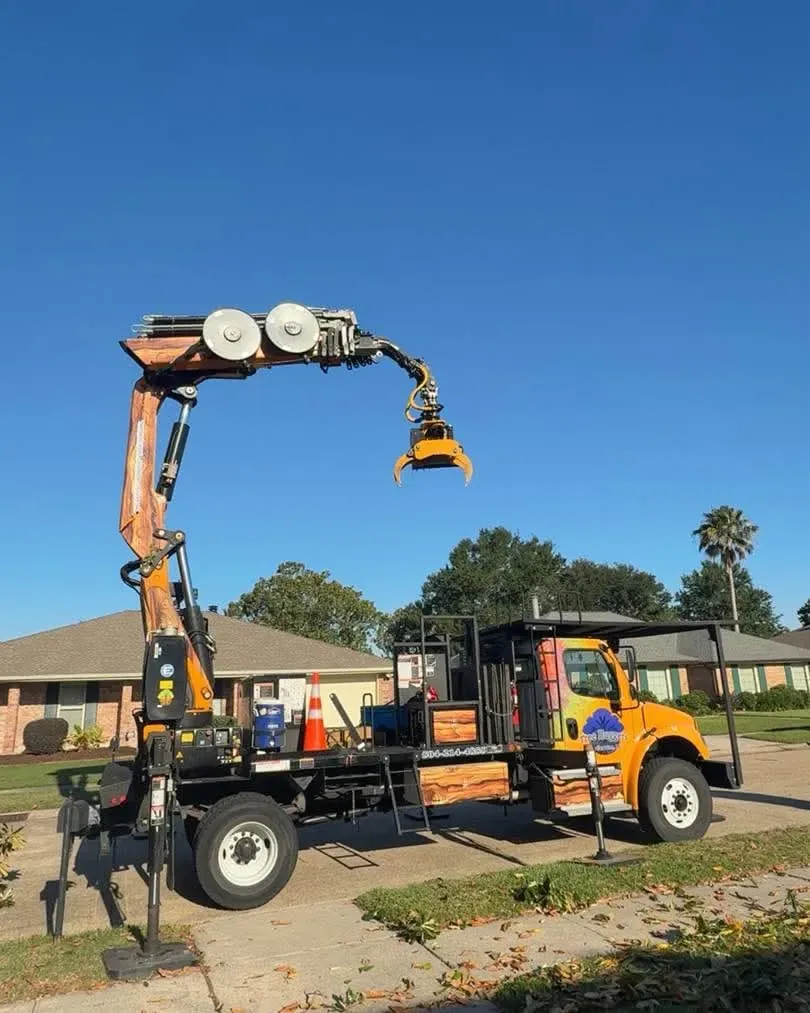
The addition of remote-controlled cutting equipment gives Tree Huggers a powerful differentiator. Large limbs can be secured and cut with specialized boom-mounted equipment, reducing the need for workers to remain directly beneath unstable material. That creates opportunities on high-risk residential work, commercial sites and storm response. The company is not abandoning traditional arborist methods; it is adding technology that makes the right crew more capable.
New Orleans first
New Orleans is our priority market because it has exactly the tree conditions our operation is built to handle: mature trees, historic neighborhoods, tight access, high-value structures and recurring tropical weather. Areas around St. Charles Avenue, Uptown, the Lower Garden District and the university corridor contain some of the city’s largest and most recognizable trees. Those neighborhoods demand respect for both the tree and the property underneath it.
But not limited to New Orleans
Storm chasing is an important part of the industry. When a major hurricane or severe-weather event creates demand outside our home market, Tree Huggers can mobilize for projects that justify the travel. The Gulf South is the logical first expansion area because Louisiana, Mississippi, Alabama, Florida and Texas share many of the same storm and tree-risk patterns. Nationwide work is possible when the project scope supports transportation, lodging, equipment and crew logistics.
Where the company is going
Tree Huggers is building toward a broader mix of residential, commercial, municipal, government and disaster-response work. That means better documentation, better online scheduling and callback systems, stronger project galleries, detailed service-area content, procurement-ready capability information and a website that demonstrates expertise instead of merely listing services.
What Homeowners Can Expect from a Clear Tree-Service Conversation
Learning about a tree-service company is more useful when it explains what will happen on your property than when it repeats broad promises. Begin with the reason you are reaching out: a fallen limb, crowded canopy, questionable trunk, stump in the way of a planned improvement, or ongoing vegetation near a building.
A helpful first conversation should establish the location, what you have observed and whether it is safe to enter the affected area. You do not need to decide in advance whether the correct service is trimming or removal. That choice should follow a site-specific evaluation of tree condition, location and what could be affected.
The company description should not imply that every old tree is dangerous or that a visual impression proves structural soundness.
Tree Huggers serves residential and commercial inquiries around the Greater New Orleans area, but each property creates its own logistics. A raised house with narrow side access can require a different debris route from an open commercial lot. Ask how access will be handled, what will be protected, whether hauling is included and what the final cleanup means.
If a crane, bucket truck or climbing system is proposed, the important issue is why that method fits the site rather than the equipment name alone. If trees are near energized utility infrastructure, the scope should recognize that separate utility coordination or appropriately qualified personnel may be needed.
Avoid letting a website biography stand in for a written understanding of the actual work.

Useful questions before deciding on work
Photographs can help communicate a concern, but they should be taken from stable, accessible ground. A wide photograph showing the tree, building and driveway is often more useful for planning than a very close picture that hides its location. A second view can show the gate width or neighboring property boundary. Do not climb onto a roof, touch downed lines or walk under a hanging limb to obtain a better shot. At the estimate stage, request clarity about whether a proposed job addresses specific branches, the whole tree, a stump, removed wood or retained material. If an estimate changes after a site visit, ask what condition or access constraint explains the change before accepting an amended scope.
After any service, the most useful record identifies the date, trees worked on, agreed tasks and remaining concerns. A photo of a clear driveway can document cleanup, but it cannot certify that no risk remains anywhere in the canopy. Tree Huggers' public website should distinguish genuine company evidence from synthetic educational images used to explain typical conditions.
The absence of a displayed testimonial or a gallery item is not evidence of poor or good performance; ask for relevant, verifiable information rather than relying on unverified claims. A straightforward service inquiry can begin with a city, contact method and concise description, while leaving unrelated personal details out of the request.
A Local Tree-Service Company With a Practical Focus
Tree Huggers Tree Service LLC serves the greater New Orleans area from the Westbank. The company's work encompasses decisions that often affect homes, businesses, trees and shared spaces at the same time. An owner may need a branch cleared from a roofline, a declining tree assessed or access restored after a storm. These are not interchangeable problems, so a useful company introduction should explain how the work is approached rather than promising the same solution for every call.
The Tree Huggers name reflects an interest in making thoughtful choices about trees. Healthy, well-positioned trees can contribute shade, habitat and character; damaged or unsuitable ones may present concerns that call for further assessment or removal. The goal is to match the actual condition and the property owner's objectives to a defensible scope, with safety and the surrounding site considered before a cutting method is selected.
Why Tree Preservation and Removal Both Belong Here
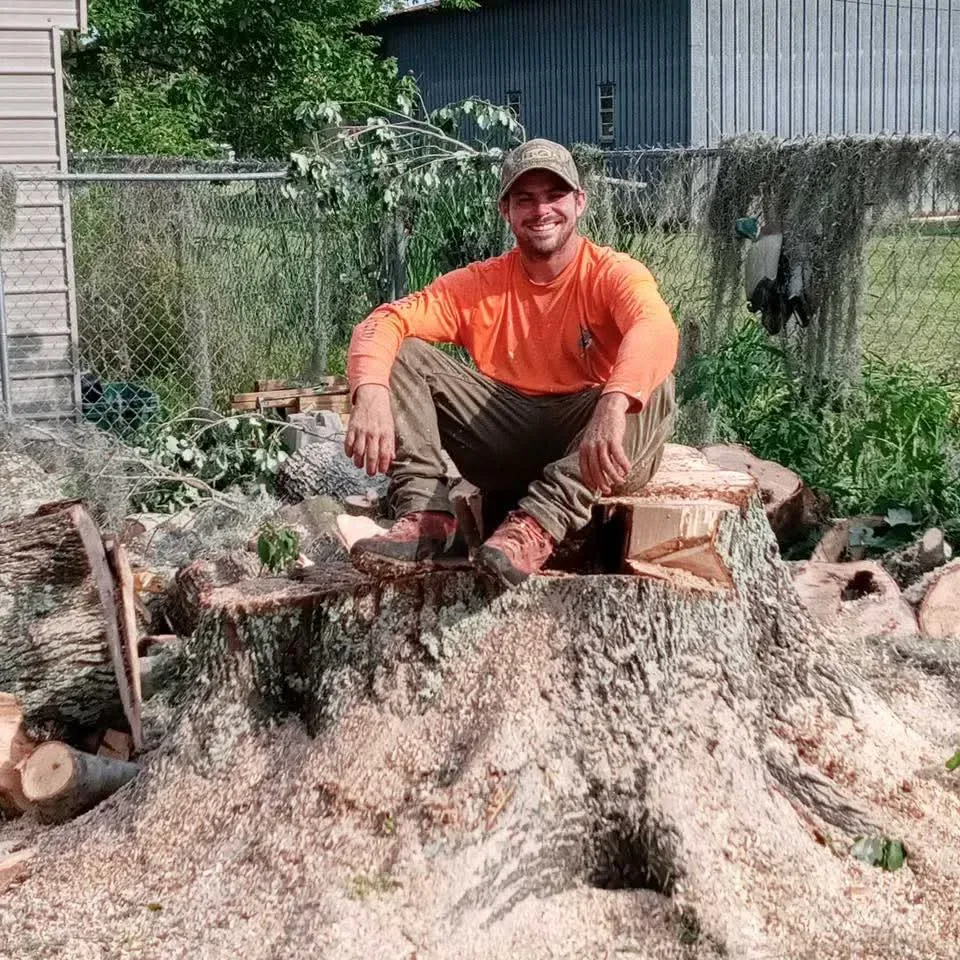
The phrase 'tree care' does not mean protecting every tree at any cost. Sometimes pruning, monitoring, cabling or health management may be options worth evaluating. In other situations, significant structural damage, unacceptable proximity to important targets or irreversible decline may make removal the more appropriate discussion. A qualified assessment should consider the tree's value and realistic alternatives without treating a single symptom as proof of failure.
Tree Huggers can discuss whether the concern is mainly a maintenance issue, a structural-risk question or a property-planning decision. Visitors are encouraged to describe what changed and when rather than deciding the diagnosis in advance. Site history matters: excavation, changing drainage, storms and nearby construction may affect tree conditions. A general website cannot determine the safest plan for an individual tree without suitable information.
Working Around New Orleans Property Constraints
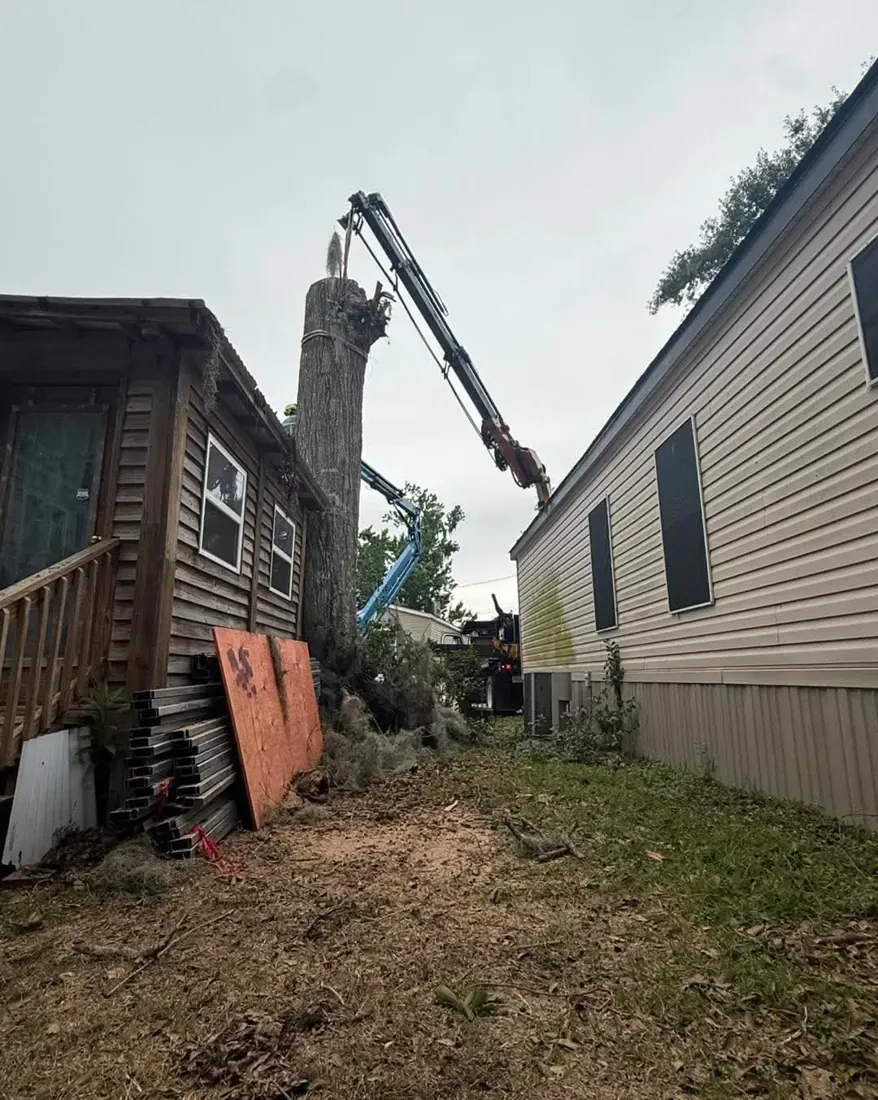
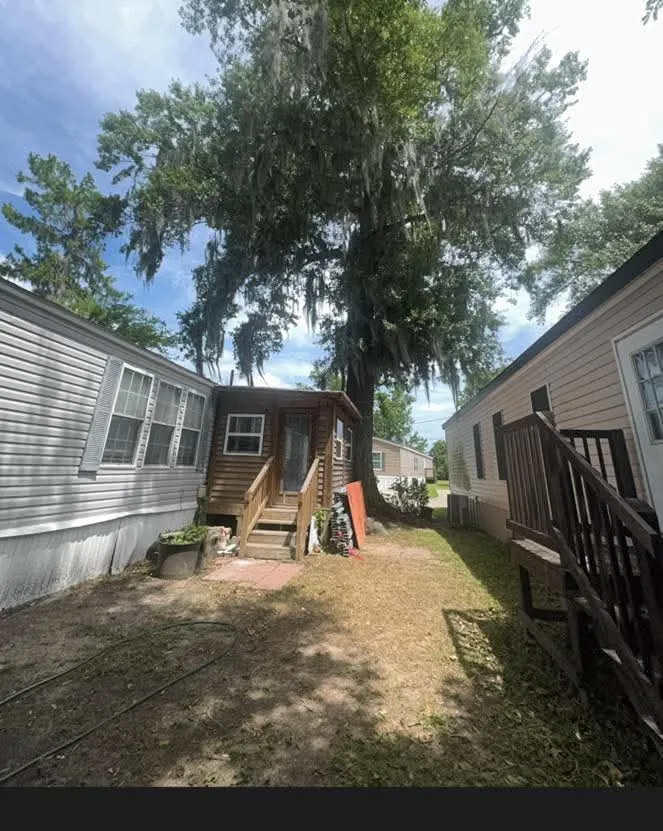
Many properties in the metropolitan area have mature canopy trees beside homes, fences, driveways, overhead service lines and narrow routes to rear yards. A large tree in an accessible open space presents different challenges from one hemmed in by buildings and landscaping. The company's service conversations therefore need to address how the crew reaches the tree, where equipment might stand and what must remain protected during the work.
Homeowners can help by sending safe wide photographs and describing the route from the street to the work area. The narrowest opening, turns, soft ground, drainage features and neighboring property can all change the plan. It is better to identify those features early than to assume a particular piece of equipment will reach every location. Permissions and any temporary access changes should be clarified before work is authorized.
Equipment Is Capability, Not a Universal Method
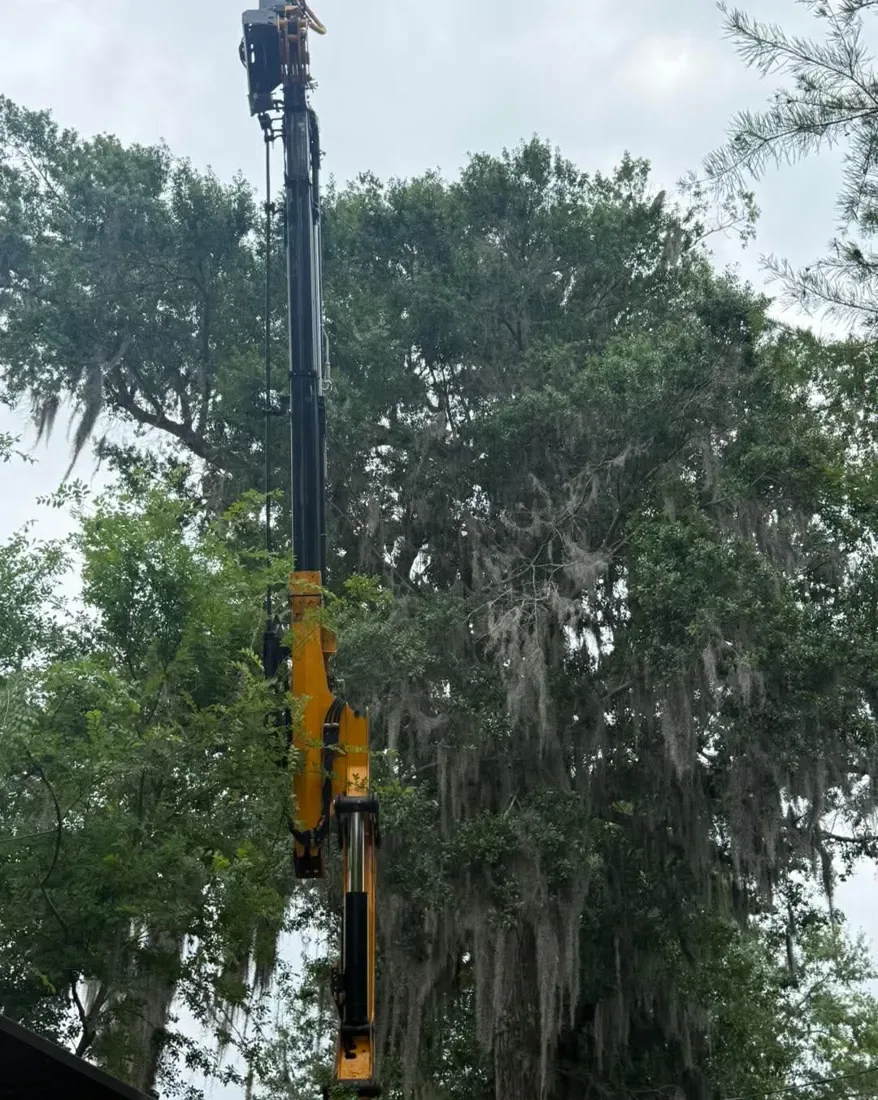
Tree Huggers' field-image collection shows specialized equipment used in tree-service operations, including handling and lifting systems. Such tools may help address difficult cuts or materials under particular conditions, but an image of a machine is not a promise that the same technique will be used at another home. Tree condition, available clearance, surface support, overhead targets and worker protection requirements still govern the appropriate approach.
Before a large or complicated project, owners can ask the estimator to explain why the proposed setup is suitable for their property and which areas need to stay clear. Equipment ownership alone does not guarantee a particular risk outcome. Likewise, scenes from the company's media collection should not be presented as named customer jobs without records connecting the photograph to a verifiable assignment.
The Importance of a Clear Work Objective
A request for 'tree trimming' can mean removing deadwood, creating clearance, correcting a structural problem or reducing a recurring conflict with a building. These goals require different choices. The same is true of removal: the customer may want the trunk down, all wood hauled, the stump ground or the ground made ready for another use. Each deliverable should be stated rather than assumed under a broad service label.
For multi-tree properties, identify each tree or area in photographs and written instructions. Discuss the desired outcome, important targets, material handling, site access and the approval process if unexpected conditions appear. Clarifying these points before work starts makes it easier to compare proposals and evaluate the finished result. A price without a defined scope can obscure more than it explains.
Storm Response Begins With Safe Boundaries
Severe weather can change a tree's stability quickly. Hanging limbs, partly fallen trunks, contact with utility equipment or damage to a structure should not be approached just to obtain a better photograph. Where there is immediate danger or possible electrical involvement, keep people clear and contact the relevant emergency responder or utility. A contractor inquiry can follow from a safe location once the immediate concern has been addressed.
Storm work may be divided into stages, such as securing access, moving unstable material and completing later debris handling or stump treatment. Customers should ask what the proposed emergency scope actually covers and whether additional work would be separately authorized. Neither a website form nor a field photograph confirms emergency dispatch, an insurance claim outcome or an arrival-time guarantee.
Residential and Commercial Needs Differ
A residential project may revolve around family access, a fence, a garden and proximity to a house. A commercial property may require tenant coordination, loading zones, parking availability, pedestrian separation or particular work windows. Both require attention to the tree and the surroundings, but the authorization and communication paths may be very different. The company needs to know who can approve the work and any temporary restrictions.
For commercial, municipal or procurement inquiries, ask which documents the buyer requires and what evidence the company can supply. Contract requirements should never be inferred from a generic service page. A photograph of equipment is not the same as a verified government award or completed public-sector reference. Tree Huggers can discuss capability, constraints and documentation through an appropriate project inquiry.
What to Share Before an Assessment
A concise inquiry should identify the property address, the tree or area of concern, the visible condition and the result the owner wants. Share when the change was first noticed, whether storms or excavation occurred and whether people, structures or utilities are affected. Photographs from the street, a safe view of the trunk and a view of access restrictions can help the company determine the next questions to ask.
Do not climb, move debris or enter an unsafe area to improve intake photographs. If the base, canopy or route cannot be approached safely, simply explain that limitation. Photos can assist with initial planning but may not reveal internal defects, ground support or permission issues. The next step might be a conversation, site assessment or referral to an appropriate authority, depending on the condition.
From an Inquiry to an Agreed Scope
The useful sequence is inquiry, clarification, appropriate assessment, written scope, authorization, work and completion review. Each stage solves a different problem. An inquiry should not silently become a scheduled job; an estimate should not imply permission to cut additional trees; and a completed operation should be measured against the agreed result rather than assumptions about what was included.
Customers can ask how changes are approved, who should be on site, whether neighbors need notice and what happens to branches, logs, chips or grindings. Record any exclusions such as imported soil, fence reconstruction or landscape restoration. Clear expectations support both the property owner and the crew without inventing a response guarantee, advertised price or unverified business credential.
How Tree Huggers' Information Should Be Judged
The company website should help visitors decide which question they need answered next. Service pages explain capabilities and conditions; educational guides explain warning signs, choices and preparation; contact paths collect enough detail for a real conversation. These different purposes should remain distinct. A polished page is not a substitute for a site-specific evaluation, current documentation or truthful project evidence.
Visitors can read independent public profiles, review the proposed scope and ask for relevant supporting information for higher-risk work. Photos from the company collection are labeled as field images unless a specific completed project can be confirmed. This commitment to clarity is a better basis for confidence than manufactured testimonials or broad claims that every job is easy. Tree Huggers can be contacted to discuss practical next steps.
Discuss the next step for your property
Before relying on a company profile, ask which services and equipment fit the specific property and whether current documents required for your project can be provided. Describe the tree, site access, safety concerns, and intended finished condition. Confirmation of scheduling and price belongs in a separate, clearly agreed estimate.
Frequently Asked Questions
Where is Tree Huggers based?
The company serves Greater New Orleans from the Westbank. A service-area listing does not imply a staffed office at every location.
Does Tree Huggers always recommend removal?
No. Preservation, pruning, monitoring and removal are different possibilities that depend on condition and property objectives.
Can photos establish whether my tree is safe?
No. Images help describe the concern but may miss defects that require a qualified on-site assessment.
Why is access a major planning factor?
Gates, turns, ground conditions, nearby structures and utilities may limit equipment positioning and material removal.
Does the company own specialized equipment?
Company field photographs illustrate specialized tree-work equipment; the actual method for a new job depends on assessment.
Will my stump automatically be ground after removal?
Not necessarily. Stump grinding and the handling of grindings should be expressly covered in the agreed scope.
How should I handle a potentially energized tree?
Stay clear and contact the appropriate utility or emergency authority. Do not approach the tree to take photographs.
Can commercial clients ask about documentation?
Yes. Share the project requirements and request relevant current documentation through the proper inquiry process.
Does a company photograph verify a named customer job?
Not on its own. Location, date and outcome require supporting provenance before a case study can make those claims.
What should I include in a request?
Provide the property address, visible condition, desired result, safe photos and significant access constraints.
Does a submitted form confirm a work date?
No. An inquiry starts the discussion; assessment, scope, availability and authorization remain separate.
How do I compare two tree-service proposals?
Compare included trees, tasks, access assumptions, debris handling, stump work, protection measures and exclusions—not just the total price.
Get a scope for your property
A useful company introduction should help visitors decide whether a contractor fits the actual job rather than rely on unsupported superlatives. Tree Huggers serves the Greater New Orleans area from Marrero. For a relevant discussion, tell the team the property location, whether the work is residential or commercial, and whether the concern involves a healthy tree, a storm-damaged tree or material already on the ground.
If you need credentials, proof of insurance or a particular site-access procedure, request current documentation for the proposed work instead of relying on a general statement on a website.
The estimate conversation can establish what will be inspected, what is excluded and which conditions need follow-up. Ask who will coordinate access, what surfaces and landscape areas must be protected, how wood and brush are handled and what evidence of completion you want. If a tree raises immediate safety concerns, keep people away from the affected area and use qualified emergency or utility help as appropriate. A company profile should support practical verification—not substitute for an assessment or invent a project history.