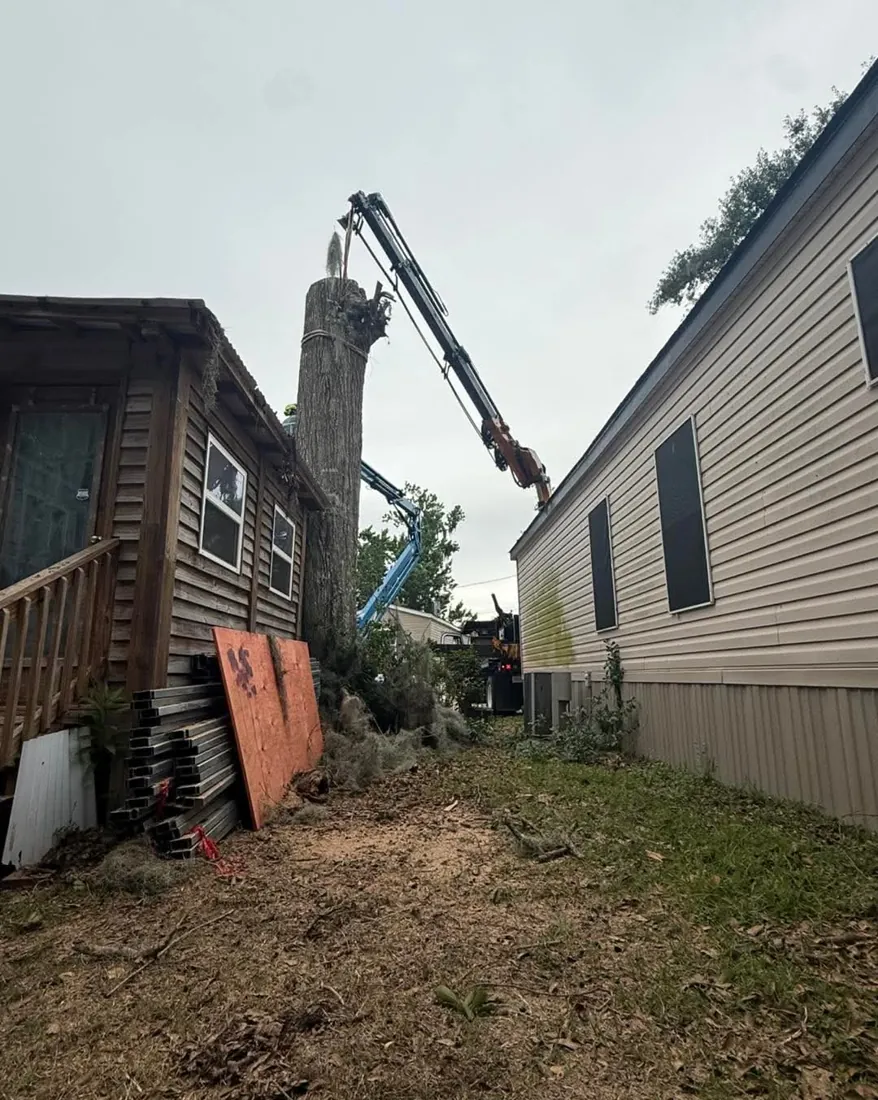
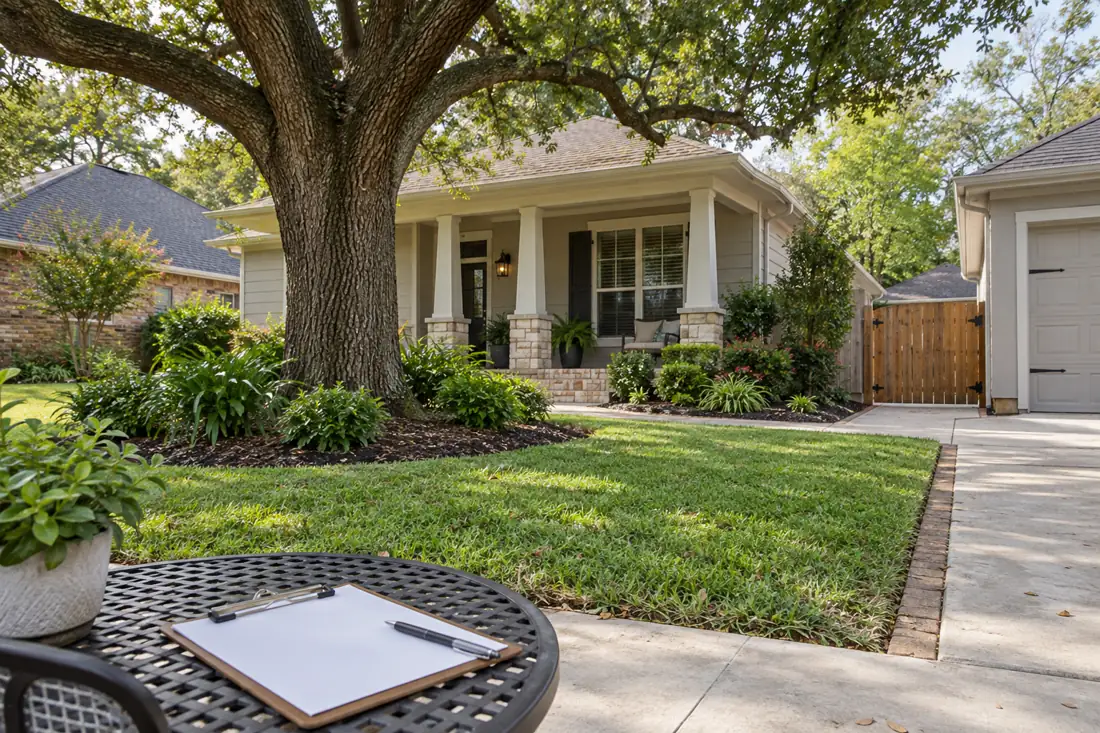
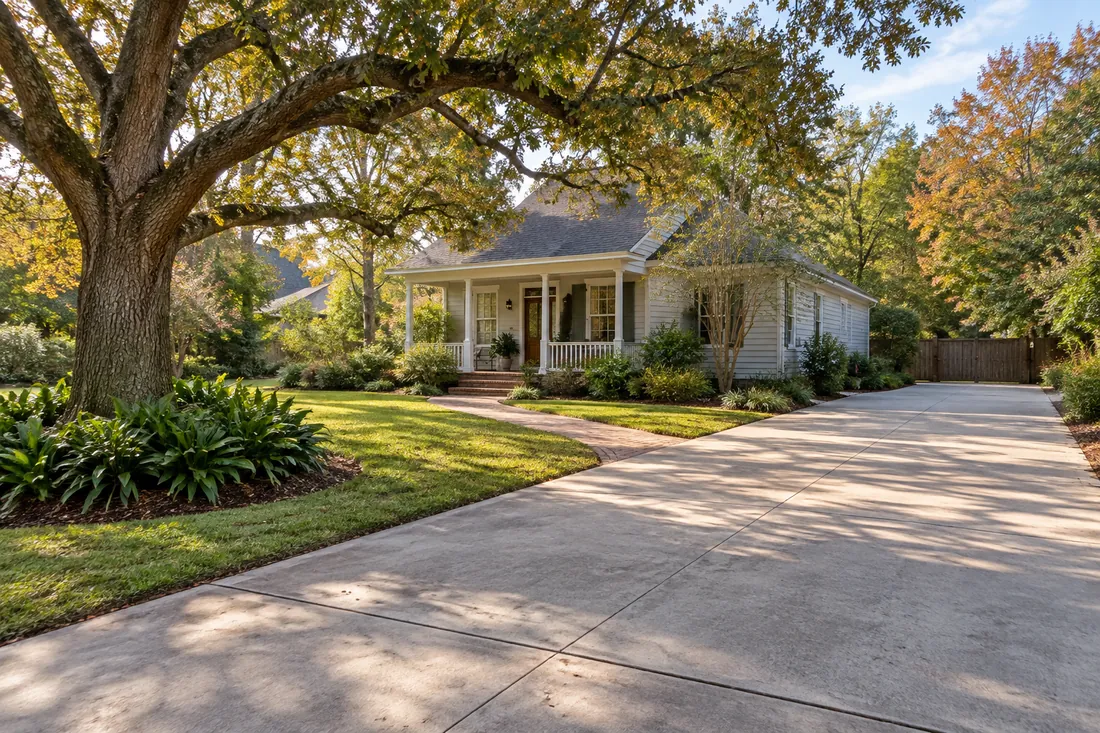
Tree Huggers Tree Service LLC is based at 342 Saint Jude St, Marrero, LA 70072. Tree work takes place at customer properties across Greater New Orleans; this business address is not an invitation to bring a tree sample or arrive for a walk-in appointment. Call or text 504-458-8336 to discuss the actual property. Larger Gulf South and out-of-town project inquiries are considered according to scope and logistics.
You do not need to select a machine or diagnose the tree before contacting us. Start with the location, what you have noticed and the result you want. That gives the conversation a useful direction without turning an inquiry into an agreement you have not yet reviewed.
Choose the first step that fits your situation
For a routine estimate, text safe photos with the property address and a short description, or complete the estimate form above. If you prefer a return call, put your preferred time window in the job-details box or use request a callback. Include a reachable phone number and explain if the person arranging access is different from the owner who will approve the work.
An urgent tree concern belongs in a phone conversation about current availability. Tell us if a tree is on a building, blocking an entrance or hanging over an occupied area. A form submission does not confirm dispatch. For an immediate threat to life, fire or electrical involvement, contact emergency services or the utility first and keep clear. Nobody needs to enter an unsafe area to produce a more complete estimate request.
Send a few useful views, taken from safe ground
Good photographs connect the tree to its surroundings. Begin with a wide view that includes the whole tree, then a safe view of the trunk base and the nearby house, fence or other feature that matters. Add the route from the street to the work area, including the gate and any turn. If there are several trees, explain which one each picture shows rather than expecting a close-up of bark to identify the intended tree.
For visible damage, say when you first noticed the change and what the tree or limb is touching. Do not stand beneath hanging wood, climb onto a roof, cross a damaged fence or approach a downed line for a better angle. If a view cannot be taken safely, describe it instead. Website pictures are planning illustrations or company photographs; your own current property photos are what help explain your inquiry.
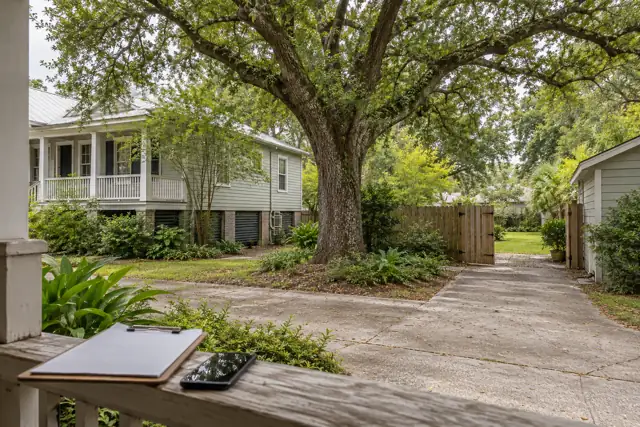
Explain the result you want before choosing a method
A useful request distinguishes a question from a decided scope. You may want a tree assessed before choosing removal, clearance over a driveway, a damaged limb addressed, an unwanted tree removed or a stump prepared for another project. State that goal in ordinary language. If you are uncertain whether preservation or removal is appropriate, say so. The first conversation can identify what needs to be assessed without treating an online picture as a complete diagnosis.
For removal, mention whether wood and branches should be hauled away and whether stump work is also requested. For pruning, describe the clearance or maintenance objective and the branches you want retained. For grinding, explain the future use of the ground. Explore tree services if you want to identify the relevant service first, or simply use Other tree work in the form and explain the question.
Describe the route as well as the tree
The property address is the starting point; equipment access is part of the actual work discussion. Mention a narrow gate, raised-house stairs, a shared driveway, a tight turn, overhead services or a surface that must be protected. Show the complete route to the tree rather than only the front yard. Tell us about parked vehicles, deliveries or other scheduled activity that could affect the available space on the day a visit or job is being considered.
Do not remove a fence or arrange access across a neighbor’s property just because an inquiry has been sent. Those decisions belong in the agreed plan after the relevant people have given permission. If a tenant, manager or another owner controls entry, provide a practical contact and explain any notice requirement. Clear access information helps the contractor determine what further review is needed before a method, scope or schedule can be confirmed.
Keep the estimate conversation easy to follow
Use one clear description of the requested work and keep your photographs together where practical. Give the street address, city and a recognizable tree location such as rear yard beside the detached garage. If you call after sending a form, mention that a request is already on file. If you send additional photos, identify the same property so the new information can be connected with the original inquiry.

A photo set that helps without putting you in danger
For a first inquiry, a wide photograph from a safe spot often answers more questions than several close-ups. Include the tree and something that shows its position relative to the home, fence, driveway or neighboring structure. If a particular limb or trunk feature concerns you, add a second photograph using zoom rather than walking beneath it. Do not climb, enter a restricted area or approach a power line for better evidence.
Explain the result you want in plain language: remove a tree, reduce a specific conflict, evaluate a condition, or arrange debris and stump handling. If the property is rented, managed by an association or shared, say who can approve the scope and provide access. That avoids confusing a request for information with permission to perform work.
After submission, keep your reference details together and report any material change, such as a newly fallen limb or shifting root plate. A form submission begins a conversation; it does not establish an appointment, quoted price or emergency dispatch. If there is an immediate danger, remain clear of the area and contact the appropriate emergency or utility service.
Tell us about a genuine timing constraint, such as another contractor’s planned start, a tenant access window or a bid deadline. A requested date is useful information, not a reserved appointment. Ask what review is needed before the scope and timing can be agreed. If the tree or property changes while you are waiting, report that change; a new lean, a fallen limb or a blocked route can change the conversation you initially started.
Insurance-related requests need accurate work information
If an insurer has asked for an estimate or specific documentation, explain that request and the tree’s current position. Say whether material is on a building, across access or scattered on the property. You can include a claim reference when relevant, but there is no need to send a complete private policy file with an initial service inquiry. Ask what work description, photographs or itemization the tree contractor can actually provide.
Tree Huggers can discuss the tree-work scope; the insurer determines coverage under the policy. An estimate is not claim approval, and requesting a quote does not authorize a crew to start work. Keep your insurer’s instructions and any accepted tree-work agreement together. The insurance documentation page explains contractor-side records, while the coverage questions guide helps prepare the separate conversation with your insurer.
Commercial and public buyers can start with a short brief
For a commercial property, identify the site, the trees or areas involved, operating hours and access restrictions. Explain whether tenants, parking, pedestrians or another contractor must remain accommodated. Name the person coordinating the inquiry and the person authorized to accept a scope or approve changes. If several locations are involved, label the sites clearly so photographs and requested tasks are not mixed between properties.
For government, municipal or bid-related work, provide the project or solicitation reference, relevant deadline and the prescribed contact process. Ask how scope documents or maps should be sent rather than assuming the estimate form accepts attachments. Explain project-specific documentation requirements early so the company can review them. Start with commercial and government tree services for that type of inquiry. An online request does not establish vendor approval, acceptance of contract terms or a committed mobilization date.
Out-of-town storm projects need a usable location and scope
Tree Huggers accepts inquiries about larger Gulf South and worthwhile out-of-town storm projects, but a message alone cannot establish whether a deployment is available. Send the city and state, the type and approximate extent of tree work, the responsible organization and a reachable coordinator. Explain known access restrictions and whether utilities or other responders control the site. Current photographs or a clear site list are more useful than a general request to send equipment somewhere in a damaged region.
Ask about current capability and availability before making travel or work assumptions. Access, material handling, disposal arrangements, site authorization and the proposed finish all affect a larger project discussion. The disaster mobilization page provides a starting brief. Keep urgent public-safety coordination with the appropriate authorities; this contact page is a service inquiry channel and does not replace an emergency response system.
Know what happens after you send the request
The estimate form asks for your name, phone, service and job city, state or ZIP. Email and job details are optional, and the How did you hear about us? field helps identify the source of the inquiry. After a successful submission, keep the confirmation reference for follow-up. If a validation message appears, correct the indicated fields; if you cannot complete the form, use the phone or text link rather than repeatedly sending uncertain copies.
The next discussion may involve more photos, a site visit or clarification of the desired scope. Work starts from an accepted agreement, not simply from submitting the inquiry. Before scheduling, understand which trees and tasks are included, the access plan, hauling or retained material, stump treatment and any exclusions. You can review company work and planning comparisons while preparing those questions, and what happens after a request for confirmation guidance.
Contact and estimate questions
What number should I use to send tree photos?
Text 504-458-8336 with the property address, the tree or issue and safe photographs. Identify the same property when sending follow-up images.
Can I request an estimate without knowing the right equipment?
Yes. Describe the condition, access and desired result. The contractor determines what assessment and equipment planning are needed for the actual site.
Does the estimate form accept photo uploads?
The current form does not accept file uploads. Use the Text photos link, or ask how project documents should be sent.
Which photographs help most?
Send a whole-tree view, a safe view of the base, nearby structures and the full route from the street. Explain which tree is intended when several appear similar.
Should I approach a damaged tree to get the missing photo?
No. Keep clear of unstable wood and utility hazards. Describe a view that cannot be taken safely rather than entering the area for an image.
How do I request a callback?
Use the callback page or put a preferred callback window in the job-details field. Provide a reachable phone number; a preferred time is not a confirmed appointment.
Is email required to submit the estimate form?
No. Email is optional. The form requires a name, phone number, selected service and job city, state or ZIP.
Does submitting the form reserve a crew?
No. A request begins the discussion and does not confirm a work appointment or emergency dispatch. Call to discuss current urgent availability.
Can I visit the Marrero business address without arranging it?
The listed address is the business base, and tree work is performed at customer properties. Contact the company before assuming an in-person meeting is available.
What should a commercial or municipal inquiry include?
Identify the site, scope, deadline, access restrictions and authorized contact. For a solicitation, include its reference and ask how the relevant documents should be provided.
Does a tree-removal quote confirm insurance coverage?
No. The insurer determines coverage under the actual policy. Tree Huggers can discuss the tree-work scope and accurate contractor documentation.
What should I do if the tree changes after my inquiry?
Report the new condition and identify the original request or property. Keep clear of any developing hazard and contact emergency services or the utility where appropriate.