A clearer picture of the scope


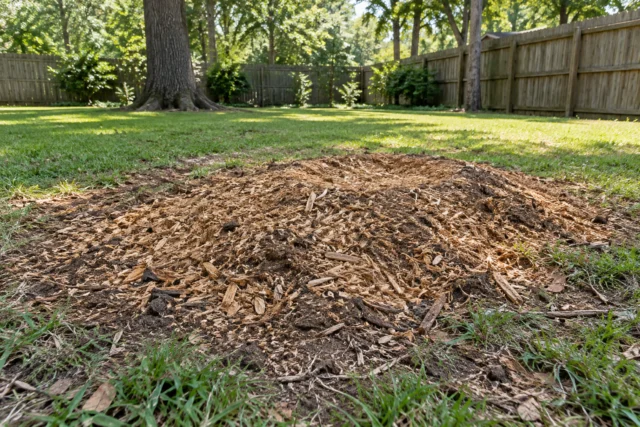
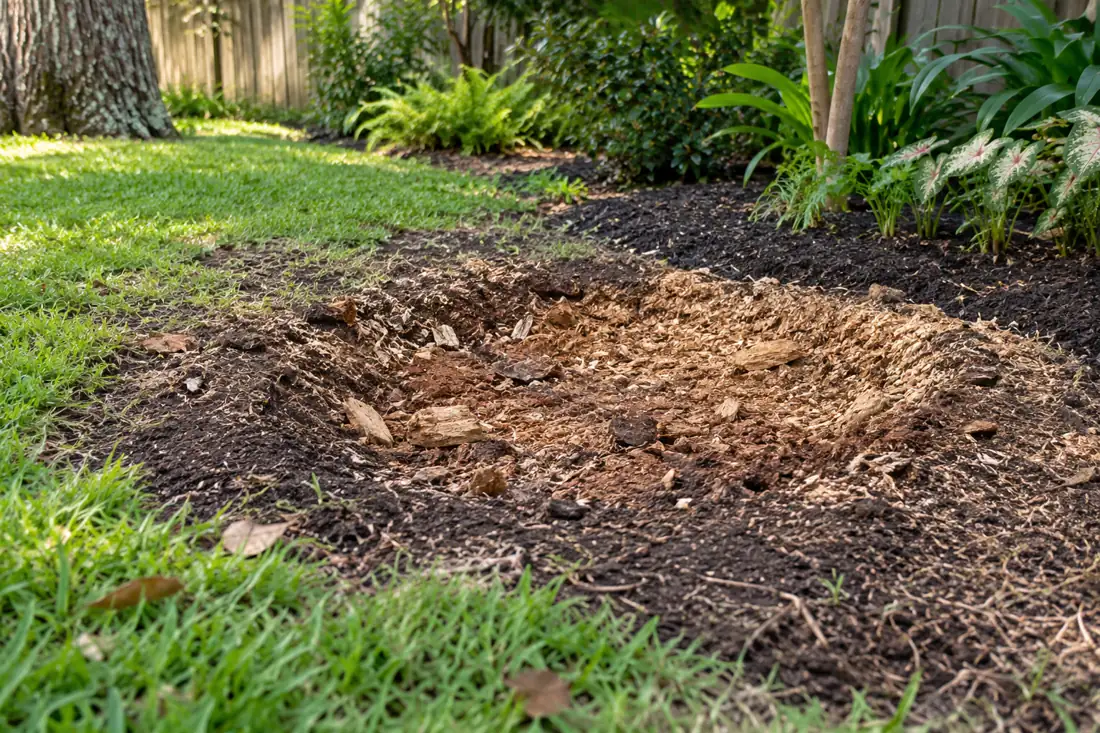
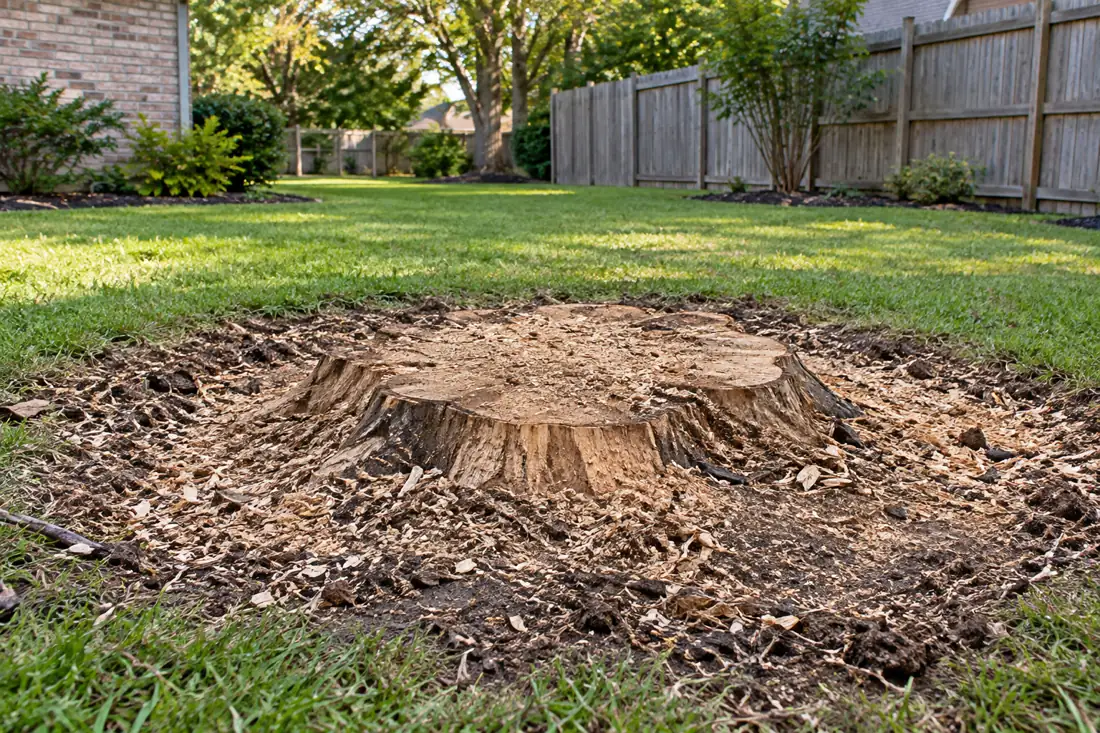
Example: Stump grinding finish
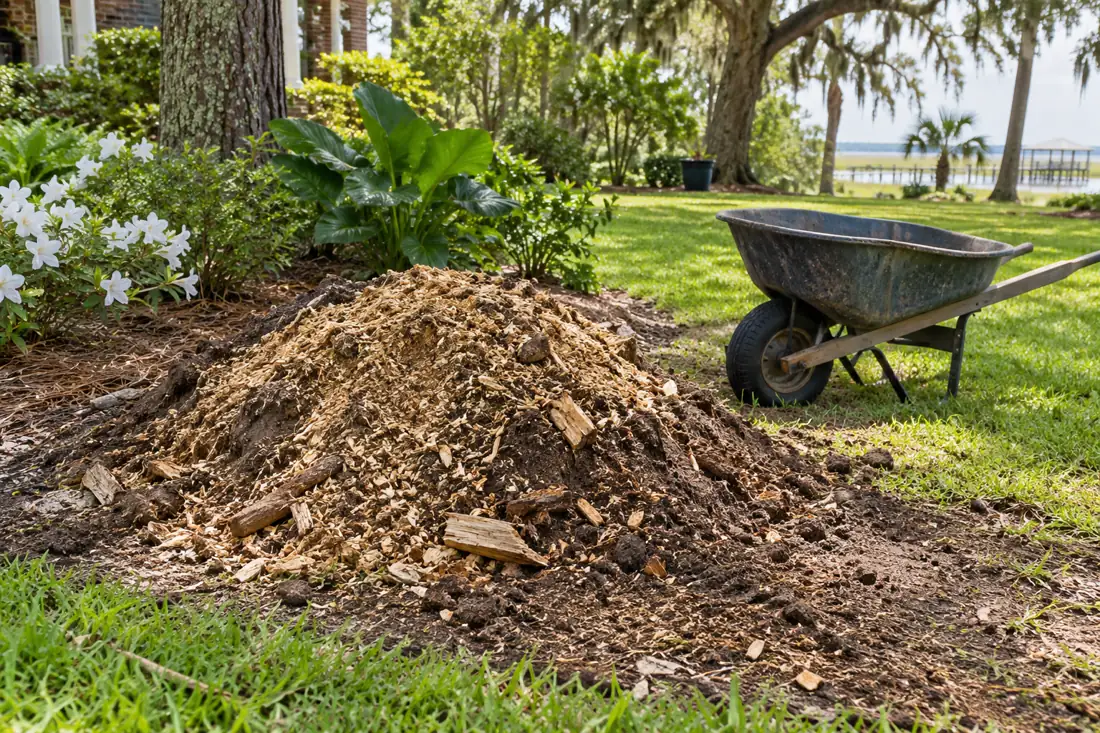
The upright stump is gone and wood chips remain. Chip removal, fill and new grass are separate finish items.
Grinding scope: what actually changes the estimate
The finished ground, not the grinder
A customer planning fresh sod usually needs a different result than someone preparing to set a fence post, extend a patio or plant a replacement tree. Tell the estimator what will happen on that exact patch of ground. Depth, root flare, underground obstructions, grade changes and how the grindings will be handled affect the proposed scope.
Grinding the visible stump does not prove every lateral root is gone; roots outside the work zone may remain. If soil settlement could affect new hardscape, discuss that risk with the installer before committing to a finish.
Separate grinding from landscape restoration
Ask for the grinding work, removal or retention of chips, imported soil if needed, and surface restoration to be named as separate items rather than assuming each is included. A site that needs only a mowable surface may tolerate a different cleanup standard from a location intended for drainage or a foundation. Mark irrigation heads and buried services, keep children and pets clear of work access, and explain gates or soft lawn conditions in photos. For a step-by-step decisions worksheet, use the stump project planning guide; this service page is for discussing the actual grinding scope.
Grinding depth should match the next use
A stump that only needs to stop catching a mower is a different project from a stump in an area planned for new landscaping or construction. We discuss the intended use of the site, access for the grinder and how the chips and soil mixture should be handled.
Practical scope and safety guidance: Stump grinding estimates are more accurate when the stump is measured at its widest visible flare rather than only the narrow cut surface. Include photographs from above and from the side, a known scale if possible, and the distance to fences, walls, irrigation heads, walkways and driveways. Tell the estimator whether the goal is to remove a trip hazard, prepare for sod, plant another tree or accommodate new construction.
Each use may require a different target depth and a separate plan for roots, chips and backfill. Mark known utilities and do not assume every buried line lies at a standard depth. Grindings are not automatically suitable planting soil, and settlement can occur after loose material is removed. Ask the written scope to distinguish stump grinding from root excavation, chip removal, imported soil, grading and restoration so the finished condition is clear.
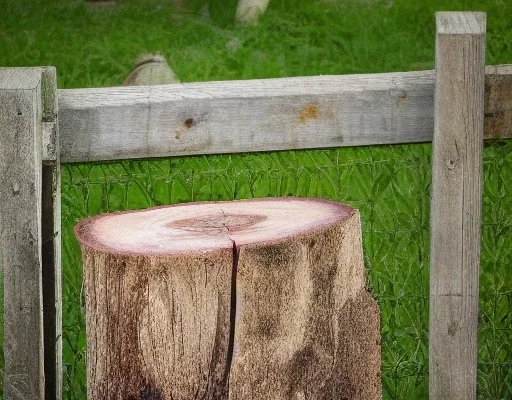
Measure the narrowest access, not the open lawn
A stump in an open backyard may still be inaccessible to standard equipment because the side gate, steps or tight turn is narrower. Include gate clear width, stump diameter and grade change in the request. Confirm the intended grind depth, handling of chips and expected finish separately.
Grinding service: what the quote must actually include
A grinding proposal should identify each stump, its width at the flare, how the grinder can reach it and nearby known utilities, fencing, paving or irrigation. Depth is not a universal number; it should be agreed in relation to the intended surface finish and what can safely be accomplished at the location. Ask whether large roots, chips, backfill, hauling and surface restoration are included or excluded.
The service page is for describing a real grinding task and requesting scope clarification. Where the owner has not decided between grass, pavers, planting or construction afterward, the linked planning guide addresses how those later uses affect chip removal and soil preparation. A stump ground below the surface is not automatically a planting-ready hole, and neither page should imply that underground obstructions have been surveyed. Stump Grinding Project Planning.
Measure gates, obstacles and approach to the stump.
Set expectations for depth, visible roots and the final surface.
Leave, level or remove material according to the agreed scope.
Stump grinding is not full root excavation
Grinding reduces the stump and material in the grinding zone. It does not remove every root extending through the soil. If a construction project requires complete excavation, that should be identified separately so the scope matches the project objective.
Related services
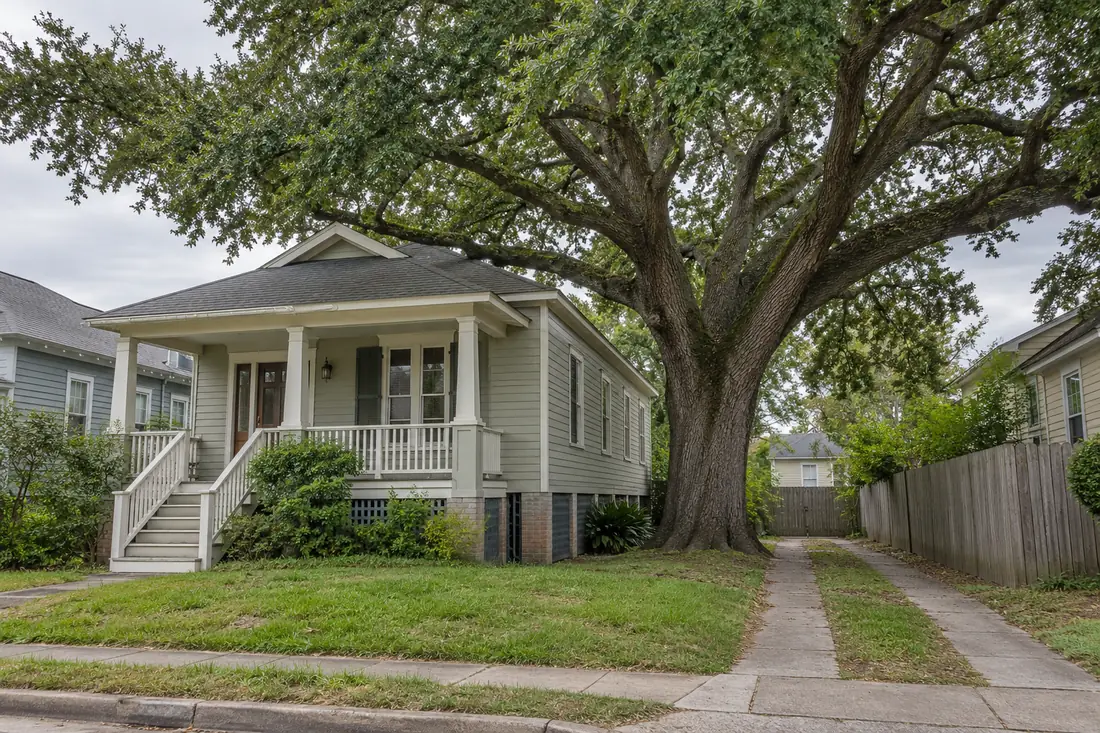
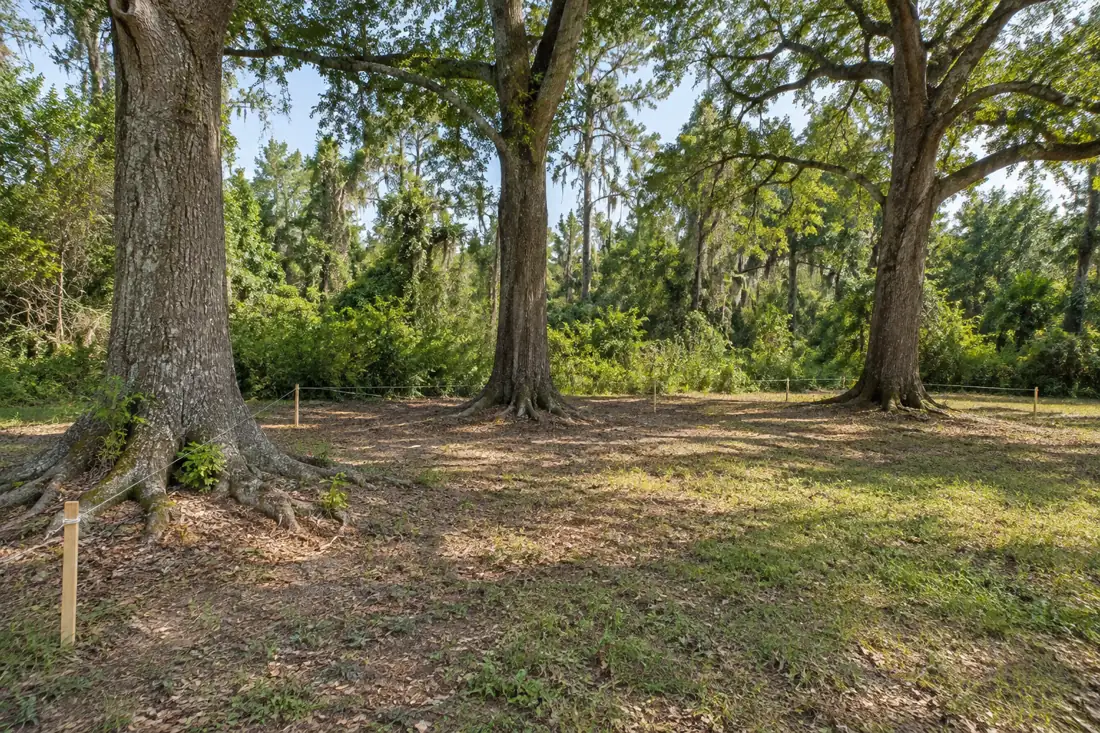
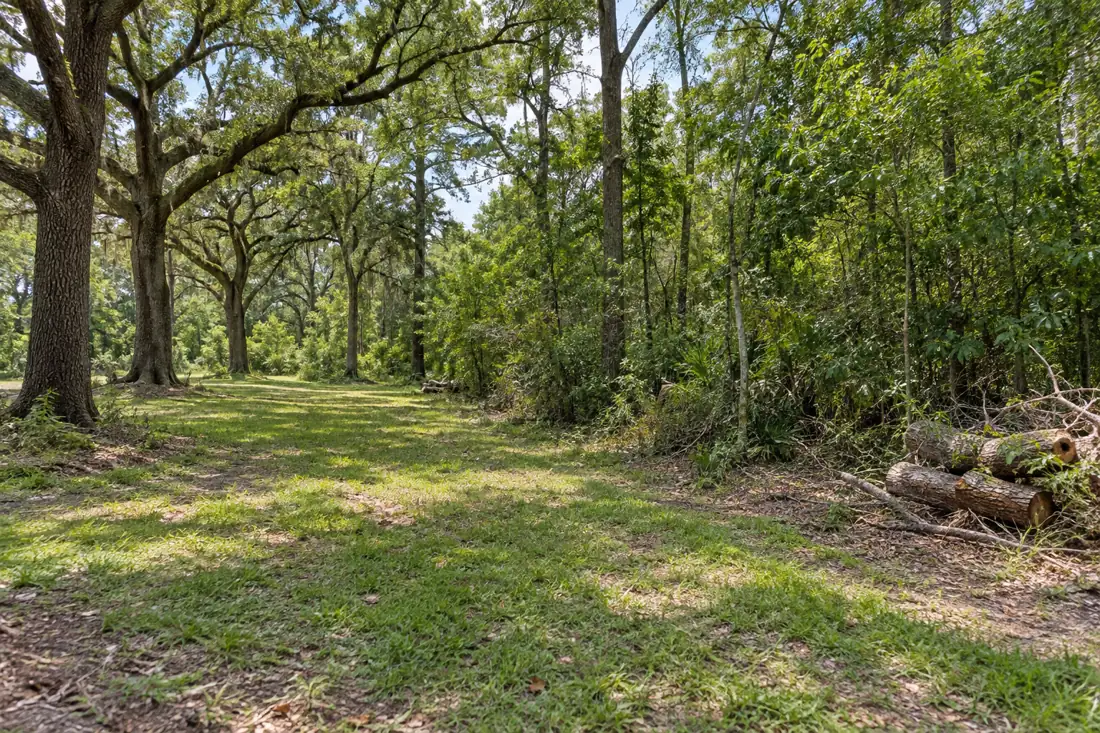
Tell us what will replace the stump
A stump in the middle of a lawn, one beside a fence and one inside a planned building footprint create different conversations. Start with what you want to do afterward. Mowing, planting a bed, installing a path or preparing for construction may require different treatment and follow-up work. That intended use helps the estimator understand whether ordinary grinding is the service you need.
If another contractor will take over the area, ask that contractor what conditions are required before requesting tree work. Bring that information to the estimate. “Ready for construction” is too broad if nobody has identified the actual excavation or preparation requirements. Tree Huggers can discuss the stump treatment, while the responsible builder or installer defines what their next phase requires.
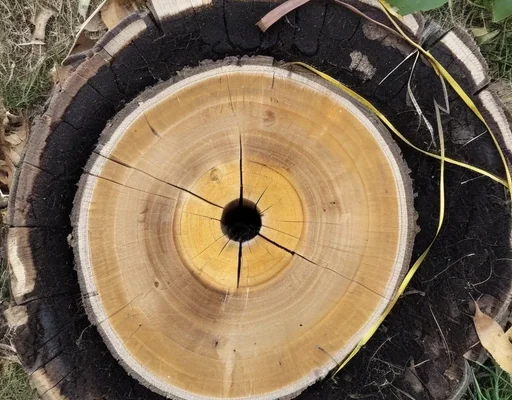
Photograph the root flare as well as the cut surface
The visible top of a stump is only part of what the estimator needs to understand. Show where it broadens into the ground, nearby surface roots and its relationship to paving, fences or garden edges. Take a wider photograph that shows the approach. A close-up of the cut surface can make a small stump and a broad, flared stump look deceptively similar.
For an old stump covered by plants or partly hidden in a bed, explain what you can see without digging around it or disturbing unknown services. If the tree was recently removed, keep the removal record and any useful photographs. They may help connect the remaining stump to the original tree, although the grinding scope still needs to be agreed for the present condition.
Gate width is only the first access question
Access includes the turn into the gate, the surface beyond it and the route to the stump. Steps, sharp corners, retaining features, air-conditioning equipment and narrow side yards may affect what can reach the work area. Send photographs in both directions and describe any change in level. Do not assume a machine will fit solely because the opening looks wide from the street.
If a fence panel might need to be opened, discuss who will handle it and restore it. Likewise, tell the estimator about shared driveways, neighboring property or a route through a finished landscape. The access arrangement should be confirmed before the visit. Moving a planter may be routine; crossing someone else’s property requires an actual arrangement, not simply a space on the sketch.

Define the grinding area in plain language
Ask which stump and which visible roots are included, how the intended treatment relates to your next use, and what material will remain. A proposal for one stump should not be assumed to include every root extending into the lawn. If several stumps are involved, identify them consistently in photographs or on a simple site list so the quote and the crew use the same references.
Depth and the boundary of the work should be discussed with the contractor rather than selected from an unrelated internet example. Nearby structures and services may limit what can be done in a particular area. If you need a specified finish for another project, provide that requirement before pricing so both parties can decide whether grinding or a different scope is appropriate.
Keep grinding separate from root excavation
Grinding and excavating are different ways of addressing different objectives. A customer may want the visible stump reduced so the area can be managed, while a builder may require material removed from a defined excavation. Neither request should be substituted for the other without discussion. Explain why the stump needs attention and who will inspect the area for its next use.
The same distinction applies to a root near a path, slab or other feature. Point out the specific location and ask what assessment is needed; do not assume all roots should be removed simply because a stump is being ground. If a neighboring standing tree is involved, explain that too. A clearly bounded task is more useful than an open-ended instruction to remove everything underground.
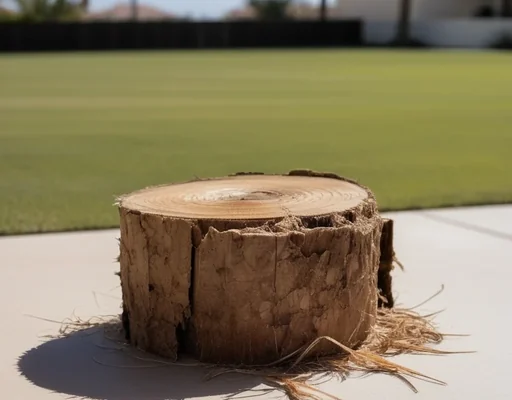
Decide whether the grindings stay or leave
Grinding produces a mixture of wood material and soil that needs an agreed destination. Some owners want it left in the work area; others need material moved or hauled as a separate part of the scope. Tell Tree Huggers which finish you prefer and whether there is room to place retained material without blocking a gate, drain, walkway or parking area.
Ask what the quoted cleanup actually covers. Leaving material spread at the stump, moving it to a designated location and removing it from the property are not identical tasks. If you are arranging soil, sod or planting afterward, coordinate that sequence rather than assuming the grinder’s visit includes every landscape step. The final surface should be described well enough that you know what to expect at handover.
Point out services and features before work starts
Tell the contractor about irrigation, lighting wires, drains, private lines and other installations you know about near the stump or approach. Their presence may not be obvious from the surface. Ask what locating and coordination is needed for the proposed work and who is responsible for arranging it. A photograph of the lawn does not establish that the area is free of underground features.
Also identify nearby decorative edging, paving, retaining walls and items that cannot be moved. This helps frame the limits and protection discussion. Keep children and pets out of the work area according to the crew’s arrangements. There is no reason for a homeowner to expose roots or investigate unknown buried objects before the estimate; explain what you know and let the work plan account for the uncertainty.
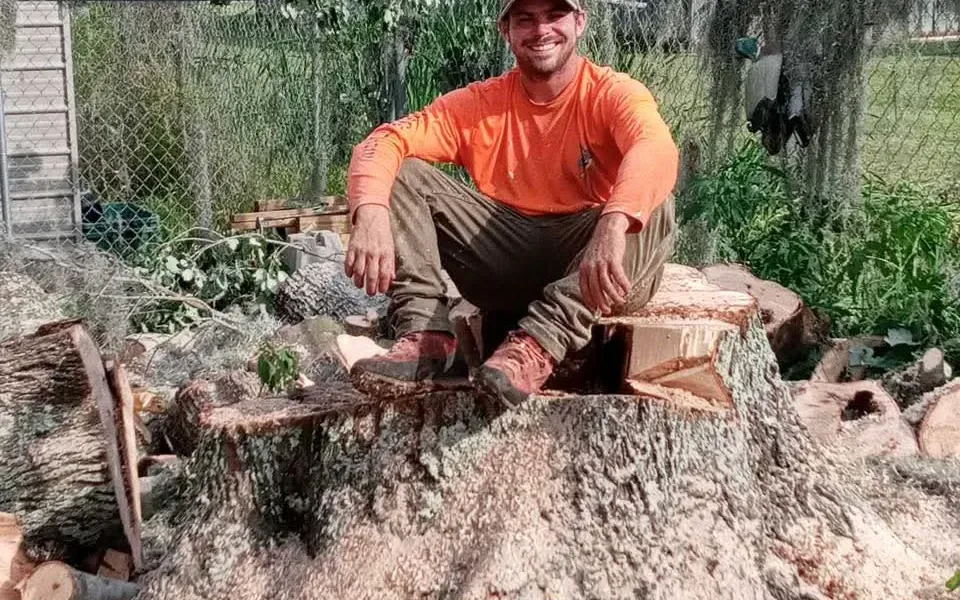
Combine removal and grinding when the scope fits
If the standing tree is also being removed, bring up the stump before accepting the removal estimate. A combined conversation can align access, debris handling and the timing of the ground finish. It does not mean both tasks will necessarily happen with the same equipment or during the same visit. Confirm the sequence and any separate appointment or price.
For a stump left from earlier work, explain whether logs, brush or other material still obstruct the area. A grinding-only request should not silently become a cleanup job for the whole property. The tree removal, lot clearing and land clearing pages describe related services to discuss if the intended project is wider than a single stump.
Multiple stumps need a reliable count
Walk the accessible property from a safe position and create a simple stump list. Use locations such as the front fence, rear gate or side of the shed, then photograph each with enough surrounding context to recognize it. On overgrown or larger sites, explain that the count may need confirmation rather than presenting an uncertain total as a complete scope.
For a managed property, identify the person who can verify the list and approve changes if another stump is found. Ask how additions will be priced and authorized. This keeps a production visit from turning into a series of guesses about what was included. It also makes completion easier to document when the owner, tenant and property manager are different people.
Plan the next landscape step before the finish is chosen
A yard that is ready for the next contractor is more useful than one described only as cleaned up. Tell Tree Huggers whether someone will bring soil, install sod, reshape a bed or prepare a footing. Ask what will remain after the agreed stump work so you can arrange the right follow-up. Do not treat a general grinding proposal as a guarantee about future settlement or the suitability of a building site.
If the desired use changes after the estimate, explain the change before the work begins. A stump treatment chosen for a maintained lawn may not answer a later construction requirement. Revisiting the scope early gives everyone a chance to agree on the correct task and avoids trying to solve a different problem after the machine has left.
Start with the stump, the route and the desired finish
For a Greater New Orleans stump-grinding estimate, send Tree Huggers the property address, a clear view of the stump and its flare, photographs of the gate and approach, and a short description of the next use. Mention paving, services and any constraints you already know about. If several stumps are involved, include the identified list rather than one representative photograph.
Call or text 504-458-8336 or use the estimate form to begin. Ask whether a visit is needed, what grinding and material handling are included, and how scheduling will be confirmed. Tree Huggers is based in Marrero; scope and access still determine the next step for each property. A form request by itself does not establish a final price or reserve a work date.
Stump grinding: define the future use first
The area left behind matters as much as removing the visible stump. A new lawn, planting bed, walkway and construction project each have different expectations for depth, exposed roots and cleanup. Show the stump, its root flare and the gate or approach route. Treat estimated dimensions as observations until someone confirms the site.
Grinding a defined area is not the same as removing every connected root or certifying underground clearance. Mention known irrigation, drains, electrical feeds or nearby retained trees before ground work begins. The appropriate utility-location process and site-specific review still matter. A surviving tree’s root zone may extend into the intended work area.
Separately define where grindings go, whether hauling or backfill is included and who handles future surface restoration. If the standing tree is part of the same job, connect the stump scope to the removal plan. The roots-and-foundation guide helps frame concerns without promising complete underground excavation.
Three details to settle before an estimate
- Describe the future use
- Identify buried features and access restrictions
- Separate grinding, chips, fill and restoration
Name the surface you need after grinding
For lawn restoration, clarify chip removal and suitable fill. For replanting, discuss where new roots will grow and whether the remaining underground material needs separate preparation. A future slab, fence or driveway is a different scope: grinding a stump does not prove soil bearing capacity or remove every root.
Put the intended depth, machine access, nearby utilities, grindings, hauling, backfill and restoration in the written request. This allows the homeowner and the next contractor to distinguish tree work from later landscape or construction tasks.
What a stump-grinding service estimate should resolve
A homeowner requesting stump grinding is buying a defined site result, not simply a machine visit. Identify each stump, approximate ground access, whether any remains are still attached to a fallen tree, and what the surface must look like when equipment leaves. An estimate for grinding a visible stump to an agreed depth cannot silently become a promise to excavate every lateral root, supply clean soil, reinstall turf, or remove buried material that was not visible at inspection.
The practical handoff is the contractor’s finished-condition description: which stump area is included, where chips can remain or be loaded, how equipment reaches the work, and what obstacles require a revised plan. If new sod is the next step, give the sod contractor’s grade requirements separately rather than assuming ordinary stump service produces a planting-ready surface. This page is for requesting and evaluating the grinding service itself.
- Mark all stumps on one wide site photograph without walking into unstable wood or equipment areas.
- Say whether the intended next use is lawn, planting, paving or simply reducing a trip hazard.
- Ask who handles chips, additional soil, surface leveling and any follow-on landscaping.
For the related but different decision, see Stump Grinding Before New Sod. Confirm the work required for this property before relying on a general example.
Stump Grinding questions
Is stump grinding the same as removing every root?
No. Grinding addresses an agreed stump area; it does not automatically excavate the entire root system. Explain the next use so the contractor can discuss whether grinding or another scope is needed.
Which stump measurement should I send?
Photograph the cut surface and the wider root flare with clear context, plus the access route. If you provide a measurement, explain what it measures rather than assuming the trunk top describes the whole task.
Can a grinder pass through my side gate?
That depends on the machine and the complete route, including turns, level changes and obstacles. Send the gate and approach photographs and ask Tree Huggers to confirm access before scheduling.
How deep should my stump be ground?
Discuss the intended use and any requirement from the following contractor. The appropriate agreed treatment depends on the site; a generic depth from another job may not suit your project.
Are stump grindings hauled away automatically?
Not necessarily. Ask whether the quote leaves, moves or removes material, and where retained grindings will go. These options affect the work and should be stated before the visit.
Will the area be ready for new sod?
Ask what the grinding visit leaves and what soil or landscape preparation remains. Sod, imported soil and final landscaping should not be assumed included unless the written scope says so.
What should I disclose about irrigation or wiring?
Tell the contractor about known installations near the stump and route. Ask what locating or coordination is needed and who arranges it; do not assume a clear-looking lawn has no buried features.
Can grinding be added to a tree-removal estimate?
Yes, raise it before authorizing removal. Confirm the stump treatment, material handling, price and work sequence rather than assuming both services occur with the same machine or visit.
Can you handle stumps from an older removal?
Discuss the present stump, access and remaining debris. Send current photographs; an old removal record can help, but the new grinding scope still needs to fit the current site.
How should I request several stumps at once?
Send a numbered or consistently named list with a photograph of each location. Identify who can confirm the list and authorize additions if further stumps are found during the assessment.
Does grinding include fence removal and replacement?
Only if agreed. If a temporary opening is required, confirm who creates and restores it and how access permission will be arranged before the equipment visit.
Can grinding prepare a building footprint?
Explain the builder’s exact requirement first. Construction preparation may require a different excavation or verification scope; ordinary grinding should not be assumed to meet every structural or site-preparation requirement.
Decide whether you need stump grinding, lawn preparation or a wider plan
A standard stump-grinding inquiry begins with the stump itself: where it sits, whether equipment can reach it, and what finish is expected after the cut material is handled. A photograph of the cut face alone will not explain a narrow gate, buried sprinkler line or sloping approach. Send a wider view showing the travel route and nearby fixtures. Ask the estimator to state the grinding boundary and whether loose chips are retained, moved or removed; those choices affect the usable surface left behind.
If the next step is fresh grass, visit the new-sod preparation guide before scheduling delivery. It concentrates on chip removal, soil replacement responsibilities and finished grade. If the future use is still undecided, use the project-planning guide to list alternatives before selecting a grind depth. A general stump-grinding estimate does not automatically certify an area for foundations or post holes. Keep any excavation or soil engineering requirement with the qualified professional responsible for that work.
Related decisions: Stump Grinding Before New Sod · Stump Grinding Project Planning
Talk to Tree Huggers
Get a clear estimate for your tree work.
Text the property address, a wide photo of the tree, and what you want done. We’ll talk through access and next steps.