Tree work that respects the property operation
Commercial properties add layers that residential work may not have: occupied areas, parking, deliveries, tenant communication, traffic, equipment staging, access windows and documentation. We plan the tree work around those realities so production does not create avoidable disruption.
Practical scope and safety guidance: Commercial tree work should be designed around how the property actually operates. Tell the estimator where deliveries occur, which drive aisles and entrances cannot be blocked, when customers or employees are present, and who can authorize temporary parking changes. Provide a site map or marked photographs identifying the trees, work limits, signs, lights, irrigation and pavement that need protection. For recurring maintenance, distinguish scheduled clearance and pruning from urgent storm response, individual removals and debris hauling.
Ask whether the proposal includes traffic-control coordination, surface protection, hauling, stump treatment and cleanup, and require any excluded items to be visible. One property manager should confirm site access and the approval process before mobilization. Accurate records of affected trees and completed work support future budgeting, but should never be represented as evidence of jobs that have not occurred.
Identify hazards, tree work, access, staging, contacts and operating restrictions.
Prioritize critical areas and select equipment based on production and targets.
Complete the agreed cleanup and provide job-related photos or scope records when requested.
Built for large and difficult removals
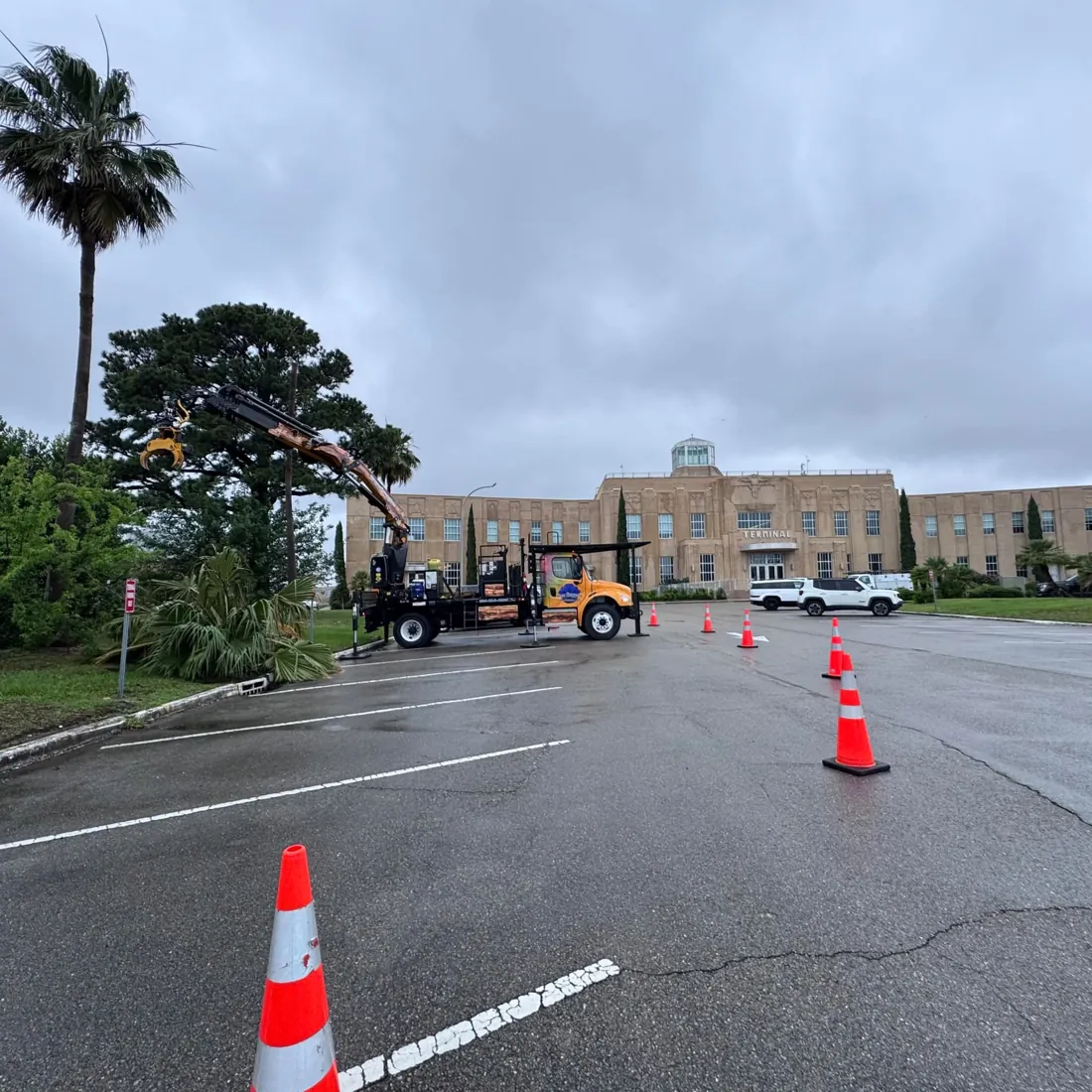
Large trees, tight access and occupied commercial sites are where advanced equipment and controlled sequencing matter most. Crane assistance, remote-controlled cutting and mechanized handling can improve control and production when the property allows it.
Commercial sectors
Start with the operation the trees surround
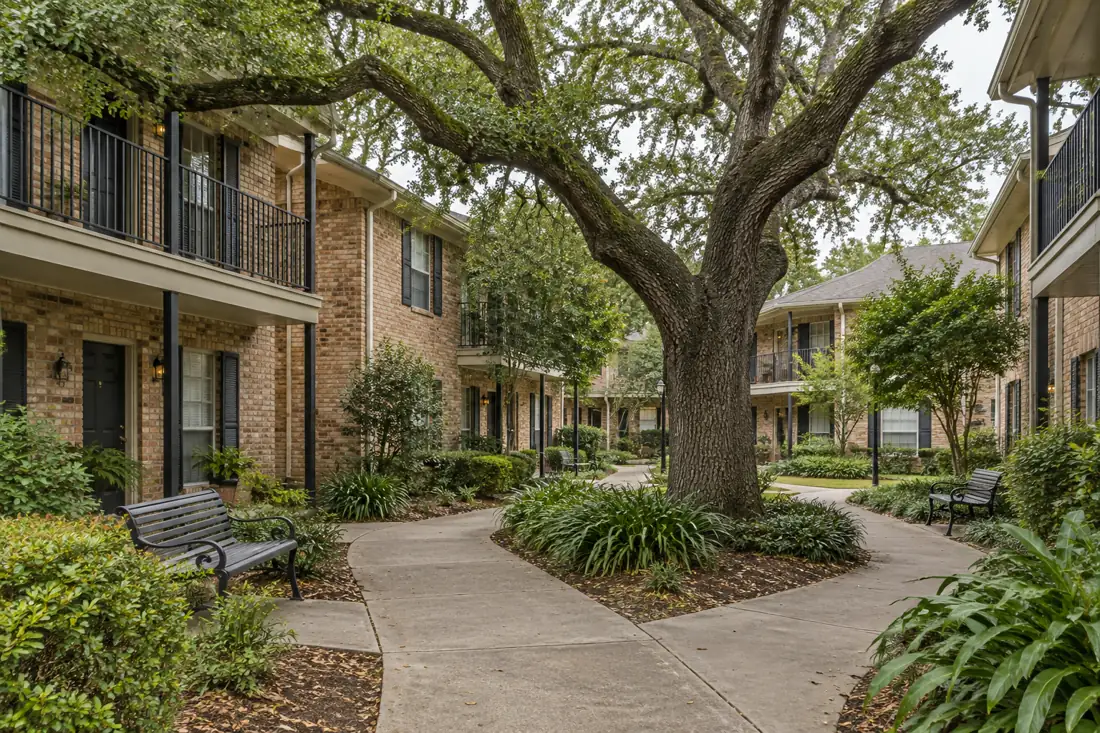
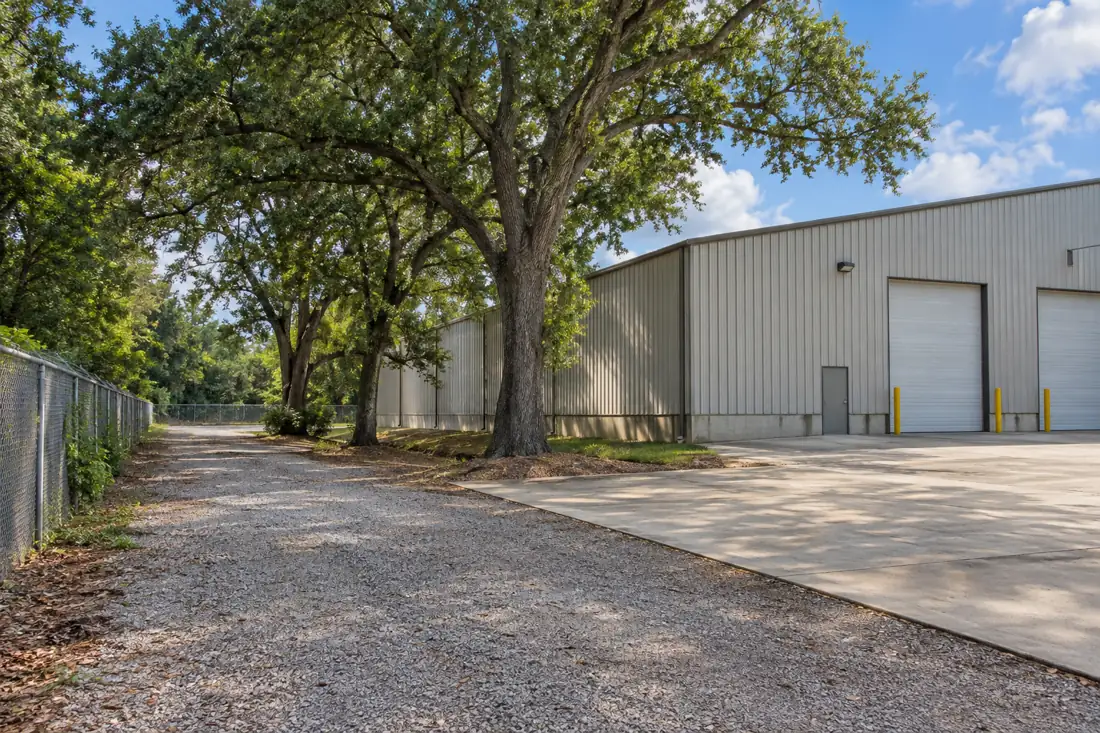
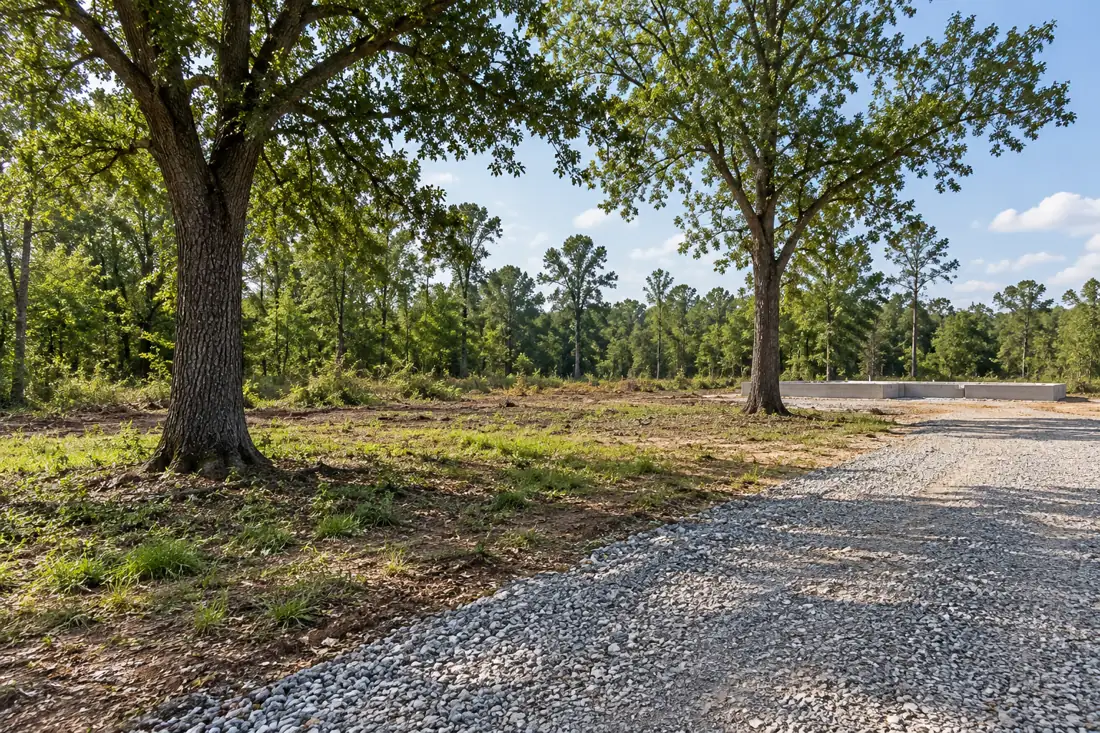
A commercial estimate needs two maps: the trees and the way the property operates. A branch above an unused landscape strip presents a different coordination problem from one above the only customer entrance. Share the site’s busy periods, loading activity, employee routes and any area that cannot close without an alternative. Tree Huggers can then discuss a work approach that reflects the actual business rather than assuming an empty site.

Use the commercial frontage to plan both overhead work and ground access
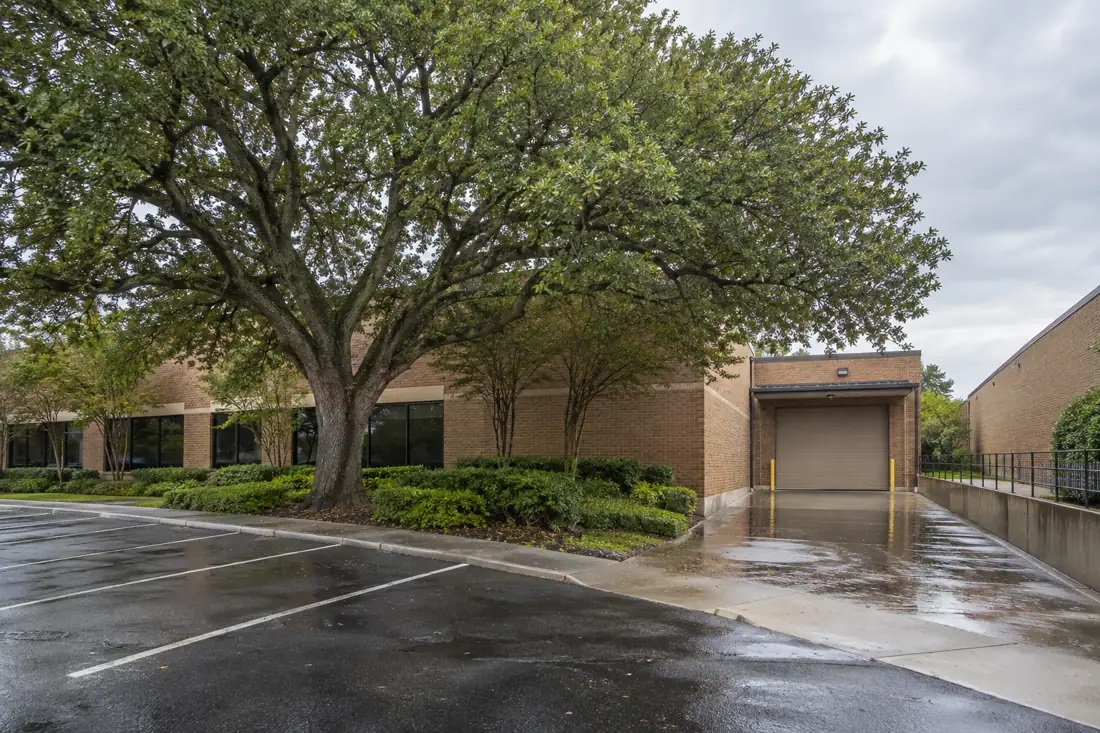
The same tree canopy can affect a customer entrance, parking spaces and a delivery route in different ways. Before asking for commercial tree work, make a site sketch identifying the specific trees, their requested outcomes, and nearby windows, signs, lights or drive lanes. Note operating hours and the periods when access is most sensitive. A full property photograph can orient the discussion, but it cannot replace an inspection or establish the exact lifting and work zone.
Give the estimate contact the name of someone who can authorize tree work and someone who understands daily site operations, even if that is not the same person. Ask how parking or pedestrian movements would be separated from the work, where cut material could be handled and what completion condition is expected. Any closure or work window must be agreed for the real property rather than promised from a generic image. Keep the company field photo already on this page as separate authentic evidence.
Name a property contact who can answer practical questions and a separate approval contact if necessary. A store manager may control the daily parking arrangement while an owner approves the price. Clarifying both roles early keeps the estimator from relying on instructions the site team cannot authorize. It also helps the business prepare tenants or staff before a confirmed work window.
Build a task list people can use in the field
Number each tree on photographs or a simple site plan. Tie the number to a precise requested outcome, such as removing a dead tree at the east loading area or evaluating clearance over a delivery lane. Keep retained trees visible in the same plan. A total count and a general request to trim the property can leave too much interpretation when different trees need different work.
Separate assessment, proposed work and approved work in the list. A contractor’s observation during a walkthrough should not quietly become authorization to remove an additional tree. The accepted quote, field instructions and completion record should use the same identifiers. That consistency is particularly useful for owners reviewing the project remotely or for a site where several tenants describe the same tree differently.

Sequence closures around real business needs
Discuss whether the property can be divided into workable areas. A parking island may be handled while another part of the lot remains available, but that possibility needs review rather than an automatic promise. Material handling, loading and cleanup also require space. A section should reopen only when the responsible parties have confirmed it is appropriate to do so, not simply when cutting has paused.
Ask the site contact about refuse collection, delivery appointments and other contractors expected during the work. Share those constraints before the schedule is agreed. If after-hours work is preferred, discuss lighting, access control, noise-sensitive uses and who will be present to authorize changes. The company still needs to confirm availability and a suitable plan for the proposed time window.
Give facilities an exception list before the work window
Commercial tree scopes become difficult when a site plan names the trees but never names the conflicts. A useful pre-work exception list identifies the loading dock that cannot close, a gate used by emergency vehicles, a tenant entrance under the canopy, and the beds or drainage structures that cannot support equipment. Record those limits by location, not as a vague note that operations must continue. The manager can then distinguish routine pruning from a task that requires additional routing, notification, or temporary protection.
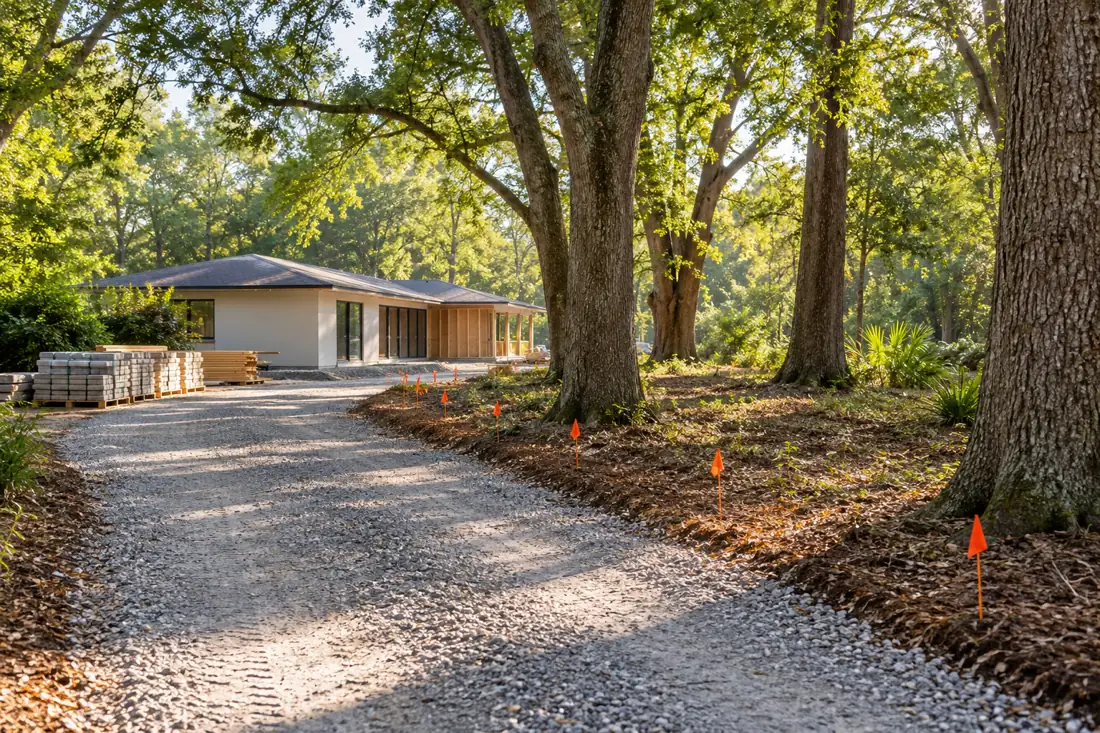
At the site walk, ask who can approve a changed access route and who can stop work if conditions differ from the photographs. Note whether the work zone overlaps deliveries, utility cabinets, overhead lines, landscape irrigation, or private tenant storage. Those observations help the estimating team discuss feasible methods without pretending a particular crane, climber, or ground machine has already been selected. A visual planning scene is context, not proof of a completed job.
Before final approval, write the requested tree work, temporary exclusion areas, material destination, and acceptable finish in separate fields. If a manager reports a new defect during the job, record the tree identifier and seek a revised decision rather than silently expanding the scope. This keeps invoices, work orders, and the site’s own safety coordination understandable after the crew has left.

Choose equipment around access and handling
A large machine can improve handling on the right property, but its presence alone is not a complete method. Reach, setup area, ground support, overhead conflicts and loading space need to fit the tree scope. Identify utility covers, drainage features, loading-dock approaches and surfaces with restrictions. Aerial photographs can introduce a large property; ground views are needed for the obstacles beneath the canopy.
For difficult removals, review crane-assisted work or remote-controlled removal as possible approaches rather than mandatory selections. If a route or setup assumption changes, clarify the effect before mobilization. The equipment plan should explain how the work can happen at this site, including material movement, instead of using a machine name as a substitute for scope.
Protect more than the building envelope
The site contact should identify signs, gate operators, irrigation, light poles, decorative paving, landscape beds and retained trees near the work. Some features are obvious on a walk; others are concealed or easy to overlook. Point out known buried components and existing surface damage. Discuss protection measures appropriate to the route and proposed loads without assuming any covering makes every surface suitable for equipment.
Include people in that protection discussion. Employees may use a rear door that customers never see, and a delivery driver may arrive by an unexpected route. The owner’s communication and the field work-zone plan need to fit together. Keep alternate access and emergency routes explicit so a closure does not merely move the conflict from the front of the building to the back.
Price the finish as carefully as the removal
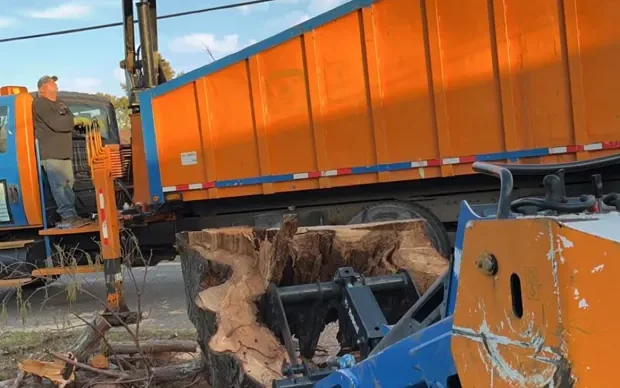
A commercial tree quote should identify what material is hauled, what remains and what stump treatment is included. An island left ready for a landscape contractor differs from a stump simply cut low. Grinding, chip removal, backfill, grading and replacement planting should be distinguished. If a paving or construction contractor will use the area next, share that intended use before the tree finish is agreed.
Loading and disposal assumptions matter as well. Identify truck access, gate hours and any project-specific destination or record requirements. Do not assume all wood can be staged beside a dumpster or left on the curb. The work scope should match the property’s handling constraints and the stated end result. This makes competing prices more meaningful because each bidder can be asked to address the same finish.
Make documents specific to the project
Send current buyer requirements before pricing if the property needs insurance documentation, particular invoice fields, photographs or a purchase-order reference. The company can respond to the actual request and identify any item needing clarification. A website capability description should not be treated as proof of a specific policy limit, certification or contract qualification that has not been supplied for review.
Agree on who approves changes when conditions differ from the original walkthrough. Keep that process usable on the day: a named contact, a clear description of the proposed change and written confirmation as appropriate. Completion photos should identify the tree or area and the work performed. They help explain the result to an absent owner but should not be presented as a guarantee of future tree performance.
Handle storm priorities without losing track of scope
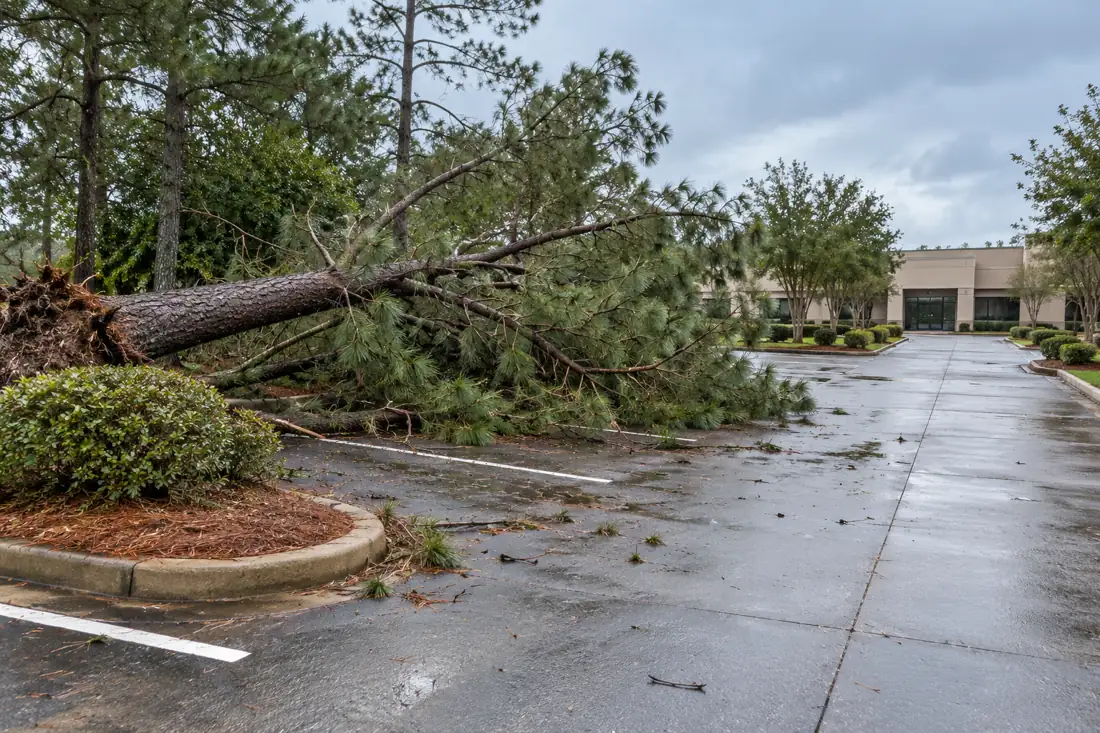
After a storm, a commercial property may need urgent access restored before a larger cleanup plan is ready. Describe what is blocked, what rests on structures and what visible hazards affect people. Keep clear of wires and unstable trees and use the appropriate emergency or utility contact where needed. Call Tree Huggers to discuss response availability rather than assuming a form submission has dispatched a crew.
Use the same tree or area identifiers for the urgent stage and subsequent work. That keeps temporary access, complete removal, debris hauling and stump work from being confused on the final record. For several affected properties, the commercial storm response request should include an address list and one coordination contact. Priorities and mobilization can then be discussed against actual conditions and available resources.
Request a scope your team can approve
Send the property address, task list, safe photos, preferred work window and operating restrictions. Include the authorized contact and any deadline for reviewing a proposal. If you need several alternatives, identify the decision they should support, such as completing urgent removals now and scheduling routine clearance later. That is more useful than requesting unrelated prices with no priority order.
Before scheduling, read the proposal with the person who operates the site. Confirm vehicle relocation, entry arrangements, tenant communication and the agreed cleanup. At completion, reconcile the same tree list with authorized changes and unresolved items. A good commercial handoff lets the manager, owner and crew understand the same result without relying on a separate conversation for every parking island or building entrance.
Commercial Tree Service questions
What should a commercial request include?
Send the address, marked tree list, operating restrictions, site contact and desired result. Include buyer documentation requirements before the proposal is prepared.
Can the business stay open during work?
That depends on a workable separation of activity and the tree scope. Discuss closures, alternate routes and reopening with the property representative and contractor.
Can you work around deliveries?
Provide the actual delivery windows and loading routes. The work schedule and material handling need review before a particular arrangement is confirmed.
How should we identify trees on a large lot?
Use numbered photos or a site sketch. Keep the same identifiers in the quote, field instructions, changes and completion records.
Does a machine name define the removal method?
No. Setup, reach, ground support, nearby targets and loading still need to be assessed for the property and tree condition.
Is replacement landscaping part of cleanup?
Only if expressly agreed. Distinguish wood hauling, stump grinding, chip removal, soil work and replacement planting in the scope.
Who should approve additional work?
Name an authorized approval contact before the workday. Document the new task and any price or schedule effect through the agreed process.
What records can an absent owner request?
Discuss labeled completion photos, the final tree list, approved changes and invoice requirements before work so the expected record is clear.
Does the website establish our vendor requirements?
No. Send the current requirements and request relevant documents directly. Specific insurance limits or qualifications should be verified for the opportunity.
Can multiple sites be planned together?
Yes, start with addresses, priorities and site contacts. Keep each location’s task list and restrictions separate within the portfolio request.
How do we request urgent storm access work?
Call with the address, obstruction and visible hazards from a safe location. Clarify whether the immediate request is access, removal or a broader cleanup.
How do we compare commercial bids fairly?
Ask each bidder to address the same identified trees, work objectives, closures, hauling, stump treatment, finish and documentation requirements.
Let’s plan your tree work.
Send the property address, safe tree photos and the result you need. Include access restrictions and the person who can approve the work.