One tree company for routine care and high-risk work
Tree Huggers Tree Service LLC provides a broad range of tree services for homeowners, commercial properties, institutions, contractors and public-sector clients. Our home market is Greater New Orleans, where large trees frequently share tight spaces with homes, historic structures, roadways, sidewalks and utilities. That environment rewards careful planning and equipment that gives the operator control over each cut.
Site planning detail: A service category is a starting point, not a completed tree-work estimate. State whether the goal is maintaining healthy growth, correcting a structural concern, removing an unsafe tree, grinding a stump or clearing vegetative debris. Then describe how location changes the plan: a limb near a roof may require controlled lowering, while an open-yard stump may have a simpler access route. Utility conductors, suspected root instability and hanging storm damage require caution before ordinary cleanup.
Request photographs of the whole tree, target area and possible equipment approach only from safe locations. Confirm whether logs, chips, raking, temporary protection and property restoration are within scope, because those items vary across jobs. A useful request gives enough detail for a conversation without promising a machine, price, completion time or outcome before assessment.
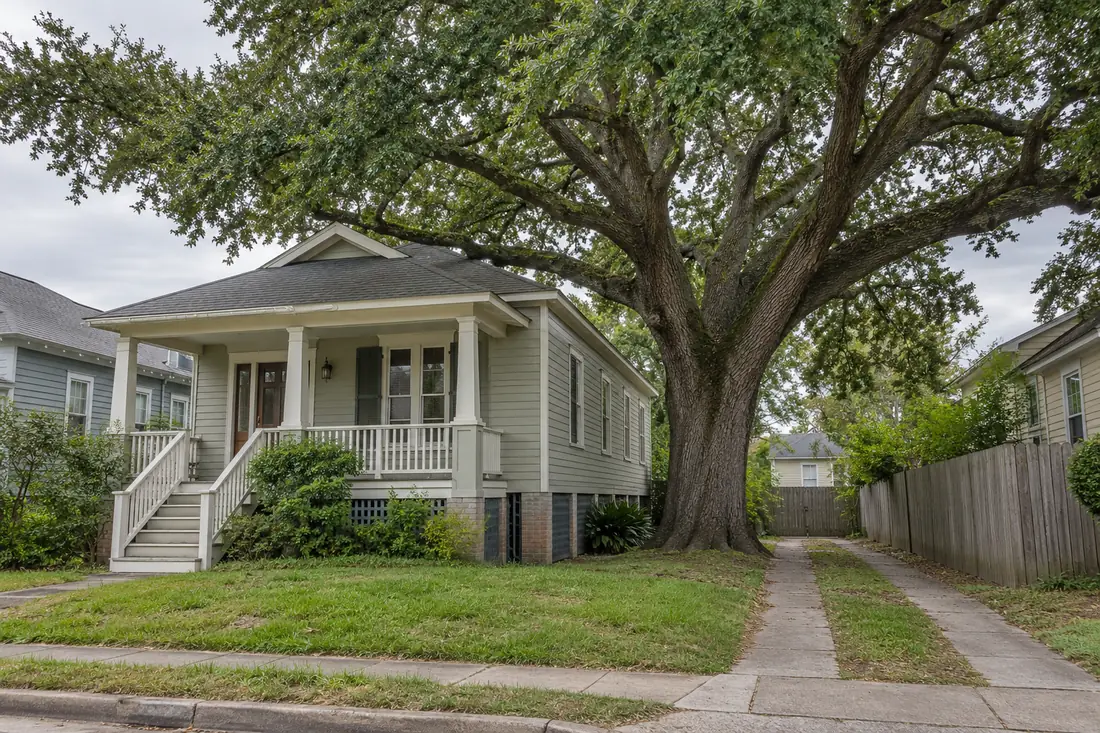
Tree Removal
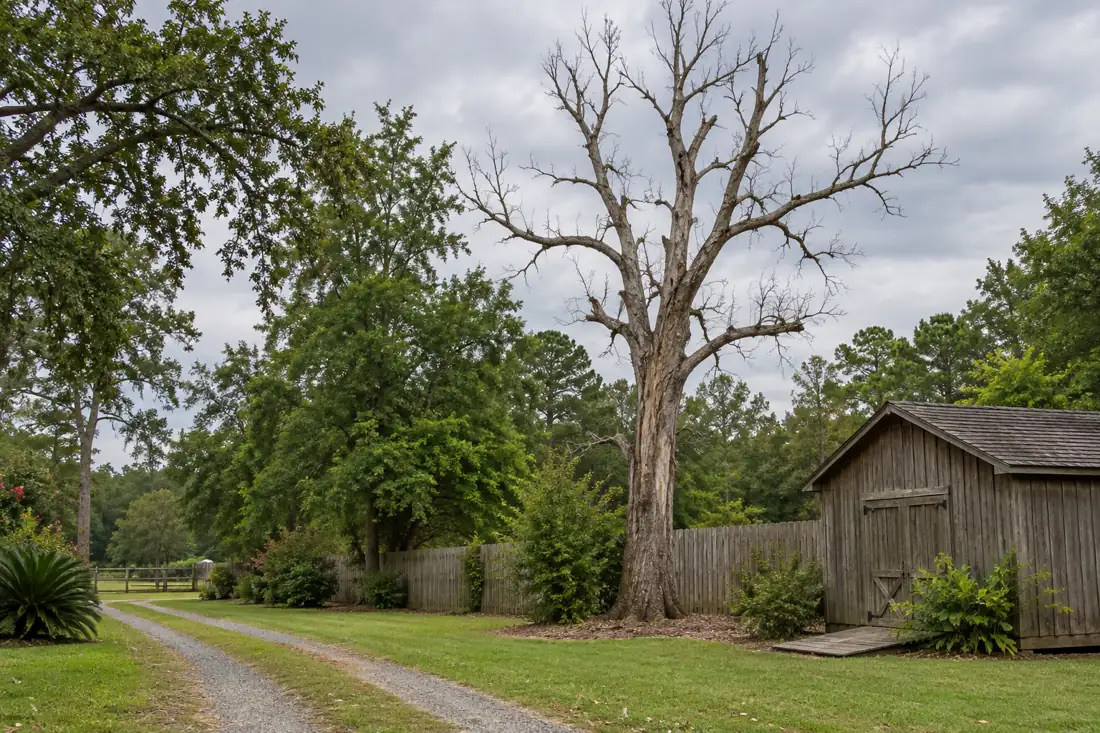
Dead, declining, hazardous, storm-damaged and unwanted trees, including large trees in restricted spaces.
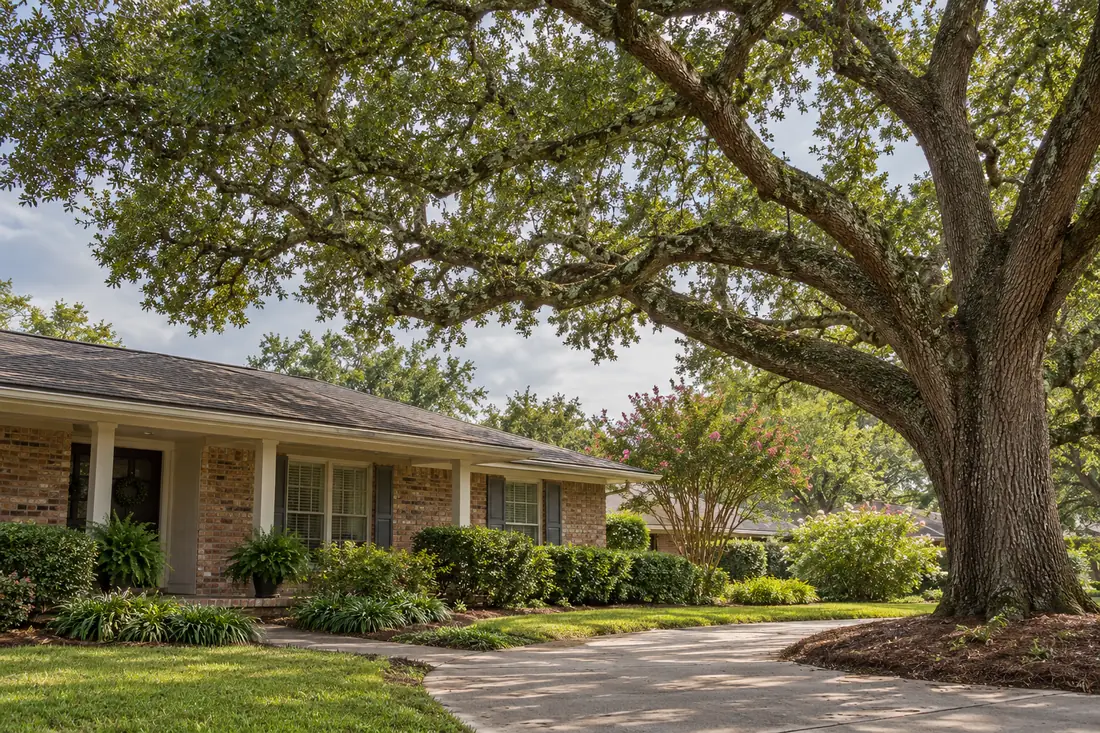
Tree Trimming
Pruning for clearance, structure, deadwood, weight reduction and property protection.
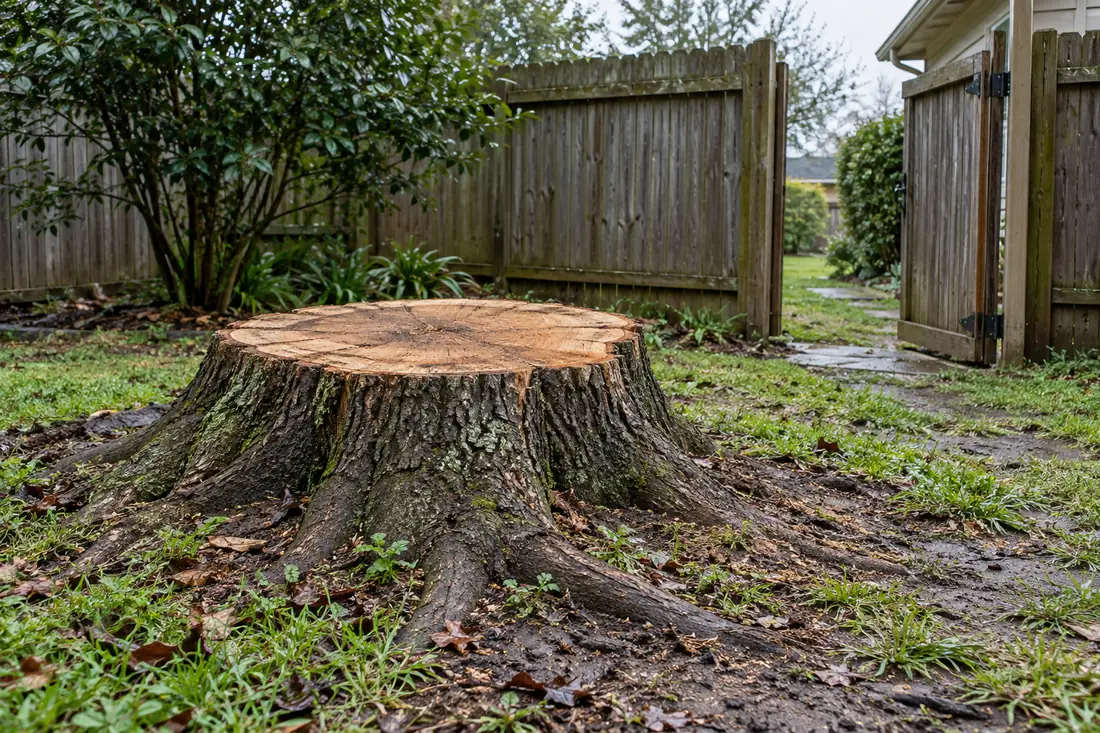
Stump Grinding
Stump reduction after removal to improve access, appearance and future use of the site.
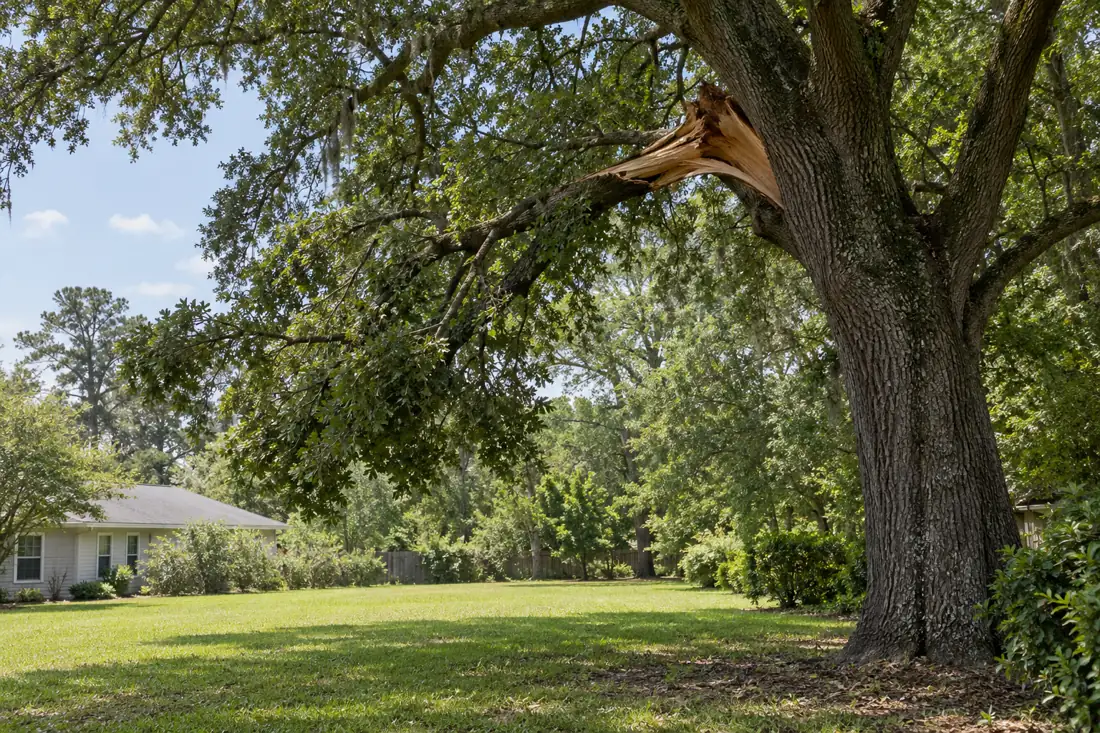
Emergency Tree Service
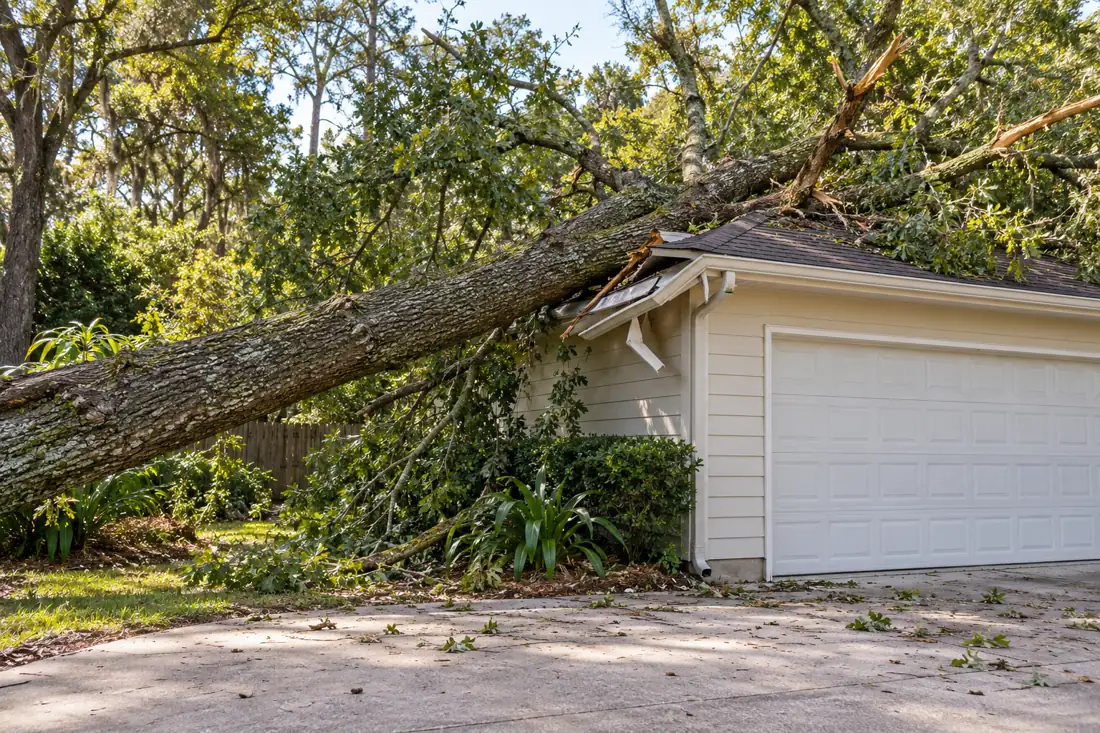
Urgent response for storm failures, trees on structures, hanging limbs and blocked access.
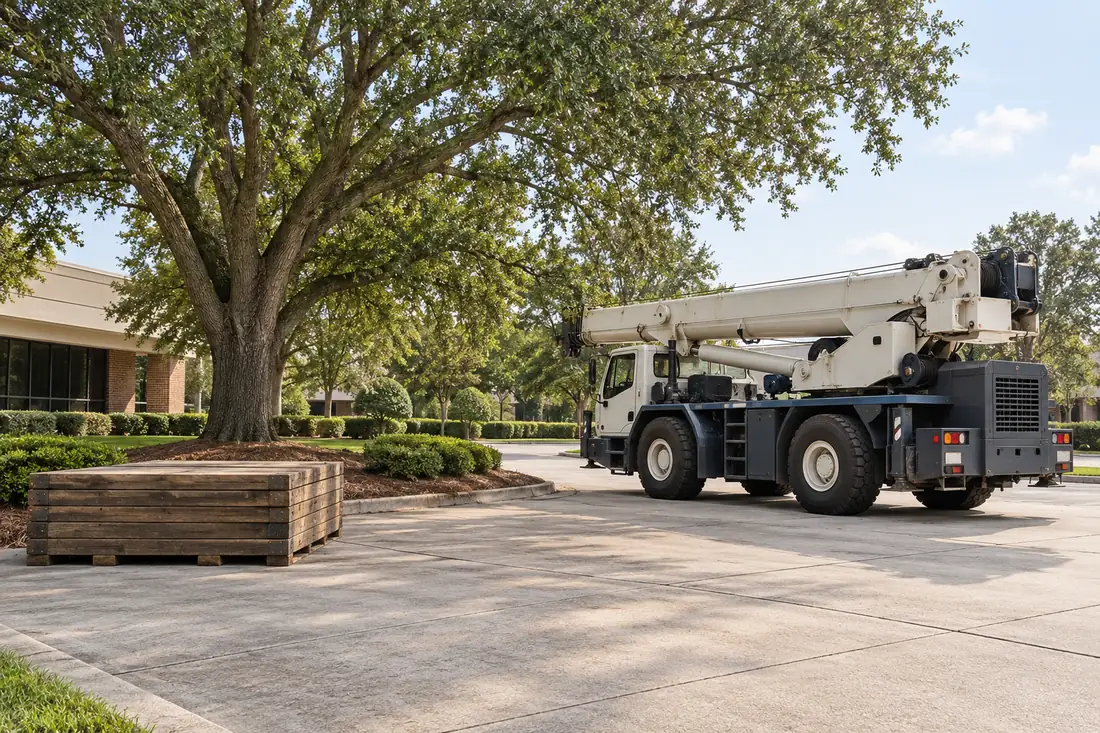
Crane-Assisted Removal
Controlled removal methods for large, dangerous or difficult-to-access trees.
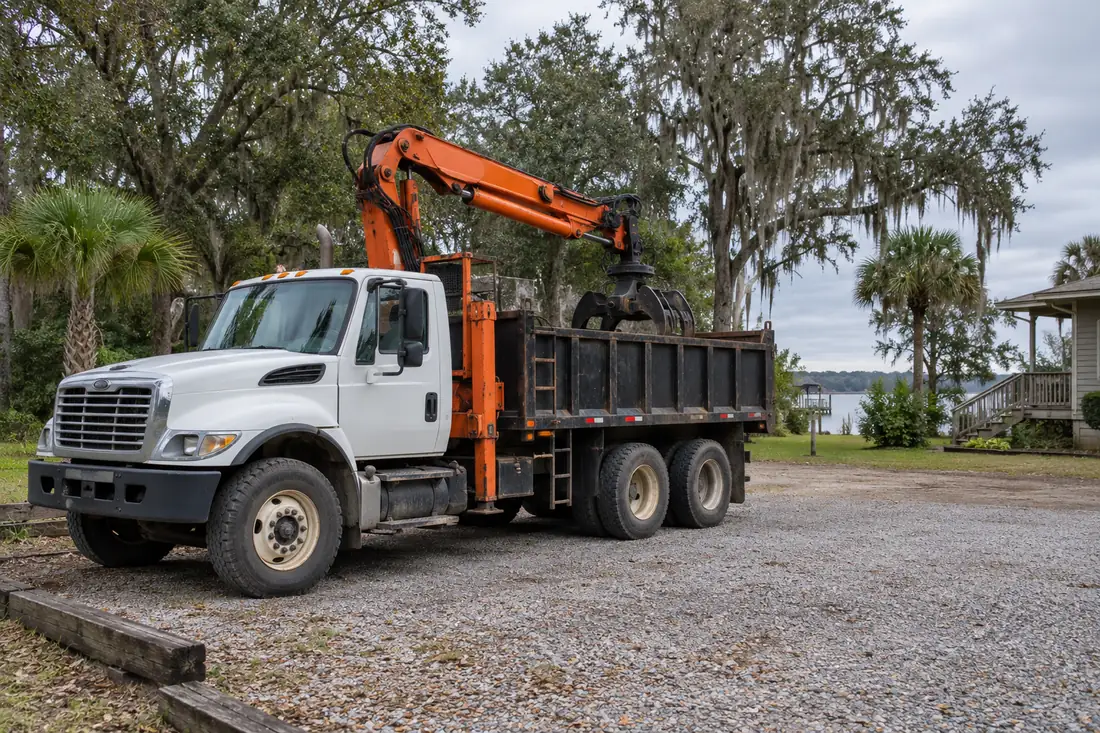
Remote-Controlled Cutting
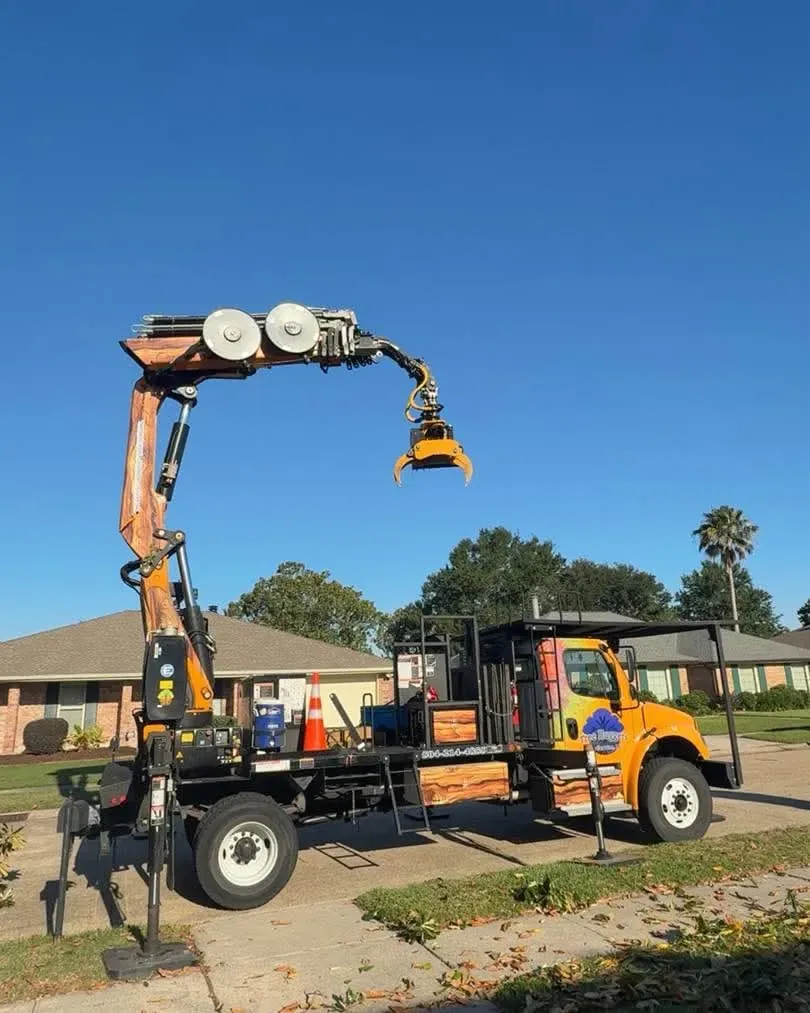
Advanced grapple-saw style equipment for precision cuts and reduced worker exposure.
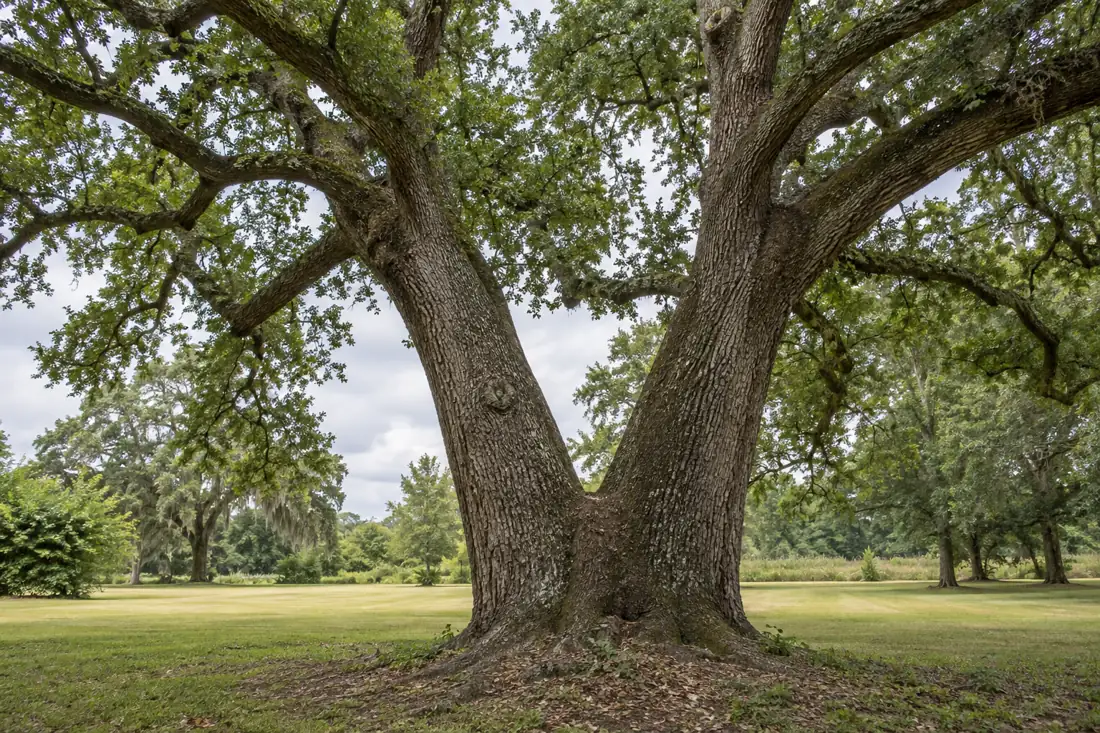
Tree Cabling & Support
Support strategies for valuable trees with structural concerns when preservation is appropriate.
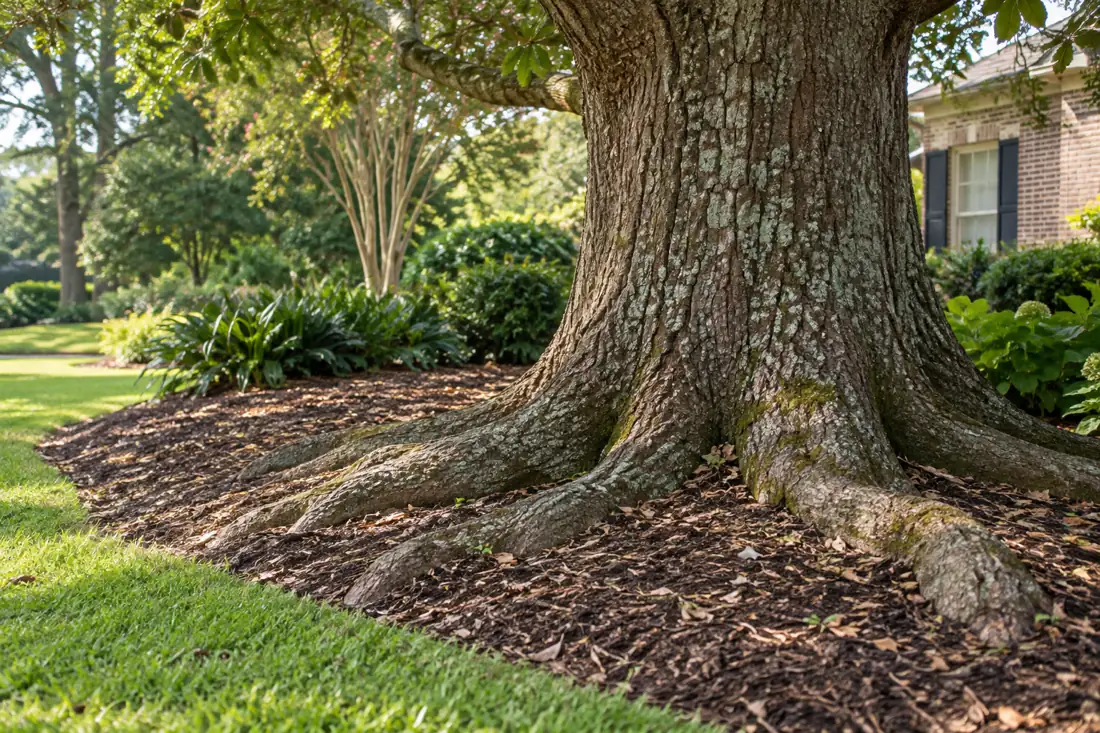
Tree Injection & Health
Targeted treatment, fertilization and health-management options based on the tree and site.
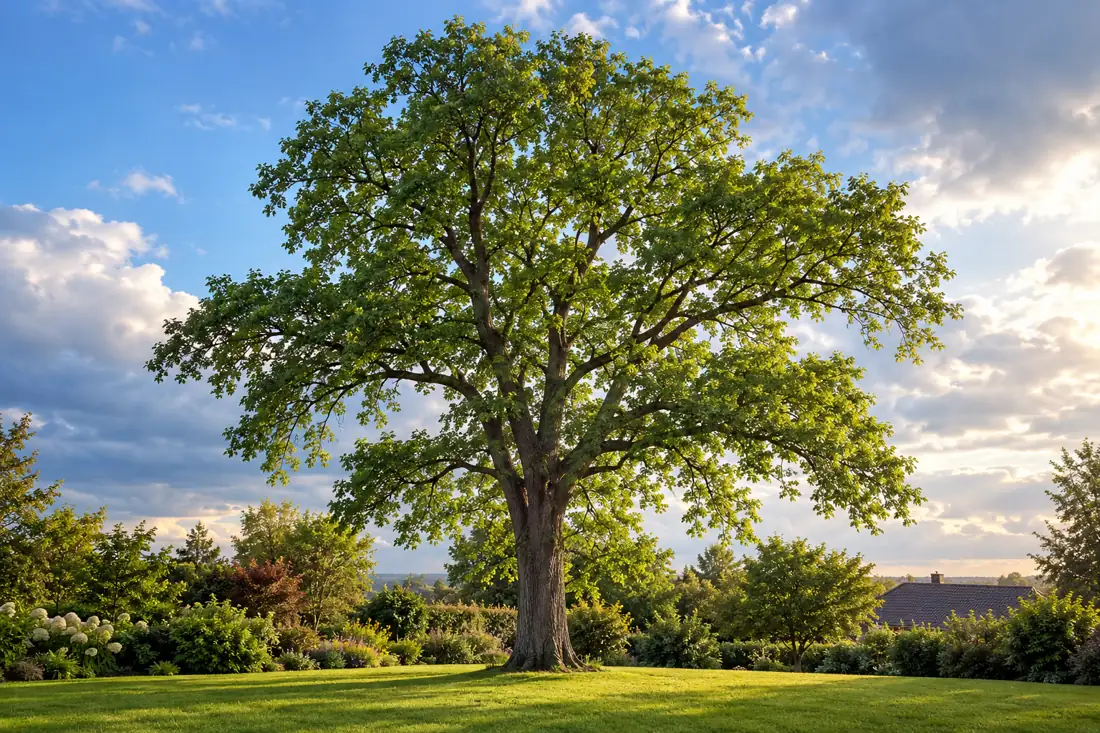
Lightning Protection
Protection systems for significant trees and properties where lightning risk warrants extra planning.
How we approach a tree job
A good estimate is more than a price. We look at species, size, condition, lean, visible defects, access, nearby structures, utilities, traffic, soil conditions, targets below the canopy and cleanup requirements. For pruning, we consider what the tree needs biologically as well as what the property requires. For removal, we plan the sequence of cuts and where every piece will go. For emergency work, we also account for instability and the possibility that loads have shifted since the tree failed.
Customers can help the process by texting photos before the visit. Wide shots show overall access, while close photos of the trunk base, damaged unions, broken limbs and nearby structures help us understand complexity. On major jobs, we may request site plans, utility information, access dimensions or additional documentation.

Use the first property survey to choose the right tree service
Choosing among pruning, preservation, removal and storm cleanup starts with the specific concern rather than the largest service package. Ask whether the objective is clearance, a changed limb condition, better access, debris after a storm or long-term tree care. Photograph the whole tree and its relationship to the building, then collect one or two closer views of the concern. A single image of a leaf or broken twig rarely tells the whole story.
Look at constraints before choosing the work method. Narrow gates, swimming pools, drainage ditches, utility lines, adjacent owners and parking arrangements may affect how a tree-service crew can reach a work area. For urgent hazards, keep people out of the exposure zone and use a professional assessment rather than attempting to pull a lodged limb or stand beneath a hanging branch. Online educational images are not site-specific risk determinations.
A written request becomes more useful when it distinguishes the desired result from the method. Specify the tree location, areas that need clearance, surfaces requiring protection, whether brush must be hauled away, and whether stump work is being considered. When comparing proposals, ask each provider to define the scope, site conditions, exclusions and cleanup expectations in plain terms. Do not treat generalized online guidance as a substitute for inspection.
New Orleans-first, not New Orleans-only
Most routine work stays within Greater New Orleans and Southeast Louisiana. Larger removals, commercial portfolios, storm deployments, municipal work and contractor support can take Tree Huggers far beyond the metro. We prioritize the Gulf South because equipment and crews can mobilize efficiently into Louisiana, Mississippi, Alabama, Florida and Texas, but we evaluate nationwide opportunities when the project size and timing make sense.
Cleanup and scope clarity
Tree work creates material: logs, limbs, chips and stump grindings. Before work starts, the scope should identify what is being removed, what remains, whether wood is cut to a requested size, whether chips or grindings stay on site, and whether final raking or hauling is included. Clear expectations prevent the most common disagreements in this industry. Tree Huggers wants the finished condition discussed before cutting begins.
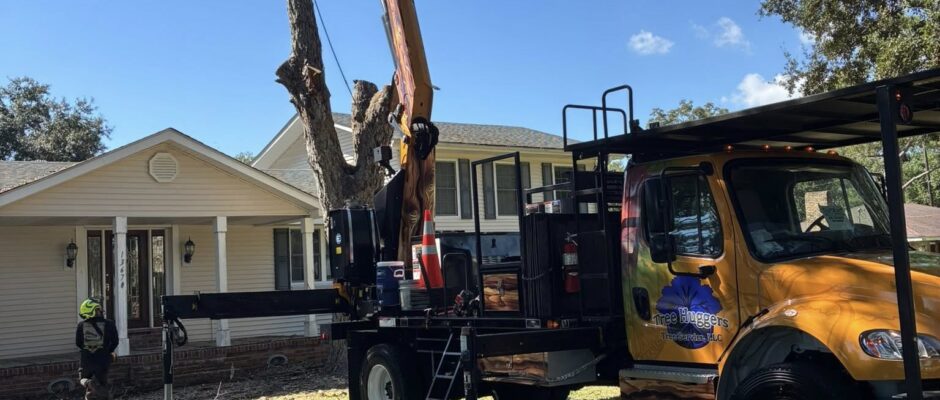
Start With the Tree Condition, Not a Service Label
The right service depends on what the tree is doing and what outcome the property needs. Deadwood over a driveway, roots affecting access, a hazardous split and a stump left after removal are different situations. Selecting ‘tree trimming’ for all four might send the conversation in the wrong direction. Begin by describing the observed change, when it started and which people or property could be affected, then discuss appropriate work with a qualified professional.
A tree can have several simultaneous concerns. A mature canopy may need clearance while the trunk shows other defects, or removal may create a separate stump and hauling project. The estimate should distinguish these tasks rather than bundling them under vague language. This helps customers understand alternatives and prevents an assumption that one visit automatically includes every possible step.

Tree Removal Is a Site-Specific Decision
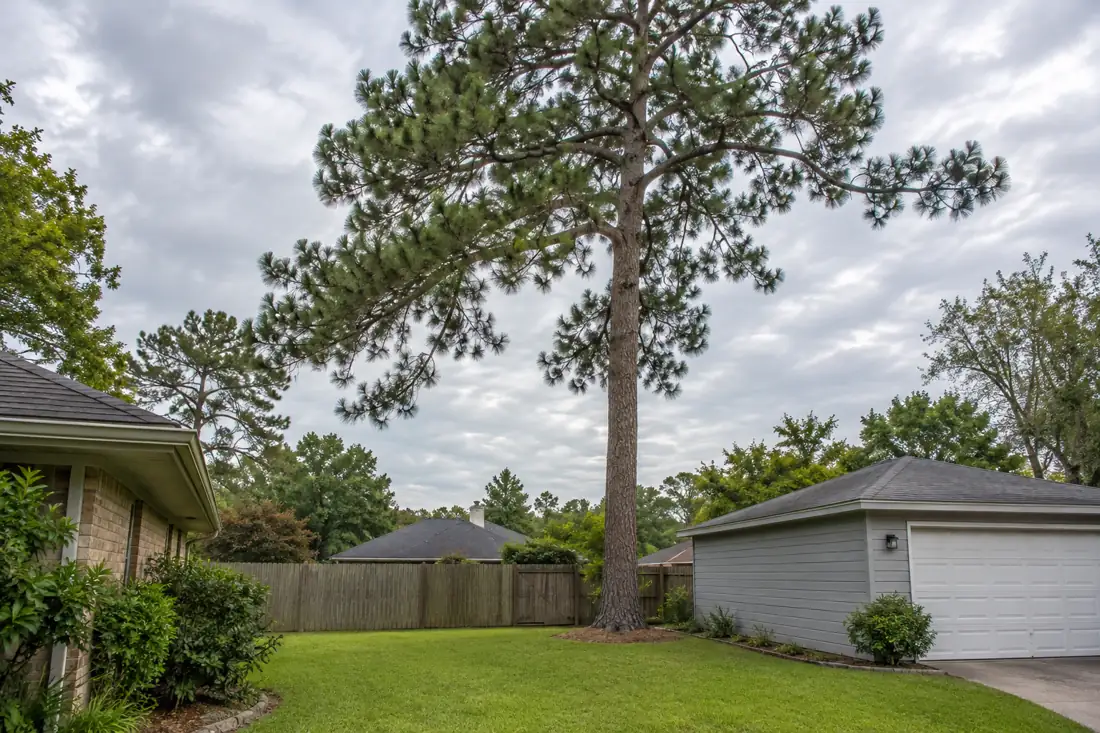
Removing a tree may be considered when its condition, location or planned site use makes keeping it unsuitable. A tree beside a house often requires a different approach from an open-yard tree because the work area may contain rooflines, fences, landscaping or utilities. Height is only one variable. Branch form, structural condition, available landing space and equipment access can be more important to the removal strategy.
A removal discussion should identify the exact tree, whether all above-ground material is included, how wood is handled and what happens to the stump. Ask whether a site assessment or coordination with another party is needed. No general service description can guarantee a particular rigging method, price or risk outcome. The plan belongs to the specific tree and property.
Pruning Requires a Defined Objective
Pruning for structure, clearance and deadwood management cannot be treated as the same task. Removing a branch that rubs a roofline addresses a different problem from reducing a risk associated with damaged limbs. Poorly chosen cuts can create long-term problems; over-pruning can reduce the tree’s capacity to recover. The intended objective, tree health, species and timing should be considered before identifying which portions of the canopy to work on.
A useful proposal states what will be pruned, why the work is recommended and what is not included. It should not promise that one cut makes a tree permanently safe or storm-proof. For branches near electrical equipment or complex structural unions, a homeowner should avoid attempting the work and seek the proper qualified help. The aim is a well-explained service, not a generic ‘trim everything’ order.
Stump Grinding and Surface Readiness
After a trunk is removed, the remaining stump may obstruct a new lawn, planting bed, driveway modification or safe movement around the yard. Grinding reduces a stump, but it is not the same as removing every root beneath the surface. The desired final depth, access for equipment and whether grindings remain should be discussed before pricing. Nearby pipes, irrigation and other buried infrastructure can constrain the work.
Customers planning to build or plant should describe the next use of the area. A landscaping-ready finish may involve tasks beyond grinding, such as removing material, adding soil and correcting grade. Those should be separately agreed rather than presumed included. Images of grinding equipment illustrate the service category; they do not establish that every property has enough access or a suitable work area for the same machine.
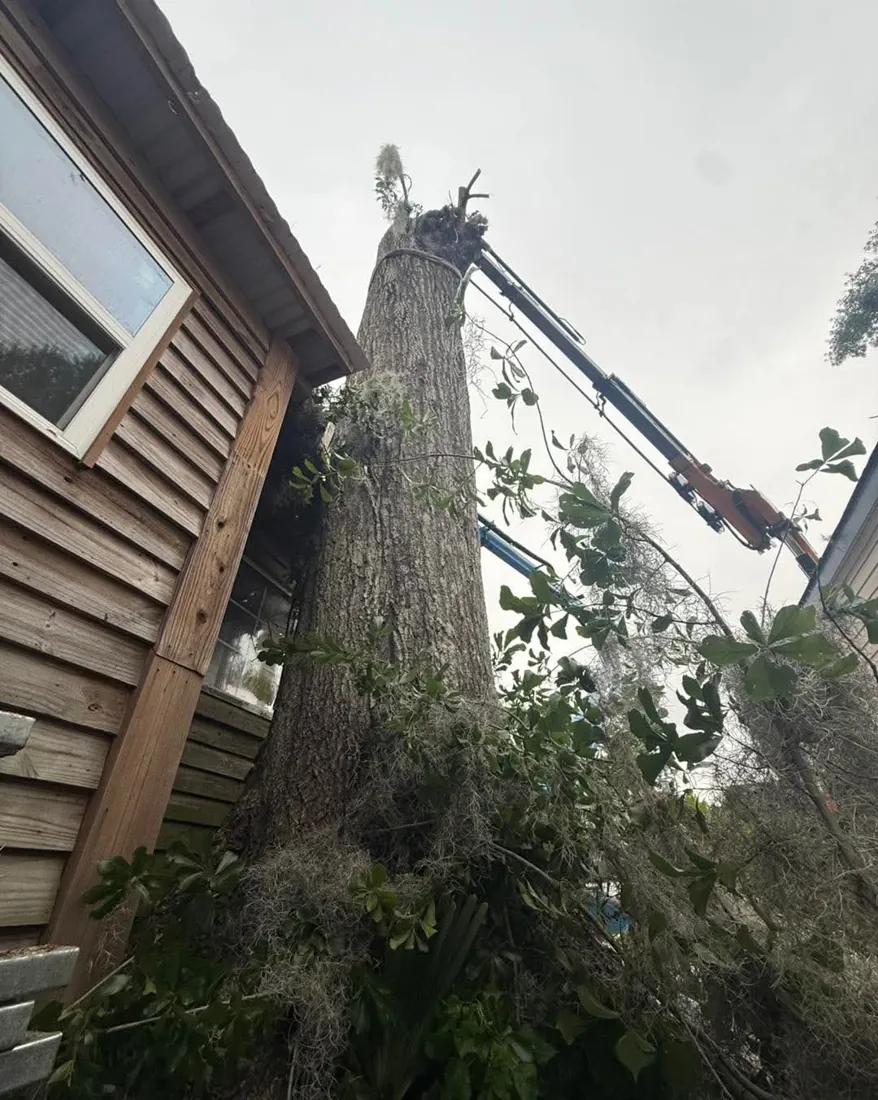
Emergency Work Has Different Priorities
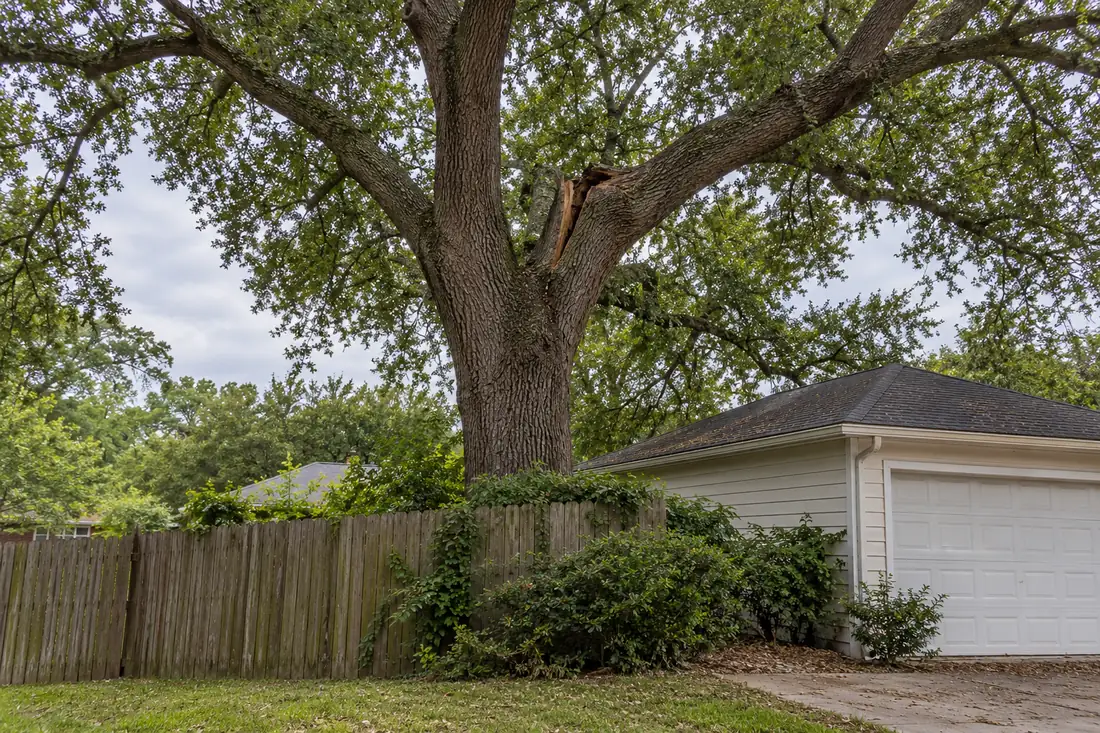
After a storm, a fallen trunk on a building, a suspended limb over an entrance or a tree contacting utility lines can change the immediate plan. The first priority is keeping people away from the hazard and involving the appropriate emergency or utility authority where necessary. Do not move debris, climb onto damaged structures or take close photographs of potentially energized trees. A contractor can review safe observations once the scene is appropriately managed.
Emergency work can be limited to securing access or removing a particular threat, with detailed cleanup and stump work scheduled separately. The proposal should identify the immediate tasks and later work if needed. A service page cannot guarantee dispatch, arrival time, insurer payment or structural restoration. Customers should keep written records of authorized steps and communicate any access or approval limitations.
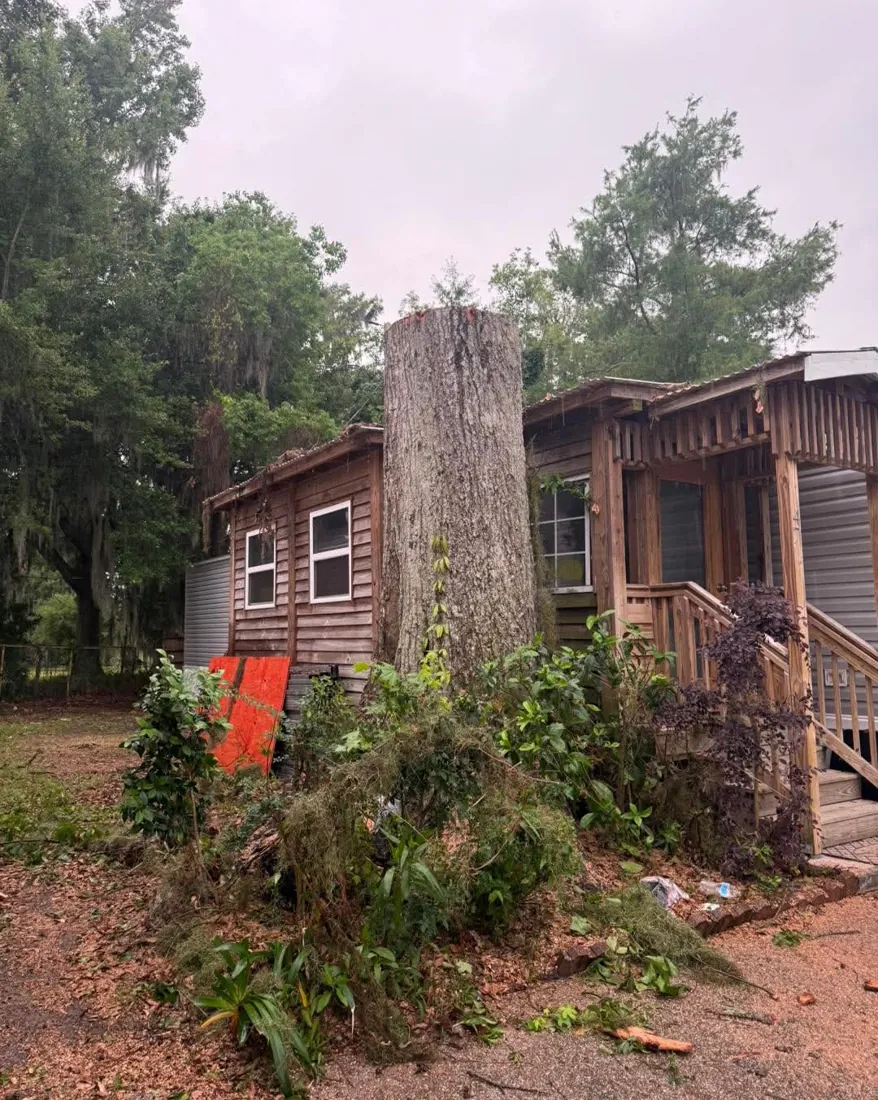
Specialized Equipment Must Suit the Site
Crane assistance, lifts, compact machinery and remote-controlled cutting systems may be relevant to difficult projects, but they are not universal solutions. The crew needs room to stage equipment, an appropriate route, reliable ground support and controlled work zones. A machine that can reach a high branch may still be unsuitable where overhead conductors, poor access or fragile paving create additional constraints.
Before a method is chosen, the estimator should understand gate widths, turns, slope, drainage, underground utilities and neighboring property. Homeowners can supply safe photographs and a simple sketch, but should not authorize temporary fence removal or crossing someone else’s property without agreement. The right equipment question is what the tree and site require, not which machine looks most impressive in a gallery.
Tree Health Services Are Not One-Size-Fits-All
Leaf discoloration, decay signs, cavities, root disturbance and changing canopy density may call for different assessments. A specific treatment should follow an informed diagnosis rather than a guess from one picture. Tree injection, fertilization, cabling and other interventions have different purposes and limitations. Some trees need monitoring or improved site conditions; others may have structural risks that a health treatment cannot resolve.
Relevant history includes nearby construction, grading changes, soil saturation, previous pruning and recent storms. A guide or estimate should explain what evidence supports a proposed treatment and what outcome can reasonably be expected. A treatment is not a guarantee of recovery, and a tree with an unsafe structural condition may need a separate risk discussion. Making this distinction protects both trees and property owners.
Commercial and Public-Sector Work Needs Coordination
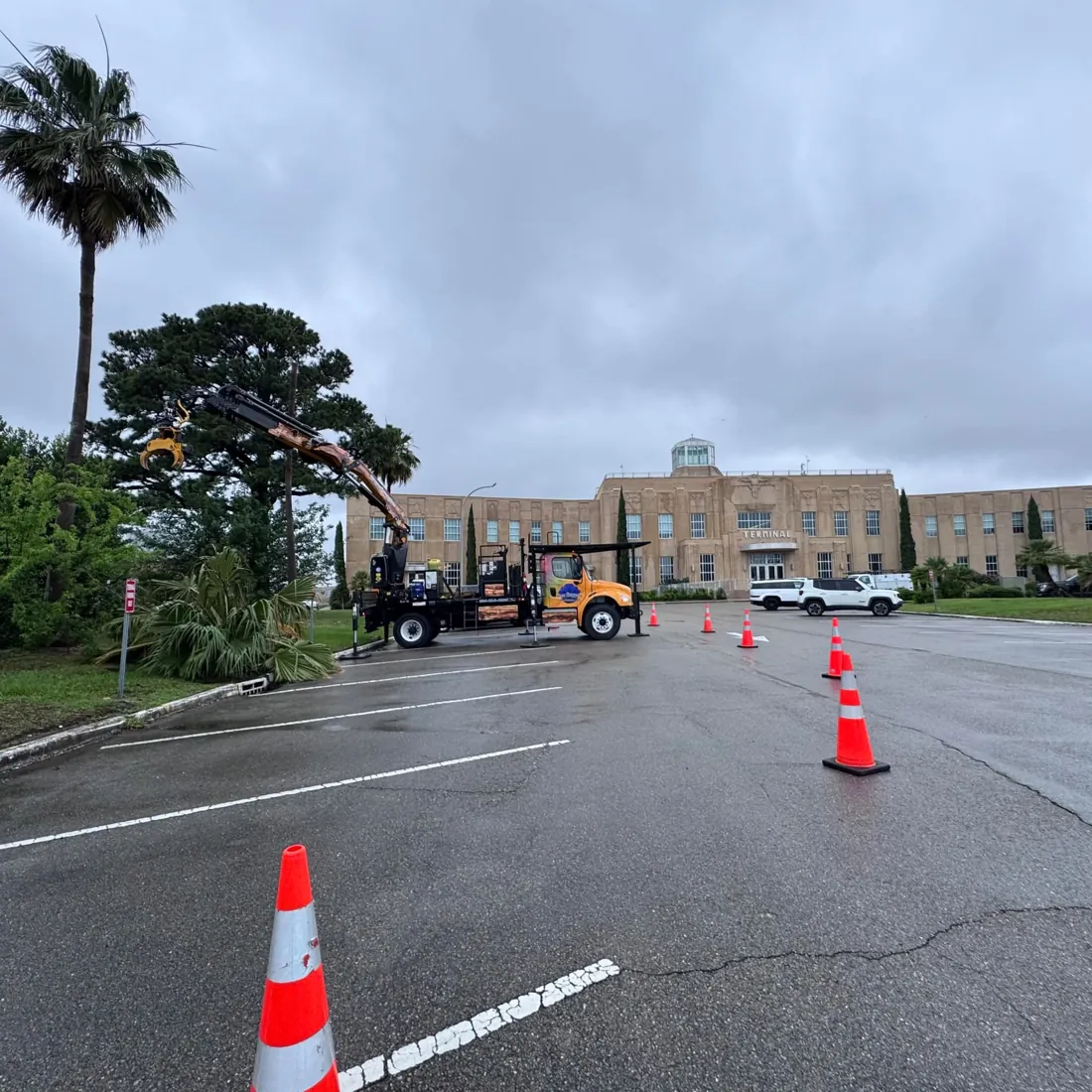
On commercial sites, tree work may affect tenant access, delivery routes, public sidewalks, parking and operating hours. Work on a school, municipal facility or multi-property portfolio may also have purchasing and documentation requirements. A generic price or residential-style scheduling conversation may not address those obligations. The buyer should identify the affected areas, approval authority and any site restrictions before asking for a final scope.
Tree Huggers can discuss whether a project is within the company’s current capability and what information the buyer requires. Equipment images do not verify a particular public contract, and service-area pages do not establish staffed offices at every location. Relevant insurance, licensing or procurement information should be confirmed for the actual transaction rather than inferred from promotional language.
Material Handling Is Part of the Service
Branches, large wood, chips, leaves, stump grindings and excavated soil are distinct materials. They may require different equipment or disposal decisions. Two tree-removal estimates can look different because one includes hauling and detailed cleanup while another leaves some wood on site. A customer should never have to infer that difference from a short label. Written scope language is the best way to compare what is being purchased.
Discuss whether logs remain, whether chips are hauled, how the work area is raked and whether the plan includes stump work or restoration. Pavement repairs, imported fill, landscape replacement and repairs to unrelated existing damage are not necessarily part of tree work. A well-defined final condition makes the walk-through more useful and reduces disputes over what the crew was expected to deliver.
Choose the Next Step Without Guessing
When the required service is uncertain, send the location, the observed condition and the outcome you want rather than selecting a machine or technique. Safe wide photographs of the tree, base, surrounding targets and access route can help establish the basic issue. State whether the site has multiple affected trees, recent storm damage, special access requirements or shared-property concerns. Keep a clear boundary around anything unsafe to approach.
The company can clarify whether the next step is a conversation, inspection or estimate. Ask for a written scope that names the included trees and tasks, access assumptions, material handling and exclusions. If circumstances change after authorization, agree on additional work before treating it as included. No website request confirms a work date, price or emergency dispatch without further communication.
Discuss the next step for your property
Start with the actual outcome you need: remove a tree, prune selected limbs, grind a stump, or clear storm debris. Give the affected location and a safe wide view, then explain where equipment could enter and where wood may be placed. A request opens a scope conversation; it is not a confirmed site visit, quote, or work authorization.
Frequently Asked Questions
How do I know which tree service I need?
Describe the visible problem and desired result. A qualified discussion can distinguish pruning, removal, care, stump work and debris handling.
Is removing a tree always better than pruning?
No. The condition, targets and realistic preservation options should inform the decision.
What does a tree-removal quote need to identify?
The exact tree, scope, access assumptions, hauling, stump treatment and exclusions should be clear.
Does trimming make a tree storm-proof?
No. Pruning may address particular concerns but cannot guarantee that a tree will withstand every storm.
Are all roots removed during stump grinding?
No. Grinding generally reduces the stump; widespread root excavation is a different task.
When should I avoid approaching storm-damaged trees?
Stay clear when limbs are suspended, trees are unstable, structures are compromised or electrical lines may be involved.
Is a crane required for every large tree?
No. Equipment choices depend on tree condition, access, support conditions and surrounding hazards.
Can injection cure every unhealthy tree?
No. Treatment suitability depends on diagnosis and may not address major structural problems.
Can businesses request contract-specific documentation?
Yes. Provide the project requirements and ask for the relevant current information before authorizing work.
Does removal always include every log and chip?
No. Debris handling and the expected finish should be stated explicitly in the written agreement.
Which photos help identify the correct service?
Safe wide views of the tree, relevant defect, nearby structures and access route help frame the initial discussion.
Does an online estimate request guarantee a price?
No. Assessment, site conditions, scope and availability must be confirmed separately.
Get a scope for your property
Start with the result the property needs: a branch-clearance concern, a tree condition assessment, removal access, a stump below future grade, or cleanup after severe weather. Those are different scopes and may require different equipment, access arrangements and qualified judgment. From a safe location, identify the affected trees and the places people use beneath them. Photos of the whole tree, its base and the route from street to yard help explain the situation; they do not replace an on-site evaluation when structural safety is uncertain.
When requesting a tree-service proposal, state what must remain protected: fences, utility lines, drainage structures, landscape beds, parking, pets, access for neighbors and usable driveways. Ask that the written estimate distinguish pruning from removal, stump work from log hauling, and ordinary cleanup from surface restoration. If the condition may change during cutting or excavation, identify how changes would be assessed and approved. This makes different proposals easier to compare without assuming that every tree needs the same treatment.