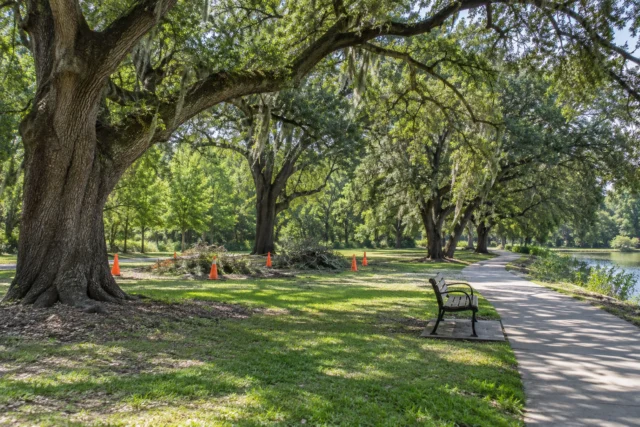
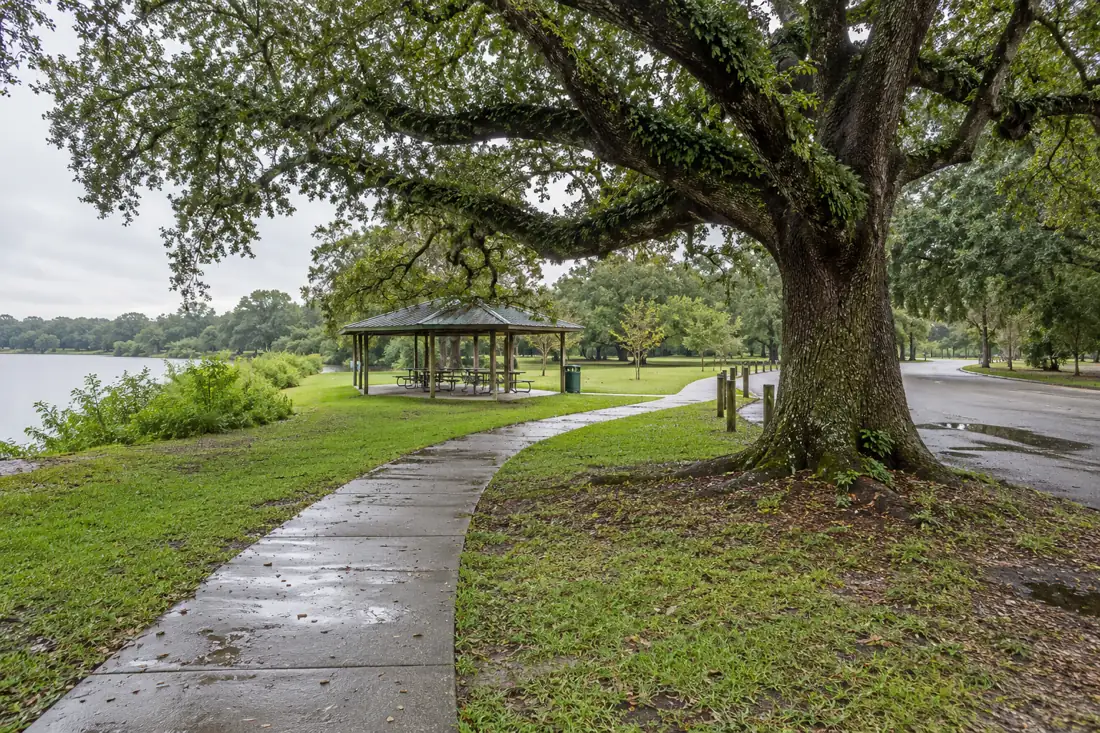
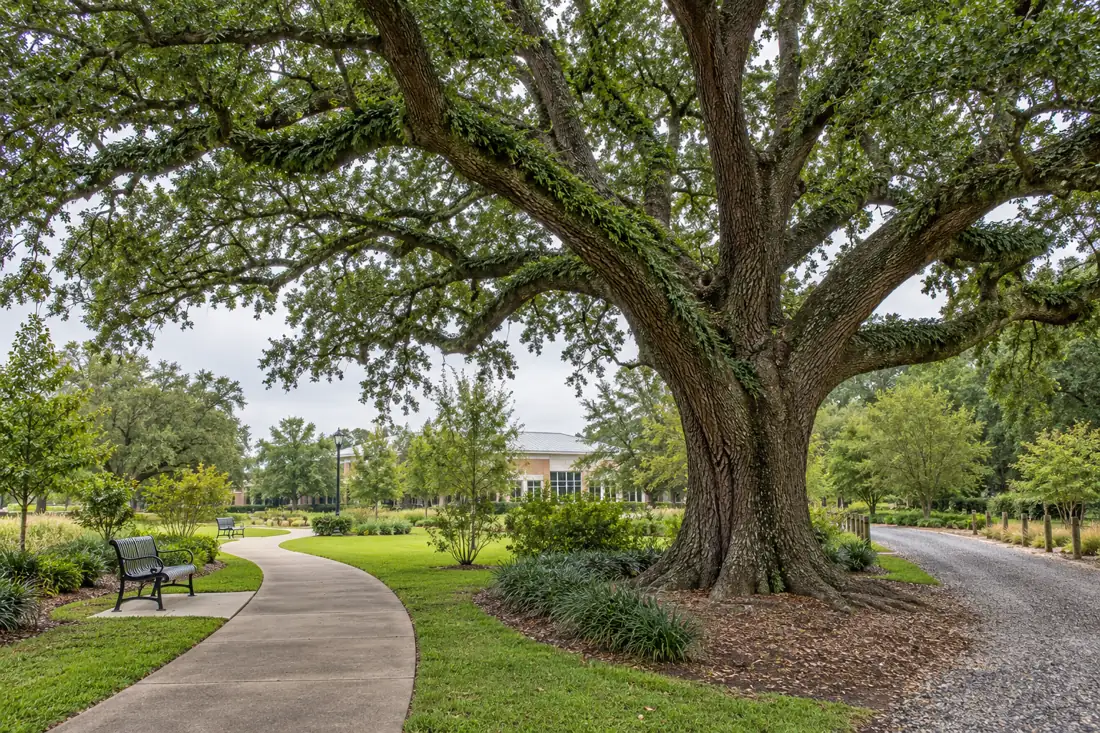
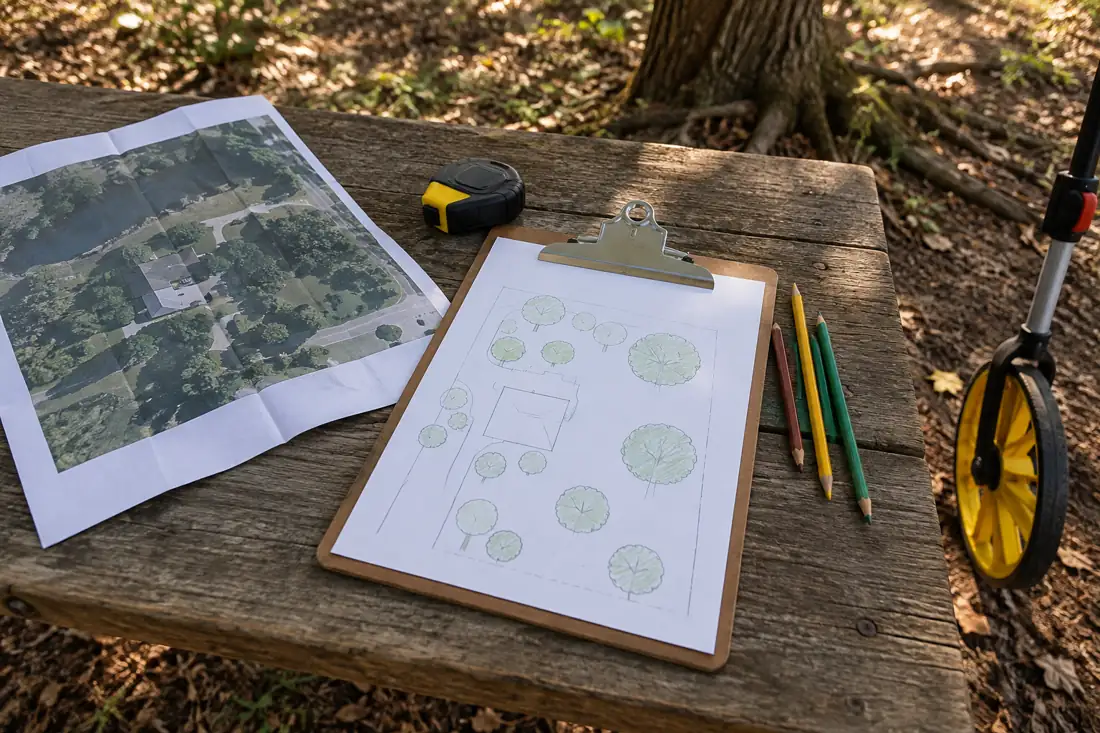
An early information request can describe the site and desired outcome without presenting unverified quantities as a final scope. Include location, tree information, constraints and the questions the agency needs answered. Ask prospective contractors to identify assumptions and requested documentation. The response should remain distinct from an award or confirmed dispatch.
Site-specific planning checkpoint: A public buyer’s request for information should distinguish capability questions from a formal invitation to bid. Describe the problem, likely site conditions, access restrictions and expected documentation without inventing quantities or promising a specific award. Ask respondents how they would handle tree inventory, emergency coordination, debris measurement and protection of public access. If pricing is requested, define exactly whether it is illustrative or binding under the procurement rules. The buyer should identify how questions and answers will be shared consistently with all participants. Site photographs should be labeled by location and date only when those details are known, and images should not be offered as proof of an inspected condition beyond what they actually show.
Turn market questions into an answerable RFI
Build a response matrix with one row for each unresolved issue: tree inventory, public access, overhead or underground restrictions, anticipated work limits, disposal, and the kind of information the buyer seeks. For each row, identify whether the agency already knows the answer, needs a qualified field observation, or wants contractors to describe possible methods. Label uncertain quantities as preliminary rather than assigning a fictional tree count or estimated price.
Keep the requested response format proportional to the decision. Ask for a concise description of relevant capabilities, assumptions and missing site facts, with a separate channel for questions that could affect all respondents. If the agency later issues a bid, publish material clarifications through its official purchasing process. A request for information is not a purchase order, a promise of future selection, or authority to mobilize equipment.
Before turning the inquiry into a priced solicitation, resolve who controls access and who can approve the eventual scope. A carefully limited site walk may answer more than another generic capabilities document. Record the handoff from market research to the next formal procurement step.

Give respondents a usable tree and site inventory
Provide a preliminary map with building names, gates, roads, overhead corridors and tree numbers that can be cross-referenced to photographs. If species, diameter or height are uncertain, mark those observations as estimates or unknowns. A single statement such as several hazardous trees does not explain whether the interest concerns selective pruning, large removals, stump treatment or debris processing. Different tasks may require different equipment, access and property protections.
Include current photographs from safe public locations and note when they were taken if genuinely known. Ask respondents to identify the minimum additional field information they would need for a useful scope. Do not ask staff to approach hanging branches, enter closed areas or measure a leaning trunk to complete the inventory. The buyer can keep an uncertainty column for items needing professional review, including tree condition, buried infrastructure and ownership boundaries.
Read the related writing a municipal tree removal scope guide · Review public-sector tree-work services
Questions that make an RFI useful: A useful request for information asks prospective tree contractors which operational facts they need to estimate the work, not what price they would charge for an undefined job. Identify the public-property owner, approximate number of trees, known hazards, open-to-public areas and whether the task is routine maintenance, a discrete removal, or storm response. Ask vendors to describe plausible equipment approaches for restricted gates, pedestrian circulation, overhead conductors and soft ground without steering them toward a brand or predetermined method.
Separate early market research from a purchase
A request for information is useful when a public buyer does not yet know which tree-work methods, equipment or project constraints should govern a future scope. State that the inquiry seeks capability, operational assumptions and possible approaches rather than a binding estimate or authority to begin work. Identify the responsible department, the property and the decision the information will inform. Where the buyer uses a prescribed procurement format, follow that process instead of treating an informal email as a solicitation.
A response may describe what needs a site visit, which details could materially change the plan and what kinds of records the agency should request later. It should not invent a price, guarantee equipment availability or claim a contract opportunity exists. Distinguish questions about contractor capability from questions requiring a professional tree condition assessment. That separation keeps early planning useful while preventing a general marketing conversation from becoming an accidental purchase commitment.

Describe access and working-hour constraints
List gate dimensions, turning opportunities, surface conditions and restrictions on entering landscaped or occupied portions of the property. State whether the facility serves pedestrians, emergency vehicles, deliveries or scheduled public events. A crane or chip truck may be technically capable of the work but unsuitable for the available setup area. The goal is to discover constraints early, not to demand an equipment method before the site is examined.
Record seasonal restrictions and any blackout dates for schools, libraries, clinics, athletic programs or public meetings. If traffic control or temporary closure may be necessary, ask what information the contractor needs for coordination with the responsible authority. Do not imply the tree contractor can independently close a public road or disconnect electrical service. Identify the agency contact who can confirm access, operational priorities and facility-specific safety requirements.
Define the actual public-service problem
Describe how the trees affect operations before prescribing removal. A blocked maintenance gate, a low branch over a vehicle route, repeated debris over a playground and a structurally compromised tree near a public walkway create different decisions. The request should distinguish verified observed conditions from complaints or assumptions. A tree can inconvenience maintenance without being unsafe, and a removal recommendation should not be inferred merely from proximity to a facility.
Ask for options where appropriate: inspection, selective pruning, protection of roots, changing a route or removing a tree after evaluation. Include the desired outcome for each location, such as restoring sight distance, reopening a gate or protecting a building. The buyer remains responsible for decisions about acceptable site changes and retained landscape assets. A contractor can explain feasibility, but an information response is not a substitute for authorized scope design.
Surface utilities and hidden site limitations
An RFI should identify visible overhead lines, nearby service equipment, irrigation controllers, drainage structures and known underground easements. Mark their approximate locations only if the buyer has a reliable source, and plainly label uncertain information. Heavy-equipment routing near utilities can change both the feasibility and cost of a tree project. An apparently open lawn may conceal pipes, shallow electrical lines or recently repaired ground that cannot bear concentrated loads.
Ask respondents how utility coordination and locating responsibilities should be assigned in a later specification. The appropriate utility owner or authorized locator must address utility risk; neither a photograph nor an information request establishes underground clearance. The buyer should also identify tree protection zones around nearby retained trees. Include questions about matting, traffic routes, restoration and limits on excavation so that the future scope does not leave foreseeable damage unallocated.

Clarifying a public tree-work request before pricing
A request for information can be useful before any public tree-work price is assembled, but it is not the same as an authorization to cut. The first response should separate what the buyer already knows from observations that still need a site visit. Identify the tree or work zone precisely, the public asset at risk, the stated outcome and the deadline for questions. A vague request covering an entire campus or roadway should not be treated as a measured list of trees.
Ask whether the buyer expects an inventory, a recommended treatment, a budget estimate or a defined removal scope. Those are different deliverables. A site inventory can record approximate locations and visible conditions while reserving professional risk conclusions for qualified assessment. A scope may also require traffic management, protected landscaping, pedestrian detours and debris disposal, none of which should be silently assumed to be included.

Questions that belong in the information stage
For each clarification, refer to a map point, photograph, plan sheet or numbered item when one exists. Note the response channel and whether questions must be answered by an official addendum before bids are due. This reduces the chance of several contractors pricing different interpretations of the same work. Do not infer an approved specification from an informal conversation that has not been incorporated into the procurement record.
A useful response can present a short decision list: what access is allowed, which trees are included, whether pruning or removal alternatives are permitted, what documentation is required at completion and who approves changed conditions. The buyer can then issue a consistent answer for all interested firms. Homeowners seeking public-facing work along a shared boundary should also identify which property owner controls the tree before requesting private estimates.
Ask precise questions about equipment and technique
Instead of demanding a particular machine, ask what conditions would lead a contractor to use climbing, sectional dismantling, a lift, a crane or ground-based equipment. The answer should explain space requirements and major dependencies, not present a remote recommendation as a completed safety plan. Some public sites may have insufficient setup space or unsuitable ground conditions for the most obvious option. Preserve the contractor's responsibility to assess actual conditions.
For large logs, brush and stumps, ask which handling and reduction methods are practical and what information determines them. Root balls, embedded debris or limited truck access may change the expected method. Questions about traffic separation, pedestrian routing and protection of adjacent trees can be as important as equipment horsepower. Do not use an RFI to request unsafe step-by-step cutting instructions or to authorize field work before procurement and site review.

Request documentation without assuming eligibility
Ask for a concise description of relevant capability, current insurance information, license or registration details where required, equipment access and experience handling occupied sites. The response should identify what has been verified and what must be supplied again for a specific solicitation. Neither a business website nor a broad capability statement proves eligibility for every local, state or federal opportunity. A buyer should avoid publishing an unverified list of approved vendors.
Different projects impose different document requirements, so name the governing purchasing process and ask respondents to flag unclear requirements. If a prime contractor will manage the project, distinguish prime and subcontractor duties. Do not imply certification, insurance limits, emergency authorization or past performance without supporting records. Keep sensitive documents within approved procurement channels rather than embedding private account numbers, certificates or personal contact data in a public-facing website.
When tree counts are preliminary, say so and explain how the final inventory will be verified. A simple response matrix can separate capabilities, site concerns, anticipated lead times and missing records without treating informal comments as a bid. Before issuing a solicitation, reconcile what the information-gathering stage actually learned.
Distinguish requirements that every respondent can price from optional approaches that warrant alternatives. Record which site drawings or tree tags were missing, what access assumptions changed and who is responsible for permits, utility coordination and debris disposition. Publish the same clarified information through the authorized public process rather than allowing a private site walk to create an uneven scope.
The RFI should make the eventual specification clearer, not imply that a contractor has been selected.
Clarify debris, stump and site-finish expectations
Describe whether the public buyer expects all material removed, selected logs retained, chips dispersed, stumps ground or a surface left ready for follow-on landscaping. Those are separate outputs and should not be assumed from the phrase tree removal. Request that respondents identify disposal questions, hauling constraints and any off-site facility requirements that influence scope. The destination and legal acceptance of debris must be confirmed rather than invented in a capability statement.
For stump work, specify whether exposed roots, below-grade grind depth, backfill and restoration belong to the requested work or a later contractor. Avoid promising immediate sod installation where settling or root remnants may affect the result. Ask how contractors typically document cleanout and distinguish normal surface disturbance from damage requiring repair. The future bid package should translate these answers into measurable acceptance criteria so that competing offers describe comparable finish conditions.

Turn responses into a defensible next decision
After the market response window, group findings by known constraints, unresolved site observations, possible service approaches and procurement requirements. Record which assumptions multiple respondents shared and which depend on the actual tree or property. A single opinion should not be transformed into a verified diagnosis. If a significant branch defect or immediate hazard is reported, arrange an appropriate site-based professional review rather than waiting for a routine purchasing cycle.
Prepare the next scope using tree identifiers, measurable outcomes, access limits, debris handling, restoration, documentation and authority for changes. Identify any required site walk or professional evaluation before final pricing. If the inquiry shows that separate contracts or phases are sensible, document why. Retain the source responses in the buyer's approved records system and protect private information. The result of a good RFI is a clearer purchasing decision, not an invented award or guarantee.
Build a consistent question-and-answer process
Give all potential respondents the same submission deadline, format, site reference and point of contact. Establish whether optional tours or follow-up calls are permitted and how clarifications will be shared under the buyer's rules. If one contractor learns about an inaccessible gate or changed tree count, the buyer should consider whether the same information needs to be released to others. The goal is a fair and comparable information set, not hidden informal commitments.
Use a question log with the question, answer, responsible official, date and affected map or inventory item. Distinguish a factual clarification from a scope revision and follow the buyer's formal process for each. Do not have field staff approve added trees or work windows on behalf of the purchasing official unless their authority is documented. Organized clarification now can prevent mismatched bids, scheduling problems and disputes when the eventual work order is issued.
When an RFI should stop short of an executable scope
An information request is useful when a public buyer does not yet know whether the work calls for assessment, pruning, removal, debris removal or some combination. Ask prospective respondents to identify missing tree inventories, unclear access boundaries and methods that would change the eventual scope. A response describing possible approaches is not an award, a price commitment or approval to enter a site.
Keep the RFI question log separate from the later solicitation. For example, a reply that a lift may need a closed parking lane should become a location-specific constraint for the owner to confirm, not an assumption embedded silently in the contractor's price. The municipal scope guide explains how those unanswered market questions become measurable, authorized work items.
- Record the question, respondent and version of the owner's clarification.
- Identify which answer would change an access plan or quantity, rather than asking for generic capability claims.
- Do not publish speculative tree-risk conclusions as verified site findings.
Keep the RFI question log separate from the purchase
Ask which missing facts might materially change a future offer: tree counts, access widths, utilities, hours, disposition of debris or finish requirements. A well-formed question requests a location-specific answer rather than a generic list of tools.
Give all appropriate respondents the same recorded clarification through the buyer's authorized process. An RFI response may inform the next solicitation, but it does not itself grant site access, certify a tree-risk finding or create a work authorization.
Questions about this project
What should a government buyer send first?
Send the agency or prime contact, project reference, site, scope, deadline, access conditions and required documents or submission format. Identify the authorized contact for questions and the buyer's process for clarifications.
Does a capability page prove contract eligibility?
No. Request and verify current documentation relevant to the particular opportunity. Registration status, certifications, licensing, insurance and availability should not be inferred from a broad marketing statement.
Is a total tree count enough for a large quote?
Usually the parties also need locations and tasks. Use consistent tree numbers, marked photos or a site plan so the estimate and crew instructions refer to the same trees and retained areas.
Does a work inventory include a condition assessment?
Only if that service is expressly part of the scope. A list used to identify and price tasks should not be mistaken for a documented assessment of every tree's condition or risk.
How should extra work be approved?
Use the agreed approval process and identify the change, reason, scope, price or schedule effect as applicable. Confirm who has authority before treating an additional tree or task as part of the original job.
What completion records are useful?
Keep the agreed scope, tree or area identification, authorized changes, invoice and labeled photos where appropriate. Include unresolved items and a contact. Contract-specific records should follow the buyer's stated requirements.
What should I compare besides the price?
Compare tree identification, work objectives, access assumptions, hauling, stump treatment, site finish and exclusions. Ask whether permits or other coordination are part of the scope and who can approve changes if conditions differ.
Does an online request book the crew?
No. A request starts the estimate conversation. The company still needs to discuss scope, availability and any site assessment. For a dangerous or urgent condition, call 504-458-8336 rather than relying on a form response.
What access information helps an estimator?
Send the narrowest opening, overhead obstacles, turns and the distance between the tree and the loading area. Include photos of the entire route and identify steps, soft ground or features that must remain protected.
Should I remove a fence before the visit?
First ask the contractor to assess access and agree on any temporary opening. Identify who owns the fence, who can authorize the change and who will reinstall it. Do not assume the opening is necessary or included.
What should I tell Tree Huggers about government tree work request for information?
Explain the property address, the work you want and the specific concerns: market inquiry, scope assumptions, response requirements. Send safe photos of the tree, surroundings and access route. The contractor can then discuss the assessment and scope needed for this situation.
How do I request an estimate for this work?
Call 504-458-8336, text photos or use the estimate form on this page. Include the address, desired outcome and any timing constraints. The company will need to review scope and availability; an online request does not confirm a price, appointment or emergency dispatch.
Get a scope for your property
Send the location and available public scope or site photographs; request a project-specific review rather than treating an RFI response as work authorization.