Serious tree work needs contractor-level organization
Commercial and government buyers often need more than a crew with saws. They need a contractor who can define scope, coordinate access, communicate schedule changes, document work, manage equipment safely and mobilize resources when the project expands. Tree Huggers Tree Service LLC is positioning its operation around those expectations while retaining the speed and flexibility of an owner-led tree company.
Practical scope and safety guidance: Commercial and public tree work starts with a clearly defined owner, site authority, and work boundary. An inquiry is more useful when it identifies the property manager or authorized contracting representative, a map or address for each work zone, the trees or corridor involved, and whether public access must remain open. Distinguish routine pruning from a storm-related hazard or a separately scoped debris-hauling assignment. Supply known restrictions on equipment staging, delivery entrances, parking, overhead wires, landscape features, and school or business operating hours.
For government opportunities, use the buyer’s actual procurement documents and approved communication process rather than treating a preliminary conversation as a purchase order. An accurate written scope should address what remains, what material leaves the site, what photos or tickets are needed for acceptance, and how changes are authorized. This helps compare proposals without assuming that uninspected trees or undocumented quantities are covered.
Commercial portfolios: one intake, distinct approvals
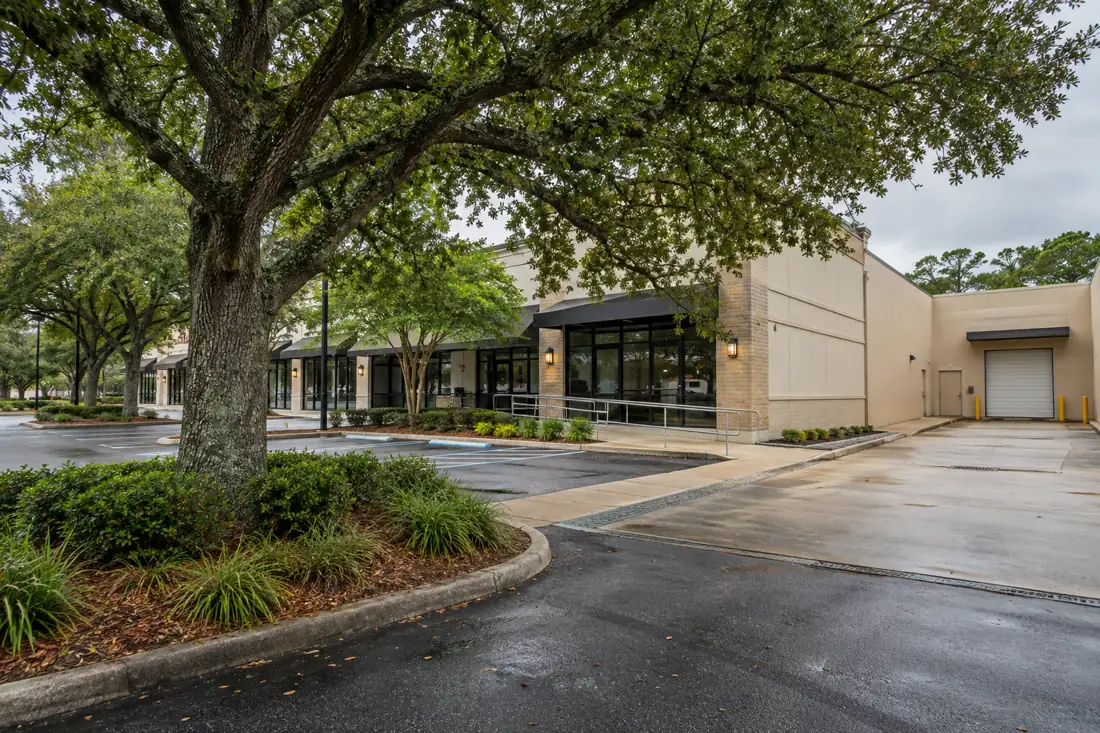
This overview is the starting point when an owner or manager is coordinating work across a retail site, multifamily property, church, school or public facility. Record the actual property use, occupied entrances, vehicles and site manager before choosing a tree service. Group urgent access hazards separately from routine canopy work; a single undifferentiated list makes both pricing and safe scheduling harder to evaluate.
Publicly controlled property adds procurement and authority questions that do not belong in a normal private-property estimate. Identify which entity controls the right-of-way, whether purchasing rules apply, and who can approve closures, disposal or work adjacent to utilities. A private manager should not treat this page as an authorization to direct work on municipal land. For records, bid preparation and public-facility specifics, use the linked government guide. Government Tree Services.
Commercial Tree Service
Retail, office, industrial, hospitality, multifamily and managed properties.
Municipal Tree Work
Tree removal, pruning, emergency response and debris operations for public spaces and local agencies.
Make the bid walk verifiable
For municipal or commercial tree work, an identifiable tree list matters more than a vague site description. Align numbered trees, approved work limits, pedestrian routes and handling locations with the bid schedule. Keep authorizations, insurance documentation and agency procurement requirements in the owner’s formal process.
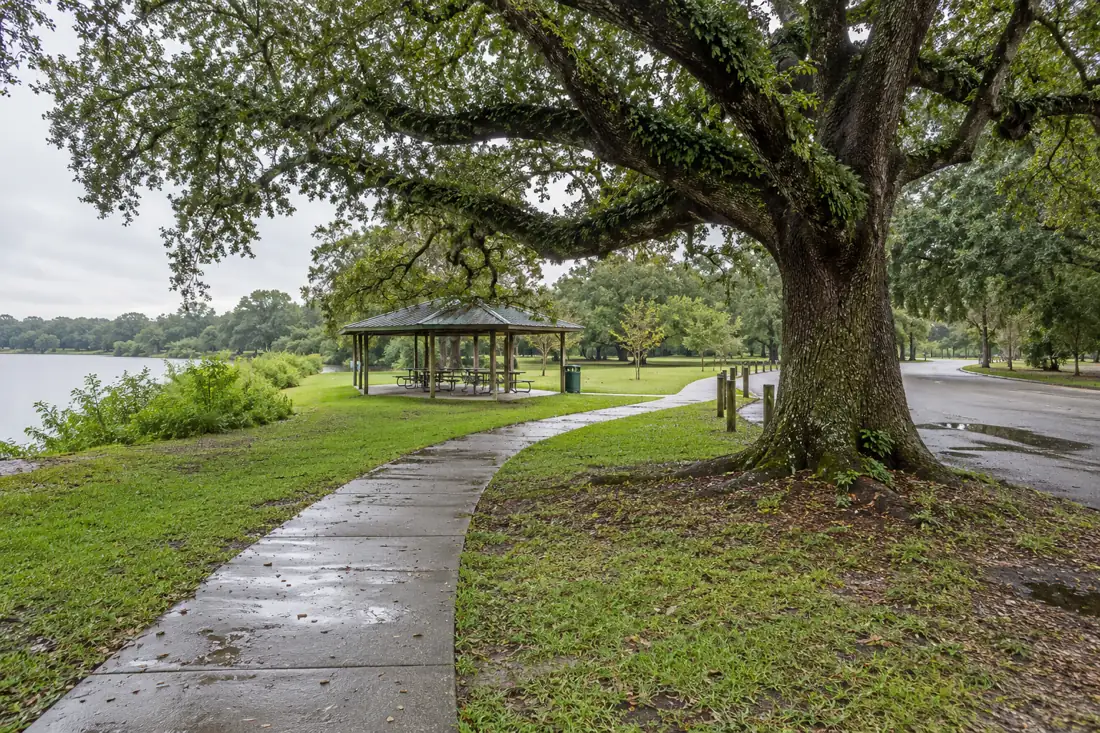
Government Contracting
Procurement-ready information for federal, state and local opportunities.
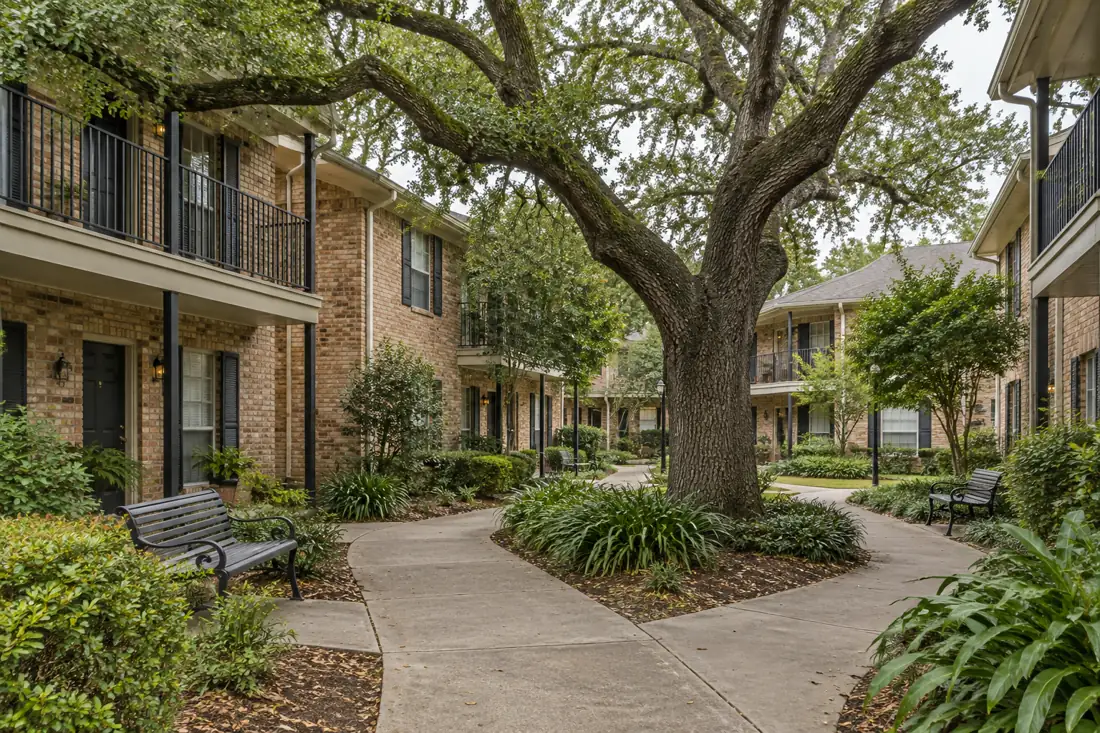
Property Management
Portfolio support, hazard response, scheduled trimming and documentation across multiple sites.
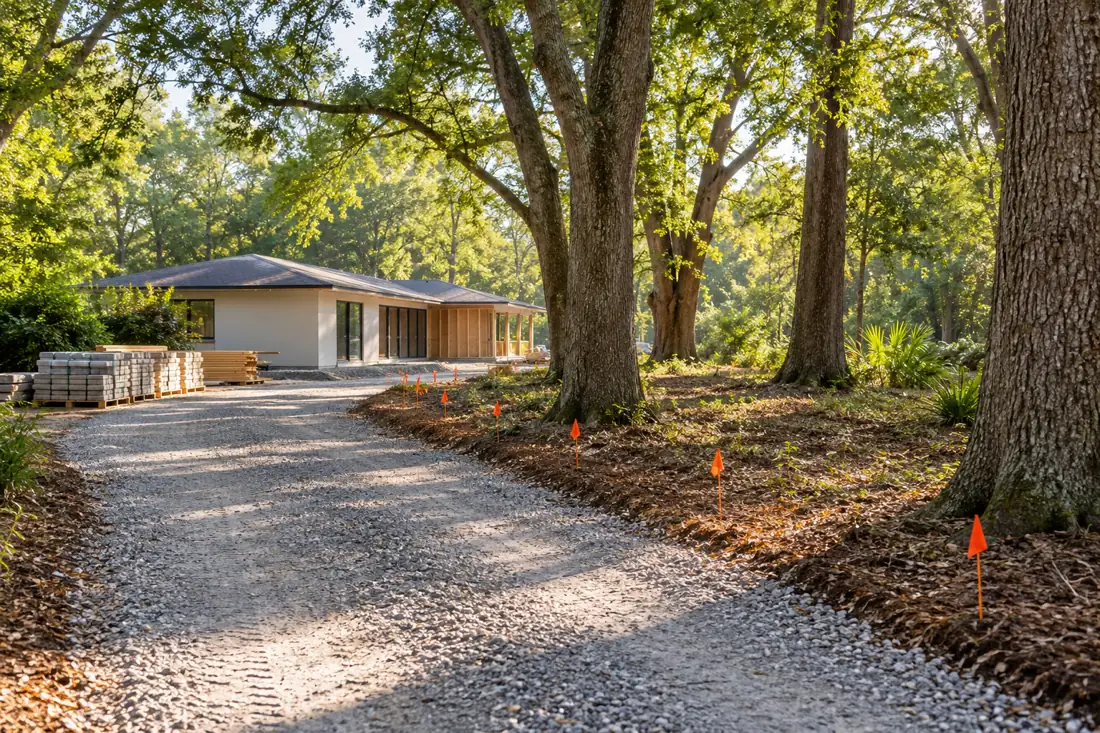
Contractor & Prime Support
Tree clearing, access support, storm work and specialized equipment as part of larger projects.
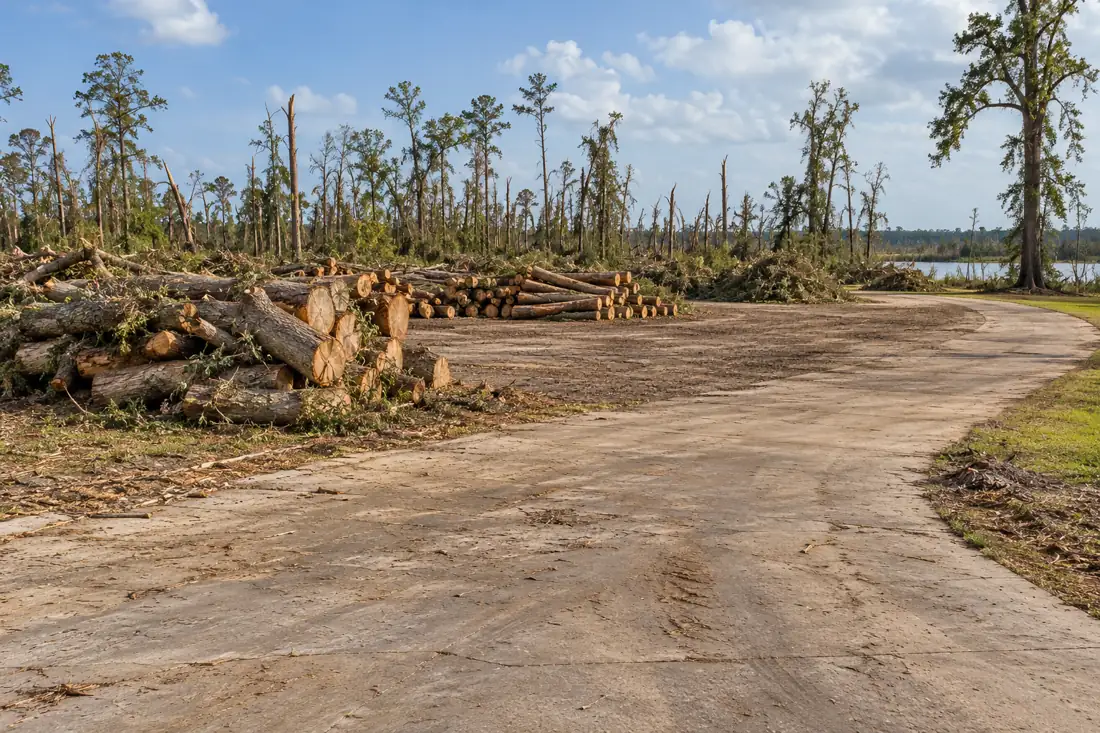
Disaster Response
Out-of-town mobilization for significant storm debris and emergency tree scopes.
Government-ready website and capability information
Tree Huggers’ government section is designed so purchasing personnel, primes and agency staff can quickly understand what we do, where we can mobilize and how to contact us for a quote or teaming opportunity. Request current identifiers, insurance information and any registrations or certifications required for your opportunity. Include the solicitation reference and document requirements so the company can respond to the actual scope.
Keep each procurement decision traceable to a site and scope
For a multi-site buyer, the useful unit of work is a named location and an observable condition, not a broad promise to handle every tree on the property. Identify the site, tree location, proposed objective, public-use restrictions and whether the work is routine maintenance, urgent hazard control or debris handling. Keep optional items separate so a reviewer can compare the actual requested scope across bids.
Before any field work, confirm who may approve substitutions and how a discovered condition will be documented. Access restrictions may differ between a school entrance, a government parking facility and a fenced utility yard. A clear approval chain and a defined change process protect the site owner and contractor without suggesting that an unknown condition is automatically included in an original quotation.
At completion, reconcile the authorized tree list with what was actually done, note approved differences and identify any cleanup or restoration excluded from the tree contract. Record accessible photographs of the result only where the site permits them. This kind of plain documentation helps a purchasing team close out a specific scope, but does not itself establish contractor credentials or regulatory qualification.
Decide who authorizes the work before setting a crew date
For a commercial portfolio, identify the person who can approve scope changes at each address and the property contact who can open gates or redirect vehicles. A purchasing officer, site supervisor and tenant representative may have different responsibilities; one name on an inquiry does not resolve those differences.
Map occupied entrances, delivery periods and pedestrian routes before requesting a work window. For a publicly controlled property, determine the agency’s procurement route and any traffic-control or site-closure approvals separately from a private estimate. Ask for a written boundary between initial pruning, optional removal and post-work debris hauling so the decision maker can compare the actual obligations.

Match public and commercial procurement steps to the actual buyer. For a government or commercial inquiry, begin with the contract documents and the owner’s authorized procurement contact. Confirm required insurance certificates, site access rules, response windows, written deliverables, bid clarifications and any applicable safety or disposal documentation. Separate an estimate for one hazardous tree from a recurring landscape contract or a storm-response scope: each needs a different schedule and acceptance criteria. Do not imply that prequalification, public award status or a particular compliance certification exists until the buyer verifies it independently.
Tree and landscape service solicitations commonly fall within NAICS 561730, while specific solicitations may use additional product or service codes depending on the scope. Our project review focuses on the work requested: tree removal, pruning, stump work, emergency response, storm cleanup, debris reduction and specialized equipment operations.
Large-job mobilization
For the right project, Tree Huggers can move beyond Greater New Orleans. We consider equipment transport, fuel, lodging, disposal locations, secure staging, crew rotation, communications, maintenance support and project documentation before committing to distant work. That planning is particularly important for disaster-response projects where local infrastructure may already be strained.
Safety, access and public-facing sites
Commercial properties and public sites require controlled work zones. Traffic, pedestrians, tenant access, parking, operating hours and nearby utilities can all affect the sequence. We can coordinate work windows and equipment placement around the needs of the property rather than treating every project like a residential backyard.
Documentation that helps owners and managers
Photo records, location notes, service descriptions and completion documentation can be incorporated into larger scopes. Property managers may need work tracked by address or building. Contractors may need photos tied to line items. Government buyers may need invoices and supporting documentation that match purchase orders or contract structure. Those administrative requirements are part of a professional operation, not an afterthought.
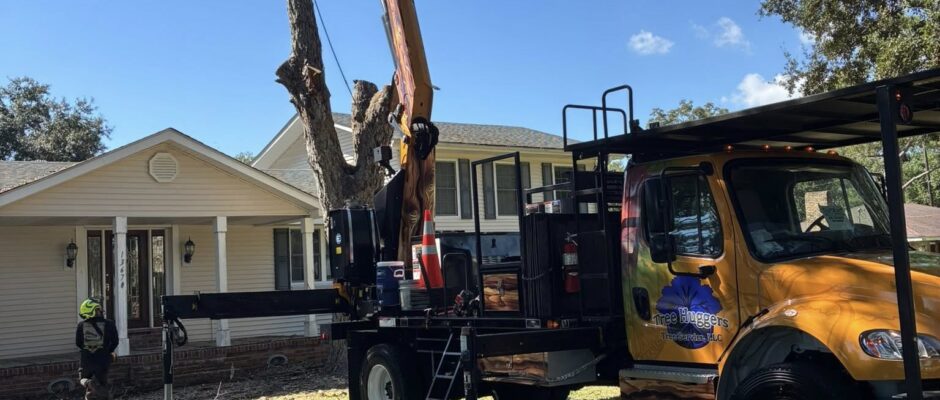
Use this page to discuss commercial & government with Tree Huggers. Start with the current condition, the property and the outcome you need. The sections below explain the information a contractor needs, the responsibilities to clarify and the way to compare the proposed work with the finished result. The right scope depends on the tree and site; a general service description does not confirm a method, price or arrival time.
Commercial and public-property tree work begins with the purpose of the request. Identify whether the property needs scheduled pruning, a condition assessment, removal of a specific hazardous defect, vegetation clearance, storm debris handling or a standing maintenance arrangement. List the buildings, pedestrian routes, utility corridors, parking, loading and public access areas affected, with a contact who has authority to approve restrictions.
A general request for ‘tree service’ conceals obligations that belong in separate scopes. Give each tree or work zone a map reference and explain whether the work is on a privately managed lot, public right-of-way or site governed by a formal procurement procedure.
Ask potential contractors to describe the method assumptions, qualifications relevant to the work, access and traffic coordination, disposal responsibilities and documentation required for acceptance. Price comparisons should use the same treatment for permits, ground protection, cleanup and change orders. Separate urgent stabilization or hazard controls from future maintenance that has not been authorized.
For a government project, follow the actual bid documents and approval authority rather than assuming a private commercial proposal is interchangeable. Closeout should identify completed locations, remaining issues and which person approved reopening each work area, without inventing an inspection certification or regulatory endorsement.
Information to collect before the estimate
A site manager can describe hazards and tree locations without making unsupported structural diagnoses. Explain whether a limb affects an active loading dock, a public pedestrian route or an isolated corner of the property. Provide the location map and the person authorized to approve entry. If a public road, neighboring property or utility corridor is involved, list the responsible authority and request coordination before a specific work method is chosen.
Make the buyer’s requirements specific to the opportunity
A public or prime-contractor opportunity needs current requirements rather than assumptions based on a general website. Provide the solicitation or project reference, work location, scope, deadline, access restrictions and required submission format. Ask the contractor to identify assumptions and the documents requested by the buyer. A capability page can start the discussion but does not establish eligibility for every contract.
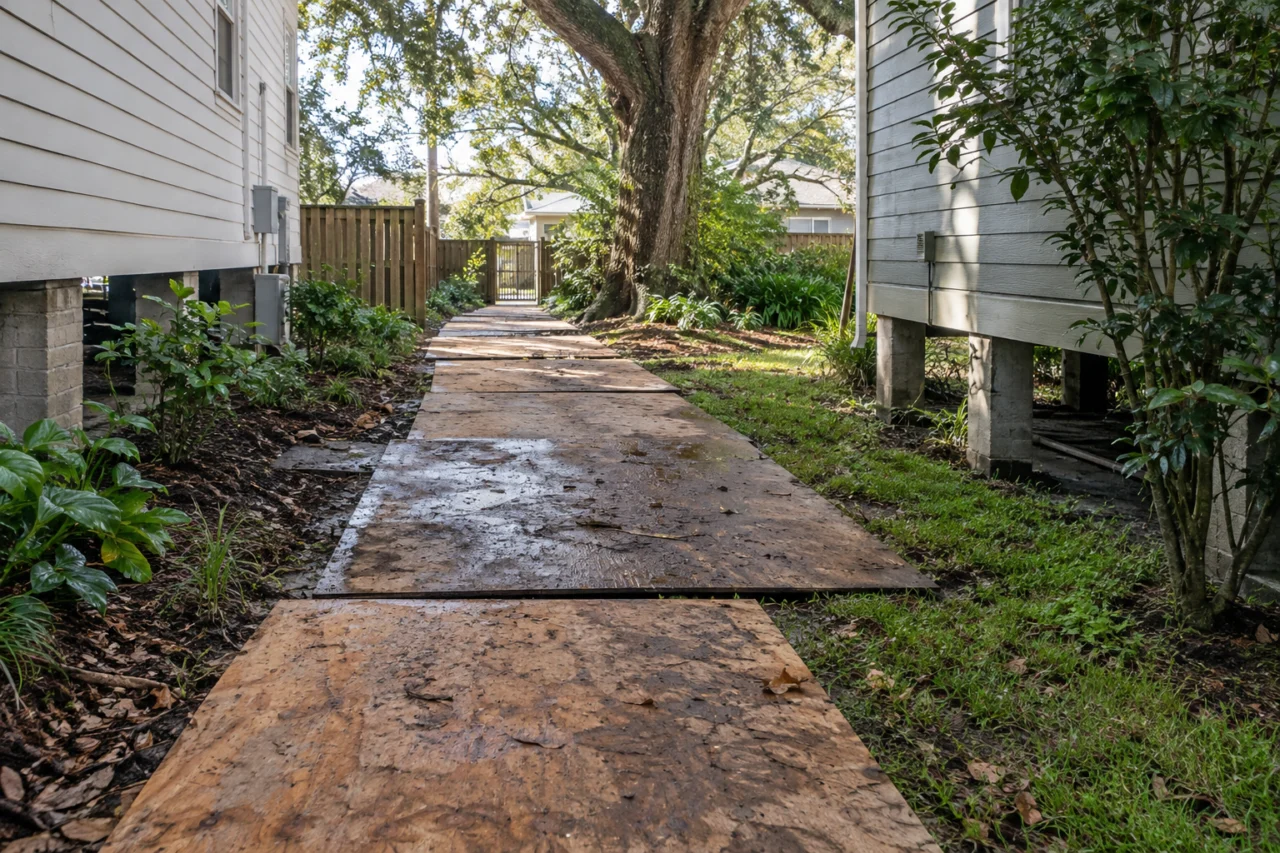
Verify current licensing, insurance, registrations and any certifications directly before award where applicable. Do not infer a SAM registration, federal status, insurance limit or past-performance claim that has not been supplied and checked for the opportunity. The scope should identify authorization, quantity verification, reporting, disposal and acceptance requirements. Emergency purchasing and change procedures belong to the buyer’s governing process. Keeping these requirements explicit helps the contractor respond to a real project and helps the reviewing organization compare complete, relevant submissions.
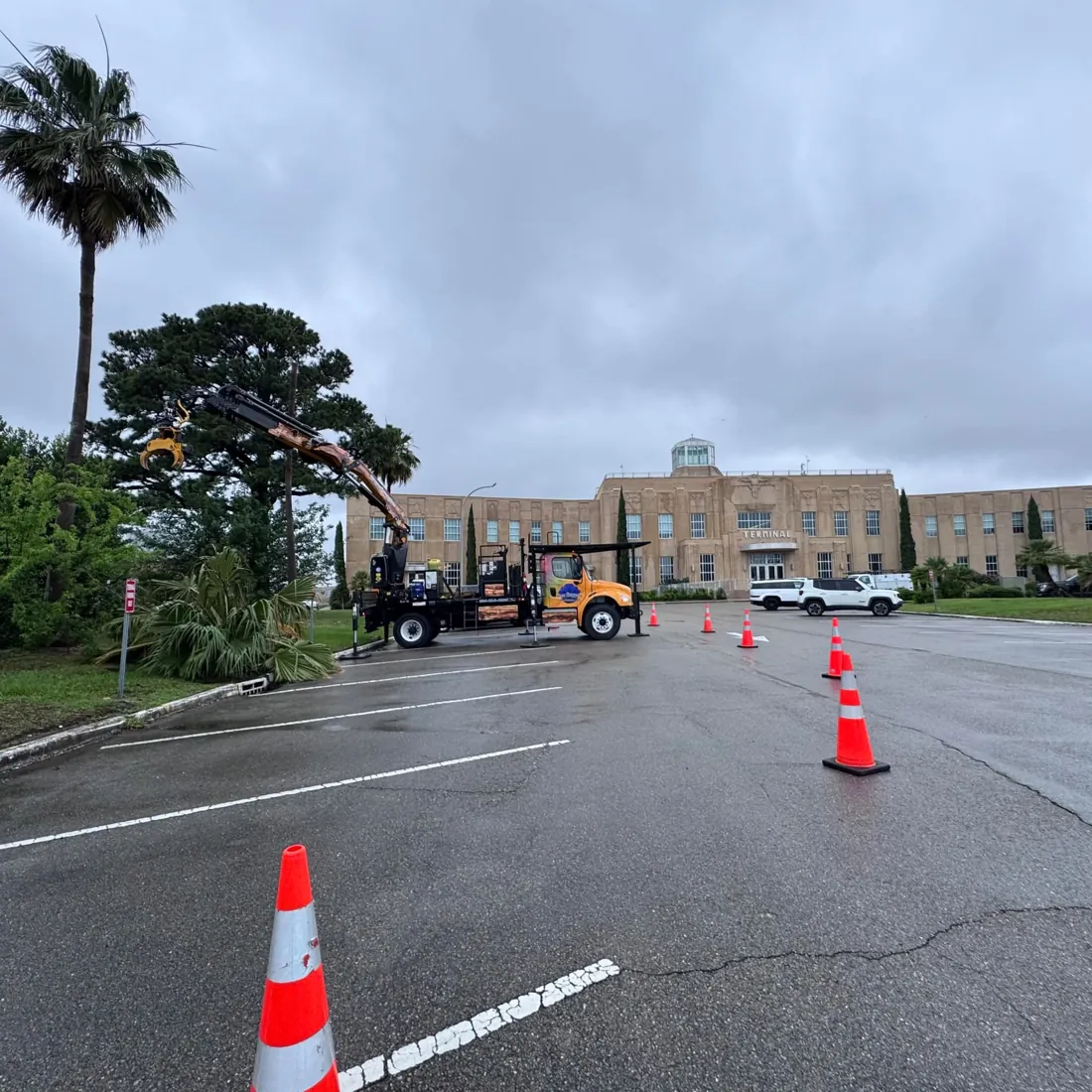
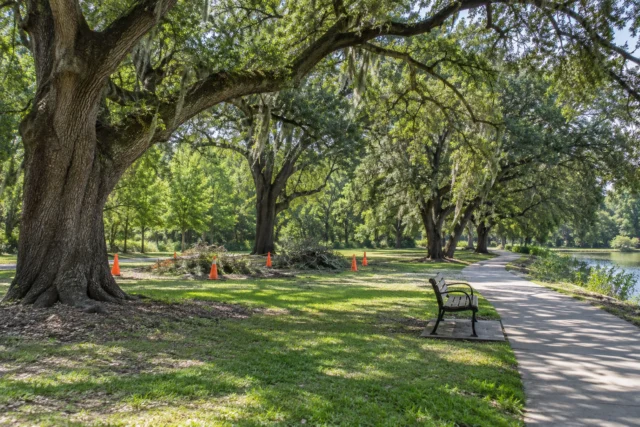
Original Tree Huggers field photo. Tree Huggers equipment and traffic cones at a large property.
Identify each tree and task consistently
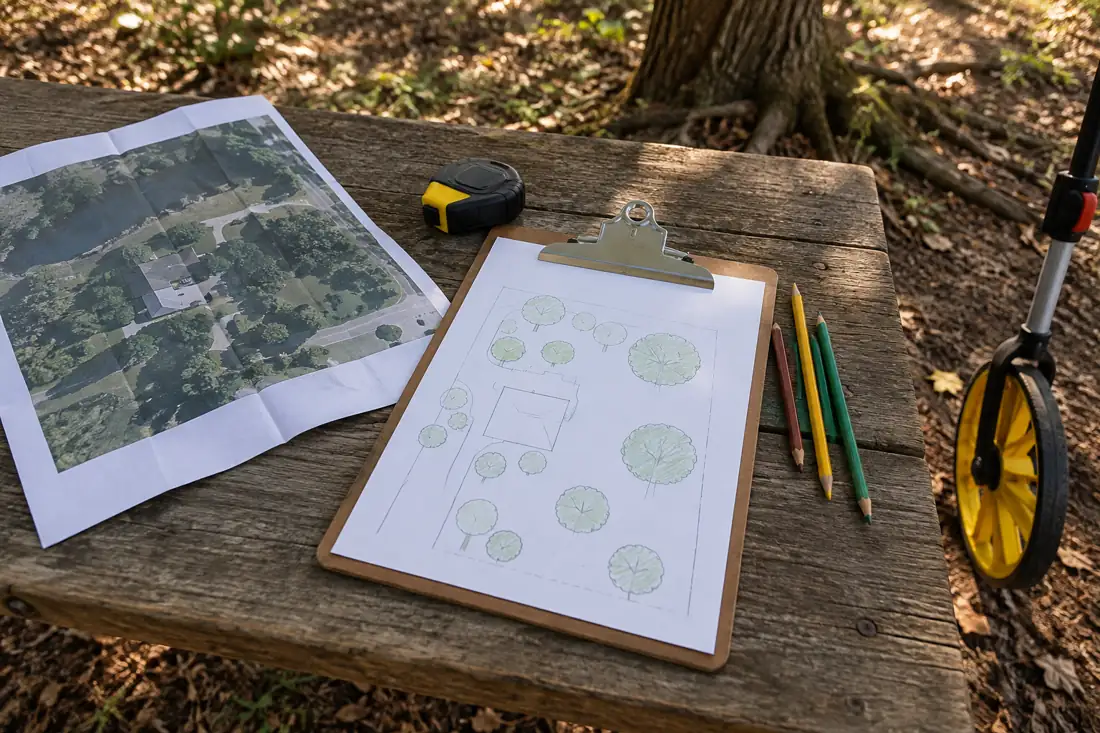
A tree inventory for a work scope can be simple, but it needs to be unambiguous. Number trees on photographs or a site sketch and connect each number to the requested task. Identify trees to retain as clearly as those to remove or prune. A count without locations may not be enough where several trees stand close together or different work is planned across a property.
Include known access constraints and priorities for each area. For larger sites, use the same identifiers in the estimate, field notes, authorized changes and completion record. This helps the owner and contractor check quantities and avoid confusing a recommended future item with approved current work. An inventory used for pricing is not automatically a professional condition assessment of every tree. State whether inspection or further evaluation is part of the requested service and what documentation is expected from that work.
Keep authorization, changes and completion traceable
On a campus or managed property, the accepted work record should link each tree or zone to the original purchase authority and any approved changes. A site representative may identify additional concerns during the job, but that conversation should not silently expand the contract. Keep release-to-work dates, temporary closures, disposal expectations and the approval path visible to the crew and manager so the final record can distinguish completed work from recommendations.
A public-sector or multi-property closeout can use location-labeled views, actual completed work units and an exception list for tasks that remain blocked or are assigned elsewhere. If the buyer requires an inspector’s acceptance, that decision belongs to the named authority, not a photograph or marketing claim. Avoid claiming infrastructure or landscape restoration was certified simply because woody material was hauled. Preserve any authorized change records with the buyer’s final file.
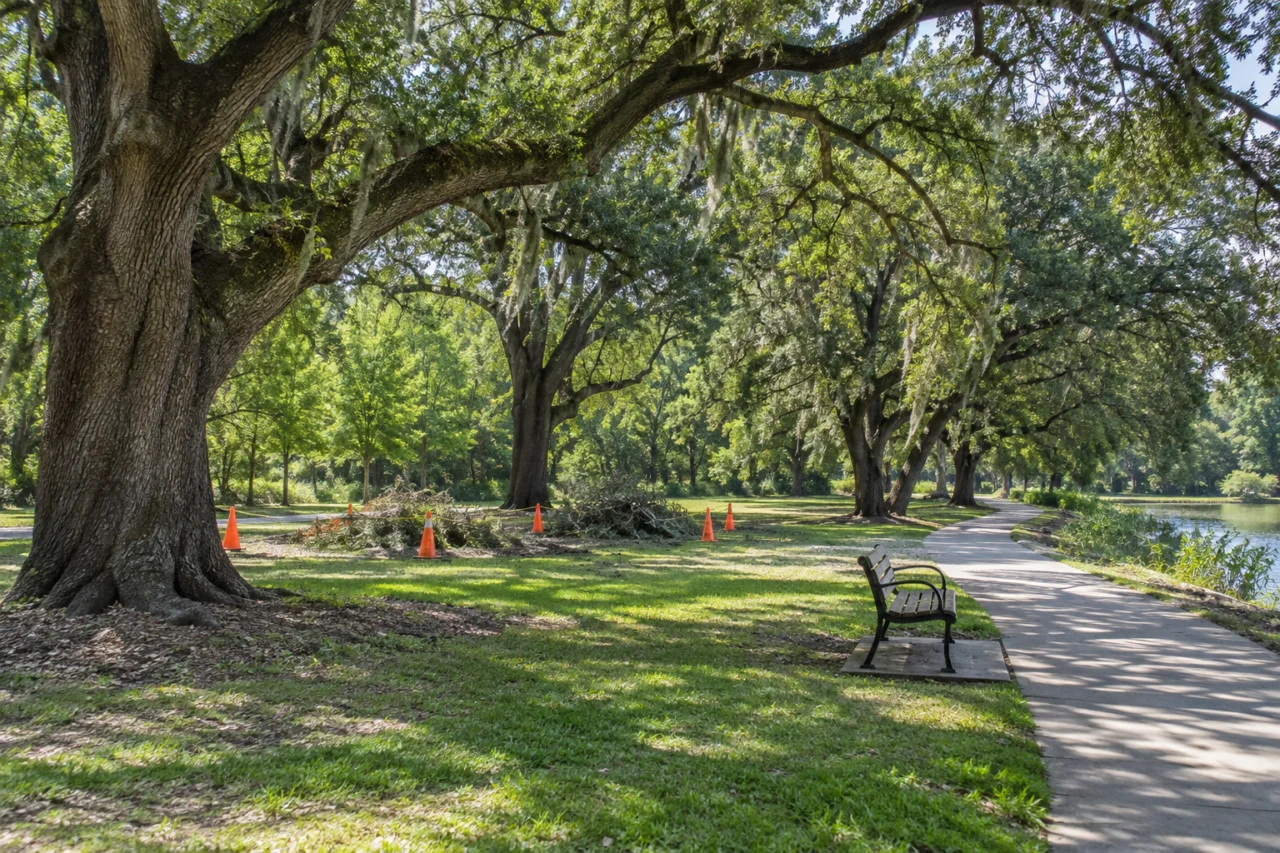
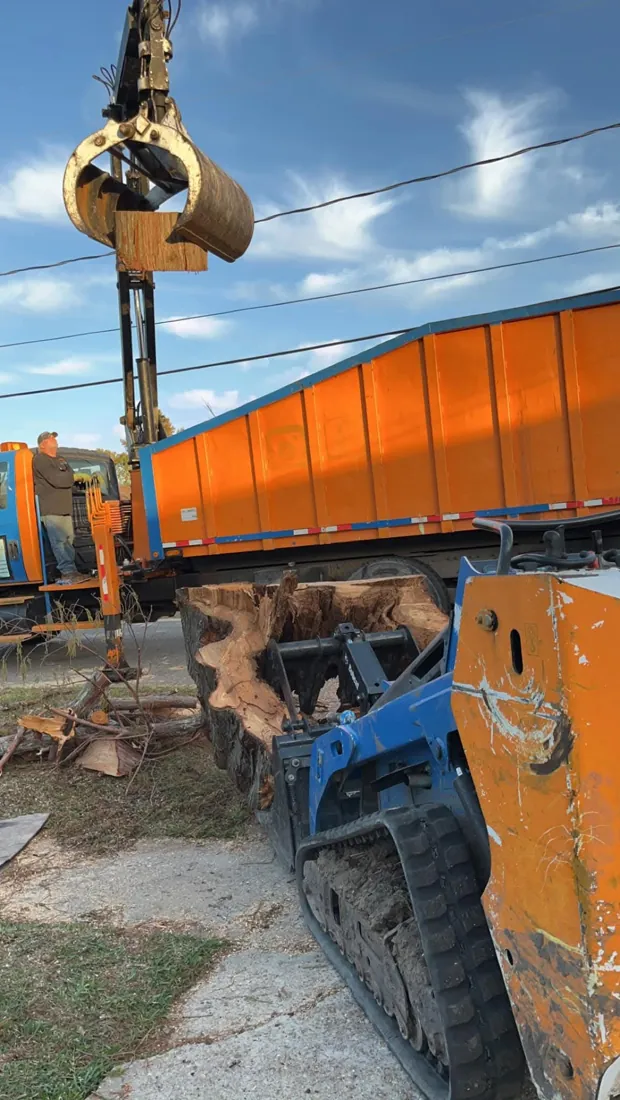
Original Tree Huggers field photo. Grapple equipment over a Tree Huggers orange debris container.
Plan pedestrian, vehicle and loading movement
Tree work can affect movement beyond the tree’s immediate surroundings. Trucks may need loading space, equipment may occupy a route and pedestrians may approach from outside the property. Identify those conflicts during the estimate. Public-space or road arrangements need the appropriate authority and approvals; a private customer’s agreement does not establish permission to close a public route.
For private property, agree on vehicle relocation, alternate access and the work window with the people who control those areas. Keep emergency and critical facility routes in the discussion. The plan should address loading and cleanup, not just the cutting stage. If the work is phased, define which areas can reopen and who confirms that decision. A clear traffic and access arrangement helps the contractor price the actual conditions and helps the owner avoid last-minute conflicts with deliveries, tenants or neighboring properties.
Turn a commercial tree request into an award-ready scope
Start a commercial request with a numbered tree or work-zone list rather than one sitewide instruction to trim everything. For each location, record the visible concern, the requested outcome, whether the tree is intended to remain, and the name of the party who can authorize a change. A park, apartment complex and occupied public facility may all have mature oaks, but their pedestrian controls and work windows differ. Marked images help a contractor plan a safe review without requiring the buyer to diagnose tree defects.
Separate bid assumptions from the contractor’s eventual field method. A buyer can describe trees beside a gate, conductors, traffic lane or occupied entrance without directing specific cutting techniques. Identify who can provide access to secured areas, who coordinates any utility-related restrictions, and whether disposal or stump work is included. If the solicitation is incomplete, submit questions through its designated channel instead of assuming informal site guidance changes an award.

Which records should follow the site work?
Before mobilization, establish the delivery format for status reporting. A simple location register can track approved tasks, blocked areas, separately quoted additions, completed work and outstanding restoration. Keep dates and photographs tied to the actual site and job phase. A generic capability page or synthetic illustration cannot substitute for photographs of the work performed, or certify that a vendor meets a buyer’s particular registration and insurance requirements.
At closeout, compare the approved tree list with each completed operation, debris disposition and unresolved item. Distinguish access reopened by the tree crew from paving, landscaping or utilities still assigned to others. Ask the buyer who has authority to accept the completed work and where the record must be retained. A clear closeout protects both sides from treating a recommendation, a field discussion or an unapproved extra as finished contracted work.
Ask for a scope you can compare
To compare bids on a commercial location, insist that all proposals identify the same trees, tasks and disposal outcome. One bidder may include crane setup, hauling and restoration while another assumes equipment access and leaves wood for the owner. Work windows, pedestrian protection, special certifications and purchase-order requirements may also affect the deliverable. Record those assumptions rather than treating the lowest total as evidence of equivalent scope.
Prepare the inquiry with a current site map, work-zone identifiers, safe wide views, authorized contact and the required bid or work-order deadline. Explain if occupancy, school operations, tenant deliveries or facility access limit equipment movement. Keep procurement documents and sensitive vendor identifiers in the buyer’s approved channel. A request for an estimate begins a review; it is not an approval to mobilize, a guaranteed emergency response or confirmation that a vendor meets every solicitation condition.
Procurement details that make a tree-work request reviewable
A commercial or government inquiry is easier to evaluate when the buyer supplies the current solicitation or proposed subcontract scope, the response deadline, site addresses, access windows, required work units and the name of the person authorized to answer questions. Separate required tree work from optional services and any work that belongs to another trade. If the solicitation calls for specific forms or licenses, those requirements should be checked against current documents rather than inferred from a marketing page.
For multi-property work, attach a location register with tree identifiers, site-specific constraints and the expected method of acceptance. Ask which party controls temporary closures, traffic, utility coordination and debris destinations, and which party approves a scope change. This information helps the parties compare the same deliverables and prevents a quote from silently including work outside the actual tree-service assignment.
Questions about this project
What should a government buyer send first?
Send the agency or prime contact, project reference, site, scope, deadline, access conditions and required documents or submission format. Identify the authorized contact for questions and the buyer’s process for clarifications.
Does a capability page prove contract eligibility?
No. Request and verify current documentation relevant to the particular opportunity. Registration status, certifications, licensing, insurance and availability should not be inferred from a broad marketing statement.
Is a total tree count enough for a large quote?
Usually the parties also need locations and tasks. Use consistent tree numbers, marked photos or a site plan so the estimate and crew instructions refer to the same trees and retained areas.
Does a work inventory include a condition assessment?
Only if that service is expressly part of the scope. A list used to identify and price tasks should not be mistaken for a documented assessment of every tree’s condition or risk.
How should extra work be approved?
Use the agreed approval process and identify the change, reason, scope, price or schedule effect as applicable. Confirm who has authority before treating an additional tree or task as part of the original job.
What completion records are useful?
Keep the agreed scope, tree or area identification, authorized changes, invoice and labeled photos where appropriate. Include unresolved items and a contact. Contract-specific records should follow the buyer’s stated requirements.
Can the crew block a public sidewalk or road?
Required arrangements must be coordinated with the appropriate authority. Identify public routes and restrictions before scheduling. A private work agreement should not be treated as automatic permission to occupy or close public space.
When should parked vehicles be moved?
Set the timing and responsible contact before the work window. Vehicles may need to leave the tree zone, equipment route and loading area. Confirm where access must remain available during each phase.
What should I compare besides the price?
Compare tree identification, work objectives, access assumptions, hauling, stump treatment, site finish and exclusions. Ask whether permits or other coordination are part of the scope and who can approve changes if conditions differ.
Does an online request book the crew?
No. A request starts the estimate conversation. The company still needs to discuss scope, availability and any site assessment. For a dangerous or urgent condition, call 504-458-8336 rather than relying on a form response.
What should I tell Tree Huggers about commercial & government?
Explain the property address, the work you want and the specific concerns: project requirements,authorized scope,completion records. Send safe photos of the tree, surroundings and access route. The contractor can then discuss the assessment and scope needed for this situation.
How do I request an estimate for this work?
Call 504-458-8336, text photos or use the estimate form on this page. Include the address, desired outcome and any timing constraints. The company will need to review scope and availability; an online request does not confirm a price, appointment or emergency dispatch.
Get a scope for your property
For a commercial or public-sector scope, provide the solicitation or work-order reference, tree or zone identifiers, site addresses, closing date and authorized purchasing contact. Request current company documents through an appropriate secure channel rather than assuming that a marketing page establishes contract eligibility.