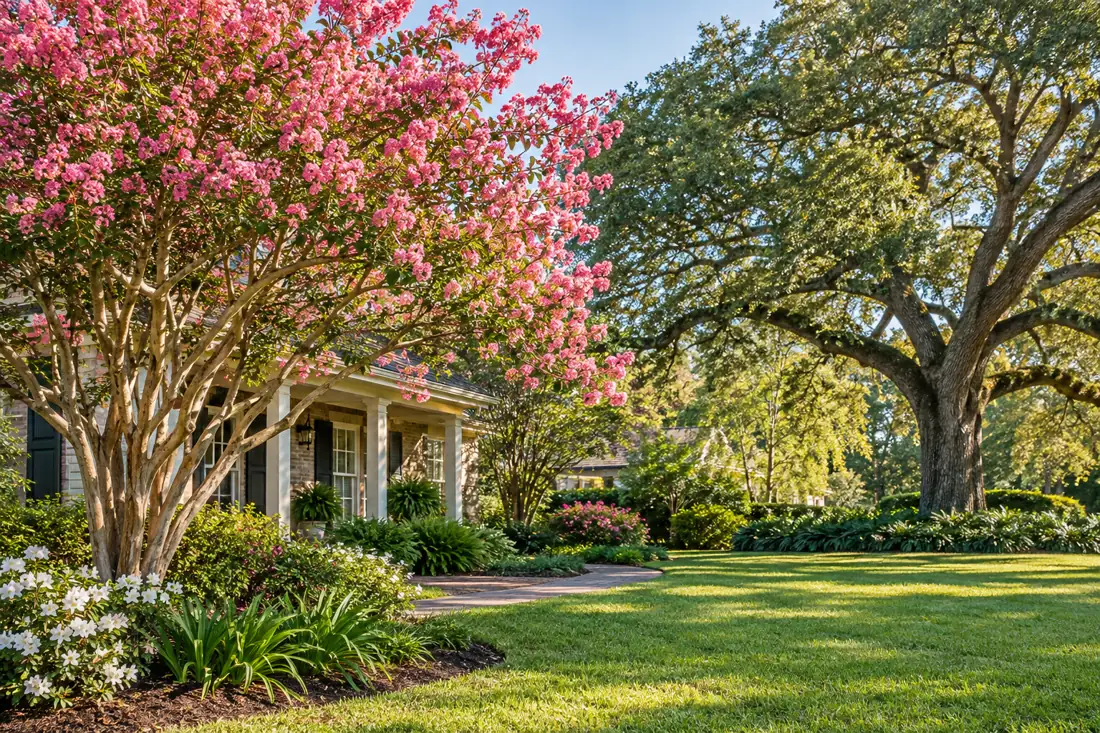
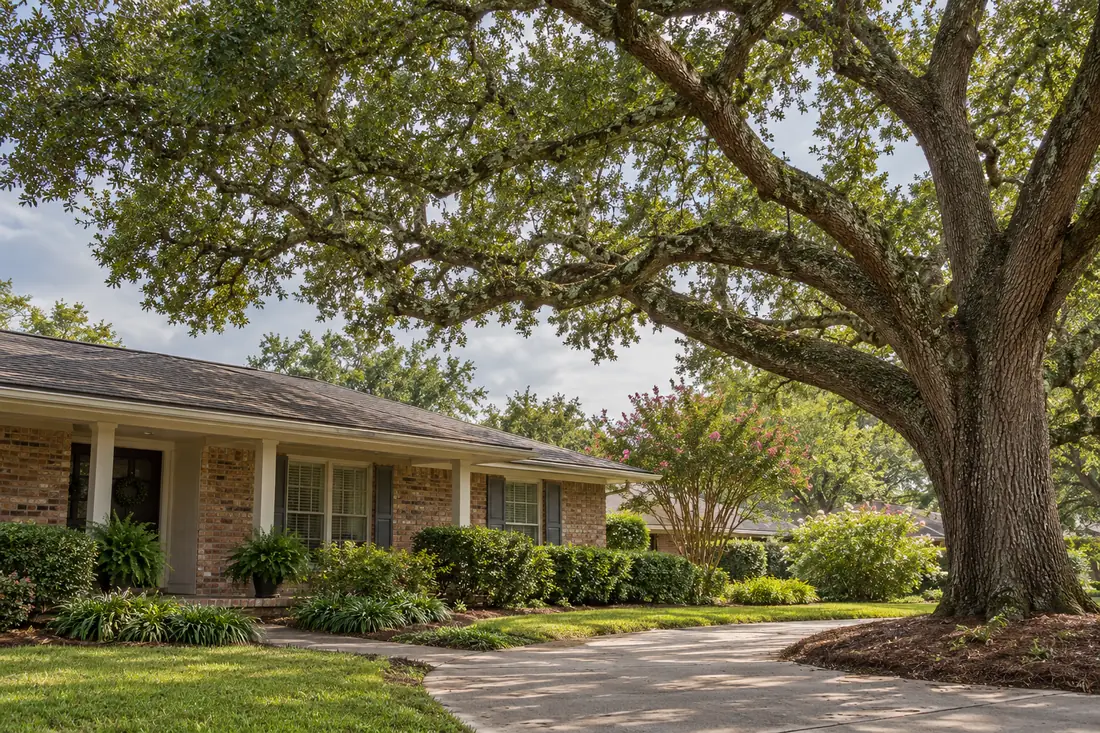
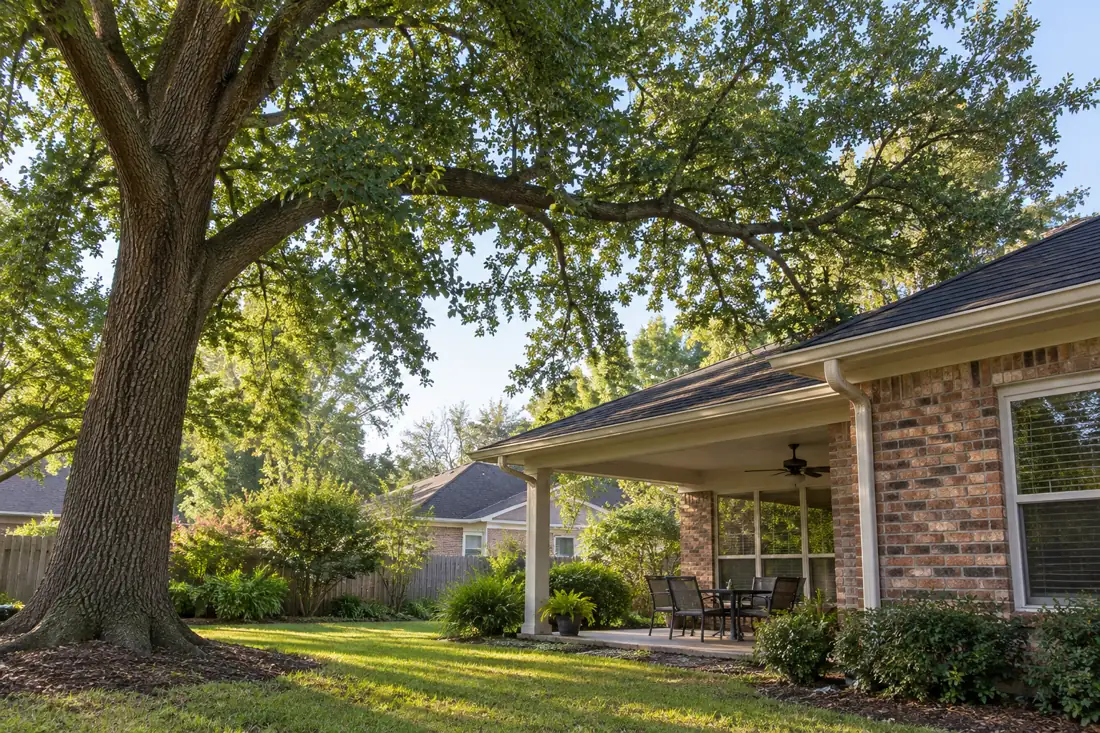
Event venues need tree work coordinated with bookings and access for other vendors. Identify the occupied areas and the objective of the work well before the event date. Avoid last-minute requests for severe pruning to create a temporary look. The scope should address the tree’s condition, property protection and the required finish.
Look beyond the wedding or event date to include tent installation, lighting crews, photography access, rehearsal arrivals and breakdown. Photograph trees in relation to lawns, ceremony aisles, temporary structures and the route used by service vehicles. Define whether the concern is a damaged limb, limited clearance or an unwanted visual obstruction. A broad crown reduction may be unnecessary and could permanently change the shade or visual character that guests expect from the property.
Ask the venue operator to specify when the entire work zone can be closed before vendors arrive and who approves reopening. In the estimate, identify individual limbs or objectives and agree on cleanup standards, turf protection and equipment staging. Do not attach decorations, lights or rigging to branches without evaluating loads and attachment methods. If the tree cannot safely support a planned setup, revise the event layout rather than assuming that pruning creates a safe support point.
Map the venue by guest activity, not just tree locations
A wedding or event venue has several overlapping traffic patterns: guest arrival, ceremony seating, catering delivery, vendors, photography, parking, and cleanup. A mature tree may shade the ceremony lawn while extending above a loading route or outdoor dining table. The manager should identify the areas that people actually occupy and the pathways used by staff. A labeled venue map helps the tree contractor distinguish a decorative canopy from a branch creating a clearance concern.
An event venue needs a branch-and-schedule plan, not a last-minute cosmetic cut
An event lawn can have several overlapping uses: ceremony chairs in one arrangement, photo sessions under a tree, a catering vehicle moving along the edge, and temporary lighting suspended nearby. Before ordering pruning, obtain the venue's event layout, accessible routes and boundaries of the area guests will occupy.
Mark any actual low-limb conflicts on photographs taken safely from ground level. A graceful low branch can be a valued part of an event setting, so a request to raise the entire canopy may produce an appearance the venue does not want and can remove useful shade.
Check whether hanging decorations, cable runs, lanterns or temporary structures will be attached to a tree. Those installations should be reviewed by their qualified operators; tree pruning alone does not establish that a branch is suitable for suspended loads. Do not encourage guests or staff to climb branches to take inspection photos.
If a limb has a visible defect or recent storm damage, have a qualified tree professional assess it well in advance of an event rather than treating a quick visual trim as evidence of safety. Wind, weather and site conditions can change after any visit.
Coordinate access and cleanup with the venue calendar. The crew may need a work zone extending beyond the specific branch, and equipment movement across a manicured lawn can require ground protection. Clarify whether chairs, decorative arches, irrigation controls or temporary wiring will be removed before the appointment, who will approve that work, and when the site must be turned back over to the event team.
The written scope should show priority branches, protection requirements, haul-away and cleanup expectations, without promising a specific aesthetic result before evaluating the actual tree.
Walk the finished event route from the positions used by guests, caterers and photographers. Look for remaining debris at the lawn edge and access restrictions around the tree, then have the venue's designated manager authorize reopening. Keep photos and notes for future layouts, especially where seasonal growth can change sightlines or clearance. A maintenance plan established between events is generally more useful than repeated urgent requests immediately before a ceremony; it supports the tree and avoids unnecessary last-minute cutting.
Build the pruning plan around guest use and booked events
A venue may have ceremony seating, caterer access, decorative lighting and photo locations beneath the same branches. Document the precise event calendar and blackout dates before selecting a pruning day, then mark areas that cannot be used for equipment or limb lowering. Discuss whether the venue can close the affected lawn long enough for work and final cleanup; freshly cut brush and small chips are not suitable around guest pathways.
The scope should identify branches to inspect, protect installed lighting and irrigation, and include a visible final check before staff begin setting up furniture or temporary structures.

Schedule event-site tree work around guest safety and cleanup. A venue needs more than an attractive canopy on event day. Mark the ceremony area, guest walkways, vendor load-in path, parking and outdoor equipment routes, then ask which limbs interfere with clearance or show actual defects. Coordinate tree operations when the site is closed to visitors, allowing time for debris removal, inspection of lawn or hardscape disturbance and any separately needed repairs. Distinguish pruning for access or risk reduction from cosmetic shaping that might be unnecessary or harmful. Keep rain contingency and reopening decisions with the venue manager rather than promising weather-dependent completion dates. Share only authorized, non-identifying property images in the estimate.
Send photographs from the usual guest viewpoint and from access routes where equipment might operate. Include the calendar of booked events and the person authorized to approve tree work. Do not schedule heavy cutting during a setup period when tents, florists, sound crews, and other vendors are occupying the same area. The space must be available for safe, controlled operations.
Set a realistic objective for the canopy
Pruning can address deadwood, certain clearance needs, and specific structural concerns, but it is not a way to guarantee that branches will never move or fail. Some requests are aesthetic: more evening light, a wider view, or space for a tent. Others involve a suspected defect or contact with a roof. State which problem matters and ask for a professional recommendation. Removing large amounts of healthy canopy solely to alter photographs may harm a valuable shade tree.
The natural form of live oaks and other mature trees contributes to a venue's character. A responsible pruning plan considers their growth, branch attachment, and condition. Do not ask for topping or indiscriminate cutting to make a space appear taller. If an event requires clearance that cannot be achieved without unreasonable tree damage, changing the event layout may be better than forcing the tree into the design.
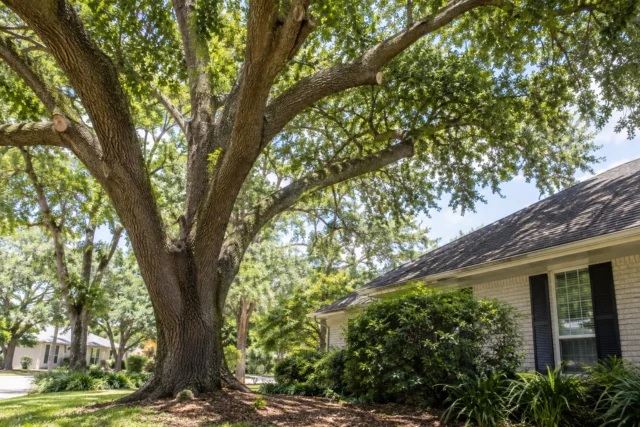
Discuss tents, lighting, and decorations carefully
Event operators may use string lights, suspended décor, floral installations, or tent lines near trees. These items can create conflicts with limbs and should not be attached in a way that injures the bark or imposes unassessed loads. The tree contractor's pruning scope does not automatically approve a tree as an anchor for lighting, swings, banners, or other event hardware. Ask the relevant vendors to provide their own design and safety requirements.
If a branch interferes with a proposed tent roof or lighting path, provide the tent dimensions and attachment plan before pruning is specified. Consider moving the tent, relocating a support, or selecting a different route instead of asking for a major limb to be removed. Work around electrical equipment may require utility coordination and appropriately qualified workers. Tree care and temporary event-structure safety are separate responsibilities.
Event-venue pruning: plan around people, structures, and dates
An event property needs more than a visually tidy canopy. Begin with a walk-through of ceremony lawns, guest queues, outdoor dining, vendor unloading areas, lighting lines, temporary tents, and the routes that visitors actually use. Map which branches overhang occupied areas and which low limbs interfere with deliveries.
A branch that merely shades a garden is a different decision from a visibly defective limb above a regularly occupied aisle. Ask who controls the site and whether a qualified tree-risk assessment is needed before any cutting is specified. Photographs taken from the ground can support an estimate, but they cannot establish the condition of every upper attachment.
Schedule substantial inspection and pruning early enough for cleanup, ground recovery, and a fresh walk-through before the event. Avoid treating the morning of a wedding as a normal tree-work window. Protect turf, irrigation, landscape beds, and guest-access surfaces when planning equipment routes; discuss what can be done from the ground or with limited access.
Do not attach decorations, lighting, or rigging to branches without a separate load and safety evaluation. Put the exact limits of work, cleanup scope, site-contact authority, and any excluded structural concerns in writing so a venue manager can coordinate the arborist, planner, and other vendors without guessing.
Choose work windows that protect booked events
The best available tree-service date must fit weather, ground conditions, venue staffing, and the time required for cleanup. A venue should leave a realistic buffer before the next event rather than placing removal or large pruning against the beginning of guest arrival. Ask about restrictions for noise, dust, access, and deliveries. Weather can alter operations, so do not promise that a particular crew or machine can finish by an inflexible hour without confirmation.
Discuss which sections of the property will close and whether other maintenance must pause. Catering trucks and tree debris vehicles should not be expected to use the same narrow lane simultaneously. If the venue has a public path or neighboring business entrance, identify that interface early. The authorized manager should handle guest communication, and the contractor should document the actual working area and planned finish.
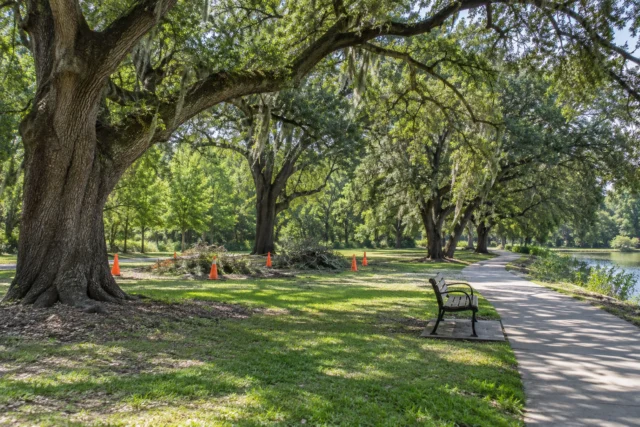
Protect lawns, gardens, hardscape, and irrigation
Wedding lawns are often maintained for photographs and foot traffic, while garden beds, hidden lighting cables and sprinkler systems may be close to trees. Equipment load, debris movement, and wet ground can affect these areas. Tell the estimator where recent sod, soft soil, underground drainage, decorative stone, and planted borders exist. Do not assume that protective mats make every lawn suitable for heavy machinery, especially after a period of rain.
Plan an access route that minimizes disruption without compromising tree-work safety. Move portable chairs, arches, lighting stands, and plant containers before the crew arrives if instructed. A contractor can discuss ordinary site protection, but restoration of an entire event lawn, flower installation, or irrigation system may be a separate task. State the required appearance and exclusions clearly in the service agreement.
Treat deadwood and structural problems as separate priorities
A venue may want to remove small dead limbs for appearance while a professional identifies a more significant union defect elsewhere in the tree. Prioritization should be based on actual condition and the occupied targets, not only on how branches look from the ceremony aisle. Ask whether the assessment covers the whole relevant canopy or only named branches. A contractor should not promise a tree is indefinitely safe after routine pruning.
For a visible crack, hanging limb or recent storm damage over a used area, restrict access and seek appropriate advice. Do not have staff climb trees to hang decorations or cut suspect branches before the inspection. In some cases, selective reduction or a changed event layout may be considered; in others, more substantial work or removal may be recommended. The site-specific evaluation matters more than a standard wedding-season checklist.

Make debris management part of the venue schedule
Branches, sawdust, chips, and log sections can interfere with guest areas long after cutting ends if hauling and cleanup were not included. Specify where material will be processed, what must leave the property, and whether any wood will be retained as a decorative feature. A stack of rounds beside a guest path is not a finished result unless the venue has approved that placement and managed access.
Ask whether ordinary debris cleanup includes blowing walkways, removing scattered branches from beds, or clearing the loading area. It may not include washing tables, resetting event furniture, or inspecting tent hardware. Those tasks belong with the responsible venue staff or vendor. The completion deadline should allow time for these independent services before the property is presented to guests.
Build a written scope for repeatable property care
A venue manager may benefit from a tree inventory linking important specimens to guest areas, inspection notes, pruning history, and known restrictions. This does not require making unsupported claims about individual trees. It gives later contractors a starting record and helps managers plan work between events. If an arborist recommends monitoring a defect or reviewing a support system, record who is responsible and what triggers another evaluation.
A written tree-work proposal should identify locations, objectives, pruning extent, handling of larger wood, access route, and cleanup. For recurring service, distinguish routine checks from a separately scoped risk assessment. A reasonable sequence may focus first on pathways and occupied gathering areas, then on other maintenance that can be scheduled when the venue is not in use.
Hand the property back in event-ready condition
Before removing temporary restrictions, the venue contact should compare the completed tree work with the agreed scope and inspect the visible access and staging areas. Note remaining chips, low branches, surface disturbance, or landscaping tasks assigned to another provider. The work record should describe actual operations and include real project photos when available. Do not market a fictional venue or hypothetical image as a completed Tree Huggers event property.
For an estimate, send a venue map, actual calendar constraints, the trees and areas involved, safe whole-canopy photographs, and known utility or surface restrictions. Explain whether the objective is deadwood, structural review, clearance, or broader pruning. This enables a more useful discussion of tree care and event operations without promising a response time, invented pricing, or a guaranteed outcome.
Questions about this project
Can a business stay open during tree work?
That depends on the site and scope. Discuss occupied routes, exclusion areas, loading and work windows with the contractor and property representative. Do not assume normal access can continue through the active work zone.
Who should communicate with tenants or visitors?
Agree on that responsibility with the property representative. The contractor needs a clear site contact, while the owner or manager should use the property's established process to communicate access changes and work windows.
How should I describe the pruning I want?
Explain the objective: clearance for a route or building, deadwood, a damaged branch or structural development. Ask for suitable tree-specific work rather than requiring an arbitrary shape or amount of canopy to be removed.
Will pruning resolve every tree concern?
No. Root, trunk and major structural problems may need a different assessment or response. State the full concern so pruning is not used as a substitute for evaluating the condition that prompted the call.
How should extra work be approved?
Use the agreed approval process and identify the change, reason, scope, price or schedule effect as applicable. Confirm who has authority before treating an additional tree or task as part of the original job.
What completion records are useful?
Keep the agreed scope, tree or area identification, authorized changes, invoice and labeled photos where appropriate. Include unresolved items and a contact. Contract-specific records should follow the buyer's stated requirements.
Does cleanup include every root and wood chip?
That depends on the written scope. Tree removal, stump grinding, chip hauling and root excavation are different tasks. Ask what material is removed, what remains and whether soil or landscape restoration is separately included.
What should a final walk-through check?
Compare the identified trees and tasks with the agreement. Check agreed debris handling, stump treatment, access openings and any listed restoration. Record unresolved items clearly instead of relying on a general impression that the property looks finished.
What should I compare besides the price?
Compare tree identification, work objectives, access assumptions, hauling, stump treatment, site finish and exclusions. Ask whether permits or other coordination are part of the scope and who can approve changes if conditions differ.
Does an online request book the crew?
No. A request starts the estimate conversation. The company still needs to discuss scope, availability and any site assessment. For a dangerous or urgent condition, call 504-458-8336 rather than relying on a form response.
What should I tell Tree Huggers about pruning trees for a wedding or event venue?
Explain the property address, the work you want and the specific concerns: booking calendar, visitor areas, finish standard. Send safe photos of the tree, surroundings and access route. The contractor can then discuss the assessment and scope needed for this situation.
How do I request an estimate for this work?
Call 504-458-8336, text photos or use the estimate form on this page. Include the address, desired outcome and any timing constraints. The company will need to review scope and availability; an online request does not confirm a price, appointment or emergency dispatch.
Get a scope for your property
An event venue should plan pruning around its calendar instead of treating every open day as available for tree work. Identify ceremony areas, guest paths, tent positions, vendor loading zones, decorative lighting and the trees that overhang them. Share event dates and setup windows early, alongside photographs of the desired clearance and any known cracked or dead limbs.
Note whether tents or temporary structures are installed seasonally and who controls access to the property. Photos should be taken from the ground, outside any suspect branch's fall zone.
Request a tree-by-tree written objective that addresses safe guest circulation and vendor access while retaining intentional shade and landscaping. Confirm what debris removal, surface cleanup and protection of lawn or paved event areas are included, as well as who can authorize changes if new defects are found on site.
Separate decorative clearance for a proposed tent from a condition issue requiring a qualified assessment. Last-minute cuts immediately before an event may be inappropriate for the species or the tree's condition; timing and method need to be determined from actual site details.