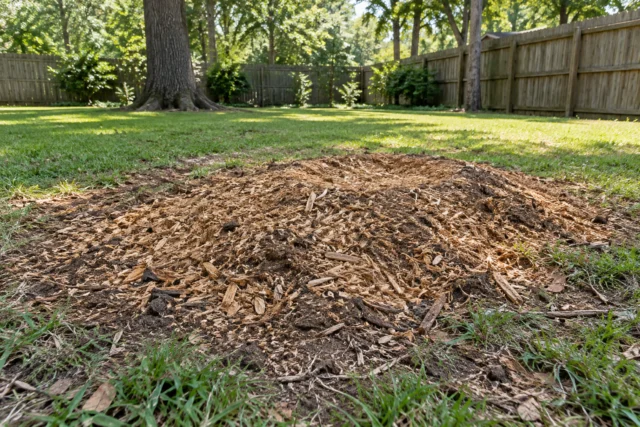
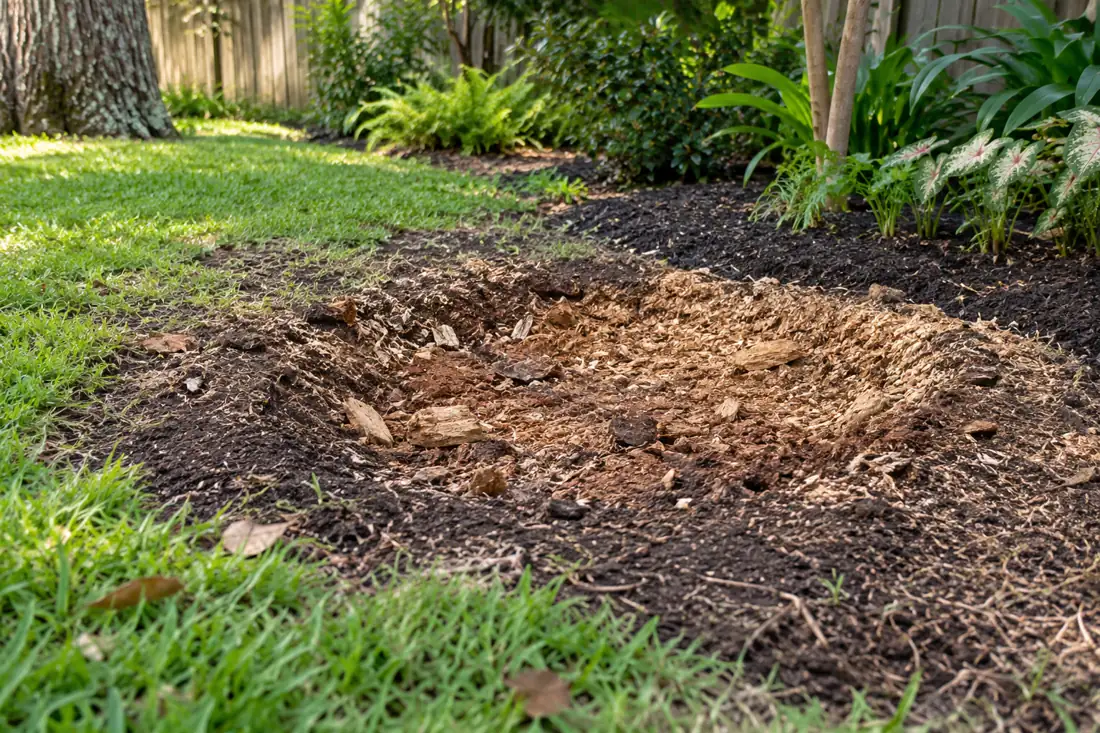
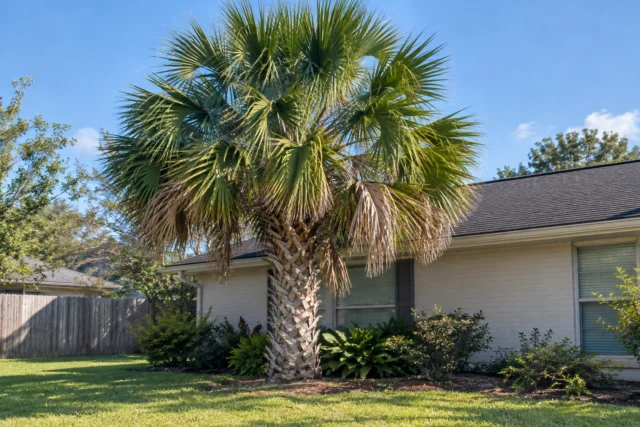
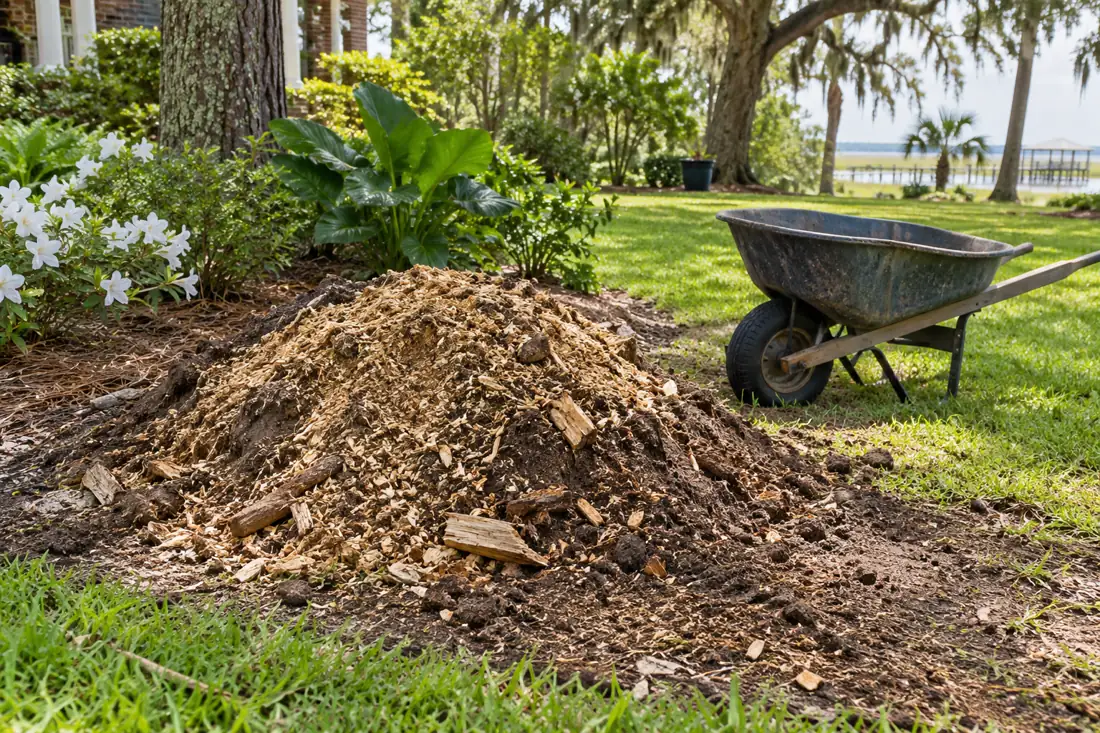
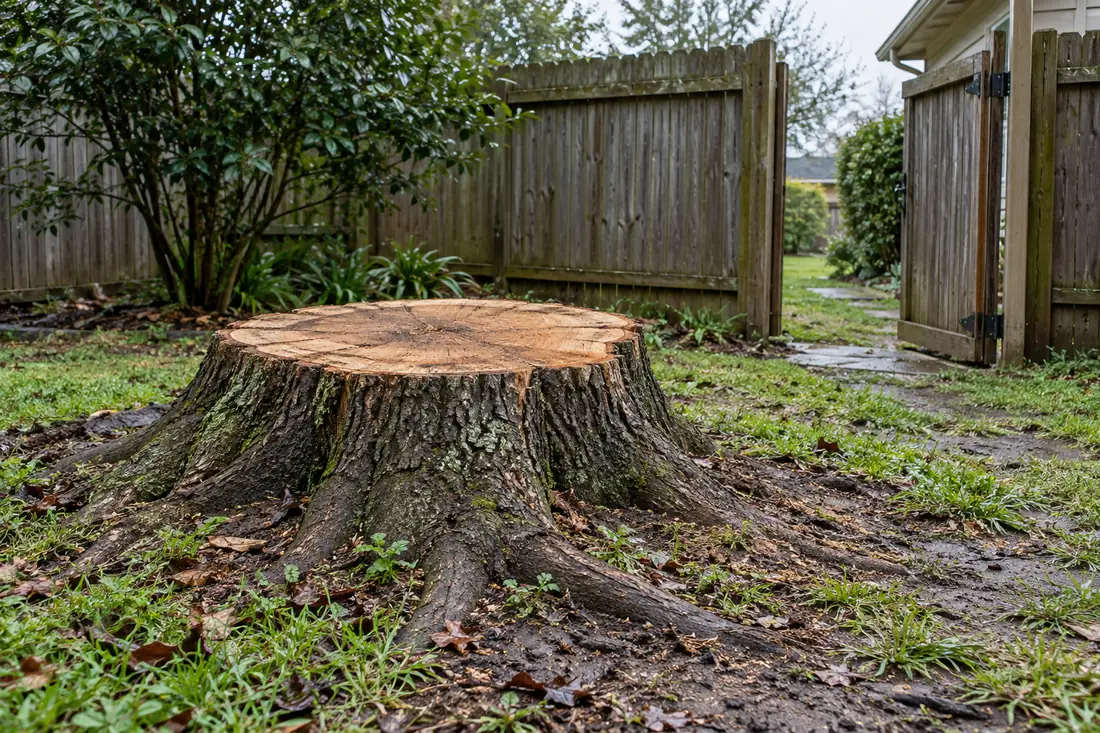
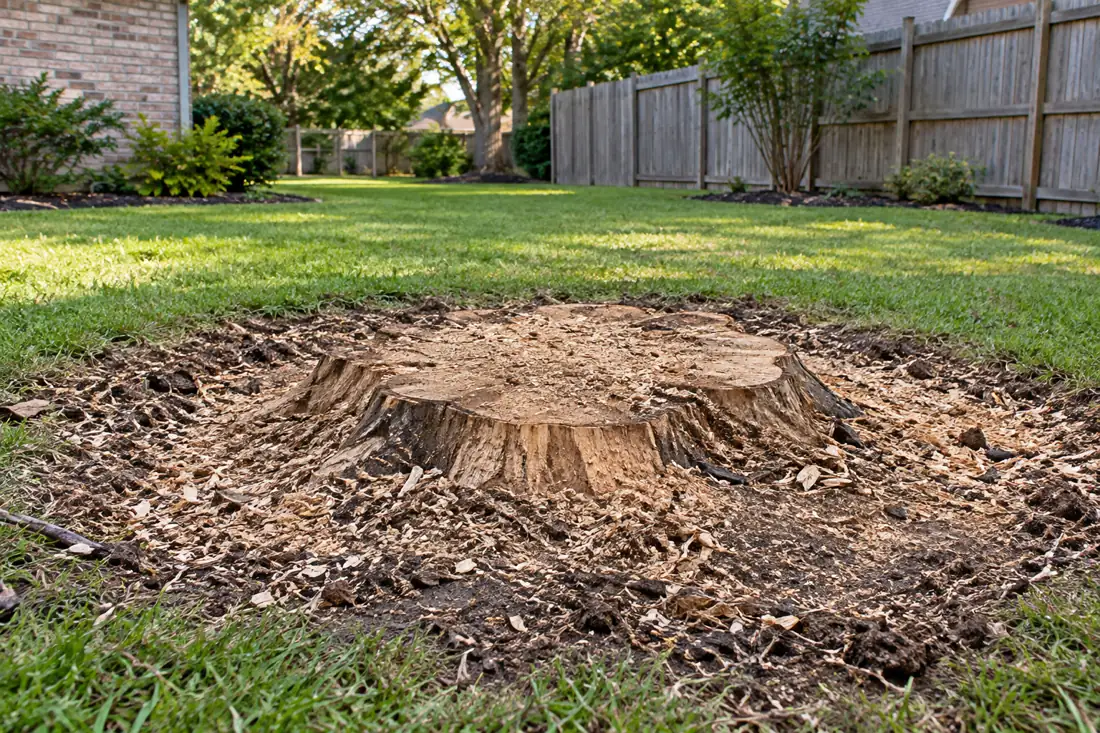
Useful measurements show the stump’s widest relevant base, height and surrounding access. Include photographs and note roots, rocks, concrete or nearby utilities. A quick measurement helps prepare an estimate, but the contractor may need to confirm the actual work area and machine access before final pricing.
Site planning detail: For an estimate, photograph the stump once from ground level and once from a wider view that shows the equipment route. Place a ruler or tape beside the widest root flare, and record the above-ground height, number of stems and the distance to nearby walls, steps, utilities and landscape edging. A narrow cut face can understate the actual grinding width when large buttress roots spread outward.
Number multiple stumps on a simple sketch so the photos cannot be mixed up. Include whether chips should remain, be hauled away or be replaced with screened soil; restoration is a different scope from grinding. Measurements and photos support planning but do not prove underground conditions or guarantee a final price before the crew evaluates access and site restrictions.
Record the stump at the widest practical point near ground level, including the flared base rather than only the narrow cut face. Photograph a tape or known-size reference and take a wider view showing the route from the gate or driveway. Include height, stump count, exposed roots, slope and nearby walls, rocks, utilities or irrigation.
Never dig around an uncertain utility or stand beneath a damaged tree just to measure. Dimensions establish approximate scale, not whether a machine can reach the stump or what final depth or price is possible. Ask which extra site details the contractor needs before treating a remote quote as a firm scope.
Turn measurements into a useful estimate request
Take one photograph perpendicular to the cut surface with a tape showing its approximate width, then another showing the full base including visible root flares. Record stump height from surrounding grade and the distance to nearby walls, fences and paving. Add a wider image of the machine approach rather than cropping out access restrictions.
Explain whether the goal is mowing clearance, future planting, sod installation or construction. Those outcomes can require different finishing work despite similar stump dimensions. Report measurements as estimates made from a safe position, not a promise of final price or machine fit. The contractor can confirm the relevant extent and obstacles during assessment.
The large-oak guide explains why buttress roots may widen the actual work area.
Find the right measurement point
A stump is rarely a perfect cylinder. The top may be narrower than the swollen base or wider because several stems grew together. For a useful estimate, measure across the wood near ground level where the grinder will work, rather than relying only on the diameter of the old trunk higher up. Lay a tape across the widest practical point and photograph the tape position so the contractor can interpret the number.
If the surrounding ground is uneven, take measurements from more than one side and note where soil covers the root flare. There is no need to dig aggressively to expose all roots just to request an estimate. Record the visible dimension and explain what remains buried. A photo showing the whole stump beside a familiar object can help with scale, but it is not a substitute for an actual tape measurement.

Record width in more than one direction
Some stumps are oval, flared or irregular because of nearby walls, slope or the original tree form. Measure one direction and then a second approximately perpendicular to it. If the measurements differ, share both rather than averaging them into a deceptively precise number. Broad root collars can add significant grinding area beyond the circular cut face and should be called out explicitly.
For a multi-stem tree, measure the entire connected base and photograph the spaces between stems. Avoid reporting the diameter of just the largest stem if several trunks share the same root flare. A contractor may price or plan the work differently when there are two separate stumps versus one joined mass. The photos explain geometry that one number cannot communicate.
Include height above the surrounding soil
Estimate the height from the normal ground level beside the stump to its highest remaining wood. A tall remnant may require a different first step from a stump already cut nearly flush to the lawn. If the yard is sloped, note that one side stands higher than the other. This is useful planning information but should not be used to predict a precise grinder time or fee.
Do not assume that leaving a stump extra tall makes it easier to grind. Equipment and operator methods vary, and a protruding trunk can alter how the machine approaches the base. If tree removal is not yet complete, ask the tree crew what final stump height will be left before the grinding appointment. Separate the removal and grinding scopes so both services understand the intended handoff.
Send a measurement set an estimator can actually use
Take three photographs before requesting a stump-grinding estimate: one showing the whole stump and its surroundings, one showing a tape across the widest root flare at soil level, and one showing stump height with a ruler or tape upright. Include a recognizable scale in the view without standing on unstable wood.
Note if the stump is oval or has prominent roots spreading far beyond the cut trunk face. A top-surface diameter alone can underestimate the work because the grinding wheel must address the broader ground-level footprint.
Record the route to the stump as carefully as the stump dimensions. Measure the narrowest gate opening, note tight turns, steps, steep slopes and soft ground, and identify any nearby fence or wall. A contractor can use these facts to select equipment or determine whether a site visit is essential. Do not estimate machine clearance using a gate's advertised size; measure the actual unobstructed opening with hinges and latches in place. Provide a wide approach photograph from the intended entry point.
State the end use and finish expectations in the estimate request. Grinding to make a lawn look level is different from preparing for a new tree, patio, fence post or foundation work. The contractor should set achievable depth and radius based on inspection, utilities and access. Ask whether chips are removed, whether imported soil is included and who restores grass or paving. A single price without these boundaries can appear competitive while excluding the work needed for the owner's intended finish.
Use the measurement worksheet as a decision aid, not a precise machine-time calculator. Tree species, age of the wood, embedded debris, root flare and underground obstacles can change the actual scope after an inspection. Send photos that honestly show the site as it is, rather than trimming the frame to conceal a nearby structure. Keep the initial measurements, written estimate and final approved boundaries together so any revision can be tied to a discovered condition instead of an unexplained change in price.


Show the exposed root flare
Roots emerging at the surface can extend the grinding footprint well beyond the central stump diameter. Take an overhead or angled photograph that includes these roots and a second photo from several feet away. Note which roots interfere with mowing, a proposed walkway or future planting. The contractor can then ask whether those roots belong in the scope rather than assuming the central stump is the only concern.
Do not cut exposed roots of a different living tree to improve the photograph or simplify the estimate. Where root identity is uncertain, ask for a site review. Extensive roots close to utilities, pavement, another tree or the building may require exclusions. The useful outcome is a clearly defined cutting area, not an artificially neat measurement.
Measure the visible stump and the access route separately
Stump diameter is not the same as the spread of the roots a homeowner sees at ground level. Measure the widest exposed wood across the stump near the cut surface, then take a second photo that shows the surrounding flare, rocks, borders and any raised grade.
A ruler held safely beside the stump can give useful scale without standing on loose roots or probing the ground. Note whether the remaining trunk is flush, elevated or buried by fill, because the crew must understand what is actually above grade.
Describe the route from the street to the stump before asking for an estimate. Gate opening, turns, stairs, slopes and fragile paving can decide which grinder can reach it. Also mention utilities, irrigation and the intended finish: a shallow planting bed, lawn restoration or a future hardscape may call for different discussions. The estimate should specify grinding scope, chip handling and whether surface restoration is separate.
Measure the narrowest equipment access
The route from the unloading point to the stump can matter as much as stump size. Measure the clear gate opening, tight passage, significant turn and any low overhead obstruction. Note steps, garden borders, irrigation fittings, soft ground and nearby parked vehicles. A machine that can physically pass a gate may still be unable to turn safely or support its weight on the path that follows.
Photograph the path from outside toward the stump and from the stump looking back toward the exit. This lets the contractor see whether the route is straight or includes a corner. Avoid moving a shared fence panel or driving equipment over a deck as a casual solution. Any needed access changes should be evaluated and approved in advance.

Provide distances to nearby obstacles
Measure or estimate the gap from the stump edge to the nearest wall, fence, sidewalk, drain, electrical equipment or other fixed object. Identify the object as well as the distance. A stump six inches from a concrete edge raises a different issue from a stump six inches from a flexible shrub border. Ground-level photos provide context for what the grinder can reach and where protective measures may be needed.
If overhead wires, low limbs or buried utilities could affect the area, mention them even when they are not in the photograph. Visible utility markings should be passed along but not interpreted as a complete map of private lines. A contractor must determine whether a safe operating zone exists. Stump measurements alone cannot resolve concealed site hazards.
Describe what the area becomes afterward
A request to grind a stump for lawn restoration is different from preparing for a new patio, fence post or tree planting. Explain the future use before discussing depth. A customer might want the surface wood gone, but a building project can require separate excavation and compaction. The grinder's ability to remove accessible wood does not certify soil as ready to support a structure.
Ask which roots and depth are included and what exceptions might remain. If you intend to plant a tree, a landscaper may recommend a different position rather than using the former trunk hole. For a smooth lawn, chip removal, soil and later leveling can matter more than another inch of grinding. Good measurements support that conversation instead of substituting for it.

State your cleanup preference
Grinding creates a substantial volume of loose wood and soil. Tell the contractor whether you expect chips left on site, raked into the opening or hauled away. If there is no room for a pile, photograph the nearest practical loading area and the route to it. Those details help clarify logistics without treating debris disposal as automatically included in every quoted stump service.
If the hole will be filled, distinguish stump work from topsoil delivery, turf restoration or concrete preparation. Organic chips can settle over time, so a visually level surface on workday may not remain level indefinitely. Ask what the finished condition will be and what maintenance, if any, is left to the owner. A complete estimate should avoid ambiguity about the material that remains.
Send a concise but complete request
An effective estimate request includes two ground-level diameter measurements, approximate height, photos of the stump and root flare, access width, nearby obstacles and intended future use. If you have several stumps, label each photo with a simple location description and measurements so the crew does not mix them up. A sketch of their positions can help on larger lots without claiming survey accuracy.
Ask for written details about included roots, grinding depth, cleanup and any utility or access exclusions. The contractor may still need an on-site review because dimensions cannot show everything below ground. A good estimate is not simply a number generated from diameter; it is a practical description of what can be reached safely and what condition the property owner should expect afterward.

Compare estimates using the same scope
Two stump prices cannot be compared fairly if one includes raised roots, chip hauling and a narrow-yard access plan while the other covers only the central stump. Put the same measurements and photos in each request, then ask contractors to explain what their proposals include. Record any assumptions about grinding depth, machine reach, utility locating and restoration. The most useful comparison focuses on the actual expected property condition.
If one quote excludes material near a wall or a buried service, that difference may reflect a real safety constraint rather than incomplete work. Ask questions about the basis for the exclusion and how a later trade would address it. Avoid choosing a proposal solely because its wording sounds like total removal. Written scope, realistic limitations and clear cleanup expectations are what allow a homeowner to understand the result.
Questions about this project
Where should I measure a stump's width?
Show the top cut diameter and, separately, the widest visible base or buttress footprint. Include a clear scale in photographs without standing on unstable wood. The contractor will confirm how the measurement applies to the proposed grinding scope.
What photos help beyond a stump measurement?
Send a close view, a wide view of the surroundings, and the route from the likely unloading point. Include gates, slopes, utilities, paving and anything that cannot move. These details can be as important as stump dimensions when discussing access and finish.
Which photos should I text first?
Send a wide tree view, the base if safely visible, nearby targets and the equipment route. Add the address, desired work and any recent change. Identify each tree clearly if the request involves several.
Can photos confirm that a damaged tree is stable?
No. Photographs may omit defects, support conditions and other important details. Use them to prepare for the contractor's assessment, and avoid entering hazardous areas to obtain a better view.
What should I compare besides the price?
Compare tree identification, work objectives, access assumptions, hauling, stump treatment, site finish and exclusions. Ask whether permits or other coordination are part of the scope and who can approve changes if conditions differ.
Does an online request book the crew?
No. A request starts the estimate conversation. The company still needs to discuss scope, availability and any site assessment. For a dangerous or urgent condition, call 504-458-8336 rather than relying on a form response.
What access information helps an estimator?
Send the narrowest opening, overhead obstacles, turns and the distance between the tree and the loading area. Include photos of the entire route and identify steps, soft ground or features that must remain protected.
Should I remove a fence before the visit?
First ask the contractor to assess access and agree on any temporary opening. Identify who owns the fence, who can authorize the change and who will reinstall it. Do not assume the opening is necessary or included.
Will a utility locate show every private line?
Do not assume it will identify all irrigation, pet-fence, drainage or other customer-owned systems. Provide available plans and ask what additional locating or coordination is needed for the actual work and access area.
Who should arrange utility-related preparation?
Set that responsibility before scheduling. The property contact, contractor and relevant providers need to identify who handles locating, disconnection, relocation or separate repair work. Uncertain utility information should be resolved rather than guessed.
What should I tell Tree Huggers about how to measure stumps for an estimate?
Explain the property address, the work you want and the specific concerns: widest base, access photos, hidden obstacles. Send safe photos of the tree, surroundings and access route. The contractor can then discuss the assessment and scope needed for this situation.
How do I request an estimate for this work?
Call 504-458-8336, text photos or use the estimate form on this page. Include the address, desired outcome and any timing constraints. The company will need to review scope and availability; an online request does not confirm a price, appointment or emergency dispatch.
Get a scope for your property
Useful stump measurements start at the widest visible ground-level base, including buttress roots where they form part of the grinding footprint. Take a safe straight-on photograph with a tape or known reference for scale, then add a wider view showing access from the street. Count every stump separately and note whether any is hidden behind a fence, elevated bed, retaining wall or landscaping rocks. Report the approximate height above ground and any uneven terrain without pretending a home measurement establishes the final grinding depth.
Ask the estimator which dimensions drive the proposed work and whether the quoted scope covers visible surface roots, chips, hauling, backfill or the finish you actually want. Share the narrowest gate opening and any obstacles before a crew selects equipment. If the site is being prepared for sod, planting or concrete, say so explicitly because the desired underground and surface finish may differ. Accurate photos and measurements reduce avoidable back-and-forth but cannot replace a necessary access or utility check.