A commercial maintenance scope needs clear tree identification, objectives and a standard for completion. Separate inspection, pruning, removal and stump work instead of grouping everything under general landscape maintenance. Include site restrictions, reporting needs and an approval contact. This makes quotations more comparable and field work easier to verify.
Practical scope and safety guidance: Commercial maintenance bids should identify individual trees or groups on a map so the manager can connect each recommendation to a visible location. Separate deadwood, routine clearance and pruning from a diagnostic tree-risk inspection or a removal decision. Specify clearance objectives around parking, walks, buildings, signs and utilities rather than asking for a vague tidy-up. An owner may have a recurring budget, but high-priority safety observations need a separate process from elective work.
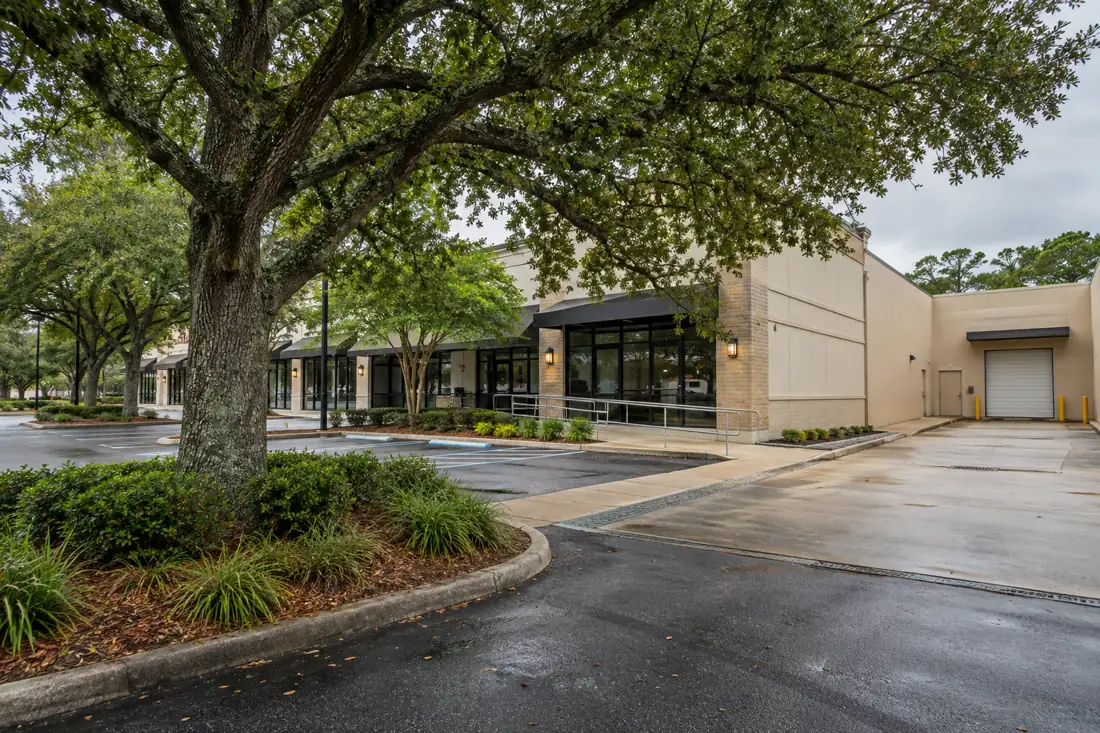
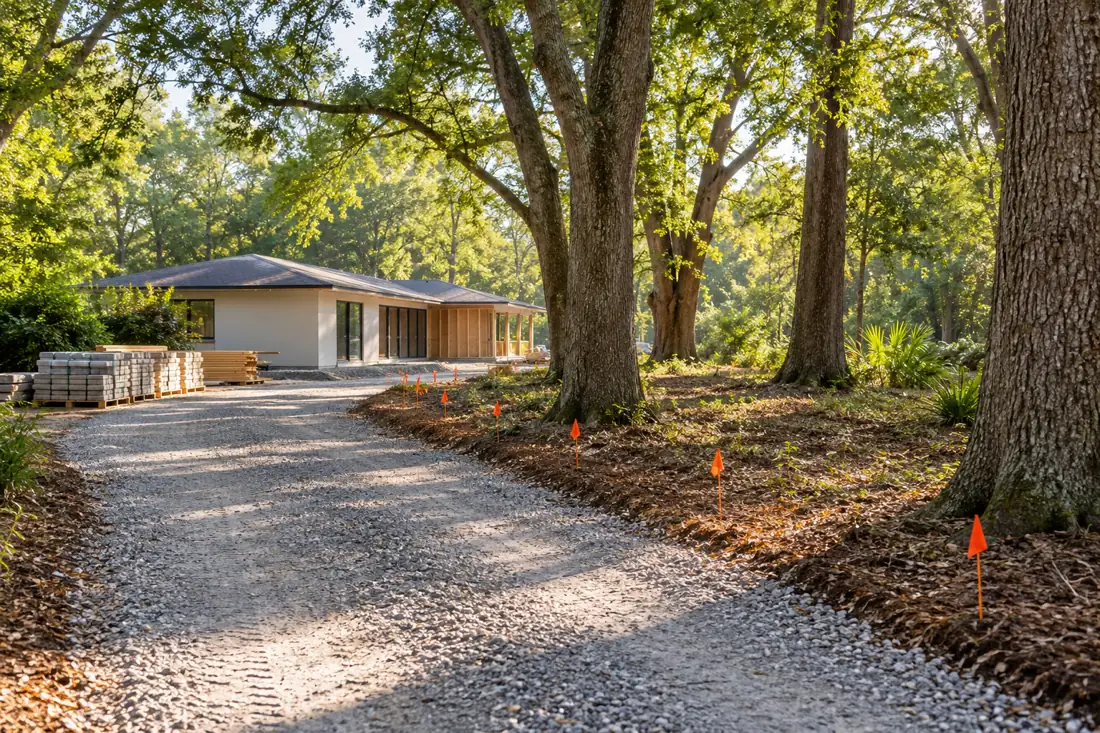
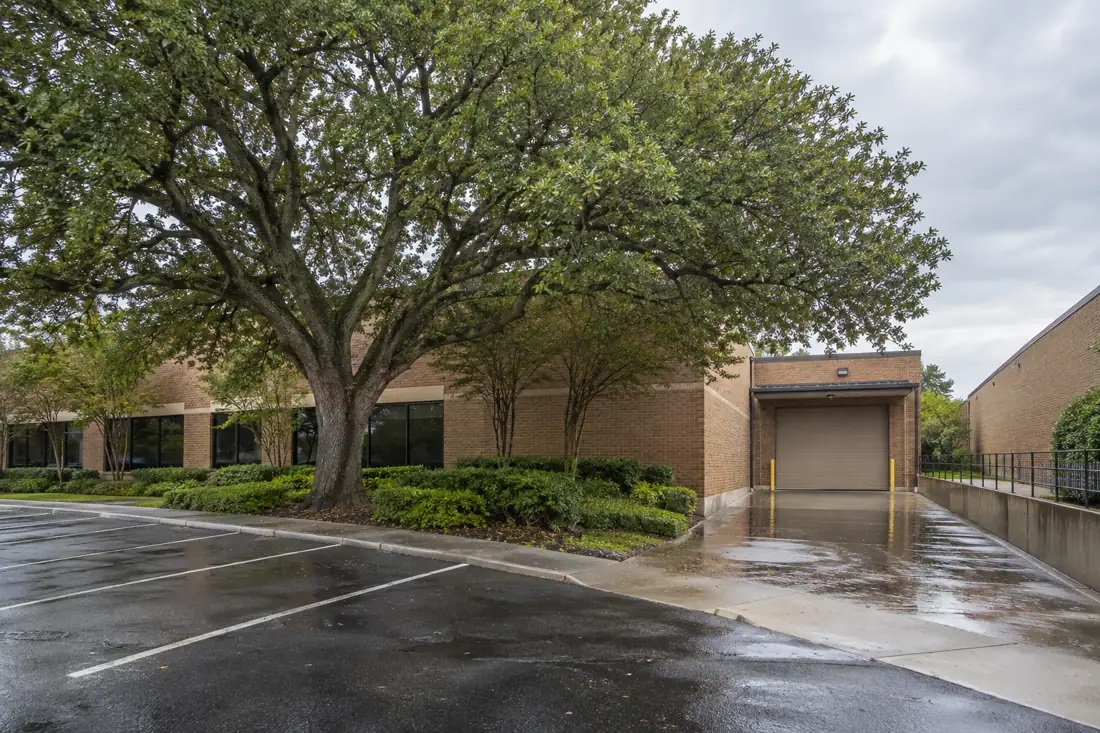
Clarify who approves additional work if decay or access restrictions are discovered. The proposal should state when logs, chips, stumps or small branches are removed, along with any surface protection and restoration exclusions. For a multi-site property, record whether travel and mobilization are included at every location. Final documentation should use actual tree IDs and site photographs rather than illustrative marketing pictures. Scheduling a periodic visit does not guarantee no changes in condition between visits.
Assign each tree a location label on a property map or annotated photographs, then separate observation, risk evaluation, pruning, removal, stump handling and debris disposal into specific work items. State the business objective: reliable entry clearance, reduced exposure above occupied paths, maintaining healthy shade or creating a repeatable maintenance program.
Do not use vague instructions such as 'make trees safe' without defining the inspection method and the limits of what was assessed. Describe tenant hours, loading docks, restricted zones and utility interfaces so bidders know which locations are available and which require separate coordination.
Ask for proposals that identify the tree list, included work, exclusions, equipment assumptions, surface protection, cleanup level, approval authority and the format of closeout photos. A condition that appears during work may call for an additional assessment or documented scope change rather than an unapproved extra removal.
Keep recurring inspections and future recommended work separate from the work being purchased now. A facilities manager should be able to walk the site after completion, match the finished tree to its location label, verify that access and drainage remain usable, and identify which recommendations remain open.
This creates a useful maintenance record without inventing a guaranteed interval or lifetime risk rating.
Define the property and its management objective
A commercial tree scope should start with an accurate description of the property, its users and what the owner wants to accomplish. Is the priority maintaining clear access, responding to a documented defect, reducing conflicts with buildings or planning recurring care? Different objectives call for different assessments and tasks. Record whether the request covers the entire property or only specified areas rather than relying on a vague phrase such as annual tree maintenance.
A useful scope states what is not included too. If a visual inventory is requested, do not describe it as a comprehensive risk assessment unless that service is actually commissioned. If the owner wants pruning recommendations before authorizing cutting, distinguish those phases. Accurate language helps contractors price comparable work and prevents a site manager from assuming that every tree was evaluated when only selected work areas were visited.

Give each tree an identifiable reference
Use a numbered site plan, aerial markup or photographs tied to locations so crews and managers can agree on each tree. The numbers do not need specialized software, but they should stay consistent in the estimate, field notes and completion record. Note nearby buildings, parking rows and visible landmarks. A species guess made from a distant photo should be labeled uncertain rather than treated as an identification.
For each item, record the requested action, apparent concern, priority and known access limitations. Distinguish a tree recommended for further professional review from one already approved for removal. Include retained trees that need protection during access or hauling. This avoids a common problem on large properties: the contractor completes a reasonable-looking list but works on a different specimen than the property manager intended.
Separate inspection, pruning, removal and stump work
A line reading tree service does not tell either side what will be delivered. Put visual inspection or professional assessment on its own line, and describe the expected report or consultation. For pruning, define the intended clearance or tree-health objective while leaving technical cut selection to qualified professionals. For removal, state the tree identifiers and whether the stump is to remain, be cut to an agreed height or be treated separately.
Clarify the handling of large logs, chips, surface roots and grindings. A property may want wood hauled away immediately or staged temporarily in an approved location. These choices affect equipment, access and staffing. Keep optional work separate so competing bids can be compared fairly and later requests can be approved as additions instead of silently changing the original contract.

Describe the operating environment honestly
Commercial sites can have delivery schedules, security checks, accessible routes, tenant parking and shared driveways that limit when a crew can work. Give prospective contractors accurate information about occupied spaces and critical operations. Identify who can authorize temporary closure of a private area and what public-space or utility arrangements require separate approval. A quiet area during the estimate may be busy at other times.
If work must be phased, list the acceptable stages and the order of priorities. Coordinate with facility staff about visitor communication, vehicle relocation and protected routes. Do not assume the tree contractor will invent the site's notification process. The scope should state whether night or weekend work is merely preferred or actually required, without promising availability before the contractor reviews the conditions.
Turn a Commercial Tree List Into an Enforceable Work Scope
Start a maintenance package with tree identifiers that anyone on the property can locate: a map pin or numbered site diagram, species when reasonably known, side of the building and a current general-view photograph. Keep findings and treatments separate. A recommendation for pruning does not automatically authorize removal, and a note about deadwood is not a promise that every branch on a large canopy will be inspected from the ground. The property representative should approve the exact trees and objectives before crews are dispatched.
Describe each treatment with enough specificity to compare contractors. For pruning, state the access, clearance target, species-sensitive limits and whether dead or broken branches are included; avoid arbitrary percentages that can invite overpruning. For removals, document stump, root and debris expectations. Record protected irrigation, paving, utilities, plantings and building access. A tree inventory can list priority and reinspection recommendations without pretending that a limited estimate is a comprehensive professional risk report.

Define deliverables, exclusions and a practical closeout walk
Operational restrictions belong in the same scope as the tree work. List gate codes as private job instructions, not public documents, and identify who will notify tenants or lock access areas. Specify where vehicles may stage, how pedestrian traffic is separated, and how the site will accommodate emergencies during the work window. If a shared sidewalk or drive must be closed, responsibility for lawful traffic control and approvals should be assigned instead of assumed.

Agree on closeout evidence before signing: a revised tree list with work performed, any uncompleted items, a basic debris-and-surface check, and the person authorized to accept the job. Photographs can show treatment locations while avoiding customers and identifiable security details. Set aside unresolved tree conditions as future recommendations rather than quietly expanding the contract. This makes a recurring maintenance budget more useful and prevents a manager from confusing a single treatment with a site-wide safety warranty.
Specify site access and protection expectations
Describe gate widths, ground conditions, curb transitions, overhead branches, buried drainage and areas where heavy equipment may be unsuitable. Mark decorative paving, irrigation controls, planting beds and walls that require special attention. Ask the contractor to confirm the proposed access path and whether surface protection is included. Avoid writing an unrealistic guarantee that machinery will leave no trace on turf or soft soil.
Where shared property or neighboring land is involved, assign responsibility for obtaining permissions. State who will remove movable obstacles and what temporary changes can be made. If a contractor needs different access after the work begins, require agreement before unauthorized removal of fencing or vegetation. These details support a site-specific plan and keep access costs from becoming an unexplained surprise.

Document qualifications and risk-related interfaces
For a consequential tree project, the owner may request business licensing information where applicable, relevant credentials, insurance documentation and a description of the contractor's approach. The precise requirements depend on the property and work, so avoid copying an unrelated checklist as a legal standard. Have the property manager follow the organization's procurement and risk procedures rather than treating a logo or a review as verification.
State known overhead utilities, public rights-of-way, pedestrian routes and sensitive structures in the scope. Qualified personnel should resolve the technical work plan and any utility coordination. A customer or facility manager should not direct rigging or cutting from a written checklist. The purpose of the scope is to define the intended result, the known site constraints and who owns decisions before a crew is exposed to those constraints.
Set a clear approval and change-order process
Identify one representative authorized to approve the initial scope, answer access questions and review unforeseen conditions. For multi-location properties, specify the approval contact per site. A field worker may discover additional decay, another tree needing attention or a different access requirement, but that observation should not automatically become billable work. Require the owner to review and document material scope changes before they proceed.
Explain how urgent discoveries will be communicated without promising that an immediate response is always available. The contractor may need to pause and secure a work area while the authorized parties decide next steps. Preserve original tree IDs and work descriptions when issuing revisions. Clear records protect the customer from confusion and the contractor from having to reconcile competing informal directions afterward.

Make cleanup and reopening observable
A commercial property needs a completion standard that can be inspected. Identify expected chip and log removal, routine sweeping, handling of grindings and clearance of entry paths. Include parking and pedestrian areas used for staging or loading, not just the ground around the trunk. If damage or surface restoration requires separate consideration, state the limits of ordinary cleanup rather than implying all repairs are automatically included.
Agree on how the site representative will review completed work and report concerns. Compare the finished property to the numbered scope and any pre-work photographs, while recognizing that documentation cannot prove every internal tree condition. Restore public or occupied access only when the responsible parties say the work area is ready. A signed completion record can reference unfinished items and follow-up recommendations without turning them into approved work.
Plan recurring maintenance without hiding new tasks
For ongoing properties, distinguish routine monitoring, scheduled pruning and event-driven emergency responses. Seasonal observations can reveal changes, but an annual visit does not eliminate the need for reassessment after a storm or construction activity. State how findings will be recorded, how priorities will be communicated and which recommendations require a separate estimate. This creates an ongoing decision process rather than an automatic cutting calendar.
Keep a simple version history of the tree inventory and completed tasks. Note removals, replacements and changes to access or property use. If an additional tree is discovered between service visits, add a new item rather than quietly reusing an old identifier. Consistent records can support budgeting and coordination with landscaping and facilities teams without claiming that an unperformed assessment has taken place.

Turn the scope into a practical estimate request
Provide a current site map, numbered tree photographs, property address, known access restrictions and the desired deliverables. Ask bidders to identify exclusions, assumed equipment positions, debris treatment, documentation and the process for changed conditions. Where alternative methods are possible, make the comparison about the same end result. Do not request unsupported price guarantees for work whose physical constraints are not yet confirmed.
Before awarding the job, review whether the proposals refer to the same trees and tasks. Confirm a single point of contact, site-notification responsibilities and how completion will be checked. Keep the final approved scope accessible on work day and retain the contractor's recommendations separately from authorized tasks. That distinction makes commercial tree care more auditable and easier to maintain across staff turnover or multiple properties.
Questions about this project
Is a total tree count enough for a large quote?
Usually the parties also need locations and tasks. Use consistent tree numbers, marked photos or a site plan so the estimate and crew instructions refer to the same trees and retained areas.
Does a work inventory include a condition assessment?
Only if that service is expressly part of the scope. A list used to identify and price tasks should not be mistaken for a documented assessment of every tree's condition or risk.
Can a business stay open during tree work?
That depends on the site and scope. Discuss occupied routes, exclusion areas, loading and work windows with the contractor and property representative. Do not assume normal access can continue through the active work zone.
Who should communicate with tenants or visitors?
Agree on that responsibility with the property representative. The contractor needs a clear site contact, while the owner or manager should use the property's established process to communicate access changes and work windows.
What should I compare besides the price?
Compare tree identification, work objectives, access assumptions, hauling, stump treatment, site finish and exclusions. Ask whether permits or other coordination are part of the scope and who can approve changes if conditions differ.
Does an online request book the crew?
No. A request starts the estimate conversation. The company still needs to discuss scope, availability and any site assessment. For a dangerous or urgent condition, call 504-458-8336 rather than relying on a form response.
How should extra work be approved?
Use the agreed approval process and identify the change, reason, scope, price or schedule effect as applicable. Confirm who has authority before treating an additional tree or task as part of the original job.
What completion records are useful?
Keep the agreed scope, tree or area identification, authorized changes, invoice and labeled photos where appropriate. Include unresolved items and a contact. Contract-specific records should follow the buyer's stated requirements.
How should I describe the pruning I want?
Explain the objective: clearance for a route or building, deadwood, a damaged branch or structural development. Ask for suitable tree-specific work rather than requiring an arbitrary shape or amount of canopy to be removed.
Will pruning resolve every tree concern?
No. Root, trunk and major structural problems may need a different assessment or response. State the full concern so pruning is not used as a substitute for evaluating the condition that prompted the call.
What should I tell Tree Huggers about commercial tree maintenance scope of work?
Explain the property address, the work you want and the specific concerns: tree list, work objectives, completion standard. Send safe photos of the tree, surroundings and access route. The contractor can then discuss the assessment and scope needed for this situation.
How do I request an estimate for this work?
Call 504-458-8336, text photos or use the estimate form on this page. Include the address, desired outcome and any timing constraints. The company will need to review scope and availability; an online request does not confirm a price, appointment or emergency dispatch.
Get a scope for your property
For a commercial maintenance proposal, provide the property boundaries, tree locations, major pedestrian and vehicle routes, previous known concerns and your objective for pruning, hazard review or debris handling. An inventory map or numbered photos can prevent ambiguous tree identification. Ask for a written scope by tree or work zone, including what is excluded, scheduling windows, access restrictions, green-waste disposition and the standard for completion.
If the property has a maintenance contractor, clarify who handles turf, irrigation, traffic controls and cleanup handoff. Request a separate process for newly discovered defects rather than a broad open-ended promise.