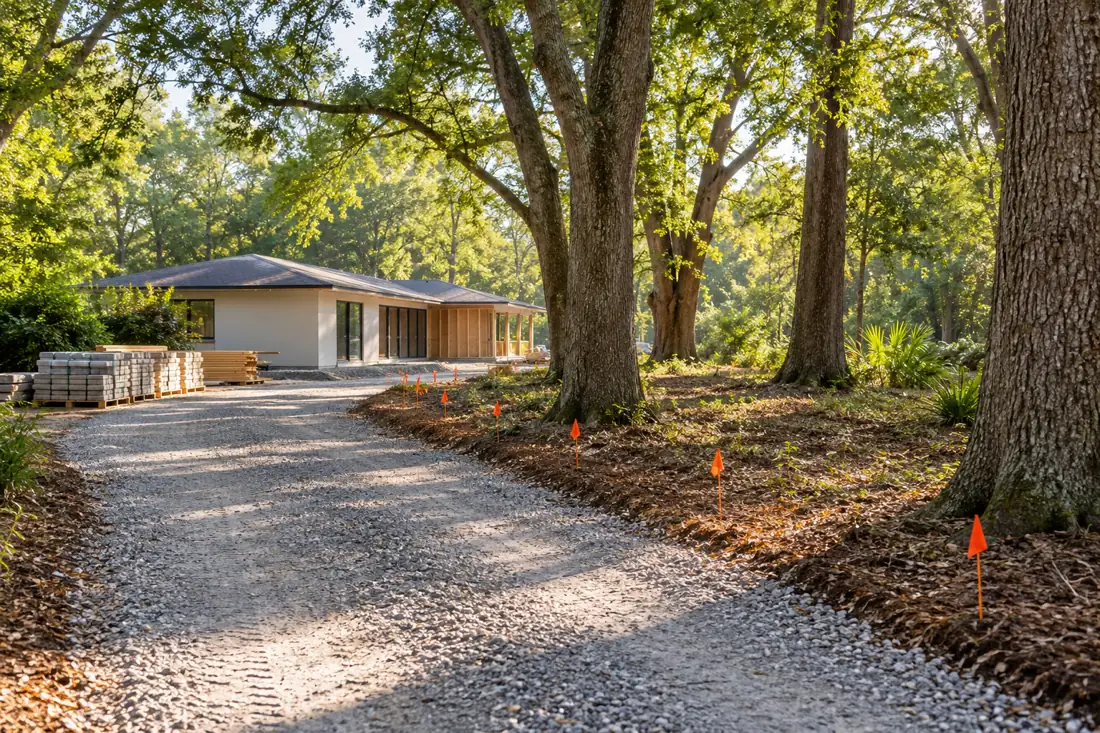
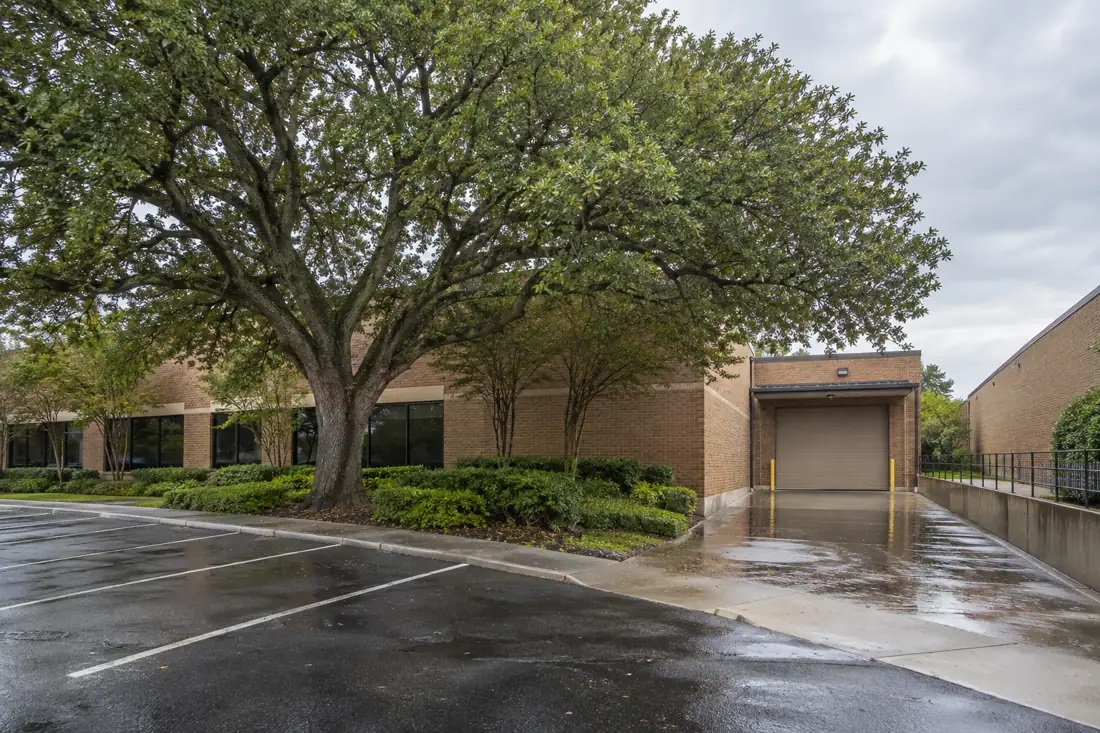
Occupied properties need controlled staging
Residents, parked vehicles, pets, children, gates and narrow internal drives can all affect how tree work is performed. We plan staging and work zones so crews can produce safely while property staff manage temporary access and resident communication.
Practical scope and safety guidance: At an apartment or multifamily property, the plan has to account for people using the grounds throughout the day. Map the trees against resident parking, accessible entrances, walkways, waste collection, emergency access and outdoor gathering areas. Provide the property manager’s approved access windows and the practical route for crews to reach the trees without blocking essential services. If vehicles must move, identify who communicates with tenants and when; do not assume tree crews can authorize towing or enter private patios.
Request an estimate that separates pruning and removal, hauling, stump work and landscape restoration. Note irrigation, buried utilities and low-clearance carports before equipment is selected. A clear closeout record showing completed scope and any remaining tree concerns makes future maintenance more manageable without claiming that illustrative photos depict a specific building or customer.
Trees over buildings, dead limbs, parking conflicts, blocked visibility and storm damage.
Coordinate work zones, parking restrictions, access routes and site contacts.
Complete the agreed debris handling and leave the property ready to reopen affected areas.
Large trees around buildings
Multifamily properties often have mature trees growing close to roofs, balconies, sidewalks and parked vehicles. Controlled rigging, crane assistance or mechanized equipment may be appropriate for heavier limbs and high-risk removals depending on access.
Give each tree a location the whole team understands
Use the property’s working building names or numbers and a clear position, such as the tree beside the east stairwell. Attach that identifier to photographs and the task list. Several similar courtyards can make an unlabeled image difficult to use once office staff, maintenance personnel and the purchaser are discussing the same request. A consistent location keeps the conversation tied to the actual tree instead of an assumption about which building someone meant.
Include the complete work address and a contact who knows the current conditions. Separate requested pruning, possible removal, stump work and loose debris rather than treating every concern as one landscape task. The property management page offers related preparation. Identify the immediate priority and optional later work so the proposal can reflect what is being authorized now, with another conversation for additions.
Coordinate parking through the property team
Show the spaces and drive aisles connected to the tree, setup area and loading route. Tell the company whether vehicles normally remain there throughout the day. An empty estimate photo does not establish an empty work area on the proposed date. The property team should explain its actual arrangements for resident communication and moving vehicles, with a practical contact for questions before the work window is confirmed.
Discuss the area needed and the point at which access can be reviewed for reopening. Do not assume a cone or notice alone makes every surrounding space available to the crew. A change in parking use may alter the plan and needs to be reported. Keep the tree scope and property responsibilities clear: the contractor needs a usable work area, while the manager coordinates the people who occupy or control it.

Trace the pedestrian routes beneath the canopy
Include entrances, exterior stairs, mail areas, gathering spaces and paths residents actually use. Explain which route serves an occupied building and whether another approach is available. A branch above an unused lawn differs from one above a necessary entrance. The request should connect the observed tree concern to those uses without asking the customer to decide the handling method from a distant image or to test damaged material.
Keep residents, pets and visitors out of the agreed work area through arrangements coordinated with the property. Ask how the proposed tree task interfaces with maintenance staff and deliveries. The plan should account for real movement across the site rather than assuming everyone remains indoors. The commercial planning hub helps organize operating constraints and responsibilities, including who can resolve a practical access conflict when the purchaser is off site.
Define pruning and condition questions separately
For a pruning request, identify the actual objective: a roof or balcony conflict, identified deadwood, a path or another specific use. State what canopy the property wants retained. The trimming service describes related work. A broad instruction to cut back every tree can hide different expectations across buildings and leave the final result difficult to compare with the request that was originally approved.
New cracks, failures, changed lean or movement at the base should be reported as observations, with timing if known. They may require a different review from routine clearance. The assessment page explains that separate inquiry. Clarify what the proposed visit addresses and any recommended follow-up. Removing one branch should not be interpreted as a permanent condition guarantee for every tree in the community or as proof that unreviewed areas have been assessed.
Review removal with the surrounding buildings in view
Provide safe views of the entire tree, nearby roofs, balconies, fences and the route for material. Those surroundings can shape a removal discussion as much as the trunk itself. The high-risk removal service gives related scope context. Do not assume a machine or handling approach used elsewhere in the community will automatically fit another tree beside a different building or a more restricted entrance.

Plan phased parking access by building rather than by blanket notice
At an occupied apartment property, a blanket notice that tree work starts Monday may be unusable. Link each tree to a building number and a small work zone, then show which parking spaces or paths may be affected. The manager can compare that plan with resident needs, refuse collection, deliveries, and any accessible parking requirements before approving a sequence. One block of work may need to happen separately from another.
A useful field brief marks where equipment may enter, where material can leave, and which landscaping or pavement must be protected. An overhead branch above parked cars does not by itself establish a safe lift or rigging approach. The contractor still needs to examine loads, clearances, ground conditions, and the work method; no website illustration should be read as a site-specific engineering plan.
After a phase, check the actual work area before reopening it for routine use. Record remaining wood, temporary protective surfaces, damaged plants if any, and any unresolved tree concerns against the relevant building. A building-by-building closeout gives resident services and ownership a clear answer when someone asks what happened outside their unit.
Identify what happens to logs and branches and whether the stump is included. Ask about the practical finish in each accepted area. Tree handling, stump grinding, landscape repair and repairs to buildings or paved surfaces are different responsibilities unless expressly included. If another provider follows, connect the handoff to a clear condition. That helps an absent owner or manager understand what was purchased without relying on a general instruction to remove the tree and clean up.
Connect equipment and material movement to the site
Show gates, turns, surface changes and the path from the tree to loading. Mention known buried features, retained beds and restrictions that photographs may not reveal. The equipment hub explains why a broad parking area does not establish a complete route. A rear courtyard might have ample space at the tree while depending on a narrow approach beside a stairwell or another occupied entrance.
If shared or neighboring land is involved, identify the appropriate access arrangement before relying on it. Do not remove fencing or move material to a different parcel for an assumed collection method. Explain mixed fence wire or other non-tree contents before hauling is arranged. The debris page helps define the accepted material. A usable plan follows the wood from its original position through handling and loading, leaving separate waste or restoration work visible.
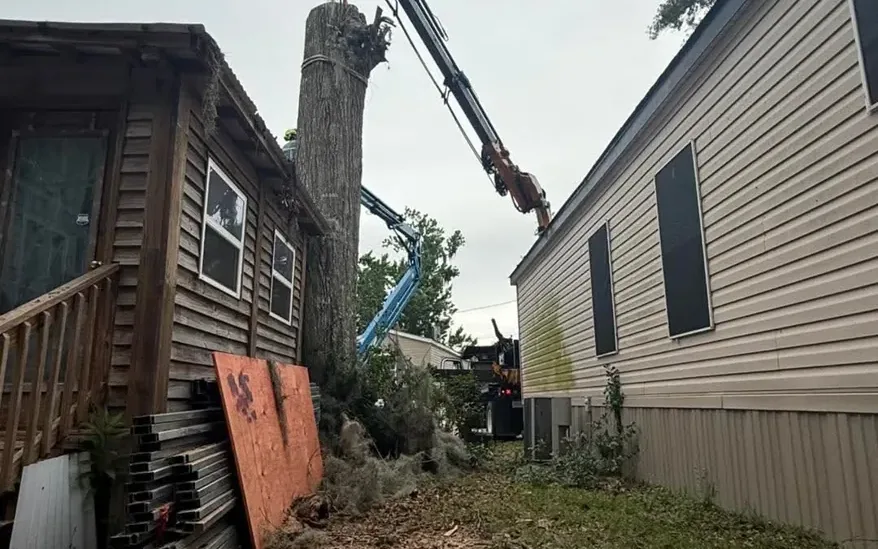
Use a direct path for storm concerns
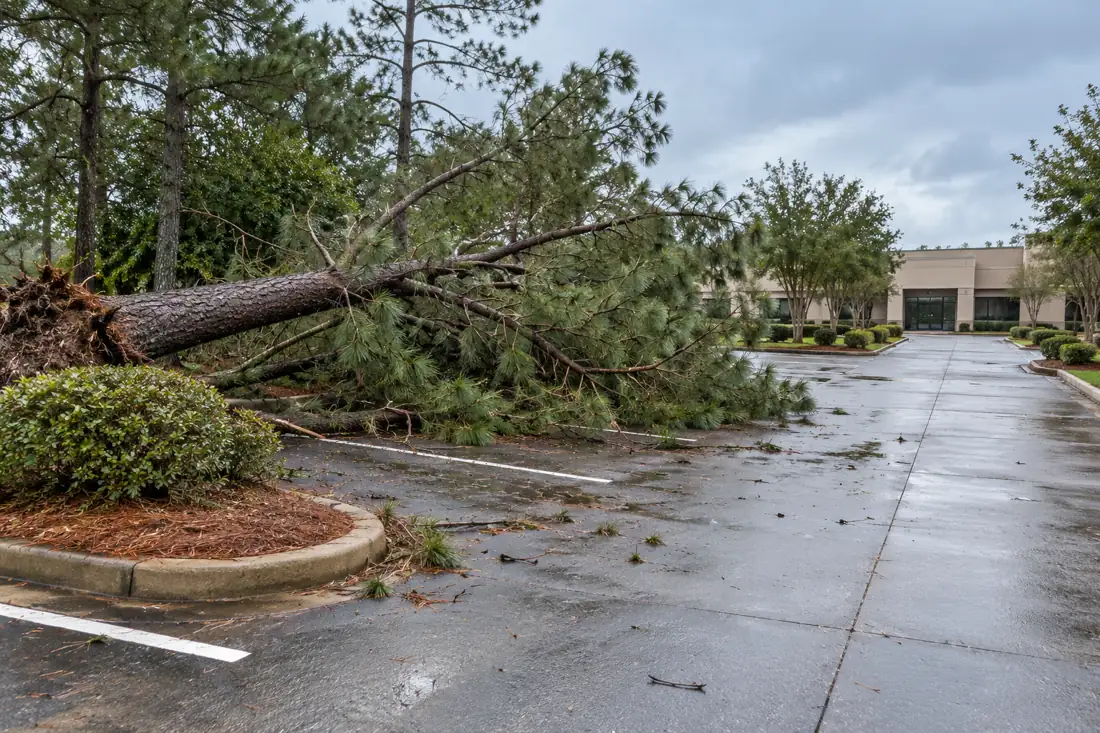
Report a newly fallen tree, hanging limb or changed standing tree promptly and keep people away from the affected area. Call 504-458-8336 to discuss current tree-work availability. A form is an inquiry, not confirmed dispatch. Immediate threats to people or electrical involvement require the appropriate emergency or utility service. Do not ask staff or residents to approach damage, cut supports or climb for a closer photo.
The apartment storm guide and commercial response page provide related context. Name the operational contact and any changed entrance or parking arrangement. Separate the first access or tree-handling task from later hauling and restoration. A current area list makes it possible to review additional damage without silently turning one accepted response task into a different property-wide contract.
Close out against the same building and tree list
Name the person authorized to accept the work and approve changes. Keep the accepted scope, tree identifiers, access arrangements and requested completion evidence together. If photographs are needed, agree on useful views of the tree task and work area while avoiding unnecessary images of residents or private living spaces. The record should describe what was actually done and any remaining items, rather than inventing a broader inspection or future-performance guarantee.
As a planning example, one building could need roof-clearance pruning while another has a separate removal and retained-stump decision. They can be coordinated in one visit without sharing the same finish. This is an example, not a completed customer job. Review areas individually with the property contact, record approved additions and identify work assigned to another provider. That turns an open-ended community request into a scope the manager can explain and verify.
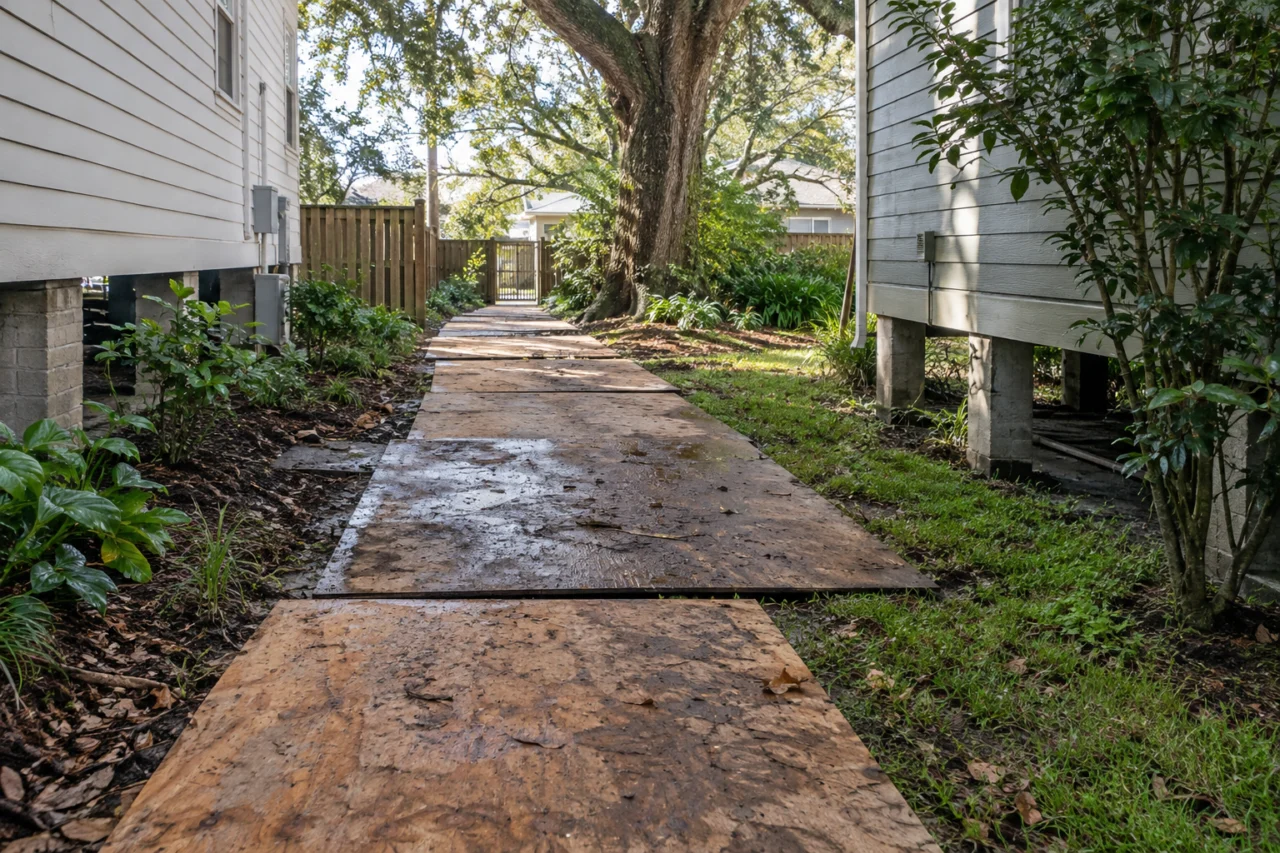
Reduce resident disruption through a building-by-building work plan
A multifamily property may contain several entrances that look similar but serve very different residents. Label the trees by building, courtyard, parking row, or a simple map reference, and confirm whether accessible entry points, trash pickup, mail delivery, maintenance vehicles, and emergency routes need uninterrupted passage. A photograph of the tree alone cannot show how a lift, truck, or wood-handling route affects the occupied property. Ask the property manager to identify restrictions before a method is selected.
Resident notices should explain what area may be affected and who residents should contact, without publishing private tenant details or guaranteeing a work schedule before one is confirmed. Decide who is authorized to coordinate vehicle relocation, temporary parking limits, pool or play-area restrictions, and access to controlled gates. Do not ask residents to approach or move suspended branches, cones, or heavy debris. If the tree condition changes, route that report back through the designated property contact.
Describe completion by location rather than as a vague promise to clean up the entire complex. Compare the approved pruning or removal list, wood and brush handling, stump status, and the treatment of lawns, irrigation, fencing, and paved routes. Capture any outstanding items with dated notes and safe photographs. This produces a more useful basis for invoicing and resident communications, while leaving unrelated landscaping and surface restoration explicitly outside the tree contract unless agreed.
Apartment & Multifamily Tree Service questions
What starts an apartment tree-service inquiry?
Send the address, building and tree identifiers, safe photos, priorities, access constraints and an operations contact.
How should similar courtyards be identified?
Use the property’s working building names or numbers and attach a consistent tree location to photos and the task list.
Who arranges resident parking changes?
Discuss the needed area with the contractor and identify the property team’s actual communication and vehicle-moving arrangements.
Does an empty estimate photo guarantee work-day access?
No. Tell the company about normal occupancy and report changes that affect the proposed work area.
Can pruning and removal be listed together?
Yes, with a separate objective and finish for each accepted tree rather than one vague community-wide instruction.
Is a changed tree condition routine trimming?
Report cracks, failures, movement or changed lean directly so the appropriate review can be discussed.
Does removal automatically include stump grinding?
No. Specify the stump decision, material handling and final area condition before approval.
Can equipment use a neighboring parcel?
Do not assume access. Identify the appropriate permission and route before relying on another property.
What if a tree fails after a storm?
Keep people away, call about current availability and use emergency or utility services for immediate threats or electrical involvement.
Should residents take close-up hazard photos?
No one should approach or alter damage for photos. Safe wide views and an honest description of missing information are useful.
What records help an off-site manager?
Keep consistent building/tree identifiers, accepted tasks, approved changes, relevant completion views and remaining-item notes together.
Does the request form confirm dispatch?
No. Confirm current availability and the next step directly with the company.
Let’s plan your tree work.
Send the property address, safe tree photos and the result you need. Include access restrictions and the person who can approve the work.