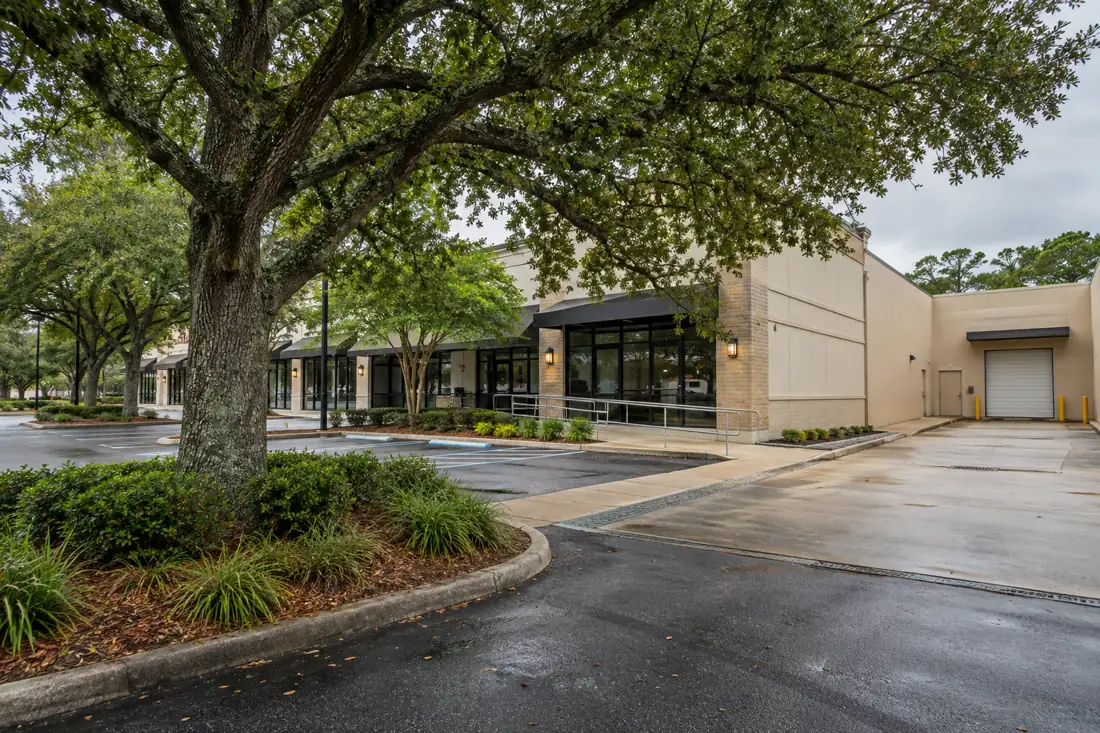
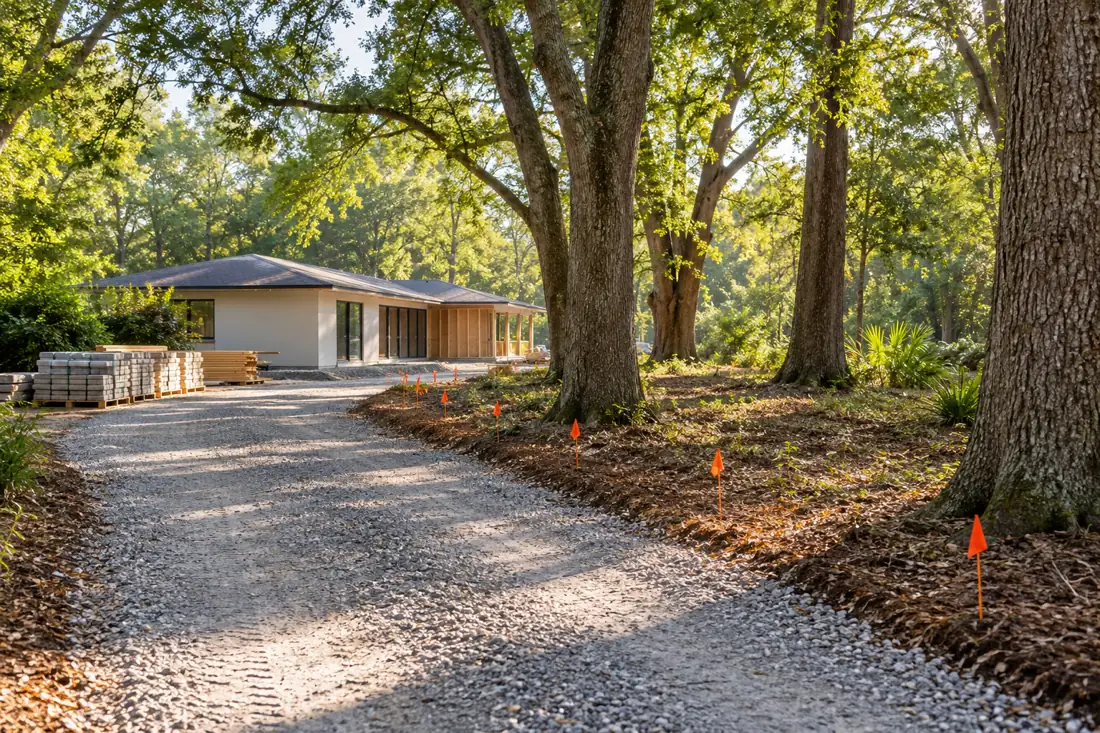
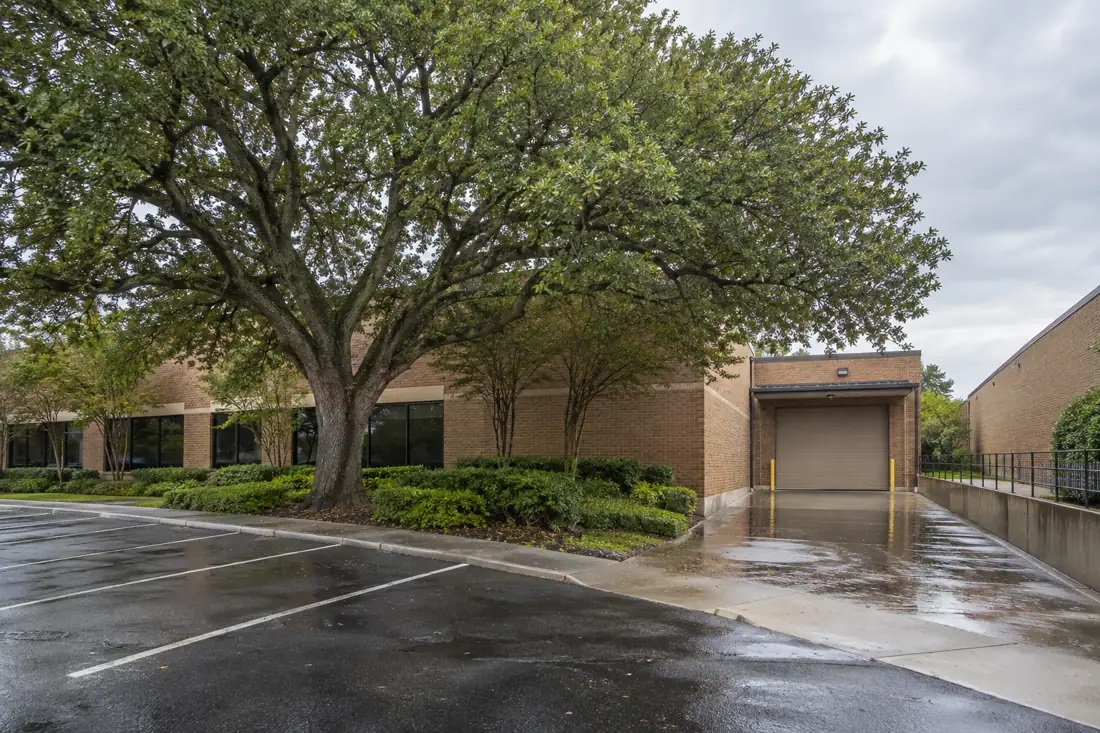
A recurring maintenance plan should begin with an inventory and current objectives. Separate inspections, recommended work and optional future items rather than assuming every tree needs the same treatment each year. Document completed work and revisit priorities as site use and tree condition change. Scheduling should account for operations and access.
Turn an annual maintenance plan into a risk-based work calendar
Group trees by exposure and condition rather than assigning every tree the same yearly trimming requirement. A mature shade tree near a pedestrian entrance may justify a different inspection priority than a healthy tree in an unused rear buffer. Document visible concerns without treating a visual walk-through as a full structural diagnosis.
Link proposed work to how the property is used: delivery hours, vehicle circulation, tenant entrances, public events and seasonal drainage. The schedule should show who can approve a temporary closure, where trucks can stage and how the crew will protect irrigation and pavement. Budgeting should distinguish assessment, scheduled pruning, urgent response and debris hauling.
After each visit, keep a dated list of treated trees and the actual work completed, including decisions to defer or seek further evaluation. The point is not to manufacture a pristine-looking canopy; it is to help the owner compare conditions and planned interventions over time. Do not describe future tree stability as guaranteed by a maintenance contract.
Site-specific planning checkpoint: For an annual commercial tree-care program, a site inventory is more useful than repeating the same pruning request every season. Record each major tree’s location, visible concerns, pedestrian exposure and conflicts with signs, lighting or access routes. Prioritize hazards and urgent assessments separately from routine clearance and tree-health work. The property manager can then align authorized tasks with landscaping, paving and storm-drain maintenance rather than scheduling crews against one another. For multi-tenant properties, note which entry points or parking spaces may need temporary restrictions. A good annual review records work actually completed, unresolved observations and the next inspection window without promising that a maintenance visit prevents future storm damage.
A useful annual program begins with a mapped inventory, identifying trees over entrances, parking, play areas, building edges, loading routes and low-traffic landscape zones. Note the last known assessment, visible changes in structure, clearance problems and where roots or drainage may conflict with site operations.
Not every tree needs the same work each year; indiscriminate pruning to satisfy a schedule can be wasteful or damaging. Ask the manager what outcomes matter—reliable access, storm preparation, shade preservation, orderly budgeting—and document these priorities separately from the contractor's observations.
Request a service plan that distinguishes inspections, prioritized pruning, removals that require approval, storm callouts and deferred maintenance. The vendor should explain the work scope, qualification assumptions, utility and traffic coordination, site protection, cleanup and the records supplied after each visit. Put an explicit decision point before additional work rather than allowing an open-ended blanket authorization.
When conditions change, update the tree list and risk priorities using new evidence; do not imply that a yearly visit guarantees safety during future weather. A consistent closeout register with photos, dates, recommendations and outstanding items lets facilities staff compare costs and decisions across years.
Begin with a living tree inventory, not a fixed trimming cycle
A commercial maintenance program is most useful when it begins with a reliable list of trees and their actual conditions. Assign each tree an ID tied to a property map, then record species where confidently identified, location, observed defects, prior work and nearby areas of regular use. The inventory should separate trees requiring inspection from trees with a specific approved pruning or removal objective. A blanket instruction to trim everything every year may waste resources and encourage unnecessary cuts.
Update the list as trees are planted, removed, damaged or affected by construction. Where several buildings share grounds, note the entrance or zone that makes each tree easy to locate. Capture ordinary overview photographs from safe locations and label them with actual observation dates rather than fabricated metadata. A useful inventory allows the same tree to be followed over time without claiming that a photo alone is a complete structural assessment.

Prioritize based on condition, targets and exposure
Tree-risk decisions depend on the condition of the tree and what may be affected if a part fails. A dead limb above a heavily used walkway may deserve quicker evaluation than a similar limb over an unused planted area. Conversely, a visually untidy tree is not necessarily the most concerning. Ask a qualified tree professional to evaluate observed defects, likely consequences and reasonable management options, rather than treating age, height or species as automatic reasons for removal.
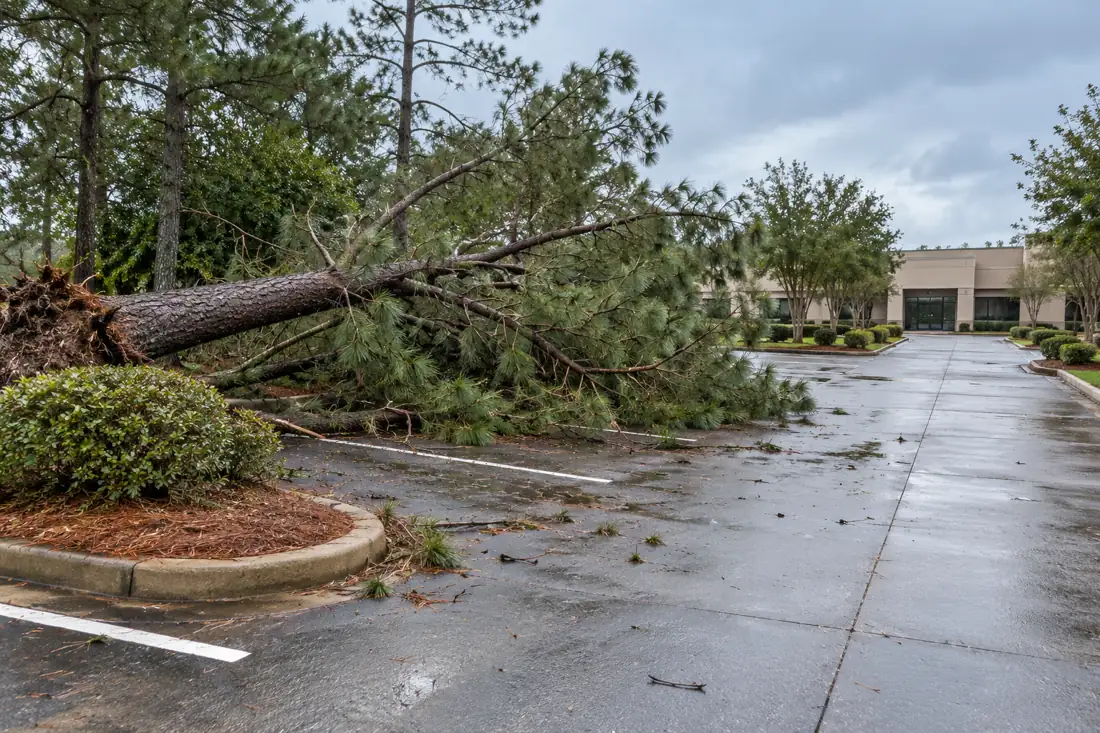
Record urgent assessment needs separately from routine clearance and discretionary landscaping. If a fresh split, hanging limb or soil movement suggests an immediate concern, the property manager should limit exposure where appropriate and arrange professional help. Do not promise that all trees in a category are safe until the next scheduled visit. Storms, site changes and new damage can alter priorities even when the calendar says the regular review is months away.
Define an objective for every proposed pruning task
A maintenance contract should not rely on vague phrases such as shape up the trees. Identify whether the desired result is clearance from a sign, removal of a specific dead branch, improved structural development or another tree-care objective. The assessor should explain which cuts serve that purpose and whether they are compatible with the tree's condition. Reducing every canopy by the same percentage can create poor form and does not substitute for a tailored treatment plan.
Avoid combining ornamental shrub trimming, tree pruning and hazardous removal into one undefined task. Each has different access, debris and inspection needs. Where tree condition warrants monitoring instead of cutting, preserve that recommendation and the observations that would trigger a later review. The completed plan should help future managers understand why a particular tree was treated, not merely that a crew visited it last spring.

Separate inspections, routine work and responsive service
Commercial buyers often need three different functions: periodic professional review, planned maintenance based on findings, and a way to obtain help after a new incident. Define these separately in the scope. A scheduled inspection does not automatically include all recommended pruning, and a routine pruning contract should not be advertised as a guarantee of emergency availability. Identify the trigger for an additional assessment, such as a new crack, unexpected lean or significant storm debris.
Ask for reporting that distinguishes observations from work actually completed. If an inspector recommends action on several trees, the owner should decide which tasks to approve under its procurement process. Record dates, responsible contacts and open recommendations so they are not mistaken for performed services. This distinction is important when property staff change and a later manager reads the maintenance record without having attended the site visit.
Plan seasonal windows around business operations
Tree work may affect loading docks, customer entries, employee parking, sidewalks and outdoor events. Review the property's seasonal use rather than assuming winter or summer is always the only acceptable period. Tree biology, species and the objective of pruning can influence appropriate timing, while heavy rain or hurricane conditions can change machinery access. Discuss these factors with the qualified professional and management before establishing a schedule.
A multi-phase maintenance calendar can target low-traffic periods while keeping high-priority safety observations separate. Specify which areas can close temporarily, who controls notices and what alternative routes are genuinely available. Do not promise zero interruption or a guaranteed completion hour before method and site constraints are confirmed. A clear schedule should include equipment setup, cutting, material handling and a final reopening inspection, not only the time a saw is operating.

Protect pavement, drainage, utilities and planted areas
Large commercial grounds often contain buried irrigation, electrical services, stormwater structures and decorative paving that are not evident from a tree photograph. Identify these features before equipment is chosen. A lift or truck needs appropriate support, turning room and a route that avoids unknown vaults or soft edges. Protective mats may help but should not be treated as proof that a surface is structurally adequate for heavy loading.
If stump grinding, excavation or major root disturbance is proposed, arrange applicable utility locating and specialist review. Cutting roots near a retained tree can affect its stability, while surface displacement may need engineering or pavement expertise beyond tree care. Keep these interfaces explicit in the work order. At the end of a maintenance visit, inspect drains, walkways and material routes for chips, loose branches or damage that could affect ordinary property use.
Budget by treatment category and actual site needs
A useful annual budget separates inspection costs, approved routine pruning, removals, stump work, storm follow-up and optional improvements. A tree inventory lets managers estimate the scale of each category without assuming every site receives identical service. Ask proposals to identify tree numbers, work objectives and debris treatment so the buyer can compare like for like. A lower lump sum may omit critical access or cleanup obligations and therefore not be a comparable scope.
Where funding is limited, prioritize professional assessment of consequential defects and high-exposure areas while transparently deferring lower-priority tasks. Do not convert a budget ranking into a claim that postponed trees are safe. Record deferred items with the reason and person responsible for revisiting them. The budget should accommodate changes after severe weather and site construction without treating every unforeseen item as a failure of the original maintenance provider.

Set documentation and change-approval standards
For each completed visit, request a tree-by-tree summary showing work performed, observations, date and any follow-up recommendation. Keep it distinct from an inspection-only report. Identify who can approve scope additions and how the contractor will communicate concealed defects or inaccessible areas. A change in method may require different equipment, timing or cost; it should be documented before unauthorized work proceeds.
Verify contractor qualifications and applicable insurance documents using current information rather than relying on ratings or generic promises. Preserve site photographs with honest dates and avoid representing educational illustrations as real customer work. Documentation should be accessible to the next property manager without publishing internal gate codes, tenant details or security procedures. A consistent record helps buyers understand the value of actual completed maintenance rather than merely counting visits.
Turn an Annual Tree Plan into Defined, Repeatable Work
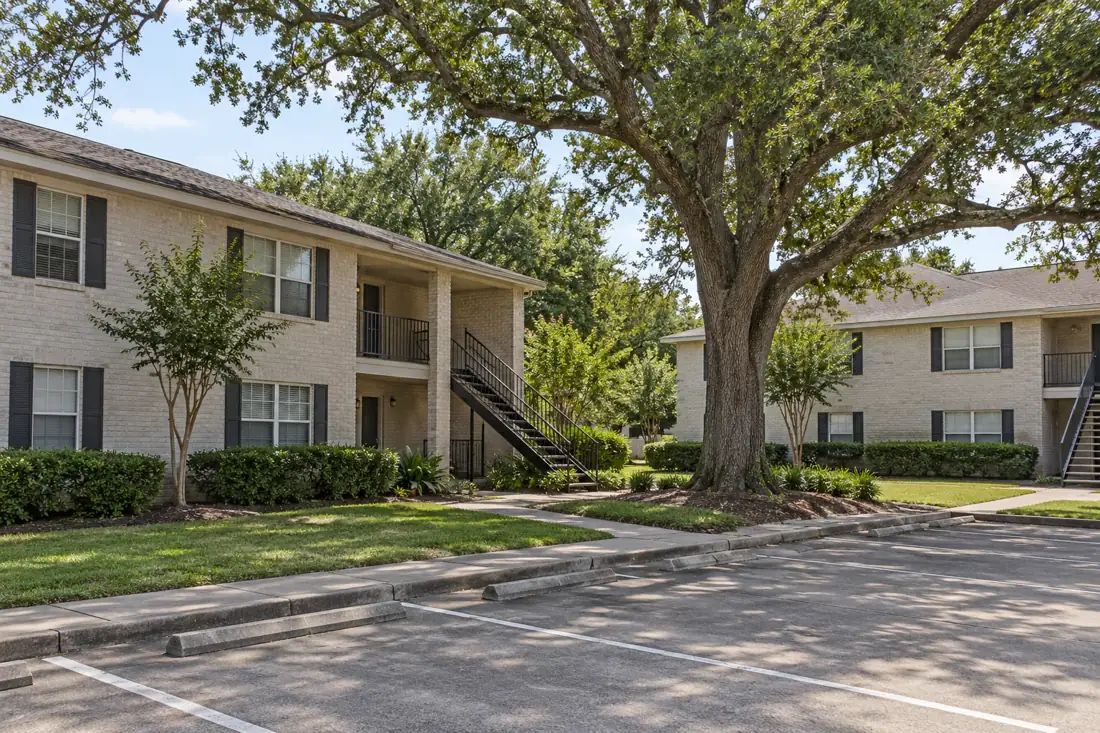
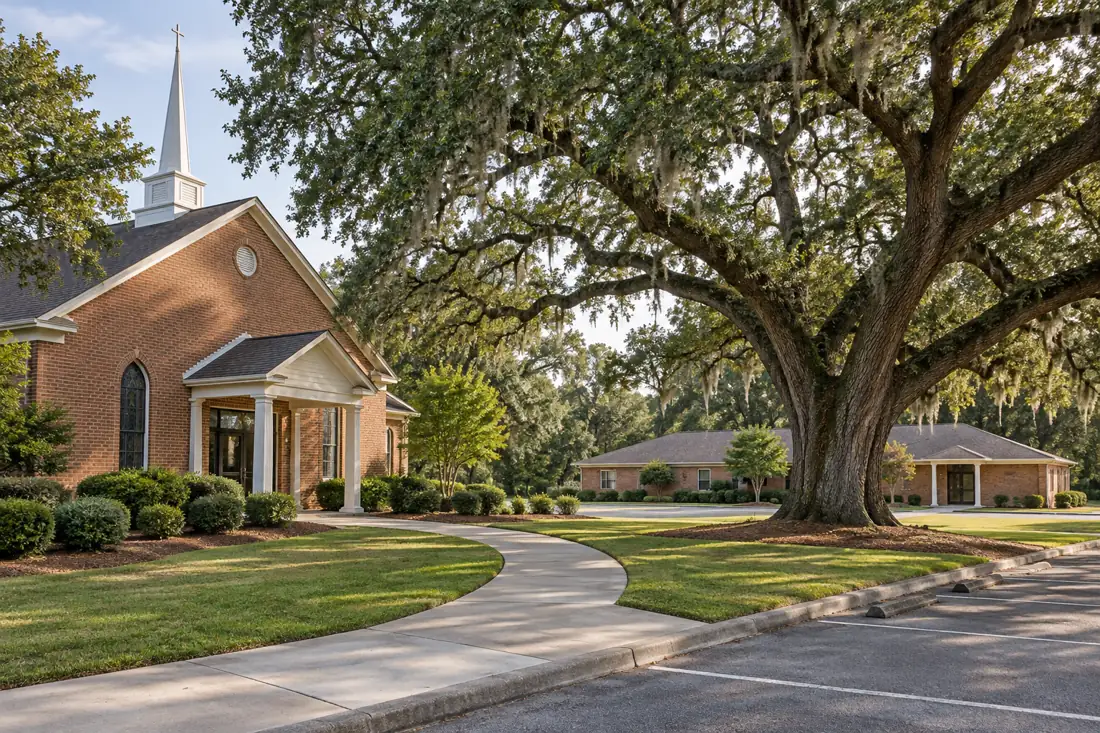
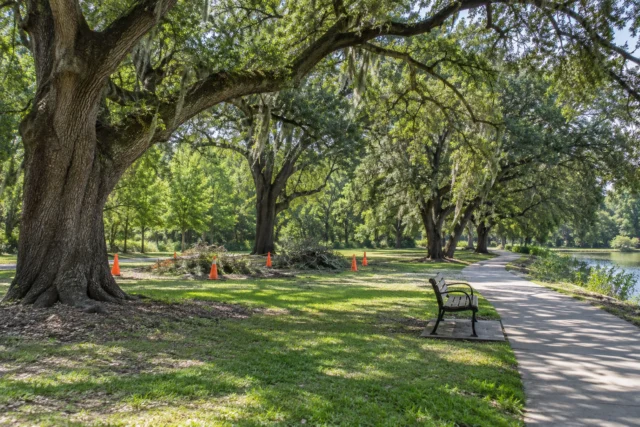
An annual commercial tree-maintenance plan should start with a site inventory, not a flat promise to trim every tree once per year. A shopping center, office building, warehouse and small apartment property can have very different targets beneath their canopies. Number the trees or group them by a clear property map, then document observed issues such as dead hanging branches above a sidewalk, rubbing stems near a roof, vegetation limiting a loading lane or declining canopy areas that need evaluation.
Include positive observations too, because mature trees that are sound and clear of targets may not need cutting during the same visit. The purpose of a useful plan is to direct attention where conditions justify work, avoid unnecessary removals and make it possible to compare annual bids against the same physical scope.
A practical schedule distinguishes inspection, priority work and elective appearance work. Conditions can change after heavy weather, nearby construction or an unplanned branch failure, so a once-a-year calendar is not a substitute for reporting changes during the year. For each priority item, record the condition, target, recommended next assessment and the decision-maker who will authorize it.
Avoid labeling a tree safe merely because a crew visited it or because one inspection found no urgent work. If a consultant or arborist report is needed, make clear whether that professional evaluation is included or separately arranged. Managers with multiple tenants should also know which delivery routes, customer entrances and accessible paths need advance communication before a crew closes a work zone.

Budgeting and documentation without false annual guarantees
An annual proposal becomes comparable when it spells out limitations. Does it cover visual ground inspection, canopy clearance, removing deadwood, small incidental branches, hauling, stump work, emergency callouts or only a specified maintenance visit? Are trees behind fences and in tenant-controlled courtyards part of the map? Is there access for a lift or are some areas likely to need climbing or smaller equipment? These questions affect effort and disruption. Avoid invented prices or a promised number of visits; request clear written options based on the actual inventory. If an owner has a capital improvement project planned, ask whether grading, paving or utility work could change the trees' rooting environment before deciding on a long-term pruning plan.
After a visit, keep a concise record usable by the next property manager: the tree IDs treated, work description, dated representative views, access restrictions, debris disposition and items referred for separate evaluation. Distinguish completed work from suggestions that were declined or postponed, without treating a draft recommendation as a completed safety correction.
A useful annual review also identifies high-use periods when work windows would disrupt customers or residents and alternative arrangements for a future weather-related issue. For a quote, provide property type, city, number of sites, current concerns and any existing inventory, rather than uploading tenants' private data.
The goal is an understandable maintenance workflow and better continuity, not a blanket assurance that a mature canopy will never need unexpected attention.
Measure useful outcomes without inventing guarantees
The goal of commercial tree care is not simply to maximize how many branches are cut. Consider whether agreed clearance was achieved, work zones were restored, tree health recommendations were recorded and outstanding concerns received an owner decision. Track whether inspections and approved work happened on schedule, but distinguish that operational measure from a guarantee that no limb will ever fail. Trees are living structures exposed to weather and changing surroundings.
When reviewing contractor performance, compare the written scope with the delivered work and the condition of access routes after cleanup. Ask what caused any change or deferral and whether it was communicated promptly. Avoid inventing customer satisfaction scores or claiming an unmeasured reduction in incidents. A grounded performance review improves future scopes without creating unsupported statements about safety, response time or long-term outcomes.

Review the plan after storms, development and ownership changes
An annual program must remain adaptable. Hurricanes, prolonged rain, utility work, paving projects and new construction can change root conditions, exposure and equipment access. If a tree develops a fresh crack or unexpected lean, arrange a new assessment rather than waiting for the next fixed visit. Updated maps and photographs can help the professional compare conditions, but they do not replace a site inspection when structural questions remain.
At each annual review, retire completed work items, record newly planted trees and reconsider whether monitoring or corrective treatment is appropriate. A new property manager should receive the inventory, prior scopes and open recommendations, not a misleading claim that every tree has been certified. A careful handoff makes the maintenance program useful over multiple years while preserving the ability to make site-specific decisions as conditions evolve.
Questions about this project
Is a total tree count enough for a large quote?
Usually the parties also need locations and tasks. Use consistent tree numbers, marked photos or a site plan so the estimate and crew instructions refer to the same trees and retained areas.
Does a work inventory include a condition assessment?
Only if that service is expressly part of the scope. A list used to identify and price tasks should not be mistaken for a documented assessment of every tree's condition or risk.
Is a free work estimate the same as a written risk assessment?
Not necessarily. Explain whether you need pricing, condition advice, a documented assessment or a combination. Ask what the visit includes, who provides it and what limitations apply to any findings or recommendations.
What history should I share?
Share known storm damage, prior failures, construction, root disturbance, flooding, pruning and recent changes. Include the timing and nearby property use. Useful history supports the evaluation without replacing inspection of the current tree and site.
How should I describe the pruning I want?
Explain the objective: clearance for a route or building, deadwood, a damaged branch or structural development. Ask for suitable tree-specific work rather than requiring an arbitrary shape or amount of canopy to be removed.
Will pruning resolve every tree concern?
No. Root, trunk and major structural problems may need a different assessment or response. State the full concern so pruning is not used as a substitute for evaluating the condition that prompted the call.
Can a business stay open during tree work?
That depends on the site and scope. Discuss occupied routes, exclusion areas, loading and work windows with the contractor and property representative. Do not assume normal access can continue through the active work zone.
Who should communicate with tenants or visitors?
Agree on that responsibility with the property representative. The contractor needs a clear site contact, while the owner or manager should use the property's established process to communicate access changes and work windows.
How should extra work be approved?
Use the agreed approval process and identify the change, reason, scope, price or schedule effect as applicable. Confirm who has authority before treating an additional tree or task as part of the original job.
What completion records are useful?
Keep the agreed scope, tree or area identification, authorized changes, invoice and labeled photos where appropriate. Include unresolved items and a contact. Contract-specific records should follow the buyer's stated requirements.
What should I tell Tree Huggers about annual tree maintenance for commercial properties?
Explain the property address, the work you want and the specific concerns: inventory, changing priorities, recurring records. Send safe photos of the tree, surroundings and access route. The contractor can then discuss the assessment and scope needed for this situation.
How do I request an estimate for this work?
Call 504-458-8336, text photos or use the estimate form on this page. Include the address, desired outcome and any timing constraints. The company will need to review scope and availability; an online request does not confirm a price, appointment or emergency dispatch.
Get a scope for your property
An annual commercial tree plan should start with an inventory rather than a promise to trim everything on a calendar. Identify each tree or group by location, species where known, visible concerns, nearby routes and previous work dates. A site manager can mark areas with frequent pedestrian use, vehicle clearance demands, storm exposure or sensitive infrastructure.
Include seasonal constraints, tenant operations and how the property has changed since the last survey. Routine observation is useful, but a maintenance checklist is not a substitute for qualified evaluation of a suspected dangerous tree.
Request a program that distinguishes scheduled inspection, ordinary pruning or clearance work, urgent risk concerns and preservation decisions. Establish how findings will be recorded, prioritized and approved, and how estimates will be revised when conditions change. Clarify who manages access notices, cleanup standards, utility coordination and completion records for each visit. A yearly agreement should not imply that every tree receives identical treatment or that hazards can be guaranteed absent between inspections. Set realistic review points and separate required corrective work from optional improvements.