Vegetative debris hauling is a distinct public-contract deliverable. A buyer needs to define which material is eligible, where it is collected, how it is transported, and what record establishes that a load was accepted.
Site-specific planning checkpoint: A public vegetative-debris hauling proposal must identify what is being collected and how quantities will be measured. Previously cut brush, standing damaged trees, stump grindings and mixed construction waste cannot be treated as interchangeable materials. Decide whether pay documentation uses measured volume, verified weight tickets or another contractual unit, and record the source location of representative loads. Identify approved disposal facilities and routes, sensitive drainage features, pedestrian barriers and suitable truck staging. Debris contaminated by soil, chemicals or nonvegetative material may require a separate decision instead of being mixed into green waste. After storm cleanup, prioritize access roads and other owner-identified public functions without promising an unsupported response time. A final walkthrough should reconcile haul records with cleared stockpile locations, leftover twigs, rut repair and any restoration work included in the contract.
Make each debris load traceable to its approved stream
List material categories before asking for a hauling quotation: natural brush, trunk sections, stump pieces, chipped wood and mixed piles of unknown composition. Keep construction lumber, treated wood, roofing, fencing, household waste and soil out of a vegetative-only scope unless the buyer provides a separately authorized disposal route. If a pile is contaminated, document the limitation rather than silently moving it to a facility that has not agreed to accept it.
Define the loading points and available truck access, then identify the actual receiving destination, acceptance rules and whether quantities will be measured by weight, volume, load count or another contract-defined method. Those measurements are not interchangeable. A driver record should trace a genuine load to its source location, authorized destination and dated receipt where required, without inventing tickets or landfill approvals.
A clean handoff shows what was hauled, what stayed behind by design, and what further approval is needed. It should separate cleanup of the work site from transport and disposal obligations, which may be billed or accepted as different tasks.
Read the related public tree work photo documentation guide · Review public-sector tree-work services
Make every debris quantity traceable: Vegetative debris hauling is measurable only when the contract defines what counts and how it will be recorded. Distinguish cut limbs, brush, logs, chips and mixed materials; a truck loaded with loose branches does not have the same volume as compacted chips. Specify whether units are truckloads, verified cubic yards, weight tickets or a different approved basis. If trucks use a public road or staging pad, plan safe entry, queuing and the effect of wet ground before the first load.

Identify every pickup location and loading constraint
A public contract may cover one fenced facility, several neighborhood pickup points, or a linear corridor. Each pickup should have an address or approved map reference, a contact, and a description of where trucks may stop. A pile near an accessible path, culvert, traffic lane or emergency entrance can require special staging. Do not assume that material within sight of the road can be reached safely by a large vehicle. The actual turn, overhead clearance, soft surface and loading position matter.
If the buyer provides a route, confirm whether it is advisory or mandatory, and flag low bridges, weight-limited roads or school access restrictions for the appropriate authority. At a controlled site, determine who opens gates, whether an escort is needed and how vehicles will be checked out. A hauling plan should not depend on leaving a park gate unguarded or blocking a fire lane while a truck waits. Work windows must include travel and unloading, not only the time required to fill the truck.
Define what belongs in the vegetative stream
Start by describing the material in the project: branches from routine pruning, fallen tree trunks, storm-generated brush, stumps, chips, or mixed piles left from a prior contractor. These are not automatically equivalent for handling, transport or receiving-site acceptance. A collection request should distinguish natural woody vegetation from treated lumber, fencing, roofing, household waste, soil and other nonvegetative material. If the piles are mixed, determine who is authorized to separate them and where excluded items will remain.
Photographs can help show pile height and access without pretending to establish a precise weight or volume. Include a scale object only when it can be placed safely, or give approximate dimensions and explain uncertainty. A small pile of leafy branches behaves differently from dense trunk sections that require mechanical loading. Ask Tree Huggers to clarify what material its proposed equipment can handle, what cutting is included, and whether logs must be reduced to a particular size before transportation.
Set the receiving location before loading
Before quoting hauling, the buyer should identify the approved receiving facility or explain whether the contractor is expected to propose one. Confirm what material the facility accepts, operating hours, load preparation rules, ticket procedure and any fees. A site that accepts clean branches may reject root balls containing soil, oversized logs or loads mixed with demolition material. Do not promise that a public landfill, transfer station or vegetative processor will accept a load without verifying the current conditions for that project.

Decide how quantities will be measured
A buyer may specify loads, truck capacity, weight tickets, estimated cubic yards, or actual measurements at the receiving site. Those units are not interchangeable without a stated method. Loose brush can compress substantially during loading; a nominal truck-bed volume does not prove an equivalent loose-pile volume. Agree on the measurement method and what supporting records the contract requires. If there are several sites, tie quantities to the individual pickup so the buyer can reconcile locations and invoices.
Do not invent a standard conversion between piles, tons and truckloads for all material. Density varies with wood species, moisture, branch structure, soil content and compaction. Ask how partial loads, mixed pickups and return trips are treated. If payment relies on load tickets, define what happens when the receiving facility is closed or its scale is unavailable. A transparent unit convention protects both the buyer and the hauling provider from unsupported volume claims.

If loads must be segregated, specify which kinds and who checks the separation. Record how rejected loads will be handled and who decides on a different destination. A rejected truck can affect later pickups and change costs; the scope should not conceal that possibility. When a government entity furnishes a temporary staging area, clarify whether that location is a final permitted destination or only a transfer point requiring a second haul. Material does not cease to need management simply because it leaves the original pile.
Plan safe handling of long or heavy pieces
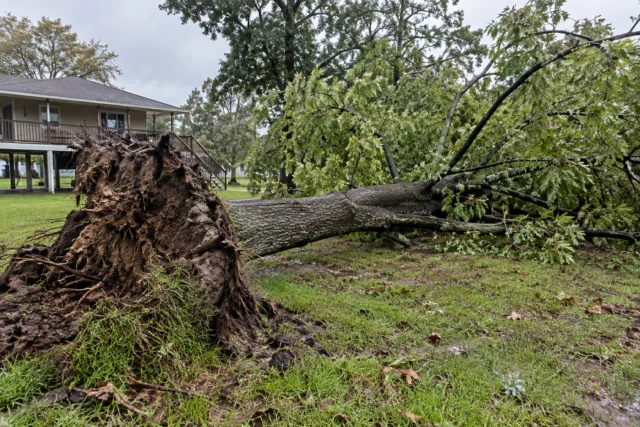
Long trunks, forked limbs and tangled brush can change what vehicle or loader is appropriate. Identify any pieces resting against a fence, structure, line or unstable standing tree before including them in a routine hauling estimate. Material still attached or suspended overhead is not ordinary loose debris; it may require separate tree operations and exclusion measures. Do not send untrained staff into a pile to make photographs or reposition logs for a better quantity estimate.
The crew needs enough space to load, secure and turn without exposing pedestrians to moving equipment. Discuss whether cutting sections to transportable lengths is part of the scope and how those cuts affect the surrounding surface. A machine suitable on a paved maintenance yard may not be safe on a saturated park lawn. Confirm surface limits, overhead obstructions and any traffic or site-control arrangements assigned to others. Equipment choice should follow the real access conditions.
Specifying public vegetative-debris hauling
Vegetative debris hauling should begin with a definition of acceptable material and the locations from which it will be collected. Branches, logs, stump grindings and mixed site waste may need different handling. A public buyer should distinguish tree-generated debris from general demolition or household material so neither the contractor nor the public assumes the wrong disposal obligation.
Define the collection route and its physical constraints, including gate widths, pavement strength, loading areas, overhead clearance and sensitive drainage features. Temporary piles should not block active driveways or accessible routes. The work plan should address how the area will be left when a load departs, particularly when loose twigs, chips and soil remain around an inlet or public walkway.

A load count alone may not describe the assignment
If hauling is measured by load, volume, weight or a fixed task, state the required evidence and how quantities are verified. A photograph of a full truck may help identify the load but does not automatically prove measured capacity. Document disposal receipts where the contract calls for them and distinguish material that is to be left on site for reuse from material that must be transported away.
At final inspection, look beyond the missing debris pile. Confirm that loading surfaces, drainage openings, pedestrian access and nearby retained landscaping are in the agreed condition. Note approved exceptions, such as an intentionally retained mulch area, rather than disguising unfinished work. Public work-order records should support a fair comparison between the authorized scope and the visible finished result.
Keep cleanup distinct from hauling
Taking the large logs may leave chips, bark, twigs and sawdust that a property manager still considers part of the work. Define the required finish: large material only, rake-clean from a designated hardscape, removal of scattered fragments, or another measurable condition. Specify whether pre-existing litter, soil, damaged pavement, cut stump remnants or landscape restoration are excluded. If crews may encounter mud or embedded roots, the contract needs a realistic description rather than a promise to make the ground look untouched.
Identify areas where even temporary residue is unacceptable, such as storm drains, entry ramps, playground surfaces and accessible walkways. A cleanup checklist can reference the original pile footprint and nearby affected route. If a public agency will sweep the road separately, write that into the sequence so no one assumes the other party owns it. When a receiving area closes early, decide whether loaded or uncollected material may remain safely secured until the next authorized window.

Manage changes without hiding scope growth
After the initial survey, additional piles may be discovered behind a building or washed into a ditch. They should not simply be folded into the original estimate without identifying the added location and quantity. Establish who can authorize an extra load, an alternative receiving site or more extensive cutting. Request approval through the public buyer's process before expanding the work. Do not rely on a passerby or an unauthorized employee to redefine the contract in the field.
Weather, road restrictions and facility closures can also change the sequence. Record the condition and the operational consequence rather than automatically adding a vague contingency charge. When access is suspended, document which material remains and whether it creates an obstruction that the site owner must manage. A defensible change record allows the buyer to distinguish conditions that were in the original request from additional work it deliberately chose to purchase.
Keep unrelated construction debris out of vegetative streams unless the buyer expressly authorizes the handling method. For each load, capture a unique ticket reference, originating work zone, vehicle identification, date and approved destination as appropriate for the contract. Reconcile rejected or partial loads rather than editing them out of totals. Photographs can document loading conditions but should not substitute for required measurement evidence. A clean closeout shows quantity, disposition and any site cleaning or grading still outstanding, avoiding unsupported claims about recycling or government reimbursement.
Build traceability into the load record
A useful record connects the pickup site, date, authorized work order, material category, vehicle identifier as required, quantity measure and final receiving location. It should distinguish customer-owned woody material from a contractor-generated pile and should not include personal information that the public buyer does not need. If the contract requests photographs, label them with the correct location and stage of work. A planning illustration or stock scene must never be presented as an actual disposal ticket or project photograph.
For loads from several locations, determine whether the receiving facility can identify each source or whether a buyer-approved combined-load log is needed. Reconciliation is more reliable when exceptions are noted promptly: rejected material, restricted access, unexpected mixed debris, or a changed route. The contract may impose particular forms or retention rules; ask the agency to supply them. The hauling provider can describe the records it can produce, while the buyer determines what qualifies for payment or reimbursement.

Match each debris pile to the receiving rule before dispatch
When public debris collection involves several piles and a strict receiving facility, define the stream and evidence trail before any vehicle loads material.
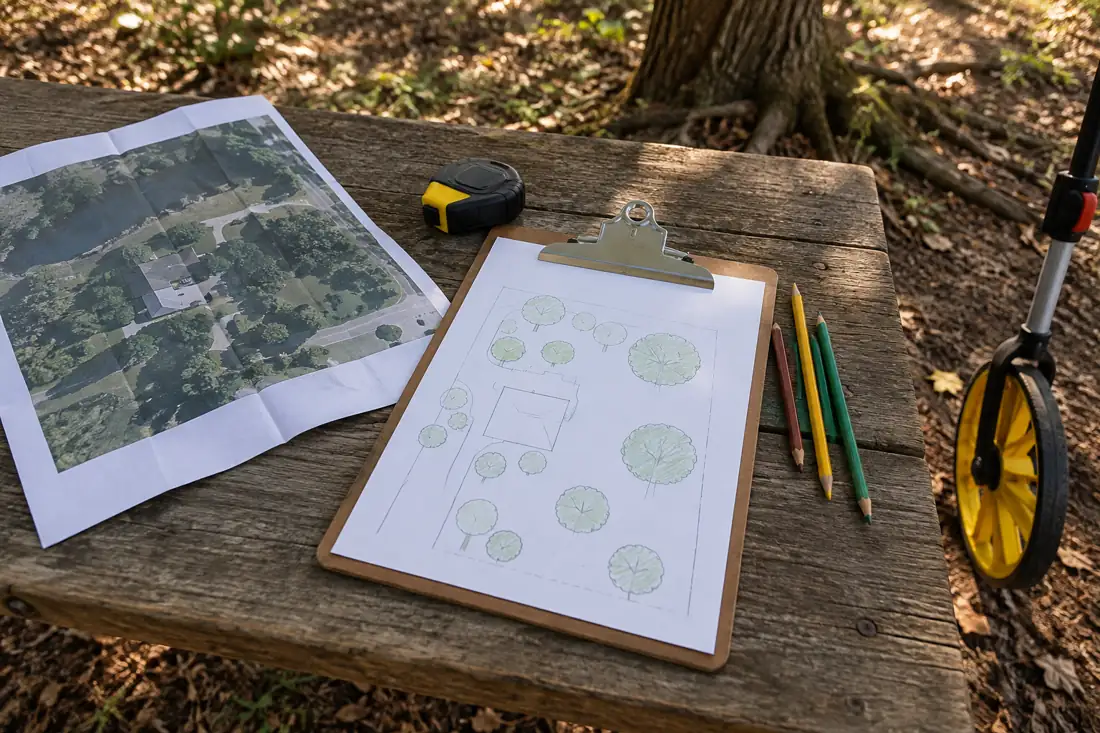
- Identify the stream: A photo of brush mixed with fence boards is not proof that all material qualifies as vegetative debris. Mark each pickup pile on a simple site plan and distinguish woody vegetation from roofing, treated timber, household waste, soil and other excluded material.
- Confirm the route: A debris hauler needs the pickup access, load restrictions, acceptable receiving destination and measurement method before planning vehicles. A truckload count, volume estimate and scale ticket describe different things. Choose the contract's actual unit rather than converting informally.
- Reconcile the load: The closeout should connect the pickup location, loading date, receiving record where required, disposition of rejected material and any remaining pile. Identify who resolves discrepancies instead of assuming a driver photograph establishes facility acceptance.
Ask about segregating a mixed pile before quoting removal. If the destination has not been verified, flag it as an open assumption rather than promising disposal.
Request a hauling scope that can be compared
An actionable inquiry includes pickup addresses, material photographs taken safely, estimated pile dimensions, known nonvegetative contamination, loading access, desired receiving facility, required measurement unit, work windows and the public buyer's contact. Attach an existing scope or procurement reference through an authorized channel, not confidential credentials. If a separate tree crew will cut and stockpile wood, state when the hauling contractor is expected to take custody of the material.
Ask Tree Huggers whether the requested debris handling fits its service and equipment, and what site information is needed before a quote. A website inquiry is not an acceptance ticket, confirmed load capacity, price, or guarantee of response. Public buyers should verify eligibility, coverage and records required by their particular opportunity rather than inferring them from a general service page. Clear material and disposal definitions make the job easier to estimate and to verify after the final load leaves.
Hauling evidence does not replace tree-work acceptance
A public vegetative-debris hauling record should identify what was picked up, the authorized work zone, the destination and the applicable measurement method. A load ticket may show that a truck visited a receiving site without proving exactly which tree produced the material. Keep photographs, load records and approval references tied together without inventing location data that was not captured.
Separate handling of clean vegetative debris from mixed debris or material requiring a different disposal route. When the public buyer asks whether pruning, removal, stump work or restoration is complete, the companion completion checklist evaluates those scope items. Haulage records support that decision but cannot substitute for checking the finished work at each location.
- Track work-zone IDs from dispatch through the accepted destination.
- State the counting or weighing basis and any unresolved discrepancies.
- Do not use a disposal receipt to certify pruning quality or retained-tree condition.
Questions about this project
Does vegetative-debris hauling include building waste?
Do not assume it does. Describe mixed roofing, fencing, soil or other material before pricing. Ask what is accepted in the scope and what needs a separate provider or handling arrangement.
Why does access affect a debris-removal price?
The route, loading position, carrying distance and obstacles affect how material can be handled. Send photos of both the pile and the access, and identify any remaining tree or utility hazards.
What should a government buyer send first?
Send the agency or prime contact, project reference, site, scope, deadline, access conditions and required documents or submission format. Identify the authorized contact for questions and the buyer's process for clarifications.
Does a capability page prove contract eligibility?
No. Request and verify current documentation relevant to the particular opportunity. Registration status, certifications, licensing, insurance and availability should not be inferred from a broad marketing statement.
How should extra work be approved?
Use the agreed approval process and identify the change, reason, scope, price or schedule effect as applicable. Confirm who has authority before treating an additional tree or task as part of the original job.
What completion records are useful?
Keep the agreed scope, tree or area identification, authorized changes, invoice and labeled photos where appropriate. Include unresolved items and a contact. Contract-specific records should follow the buyer's stated requirements.
Can the crew block a public sidewalk or road?
Required arrangements must be coordinated with the appropriate authority. Identify public routes and restrictions before scheduling. A private work agreement should not be treated as automatic permission to occupy or close public space.
When should parked vehicles be moved?
Set the timing and responsible contact before the work window. Vehicles may need to leave the tree zone, equipment route and loading area. Confirm where access must remain available during each phase.
Does cleanup include every root and wood chip?
That depends on the written scope. Tree removal, stump grinding, chip hauling and root excavation are different tasks. Ask what material is removed, what remains and whether soil or landscape restoration is separately included.
What should a final walk-through check?
Compare the identified trees and tasks with the agreement. Check agreed debris handling, stump treatment, access openings and any listed restoration. Record unresolved items clearly instead of relying on a general impression that the property looks finished.
What should I tell Tree Huggers about vegetative debris hauling for a public contract?
Explain the property address, the work you want and the specific concerns: material definition, loading points, acceptance records. Send safe photos of the tree, surroundings and access route. The contractor can then discuss the assessment and scope needed for this situation.
How do I request an estimate for this work?
Call 504-458-8336, text photos or use the estimate form on this page. Include the address, desired outcome and any timing constraints. The company will need to review scope and availability; an online request does not confirm a price, appointment or emergency dispatch.
Get a scope for your property
Send the debris type, collection locations, access restrictions and requested verification method for a clearly defined hauling scope.