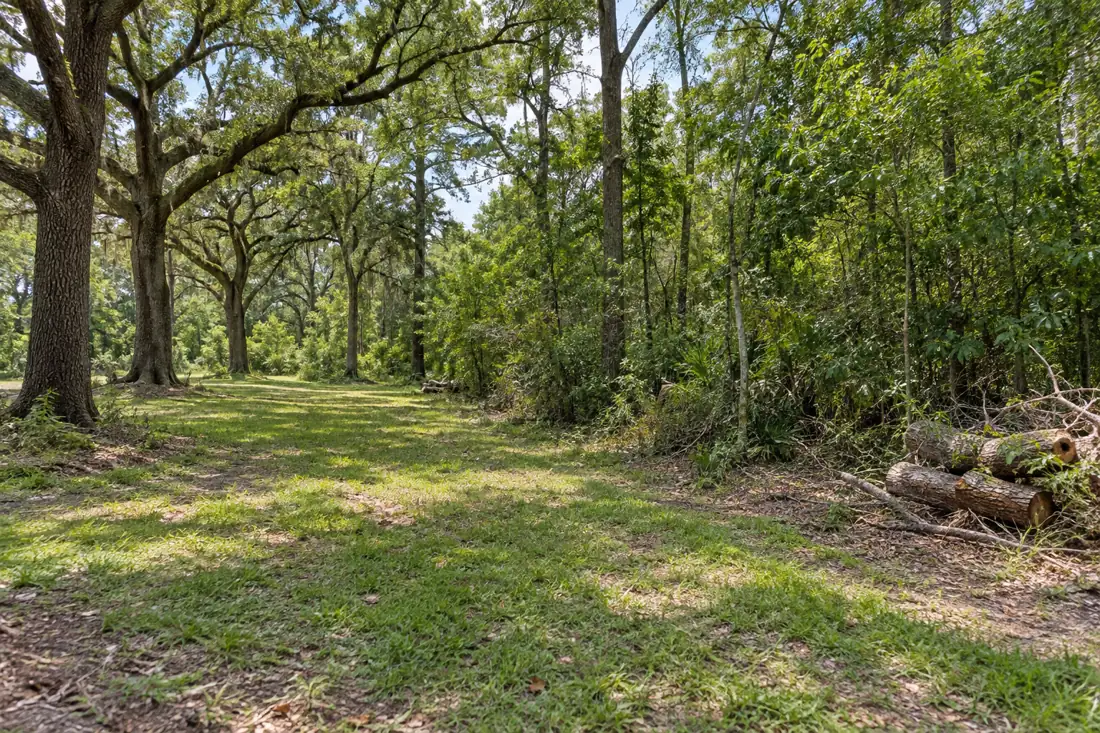
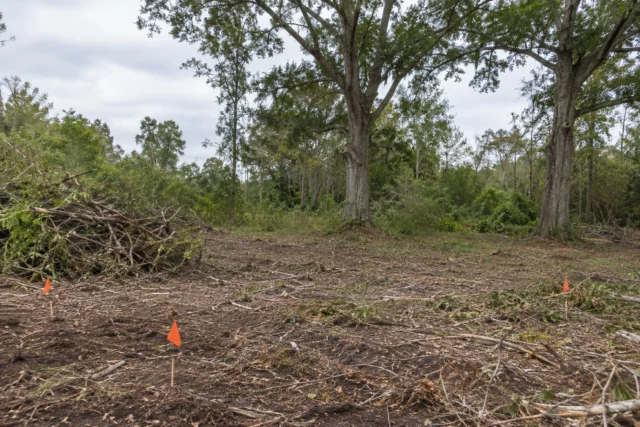
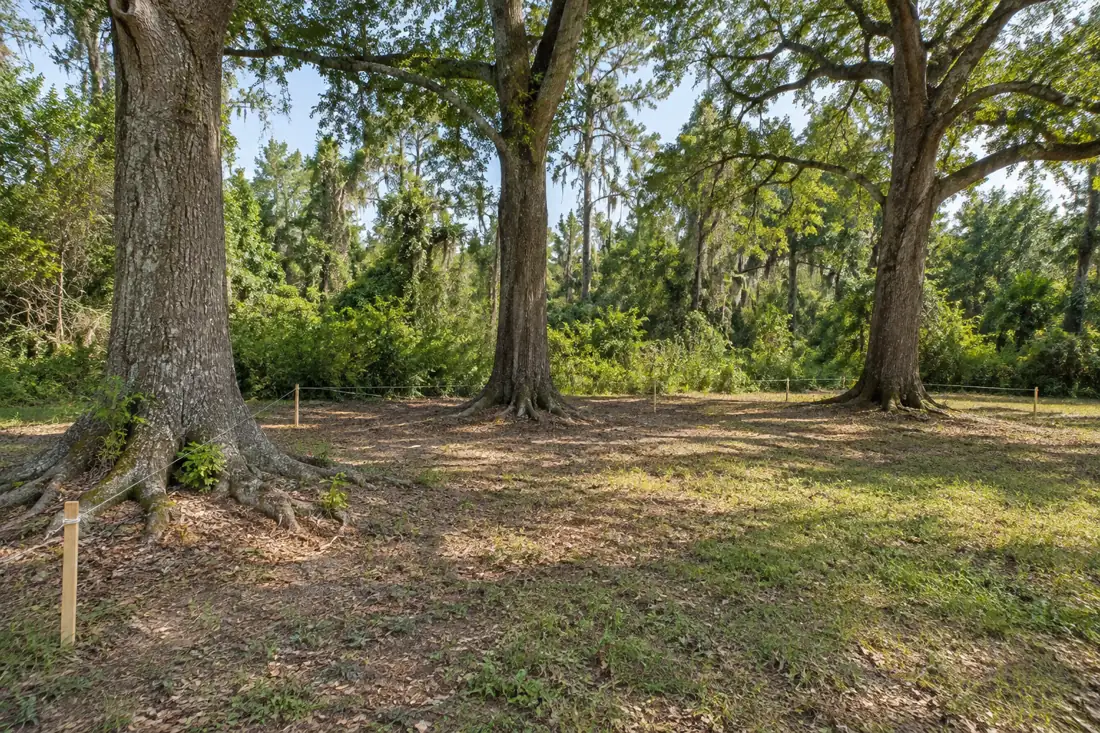
An overgrown site can conceal fences, utilities, dumping and unstable trees. Begin with the property boundary and the desired end use. Photos and a site visit can help distinguish tree work, brush removal and other cleanup. The contractor needs to identify exclusions and access conditions rather than price an unseen site as uniform vegetation.
Site-specific planning checkpoint: An overgrown property benefits from a staged survey because dense vines and brush can hide hazards and valuable trees alike. Begin at a safe accessible edge and identify the property boundary, intended use and any required trees to preserve. Note the likely presence of discarded metal, wire, fencing, drainage structures and uneven ground; a photograph of the green canopy cannot establish safe access beneath it. Separate brush cutting and vegetation hauling from hazardous tree work or removal of unrelated waste. Agree on a first-pass access corridor and a review point before clearing expands into unseen areas. Make explicit who handles dumped materials or suspect objects that should not enter a wood chipper. The final scope should include the expected visibility of retained trees, defined cleanup standard and a process for pricing newly discovered conditions with owner approval.
Dense brush and vines can hide trunks, broken fencing, abandoned materials, holes and wet ground.
Walk the perimeter before entering dense overgrowth
An overgrown parcel can conceal holes, wire, broken fencing, discarded equipment and unstable branches. Start by viewing the perimeter from safe legal access points and identifying where visibility is poorest. Use existing survey or parcel information to locate boundaries, but do not assume a row of brush defines ownership. A cautious first visit should establish what can be inspected without forcing a person into hazardous vegetation.
Ask the owner about known wells, tanks, septic components, buried structures and previous land use. If an old object or suspicious material appears, stop work near it and arrange the right specialist rather than treating every obstruction as ordinary brush. A well-planned clearing begins with discovering constraints, not promising a clean lot by the end of the day.
Open an overgrown property in safe, reviewable stages
Dense brush and vines can hide trunks, broken fencing, abandoned materials, holes and wet ground. Begin with an observation route that is legally accessible and does not require a homeowner to force a path through unknown vegetation. Record known structures, utility markers and possible hazards from safe positions. Do not call all vegetation a tree or promise that a photo can establish what lies below the cover.
Propose distinct phases for limited brush opening, identifying trees, selective cutting, debris removal and any stump or soil work. As cover is removed, new defects or obstacles may become visible. Include a documented stop-and-review point so the authorized owner can approve a changed scope instead of treating unknown conditions as included in a blanket clearing price.
Clarify whether vegetation will be chipped, hauled or left in an agreed area and who addresses unrelated waste if uncovered. Protect drains, neighboring access and retained trees from temporary piles. The final walkthrough should list which portions were cleared and which require another trade or assessment; it should not imply the entire lot is automatically ready to build.

Separate vines, brush, saplings and large trees
Not everything green on an abandoned property requires the same treatment. Vines may obscure a healthy trunk, shrub growth may be removable with lighter tools, and large trees can require professional assessment and controlled cutting. Make an inventory by area and material type. This creates a practical scope and avoids a bid that assumes every stem can be mulched by a single machine.
Identify trees to retain before clearing begins, marking them visibly and discussing protective roots and canopy. Thick vines should not be pulled from high limbs in a way that could dislodge dead wood. A staged first pass can expose structural concerns without sacrificing valuable trees just because they were hidden in vegetation.
Plan a safe access route through brush
A truck cannot necessarily enter a lot simply because its gate opening looks wide in a photograph. Check soft ground, slope, overhead limbs, ditch crossings and turning distance. Establish a safe place for the chipper or loading vehicle that does not block neighbors, hydrants or public paths. If the only route is across another parcel, get proper authorization before including it in the plan.
Equipment choice should follow the real site rather than determine how much of the property is cut. A narrow access route may make hand cutting and staged hauling more sensible than pushing a large mulcher through unknown debris. Include the impact on labor and schedule in the quote, with a clear trigger for reassessment if hidden obstacles appear.

Reveal and preserve drainage features
Unmanaged brush often grows thickest in low wet ground, where it can hide ditches and culverts. Identify visible water routes, inlets and outlets from the perimeter before moving heavy equipment. Clearing should not fill swales or bury pipes under cut material. When wet ground prevents safe access, postpone or use an alternative method rather than creating ruts that redirect water.
Do not assume that removing vegetation automatically fixes flooding. Drainage design, sediment removal and pipe repair may require separate professionals and approvals. The tree-service scope can include removal of vegetative obstructions at accessible locations, but it should specify what is and is not being corrected about the property's water flow.
Treat hidden obstacles as a scope question
Overgrown properties can conceal fence wire, dumped materials, broken concrete, shallow utilities, old stumps, and uneven ground. Walking the property from a safe established route is more useful than assuming brush equipment can traverse every visible patch of vegetation. Show which trees are to remain and whether the desired finish is simply accessible ground, a rough cleared lot, or a surface ready for another contractor.
Those outcomes involve different removal, hauling, grading, and restoration assumptions. Ask how unexpected debris or inaccessible areas will be documented before extra work is proposed. For a first inquiry, a boundary sketch and photos taken from reachable edges are more useful than risky exploration through unknown brush.
Look for unwanted materials before chipping
Vacant lots can contain wire, treated timber, plastic, construction rubble and household trash mixed into woody vegetation. Those materials should not be fed into a wood chipper or hidden inside green-waste loads. Identify obvious mixed debris during the first walkthrough and specify how work stops or changes when contamination is found.
Some waste requires special disposal rather than ordinary brush hauling. The owner should understand which materials the tree contractor can legitimately handle and which need a separate service. Distinguish unexpected rubbish removal from tree-work pricing so neither the crew nor the owner is forced into unsafe shortcuts when a concealed pile is uncovered.

Control growth near buildings and fences
Vegetation tight against a shed, fence or utility line often needs hand work because machine blades cannot safely reach it without contact. Mark fragile structures and record their condition before access. Where vines have grown into fencing, removal may expose old damage or loosen decayed panels. That discovery should be documented rather than mistaken for proof that the crew caused every defect.
Ask whether the owner's goal is to restore access, protect a building or remove vegetation along a full boundary. These outcomes require different levels of precision and finish. A narrow clean path can sometimes solve an immediate problem without clearing the entire lot, reducing disturbance and cost while leaving future landscaping choices open.
Divide an overgrown parcel into manageable clearing zones
Overgrowth can conceal stumps, wire, discarded materials, standing water, uneven ground and trees the owner wants to keep. Do not begin with a blanket instruction to clear everything. Walk only accessible, stable areas and photograph the outer edges, visible vegetation types, gates and existing structures.
Draw zones for light brush, woody saplings, mature trunks, vine growth and material requiring a separate handling decision. The purpose might be code visibility, future surveying, sale preparation or the first stage of construction; those lead to different end conditions. Hazardous debris should not be assumed to be ordinary tree waste.
Ask the contractor what finish is needed: cut vegetation left onsite, brush hauled away, larger trunks removed, stumps ground, or an area made ready for a later survey. A brush cutter can clear sightlines without making the ground safe for vehicles or future excavation. Clarify whether hidden fences, irrigation, utilities, abandoned concrete or environmental concerns can halt the work for a revised scope.
Protect retained trees from indiscriminate grading and avoid equipment on saturated surfaces until bearing conditions are reviewed. Schedule any civil or environmental investigation independently; tree clearing is not a certification that the property is buildable.
Stage overgrown-property work so hidden hazards are found before full clearing
Dense vegetation can conceal discarded wire, old fence posts, uneven drainage, fallen branches, buried concrete and trees worth retaining. A request for a single price to make the lot 'clean' is too open-ended to authorize safe work. Define the intended end state with clear boundaries and retained-tree decisions, then discuss a limited access and visibility phase before committing to the final cut line.
Photos should come from safe edges; nobody needs to enter an obscured area or move suspicious objects merely to supply an estimate.
Retain useful canopy rather than stripping the lot bare
Shade trees can be an asset on an overgrown parcel, especially where the owner expects future use. Evaluate major trees individually instead of treating the entire canopy as junk vegetation. Healthy mature trees may help define paths and future outdoor areas, although specific health and risk questions need a qualified assessment.
Protect root zones from repeated hauling, mechanical damage and soil stockpiles once retained trees are marked. Avoid topping or severe cutting merely to make the lot look more open. A selective approach can create visibility and control while preserving an established landscape that would take decades to replace.

Make debris handling practical from the beginning
Brush piles can occupy more space than expected and may become difficult to load once machinery moves deeper into the property. Set a staging place and a clear haul route before cutting. Separate small woody debris from large logs, retained wood and nonvegetative waste. Keep piles outside drains, road shoulders and entrances used by neighbors or emergency responders.
If the owner wants chips spread, establish where and how they will be used; deep piles against trunks or structures are not an appropriate default. Specify whether hauling, on-site chipping, stacking or later pickup is included. A clear material plan reduces the chance of an otherwise successful clearing ending with an unmanageable mountain of brush.
Use phased clearing to make decisions as visibility improves
On a heavily overgrown site, the first phase may reveal roots, grade and structures that alter the second phase. Define a pause point after perimeter access or initial understory removal so the owner can reassess the scope. Taking time to inspect the exposed site is often more useful than committing in advance to cutting every newly visible tree.
Document the condition and tree decisions at each stage. If equipment or material handling must change because of a hidden obstruction, describe the difference and obtain approval before proceeding. An organized phased project is not unfinished work; it is a controlled way to manage uncertainty that could otherwise cause damage or unnecessary removal.
Establish realistic maintenance after clearing
Freshly cleared ground may still have stumps, roots, seeds and fast-regrowing plants. A tree contractor should describe the actual finish level and avoid implying that cutting brush is permanent eradication. The owner can plan periodic mowing, selective treatment by an appropriate professional or monitoring of retained trees according to the intended future use.
Keep a map of areas left untouched and note any safety concerns discovered during clearing. Inspect drains, gates and access paths once debris is gone, then choose a maintenance frequency based on regrowth and site conditions rather than an arbitrary guarantee. A manageable parcel is one with a repeatable upkeep plan, not simply one that looked empty on completion day.
Sequence selective brush work around verified limits and later site uses
Before a crew opens dense growth, the owner can use a current survey, parcel description or marked site plan to distinguish the intended clearing envelope from a fence line or an apparent trail. If the parcel borders someone else's property, do not assume that overhanging brush establishes the boundary or that access through the neighbor's gate is authorized.
Describe where work can begin without crossing uncertain ground. A photograph showing a stake, road edge or known entrance can help orient the conversation, but the contractor should not be asked to substitute for a boundary professional when ownership is disputed.
A phased first pass can reveal features that were invisible from the road: drainage channels, low spots, buried debris, old concrete, abandoned fencing or roots extending from trees that should remain. When an obstacle appears, pause the affected portion of the scope and decide whether the owner, utility locator or another qualified trade needs to review it.
Driving heavy equipment across saturated soil or a retained tree's root area can create damage that is harder to see than freshly cut brush. A useful plan protects these sensitive areas before the work route is committed.

Map retained trees and drainage before clearing overgrowth
An overgrown property is not a single uniform clearing area. Owners may want access restored while retaining a healthy shade tree, screening plants, or valuable understory. Before setting a scope, distinguish brush, vines, invasive growth, young volunteer trees and intentionally retained vegetation. Identify known property boundaries and keep work away from uncertain lines until ownership is resolved. A wide-angle photograph paired with a simple marked plan can prevent the removal of plants that were supposed to remain.
Drainage ditches, buried pipes, overhead utilities and protected root zones should be identified before machines or debris piles are assigned a route. Cutting surface vegetation does not solve every root or erosion issue, and removing all cover from a sloping or wet area may increase soil movement. Ask which material will be hand-cut, mulched, hauled, stacked for owner use or left in place under a specific agreement. Check local restrictions and any habitat or seasonal requirements that apply.
The written scope should define the limits of clearing, target height or finish condition, retained-tree protections, equipment access, acceptable stockpile locations and who authorizes changes when hidden debris appears. Ask for a closeout walk-through showing the achieved access path and any follow-up maintenance priorities. Avoid claims that the parcel was restored or made development-ready unless those objectives were actually inspected and separately documented.
Carry a precise finish record into the next phase
The requested finish should connect directly to the next use of the site. A parcel meant for regular mowing may need a different stump and debris decision than land being surveyed for a future driveway. Specify whether larger logs remain for the owner, where small brush may be staged, whether chips are removed and whether stump grinding is included only in marked spots.
Avoid describing brush cutting as grading, soil preparation, utility clearance or an assurance that all buried roots have been removed. Those are separate outcomes with their own inspection and pricing requirements.
At the acceptance walk, compare the finished clearing limits against the original marked plan instead of judging success only by how much open ground is visible. Record retained trees, inaccessible areas, discoveries that were left undisturbed and any agreed follow-up after rain or regrowth. Owners who expect another contractor to arrive next should pass along known obstacles and protected areas rather than assume the newly cleared site is hazard-free.
This practical handoff helps preserve shade and site drainage while making the next scope easier to define.
Use a visibility-first stage before driving through overgrowth
An overgrown site may conceal uneven terrain, fences, utility equipment, discarded materials or trees intended for retention. Start with safe visual assessment from accessible edges and define a limited brush opening if needed, rather than promising immediate heavy clearing. Mark the intended work limits against reliable property information. Divide the scope into vegetation reduction, tree removal, debris disposal and any separate grading or demolition. If unknown material or conditions appear, pause the affected task and refer the issue to its responsible specialist.
- Identify safe initial access points and visible obstacles.
- Mark retained trees and areas outside the authorized scope.
- Keep debris handling and grading as separate decisions.
- Use written stop points for unknown lines, tanks or unstable surfaces.
Questions about this project
What should be marked before selective clearing?
Identify the authorized boundary, trees or landscape to retain, vegetation to remove and any restricted access. Make sure the site markings, map and written scope describe the same work before equipment enters.
Does clearing include grading and construction preparation?
Only where those tasks are specifically included and appropriately assigned. Tree and brush removal, stump work, excavation, grading and base preparation are different responsibilities with potentially different completion requirements.
Does vegetative-debris hauling include building waste?
Do not assume it does. Describe mixed roofing, fencing, soil or other material before pricing. Ask what is accepted in the scope and what needs a separate provider or handling arrangement.
Why does access affect a debris-removal price?
The route, loading position, carrying distance and obstacles affect how material can be handled. Send photos of both the pile and the access, and identify any remaining tree or utility hazards.
Will a utility locate show every private line?
Do not assume it will identify all irrigation, pet-fence, drainage or other customer-owned systems. Provide available plans and ask what additional locating or coordination is needed for the actual work and access area.
Who should arrange utility-related preparation?
Set that responsibility before scheduling. The property contact, contractor and relevant providers need to identify who handles locating, disconnection, relocation or separate repair work. Uncertain utility information should be resolved rather than guessed.
Is a total tree count enough for a large quote?
Usually the parties also need locations and tasks. Use consistent tree numbers, marked photos or a site plan so the estimate and crew instructions refer to the same trees and retained areas.
Does a work inventory include a condition assessment?
Only if that service is expressly part of the scope. A list used to identify and price tasks should not be mistaken for a documented assessment of every tree's condition or risk.
What should I compare besides the price?
Compare tree identification, work objectives, access assumptions, hauling, stump treatment, site finish and exclusions. Ask whether permits or other coordination are part of the scope and who can approve changes if conditions differ.
Does an online request book the crew?
No. A request starts the estimate conversation. The company still needs to discuss scope, availability and any site assessment. For a dangerous or urgent condition, call 504-458-8336 rather than relying on a form response.
What should I tell Tree Huggers about overgrown property tree and brush planning?
Explain the property address, the work you want and the specific concerns: hidden obstacles, end use, scope exclusions. Send safe photos of the tree, surroundings and access route. The contractor can then discuss the assessment and scope needed for this situation.
How do I request an estimate for this work?
Call 504-458-8336, text photos or use the estimate form on this page. Include the address, desired outcome and any timing constraints. The company will need to review scope and availability; an online request does not confirm a price, appointment or emergency dispatch.
Get a scope for your property
Overgrown ground may hide discarded material, fencing, drainage dips, septic features and exposed utilities. Do not walk into dense vegetation to photograph unknown hazards. Start with safe boundary views, a parcel or site plan, known access points and the intended future use. Distinguish brush cutting from tree removal, stump work and hauling; each has different equipment and disposal implications. Flag vegetation to preserve, suspected wetlands or regulated areas, neighboring properties and any overhead wires before estimating production.
A useful clearing scope should specify the limits on a drawing or marked photographs, accepted material types, where trucks will load and what finish is expected. Ask how hidden obstacles and contaminated or construction debris would be handled without assuming they are included. If property lines are uncertain, establish them before work crosses a boundary. The site can be made more accessible in phases when initial clearing reveals conditions that require new authorization. Do not promise a build-ready lot solely from a vegetation-clearing quote.