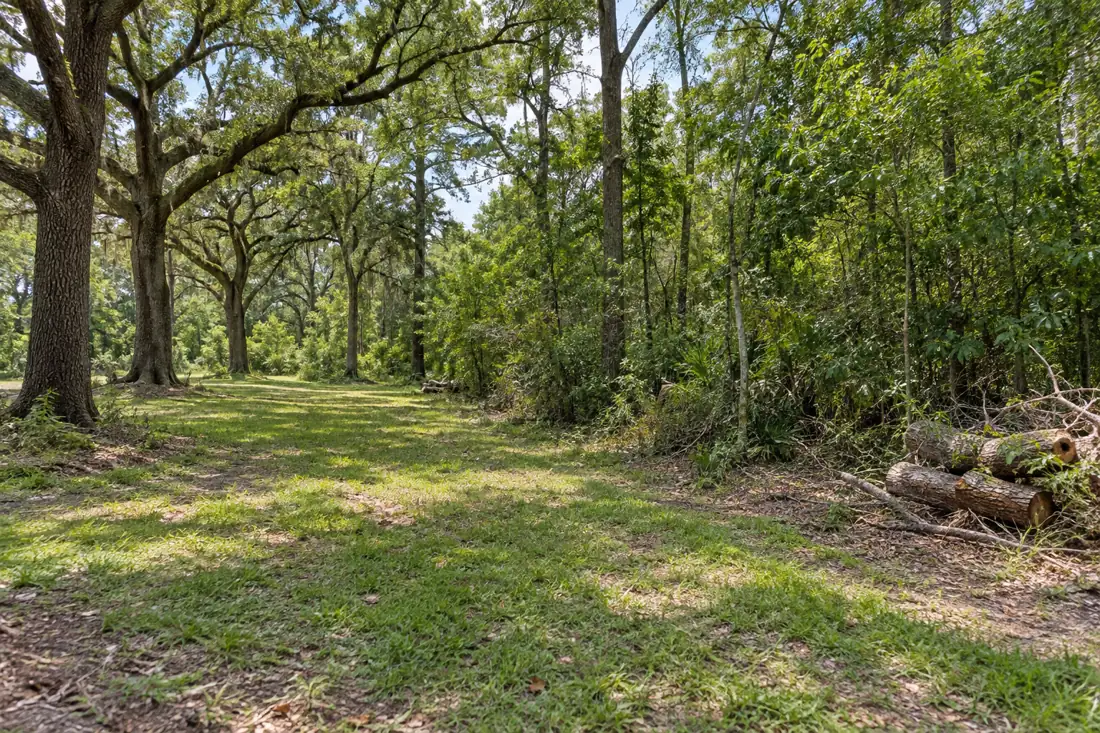
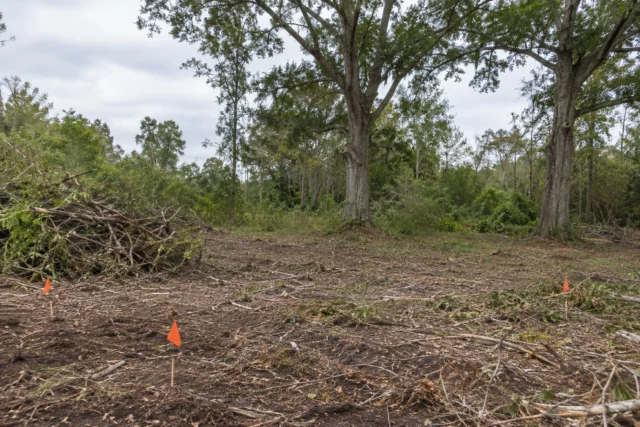
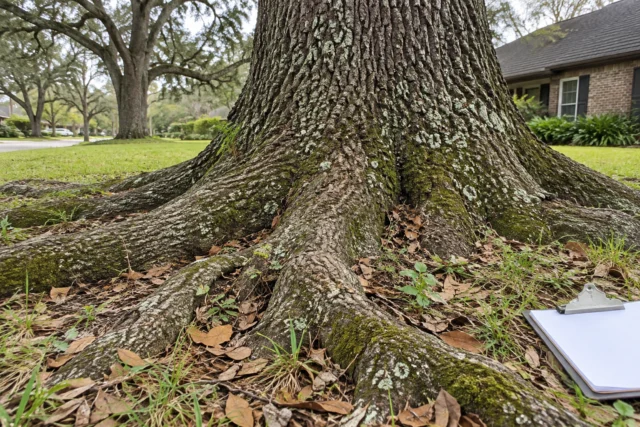
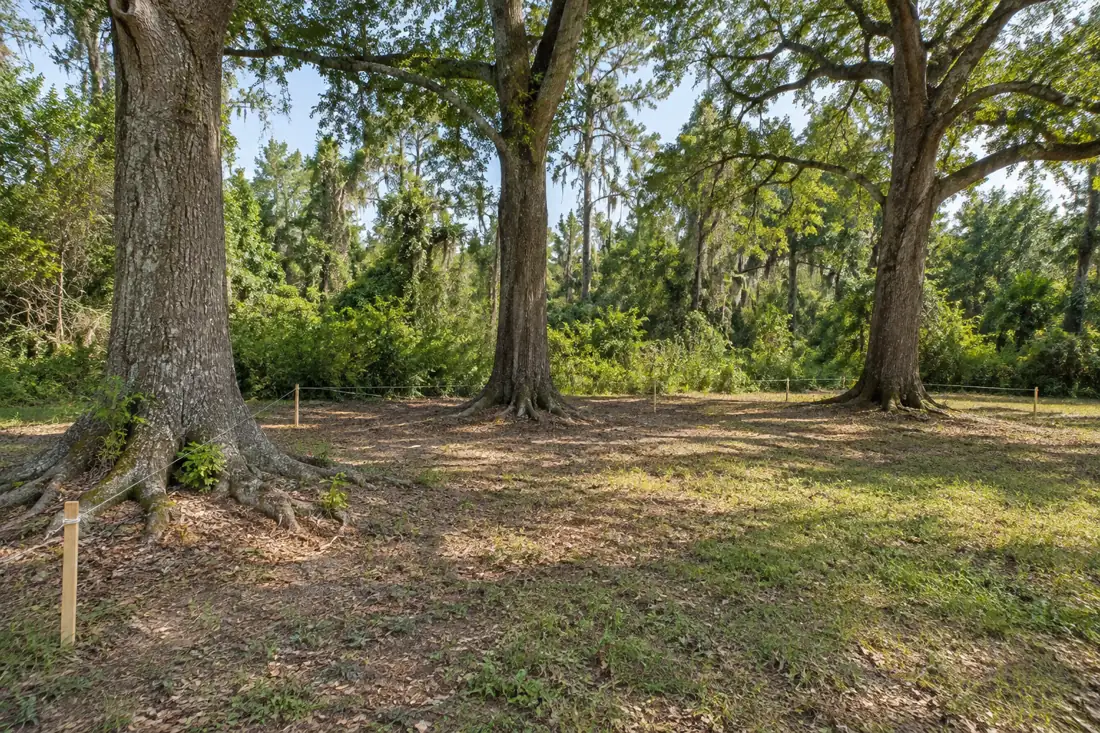
A fence-line scope should identify ownership, vegetation to remove and what parts of the fence must remain. Vines and roots may conceal damage or buried material. Confirm access from either side through the appropriate owners. The quote should distinguish clearing from fence repair and define how material will be removed.
Site-specific planning checkpoint: Fence-line clearing starts by distinguishing vegetation tangled in the fence from trees or roots that may be shared or close to the property boundary. Photograph both sides where lawful access is available, identify weak panels, gates, posts and any old wire hidden by vines. Confirm permission before workers enter an adjacent parcel or remove a tree whose ownership is uncertain. Vines may be supporting damaged fence sections; stripping them rapidly can expose instability that a vegetation-only quote does not repair. For young trees growing through chain link, agree whether stems will be cut flush or whether stump treatment is separately included. Keep debris staging away from pedestrian routes and avoid stacking limbs against a fence. The estimate should distinguish brush cleanup, tree work, fence repair exclusions and the exact length and width of the intended clearing corridor.
Walk the entire proposed clearing line from a safe position and mark the sections where vegetation obscures posts, rails, drainage openings or neighboring property.
Confirm the fence boundary and the intended clearing width
A fence line may be a convenient visual marker, but it is not always the legal property boundary. Start with current survey or parcel information where available, and have the owner identify the precise vegetation to be removed. Mark whether the goal is to restore a narrow inspection strip, protect a fence from branches or open a wider path for future maintenance. These outcomes call for different equipment and clearing limits.
Check who owns the fence and whether roots, limbs or vines cross onto neighboring land. Do not cut another owner's tree or enter a neighbor's yard based only on the position of a panel. Resolve permission questions before the crew arrives so a routine clearing project does not become a boundary dispute.
Compare the visible fence with a current survey or other authoritative boundary information before ordering a narrow strip cleared. Mark trees that straddle the apparent line or lean across it for separate discussion. The crew needs an agreed work corridor, not an instruction to cut everything within arm's reach.

Inspect fence construction and existing condition
Wood panels, chain link, masonry walls and temporary construction fencing tolerate nearby operations differently. Photograph leaning posts, broken rails, buried wire and attachments that vegetation may hide. A vine can be supporting a rotten panel, so removing it may reveal a pre-existing failure. The tree-service scope should distinguish careful vegetation handling from fence restoration.
Walk the full line where safely accessible and mark gates, corners and changes in elevation. Ask the owner which sections can be moved with permission and which must remain secure. If a panel needs temporary removal, identify who will reinstall it and how the property will be protected while the opening is present.
Three different fence-line situations that should not share one generic price
Illustrative planning situations, not photographs or claims of completed customer jobs.
Vines woven through an aging wooden fence
An old wooden panel may already be weak, while a thick vine hides loose nails or cracked rails. Cutting vegetation can reveal damage without being the source of the damage. An owner should document the visible condition and decide whether the goal is trimming from one side, complete vine removal or preparation for a separate fence contractor. The clearing quote should not promise that deteriorated panels will remain structurally sound after the vegetation is detached.
Saplings pushing through a chain-link run
Small trunks may have grown through chain links and fabric tension. Simply pulling stems can deform the fence, while grinding stumps against metal may not be appropriate. Number the affected segments, identify the roots and access from the owner's side, and ask whether fence disassembly will be needed by another trade. The buyer should separate cutting and debris handling from future fence reconstruction rather than treating both as a single undefined clearing task.
Mature shade tree near a shared line
A mature tree close to a fence creates a different issue from brush: canopy health, root retention and ownership may affect what can lawfully and safely be cut. The physical fence is not an adequate boundary determination. If a root or major limb is disputed, stop that part of the work until property rights and a qualified tree assessment are resolved. A narrow vegetation corridor may still be achievable without turning an uncertain shared-tree decision into an unauthorized removal.
Record these three decisions
- Panel condition and vegetation attachment
- Fence repair versus clearing responsibilities
- Ownership and retained-tree decision
An agreed fence-side boundary and access plan
Walk the entire proposed clearing line from a safe position and mark the sections where vegetation obscures posts, rails, drainage openings or neighboring property. A fence is a physical feature, not proof of the legal boundary. Where ownership or encroachment is disputed, obtain proper records or professional boundary advice before treating the fence as permission to cross.
Separate trimming vegetation on the owner's side from work requiring entry or cutting on the neighboring side. Identify who can authorize access and how a locked gate, pets, children or a shared alley affects staging. Consent to enter does not automatically authorize cutting a neighboring tree or removing a fence section.

A fence-line record that prevents scope confusion
Photograph the fence before work from each accessible side, including loose posts, gate hinges, sagging panels and any wire or irrigation attached to it. Flag the exact vegetation to be cut, not simply every plant that grows near the line. An old vine woven through wire or slats may be providing accidental support; removing it can expose an existing fence defect rather than create a new one. Record those conditions before the bid is accepted.
The property line does not authorize crossing it. Confirm who may open a neighboring gate, whether material can leave through that route, and where piles will sit. Agree whether disposal, stump treatment and fence clearing share a scope or are separate decisions. Photograph the final fence run from the same safe ground positions.
Photograph both ends of the fence run and any visibly weak or leaning panels before work begins. Use a simple segment list—front corner, gate, rear corner—so a proposal can specify which plants are to remain. Vines woven through deteriorated panels may hold material in place; the crew needs to consider whether clearing could expose or worsen that condition.
Ask the estimate to state whether fence disassembly, temporary protection, vegetation disposal, stump work and restoration are included. Define a cleanup route that avoids piling brush over a neighbor's access or drainage path. Compare the completed segments to the agreed segment list, not just a general photograph of a cleaner yard.
Before accepting the work plan
- Clarify the real property boundary separately from the fence position.
- Number each fence segment and identify gates or shared access.
- Price clearing and fence repairs as distinct responsibilities.
Clear brush without undermining posts
Brush cutters and mulchers can damage post bases and shallow footings if used too aggressively against the fence. Where the vegetation is intertwined with wire or rails, hand work may be necessary. Mark buried irrigation and utility lines before disturbing soil, and do not assume a post hole area is clear of private cables or pipes.
Cut growth in manageable sections rather than pulling large vine masses against the structure. A rapid mechanical pull may loosen an already weak fence or tear fasteners from a sound panel. The estimate should reflect the extra precision required at posts and corners instead of pricing the job as though all vegetation stood in an open field.
Brush can hide weak posts, buried tension wire and roots that support the soil around a fence. Test access visually before pulling vegetation with equipment. Where posts are already leaning, document their condition and choose hand removal or a revised path rather than attributing every later defect to tree work.

Evaluate overhanging branches independently
A branch extending above a fence may be a nuisance, a clearance issue or part of a structurally important canopy. Identify the actual conflict: contact with panels, blocked access, poor visibility or a concern about branch failure. These are different reasons for pruning and deserve a specific objective rather than indiscriminate cutting along the fence top.
Use qualified tree assessment where defects or risk are suspected. Avoid topping or making flush cuts to create an artificially straight edge. A narrow clearance target may be achievable by selective pruning, but if the necessary cut would be excessive, consider modifying fence maintenance access or another long-term solution.
Treat fences as boundaries and fragile structures, not convenient landing zones
A fence-line clearing request often mixes vines, volunteer trees, branches crossing the line and roots close to posts. Determine which vegetation is actually intended for removal and whether the fence is wholly within one property or appears shared. A leaning trunk may be supported by the fence, and cutting vines or limbs without understanding that load can worsen the problem.
Photograph the line from safe accessible spots, including posts, gates, nearby sheds and overhead services. Do not climb over a fence or authorize work from a neighbor's side just because a branch crosses it.
Ask the responsible property owners how access and permissions will work if equipment, workers or lowered material must cross the boundary. A visible fence is not a legal survey; use authoritative information when ownership determines the work limit. Include whether the quote covers brush hauling, root or stump grinding near posts, protecting gate hardware and removing clinging vines from the fence.
Fence repair or replacement should be a separate scope rather than an assumed part of tree clearing. Where large mature trees are involved, selective pruning or assessment may be more suitable than clearing every branch toward the property line.
Protect roots of trees meant to remain
Fence clearing near mature trees can expose or damage important roots, particularly where a machine follows the same strip repeatedly. Mark retained trunks, visible buttress roots and appropriate root protection zones. Choose a debris path that avoids compacting the soil beneath valuable canopies. A clean fence line should not come at the cost of destabilizing a tree the owner hoped to keep.
If a stump sits directly against a post, grinding must be evaluated carefully. Removing underground wood can disturb footings or retained roots; cutting indiscriminately is not a reliable method. State what stump work can be completed without damage and what may need further review or a different trade.
Large roots often cross from one side of a fence to the other, and a surviving tree may rely on them. Avoid specifying a deep continuous trench simply because the cleared strip looks narrow. If future fence replacement requires excavation, coordinate that design with a qualified tree professional.

Clear a Fence Line Without Creating New Damage
Fence-line clearing becomes complicated when vegetation hides the line and the condition of posts is not visible. Start by identifying the portion of fence that belongs to the requesting property and describing the desired finished width. A fence is not necessarily a surveyed property boundary, so avoid instructing workers to clear beyond it based solely on assumption. Take safe photographs from both ends and note leaning panels, wire, old posts and any growth that appears to cross from neighboring land.
Brush and vines can wrap around posts or conceal fasteners and electrical or irrigation services. Pulling them free with equipment can loosen an otherwise stable fence; scraping the soil alongside posts can reduce support. Discuss whether hand cutting and staged removal are more suitable than pulling everything out in a single pass. Large woody stems should be identified separately from small weeds, and roots of protected nearby trees should not be cut simply to produce a perfectly bare strip.

Confirm boundary rights and protect fence posts
Consider where debris can be carried when a long narrow corridor has no turning space. A pile beside the fence may block the only gate, cover a drainage outlet or make inspection impossible. If branches hang from a tree rooted beyond the boundary, ask what work is authorized and whether access from the adjoining lot is needed. Do not treat permission to clear your own brush as permission to enter or alter someone else's tree or fence components.
The written scope should explain the clearing distance, vegetation categories, methods around posts, included hauling and the condition in which the corridor will be left. Photograph known fence defects before work and inspect them afterward without promising that an old fence will become new. If a replacement fence follows, coordinate the vegetation removal and stump decisions with the fence installer. The aim is an accessible, maintainable line, not hidden damage under a fresh layer of chips.
Plan safe access along narrow side yards
Fences often form long corridors between buildings where equipment turning is limited. Measure actual gate openings, steps, slopes and overhead obstructions, including service drops and low branches. A machine that fits through the gate still needs working clearance and a safe exit. Consider whether debris can be carried out without scraping siding or blocking the only route.
Set a controlled work zone that keeps children, pets and visitors away from cutting and moving material. Where a shared access path serves multiple properties, coordinate any temporary closure appropriately. The owner should not promise normal passage while the crew is operating in a corridor only a few feet wide.
Keep drainage channels and outlets clear
A fence line may also follow a ditch, swale or low property edge. Tall weeds can disguise culverts and steep banks. Identify water flow before stacking brush, and avoid equipment ruts that dam a shallow drainage route. Do not push cut material beneath a fence into a neighboring ditch just to make the owner's side look neat.
Any proposed excavation or reshaping of a ditch should be treated as a separate drainage question, not incidental vegetation clearing. At closeout, inspect accessible inlets and flow paths for branches and chips. A fence clearing job can improve visibility and access, but it should not be represented as a drainage-system repair.
Fence-line swales may be the only drainage route between neighboring yards. Set aside a debris collection area away from inlets and check for hidden low points after brush is cut. The final walk should confirm that no logs, mulch piles or displaced soil dam up ordinary rainwater.

Handle cut material without using the fence as a rack
Stacking heavy logs against a fence can bend posts, obstruct gates and trap moisture. Choose an independent staging place accessible to the hauling vehicle. Separate brush, chip material and logs the owner wishes to retain, with clear instructions about whether wood will be removed or left in a safe designated location.
If the contractor plans to chip on site, confirm where the chipper can stand without throwing material toward windows or a public walkway. Hauling narrow sections of long brush may require more labor than cutting in an open lot. Explain this practical difference in the estimate rather than hiding it inside an unexplained charge.
Coordinate changes with the neighboring owner
Where branches or vines span a boundary, clear communication can prevent unnecessary conflict. The authorized property contact should explain the general work limits, possible access restrictions and any permission being requested. Do not disclose private household information or present a neighbor's silence as consent to enter their property.
If a disputed tree or fence section affects the method, defer that section until control is confirmed. Contractors can document the physical condition and possible alternatives without deciding legal ownership. A limited, lawful job is preferable to a broad cut that creates a lasting dispute.
If access or trimming affects a neighboring parcel, agree on the specific work and entry method before scheduling. Keep a written record of what each owner approved without suggesting that one signature replaces required local permissions. This is especially important where the fence itself belongs to only one party.

Define the final fence-line finish and upkeep
Before approving the job, specify the intended result: vegetation trimmed back, brush removed to ground level, selected saplings cut, stumps treated or full material hauling. Those results are not interchangeable. A visually open strip may still contain roots and seeds that regrow, so do not describe ordinary cutting as permanent eradication.
Inspect gates, posts and drainage paths after cleanup, noting any previously damaged or newly exposed features. Keep a simple maintenance schedule for regrowth and selective pruning that respects retained trees. The project succeeds when the owner has a practical, safe corridor to maintain—not merely when the fence is briefly visible from the street.
Questions about this project
What should be marked before selective clearing?
Identify the authorized boundary, trees or landscape to retain, vegetation to remove and any restricted access. Make sure the site markings, map and written scope describe the same work before equipment enters.
Does clearing include grading and construction preparation?
Only where those tasks are specifically included and appropriately assigned. Tree and brush removal, stump work, excavation, grading and base preparation are different responsibilities with potentially different completion requirements.
Can the contractor use my neighbor's yard?
Only after the required permission and suitable access arrangements are in place. Identify the proposed route and who can authorize it. A quote accepted by one owner does not automatically grant access to someone else's land.
Does a tree estimate determine the property boundary?
No. Resolve an uncertain boundary or ownership question using appropriate property information and professionals. The tree contractor needs an authorized scope and access plan, but a visual work estimate is not a survey or legal determination.
Which property features should I point out?
Identify buildings, vehicles, fences, fixed fixtures, landscape features, utilities and occupied routes. Explain what can move and what must remain. Include existing damage and any buried features you know about along the access route.
Should people remain inside the work area?
The contractor and site contact should establish an exclusion area and access arrangements appropriate to the work. Keep children, pets, visitors and other workers outside the active zone until the responsible parties say it can reopen.
Does vegetative-debris hauling include building waste?
Do not assume it does. Describe mixed roofing, fencing, soil or other material before pricing. Ask what is accepted in the scope and what needs a separate provider or handling arrangement.
Why does access affect a debris-removal price?
The route, loading position, carrying distance and obstacles affect how material can be handled. Send photos of both the pile and the access, and identify any remaining tree or utility hazards.
How should extra work be approved?
Use the agreed approval process and identify the change, reason, scope, price or schedule effect as applicable. Confirm who has authority before treating an additional tree or task as part of the original job.
What completion records are useful?
Keep the agreed scope, tree or area identification, authorized changes, invoice and labeled photos where appropriate. Include unresolved items and a contact. Contract-specific records should follow the buyer's stated requirements.
What should I tell Tree Huggers about tree clearing along a fence line?
Explain the property address, the work you want and the specific concerns: ownership, concealed fence damage, access. Send safe photos of the tree, surroundings and access route. The contractor can then discuss the assessment and scope needed for this situation.
How do I request an estimate for this work?
Call 504-458-8336, text photos or use the estimate form on this page. Include the address, desired outcome and any timing constraints. The company will need to review scope and availability; an online request does not confirm a price, appointment or emergency dispatch.
Get a scope for your property
Send wide views along the entire fence, note any disputed boundary or shared access, and identify where debris can be removed.