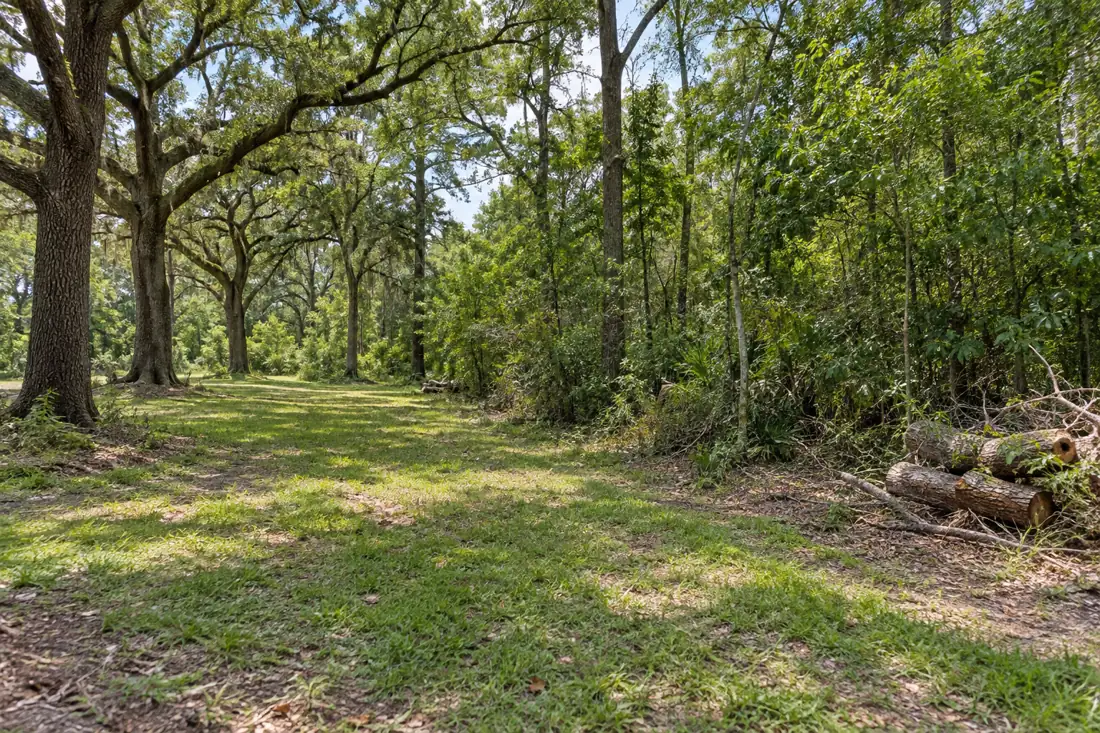
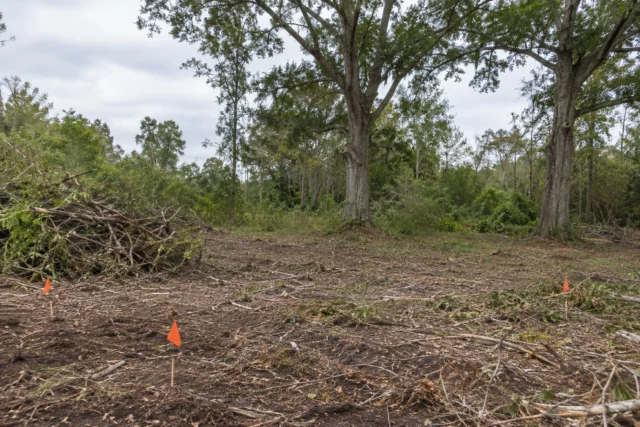
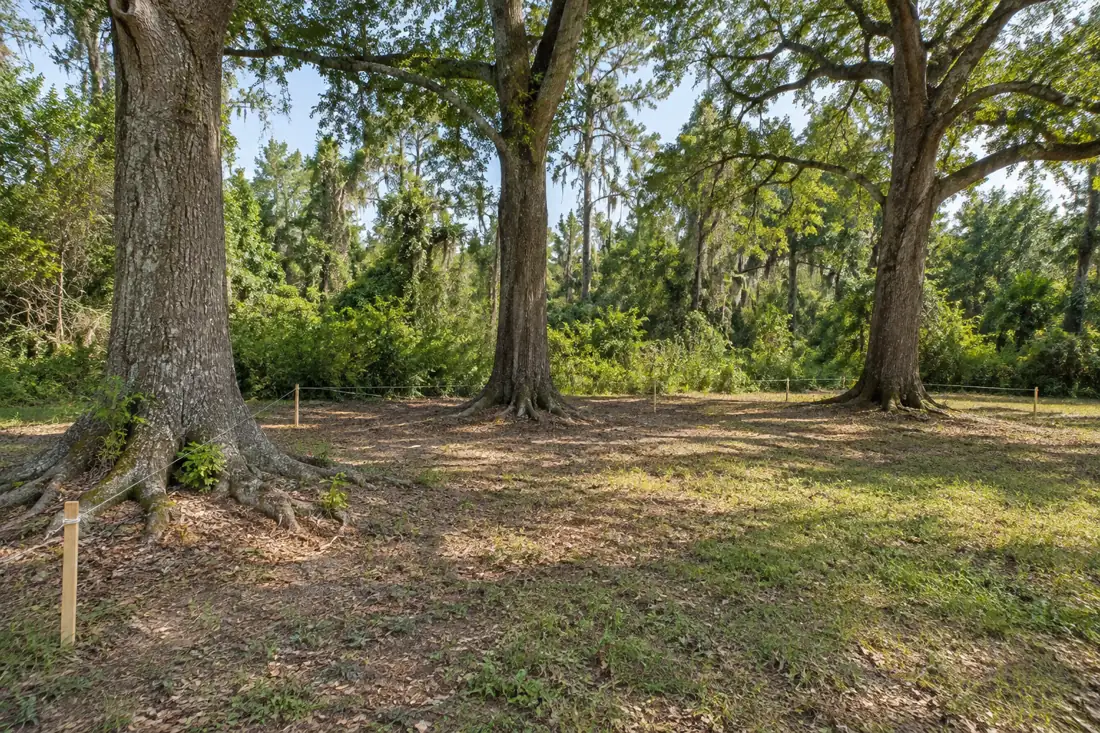
Clearing and disposal should be described together so the site is not left with unexpected piles. Identify the material, hauling access and any separate waste streams. The buyer should state required records or destination restrictions where applicable. Stumps, soil and demolition waste need explicit treatment in the scope.
Site planning detail: Tree clearing and debris disposal are related but distinct services, and a scope should be explicit about both. Start with the trees or vegetative areas to remove, the limits of cutting and any trees to preserve. Then describe expected branches, logs, chips, brush and stumps rather than using a blanket phrase like all cleanup. Identify where material may be staged, how trucks will enter, whether chipping is appropriate and whether any wood remains on site.
Mixed demolition waste, fencing, metal and household debris should not silently be included in a vegetative-only disposal plan. Restoration is a separate question: does the finished condition require raking, soil grading, erosion protection or new landscaping? A written end-condition checklist helps property owners compare bids and avoids pretending that an unknown amount of debris has a fixed price.
Debris from land clearing is not one uniform material.
Translate debris disposal into an itemized scope
Tree clearing generates different materials: small brush, leafy branches, large limbs, trunks, stump grindings and sometimes nonvegetative waste hidden on the site. A useful estimate identifies which of those are included rather than stating only 'all debris removed.' The amount of material, its size and the available loading route can change the work substantially even on parcels of similar area.
Ask the owner to mark any logs or chips to be retained before cutting begins. Define the intended final condition with examples such as a clear driveway, empty staging pad or approved stack away from drains. This prevents a disagreement where the contractor considers neatly piled wood complete but the owner expected every piece to leave the property.
Specify whether the quoted service includes gathering scattered branches, chipping, loading trunk sections, removing chips and sweeping the staging area. Materials left neatly stacked are still materials on site. A written completion description helps the owner distinguish an actual haul-away service from a cut-and-pile scope.

Estimate material volume realistically
A canopy that looks modest from above can create a large brush volume after branches spread on the ground. Dense vines and saplings behave differently from long trunk sections that can be loaded mechanically. Walk the site and account for cut length, vehicle access and whether vegetation is tangled in fences or buildings. Do not rely only on acreage to estimate hauling.
Where piles are already present, distinguish old material from fresh clearing. Unknown buried rubbish, saturated wood and inaccessible logs can require additional handling. The quote should identify assumptions and a clear process for approving changes if the actual material differs from the visible inventory.
State what leaves the property and what stays
Clearing bids are difficult to compare when one includes removal of logs and chips while another leaves piles onsite. Describe expected material categories, whether large wood may be retained, any desired mulch use and the area available for temporary stacking. Ask how wet ground, narrow gates or restricted truck access may change the hauling method and whether disposal charges are included or provisional.
The written agreement should distinguish brush reduction, root or stump work, loading, lawful disposal and final raking or surface preparation. Completion photographs should show the agreed disposal and retention areas rather than just a cleaned viewpoint.
Three debris outcomes that look similar in a bid but are not equivalent
Illustrative planning situations, not photographs or claims of completed customer jobs.
A brush-only clearing area with straightforward access
Where the material is almost entirely small limbs and brush, the key decisions may be whether it is reduced on site or loaded for removal and where the truck or chipper may operate. A proposal should name the owner-approved exit route and explain whether chips are retained or exported. There is no reason to advertise an invented tonnage, truck count or disposal destination before material and access have been assessed.
A few heavy logs the owner wants to keep
Large sections may be valuable to the owner as future landscape pieces, but their size and location matter. Label which logs remain, whether they must be cut into manageable lengths and where they can be placed without blocking access, drainage or buried features. Keeping material on site is a distinct finish from complete removal, and the estimate should state who will move retained wood again if another contractor later needs the space.
Vegetation piled over unidentified construction waste
Mixed loads can contain metal, plastic, wire, treated material and hidden debris that do not belong in an ordinary tree-chip process. The crew should not assume the visible pile is all green waste. Ask for a separate inspection and written handling decision when unexpected material appears; an authorized hauler or disposal service may be required for some categories. Record the change before collecting or moving material that was not included in the original tree scope.
Record these three decisions
- On-site reduction versus export
- Owner-retained logs and chips
- Unknown waste and change approval
Turn a debris-disposal promise into a verifiable work scope
Debris from land clearing is not one uniform material. Separate leafy brush, branch wood, large trunks, root balls, stump grindings, soil and any non-tree waste found on site. The proposal should explain which categories are included, which remain for another contractor, and whether material will be chipped, hauled, staged or reused with the owner's approval.
Describe the actual loading path: drive width, overhead clearance, soft ground, nearby utilities and any public sidewalk or street affected by equipment. A truck's ability to reach the neighborhood does not establish that it can safely enter the site. If off-site hauling is proposed, agree on where loads may be staged before pickup and who controls access.

Specify debris by material and final destination
A cleanup quote should identify brush, larger logs, stump grindings and mixed non-vegetative waste separately. Those categories do not always travel in the same truck or qualify for the same receiving facility. Ask whether the proposal includes loading, hauling, disposal, raking and final access clearing. If an owner wants usable logs left behind, mark an exact stacking point and an acceptable piece size instead of assuming all wood will be removed.
Walk the hauling route as well as the cutting area. A small backyard job may become a larger handling operation when the gate is narrow, ground is saturated, or curbside staging is restricted. Before the last load leaves, compare the cleared area with the agreed finish: branches off walkways, no logs blocking drainage or gates, and remaining chips or soil condition explained rather than hidden.
Do not presume every load comes with a scale ticket or that a particular disposal facility accepts every material. If the project contract requires tickets, destination documentation or separate waste tracking, state that requirement before pricing and ask the contractor which records can realistically be supplied. Keep regulated or suspect material out of an ordinary vegetative-debris assumption.
At closeout, compare the completed ground condition with the signed scope. Some contracts intentionally leave stump chips, small mulch or protected groundcover; others require removal. Record any remaining piles, blocked drains or damaged approaches while the site is still accessible, and document approved deviations rather than treating cleanup as a vague final step.
Before accepting the work plan
- List material classes and what happens to each class.
- Map the hauling route and temporary loading area.
- Specify the observable cleanup standard and required records.
Keep vegetative debris separate from mixed waste
Wood chippers and normal green-waste loads should not be used for wire, metal, treated materials, plastic, rubble or household refuse. On a neglected lot, these may be hidden beneath branches. Arrange a safe inspection before processing and stop machinery when unsuitable material is found, rather than forcing the operator to guess what is inside a tangled pile.
State which contractor will manage nonvegetative waste and whether a specialist is required. Unrecognized hazardous materials deserve separate assessment, not improvised loading into a tree trailer. Honest separation protects workers and makes the disposal record credible if the owner later needs to document what material left the site.
Vegetation may be suitable for processing through an ordinary green-waste stream, while soil, concrete, treated timber or unknown containers require other handling. Identify mixed piles before the loader arrives and do not represent an unverified disposal location as approved. Clear sorting reduces contamination and unnecessary reloading.

Choose a safe chipper and loading location
Chippers and loading trucks need stable ground, adequate space and control of bystanders. Identify overhead obstructions, slope, traffic movement, neighboring entrances and the path used to bring brush to the machine. The shortest route is not always the safest when it crosses a public sidewalk or a narrow gate.
An operator should determine equipment setup and exclusion zones based on actual conditions. A homeowner should not be asked to feed material or help direct machine movements. If the chipper cannot be positioned safely, the project may need smaller cutting, manual transport or off-site processing, and those differences should be documented before mobilization.
Write the disposal end condition into the clearing estimate
A tree-clearing quote can mean cutting material and leaving it onsite, piling brush for later hauling, removing logs but leaving chips, or leaving the area free of visible woody debris. Those are different jobs with different equipment, trips and property impacts. Start with a site inventory of brush volume, trunk sections, reachable loading points and any material that is not clean tree waste.
Do not estimate truckloads or disposal fees from a single photograph without site review. Separate clean vegetation from wire, treated lumber, household trash, rubble or suspicious materials that may require specialist handling.
Ask whether the owner needs a specific finish for grading, a survey, fencing or immediate public access, and confirm whether stump grinding, root removal and soil restoration are in or out. Heavy wood may be processed at the tree, carried to a truck or handled with machinery depending on actual access.
A disposal arrangement should address where chips are stored, whether any owner-requested wood remains and when the loading route is returned to use. Do not promise recycling or a named disposal facility without verifying the actual destination. The broader debris-planning guide helps compare post-storm cleanup with a construction-clearing request, which may have a different timetable.
Protect storm drains and roadside ditches
Vegetative piles are especially troublesome in low areas where rain can wash fine leaves, chips and soil into a culvert. Mark inlets, swales and ditch edges before choosing a staging location. Avoid stockpiling across the curb or on a drainage bank merely because it is close to the truck.
At cleanup, remove stray branches and chips from safe accessible drainage paths, and document any pre-existing blockage that needs separate attention. Do not treat a tree contractor as an engineer or promise that hauling debris has repaired an underlying drainage problem. The outcome should be a clear material-handling zone without new obstructions.
Put temporary chip piles away from catch basins, roadside ditches and low driveway entrances. Even a short storm can move fine particles into grates. Include a final walk of visible drains in the closeout plan and document existing blockages separately rather than making unsupported claims about drainage repairs.

Decide whether reusable wood stays on site
Some owners want firewood, logs for habitat or chips for paths, while others want a completely empty lot. Record the request before material is cut to lengths unsuitable for the intended use. Wood may be too large, rotten or contaminated for a particular purpose, so the crew should not guarantee every log will be usable.
Choose a designated retention area away from buildings, gates, flood routes and retained-tree root zones. Specify who will move or process the material later. A retained log pile should not silently transfer a heavy lifting task to an owner who expected only a small stack of manageable pieces.
Address stump grindings separately from limbs
Grinding produces a mix of chips and soil that is not the same as clean wood chips from branches. The estimate should say whether grindings remain in the hole, are leveled, are hauled away or receive some other specified treatment. Excavating every root is a different scope and may be impractical around utilities and retained trees.
If the area will be paved or landscaped, coordinate the required finish with that contractor. A tree service can document grinding depth or limits, but cannot certify a final structural subgrade simply because the surface appears level. This separation avoids a costly misunderstanding during the next phase of site work.
Stump grindings contain a mixture of wood and soil and can settle differently from compacted fill. Owners planning turf, paving or a new planting need to know how much material will remain and who will handle replacement soil. Make that an explicit line item rather than a vague cleanup promise.

Plan for constrained access and repeated hauling
A narrow lot or rear yard may require carrying brush through a side gate rather than loading directly. Measure that path and identify steps, soft soil, plants and shared walkways. Extra trips increase exposure to damage and can materially affect labor. Choose a method that fits the property rather than promising a large loader will reach every pile.
Where a route crosses a neighboring parcel or public frontage, confirm permission and restrictions before scheduling. Keep essential doors and emergency routes clear. If hauling must pause for occupancy or traffic, account for it in the plan instead of rushing a loaded machine through an unsafe opening.
Document where material goes without inventing receipts
Some buyers, property managers or project managers want a written record of disposal. Ask what level of documentation is actually available: a job completion note, scale ticket, facility receipt or a photograph of the empty staging area. Do not claim recycling, certified disposal or a specific destination unless records support it.
Discuss local disposal rules with the actual hauling provider and use appropriate facilities for the material. A general blog cannot substitute for current waste acceptance terms. Keeping truthful records is more useful than attaching a generic badge that implies verification no one performed. A ticket, receipt or disposal invoice should be described accurately, including the material and service it actually covers.
Do not imply a specific recycling outcome without documentation. If no paperwork is available, record the confirmed hauling scope and say clearly which destination details were not independently verified.

Inspect the finished site for overlooked debris
At the end, walk the agreed clearing areas, access route and loading location while conditions are safe. Check for small branches, splinters, wire inadvertently exposed by clearing, blocked drains and damage near gates. Compare the result to the written scope rather than judging only from a roadside photo.
Record intentional retained wood and any areas excluded due to safety, ownership or unsuitable materials. If a new pile is discovered behind vegetation, evaluate it as a potential additional scope rather than assuming it was included unseen. A clear closeout gives the owner confidence about what was actually hauled and what still needs attention.
Questions about this project
What should be marked before selective clearing?
Identify the authorized boundary, trees or landscape to retain, vegetation to remove and any restricted access. Make sure the site markings, map and written scope describe the same work before equipment enters.
Does clearing include grading and construction preparation?
Only where those tasks are specifically included and appropriately assigned. Tree and brush removal, stump work, excavation, grading and base preparation are different responsibilities with potentially different completion requirements.
Does vegetative-debris hauling include building waste?
Do not assume it does. Describe mixed roofing, fencing, soil or other material before pricing. Ask what is accepted in the scope and what needs a separate provider or handling arrangement.
Why does access affect a debris-removal price?
The route, loading position, carrying distance and obstacles affect how material can be handled. Send photos of both the pile and the access, and identify any remaining tree or utility hazards.
Does cleanup include every root and wood chip?
That depends on the written scope. Tree removal, stump grinding, chip hauling and root excavation are different tasks. Ask what material is removed, what remains and whether soil or landscape restoration is separately included.
What should a final walk-through check?
Compare the identified trees and tasks with the agreement. Check agreed debris handling, stump treatment, access openings and any listed restoration. Record unresolved items clearly instead of relying on a general impression that the property looks finished.
How should extra work be approved?
Use the agreed approval process and identify the change, reason, scope, price or schedule effect as applicable. Confirm who has authority before treating an additional tree or task as part of the original job.
What completion records are useful?
Keep the agreed scope, tree or area identification, authorized changes, invoice and labeled photos where appropriate. Include unresolved items and a contact. Contract-specific records should follow the buyer's stated requirements.
What should I compare besides the price?
Compare tree identification, work objectives, access assumptions, hauling, stump treatment, site finish and exclusions. Ask whether permits or other coordination are part of the scope and who can approve changes if conditions differ.
Does an online request book the crew?
No. A request starts the estimate conversation. The company still needs to discuss scope, availability and any site assessment. For a dangerous or urgent condition, call 504-458-8336 rather than relying on a form response.
What should I tell Tree Huggers about tree clearing and debris disposal scope?
Explain the property address, the work you want and the specific concerns: material types, hauling access, disposal limits. Send safe photos of the tree, surroundings and access route. The contractor can then discuss the assessment and scope needed for this situation.
How do I request an estimate for this work?
Call 504-458-8336, text photos or use the estimate form on this page. Include the address, desired outcome and any timing constraints. The company will need to review scope and availability; an online request does not confirm a price, appointment or emergency dispatch.
Get a scope for your property
A clearing quote can describe cutting but leave the owner with brush, root balls, stacked logs or unexpected disposal costs. Start with a material inventory: standing trees, fallen woody material, vines, brush, stumps and nonvegetative debris. Record access from the street to the proposed loading point and any obstacles that limit truck size or ground support. Do not assume mixed household waste, demolition rubble or potentially contaminated material is accepted under a vegetation-disposal scope.
Ask for a written description of how each material stream will be handled: chipped on site, stacked for owner use, hauled to an authorized facility or explicitly excluded. Clarify stump grinding depth, chip backfill, surface grading, sweep-up and whether soil repair is part of another contract. If the site will later be developed, connect the clearing boundaries with the next trade's requirements so utility markings, retained trees and drainage routes survive the work. Keep change approvals and disposal documentation proportional to the project.