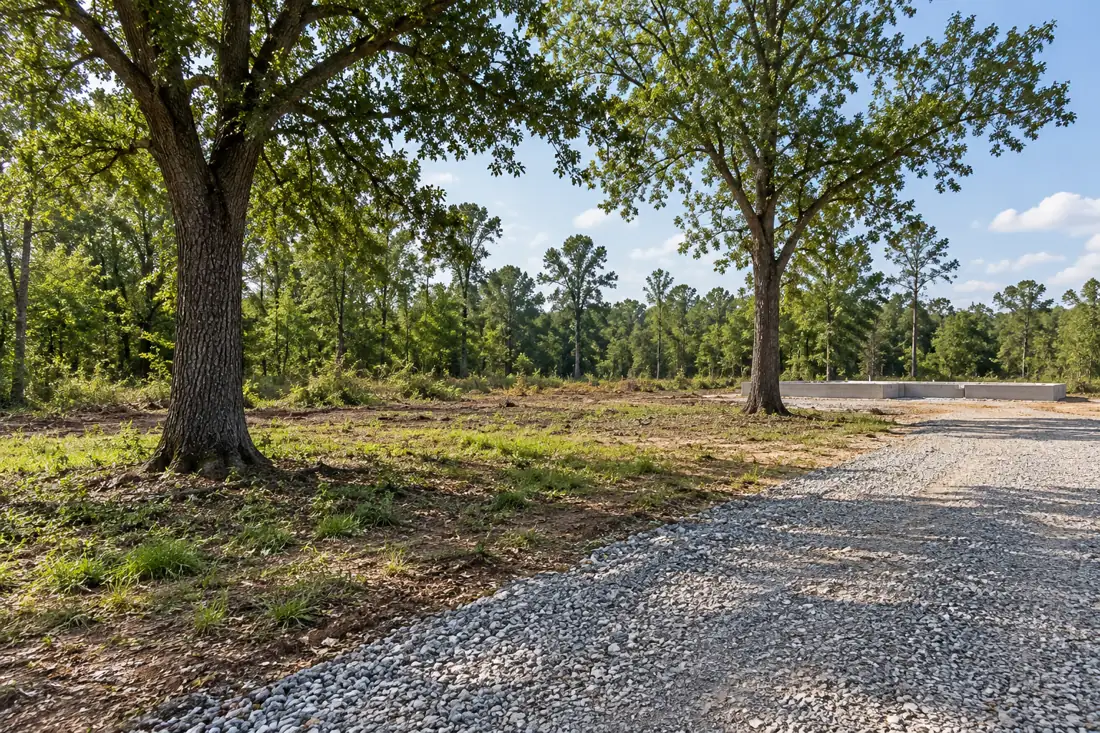
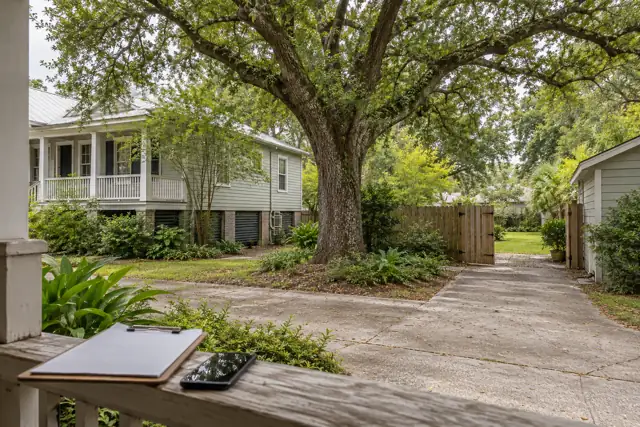
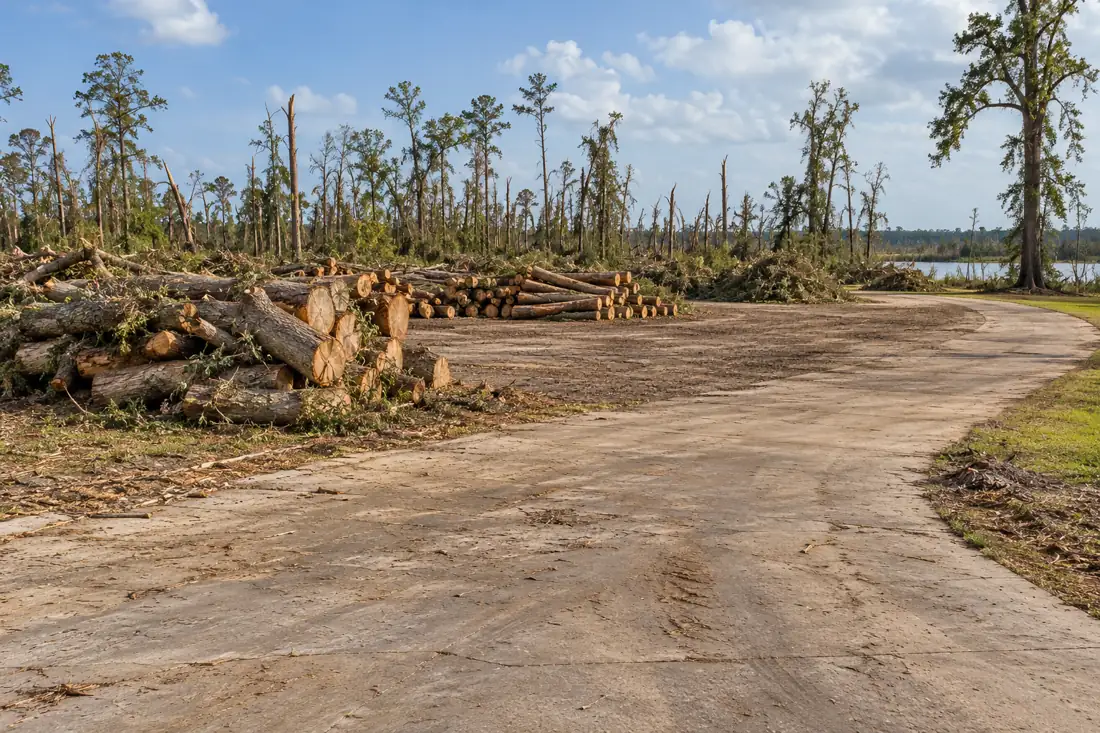
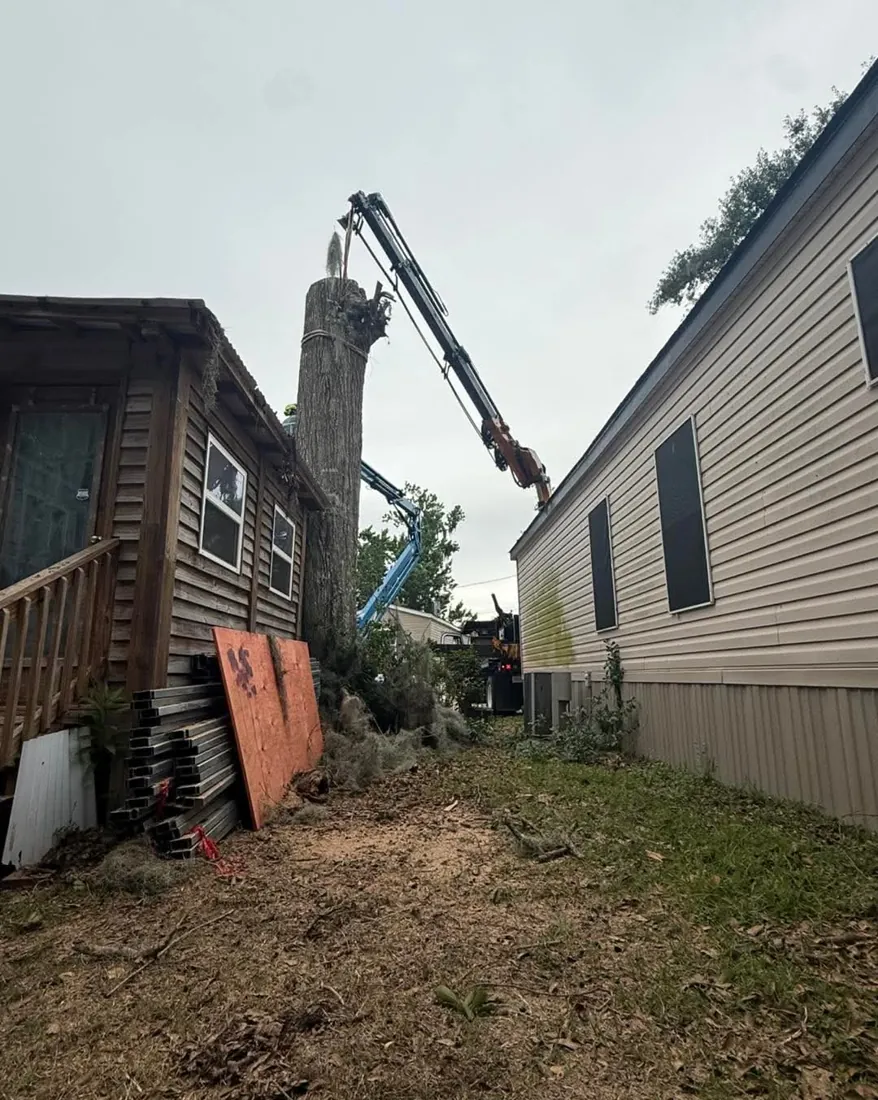
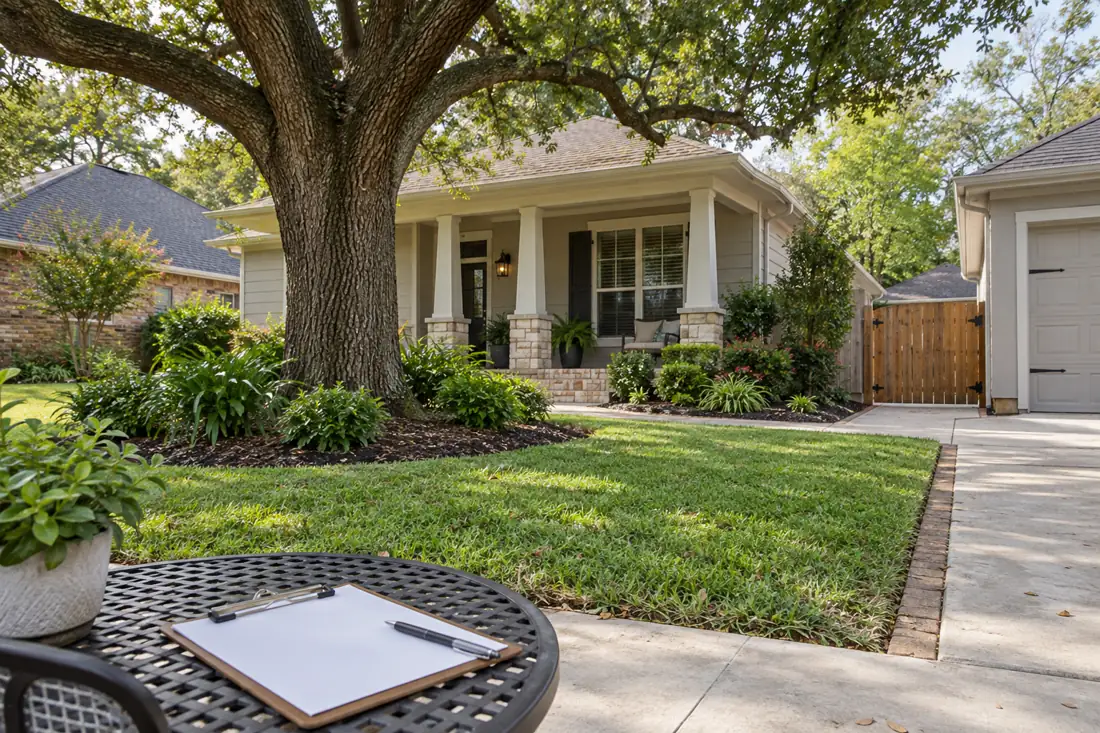
Hosting can put more people and vehicles beneath trees than the property sees during an ordinary week. Review the spaces you plan to use and raise existing tree concerns early. If work is needed, arrange access and cleanup before visitors arrive. Do not make last-minute severe pruning a substitute for assessing a defect or defining the actual clearance objective.
Draw the arrival route before planning the outdoor space
Visitors may use parts of your property that are quiet during an ordinary week. Start with where cars will arrive, where passengers will step out and how people will reach the entrance. Include delivery access and any route needed by someone who cannot use steps. A tree beside an empty drive can become part of a busier space when several vehicles arrive together, so describe the intended use when raising a concern.
Keep this route plan separate from a declaration that the tree is safe. It identifies the places to discuss and the access you need for an event. If a tree condition already concerns you, arrange the appropriate assessment rather than relying on the fact that guests have parked there before. Explain the dates and the spaces involved, including the alternative route available if the preferred entrance cannot be used.
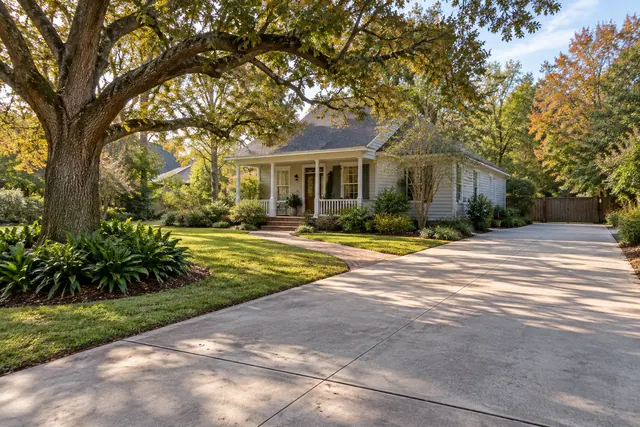
Raise an existing tree concern before adding decorations or seating
Choose the proposed seating, lighting and parking areas with current tree concerns in mind. If you have noticed a changed lean, hanging material, a crack or another concerning condition, avoid placing people beneath it while waiting for advice. Moving a few chairs does not establish the boundary of a possible hazard, and an event layout is not a substitute for assessing the tree.
The ISA tree-owner risk guidance provides background on recognizing concerns and obtaining appropriate help. Share what you observed, when it changed and which area you hoped to use. If the condition cannot be reviewed before the gathering, discuss the practical options with the responsible professional and use another suitable space. Do not treat a calendar deadline as evidence that an unresolved tree condition can wait.
Ask for the clearance you need without prescribing drastic pruning
A low branch over a driveway, foliage beside a gate and a limb touching a building create different clearance discussions. Show the intended route and describe the actual vehicles or movement that need to fit. A contractor can then assess the tree and the pruning objective. Asking to make the tree smaller everywhere may lead to a very different scope from the limited access problem you meant to solve.
Avoid last-minute topping or severe cutting as an event preparation shortcut. Tell the provider what you want retained as well as the space you need opened. For ordinary maintenance questions, use tree trimming and pruning; for an observed defect, ask whether an assessment should come first. The accepted scope should identify the intended trees and objective rather than relying on a broad promise to clear the yard for a party.

Put the contractor's access and guest access on different schedules
Tree work and visitor arrivals should not be competing for the same gate, driveway or loading space. Explain when the property is available for a visit or proposed work and when deliveries, decorating or guests are expected. Tell the provider about tents, temporary furniture and parked vehicles that could change the route described in the estimate. Ask what needs to be moved and by whom before the work window is confirmed.
A preferred completion date is a request, not a booked crew or a guarantee that a condition can be handled before the event. Confirm the actual appointment and accepted work arrangements directly. Avoid promising guests that the tree work is settled merely because a form was submitted. Where access is shared, coordinate with the owner or manager who controls it instead of assuming that an event invitation gives permission for equipment to enter.
Name one person who can coordinate the property during the work visit, particularly when a family member, event organizer and rental supplier are all involved. Give that contact the accepted access plan and a way to reach the contractor. If a delivery time changes, report the change rather than asking a crew already on site to improvise around arriving guests. Keep the event setup outside any agreed work area until the contractor has confirmed that the relevant stage is complete.
Make the cleanup expectation visible in the quote
Explain which spaces must be available after the agreed work. If guests will walk along a side path or park beside a lawn, identify those locations rather than asking for a generally clean property. Clarify branch and log hauling, material retained by the owner and any separate stump work. A proposal that leaves wood in a designated area can be legitimate, but that area needs to fit the way you plan to use the property.
Ask separately about grindings, soil, small twigs and surface restoration where they matter to the intended finish. Tree removal, stump grinding and a landscaped surface ready for an event are different tasks. The debris removal page and stump grinding page help frame those separate requests. A precise finish avoids the awkward discovery that the lowest quote covered a different result from the one the host expected.

Keep decorating and electrical arrangements with the right people
Temporary lighting, power leads and decorations introduce their own access and electrical questions. Do not attach a decoration to damaged wood or ask a tree crew to resolve an electrical concern as part of a routine pruning estimate. Explain any overhead services to the company before work is planned, and use the appropriate qualified provider for electrical arrangements.
OSHA’s tree-care inspection guidance identifies the serious electrical and other hazards involved in tree operations. For the host, the practical step is to disclose the site conditions and keep people clear. Do not direct equipment toward a line or assume a line is harmless because an area has lost power. If an immediate utility hazard exists, contact the utility or emergency authority instead of continuing event setup nearby.
Give the company a short, organized request
Send the property address, intended event date, tree or clearance concern and safe photographs. Include a whole-tree view and the route from the street, not just the branch you would prefer removed. Explain guest parking and any immovable feature that affects access. If the desired result is still uncertain, ask the assessment question first rather than requesting a final price for a method you have chosen from a website picture.
Identify who can approve the work and any change to it. If you are arranging a gathering at a relative’s house, rental or managed property, explain your role and the owner’s involvement. The Tree Huggers contact page offers photo guidance and a callback path. Keep the initial message useful and concise; detailed access or authorization questions can then be resolved in the appropriate estimate conversation.
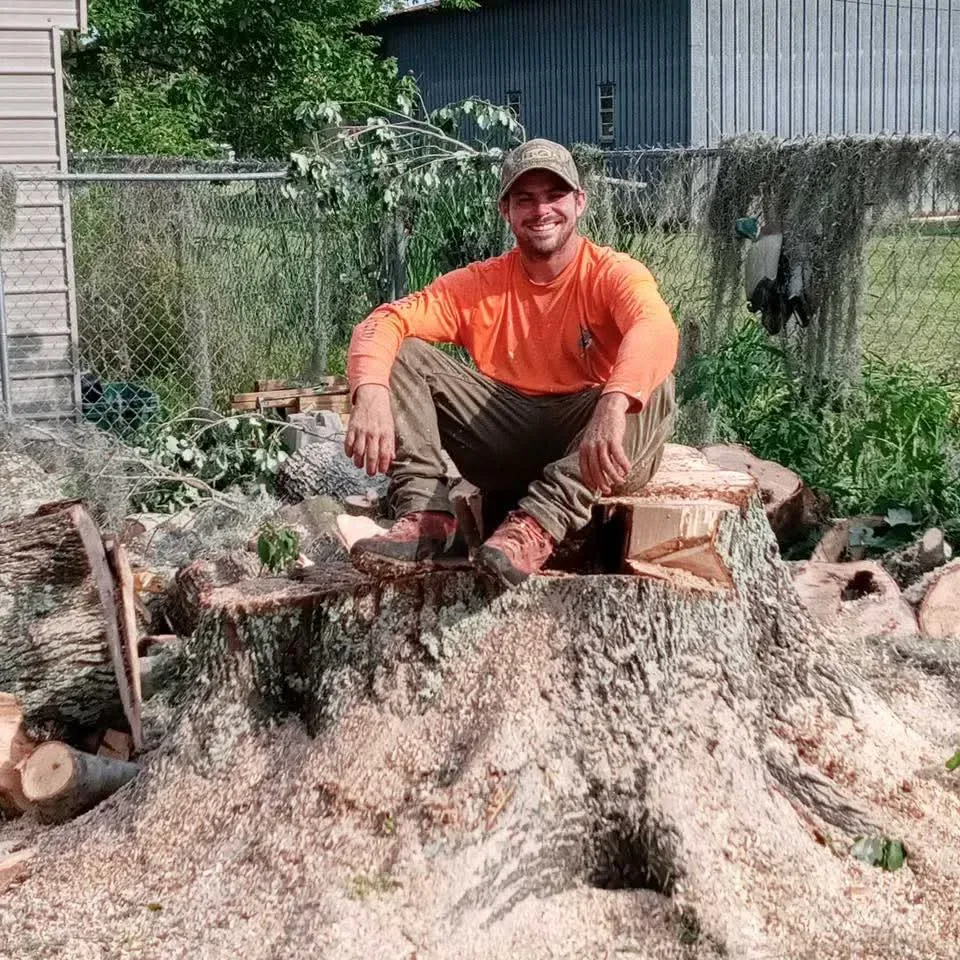
Check the handover before the property becomes busy
When the accepted work is complete, compare the result with the written scope while the locations are easy to identify. Check the agreed walking route, retained wood location, hauling boundary and any separately included stump or surface task. Note an unresolved item by its actual location rather than relying on a general complaint that the yard does not look finished.
An absent owner can arrange an authorized person to handle this review, provided everyone understands that person’s role. Keep the accepted revisions and completion communication together. Do not move retained logs into another access route simply to hide them from the gathering area. If a follow-up task belongs to a landscaper or another provider, confirm that separate handover instead of assuming the tree company’s completion covers all later event preparation.
Design arrivals for people who do not know the property
A host may know which side gate is narrow and which parking bay has a low limb, but a first-time guest does not. Trace the intended route from the street or parking space to the door and gathering area. Consider visitors carrying supplies, a stroller, mobility equipment or a large catering delivery. Note uneven ground, overhead clearance questions and alternate entrances as matters to evaluate; a walkthrough by the host is not a certification that the route is safe.
Plan the delivery sequence separately from guest arrivals. Chairs, tents, catering and waste collection may each require temporary vehicle access near trees. If tree service is needed, coordinate its work window before those deliveries and keep vendors informed about closed routes. Never have helpers move a contractor's barriers, pull on suspended branches or attempt pruning because setup is running behind.
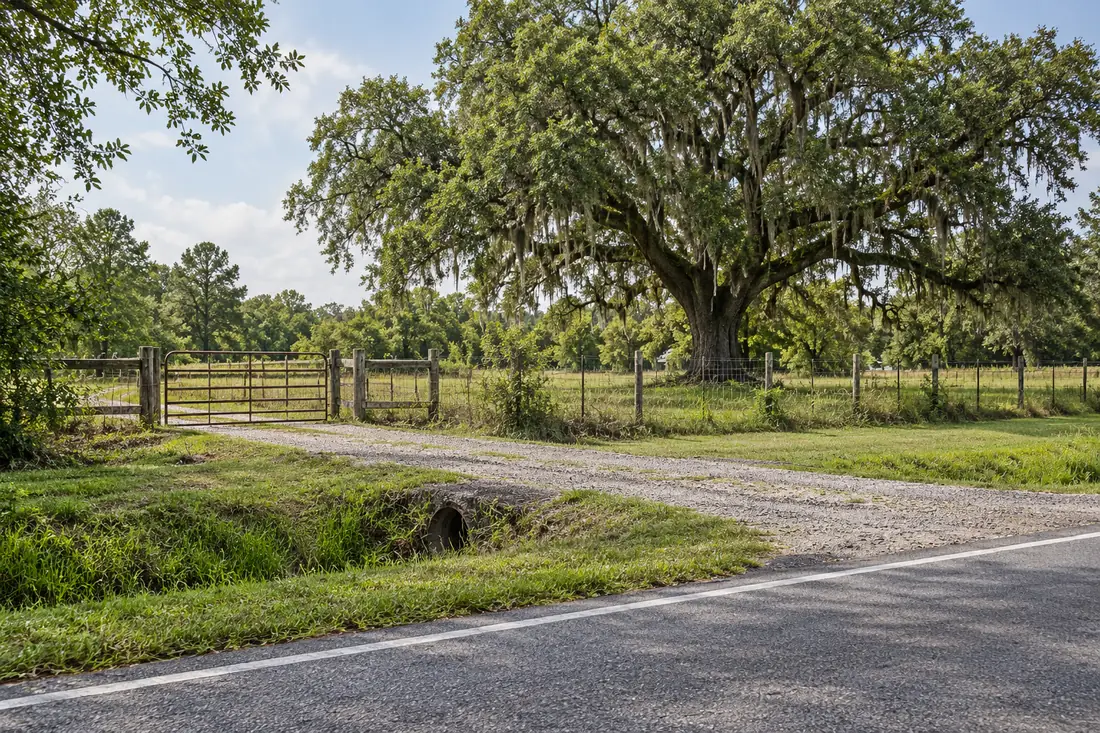
Give the tree provider useful spatial information: the practical gate, turning space, overhead wires, ground surface, parking and the areas where people will gather. A broad photograph from a safe location often communicates more than an isolated branch close-up. The written scope should distinguish tree assessment and tree work from event-layout and accessibility decisions that remain with the organizer and other appropriate professionals.
Keep the guest route separate from the crew route
A property can have one route that makes sense for visitors and a different route that makes sense for a tree crew. Draw both before arranging event work. A driveway that is convenient for unloading may be needed for arriving guests later, so the requested completion time must include any agreed removal of equipment and debris.
Photograph known concerns from safe locations and describe which outdoor area you intended to use. A broken limb, changed lean and ordinary leaves above a patio are different observations. Do not describe an area as cleared for gatherings simply because an initial tree-work question has been sent; any condition assessment is a separate decision.
After the estimate, confirm the agreed exclusion area while work is occurring, what surfaces need protection and what counts as finished. Keep the work description and final outcome in the event file rather than relying on an informal text exchange that omits the property layout.

Have a practical alternative when the original plan cannot be confirmed
A weather change, newly observed tree condition or unavailable work window may affect the plan. Decide which parts of the gathering can move to another suitable area or be rescheduled without assuming that a contractor can remove the uncertainty at the last minute. Explain the change promptly if an estimate or appointment is already being discussed.
The useful outcome is a property plan the host can understand: which spaces are intended for use, which tree questions need review, what work was actually accepted and what finish remains for another provider. You can then give visitors practical arrival instructions based on confirmed arrangements. Start early with the actual access and condition information, and keep the event deadline in the conversation without turning it into an unsupported promise about tree condition, price or dispatch.
Let visitors know which entrance or parking area to use once the arrangement is confirmed. Clear directions can keep people from choosing a closed side gate or a route reserved for a remaining supplier. Update those directions if the layout changes before arrival.
Create a readiness decision without promising an event-day result
Set the latest practical date when the organizer must choose whether to use the planned outdoor space. Ask the provider what can actually be assessed and proposed before then; a celebration date cannot force availability or make questionable conditions safe. Prepare an indoor or different-area option if a concern remains unresolved. That alternate plan is part of responsible event preparation, not a replacement for tree evaluation.
After completed work, review the agreed cleanup and access finish from an ordinary safe route. Check whether branches, logs, brush and chips were included; whether the parking or pedestrian area is obstructed; and whether lighting, electrical connections or temporary structures require a separate trade. Pictures of a cleaned site can document handover, but they do not establish that any retained tree has no risk.
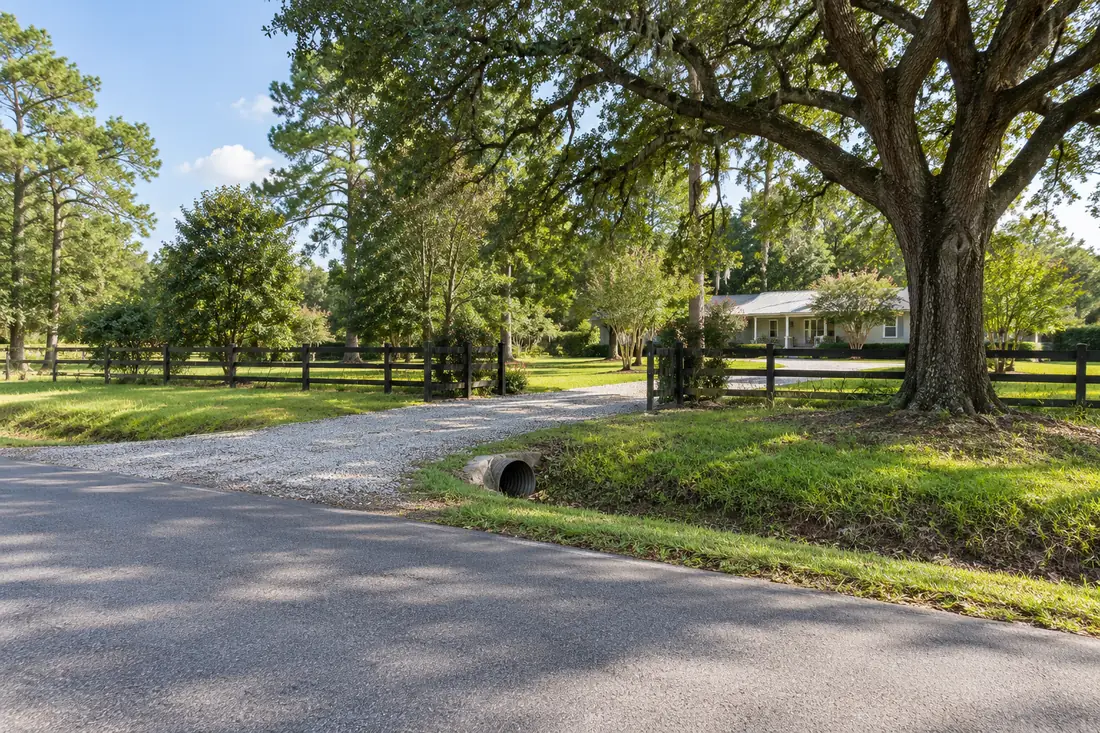
Check arrival space before guests and equipment overlap
A driveway that works for everyday parking may stop working when visitors arrive or when a tree crew needs to stage material. Walk the entire approach, including the roadside shoulder, gate swing, turning area and the space where guests will leave vehicles. Identify any branch requiring genuine vehicle clearance rather than requesting a broad cosmetic trim.
Keep delivery vans, parked cars and pedestrians away from a work zone while cutting or hauling is active. When access is too constrained, plan a separate tree-work date and confirm the site is clear before the event begins.
Communicate one concise final route plan to visitors and vendors. State the usable entrance, any still-closed area and who may approve a layout change. Retain the provider's scope and unresolved advice. If a new crack, hanging limb or unusual ground movement appears after the earlier visit, stop relying on the old plan and arrange appropriate evaluation rather than inviting guests into the area.
Put guest arrival and tree-work access on separate maps
A useful event sketch shows two different movements: how visitors will enter once the gathering begins and how a tree crew could reach the work area beforehand. Mark the exact driveway or gate, the walking route from parking to the entrance, any accessible route, and space used for unloading. A narrow side yard that works for pedestrians may not accommodate equipment or debris handling; do not assume the two routes are interchangeable.
- Label any parked vehicles, temporary tables, lighting, tents or deliveries that could be present on the proposed workday.
- Identify the person who controls a shared drive or gate and who can approve access changes.
- Give the company the requested completion date, but keep a separate event layout ready if the tree concern or work cannot be resolved before then.
For the initial inquiry, send the address, a safe wide photograph showing the whole approach and one closer view of the observed concern. The question for this stage is whether a realistic work and access arrangement can be assessed before guests arrive—not whether the property will automatically be event-ready.
Questions about Before Hosting Visitors: Tree Work, Parking and Outdoor Space
Can I ask for tree work before an upcoming gathering?
Yes. Give the desired date and intended use of the property, then ask about current assessment and work availability. A requested deadline is not a confirmed appointment.
Does a tree become safe because guests have parked there before?
No. Past use does not resolve a current concern. Describe any changed condition and obtain appropriate assessment before deciding how to use the area.
Should I ask for every branch over the drive to be removed?
Describe the actual clearance objective and route first. The appropriate scope depends on the tree and site, not only the position of a branch over paving.
Is topping a quick way to prepare for visitors?
Do not use drastic cutting as a substitute for a proper pruning or assessment discussion. Explain the limited clearance or condition question you need addressed.
Can guest arrivals overlap the tree crew's access window?
Arrange separate confirmed windows where the same routes or spaces are needed. Discuss deliveries, vehicles, furniture and gate access before work is accepted.
Does submitting the form guarantee completion before my event?
No. Confirm availability, any necessary visit, the accepted scope and the actual work schedule directly with the company.
What should I say about retained wood?
Specify where it should remain and check that the location fits parking and walking plans. Retaining wood and hauling it away are different scopes.
Is landscaping included after stump grinding?
Only if it is specifically part of the agreement. Discuss grindings, soil, grading or new landscaping separately when the event finish depends on them.
Can a tree crew handle outdoor electrical setup too?
Do not assume that. Electrical arrangements and utility concerns belong with the appropriate qualified provider or utility, separate from a routine tree-work request.
What if the gathering is at someone else's property?
Explain who owns or manages it and who can authorize the work. Your role as host does not automatically establish permission for tree work or access.
What should I check before guests arrive?
Compare the agreed work and finish with the written scope, including routes, hauling, retained material and any unresolved follow-up task.
What if the tree question cannot be resolved in time?
Use another suitable plan for the gathering and seek appropriate advice. A deadline does not establish that an unresolved condition is acceptable.
Get a scope for your property
For a gathering, describe where guests will park, walk and sit, and identify any branch, limb or cleanup concern that affects those spaces. Send a wide photo from a safe position that shows the tree in relation to the driveway and gathering area, plus a second photo showing where equipment could enter without crossing guests or decorations.
Share the event date as a planning constraint, not a request to rush unsafe work. Ask Tree Huggers to distinguish any work that needs assessment before guests arrive from optional improvements that can wait. Confirm cleanup boundaries and whether the event layout needs to change if the tree issue remains unresolved.