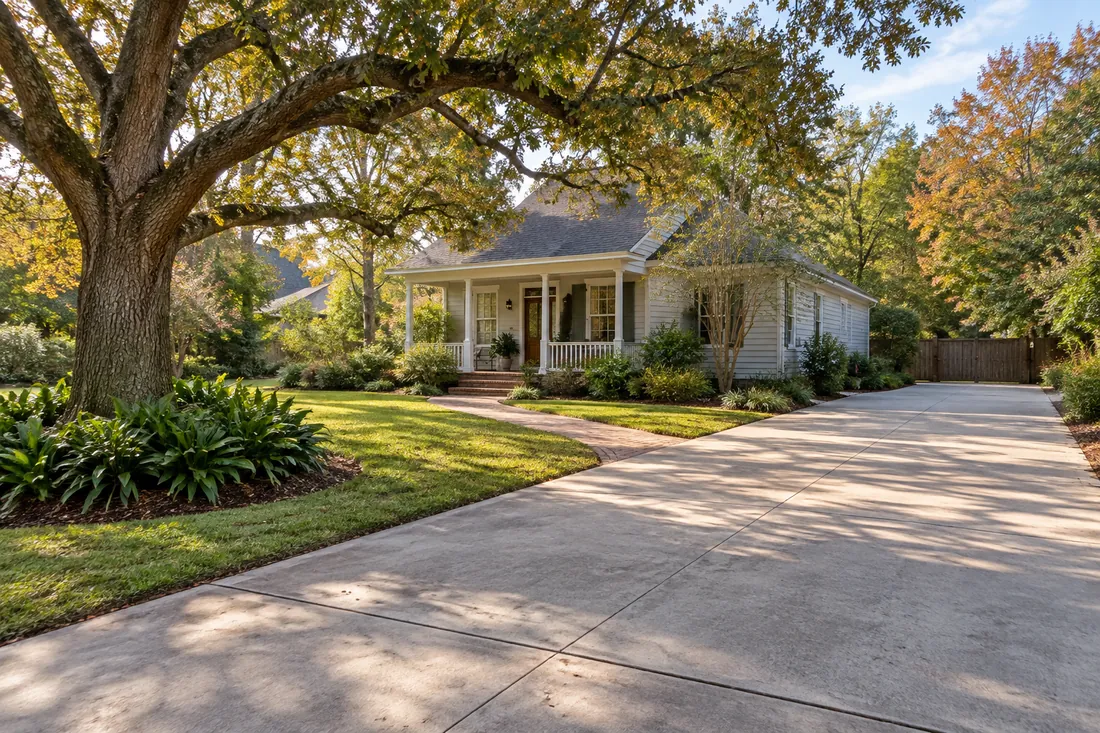
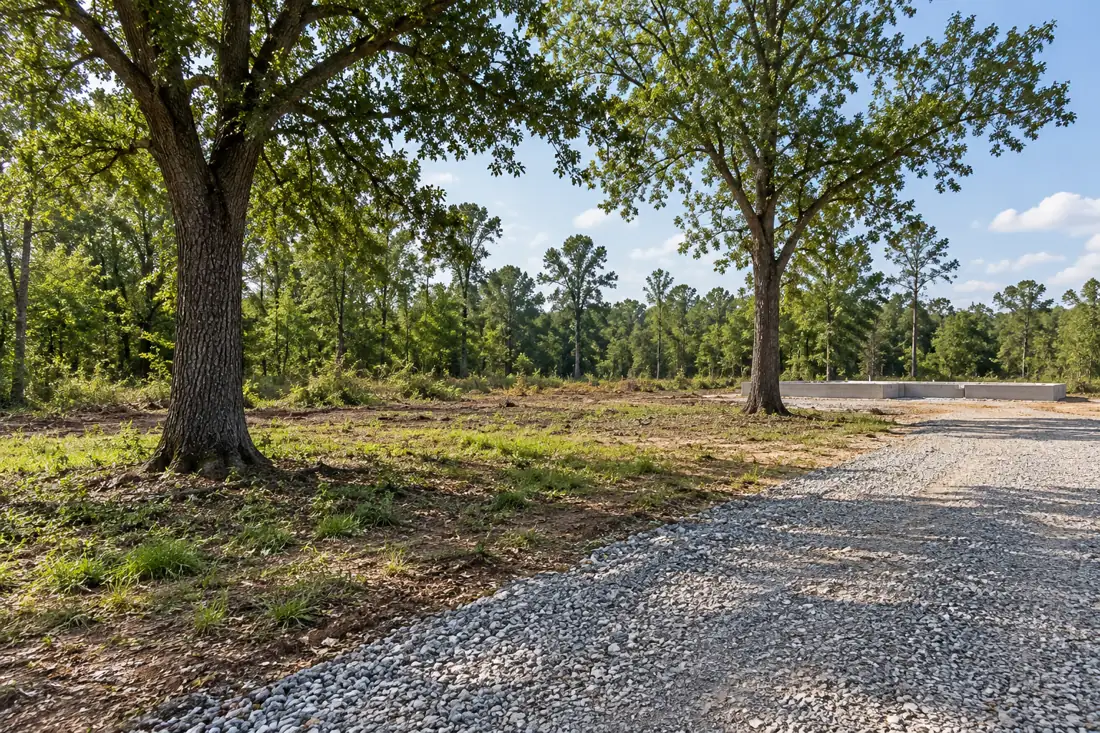
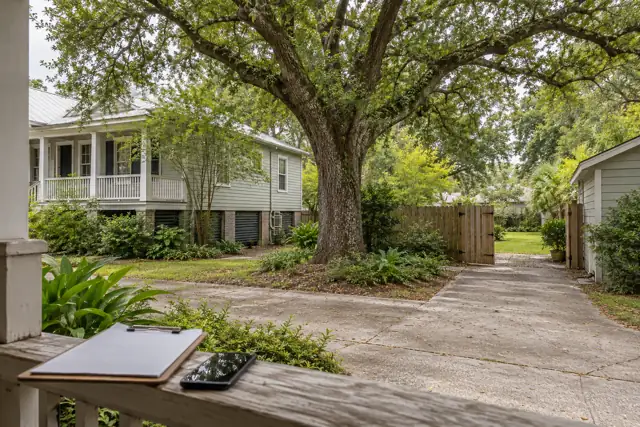
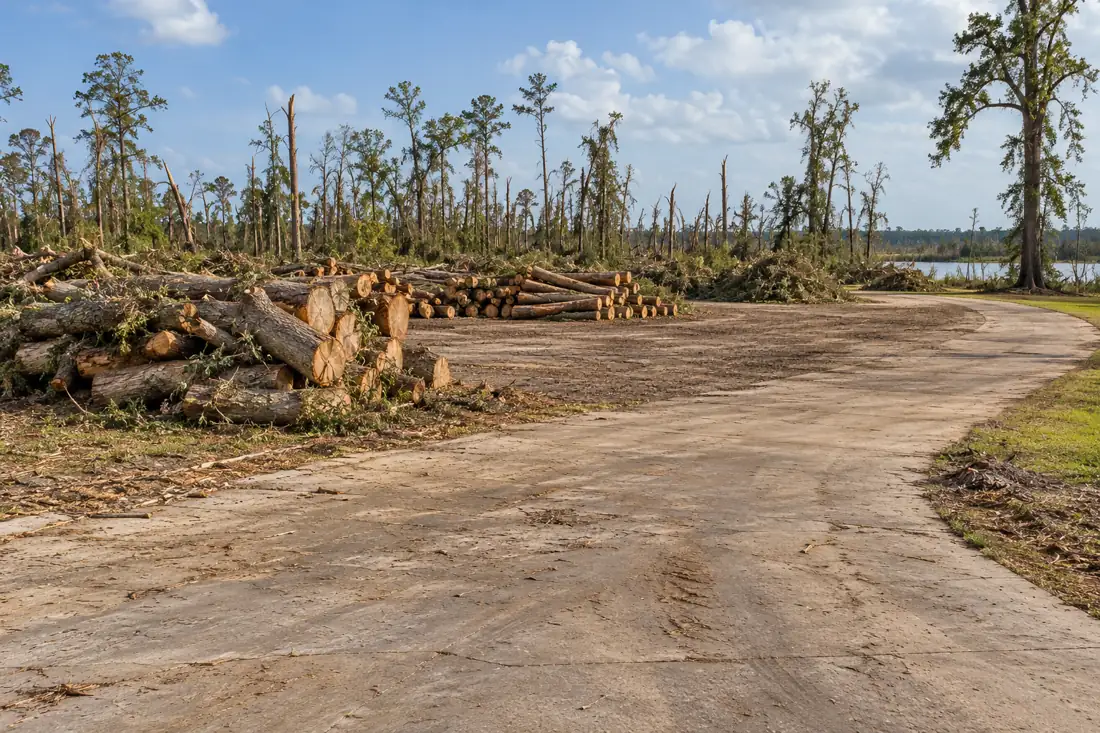
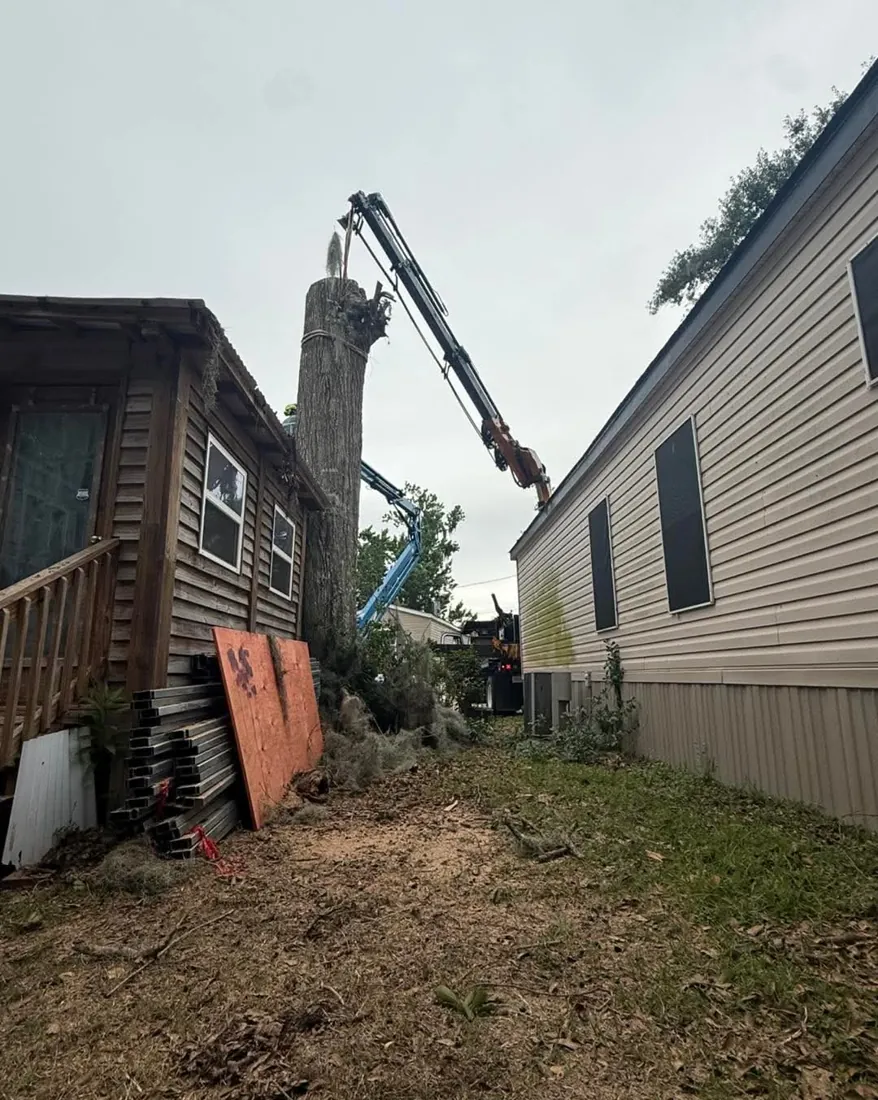
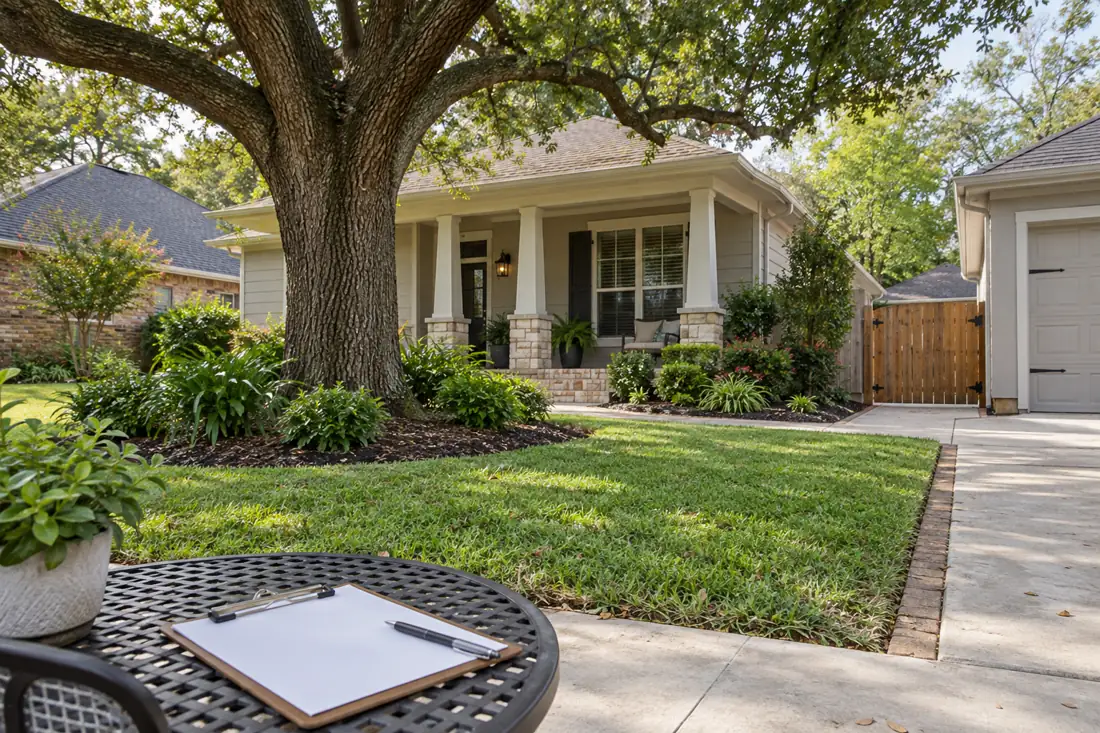
Tree identification should be clear enough that the estimator and crew can distinguish included trees from those to retain. Numbered photos and a simple site sketch can help. Use a marking method agreed with the contractor and avoid damaging bark. A count without locations may be insufficient where several trees are close together.
Site planning detail: Marking the right trees before an estimate avoids expensive confusion when a property has several similar trunks. Use a simple numbered sketch showing buildings, fences, gates, neighboring property lines and each requested tree. If marking is permitted, place a removable tag or ribbon where it can be seen from the ground without damaging bark; do not rely on paint or nails. Photograph the entire tree and its base, then add a second view showing nearby targets and access.
Note whether the request is for pruning, risk evaluation, complete removal, stump grinding or debris hauling. Flag trees that are merely under consideration separately from those actually authorized for work. At the site visit, walk the list with the estimator and ask for tree identifiers in the written proposal. Before accepting a change, confirm the same identifiers are used on revisions, work orders and completion paperwork. An estimate is not permission to work on a neighbor’s tree.
Site-specific planning checkpoint: Marking the correct trees for an estimate requires a reproducible method. Number a simple property sketch, use permitted non-damaging ribbon or tags, and pair each identifier with an overview photo showing where the trunk stands. On a multi-stem tree, specify whether the request applies to one stem or the entire tree. Separate removal, pruning, risk evaluation and retention markings to avoid accidental work. Do not cut bark or mark trees on adjoining land without authorization. Photograph access constraints and areas requiring protection, but do not move beneath unstable limbs for a better angle. Retain the identifier list with the written proposal, then use the same list to reconcile any changes at the final walkthrough.
Start with a rough property sketch showing the street, house, gates and retained trees. Assign each proposed work tree a temporary number and take one wide photo that connects the number to a fixed landmark, then a closer photo showing the trunk and any visible concern. Use temporary tags only where permitted and avoid nails, paint or tight wire around the bark.
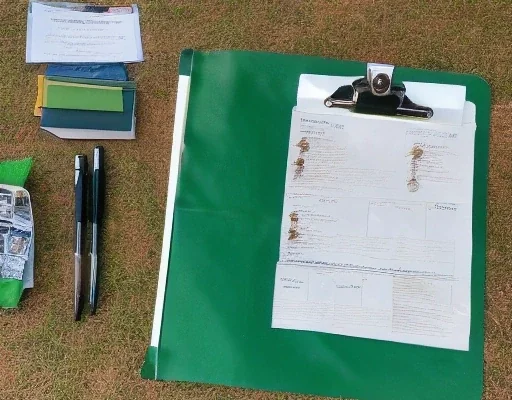
Connect the tree label to the property map
A numbered ribbon or temporary marker is useful only if it agrees with a dated location list. Take a wide photo showing the tree relative to a driveway or building, then record the identifier and the requested action. Do not attach damaging fasteners or assume a marker conveys permission to remove the tree.
Separate trees proposed for removal from trees to preserve or assess. If there are several similar stems, describe their order from a fixed viewpoint instead of relying on species names alone. Tell the estimator which identification details are tentative, especially where a boundary or multiple trunks create uncertainty.
Before approving a scope, compare the numbered photo list with the actual on-site marks and the written proposal. Confirm that cleanup routes, root or stump work and any protection of nearby retained trees are described separately. A count of trees is not a substitute for a shared, unambiguous site plan.
Build a numbered tree inventory before requesting pricing
Begin with a simple inventory rather than a collection of disconnected pictures. Walk the property from a fixed starting point and give each tree a temporary number, such as T1 beside the driveway and T2 behind the shed. Record its approximate position on a sketch that shows the house, road, gates, fences and any shared access. The identifier helps every person discuss the same tree even when several trunks look alike from different angles.
List the proposed treatment next to each identifier: assess, prune, remove, or discuss alternatives. Do not assign a diagnosis from a distant photograph or assume a lean means failure. Include a short reason for the request, such as clearance needed above a roof or concern about a split branch. A contractor can then separate the customer's objective from the professional assessment needed to decide whether the proposed work is appropriate.

Use a tree-number handoff that survives the estimate visit
A numbered tree list is more reliable than descriptions such as the oak by the fence when a property contains several similar trunks. Begin with a single orientation photograph of the whole yard and label each requested tree on a separate sketch. Use removable markers only where allowed, without nails, wire, paint damage or drilling into bark. Mark retained trees distinctly from trees proposed for removal.
Add the reason for each request and any nearby utilities, drainage structures, underground service routes, gates or neighboring property boundaries. If ownership or permission is uncertain, flag it for review rather than assuming a tree outside the fence belongs to the customer. A photograph cannot resolve a boundary dispute or confer legal authorization to cut.
Before accepting a proposal, match its tree identifiers and scope lines against your sketch. Confirm stump height or grinding, debris handling, equipment access, retained planting and surface protection separately for each tree where needed. On the day of work, walk the marked list with the crew lead to prevent the wrong tree being selected after markers move or weather changes.
Make a removal estimate reproducible, not just recognizable
Prepare a simple tree-number schedule that another person can follow without guessing. For each proposed removal, record a temporary identifier, the side of the property, one wide photograph with a fixed landmark and one closer view of the trunk from safe ground. Mark retained trees on the same sketch so they are not confused with removal candidates. Where several trunks emerge from one base, say whether the request concerns one multi-stem tree or separate trees; leave final identification to the site visit.
Use removable tags or an annotated image rather than nails, wire wrapped tightly around bark or fresh paint that may injure the tree. Do not enter unstable ground or climb to improve a label. Add the gate width, probable machinery route, overhead conductors and obvious surface protections to the schedule, and identify anything that is not visible from the photographs.
Before accepting a quote, ask the estimator to reconcile the tree numbers one by one and state whether stump grinding, log removal, chip removal and finish grading are separate items. Preserve the original marked sketch when plans change, with a dated revision showing exactly which tree was added or removed. That record makes later price and scheduling discussions much less ambiguous.

Take orientation photographs that establish location
Take a wide photograph of each tree with a recognizable part of the property in frame, followed by closer views of the trunk base and canopy when those can be obtained safely from the ground. A detail showing decayed wood is less useful when no one knows which tree it belongs to. Name the files with the matching inventory number and viewing direction so a remote estimator can follow the sequence.
Photograph both the front and rear approach if equipment would need to travel through a narrow side yard. Include a ruler or other ordinary reference beside a gate only when safe and permitted; do not climb a fence or enter a restricted area to get a better angle. Aerial screenshots can orient the crew, but they cannot reliably establish branch condition, overhead obstructions or current ground firmness.
Choose temporary labels that do not injure bark
If several trees need attention, ask the contractor what temporary marking method the crew prefers before attaching anything to a trunk. A bright ribbon around a small accessible limb or a numbered lawn stake may be more appropriate than nails, screws or paint. Remove temporary identifiers after the work is confirmed, and never assume a marking authorizes removal where ownership or permits are uncertain.
Make labels legible from the work approach rather than only from the photographer's position. Where trees stand in a dense cluster, pair the label with the sketch and a photo showing neighboring trunks. Keep the inventory up to date if a tree falls, is separately pruned, or becomes inaccessible before the scheduled visit. A mismatched number is a reason to recheck the scope, not to improvise a substitute.
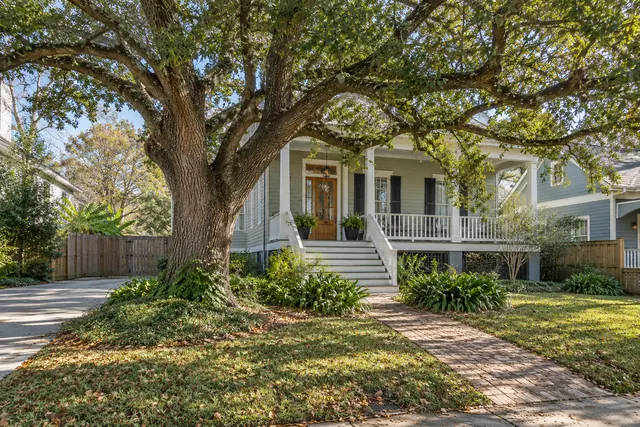
Separate removal requests from trimming objectives
Write down what result you want for each tree instead of giving every marked tree the same action. For example, the purpose may be improving clearance over a driveway, inspecting dead branches, making room for a proposed addition, or removing a tree that has already fallen. These objectives call for different assessments and different equipment. A contractor should not infer that a marked trunk is approved for complete removal.

Where you want branches reduced, show the affected structure or usable area in a photo and describe the conflict in plain language. Avoid specifying a large percentage of the crown to cut without professional advice. Pruning work should be based on tree condition and sound arboricultural practice, not a customer's guess about how much wood is safe to take away. Keep each proposed service separately identifiable in the quote.
Mark nearby hazards without approaching them
Add visible overhead conductors, service drops, utility poles, propane tanks, wells, ditches, unstable walls and other hazards to the sketch. Use observations from a safe distance and distinguish confirmed items from uncertain ones. A line appearing insulated is not evidence that tree work can occur close to it. If the tree is entangled with electrical infrastructure, contact the utility or appropriate qualified professionals before arranging ordinary tree work.
Also note public paths, school pickup routes and shared driveways that may affect the exclusion zone. Do not invite customers to measure the height of a dangerous branch or move debris beneath a suspended limb. The inventory is an information tool, not a self-inspection assignment. In the final estimate the qualified crew should describe how hazards influence access, work method, authorization and timing.

Mark Trees Clearly Before a Removal Estimate
On a property with several mature trees, 'the large one by the fence' may identify different trunks to different people. Before requesting pricing, number each tree on a simple sketch showing the street, buildings and driveway. Match those numbers to photographs taken from safe, reachable positions. Where a tree has multiple stems, identify the entire tree and then note the affected stem. A contractor should verify the identity during the estimate rather than relying on the label alone.
Use temporary, non-damaging identifiers such as a loose ribbon or a removable card placed where the contractor can see it. Avoid driving nails, staples or screws into bark, painting numbers on trunks or wrapping anything tightly enough to girdle a growing stem. If the location is difficult to reach, place the label on the sketch instead. Note whether a tree is shared at a boundary or seems to stand on land that you do not control.

Make the correct tree identifiable without harming it
The photographs should reveal the base, the full canopy when possible and the nearby features that could affect access. Capture the view from the driveway, the side of the house and the likely debris route rather than trying dangerous closeups in a damaged canopy. Write down observations such as dead wood, a lean or a broken branch, but keep observations separate from an expert diagnosis. If a utility line appears nearby, flag it for professional coordination.
During the site walk, have the estimator read the tree numbers back to you and confirm the requested result for each one. Some may need pruning, one may need removal and another may be retained with protection. The written scope should carry the same identifiers through pricing, photos and any later change. Clear identification reduces accidental scope changes and helps the owner compare proposals without mistaking two different tree jobs for the same service.
Show gate width, slopes and loading access
The distance from a trunk to the street is only part of the access question. Identify the usable gate opening, turns around buildings, steps, soft turf, retaining edges and any places a loaded vehicle would need to reverse. If possible, provide approximate measurements taken from a safe walking route. A path that accommodates a person may not accommodate a chipper, a tracked machine or a vehicle carrying logs.
Include the location of overhead branches along the access route and whether parking is normally available near the property. Note any seasonal wet area that may change after rain. A professional can compare mechanical, climbing or hand-carry options during the site visit. Clear access information does not determine the work method by itself, but it reduces unsupported assumptions in preliminary pricing and helps prevent damage to landscaping.
Make the marked tree correspond to the signed scope
Temporary paint, tape or numbered tags can help a contractor recognize a removal candidate, but markings in the yard may drift from a revised drawing or a change in the owner’s instructions. Prepare a short inventory of numbered trees with a safe wide view and a description of what is proposed for each one. Never injure bark simply to make a tag permanent.
If the trunk lies near a property boundary or shared landscape, establish who can authorize work before treating a tag as permission.
Mark the right tree without injuring it
On a property with several similar trees, a clear estimate starts with unambiguous identification. Make a simple map from the street or gate, give each tree a short label and note a visible landmark such as a shed, fence corner or driveway. Take one wide image that establishes the tree's position and a second from a different angle that shows the trunk and canopy.
If the target tree is partly behind another, point that out in the inquiry. Use temporary markers on the ground or a nearby stake where appropriate rather than driving nails into a living trunk or attaching wire that could tighten around bark.
A tree with several stems may be one organism rather than several independent removal items; include a picture of the base to avoid confusion. Note whether the request concerns removal, pruning or a condition evaluation, because those are different scopes. If property lines are uncertain, label that uncertainty openly instead of placing a mark and treating it as proof of ownership.
Share relevant gate widths and access limitations before the visit. Keep the original marked photos for the estimate discussion, and update the list if a later storm changes the condition of a marked tree. This practical inventory can prevent an estimate for the wrong tree or an incomplete equipment plan.
Identify trees and features that must stay
A good removal estimate should specify preservation as carefully as removal. Mark adjacent shade trees, fruit trees, hedges, garden beds and significant surface roots that need to remain. The roots of a tree being kept may extend across the work area even when the canopy seems well away from the proposed stump. Ask the estimator to identify where machinery or grinding could conflict with those roots.
Some trees may share a planting bed or appear to have fused crowns. A sketch alone cannot establish which roots belong to which individual, so avoid promising that deep grinding beside a retained tree will be harmless. Include irrigation and landscape lighting when known. These notes create a useful conversation about protected zones, restoration and possible alternative removal techniques before the work is priced.
Confirm ownership, permission and the work boundary
Trees on property lines or in a public right-of-way deserve a separate ownership check. A visible fence is not always a surveyed legal boundary, and a tree leaning over a yard does not necessarily belong to that yard. Mark any uncertain trunk as requiring clarification rather than adding it to the approved removal list. The estimate should identify the authorization source for work involving shared or public space.
If access through a neighboring lot is being considered, discuss permission and restoration responsibilities beforehand. Do not ask a tree crew to assume access will be granted later. Where an HOA, landlord or municipality has an approval process, record its status accurately and keep the proposed schedule conditional. The purpose of tree marking is to reduce ambiguity, not to replace any required authorization.
Reconcile the walk-through with the final written estimate
At the estimate visit, compare the numbered sketch against the actual trees one by one. Ask the estimator to state which numbers are included, which will receive assessment only and which are excluded. A photograph of T3 next to a line item for T4 is a preventable problem that becomes much harder to resolve after equipment arrives. Record any updated identifiers before accepting the scope.
Check whether stump grinding, wood hauling, chip removal, surface protection and final cleanup are included or separately priced. If an estimate uses a general phrase such as clear the back, request a measurable description. Written exclusions are just as important as inclusions because they prevent an owner from assuming the quote covers roots, grading or driveway repairs when the contractor intended only tree removal.

Keep a change log through completion
If a marked tree is removed from the plan or an additional tree needs work, update the inventory with the date and who authorized the change. Do not treat an informal conversation or a new ribbon as a signed change order. Changes may affect crew equipment, protection needs and cost. Preserve the prior version of the sketch so the final record shows what was originally proposed and what was actually approved.
During the final walk, use the same identifiers to check that the agreed work was performed and retained trees remain identified. Take ordinary ground-level photographs where helpful, while avoiding customer information in publicly reused imagery. Record any remaining logs, grindings or landscape repairs as open items. A consistent inventory makes the estimate, workday and closeout easier to understand without implying a professional tree-health certification.
Use a numbered tree-release register before the estimate becomes a work order
Give each proposed tree an identifier tied to a fixed landmark, photograph the complete trunk and root base, and place retained trees on the same sketch. Use temporary, bark-safe labels only where allowed. A separate instruction to preserve T4, for example, must not disappear when the estimator prices removals T1 through T3.
Record pruning, removal, stump treatment and hauling as different decisions, not one vague checkmark. Reconcile the actual markings with the written estimate on the day of work, and hold any uncertain number for clarification.
- Photograph every numbered tree from the same approach and include a wide orientation view.
- List retained stems alongside proposed work so the crew sees both.
- Label ownership, permit and access uncertainties as unresolved.
- Compare the work order with on-site identifiers before starting irreversible cutting.
Clarify ownership and boundaries before marking a disputed trunk
Questions about this project
Is a total tree count enough for a large quote?
Usually the parties also need locations and tasks. Use consistent tree numbers, marked photos or a site plan so the estimate and crew instructions refer to the same trees and retained areas.
Does a work inventory include a condition assessment?
Only if that service is expressly part of the scope. A list used to identify and price tasks should not be mistaken for a documented assessment of every tree's condition or risk.
Which photos should I text first?
Send a wide tree view, the base if safely visible, nearby targets and the equipment route. Add the address, desired work and any recent change. Identify each tree clearly if the request involves several.
Can photos confirm that a damaged tree is stable?
No. Photographs may omit defects, support conditions and other important details. Use them to prepare for the contractor's assessment, and avoid entering hazardous areas to obtain a better view.
How should extra work be approved?
Use the agreed approval process and identify the change, reason, scope, price or schedule effect as applicable. Confirm who has authority before treating an additional tree or task as part of the original job.
What completion records are useful?
Keep the agreed scope, tree or area identification, authorized changes, invoice and labeled photos where appropriate. Include unresolved items and a contact. Contract-specific records should follow the buyer's stated requirements.
Is leaving the trunk untouched enough to protect a tree?
No. Roots, soil conditions and nearby work can matter even when the trunk is not cut. Identify retained trees before planning access, excavation and storage, and ask what site-specific protection is appropriate.
Can pruning undo construction-related root damage?
Do not assume it can. Share the work history and ask for an assessment of the current tree and site. Pruning, monitoring or other recommendations should address an identified need rather than substitute for protection planning.
What should I compare besides the price?
Compare tree identification, work objectives, access assumptions, hauling, stump treatment, site finish and exclusions. Ask whether permits or other coordination are part of the scope and who can approve changes if conditions differ.
Does an online request book the crew?
No. A request starts the estimate conversation. The company still needs to discuss scope, availability and any site assessment. For a dangerous or urgent condition, call 504-458-8336 rather than relying on a form response.
What should I tell Tree Huggers about how to mark trees for a removal estimate?
Explain the property address, the work you want and the specific concerns: tree identity, retained trees, marked photos. Send safe photos of the tree, surroundings and access route. The contractor can then discuss the assessment and scope needed for this situation.
How do I request an estimate for this work?
Call 504-458-8336, text photos or use the estimate form on this page. Include the address, desired outcome and any timing constraints. The company will need to review scope and availability; an online request does not confirm a price, appointment or emergency dispatch.
Get a scope for your property
Include a simple numbered tree map and safe overview photos with your request so the correct tree can be discussed.