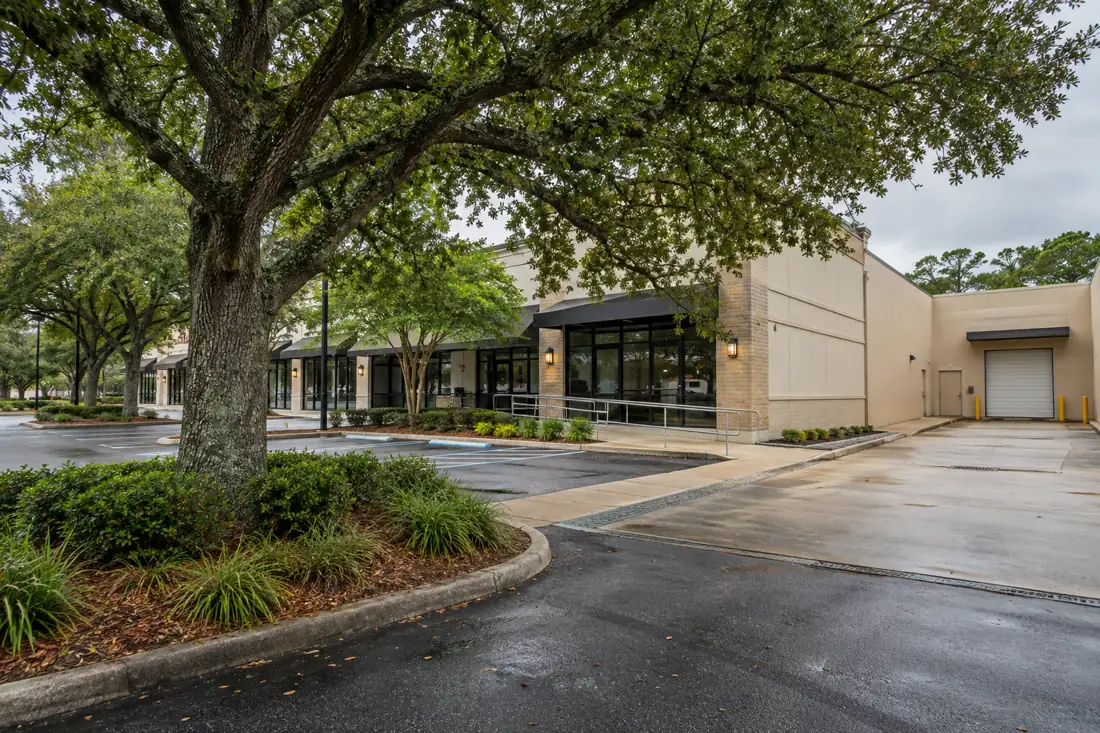
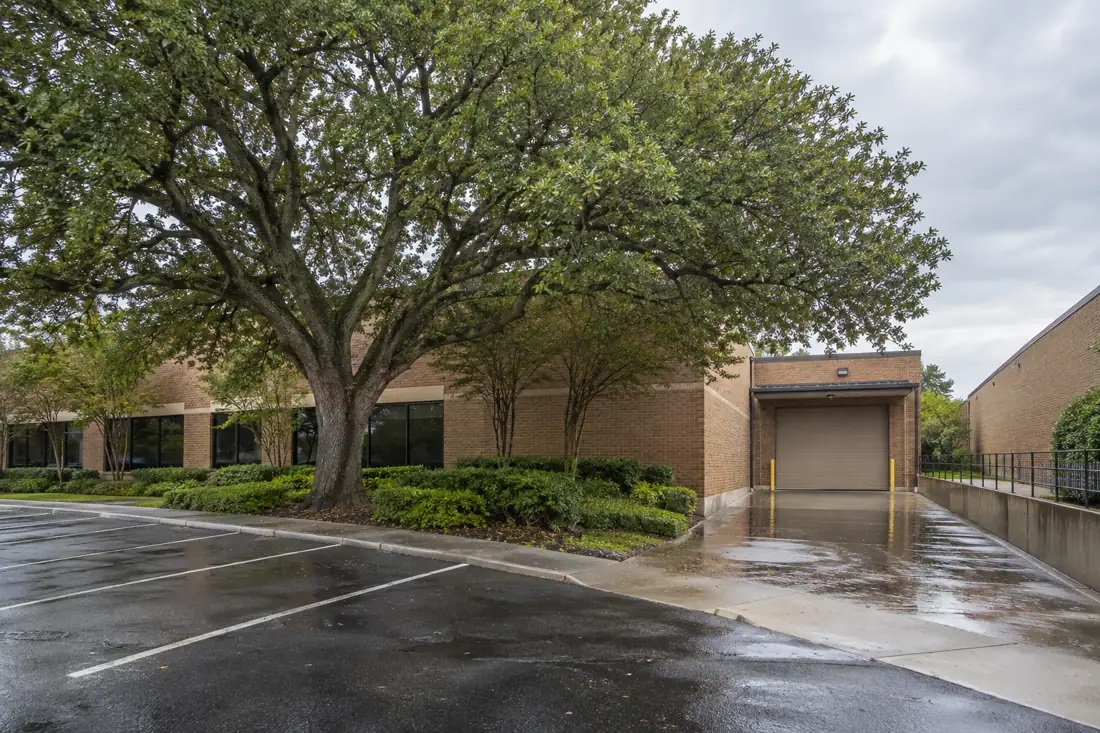
Parking-lot trees can affect customer spaces, lighting, signs and delivery access. Identify the desired work tree by tree and arrange a period when vehicles can be moved. The estimate should account for loading and cleanup before the area reopens. A small pruning request still needs an appropriate public exclusion plan.
Practical scope and safety guidance: Restaurant parking lots have overlapping customer and supplier uses that are easy to overlook during a quiet site visit. Identify dining entries, outdoor seating, accessible parking, waste collection, service doors, delivery lanes and employee shift routes. The operator should explain prep and delivery periods before a contractor chooses its equipment window. A few removed patio tables do not create a safe exclusion zone for cutting limbs.
Ask who will close or detour the affected area and move vehicles, and keep approved access for essential deliveries and emergency services. If chips or dust may collect around public seating, spell out containment and end-of-day cleanup in practical terms without inventing food-safety approvals. The estimate should distinguish the tree operation from stump grinding and surface restoration. A manager should verify that signs, walks and parking are clear before each phase returns to customer use.
Record the affected tree positions beside parking stalls, outdoor seating, delivery docks, drive-through lanes, waste collection and grease-service access. Photograph sign lighting, low awnings, pedestrian approaches and drainage grates before the crew prices the work. Restaurants have short periods when closing even part of a lot creates an unusual conflict; identify breakfast, lunch, dinner or delivery peaks instead of assuming one convenient workday.
Have the manager authorize which stalls and paths may be closed. Branches over cars or dining tables require a genuine exclusion zone rather than a promise to work carefully around guests.
The estimate should state the closure footprint, debris loading route, equipment parking, method of protecting light poles and awnings, and how customer signs will guide people to a safe entrance. Request separate explanations for canopy clearance, hazard-related removal, stump work and final sweeping, so the owner can compare the work being bought.
If bad weather or a vehicle that cannot be moved disrupts staging, agree on who may change the sequence. Before returning the lot to service, inspect accessible parking, pedestrian approaches, drive-through visibility, drains and outdoor seating for chips, sharp wood or displaced soil. Record any maintenance follow-up separately from the completed work.
Build a parking-lot map around customers and deliveries
A restaurant tree project starts with how the parking area works, not simply with the canopy outline. Mark the entrance and exit, drive-through lane if present, accessible parking, main pedestrian routes, trash-service area, delivery door and the individual trees that need attention. A low branch above a delivery-truck turning path is not the same issue as deadwood above guest parking or roots lifting a curb. Give each tree a clear number that matches photographs and the estimate.
Observe the lot during at least one representative busy period so the plan does not overlook queueing or vehicles turning across open spaces. Identify traffic that cannot be rerouted easily, including food deliveries, emergency access and people approaching the door on foot. Keep images focused on the trees and site geometry rather than customers or vehicle plates. An accurate map helps the contractor choose a workable exclusion area and helps management plan which parking rows can be closed.

Assess tree defects separately from appearance requests
Restaurant operators may first notice leaves on a sign, branches near light fixtures or a canopy that makes spaces look dark. Those observations are useful but should not replace a tree-condition assessment. Describe broken branches, bark wounds, cavities, sudden lean or changes near the root area without declaring the tree safe or dangerous from a photo alone. The assessor can distinguish structural concerns, clearance needs and routine maintenance objectives, and explain when monitoring is preferable to aggressive pruning.
A requested trim should specify which clearance is needed: a sign face, drive aisle, pedestrian sight line or roof edge. Removing an arbitrary amount from every tree can create poor structure without solving the underlying problem. Ask the contractor to explain the cuts proposed and any foreseeable effect on shade, balance and future growth. If an obvious hazard threatens a regularly occupied space, consider restricting that space pending professional evaluation rather than waiting for the next routine landscape visit.
Separate Restaurant Guest Access From Tree Work and Debris
Restaurant parking lots often have a small number of practical routes even when many spaces appear available. During a tree estimate, identify where guests enter, where accessible parking connects to the door and where food deliveries or refuse collection occur. A limb above a light pole or sign can require more than ordinary ground clearance. Schedule protected spaces and work zones from the tree outward rather than closing an arbitrary block of parking after the truck arrives.
Discuss business rhythms using the actual site rather than a generic 'before opening' assumption. Breakfast locations may receive deliveries at dawn; dinner restaurants may have cleaners or supply trucks in the morning. The manager should select an approved window and notify staff before the crew arrives. If a sidewalk or drive-through crosses the drop zone, it requires a clearly controlled closure, not just a person asking customers to walk around falling branches.

Stage around deliveries, lighting and stormwater details
Protect curbed islands, decorative landscaping, irrigation and drainage inlets. A dumpster pad, grease-trap service point or exterior utility access should not become an improvised limb-storage area. Confirm where chips, logs and equipment will exit, and whether a truck can turn without contacting curbs or canopy left in place. Photograph conditions for planning without identifying guests, vehicles or a restaurant's private security arrangements.
Write the estimate to show the tree, work objective, protection arrangements, time restriction and whether debris hauling and stump work are included. Compare the reopening condition as carefully as the cut: clean accessible route, unobstructed service access, no loose wood near drains and repaired temporary barriers. If the tree shows decay or another potential hazard, request an appropriate assessment instead of describing cosmetic clearance pruning as a safety guarantee.
Choose a closure plan that respects meal-service peaks
Breakfast, lunch, dinner and weekend rushes can create very different parking loads. Review the restaurant's operating pattern and identify a period when a work zone can be isolated without blocking the entrance or forcing patrons into traffic. An early work window may still overlap deliveries, bakery shipments or staff arrivals. Equipment setup, cutting, hauling and final sweeping all belong in the closure calculation. Never announce reopening before the actual scope and crew method have been confirmed.
If an entire row must be cleared, the restaurant should arrange vehicle relocation, employee communication and any required customer notice. A contractor cannot guarantee that patrons will obey cones or warning tape, so designate a manager who can help control the site boundary. Discuss whether a staged operation is better: prune a sign-facing tree one day and address a larger removal in another agreed period. Record who may pause work when the lot becomes unexpectedly busy.

Protect accessible parking and safe pedestrian approaches
A tree near a ramp, curb cut or accessible stall requires special care because ordinary detours may not serve all guests. Draw the actual accessible route to the entrance and identify which spaces or surfaces may be unavailable. The business must decide whether adequate alternate access can be provided under its own obligations; do not assume a narrow aisle between equipment and vehicles is acceptable. Mark where the crew must keep hoses, tools and brush off walkways.
Consider falling twigs, sawdust, temporary mats and tracking of mud as well as large limbs. A cleared work zone should still be checked for loose wood and slippery material before customers return. If an accessible route is affected, the restaurant representative should inspect it rather than relying only on a crew's broad statement that cleanup is done. This physical final check protects visitors and helps prevent disputes about the intended condition of the work area.
Account for parking lights, signs, roofs and utilities
Light poles, freestanding signs, menu boards, cameras and overhead electrical conductors can be partly hidden by leaves. Note each one in relation to the selected trees and share ground-level photos of the whole installation. A branch rubbing a sign or blocking a camera may call for targeted clearance; it does not authorize a worker to approach an energized conductor. Utility coordination belongs with the appropriate utility and qualified professionals, not with an improvised tree-service workaround.
Also look at storefront awnings, roof drains, exterior refrigeration equipment and nearby patios. Some protected systems may require separate facility coordination before a machine is positioned. Discuss which structures need temporary shielding and which are outside the contractor's scope. Where roots have raised paving, a tree-care estimate should not silently promise that cutting roots or grinding a stump will restore a safe surface. Have appropriate specialists assess affected pavement or structures where needed.
Locate delivery, waste and grease-service routes
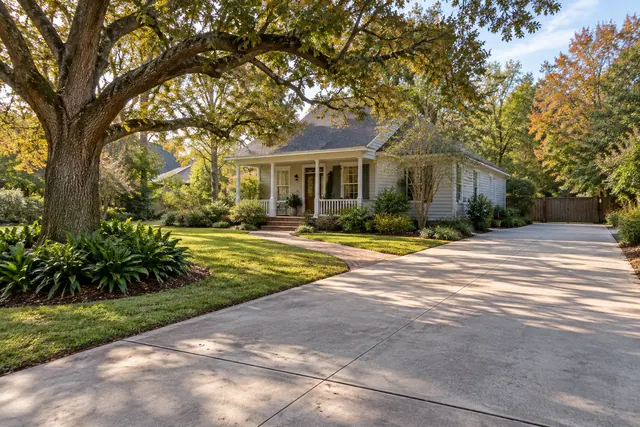
Restaurants may rely on scheduled garbage collection, grease servicing and supply deliveries that use the same back-of-house lane proposed for chipper or truck access. The estimate should show where each service vehicle normally stops and where brush or logs might be staged. Avoid storing material beside dumpster doors, drain inlets or a grease-management area. Even a short obstruction can interfere with sanitation or service work and create unnecessary delays.
Ask the manager to identify any restricted or shared driveway before the contractor chooses equipment. Confirm whether the working crew may use a neighboring lot or alley; consent and local requirements should be documented rather than assumed. A service entrance that looks empty during the walkthrough may be essential on certain weekdays. Include those timing conditions in the approved scope so the crew does not discover them only after equipment is already parked.

Reopen the parking lot by functional areas, not appearance alone
A restaurant parking lot combines customer entrances, accessible parking, delivery routes, grease collection, dumpster pickup, lighting and stormwater drains. Identify each path on a current diagram before selecting a tree-work closure. During service hours, a small work zone can still block the only safe route for deliveries or reduce visibility near a drive-through or pedestrian crossing. The restaurant should approve the actual closure windows and provide a contact who can address a changed schedule; the contractor should not invent a guaranteed reopening time.
After equipment and debris are removed, check that accessible spaces and routes are usable, lighting and signs remain unobstructed, drains are clear of wood chips, and temporary barriers or pads have been removed. Record remaining tree work or surface repairs separately. A generic photograph of a shaded parking lot is not a risk assessment and does not prove the layout of any particular restaurant. A written tree-by-tree scope and site map are more useful than a broad promise to 'handle the whole lot.'
Plan pruning that retains useful shade and sight lines
Healthy parking-lot shade can improve the outdoor experience while reducing glare on vehicles and paving. Describe which branches actually conflict with parking geometry, sign visibility or building clearance, and ask whether selective pruning can satisfy the objective without excessive canopy loss. A tree may require a structural assessment before pruning if a heavy limb is developing a crack at the attachment. The right treatment depends on condition, not on an arbitrary percentage of foliage to remove.
Discuss future growth and the way vehicles use the lot. A restaurant may have standard cars in one area but tall delivery vans in another. If the crew is asked to create clearance, record the relevant vehicle type and physical location, then let the tree professional assess feasible cuts. Avoid promises that one trim will permanently maintain a particular clearance; growth, storms and subsequent vehicle use can change what is needed.

Define debris control, sweeping and surface protection
A busy lot should not reopen with chips in parking spaces, fragments around wheel stops or branches covering storm drains. Specify whether all brush and logs are hauled, chipped on-site or retained by the property. Ask how material will be moved past painted stalls, curb islands, landscaping and parked vehicles. Where a lift or loader is proposed, discuss surface loading and possible mat use with the contractor rather than assuming every paved section can support its weight.
Before work begins, document existing visible cracks, landscape edging damage and drainage problems if those are near the intended path. At completion, compare the work boundary and material route with the written plan. Confirm that the crew has collected loose cuttings and removed temporary barriers or equipment. Treat major pavement repairs or irrigation repairs as explicitly identified separate work unless they were included in the signed proposal.
Put tree-by-tree deliverables into a comparable estimate
Request a proposal identifying each numbered tree, the reason for work, the proposed action and the intended finish. Distinguish crown clearance, removal, stump grinding, hauling and future inspection. Ask for exclusion limits, operating windows, staging, protection and cleanup to be written in ordinary language. This permits the restaurant to compare different proposals on actual scope, not just on a single price or a vague promise of a neat result.
Confirm the contracting entity, authorized decision-maker, insurance documentation and process for unforeseen conditions. If a hidden defect requires a different removal method or a closure must be expanded, the manager should receive an explanation and written authorization before the added work begins. Avoid inserting unverified promises about arrival times, licensing or results into customer-facing material. The goal is a clear agreement that the restaurant can administer while continuing normal operations where safely possible.

Inspect reopening conditions and keep a maintenance record
Once active work has stopped, the manager and contractor should inspect the stalls, entrance walk, delivery lane and drainage areas affected by the job. Verify that the approved trees were treated, branches and tools are gone, and any closed pedestrian route can safely resume use. Note work deliberately deferred, such as stump grinding or separate landscaping repairs. Take completion photos from suitable positions without recording guests, payment areas or identifiable customer vehicles.
A small record with tree numbers, dates, treatments and future concerns can support budgeting and consistent decisions when managers change. Review the trees after severe weather or any newly observed damage, rather than relying on a blanket annual safety guarantee. If another tree shows a different defect later, arrange a fresh assessment. Clear documentation helps the business respond efficiently without pretending that vegetation maintenance eliminates all risk.
Questions about this project
Can the crew block a public sidewalk or road?
Required arrangements must be coordinated with the appropriate authority. Identify public routes and restrictions before scheduling. A private work agreement should not be treated as automatic permission to occupy or close public space.
When should parked vehicles be moved?
Set the timing and responsible contact before the work window. Vehicles may need to leave the tree zone, equipment route and loading area. Confirm where access must remain available during each phase.
Can a business stay open during tree work?
That depends on the site and scope. Discuss occupied routes, exclusion areas, loading and work windows with the contractor and property representative. Do not assume normal access can continue through the active work zone.
Who should communicate with tenants or visitors?
Agree on that responsibility with the property representative. The contractor needs a clear site contact, while the owner or manager should use the property's established process to communicate access changes and work windows.
How should I describe the pruning I want?
Explain the objective: clearance for a route or building, deadwood, a damaged branch or structural development. Ask for suitable tree-specific work rather than requiring an arbitrary shape or amount of canopy to be removed.
Will pruning resolve every tree concern?
No. Root, trunk and major structural problems may need a different assessment or response. State the full concern so pruning is not used as a substitute for evaluating the condition that prompted the call.
Does cleanup include every root and wood chip?
That depends on the written scope. Tree removal, stump grinding, chip hauling and root excavation are different tasks. Ask what material is removed, what remains and whether soil or landscape restoration is separately included.
What should a final walk-through check?
Compare the identified trees and tasks with the agreement. Check agreed debris handling, stump treatment, access openings and any listed restoration. Record unresolved items clearly instead of relying on a general impression that the property looks finished.
What should I compare besides the price?
Compare tree identification, work objectives, access assumptions, hauling, stump treatment, site finish and exclusions. Ask whether permits or other coordination are part of the scope and who can approve changes if conditions differ.
Does an online request book the crew?
No. A request starts the estimate conversation. The company still needs to discuss scope, availability and any site assessment. For a dangerous or urgent condition, call 504-458-8336 rather than relying on a form response.
What should I tell Tree Huggers about planning tree work for a restaurant parking lot?
Explain the property address, the work you want and the specific concerns: customer parking, delivery access, reopening. Send safe photos of the tree, surroundings and access route. The contractor can then discuss the assessment and scope needed for this situation.
How do I request an estimate for this work?
Call 504-458-8336, text photos or use the estimate form on this page. Include the address, desired outcome and any timing constraints. The company will need to review scope and availability; an online request does not confirm a price, appointment or emergency dispatch.
Get a scope for your property
At a restaurant parking lot, identify the high-use customer spaces, accessible stalls, delivery times, drive-through route if present and tree areas above parked cars or outdoor dining. Send wide photos when vehicles are absent if safely possible, without requiring customers to move. Ask for a work window and a marked closure and debris-loading plan that avoids food-service entrances and keeps necessary access open.
Clarify whether pruning, risk assessment, full removal, stump treatment or surface cleanup is being proposed. The finished written scope should specify parking-area protection and which person will inspect the reopened spaces.