Trees near play equipment require a work plan that keeps the area closed during operations and defines the finish before reopening. The school should identify its authorized contact and access restrictions. Tree condition, clearance and cleanup are separate parts of the scope. An empty playground does not establish permission to begin work.
Practical scope and safety guidance: A school playground requires a full closure and reopening plan rather than a promise to work during a quieter recess. Map gates, paths, pickup routes, play equipment, fall surfacing, fences and any emergency access overlapping the affected trees. The school should determine when children, visitors and staff are kept clear, communicate alternate activities and formally authorize the start. The exclusion zone must account for equipment and moving branches, not merely surround the trunk with cones.
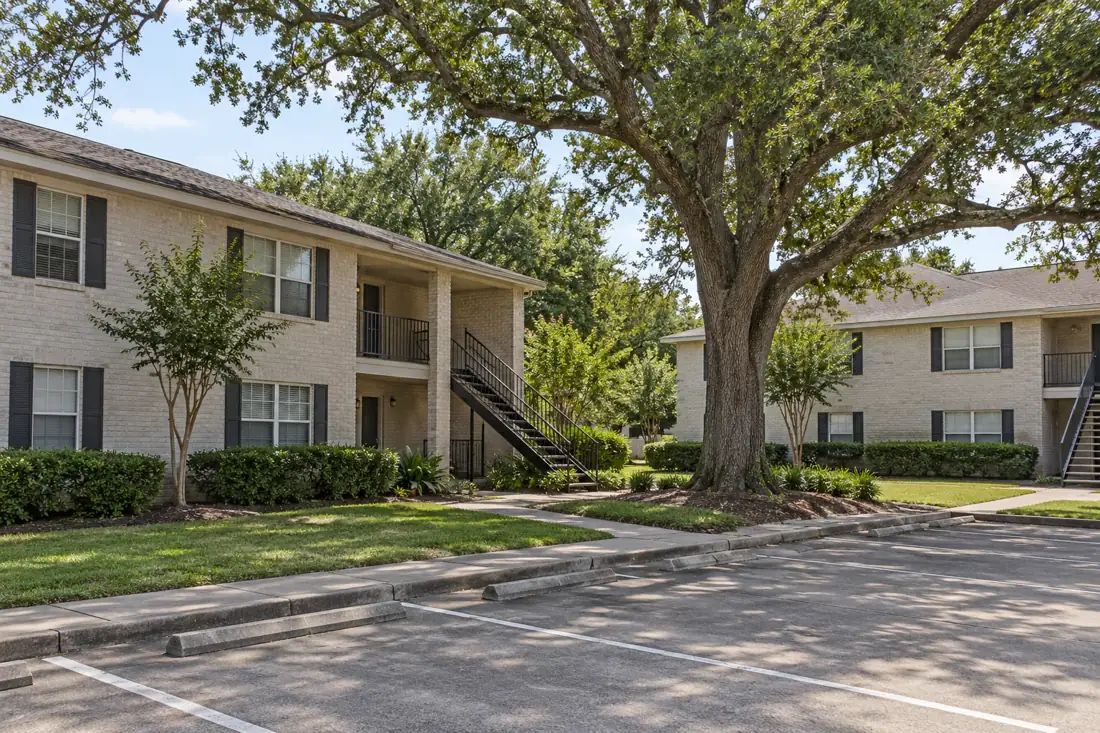
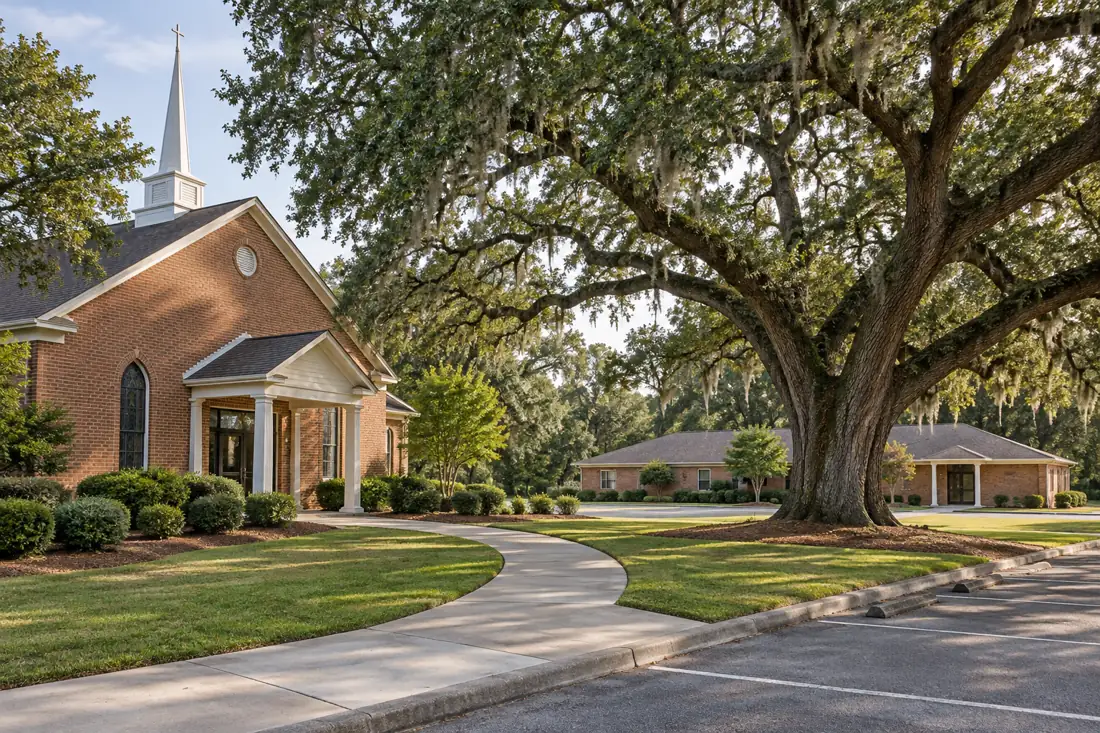
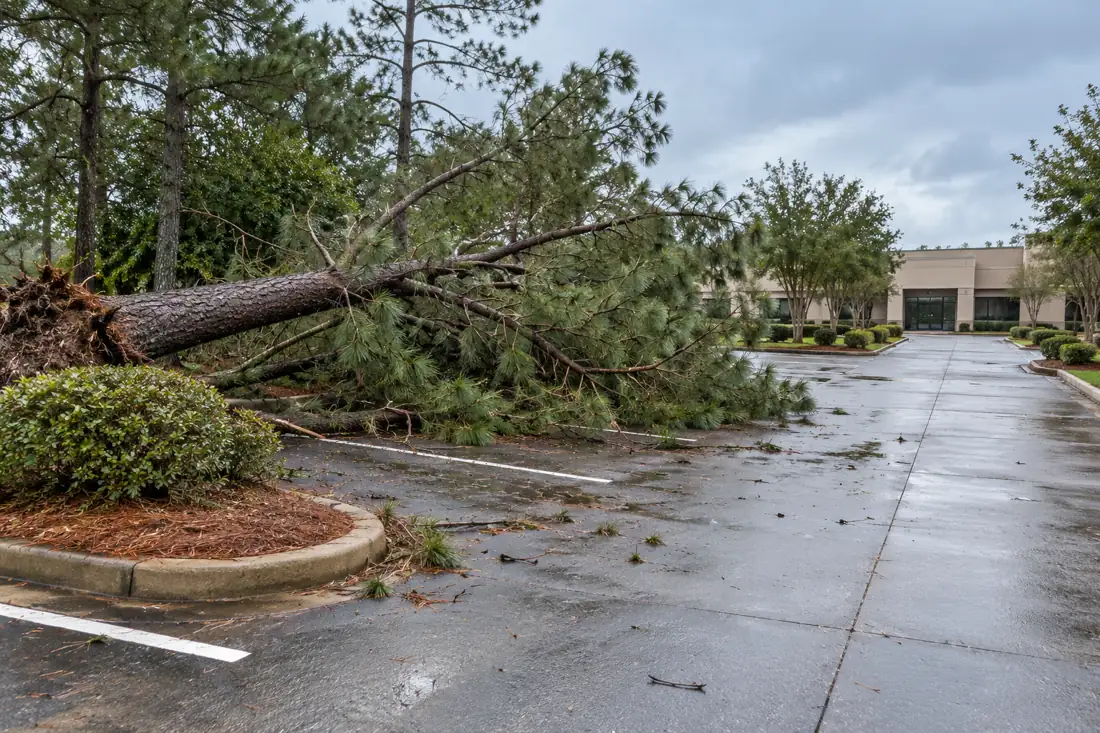
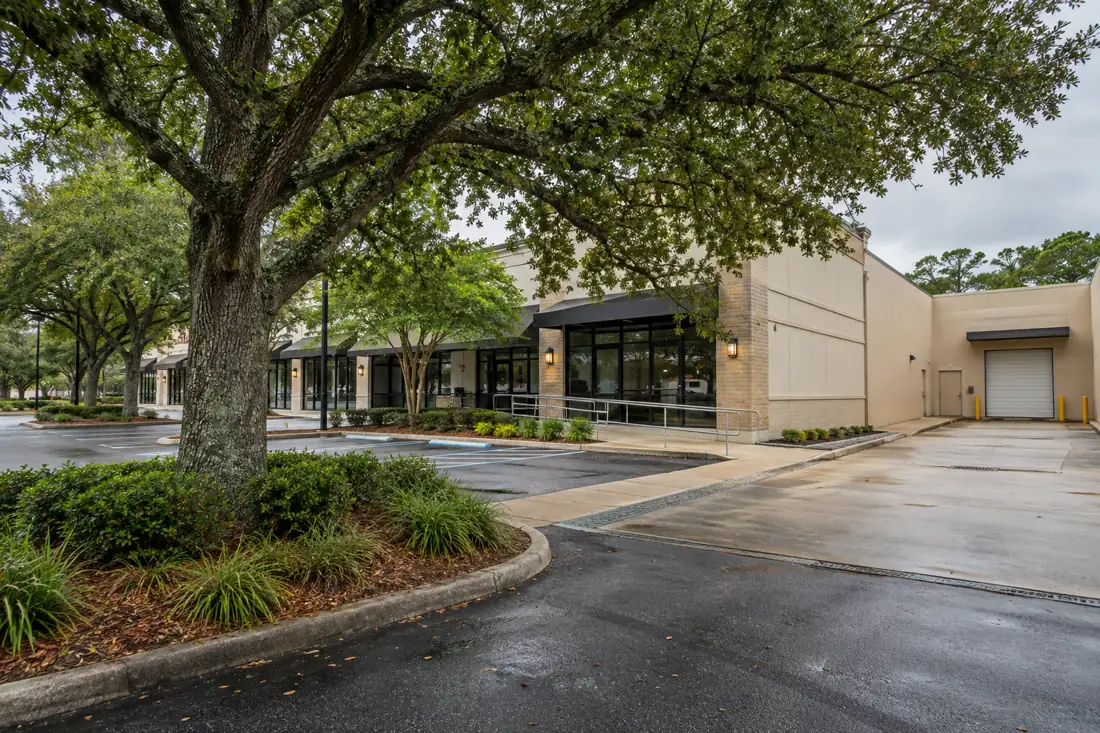
Assess tree condition separately from a cosmetic pruning request so the scope matches the concern. Include where equipment crosses lawns, irrigation or play surfacing and how loose chips or branches are removed. Before reopening, have the authorized facilities representative review the surface, any stump opening, gates, temporary barriers and equipment exit. A staged image may explain planning concepts, but it does not document that school or prove work has been completed there.
Site-specific planning checkpoint: For a school playground, identify the hours when children and staff use each gate, path and activity area. A work zone needs more than a line on a map: children may arrive through alternate entrances, and deliveries or maintenance vehicles may continue moving nearby. Obtain site-specific authorization for any closures and discuss emergency access with administrators. Photograph the tree condition and ground hazards without including identifiable students. Check equipment access against play-surface materials, fences, shade structures and underground utilities. The scope should clarify who establishes barriers, supervises reopening and checks for wood chips, fragments or ruts after cleanup. Do not present a tree photograph as proof that a playground will be safe without an on-site assessment.
Identify the affected trees, play structures, fall-zone surfacing, fencing, gates, classroom routes and emergency access on a school-approved map. Discuss the calendar with the facilities and school contacts and choose a time when children can be kept entirely away from machinery, dropped or suspended limbs and debris loading.
An empty playground is not a hard-surface staging pad: engineered surfacing, buried drainage, anchors and roots may be damaged by tires or outriggers. Document the surface condition before work and establish whether the contractor may cross it at all. A simple rope or cones must not be treated as the sole protection around a hazard.
Request a phase plan that specifies who controls entry gates, how the exclusion perimeter is secured and what staff should do if the schedule changes. Have the tree professional assess actual tree condition separately from a request to improve appearance or shade. The estimate should include protection of play features, controlled handling of brush and wood, thorough collection of sharp fragments and any agreed turf or surfacing repairs.
A school representative should inspect play equipment, fall-zone surfaces, gates, paths and drains before reopening, documenting remaining repairs instead of assuming the cut itself means the playground is ready. Keep later inspection recommendations distinct from the work performed.
Start with the school calendar and the play-space map
Tree work near a playground is a facilities and student-safety decision, not simply a branch-trimming task. The school should identify playground boundaries, entry gates, paths, pick-up routes, emergency access, and areas where children may gather outside scheduled play. A campus map marked with the trees and affected equipment is more useful than an isolated photograph. Include scheduled recess, sports, aftercare, and weekend community use when considering the work window.
Set a controlled exclusion zone rather than relying on cones
Tree material and equipment can move beyond the visible footprint of the trunk. The crew should establish the actual work zone based on the operation, with no students or other visitors permitted inside it. A few cones around a tree do not create a safe recess route if the neighboring walkway remains in use. Coordinate gate closures and temporary fencing through the campus representative before the job begins, and ensure the restriction can be maintained through cleanup.
Consider whether the school needs a separate pedestrian path to classrooms, restrooms, buses, or emergency exits. The contractor should not be asked to pause cuts repeatedly while children are escorted through the same area. A feasible schedule might require an off-day, a closure of adjacent facilities, or work in stages. The responsible school official must communicate the plan to the people who use the site.
Define a playground reopening checklist before work starts. Plan a written closeout walk with the school's authorized representative. Before reopening, confirm that temporary exclusion barriers have been removed only after the crew has finished, equipment has exited, branches and small debris have been collected, and disturbed surfacing or protective mats have been assessed. Keep children away from any suspended loads, machinery and unstable material throughout the project. Record any separately required repairs to fences, play surfaces or irrigation. Do not label the play area safe solely because the tree crew has left.
The facilities contact should confirm who may authorize the job and who controls campus access. Teachers, coaches, parent volunteers, and custodians may use the same gate at different times. A contractor can discuss a safe work plan only when those activities are known. Do not assume that working after dismissal is enough; other authorized occupants may still be present on campus.
Identify the question behind the request
A tree above a playground may be scheduled for deadwood pruning, selective clearance, structural assessment, storm cleanup, or complete removal. Each objective leads to a different work scope and different decisions about the play area. A visible branch does not establish that the whole tree is unsafe, and a routine landscape request should not be described as a formal risk assessment. Administrators should record the reported concern and the professional question they need answered.
If someone observed a fresh crack, hanging limb, or new soil movement, the school should keep the affected area unoccupied and seek timely qualified advice. Do not permit staff to climb playground equipment to inspect the canopy or remove a branch. Ask whether a written assessment, a scope for recommended work, or both are needed for the school's records. Separate the condition observed from conclusions not yet established.
Protect play surfaces and equipment below the canopy
Playgrounds may contain impact-attenuating surfacing, rubber tiles, engineered wood fiber, artificial turf, drainage layers, fencing, shades, and fixed equipment. Each material can react differently to heavy loads, falling debris, or repeated movement. Show the contractor where these features are located and what should be protected or avoided. A mat suitable for one surface is not a blanket guarantee that equipment can use every part of the playground.
Ask where logs and chips will be staged and how debris will leave without crossing sensitive play zones. Identify irrigation, drainage and underground electrical systems, including connections to lighting or shade structures. If surfacing is disturbed, the school may need a qualified surfacing provider to inspect or repair it. Define that responsibility before the tree work instead of assuming ordinary debris cleanup covers playground certification.
Coordinate trees and buildings around the playground
Canopies may extend over classrooms, portable buildings, covered walks, outdoor eating areas, or nearby parking. The contractor should receive photographs showing these targets, not only the branch directly above the play equipment. Access and overhead lines may affect equipment selection, while roof geometry and narrow walks may restrict material movement. An arborist or tree professional can discuss the tree; building or utility questions may require other qualified parties.
If branches are growing near electrical infrastructure, do not authorize ordinary tree work within the electrical hazard area without utility and properly qualified crew coordination. If a proposed removal affects an adjoining tree, note that relationship. A school should not interpret tree work as proof that every nearby structure, surface, or future weather event has been made safe.
Create a school playground work zone before discussing equipment
A tree over a playground involves more than cutting branches. It may overhang a play structure, pathway, pickup area or school fence, and those spaces can have changing occupancy through the day. A school representative should identify the affected areas, who can authorize a closure and how equipment and material will enter and leave. A remote photo cannot establish that children can remain nearby during operations. Do not include recognizable children or confidential class details in estimate photographs or shared notes.
Before scheduling, draw the proposed work area relative to play equipment, classrooms, driveways and emergency access. Ask whether activity must occur during an unoccupied period and which people are responsible for checking barriers and reopening the space. Protect irrigation, landscaping and surfacing from unapproved equipment movement. Distinguish arboricultural cutting from surface repairs and any playground inspection or regulatory determination. A clear scope should tell the facility what is included, what is excluded and which next approval is needed.
Coordinate school occupancy and tree work with a verifiable boundary
A school play area may be empty during a short visit but still serve recess, after-care or emergency assembly later that day. Ask the authorized facilities contact to identify every gate, pickup path, playground surface and interior exit that can lead into a work area. Consider the entire falling-debris zone as well as machine travel; a boundary should be based on actual work methods and the operator's safety plan rather than a row of caution cones near children.
The school should approve its own closure, access and reopening process. Tree debris in loose-fill playground surfacing can be difficult to distinguish from the surface itself, so cleanup requires a deliberate final walk. Record any pruning limits, damaged equipment, missed areas or weather interruption as explicit follow-ups. Avoid including children or personally identifying information in the website's illustrative imagery or estimate records.

Prepare staff communications that do not overpromise
A clear notice should say what portion of the campus is unavailable, when restrictions begin, who controls access, and whom staff should contact with an operational question. Avoid messages claiming that a pruning job makes the entire playground permanently safe. Contractors can document the agreed tree scope, but school administrators remain responsible for broader facility operations and communication policies. Use the actual approved schedule and revise it when conditions change.
Work near campuses also requires attention to visitor sign-in and security procedures. Discuss these requirements with the contractor before arrival. Do not send students' names, contact information, or unrelated private records through a public estimate form. A campus map and authorized facility contact are generally the useful first pieces of information for tree-service planning.

Use a written scope the facilities team can verify
Specify the tree or trees by location, the proposed pruning or removal objective, expected material handling, access route, and exclusions. State whether stump grinding, surfacing protection, hauling, or debris removal from play equipment is included. Where the job is based on an assessment, keep the recommendations separate from the contractor's actual service proposal. This allows an administrator to compare quotes and obtain approvals without turning a vague phrase into an assumed certification.
Include who will authorize changes if the crew finds another defect or an unexpected obstruction. A public or private school may have procurement rules, insurance-document requirements, or a purchase order process; the school should confirm those internally. The website should not invent qualifications, contract awards, or guaranteed school safety outcomes to encourage a sale.
Inspect the finish before reopening play areas
The school should arrange a handover with the contractor and the responsible facility personnel. From appropriate safe locations, compare the tree work with the agreed scope and review visible branches, debris, access gates, and equipment staging. Pay special attention to loose wood, chips, temporary barriers, and disturbances to play surfacing. If a qualified surface inspection or other trade is required, keep the playground closed until that work is addressed through the school's established process.
Photographs of the actual job can help document what was performed, but they do not replace a facilities inspection or guarantee against future failures. Keep the job record and any future inspection recommendation with the affected tree's campus location. Do not label hypothetical educational images as school projects or imply a real school testimonial without evidence.
Keep playground use separate from the work zone
Tree work beside a school playground begins with who can authorize closure of the play space and the route students will use instead. The campus contact should identify swing sets, climbing structures, shade covers, fences, poured rubber surfacing and nearby classrooms. A damaged branch over one edge of a playground can require a different plan than routine canopy clearance over a vacant lawn.
Before a contractor visits, record tree locations from a safe outside viewpoint and describe the specific concern: low limbs, suspected deadwood, root conflicts or storm damage. Photographs should not include children or identifying student details. Keep staff and volunteers out of the work zone, especially below suspended branches. An ordinary maintenance request must not be mistaken for emergency dispatch when there is an active overhead hazard.

An empty play area still has sensitive surfaces and equipment
Access planning needs more than a gate width. Equipment and debris may be able to enter from a service road but not cross delicate play surfacing or buried irrigation lines. Ask for a written sequence that identifies which structures need protection, where material will be staged and whether surfacing repair is excluded. Retained roots and the health of the tree should be considered when nearby ground work is proposed.
Arrange work windows with school leadership and confirm who communicates closures and reopening to families. An estimate may describe the contractor's debris removal and final grounds condition, but it is not a campus safety certification. Site managers should inspect play equipment and paths independently before allowing students back into an affected zone.
Plan the next review rather than treating completion as permanent
Trees continue growing and weather changes their condition. A school should decide who will receive future reports of hanging limbs, damaged branches, or changes near trunks, and how access restrictions will be applied while those reports are evaluated. A repeatable photographic viewpoint and a tree-location reference help subsequent reviewers understand change over time. The appropriate inspection interval is site-specific and should follow qualified advice rather than a marketing promise.
For a Tree Huggers inquiry, send the authorized facilities contact, campus location, marked tree photographs, access restrictions, and the dates when students will not occupy the area. Ask what assessment or scope information is needed next. That is the basis for an accountable playground tree-work plan: defined targets, clear authority, protected occupancy, and a documented finish.
Campus coordination is more than pruning the branches
A school playground tree job involves who can approve access, how equipment reaches the work area and when students, staff and visitors will be present. The site contact should identify arrival gates, pedestrian routes, equipment exclusion areas and any nearby drop-off traffic before a crew mobilizes. A written plan should describe who closes and reopens the affected area; an online request alone does not establish a schedule.
For the actual branch-selection decision, consult pruning trees around a playground, which focuses on tree condition, clearance objectives and avoiding unnecessary cutting. Other work might require removal, stump treatment or debris handling instead. Separate the campus access plan from the arboricultural recommendation so both are evaluated before work starts.
Questions about this project
Can a business stay open during tree work?
That depends on the site and scope. Discuss occupied routes, exclusion areas, loading and work windows with the contractor and property representative. Do not assume normal access can continue through the active work zone.
Who should communicate with tenants or visitors?
Agree on that responsibility with the property representative. The contractor needs a clear site contact, while the owner or manager should use the property's established process to communicate access changes and work windows.
Which property features should I point out?
Identify buildings, vehicles, fences, fixed fixtures, landscape features, utilities and occupied routes. Explain what can move and what must remain. Include existing damage and any buried features you know about along the access route.
Should people remain inside the work area?
The contractor and site contact should establish an exclusion area and access arrangements appropriate to the work. Keep children, pets, visitors and other workers outside the active zone until the responsible parties say it can reopen.
How should I describe the pruning I want?
Explain the objective: clearance for a route or building, deadwood, a damaged branch or structural development. Ask for suitable tree-specific work rather than requiring an arbitrary shape or amount of canopy to be removed.
Will pruning resolve every tree concern?
No. Root, trunk and major structural problems may need a different assessment or response. State the full concern so pruning is not used as a substitute for evaluating the condition that prompted the call.
Does cleanup include every root and wood chip?
That depends on the written scope. Tree removal, stump grinding, chip hauling and root excavation are different tasks. Ask what material is removed, what remains and whether soil or landscape restoration is separately included.
What should a final walk-through check?
Compare the identified trees and tasks with the agreement. Check agreed debris handling, stump treatment, access openings and any listed restoration. Record unresolved items clearly instead of relying on a general impression that the property looks finished.
How should extra work be approved?
Use the agreed approval process and identify the change, reason, scope, price or schedule effect as applicable. Confirm who has authority before treating an additional tree or task as part of the original job.
What completion records are useful?
Keep the agreed scope, tree or area identification, authorized changes, invoice and labeled photos where appropriate. Include unresolved items and a contact. Contract-specific records should follow the buyer's stated requirements.
What should I tell Tree Huggers about planning tree work for a school playground?
Explain the property address, the work you want and the specific concerns: play equipment, authorized access, reopening standard. Send safe photos of the tree, surroundings and access route. The contractor can then discuss the assessment and scope needed for this situation.
How do I request an estimate for this work?
Call 504-458-8336, text photos or use the estimate form on this page. Include the address, desired outcome and any timing constraints. The company will need to review scope and availability; an online request does not confirm a price, appointment or emergency dispatch.
Get a scope for your property
For a school playground, describe each affected tree with a site map showing play equipment, fences, drop-off areas and safe equipment entrances. School personnel should document hazards only from approved safe locations; keep children and student information out of photographs. Request a work plan that states whether the play area will close, who controls access, how branches or logs will be lowered and where equipment or debris can stage without using pupil routes.
The scope should include any required campus approval, an inspection of the grounds for chips and small debris, and a specific reopening handoff to the authorized facilities representative.