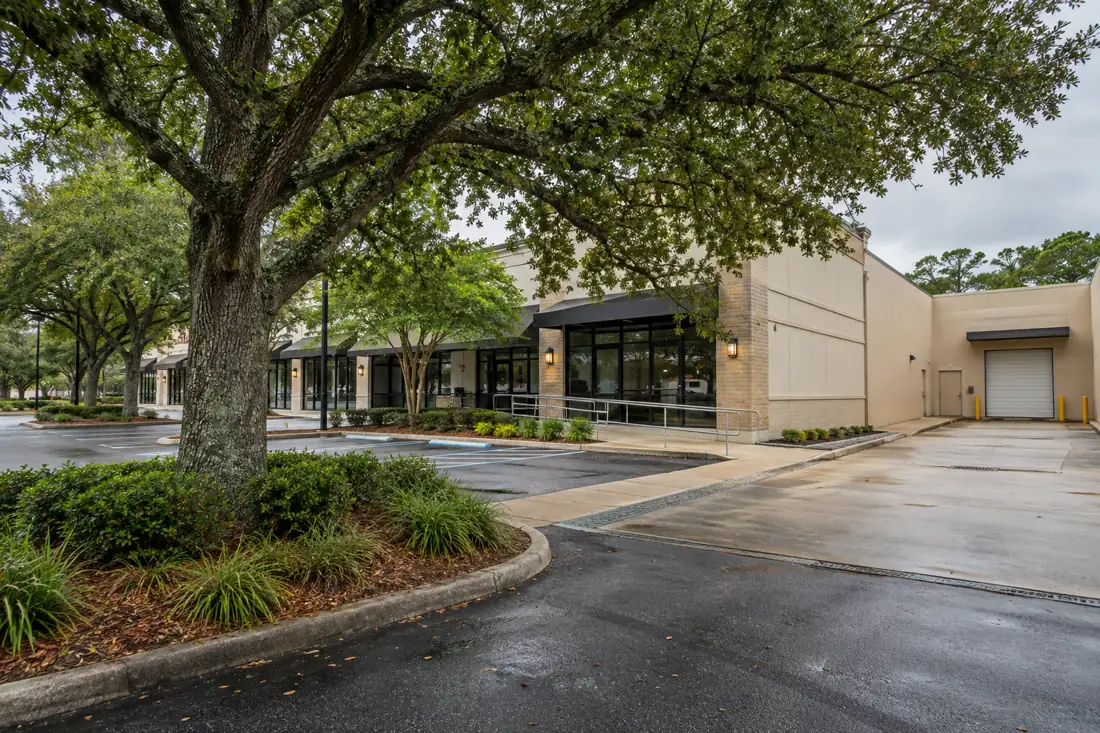
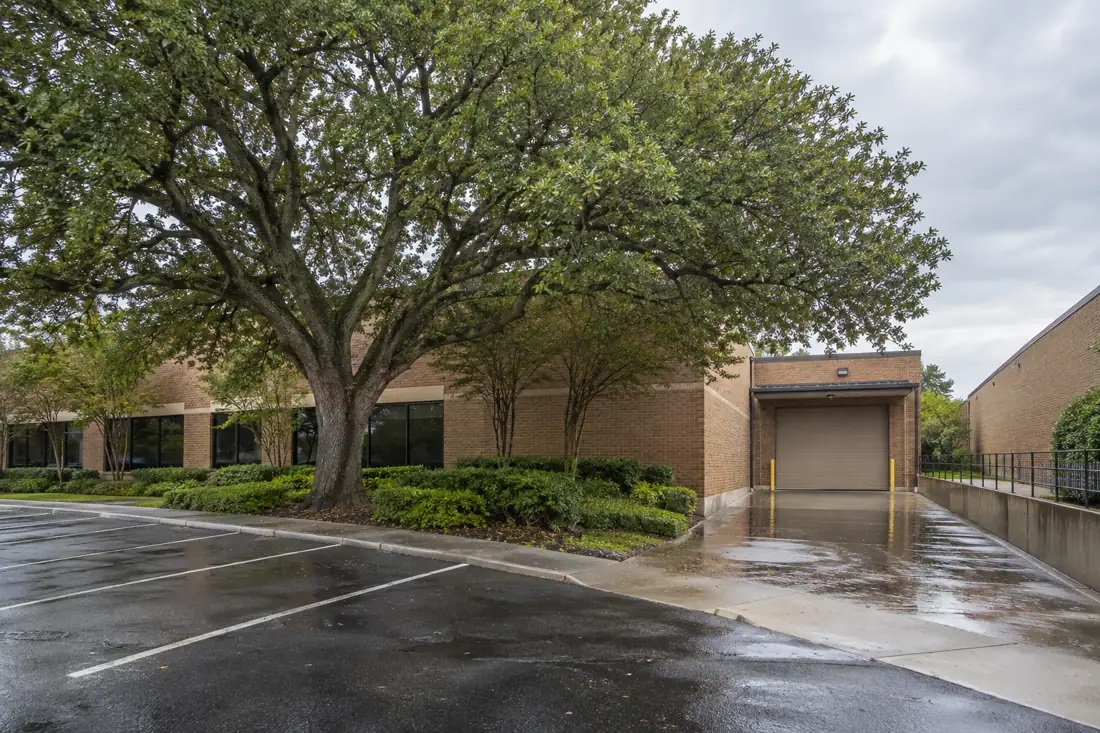
A portfolio manager needs a consistent way to compare concerns without assuming all sites have the same exposure. Identify known defects, occupied targets, access problems and planned projects. A tree professional can help define next steps for each site. Keep priorities, authorization and completed scopes documented for later review.
Site planning detail: A manager responsible for several properties needs a ranked work list, not a single undifferentiated backlog. Record each tree’s location, visible condition, target exposure and recent changes, then identify whether the concern requires immediate exclusion, professional evaluation, routine maintenance or monitoring. Consider occupancy: a branch over an active entrance creates a different exposure from a similar branch over an unused rear lot. Keep safety findings separate from cosmetic preferences and distinguish a professional assessment from a phone or photograph estimate.
Build a simple property-by-property schedule with access requirements, tenant notice, approved budget and who will sign off on completion. Recheck priorities after significant storms or construction disturbances. When comparing bids, ensure each contractor priced the same trees, pruning objectives, debris disposition and surface protection. A consistent inventory makes it easier to document decisions without inventing emergency conditions or treating every property as identical.
Site-specific planning checkpoint: Prioritize a multi-property tree-work list by consequence and site conditions, not simply by which location has the most visible limbs. An unstable tree near an occupied entrance warrants different attention from a small clearance issue beside a rarely used storage area. Use consistent photographs, address labels and access notes so contractors do not confuse parcels. Mark any sites involving power lines, uncertain ownership or suspected structural damage for appropriate specialist review. Group routine work geographically only after urgent safety concerns have been separated. The manager should confirm who can approve scope changes at each location and what documentation will close each task. A ranking spreadsheet is a decision aid, not a substitute for on-site assessment.
Managing several properties means choosing which tree concerns need professional attention first, not simply addressing the largest or most visible canopy. Create a property-by-property list with tree location, observed defect, nearby people or structures, access restrictions and the impact of closing an area. A broken limb over a frequently used entrance may warrant a different response from similar deadwood in an unoccupied buffer.
Record what is known and what has only been reported; do not turn a photograph or office spreadsheet into a formal tree-risk rating without the appropriate assessment. Keep urgent exclusion or utility issues separate from routine pruning and aesthetic work.
Ask the contractor to group proposed work by priority and mobilization constraints: immediate hazards needing evaluation, tasks that may share equipment, seasonal maintenance and work awaiting permissions. Require tree-by-tree deliverables, excluded items, closeout photos and an approval mechanism for new findings. Comparing properties only by estimated cost per tree can hide access, rigging, occupant notification and ground restoration differences.
After each work phase, update the portfolio record with what was completed and which sites remain open. This creates a defensible queue for budgeting without fabricating safety guarantees, inspection results or future service response times.
Combine property inventories into one comparable register
An owner or management company with several sites needs to see more than a pile of unrelated estimates. Start by listing each property, its local contact, the number or map identifiers of relevant trees and the latest observed concerns. Use a common format for the location, condition notes, requested outcome and nearby targets, even when different contractors originally collected the information. The goal is to compare actual issues without losing the context of each site.
Keep property-specific maps attached to the central register rather than replacing them with a vague regional list. A tree number should be unique within its site, and photographs should show the trunk, canopy and nearby use from safe positions. If a property lacks a current assessment, mark that gap plainly. Do not invent tree health ratings or assume an old invoice proves the current condition of a specimen.

Triage high-exposure concerns before cosmetic requests
A manager may receive dozens of complaints about shade, leaves and appearance alongside a few reports of broken limbs or sudden lean. These should not all enter the same first-come queue. Ask qualified professionals to evaluate structural concerns and their possible consequences, taking account of regularly occupied walkways, buildings, parking and other targets. A report of deadwood above a childcare entrance may call for earlier attention than a request to improve the outline of a low-use landscape tree.
Use practical priority categories such as urgent professional evaluation, scheduled corrective work, monitoring and optional appearance improvements. Explain the evidence for each assignment and identify who approved it. Do not treat a category as a guarantee of safety or a mathematical risk score without a validated method. If an obvious defect threatens people, the local manager should restrict exposure as appropriate rather than waiting for corporate approval of a routine trimming round.
Account for differences in site access and operations
Two trees of similar size may require very different approaches if one stands beside an open service field and the other above a crowded parking deck. Record gates, overhead conductors, surface support, equipment turning space and debris routes for every site. Compare proposals on those constraints as well as the recommended treatment. A centralized buyer should avoid assuming a single piece of equipment or fixed production rate will work at every property.
Local operations also matter. A warehouse has loading shifts, a medical site may need critical vehicle access, and a retail center has weekend visitors. The property representative should identify closure rules, tenant notices and suitable work windows before the company groups multiple jobs into one route. A centrally efficient schedule is not useful if it makes a local work zone unsafe or prevents essential access.

Separate geographic routing from actual tree-care priorities
Combining nearby properties into one crew mobilization can reduce travel and setup duplication, but routing should not override risk assessment or work readiness. A site with an urgent hanging limb should not be deferred solely because other jobs in its district are planned later. Conversely, a routine pruning request may be grouped with similar approved work when weather, access and crew capability allow. Record which savings are genuinely supported by the contractor's scope.
Ask whether equipment, material handling and trained personnel are suitable for all proposed stops. A site requiring crane access may not fit into the same route as small selective pruning near a sidewalk. Confirm where debris can be disposed of and whether travel time changes the schedule. Do not promise efficiency savings or faster completion before actual proposals establish what is feasible.
Make one prioritized work order for each property
A company managing multiple buildings needs comparable records but not interchangeable tree scopes. A dead limb above a walkway, a cracked trunk near a building, a blocked road and routine clearance work have different exposure and handling needs. Assign every request a unique property identifier and explain the tree, nearby targets and access constraints in a few factual sentences. Take photographs only from a safe vantage, excluding tenant names and personal information.
Separate work that must be evaluated immediately from maintenance that can be planned and from items that require another profession. Record who approves entry, who may authorize a change and who receives the completion record. If crews visit several sites, keep a revised location list instead of relying on the order in a group email. The final comparison should be against authorized tasks at each location, including debris and restoration exclusions. This also helps the owner distinguish completed work from estimates for future work.
Prioritize estimates with consistent scope information
A quote request should identify the property, tree IDs, desired outcome, access restrictions and completion requirements. Separate inspection-only needs from pruning, removal, stump grinding and debris hauling. Require each contractor to describe excluded work so a regional buyer does not mistake one comprehensive quote for an overpriced version of a smaller scope. The same cost label can mean very different things when equipment access, ground protection and cleanup differ.
When reviewing prices, note whether all sites can be serviced within the proposed window or whether local approvals remain pending. Confirm applicable credentials and coverage using current documents rather than generic claims. Keep bids linked to the original site map and dated observations. A central register makes comparisons useful without concealing property-specific risks or creating an unsupported ranking of contractors.

Build budgets around condition and business consequence
Multiple properties compete for maintenance funding, so a manager needs a defensible reason for each priority. Ask which observable tree condition, occupied area and required work drive the request. Urgent evaluation and high-consequence corrective work may need earlier attention than routine visual improvements, even if a different site has complained more frequently. Document budget deferrals honestly rather than labeling all postponed projects safe.
Separate recurring inspection, approved tree work, storm reserve and optional landscape enhancement in the financial plan. If one campus requires extensive remediation, record that as a site-specific issue rather than raising every property's standard trimming budget automatically. Do not invent unit prices or claim a universal cost per tree. Actual local estimates and scope details are necessary for meaningful allocation across the portfolio.
Rank Multi-Site Tree Requests by Exposure and Readiness
When a portfolio has several properties, the loudest complaint or largest tree is not automatically the highest priority. Start by separating immediate observable concerns from regular maintenance and purely cosmetic requests. A broken limb over a main entrance, a tree leaning into an active travel route and branches rubbing a seldom-used fence represent different combinations of condition and exposure.
Collect the same basic facts for every location: city, property contact, tree identifier or photo angle, visible change, activity beneath the tree, and any access restriction. Avoid asking maintenance employees to diagnose decay or assign professional risk ratings. Their role is to report clear observations so the appropriate tree professional can decide what must be evaluated first.
Build a simple triage board with statuses that reflect real decisions: reported, information needed, site assessment requested, quote received, authorized, scheduled, completed and follow-up needed. A concern that is reported is not a crew dispatch; a quote is not authorization; and an accepted estimate does not mean the property is already cleared of hazards.
Where multiple owners or associations must approve expenditure, state that dependency visibly. For repeat issues, link the new report to earlier photos without assuming an old image represents the current canopy. This approach also prevents duplicate dispatch requests when a resident, tenant and facilities manager report the same fallen branch separately.

An owner-friendly approach for many addresses and decision-makers
Grouping addresses by geography can help a business plan site visits, but convenience should not override a time-sensitive hazard or the need for safe access. A property in Gretna and one in Metairie may be close on a map yet have different gate controls, parking hours and local traffic complications. Give each site its own work authorization and requested deliverables, including cleanup, wood removal, stump handling and property restoration limits. Do not merge a shared roofline concern across parcel boundaries without checking ownership and permissions. If an emergency is suspected, keep people away from the affected area and use appropriate urgent contacts; a website inquiry is not a substitute for emergency dispatch.
A portfolio report should make remaining decisions easy for someone who was not at every site walk. Show each location's open concerns, which company or professional was asked to evaluate them, the latest agreed scope, and whether any photographs are representative illustrations rather than actual property evidence.
Track delays caused by unavailable gates, tenants, permits or utility coordination separately from delays caused by the tree work itself. At project closeout, confirm the specific address, trees, debris disposition and work completed; do not mark the entire site risk-free. For an initial multi-site estimate request, share the city and general property categories first, then provide precise access contacts through the business's approved intake process, not analytics events.
Keep authorization clear across regional and site teams
A regional manager may control the budget while an on-site manager controls gates, notices and vehicle movements. Write down those roles for each location. Define who can sign the proposal, who can direct daily access and who can approve a change if an unexpected defect or restricted route alters the work. A contractor should not have to guess whether a tenant representative or maintenance employee can authorize additional removal.
For shared or leased properties, verify ownership and third-party permissions before work is scheduled. Store access codes and private contacts securely rather than attaching them to public quote requests. When operations change, update the responsible contact in the register. Clear authority helps projects proceed while preventing the crew from treating informal conversations as approved changes to a multi-site contract.

Track real progress rather than just scheduled visits
A property with a date in the calendar is not the same as one with verified completed work. Maintain separate statuses for requested assessment, quoted, approved, scheduled, in progress, completed and deferred. Link a completion record to the tree numbers and tasks actually performed. If a crew pruned three trees but removal of a fourth was postponed, report the partial outcome rather than marking the entire property finished.
Request dated notes and ordinary site photos that confirm work areas without inventing real customer scenes. Track remaining debris, stump services or surface restoration separately when outside the immediate tree scope. This makes the central dashboard useful for budget and operations without substituting administrative status for genuine quality verification. Review anomalies with the local property contact instead of quietly editing history to make completion figures look better.
Prepare a portfolio-wide response after severe weather
A storm can create simultaneous concerns at several properties, making a preexisting tree inventory especially valuable. Ask local contacts to report blocked entries, visible hanging branches, fresh lean and affected utilities from safe positions. Prioritize urgent professional evaluation and essential access, not the loudest message or the closest site to headquarters. Where conditions create immediate danger, follow appropriate emergency procedures rather than asking untrained staff to remove debris overhead.
Document which properties have been assessed after the event and which reports remain unverified. Equipment availability, flooded roads and site access can change schedules, so avoid blanket response guarantees. A coordinated plan should identify who communicates with occupants and who approves emergency scope adjustments. The original annual maintenance calendar can be revisited once urgent hazards and access constraints have been addressed.

Review recurring needs and close the loop each year
At year end, compare actual completed treatments with the approved site lists and note where trees were inspected but no work was needed. Review repeat issues such as drainage-related access problems, low-hanging limbs along delivery routes or frequent storm damage near exposed buildings. Those observations can inform future scope and site design decisions. They should not be turned into an unsupported claim that all tree incidents have been eliminated.
Update each property's inventory, retain genuine completion records and identify what needs a future assessment. When new assets are acquired, bring their tree observations into the same format without rewriting old history. A practical portfolio program offers visibility into conditions, decisions and work, while recognizing that individual trees, operating environments and weather remain different. The value is informed prioritization, not a superficial count of how many pages or proposals have been produced.
Questions about this project
Is a total tree count enough for a large quote?
Usually the parties also need locations and tasks. Use consistent tree numbers, marked photos or a site plan so the estimate and crew instructions refer to the same trees and retained areas.
Does a work inventory include a condition assessment?
Only if that service is expressly part of the scope. A list used to identify and price tasks should not be mistaken for a documented assessment of every tree's condition or risk.
Is a free work estimate the same as a written risk assessment?
Not necessarily. Explain whether you need pricing, condition advice, a documented assessment or a combination. Ask what the visit includes, who provides it and what limitations apply to any findings or recommendations.
What history should I share?
Share known storm damage, prior failures, construction, root disturbance, flooding, pruning and recent changes. Include the timing and nearby property use. Useful history supports the evaluation without replacing inspection of the current tree and site.
How should extra work be approved?
Use the agreed approval process and identify the change, reason, scope, price or schedule effect as applicable. Confirm who has authority before treating an additional tree or task as part of the original job.
What completion records are useful?
Keep the agreed scope, tree or area identification, authorized changes, invoice and labeled photos where appropriate. Include unresolved items and a contact. Contract-specific records should follow the buyer's stated requirements.
Can a business stay open during tree work?
That depends on the site and scope. Discuss occupied routes, exclusion areas, loading and work windows with the contractor and property representative. Do not assume normal access can continue through the active work zone.
Who should communicate with tenants or visitors?
Agree on that responsibility with the property representative. The contractor needs a clear site contact, while the owner or manager should use the property's established process to communicate access changes and work windows.
What should I compare besides the price?
Compare tree identification, work objectives, access assumptions, hauling, stump treatment, site finish and exclusions. Ask whether permits or other coordination are part of the scope and who can approve changes if conditions differ.
Does an online request book the crew?
No. A request starts the estimate conversation. The company still needs to discuss scope, availability and any site assessment. For a dangerous or urgent condition, call 504-458-8336 rather than relying on a form response.
What should I tell Tree Huggers about prioritizing tree work across several properties?
Explain the property address, the work you want and the specific concerns: portfolio comparison, target exposure, approval tracking. Send safe photos of the tree, surroundings and access route. The contractor can then discuss the assessment and scope needed for this situation.
How do I request an estimate for this work?
Call 504-458-8336, text photos or use the estimate form on this page. Include the address, desired outcome and any timing constraints. The company will need to review scope and availability; an online request does not confirm a price, appointment or emergency dispatch.
Get a scope for your property
Managing several properties requires comparing exposure and urgency consistently without reducing every concern to the size of a branch. Create a property-by-property inventory with tree location, visible issue, nearby occupied areas, maintenance history and any existing inspection recommendation. Note where people routinely gather, where important access routes might close and which properties have restricted work windows.
Label reports as observed conditions or professional findings so an internal spreadsheet does not turn a photo-based suspicion into a definitive safety rating. Avoid sending crews into a hazardous area just to capture standardized images.
Ask for a staged proposal that documents immediate access restrictions where needed, further assessment questions, prioritization criteria and separate estimates by site or work package. Identify who authorizes each property, approves changes, coordinates tenants and accepts completed work. A shared tracking system can record inquiry, qualified assessment, estimate, approval and completion without collecting more personal information than necessary.
The plan should stay adjustable as weather, occupancy and tree conditions change; a portfolio rank is a planning aid rather than a guarantee that a lower-ranked tree presents no risk.