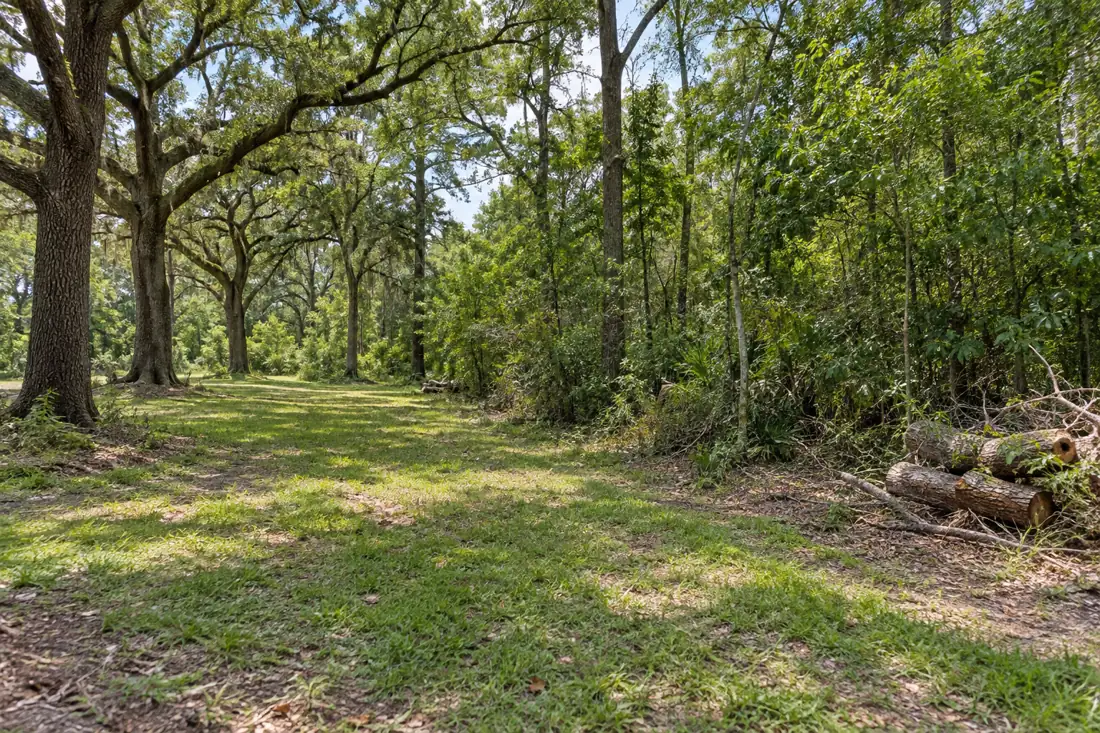
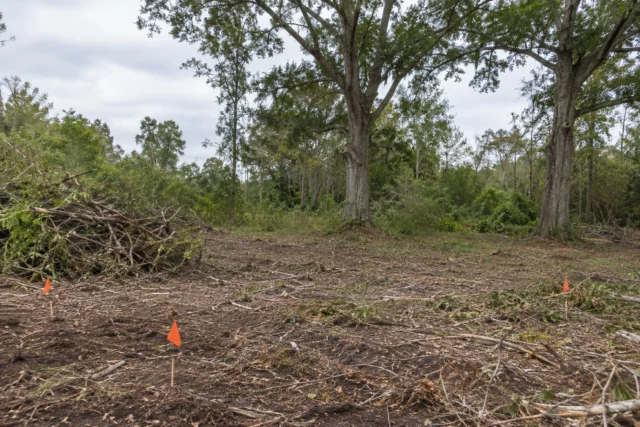
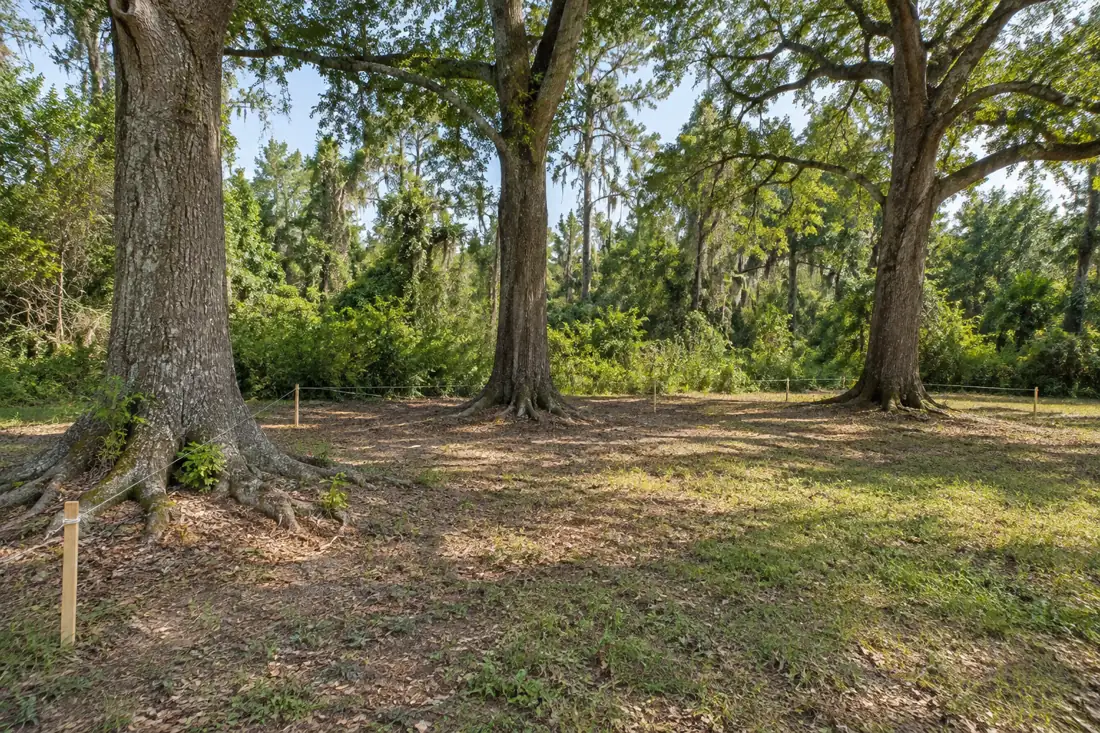
A site may have landscape areas that must remain undisturbed while other vegetation is removed. Use clear markings and an agreed access route to communicate those limits. The contractor should understand what must be retained before selecting equipment. Completion should include a comparison against the authorized boundary and protection requirements.
Site planning detail: Protected landscape areas call for explicit work limits before a tree crew arrives. Mark trees to retain, specimen-root zones, beds, irrigation heads and the path that equipment may use. Aerial imagery alone cannot reveal soft soil, underground utilities or changes in grade, so a site walk is important when access is constrained. Establish where cut sections may be staged and how debris will leave without scraping preserved trunks or compacting root zones.
Determine which fencing or barriers must remain throughout the job, who may authorize adjustments and what restoration follows. A contractor should not treat a temporary construction path as permission to damage neighboring plantings. Use a map and safe site photographs to communicate the approved boundaries. Any removal near protected species or regulated land features needs location-specific confirmation of requirements.
Use a marked photograph or plan to distinguish plants and areas to retain from vegetation approved for clearing.
Map what the owner wants protected before clearing
Protected landscape areas should be drawn on the first site plan, not pointed out after equipment arrives. Identify specimen trees, garden beds, irrigation zones, hardscape, patios, lighting and any features with special personal value. Mark the approved clearing limits and a separate path for cut material. A vague request to be careful around the garden does not give a crew enough information to choose a method.
Photograph the features that must remain from safe and useful angles. Some plants may be dormant, while underground irrigation or landscape lighting has no obvious surface trace. Ask the owner to identify private utilities and maintenance records rather than assuming a visually empty patch of mulch is available for a machine or stabilizer.
Use a marked plan or owner-approved photographs to identify plantings that must remain untouched, including small shrubs and bulbs that disappear seasonally. Distinguish replacement landscaping from preserved landscaping. A crew can protect what is clearly identified much more reliably than what is described only as the good plants.

Create practical buffers around mature trees
A mature tree may have roots extending far beyond the visible trunk base. Where it is intended to stay, seek appropriate arboricultural guidance for its root protection limits and avoid treating canopy drip lines as an automatically sufficient rule for every site. Mark where cutting, hauling, equipment parking and stockpiling will be restricted.
Barriers need to remain effective during loading and cleanup, not only while branches are cut. An attractive open area beneath a preserved canopy often becomes the easiest temporary storage place; that convenience may compact soil or bury roots. Choose staging zones before work so protected space does not become an afterthought.
Make the protected areas unmistakable on the ground
A written clearing limit should be paired with a walkable field boundary that crews can recognize after vegetation is cut. Mark specimen plantings, small ornamental beds, irrigation controllers and landscape lighting, including features that may be dormant or hidden under mulch. Identify a separate equipment route and material-staging area so protection does not depend on last-minute decisions.
Ask who approves any needed change when an unseen stump, root or buried obstacle conflicts with the proposed route. Completion should compare the cleared footprint and protected features to the owner-approved plan, not only to a general statement that the lot was cleaned.
Three protected landscape features that need different safeguards
Illustrative planning situations, not photographs or claims of completed customer jobs.
Ornamental garden with shallow irrigation
A small flower bed may appear easy to avoid until cut wood must pass across it. Show the bed edge, visible sprinkler heads and preferred carry route on a marked site photograph. The project owner should identify known irrigation controls and ask the appropriate specialist about hidden lines; tree workers should not guess their location. A hand-carry approach may be discussed for this narrow zone, while the rest of the clearing may use a different method.
Retained mature tree beside the clearing footprint
For a mature tree marked to remain, protecting the trunk alone may be inadequate. Heavy traffic, storage and excavation can affect unseen roots outside a small visible circle. Have a qualified person determine an appropriate exclusion or protection zone for that tree and mark it before equipment mobilizes. If the needed route conflicts with the zone, the contractor and owner should redesign access or change the scope rather than silently narrowing a barrier.
Stone path and garden lighting beside a removal
A decorative path can serve as the only route for material while also hiding low-voltage lighting, conduits or edge supports. Record pre-existing cracks, loose stones and obvious fixtures before work. A protection method may include alternative staging or a different route, but it should not be described as a guarantee against every possible mark. The final walk should distinguish visible clearing damage from any separate masonry or electrical correction that requires another trade.
Record these three decisions
- Identify visible and buried garden systems
- Agree on no-traffic or controlled-crossing limits
- Name the separate repair owner if a specialty system is affected
Make retained landscaping visible in every clearing instruction
Use a marked photograph or plan to distinguish plants and areas to retain from vegetation approved for clearing. Include tree trunks, ornamental beds, irrigation zones, drainage edges and any protected root areas. A narrow paint line or a verbal instruction to avoid the good plants is not enough when a different crew member later operates equipment.
Agree on a clear no-entry or protection boundary that equipment operators can recognize from the approach route. Ask how mats, barriers, hand methods or alternative staging could reduce contact with sensitive surfaces, without treating those measures as a guarantee against damage. Where root impacts are possible, obtain qualified tree guidance before approving grading or excavation.

Protect landscape features that a tree plan can overlook
Mark shallow irrigation, buried low-voltage lighting, edging, planted beds and the dripline of retained trees before selecting a machinery route. A crew can avoid a flower bed yet still compact the root area supporting a mature tree beside it. Where practical, use a clearly marked exclusion zone and an agreed temporary route instead of asking operators to improvise around unmarked landscaping. Have the owner identify species or plants that must remain.
Protective matting and hand-carry work have limits. Document the surfaces and slopes where equipment cannot safely operate, then decide if a different tool, smaller pieces or a changed work sequence is required. At closeout, inspect soil ruts, crushed edging and sprinkler heads before backfilling or replacing mulch hides evidence of unintended disturbance. The desired finish should be written into the scope, not assumed.
Record existing conditions from safe positions: bed edges, pavement joins, sprinkler heads where visible and current tree canopy. Note which points are only approximate and which have been confirmed by drawings or professionals. The owner should not mark unknown underground utilities as though their position were certain.
Build an inspection handoff into the work: the contractor identifies any unexpected roots, hidden obstructions or access conflicts before expanding the scope. At completion, compare the agreed retained areas with the same reference photographs and document changes that were actually approved. Separately arrange any horticultural or irrigation work that the clearing contract excludes.
Before accepting the work plan
- Mark retained trees and planting beds on a common plan.
- Make the access route and stop-work boundary unmistakable.
- Photograph retained areas before and after the authorized clearing.
Protect irrigation, lighting and buried landscape features
Sprinkler tubing, valve boxes, low-voltage lighting and drainage lines can be hidden beneath mulch or new turf. Ask the owner to identify their approximate routes, then confirm uncertain locations before intrusive work. A contractor should not promise that everything buried will survive a stump grinder or heavy machine simply because no surface marker is visible.
If lines are discovered unexpectedly, pause that part of the operation and coordinate with the responsible trade. Document the condition without claiming a diagnosis of the system. Excluding irrigation repair from the tree-service scope is reasonable when the limits are clear and the owner knows who will inspect the system afterward.
Irrigation valves, shallow supply tubing and low-voltage lighting cables often run through beds that appear open at the surface. Ask the owner for existing plans, mark known fixtures and document uncertainty before ground protection is placed. Only qualified personnel should locate or repair concealed infrastructure.

Control branch lowering near delicate plantings
An ornamental bed cannot serve as an uncontrolled branch landing zone. The crew must assess the tree's condition, safe lowering options and how each section will travel past fragile plants. Where a large branch cannot be managed within the available space, a different method or equipment position may be required; a tarpaulin over flowers does not make a heavy impact harmless.
Discuss unavoidable contact with groundcovers or low vegetation before work. Controlled cutting may reduce disturbance but adds handling time and can require access to parts of the yard the owner hoped to leave untouched. A candid plan is better than a guarantee that not a single leaf will move.
Set limits that protect landscape areas not included in the clearing scope
A lot may have working garden beds, irrigation zones, specimen shrubs, established hedges or trees that must stay while unwanted growth is removed elsewhere. Start with a simple annotated photo or plan identifying protected beds, cut zones, access gates and the route to the debris truck.
Equipment tracks do not necessarily stay inside the apparent cutting footprint, and dragging branches can damage plants outside it. Ask whether a landscape feature is temporary or fixed, and do not assume that laying plywood or a tarp makes delicate irrigation or wet ground safe for loading.
Define how limbs will be handled near retained planting, whether debris can cross lawn areas and how temporary protection will be placed and removed. A small skid-steer may be efficient in open ground but unsuitable near buried irrigation or saturated beds. Distinguish the tree contractor's cleanup from transplanting, planting design, sprinkler repairs and soil rehabilitation.
If mature oaks or large preservation trees border the work, determine appropriate root-zone protection before agreeing to a convenient machine path. Keep a record of changes if the construction owner expands the clear zone after tree crews arrive.
Select equipment routes around beds and paths
Heavy equipment can damage pavers, edging, fresh sod and soil even without running over a visible plant. Measure access width, slope and overhead clearance, and identify old retaining edges or drainage trenches beneath the route. Ground protection may be useful in certain conditions but should be selected by the qualified operator, not treated as a universal guarantee against rutting.
Where hand carrying or smaller machines are proposed, show the route and expected number of passes. The owner can then balance access disruption with protection of special landscaping. Do not shift to a shorter route through a protected bed in the field without documenting and approving the change.
A tracked machine may fit through a gate yet still exceed the load tolerance of pavers, edging or soft soil. Specify the route, turning area and protective surface where appropriate. Photograph existing cracked slabs and damaged edging beforehand so the closeout review can distinguish old conditions from new ones.

Separate tree debris from ornamental plant waste
Woody debris from clearing can be mixed with flowers, shrubs and groundcovers if the crew works too close to the border. Define what vegetation is authorized for removal and what should remain. Tag intentional pruning of ornamentals separately from tree work, because cutting one hedge to reach a trunk is not automatically within the contract.
Keep chips and sawdust away from delicate planting crowns and irrigation emitters. If clean wood chips are requested for reuse, specify the destination and application responsibility. Deep piles or fresh chips placed against trunks can create problems; retaining material requires as much planning as hauling it.
Manage slopes and drainage near gardens
Landscape beds often sit along graded edges or drainage swales. Dragging brush downhill may disturb erosion-control fabric, and stockpiles can divert water toward a patio or building. Mark the expected drainage route and avoid staging across inlets, French-drain outlets or low spots. Work should not fill a swale just because the nearest open space is convenient.
If the property has existing erosion or a drainage defect, identify that as a separate concern requiring appropriate evaluation. Tree clearing can expose the condition, but it does not qualify the crew to redesign drainage. A final walkthrough should check that material has not introduced a new obstruction.
A garden berm or raised bed may direct stormwater around a house, and moving it for a machine can create unintended pooling. Preserve flow paths when staging brush and keep exposed ground from washing into planting beds. Any proposed grading change needs its own review rather than being treated as routine tree cleanup.

Plan around pets, play areas and outdoor furniture
Protected landscape spaces are frequently also living spaces. Ask the owner to move portable furniture, toys and planters where practical, and keep people and animals away from active cutting. A dog run or garden gate may be the only safe route out of a back yard, so access planning should cover daily household use and emergency exits.
Use a realistic work window and communicate temporary restrictions clearly. A contractor cannot safely shorten an exclusion zone because children want to use the lawn. After work, inspect the agreed paths for small branches, splinters or sharp debris before returning the area to normal use.
Build landscape protection into the written scope
List important protected features and the actual method intended to avoid them, such as a designated carry path or restricted equipment zone. Identify any plants that may have to be moved by the owner or another contractor. A bid that simply says 'protect landscaping' can conceal very different assumptions about mats, labor and unavoidable disturbance.
Specify what restoration is included, what is excluded and how an unforeseen change will be approved. Keep owner-selected plant preservation separate from a claim that the site is completely risk-free. A practical scope lets the customer choose whether more labor for controlled handling is worthwhile.
Place protection, temporary removals and restoration responsibilities into the estimate instead of relying on a verbal understanding. Note which plants may need a seasonal recovery period and where damage would require separate evaluation. This helps distinguish reasonable disturbance from alterations that the owner never authorized.

Inspect the finished landscape and retained trees
At completion, compare the access paths and protected beds to pre-work photographs. Check visible irrigation heads, edging, paved paths, drain mouths and exposed tree roots from safe areas. Report concerns promptly and distinguish pre-existing conditions from observed work effects without guessing the cause of every mark.
Retained trees may need ongoing monitoring if nearby ground was disturbed. The owner should keep the protection map and notes for future landscape work, rather than removing all barriers and forgetting where roots were vulnerable. A thoughtful closeout protects the investment in the landscape and clarifies what still requires another specialist.
Questions about this project
What should be marked before selective clearing?
Identify the authorized boundary, trees or landscape to retain, vegetation to remove and any restricted access. Make sure the site markings, map and written scope describe the same work before equipment enters.
Does clearing include grading and construction preparation?
Only where those tasks are specifically included and appropriately assigned. Tree and brush removal, stump work, excavation, grading and base preparation are different responsibilities with potentially different completion requirements.
Is leaving the trunk untouched enough to protect a tree?
No. Roots, soil conditions and nearby work can matter even when the trunk is not cut. Identify retained trees before planning access, excavation and storage, and ask what site-specific protection is appropriate.
Can pruning undo construction-related root damage?
Do not assume it can. Share the work history and ask for an assessment of the current tree and site. Pruning, monitoring or other recommendations should address an identified need rather than substitute for protection planning.
Is a total tree count enough for a large quote?
Usually the parties also need locations and tasks. Use consistent tree numbers, marked photos or a site plan so the estimate and crew instructions refer to the same trees and retained areas.
Does a work inventory include a condition assessment?
Only if that service is expressly part of the scope. A list used to identify and price tasks should not be mistaken for a documented assessment of every tree's condition or risk.
Can tree equipment use any driveway?
No general assumption should be made. Pavement condition, edges, support, buried infrastructure and the proposed equipment all matter. Ask the contractor to assess the intended setup and route for the particular property.
Do mats guarantee there will be no ground damage?
Ground protection is one part of a site-specific plan. It does not remove every load, soil or access limitation. Discuss the proposed measures and any restoration responsibilities in the written scope.
How should extra work be approved?
Use the agreed approval process and identify the change, reason, scope, price or schedule effect as applicable. Confirm who has authority before treating an additional tree or task as part of the original job.
What completion records are useful?
Keep the agreed scope, tree or area identification, authorized changes, invoice and labeled photos where appropriate. Include unresolved items and a contact. Contract-specific records should follow the buyer's stated requirements.
What should I tell Tree Huggers about tree clearing with protected landscape areas?
Explain the property address, the work you want and the specific concerns: retained landscape, work boundary, access route. Send safe photos of the tree, surroundings and access route. The contractor can then discuss the assessment and scope needed for this situation.
How do I request an estimate for this work?
Call 504-458-8336, text photos or use the estimate form on this page. Include the address, desired outcome and any timing constraints. The company will need to review scope and availability; an online request does not confirm a price, appointment or emergency dispatch.
Get a scope for your property
Landscape elements that must remain can be damaged before a single tree is cut, particularly when equipment turns near root zones or debris is dragged through planting beds. Walk the proposed limits from a safe existing path and mark retained trees, irrigation features, walls, specimen shrubs and protected surface areas on a site plan. Confirm the actual property boundary and whether protected or regulated vegetation needs separate review. Avoid assuming a tape line alone protects roots below ground or branches extending into the working area.
Ask the contractor to identify permitted access routes, drop zones, brush paths and any hand-work required beside fragile plantings. The written scope should list what remains, what can be removed, what surface protection is temporary and who restores disturbed areas. Make it clear whether pruning of retained trees is allowed and what happens if clearing exposes roots or unstable limbs. A clear hold point before work changes protects both the project schedule and the vegetation the owner intended to keep.