Public buyers may need current licenses, insurance, vendor information, scope records and completion evidence. The exact requirements depend on the opportunity. Request documents directly and verify their applicability before award. A website statement or an old certificate should not be substituted for the buyer’s current review process.
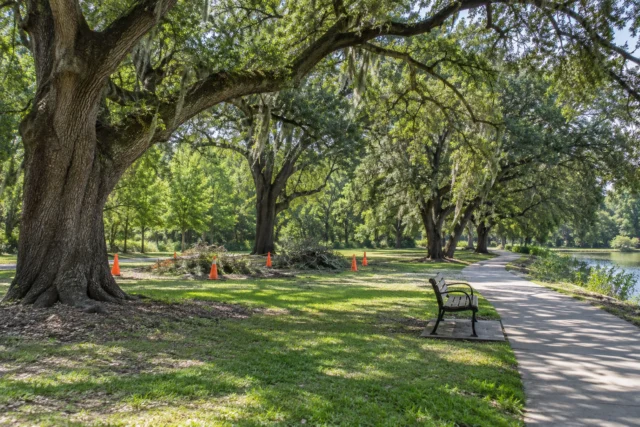
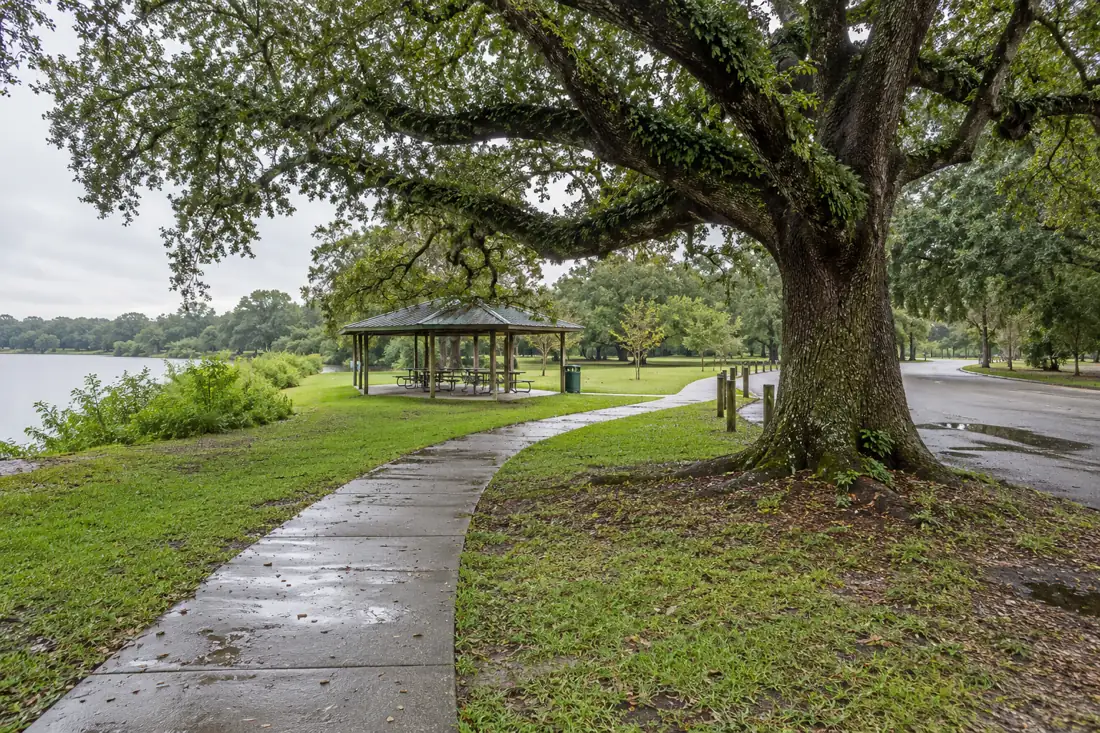
Site-specific planning checkpoint: Public-buyer documentation should connect each approved tree or work area to the authorization, field observations and completion evidence. A general photograph of a park does not prove that a particular numbered tree was removed or that a defined quantity was hauled. Use consistent map labels and viewpoints where possible; do not insert fabricated GPS or capture dates. Retain records of access approvals, changes, weather interruptions and any specialist instructions without publishing personal contact details. The buyer should specify the deliverables needed for review, such as itemized work logs, disposal evidence or before-and-after condition photos. Keep public-facing summaries separate from private operational files and contractor submissions.
Keep four distinct evidence sets for each public assignment
Start a project record with the buyer's actual solicitation or work order and the version of the tree schedule being priced. Keep qualification and insurance documents in a separate section so expired material is not mistaken for a current certificate. During field operations, preserve approved changes, restricted-access coordination and safe observations of site conditions without collecting unnecessary personal details from visitors.
For completion, compare each authorized tree or task ID with its actual disposition, loading or disposal requirements, restoration notes and the buyer's documented acceptance step. Use accurate dates and real location labels on photographs; a generated illustration cannot become proof that a particular limb was cut or a stump was ground. If the scope is under a prime contract, make clear who retains the records and who submits them.
An invoice reference should lead the reviewer back to the corresponding authorized work, not merely to a general marketing page. This separation reduces questions about whether the contractor performed something outside the approved scope.

Verify licenses, coverage and eligibility correctly
Request the actual licenses, registrations, certificates of insurance and other evidence required by the specific opportunity. Confirm current validity and project applicability through the appropriate issuing or purchasing channels before an award or mobilization decision. A saved PDF may be expired or may not show the endorsements or limits that the buyer requires. Tree Huggers' service information should never be represented as blanket eligibility for every federal, state or local contract.
For subcontract work, ask the prime which documents it must collect and which remain the public owner's responsibility to examine. Keep personal identifiers, private account information and sensitive financial attachments out of open website galleries. Mark each item's review date and responsible reviewer rather than merely writing verified on a folder. If a condition cannot be confirmed, record the gap and follow the purchasing authority's process instead of asserting approval.
Read the related tree work completion checklist for a public buyer guide · Review public-sector tree-work services
Evidence that helps a public buyer review work: Public buyers need records that distinguish what was authorized, what was attempted, what was completed and what was inspected. Build a document index around the contract or purchase-order identifier, work location, tree tag and activity date. Keep original condition photographs, progress photos, approved changes, debris tickets and final acceptance images in separate categories; a dramatic “after” photograph alone cannot establish an approved quantity or disposal route.
Create a record set that follows the actual contract
Start with the solicitation, purchase order or signed agreement that establishes what the buyer authorized. Put the tree list, map, work limits, approved price structure and any formal changes in a shared project record accessible to authorized parties. A general company brochure is not a substitute for the documents named by a specific buyer. The purpose is to know which work was purchased, which obligations apply and who may authorize a departure.
Record a project reference on subsequent correspondence and photos so that similar sites are not confused. If the job is split between a prime contractor and a tree subcontractor, distinguish whose records satisfy each contractual requirement. Do not invent an award number, insurance certificate or registration. A tidy folder with clearly named current documents is more useful than a large bundle of undated marketing material.

Separate preexisting conditions from new site impacts
Before equipment arrives, photograph authorized access routes, paved edges, fences, curbs, lawns, irrigation features and nearby structures from safe viewpoints. Note existing cracks, ruts or prior repair areas, using dates only when real capture information is known. The buyer and contractor can discuss which surfaces require protection and what restoration is within scope. A before image does not guarantee that every hidden utility or ground condition was known.
During the work, keep any material new damage or access change associated with the relevant project record and contact. Do not silently edit the original baseline photographs or label generated illustrative imagery as field evidence. If personnel or visitors appear in images, follow facility privacy rules. Documentation should make the intended protection and the actual condition clear without implying every disturbance was caused by the contractor.
Tie the tree inventory to identifiable locations
Assign one stable number to each tree or work area and use it in photographs, field directions, estimates and completion records. A site map is particularly important at campuses with several similar entrances or adjoining landscape beds. For pruning, note the objective rather than a vague instruction to trim back. For removal, identify the specific stem or group authorized and any trees that must remain protected.
If a count, ownership line or tree identity changes after a site walk, document the revision and its approval status. A photo showing an unmarked crown cannot alone prove which tree received work. Use wide photos for location and closer images for observable conditions when safe. An inventory built for scope tracking should not be mislabeled a complete professional risk assessment. Keep records aligned to the actual project purpose.
Keep work authorizations and change orders traceable
Record the original work order, who approved it and which tree numbers or deliverables it covers. A request from a passerby or facility employee may identify a useful concern but does not necessarily authorize paid extra work. Changes to quantities, methods, closures or completion requirements should follow the buyer's established approval process, including any required written record before execution.
Describe a proposed change in plain language: what differs, why it matters, which area it affects and the potential cost or schedule consequences if those are known. Distinguish emergency safety action from ordinary convenience work, and do not invent authority for either. A good change log prevents crews, public users and accountants from relying on conflicting verbal instructions after the site conditions have changed.

Building a useful record for a public tree-work buyer
Documentation for public tree work should answer three questions: what was authorized, what was actually performed, and what condition remained. Start with the work-order identifier, the tree or site reference and the approved scope. If a bid includes several properties, use the same site names and item numbers that the buyer uses so photographs and invoices do not become an unrelated collection of files.
Before work, establish wide context images showing access, retained landscape elements and visible tree condition. Additional close images can support a specific defect or clearance request. Photographs should have honest dates from the actual workflow rather than fabricated camera metadata. When a condition cannot be seen safely, record that limitation and the need for a qualified follow-up instead of labeling the tree safe or unsafe from an image.

Evidence should match the actual work order
During the job, track approved changes separately from the base scope. A newly discovered cavity, inaccessible debris route or requested additional tree may affect equipment and disposal, but those conditions do not automatically authorize extra work. Tie each variation to the appropriate public approval process and keep any related site images with the same location identifier.
At completion, photograph the finished access path, remaining stump or ground condition where relevant and removed debris area. A short closeout package can connect the work order, approved changes, disposal records where required and before/after views without implying that the images are an endorsement. Keep customer or bystander details out of broad reporting unless the buyer has a legitimate reason to receive them.
Document access restrictions and safety coordination
File the approved work window, gate instructions, access contacts and any restrictions on occupied pathways. Public facilities can remain busy during a tree operation, so records should identify who manages separation from visitors, deliveries and emergency traffic. Do not promise that a particular sidewalk or entrance can remain open when the actual hazard zone has not been evaluated by the contractor and facility authority.
Where utilities, road closures or other third-party permissions are relevant, record the coordination status and responsible organization. A checkbox marked requested differs from an authorization received. Keep private emergency-contact numbers and sensitive building information in approved internal channels. A record of responsibilities is not an instruction for untrained staff to operate near energized lines or to enter active cutting zones.

Choose completion photographs that establish outcomes
At completion, capture views that correspond to the before-condition tree identifiers and project map. A wide photograph can show the area reopened; a closer photograph can show the agreed stump or pruning finish. Use photographs taken safely after active operations are complete and do not claim a synthetic planning image depicts work performed. A photograph is helpful evidence but cannot prove hidden root removal, soil depth or every contract condition.
Include a concise note for items that are incomplete, deferred or subject to another contractor. The buyer may need a walk-through or inspection before acceptance. Preserve original files where practical and use descriptive names tied to the site, tree number and genuine capture date. Do not add fictional GPS coordinates, photographer credentials or client testimonials to make evidence seem more authoritative.
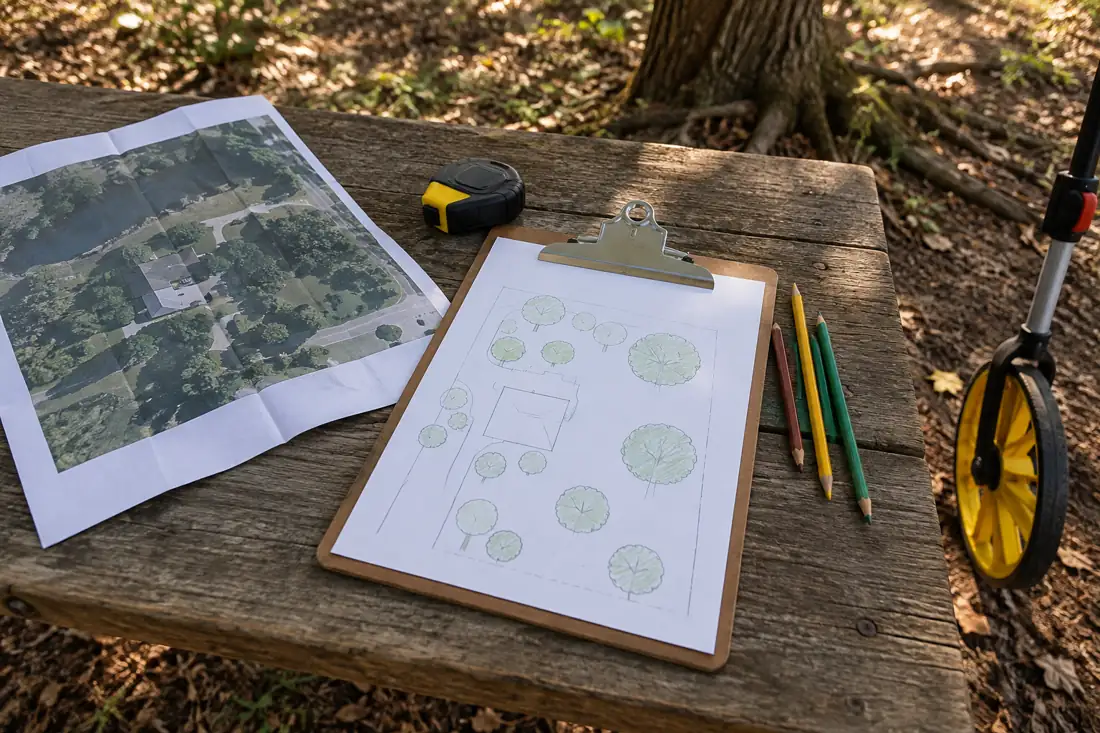
Where quantities are important, document the measurement method and units before work starts. Give each image a plain-language description of what it actually shows, without presenting an illustrative planning scene as proof of field work. A useful closeout bundle should match every completed line item to a location and include exceptions still open for the buyer.
If access was denied, weather interrupted work, or previously hidden conditions appeared, put those facts in the daily record rather than silently treating the item as finished. Keep personal information out of public image captions and use the buyer’s authorized records channel for sensitive files. Documentation should improve accountability without making unverifiable claims about inspections or agency approval.
Track debris handling and disposal assumptions
Specify whether brush, wood, grindings and stumps must leave the site, may be retained or require a particular condition at completion. The phrase remove tree does not always settle these questions. Use load or hauling records where the contract requires them, and avoid inventing weights or disposal receipts. If a waste facility issues a record, preserve the genuine original rather than recreating one from memory.
Record the location of temporary material piles and any restrictions on daily cleanout, especially at occupied facilities. Note when a task belongs to a second landscaping contractor or a separate phase. Disposal and environmental rules can vary with the material and destination; ask the buyer to state applicable requirements. This helps the final invoice match actual approved deliverables rather than an assumed cleanup standard.

Retain records securely and make them findable
Organize records by buyer, project reference, location and document type: contract, approvals, site plan, field observations, safety coordination, debris evidence, changes, acceptance and invoices. Use a consistent naming convention that distinguishes drafts from final authorized versions. Appropriate retention periods and public-records obligations depend on the buyer and agreement; do not invent a universal legal rule for every job or delete records solely because a website page has changed.
Limit access to personal contact details, employee information and sensitive facility plans. Public-facing project examples should use authorized images and avoid implying Tree Huggers performed a job where there is no verification. A short, factual handoff index can make future audits easier than an unstructured photo dump. Good documentation supports scope accountability and informed repeat procurement; it does not substitute for actual verification of qualifications, service quality or site safety.
Make invoice and acceptance references match
The final invoice should identify the actual purchase order, approved tasks, changed quantities and any agreed unit or lump-sum structure. A public buyer may require particular submission fields, supporting documents and an acceptance record. Avoid assuming payment is triggered solely by an emailed photograph or by a work crew leaving the property. The right contact for scope acceptance may differ from the accounts-payable contact.
Provide a completion summary that distinguishes completed authorized work from recommendations for future care. A new tree concern discovered during the job should not automatically appear as a billed removal. When the agreement requires a correction window or additional site finish, record the open item clearly. Accurate references reduce reconciliation delays and support responsible public spending without claiming a response or payment deadline that has not been established.
The full public-work file is broader than its photographs
A public buyer's documentation register should connect the procurement record to an identifiable work area. Keep the controlling solicitation or work order, approved tree list, scope revisions, qualification requirements and authorizations together. A strong photo of a finished tree cannot by itself establish that a change was approved or that every contract line item was performed.
Build a simple location-by-location index so an inspector can follow an item from the original scope through any approved change to a completion decision. Record material-handling or disposal evidence only where the contract calls for it. Photographs are one essential part of that record, not a substitute for dates, approvals, quantities or acceptance. The companion guide explains how to make the images traceable and safe to use.
- Give each tree or work zone a stable identifier across the documents.
- Distinguish a field observation from a signed authorization.
- Keep public-facing copies free of unnecessary private or security details.
Make the closeout file traceable by work item
Group records by contract and tree identifier rather than presenting an unlabeled album. Keep approved scope, changes, pre-work observations, actual work dates, debris disposition and final photographs distinguishable. Flag items awaiting owner inspection instead of representing them as accepted.
Invoice line items should reference the same measurable tasks and quantities as the work order. Identify required tickets, signatures or image perspectives before work begins; these records can prevent ambiguity without implying that illustrative images prove work was completed.
Questions about this project
What should a government buyer send first?
Send the agency or prime contact, project reference, site, scope, deadline, access conditions and required documents or submission format. Identify the authorized contact for questions and the buyer's process for clarifications.
Does a capability page prove contract eligibility?
No. Request and verify current documentation relevant to the particular opportunity. Registration status, certifications, licensing, insurance and availability should not be inferred from a broad marketing statement.
How should extra work be approved?
Use the agreed approval process and identify the change, reason, scope, price or schedule effect as applicable. Confirm who has authority before treating an additional tree or task as part of the original job.
What completion records are useful?
Keep the agreed scope, tree or area identification, authorized changes, invoice and labeled photos where appropriate. Include unresolved items and a contact. Contract-specific records should follow the buyer's stated requirements.
Can a tree contractor guarantee insurance will pay?
Coverage is determined by the policy, claim facts and insurer. Ask the insurer what records it needs, and keep the tree contractor's work scope and invoice clear. Do not treat a price estimate as coverage approval.
Should tree removal and building repairs be listed separately?
Clear records should distinguish the activities and responsible providers. Stabilization, removal, hauling, stump work and repairs may have separate scopes. Follow the insurer's documentation requests without assuming every item is treated identically.
Is a total tree count enough for a large quote?
Usually the parties also need locations and tasks. Use consistent tree numbers, marked photos or a site plan so the estimate and crew instructions refer to the same trees and retained areas.
Does a work inventory include a condition assessment?
Only if that service is expressly part of the scope. A list used to identify and price tasks should not be mistaken for a documented assessment of every tree's condition or risk.
What should I compare besides the price?
Compare tree identification, work objectives, access assumptions, hauling, stump treatment, site finish and exclusions. Ask whether permits or other coordination are part of the scope and who can approve changes if conditions differ.
Does an online request book the crew?
No. A request starts the estimate conversation. The company still needs to discuss scope, availability and any site assessment. For a dangerous or urgent condition, call 504-458-8336 rather than relying on a form response.
What should I tell Tree Huggers about tree work documentation for a public buyer?
Explain the property address, the work you want and the specific concerns: current documents, project applicability, completion records. Send safe photos of the tree, surroundings and access route. The contractor can then discuss the assessment and scope needed for this situation.
How do I request an estimate for this work?
Call 504-458-8336, text photos or use the estimate form on this page. Include the address, desired outcome and any timing constraints. The company will need to review scope and availability; an online request does not confirm a price, appointment or emergency dispatch.
Get a scope for your property
For a public tree-work request, share the work-order reference, permitted photo scope and closeout requirements before scheduling a site review.