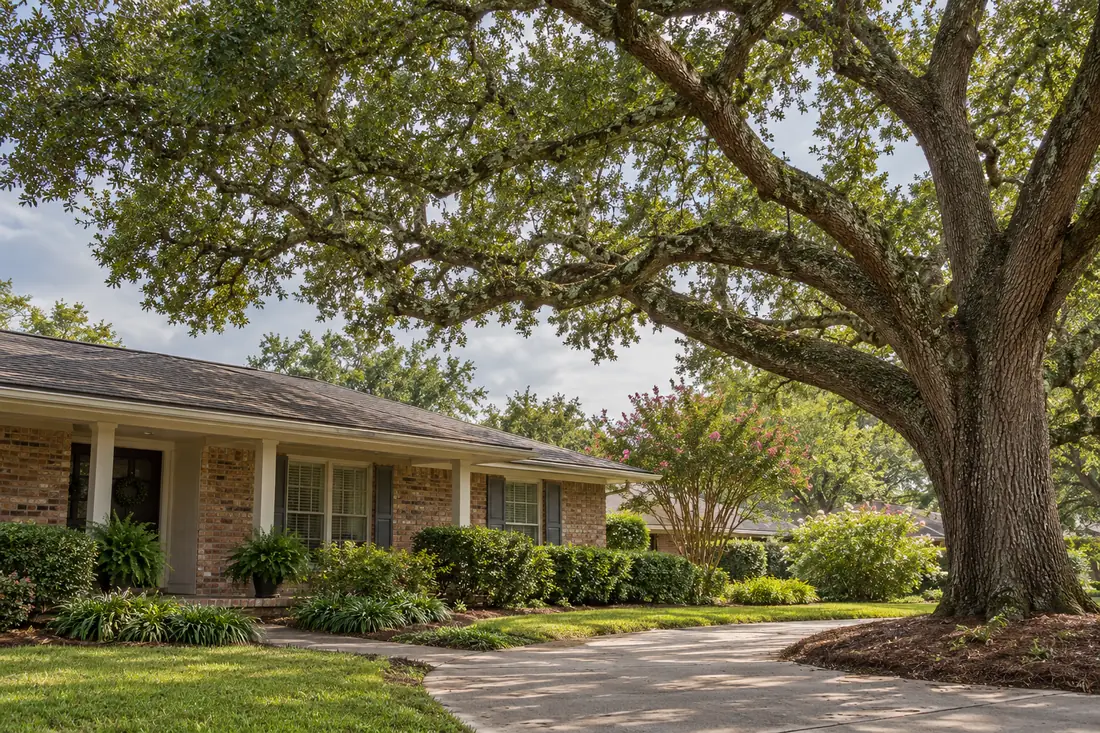
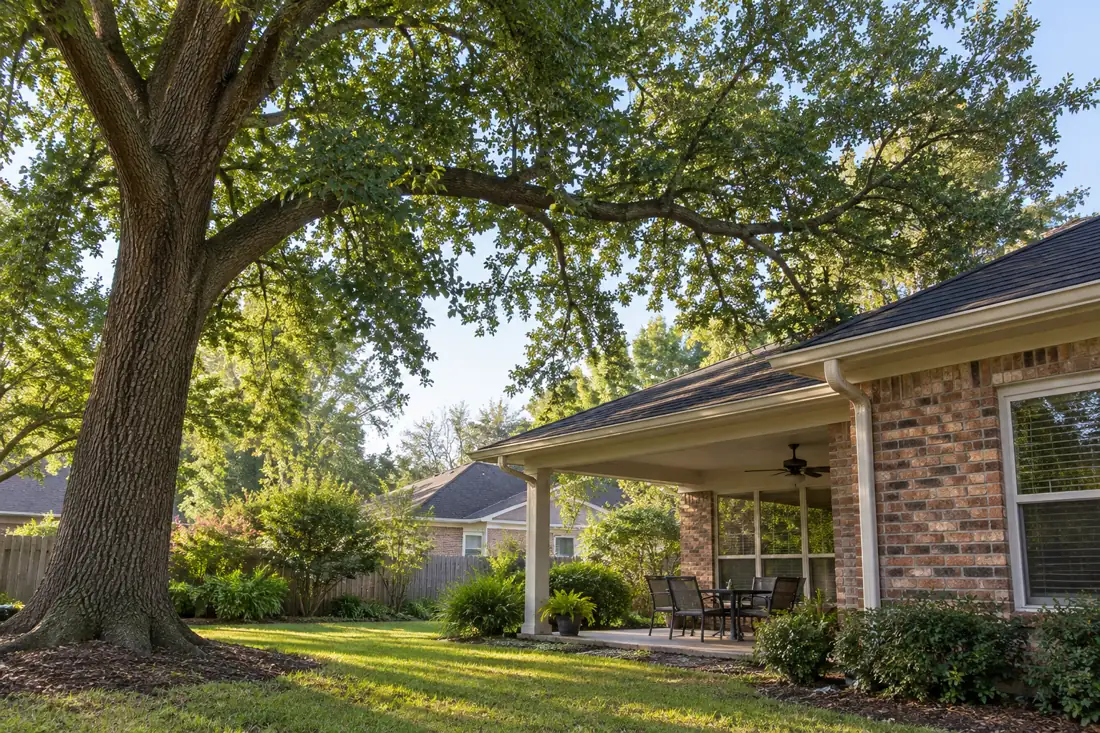
Tree topping removes large portions of the canopy without regard for natural branch structure. It may make a tree look smaller temporarily, but it can create stress, decay entry points and dense weak regrowth.
Site planning detail: Topping cuts remove large parts of a tree’s crown without respecting natural branch architecture. The vigorous shoots that follow may attach differently from the original branches, while large wounds expose wood to decay and stress. The result can be recurring maintenance and a less predictable structure rather than a one-time safety fix. If the problem is a branch over a roof, a canopy touching another tree or a clearance issue, discuss targeted structural pruning and realistic clearance instead.
Some trees may be poor candidates for heavy reduction, and severe defects can call for a risk assessment or removal. Ask which specific limbs are proposed, the likely amount of foliage loss and the long-term consequence of each cut. Avoid anyone who promises a harmless uniform height reduction for every species.
Prune to an objective instead
If clearance is the problem, remove or reduce specific branches. If the tree is structurally unsafe, topping does not repair the underlying defect.
Tree Huggers favors purposeful tree pruning.
Recognize the practice before comparing proposals
Topping means indiscriminately cutting major branches back to stubs or unsuitable lateral branches. It is different from selecting cuts to meet a particular pruning objective. The ISA explanation of topping identifies stress, decay and increased management problems among its consequences. A tree’s suddenly reduced outline does not tell you whether the cuts were appropriate. Ask the estimator to explain what is being removed and what will remain.
Owners may use phrases such as top it, cut it in half or make it short when they really want roof clearance, better light or less concern about a branch. Translate that request into the actual problem. A proposal based on the problem can discuss suitable pruning, other site changes or a longer decision about whether the tree fits the location. Repeating an imprecise instruction risks buying a drastic appearance change without an understood tree-care result or plan for the growth that follows.
Explain the clearance problem in practical terms
Identify the feature that needs clearance: a roof edge, driveway, sign, camera, pedestrian route or building project. Show the contractor the location from more than one safe viewpoint. Include the equipment or vehicles that normally use the route and explain how the space is used. A photograph of the canopy alone may omit the very feature that makes the work necessary. If another provider has specified a clearance requirement, share the actual requirement rather than guessing a distance.
Ask what result can reasonably be achieved with appropriate pruning on the existing tree. The answer may involve a defined branch or area instead of cutting the entire crown to one height. Confirm what is outside the scope and how future growth affects the maintenance discussion.
The objective should be understandable at handover: for example, the agreed roofline area addressed while retaining an appropriate tree form. Avoid a promise that one visit will permanently prevent all branch contact or solve every conflict with a growing tree.

Distinguish reduction from indiscriminate cutting
Reduction pruning is not simply a more polished name for topping. A suitable reduction proposal should identify an objective and appropriate branch selection for the actual tree. Ask the provider to describe the intended area of work and what makes the proposed approach suitable. You do not need to instruct the crew where each cut goes, but you should understand why the treatment meets the property need better than removing the same amount from every branch.
If a contractor offers only a finished height, ask for more explanation. The tree’s form, condition and available branch structure matter to what can be done appropriately. A mature tree cannot always be reduced to an arbitrary outline while meeting a sound pruning objective. Sometimes the reasonable conversation includes accepting some existing size or considering removal and replacement with a more suitable species.
Those are decisions to discuss openly before scheduling, rather than discovering afterward that the requested shape required a treatment you did not understand.
Plan carefully when the tree has already been topped
A previously topped tree needs review of its current structure, not an automatic instruction to repeat old cuts. Tell the assessor when the work occurred, whether it has been repeated and what changed afterward. Provide older photographs if they are available. The present shoots, old cuts and surrounding property need to be evaluated together. Do not assume that new leaves show every attachment is suitable or that another drastic reduction will undo the earlier work.
Ask whether the next step is a maintenance proposal, a more detailed assessment or a discussion about replacement. A staged management plan may differ from a single cleanup visit, so confirm the intended outcome and follow-up responsibilities. The recommendation should acknowledge limits rather than promise to recreate the original tree immediately.
If the tree now conflicts with the site in several ways, include those uses in the discussion. A treatment that addresses appearance alone may leave the owner with the same clearance problem and an unclear future work commitment.
Do not confuse storm preparation with stripping the crown
An approaching storm often makes owners want a rapid visible change. Ask which actual defects or clearance issues need attention and which work can wait for an appropriate window. A blanket instruction to remove most branches is not a substitute for assessment. Keep current broken or suspended material separate from routine maintenance. If a hazardous condition exists, keep people away and contact the appropriate service rather than attempting to prune it yourself ahead of the weather.
Use pre-hurricane warning signs to organize observations and tree-risk assessment when you need a condition-focused review. No pruning agreement should be read as a guarantee against storm failure. Ask what the planned work addresses and what it does not. If weather prevents work, confirm the actual status rather than assuming that an accepted quote means the tree was treated. A clear record of scope and completion is more useful than the amount of crown that appears to have disappeared.
Include the whole property in the pruning discussion
The tree may share a boundary, overhang a neighbor’s roof or stand near utility infrastructure. Identify those interfaces before accepting work. Confirm ownership, authority and any applicable requirements for the actual location. Do not instruct a general tree crew to work around overhead lines as an extension of routine pruning. The relevant utility must be involved where required, and permission to enter another property must come from the party entitled to grant it.
Explain access for workers and material handling, including gates, delicate landscaping and the surfaces that may be used. If you are retaining some branches for shade or privacy, say so at the estimate stage. That does not decide which cuts are suitable, but it gives the provider the owner’s objectives. A proposal can then state the work area and limitations honestly. Resolving competing goals before scheduling is easier than trying to restore screening or shade after an overly broad instruction has already been carried out.
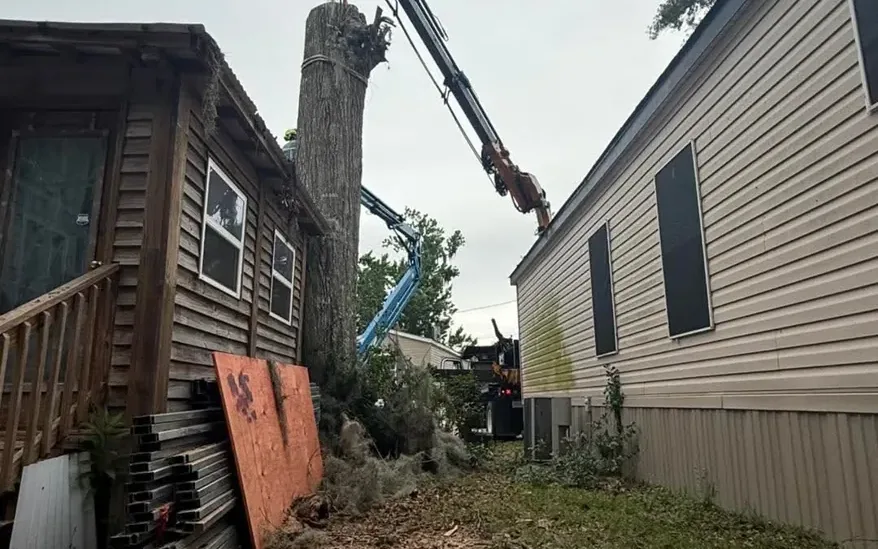
Compare pruning quotes by their intended result
Two proposals can use the same phrase, tree trimming, while describing different work. Look for tree identification, the objective, the parts being addressed, debris handling and exclusions. Ask who will perform the work and what relevant qualifications or current documents can be provided. Do not equate the largest debris pile or shortest finished tree with the best value. The comparison needs to reflect the agreed purpose and an appropriate approach, not just the amount removed.
Clarify how changes will be handled if another defect is found or the requested result is not appropriate once the tree is reviewed more closely. The owner should approve a revised scope through an understood process. At completion, compare the result with the stated objective from a safe permitted location. Keep the work record and any follow-up advice. For ongoing property management, these records help the next provider understand the reason for past pruning without treating every old cut as an instruction to repeat it.
Request a better conversation about your tree
Send the address, a whole-tree view and a view of the roof, driveway or other feature driving the request. Say whether the tree was previously topped and share the approximate date if known. Describe the result you need in everyday terms, such as keeping a delivery route usable or reviewing a large branch over a patio. Ask what visit or assessment is appropriate before expecting a firm pruning recommendation from photographs alone.
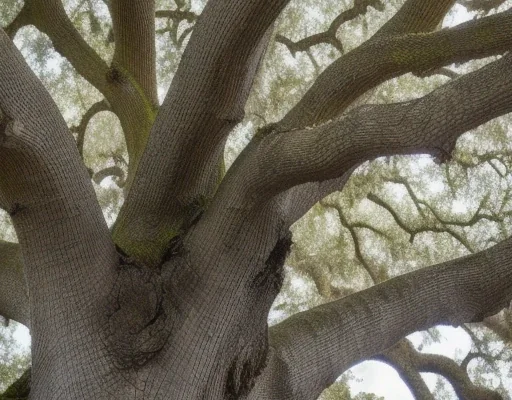
Tree Huggers can discuss tree trimming and pruning and the scope needed for the property. If retaining the tree and achieving the desired clearance are incompatible, ask about the alternatives before choosing a method. A thoughtful result may be less visually dramatic than cutting every limb back, but the work should have a clear purpose you can understand. The aim is a suitable plan for a living tree and the people using the site, with realistic expectations for future growth and follow-up.
Why topping is not a substitute for structural pruning
Topping usually describes the indiscriminate removal of large portions of a crown or cutting major branches back to arbitrary stubs. It is different from pruning toward a specific clearance, structural or deadwood objective. A short-term reduction in height can leave large wounds and trigger dense new shoots near the cut points. That response can create more work and new concerns later, especially if the initial reason for cutting was a weak branch or crowding near a structure.
Before authorizing a major canopy reduction, ask what practical problem the proposed cuts would solve. Is a limb rubbing against a roof, is one union weak, or is the owner worried about hurricane season? The answer should lead to an identifiable work objective, not a blanket percentage of foliage to remove. For some trees, directional pruning, selective reduction, retained-tree management or removal may each be more reasonable than a severe height cut. The choice depends on tree condition and context.

Choose an objective that protects long-term tree form
A previously topped tree deserves an individualized assessment because regrowth stems may be numerous, elongated or poorly attached to older wood. Avoid assuming that all new shoots should be cut off immediately or that the tree is necessarily beyond preservation. The age of the cuts, species, size of the regrowth and targets beneath the canopy help determine what options remain. Multi-year corrective management may be considered where appropriate, while some conditions require a different risk response.
When reviewing an estimate, request a description of the limbs to be pruned, the desired clearance and how much healthy canopy is expected to remain. Ask how the method affects longer-term tree management and whether future inspections are recommended. If the provider cannot distinguish topping from a legitimate pruning objective, seek further qualified advice before authorizing irreversible cuts. A photograph of a neat round canopy is not enough to assess structural quality or long-term outcomes.
A recovery plan for a tree that has already been topped
If a tree was topped previously, do not assume another hard reduction will restore a natural structure. Look for clusters of fast-growing upright shoots emerging near old cuts, dead stubs, decay pockets and crowded connections. From the ground, photograph the old cut points and the present crown shape. New shoots may grow quickly, but their attachment and the condition of the supporting wood need professional evaluation. Avoid making additional large cuts simply to create temporary clearance.
The next decision is often staged management rather than a single dramatic intervention. An arborist may recommend selective development of well-attached branches, removal of hazardous deadwood, monitoring of old wounds or a different long-term management option if risk cannot be acceptably reduced. The plan depends on species, tree vitality, previous cut locations and what is beneath the canopy. Ask for a reason for each proposed cut and how it affects future structure.
Record follow-up needs before signing the scope. The first visit may make a tree safer without finishing the rehabilitation of its crown. Define the expected appearance, limits of improvement, inspection triggers and approximate next review rather than promising the tree can be made 'like new.' Where the tree shades a roof, street or playground, specify those targets so future pruning avoids recreating the original unsafe topping pattern.
Practical handoff checklist
- Photograph old heading cuts and new shoot clusters from the ground.
- Request a structural objective rather than a uniform height reduction.
- Ask which weaknesses may remain after corrective work.
- Schedule realistic monitoring instead of repeating severe cuts.
For related context, see the seasonal pruning timing guide. This planning information is not a substitute for an on-site professional assessment.
Why Tree Topping Can Create Bigger Problems questions
Is topping the same as reducing a tree's size appropriately?
No. Topping uses indiscriminate cuts to stubs or unsuitable laterals. An appropriate pruning proposal should identify the objective and suitable branch selection.
What should I ask for instead of topping?
Describe the actual clearance, condition or property-use problem and ask which approach suits the tree.
Can every tree be kept at a chosen height?
No. The tree's condition, form and branch structure affect what can be achieved appropriately.
Do new shoots prove a topped tree recovered structurally?
No. New foliage alone does not establish the condition or suitability of the current branch attachments.
Should old topping cuts be repeated?
Not automatically. Have the current tree reviewed and discuss the intended outcome and follow-up.
Is topping recommended for hurricane preparation?
It is not a storm-readiness plan. Ask about actual defects and appropriate work objectives; no pruning makes a tree storm-proof.
How should roof clearance be described?
Show the roof area and explain the required result. Share any actual requirement from another provider instead of guessing a universal distance.
Should I mention branches wanted for shade?
Yes. Explain competing goals before the recommendation, while letting the provider assess appropriate cuts and limitations.
Can ordinary pruning include work beside overhead lines?
Do not assume that. Report the line involvement and coordinate with the relevant utility and qualified providers.
How can two trimming prices be compared?
Compare the identified tree, objective, work area, debris handling, exclusions and follow-up rather than only the amount cut.
What if the desired size cannot be achieved appropriately?
Discuss retaining more of the existing size, changing the site arrangement or considering suitable removal and replacement options.
What helps the first estimate request?
Send whole-tree and clearance-area photos, the address, prior topping history and a plain description of the result needed.
Let’s plan your tree work.
Send the property address, safe tree photos and the result you need. Include access restrictions and the person who can approve the work.