The best pruning time depends on species, the reason for pruning and the urgency of the problem. Dead or dangerous limbs may need attention regardless of season.
Match the cut to the season and the tree’s condition
A calendar-based pruning rule is incomplete without species, current vigor and the reason for the work. A clearance cut that prevents contact with a roof, structural pruning on a young tree and removal of hanging storm debris have different priorities. Identify the tree first, then record the actual clearance or structural objective before choosing a work window.
In Louisiana, saturated yards, hurricane forecasts and active nesting or wildlife concerns can change how and when equipment should enter a property. Ask the assessor what can wait and what cannot. Avoid asking for maximum canopy removal as a substitute for a defined safety or maintenance goal.
Do not delay a real hazard for the calendar
A broken limb over an occupied area is a safety issue first. Seasonal preferences matter less than immediate risk.
Species matters
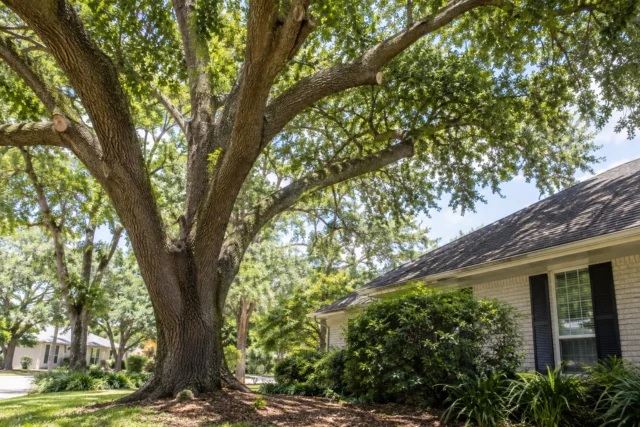
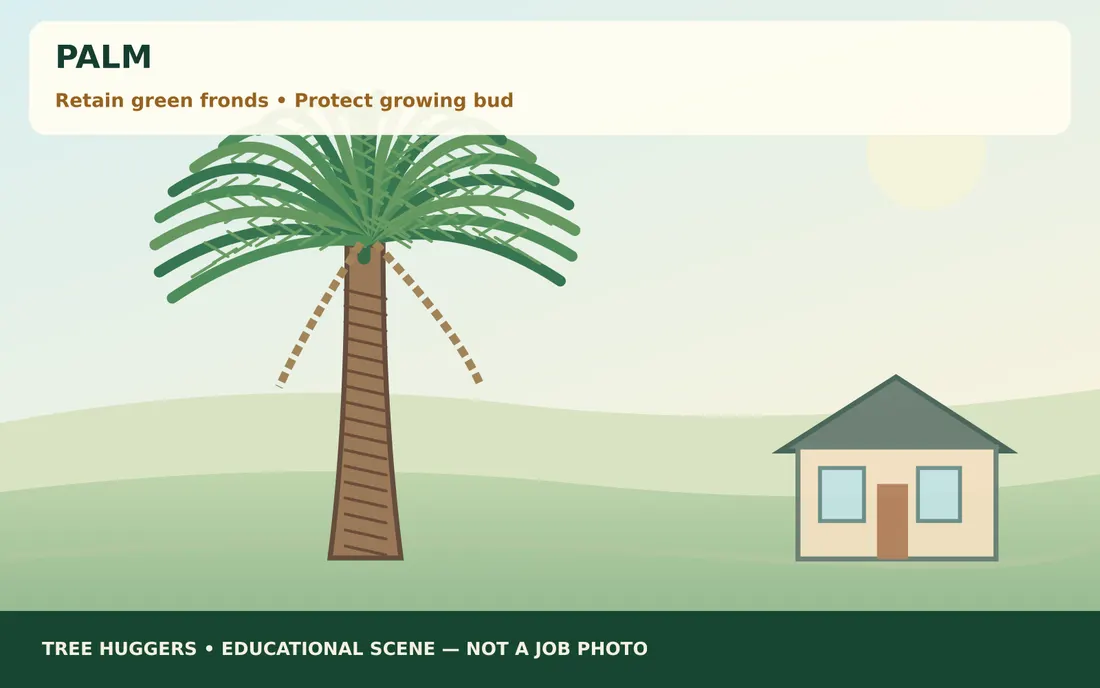
Live oaks, palms and other trees do not all respond identically. The scope should consider tree biology and the goal.
Identify the tree and the reason for the work
A useful timing discussion starts with the species or type of tree and the result you need. Pruning for clearance, structural development, damaged material and flower display can involve different considerations. Send a whole-tree photograph and explain whether the concern is routine maintenance or a recent failure. If you do not know the species, say so and ask for identification during the visit rather than applying a calendar recommendation intended for another tree.
Describe the actual property conflict. Branches touching a planned roof-work area create a different scheduling question from a tree whose lower canopy shades a garden. Include any deadline from another trade, an event or a property inspection. The provider can then discuss what work is appropriate and when it can realistically occur.
Avoid booking a generic annual trim solely because the same month has arrived. A recurring visit can be useful, but the need and objective should still be reviewed against the current tree and site.
Use seasonal guidance as a starting point
Louisiana seasonal recommendations are useful when they are matched to the tree and the type of pruning. LSU AgCenter timing guidance describes winter and early spring opportunities while identifying exceptions for spring-flowering plants. The lesson is not that every tree should be cut during one universal month. Ask how the guidance applies to the identified tree, its current condition and your objective.
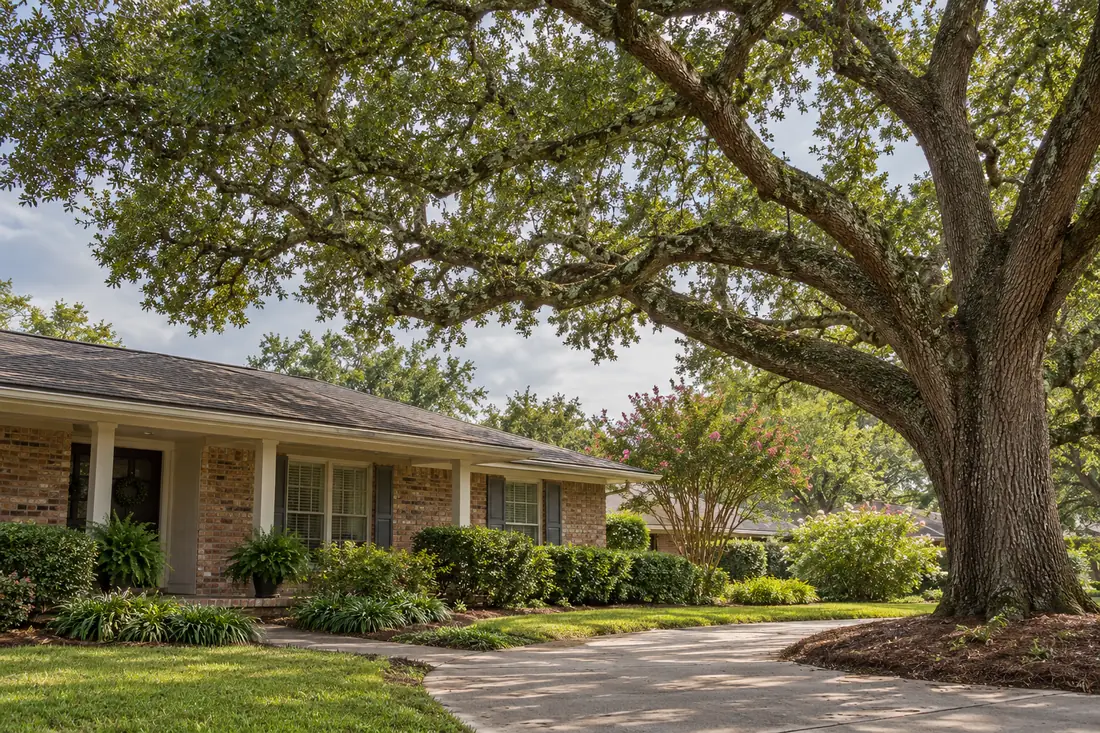
For live oaks, LSU’s winter pruning guidance distinguishes deadwood from planned cutting of living branches. Discuss the intended work rather than using the seasonal label to approve any amount of cutting. Local weather, observed conditions and safe access still affect scheduling. A maintenance window is a planning aid, not a reason to postpone reporting a newly broken branch or to carry out unsuitable cuts before a date on the calendar passes.

Preserve the flower display you are trying to enjoy
If flowers are a priority, tell the estimator and identify when the tree normally blooms at your property. A spring-flowering ornamental and a summer-flowering tree do not necessarily fit the same routine. Ask which branches carry the growth relevant to the next display and whether the requested pruning can be timed around it. Do not assume a picture of a flowering garden establishes the correct month for every tree shown in it.
Include other garden goals, such as maintaining shade for a seating area or access to a path. The provider may need to explain tradeoffs between a desired shape, the available branch structure and seasonal priorities. If the request is mainly cosmetic, a different date may be practical.
If it addresses damaged material, the current condition needs its own review. Separating those objectives lets you decide which work should proceed now and which should be considered later, without treating the entire garden as a single pruning task.
Report urgent damage independently of routine timing
A broken limb, newly opened split or changed lean is not simply a missed seasonal appointment. Describe the condition promptly from a safe place, keep people away where appropriate and contact emergency or utility services when those hazards are involved. The contractor needs to review the current situation before advising on the next step. Do not wait for a preferred routine-pruning month while assuming that an overhead defect can safely remain in use.
At the same time, a concern does not automatically justify cutting the entire tree back. Ask which immediate action is recommended and whether later maintenance remains separate. A visit may result in an assessment or a defined damage-removal scope rather than the full cosmetic trim you originally planned. Keep the urgent work record and any remaining recommendations together. When you later arrange routine maintenance, the provider can then see what was already addressed and why, rather than repeating work from an outdated request.
Coordinate pruning with roof and property projects
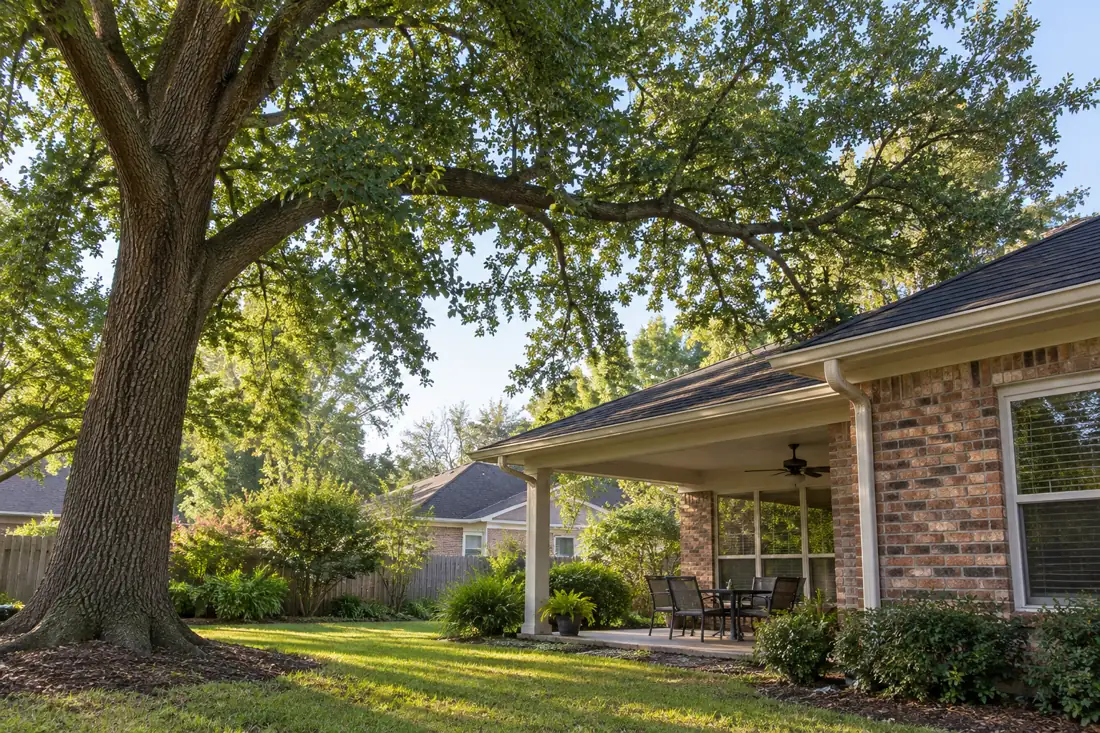
Tell the tree provider about roof replacement, fence installation, driveway work or a planned event before accepting a date. Give the actual project requirements and the person coordinating the other trade. Sometimes access or clearance needs to be arranged before that provider arrives. Sometimes the proposed construction changes the tree-care discussion itself. Those issues should be resolved early, rather than using the urgency of another contractor’s schedule to justify an unsuitable pruning request.

Match the pruning window to the actual objective
Calendar advice is useful only after the tree and pruning objective are identified. Removing dead or unstable material near people may need prompt review, while routine structural work, flowering concerns and construction clearance may be planned differently. State the reason for the proposed cuts before choosing a month from a generic online chart.
Ask how the tree species responds to the proposed amount of foliage removal and whether pests, weather or recent disturbance affect the plan. A flowering species can have an aesthetic objective distinct from an oak clearance request. The same neighborhood can contain trees with very different growth stages and constraints.
The scheduled work should also account for safe access and ground conditions. A good seasonal window does not turn saturated soil into a suitable equipment route. Confirm the proposed cuts, cleanup and any follow-up observation in writing so the season is one consideration rather than the entire decision.
Ask who moves furniture, vehicles or temporary structures and what work area must remain available. If the tree overhangs a neighbor’s property or stands near a line, include those interfaces in the plan. Confirm any required permission and coordination instead of assuming a booked maintenance visit covers them. The desired result should be stated in practical terms, including what the next trade needs, while leaving the tree contractor to assess appropriate methods and limitations. Clear sequencing often prevents repeated visits and conflicting instructions.
Use the calendar without letting it override tree condition
Choose the reason for pruning before choosing a month. A hanging limb over a frequently used walkway calls for a different decision than routine canopy clearance around a roof or shaping a flowering ornamental. Write down whether the goal is to remove dead material, address an identifiable defect, regain clearance or maintain a particular tree form. Those objectives help a qualified professional judge urgency and appropriate pruning intensity.
Keep the particular species and its current condition in view. Louisiana landscapes contain evergreen live oaks, deciduous trees, flowering species and palms with different biological responses and maintenance considerations. The time that is convenient for one plant is not a universal prescription for the rest. A newly stressed tree, a tree in active decline or a limb injured by a storm may warrant an assessment rather than automatically following an annual trimming calendar.

A practical seasonal decision worksheet
Look beyond the canopy when selecting a work window. Saturated soil, restricted driveways, planted beds and planned roof or driveway projects can change equipment access and ground protection. Ask whether other contractors will need the same area and whether access controls or vehicles must be moved. A preferred season may still produce unnecessary disruption if work is scheduled without considering drainage, structures and people who regularly use the property.
For ongoing care, keep a short record of tree species where known, previous pruning, observed changes and the reason each task was recommended. Review it after severe weather or construction rather than assuming a calendar entry alone proves work is due. If a branch appears unstable, keep the area beneath it clear and request prompt professional guidance; an ideal seasonal date should never be used to postpone a genuinely urgent safety concern.
When requesting pruning guidance, identify the species if known, explain the goal, and send safe wide photographs showing the tree and nearby structures. Ask for a suitable work window and written scope without treating a seasonal rule as an emergency-response promise.
Match the appointment to the ground and access conditions
An otherwise suitable season does not ensure that the access route is ready on a particular day. Let the company know about saturated ground, blocked gates, recent landscaping or a changed parking arrangement. These can affect equipment and handling even when the planned cuts remain the same. A provider may need to review the route or adjust arrangements rather than arriving with an assumption based on an earlier dry-weather estimate.
Do not prepare access by cutting roots, removing limbs or dismantling a fence unless the accepted plan calls for it and responsibilities are clear. Ask what the owner should do before the visit and what the crew handles. If weather forces rescheduling, confirm the new work status and any outstanding concern.
A timing discussion should acknowledge real site conditions. It should not encourage the owner to push ahead merely because a calendar window feels more important than the feasibility of performing the actual work safely and appropriately.
Write a maintenance plan around objectives and review
For a managed property, record which trees were addressed, the objective of the pruning and any recommended follow-up. Ask whether a future visit is for inspection, specific maintenance or review of growth near a particular feature. Those are more useful descriptions than an instruction to trim everything the same way every year. Different trees and areas on one property may need different decisions, and some may need observation rather than another cutting visit.
Retain photographs of the work area and keep any change in property use with the record. A new play area, delivery route or building addition can alter the next discussion. If another person takes over management, the notes should explain why previous work occurred and what remains open. A planned review creates continuity without pretending that a date alone determines the right amount of pruning. It also makes quote comparisons clearer because the requested result is defined before prices are collected.
Ask about the right window for your actual trees
Send Tree Huggers the address, safe whole-tree views, the reason for pruning and any project deadline. Mention flowering priorities, past heavy cutting, storm damage and access limits. Ask whether the next step is a site visit, a pruning estimate or a condition-focused assessment. When current damage is involved, describe that before discussing routine availability so the request is understood accurately.
See tree trimming and pruning for the service scope and alternatives to topping for the distinction between an objective and an indiscriminate size reduction. The useful outcome is a suitable work plan and a realistic appointment window, with immediate concerns clearly separated from elective maintenance. A short request with the tree, problem and timing constraint gives the company a much better starting point than asking for the best month without identifying what needs to be done.
Best Time to Trim Trees in Louisiana questions
Is there one best month for every Louisiana tree?
No. Species, pruning objective, flowering habit, current condition and site access all affect the timing discussion.
Should I prune just because a year has passed?
Not automatically. Review the actual need and objective rather than repeating a cut solely by calendar.
What should I say if I do not know the species?
Send a safe whole-tree view and ask for identification during the visit before applying species-specific advice.
Can pruning timing affect flowers?
Yes. Explain that flowering is a priority and ask how the proposed work relates to the tree's bloom and growth pattern.
Should broken limbs wait for a routine pruning season?
Report damaged or changing limbs promptly and keep clear as appropriate. The current condition needs review independently of routine timing.
Does winter timing justify any amount of cutting?
No. Seasonal suitability does not establish that the proposed cuts or amount are appropriate.
What if roof work creates a deadline?
Share the actual clearance need and trade schedule early so the providers can coordinate a suitable plan.
Can wet ground change the appointment?
Yes. Report access and ground changes so equipment and handling arrangements can be reviewed.
Should I prepare by removing roots or limbs myself?
Do not alter the tree or route without an agreed plan and appropriate provider direction.
Can several trees need different schedules?
Yes. A useful maintenance plan identifies the trees, objectives and review needs rather than treating the whole property identically.
What records help the next pruning visit?
Keep the previous scope, work date, photographs, follow-up recommendations and changes in site use.
What should I send to discuss timing?
Include the address, tree views, pruning objective, flowering priorities, current damage and any real project deadline.
Let’s plan your tree work.
Send the property address, safe tree photos and the result you need. Include access restrictions and the person who can approve the work.