View Tree Huggers’ BBB Accredited A+ business profile →
Site planning detail: Customer feedback is useful when readers can tell where a statement came from and whether the experience was actually verified. Publish only authentic, permissioned reviews with accurate attribution and without editing away meaningful criticism. Do not manufacture customer names, ratings, dates, locations or job descriptions to fill a gallery. If there are no confirmed reviews available for a particular service, offer an explanation of the estimate and work-planning process instead of a fictional testimonial.
A visitor considering tree work should ask about the proposed scope, site protection, arrival coordination, debris removal and cleanup expectations. Photos provided with an inquiry are for assessing work conditions, not automatic public display. Keep review requests and customer submissions subject to existing consent and privacy controls rather than adding tracking of typed personal details.
A reputation customers can verify
Public review profiles show Tree Huggers with dozens of customer reviews, including more than eighty reviews on HomeAdvisor and an A+ BBB profile. Read independent feedback and review the company profile alongside the proposed scope. Ask about the work, current documentation and the people responsible for your project.
Professional communication
Tree projects often begin with questions about access, timing, price and cleanup. Clear communication before the first cut is a major part of a good experience.
Difficult-job capability
Customers often choose a tree company because the tree is too large, too close to a structure or too risky for a basic crew.
Cleanup expectations
We define hauling, logs, chips and stump grindings in the scope so the finished condition is understood before work begins.
What we want every review to reflect
Our goal is not to chase perfect wording in reviews. It is to make the underlying experience strong enough that customers naturally mention what mattered: showing up when promised, communicating clearly, handling the tree safely, using the right equipment, protecting the property and leaving the site in the condition that was agreed upon.
Local relevance in customer feedback
Reviews that naturally mention a neighborhood, city or service can help future customers understand whether the reviewer had a problem similar to theirs. We never ask customers to stuff reviews with keywords or post something they did not experience. Honest descriptions of real work are more useful to people and more sustainable for local search.
Have you used Tree Huggers?
If we completed work for you, an honest review on Google or another platform helps a local company tremendously. Describe the service in your own words and mention anything that stood out. If something was not right, contact us directly so we have a chance to understand the problem.
How to Evaluate Feedback About a Tree-Service Job
Reviews can help a property owner choose a contractor, but the useful details are often in the description rather than the number of stars. Look for a clear statement of the job type, whether the property had restricted access, what the estimate covered and whether the customer is describing the actual completed work.
A review about routine pruning on an open lawn says relatively little about a dangerous tree over a building, just as praise for quick emergency debris pickup does not establish expertise in every form of tree assessment. Do not treat anonymous blurbs or unrelated social-media screenshots as verified company testimonials.
This page should not invent customer names, ratings or jobs merely to fill an otherwise empty review display.
When assessing feedback, distinguish communication from physical scope. Was the homeowner told what would be trimmed versus removed? Did the proposal say whether branches would be hauled away, whether wood would be cut to manageable lengths and whether stump work was included? Did the customer know that a site assessment might change a preliminary impression formed from pictures?
A concise account of these points is more informative than an adjective such as ‘professional.’ Some complaints arise because the customer and contractor understood cleanup or access differently; comparing written scope and actual observed outcome helps identify that issue without guessing who was right.

Compare the evidence behind a comment, not just a star count
Source matters. The company’s own site may link to external review profiles, but do not copy ratings or imply live review counts without checking the corresponding source and its update date. A photo of a tree or an illustration of a yard is not a customer’s endorsement. If actual project photos are provided by a customer or the business, the context and permission to display them should be clear. Separate a question about whether a service was offered from a claim that it was successfully performed at a particular address. Anyone comparing providers should also consider relevant credentials, insurance documentation when requested and the clarity of the written proposal, instead of using ratings alone as a substitute for due diligence.
If you are sharing your own experience, describe what you hired the company to do, which items were completed and any issue you would want another property owner to clarify in advance. Avoid publishing gate codes, private addresses, account details or images of unrelated residents.
A business response to criticism is strongest when it offers a respectful route to review the written scope rather than arguing publicly about someone else’s property. An inquiry form for a new estimate should not be confused with a published review submission. Ask for the type of tree work, the property city and a safe way to reach you; whether a review gets published is a separate process that should not be promised by the quote form.
Read Independent Feedback in Context
A review is most helpful when it describes a specific type of tree work and the circumstances around it. A comment about routine pruning in an open yard may not be directly comparable to a mature oak removal near a house. Look for details about the initial concern, site access, communication, scheduling, material handling and whether the agreed scope was completed. One brief statement of satisfaction cannot answer every question about capability.
Public review platforms can display different numbers, dates and filters, and their information changes over time. Follow the third-party profile directly instead of treating a copied rating or count as permanent. Tree Huggers does not need to invent quotes, customers or project outcomes to make a review page useful. The purpose is to help visitors evaluate evidence critically and know what to ask before approving work.
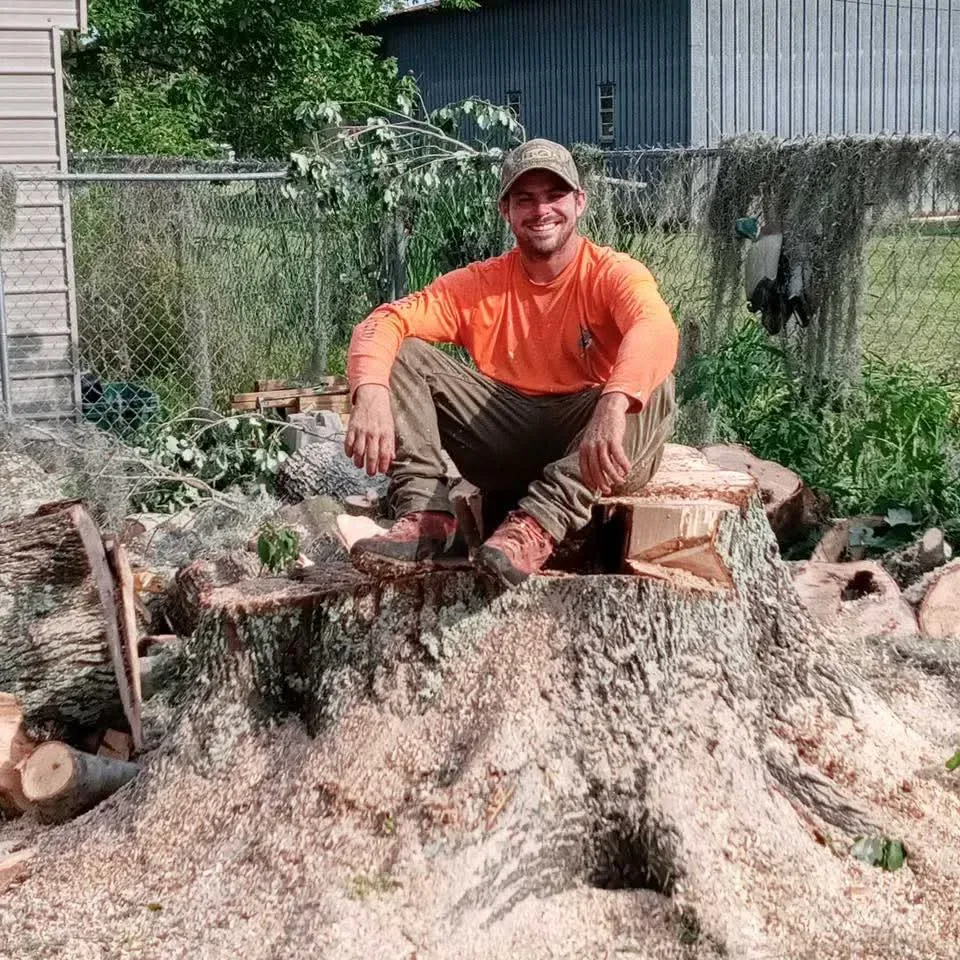
Look for the Job Type Behind a Star Rating
An aggregate rating combines experiences from different tasks. Some reviewers may have asked for an urgent storm visit; others may have scheduled ordinary maintenance weeks in advance. Differences in scope, timing, tree size and property constraints can create different expectations. The useful question is whether the feedback describes work similar to the project you are considering, not whether every reviewer used the same adjectives.
Search for first-hand descriptions of communication, clear estimates, difficult access, yard protection and cleanup only where those details genuinely appear. Avoid treating a photograph or a highlighted testimonial as a substitute for reading the actual review. A rating is not proof of a specific license, current insurance status, safety record or future response time; those need their own appropriate checks.
How to interpret reviews and project examples
When comparing tree-service companies, look for descriptions that identify the type of work, property constraints, and what the customer says was actually completed. A short rating alone may tell you little about large-tree access, cleanup scope, insurance documents, or coordination near neighboring buildings. Separate verified customer feedback from general educational illustrations and photographs supplied by a contractor; neither should be presented as evidence of an unrelated customer job.
Ask which parts of a proposed project would be inspected in person, what the written estimate excludes, and how any change in conditions would be documented. If an online review references storm work, consider whether its circumstances are comparable to your own property instead of assuming the same equipment or schedule will apply.
Use the inquiry form for your actual property details rather than submitting personal information through a public comment.
Check the Review Date and Platform
A review posted years ago can establish historical experience, but it may not describe today’s scheduling, crew composition or equipment. Recent reviews can provide a more current picture, yet a handful may be unrepresentative. Read across dates rather than relying on only the newest or most enthusiastic entry. Note whether a platform verifies transactions, allows owner responses or collects reviews through a particular referral process.
Different services may appear under slightly different company naming conventions, and third-party pages can change URLs or display details. Use the official profile links and confirm that the business listing belongs to the company you intend to contact. Do not assume two similar names identify the same operator. For larger contracts, independent references and current documents may be more helpful than a public rating alone.
What Communication Feedback Can Reveal
Tree work often requires a chain of decisions: describing the tree, arranging access, confirming what will be cut, agreeing on handling of material and understanding who may approve changes. Reviews that explain how these steps were communicated can be more useful than a vague compliment. Before scheduling, ask whether the estimate separates stump work from removal and whether the project has any limits on access or operating hours.
Good communication does not mean that every inquiry receives an instant answer or that every tentative date is guaranteed. Weather, site conditions and other work may affect a schedule. A responsible company should distinguish an estimate inquiry from a confirmed appointment. Customers can help by sharing the address, safe photographs and a concise description of the requested result without assuming the crew knows what ‘take care of the tree’ means.
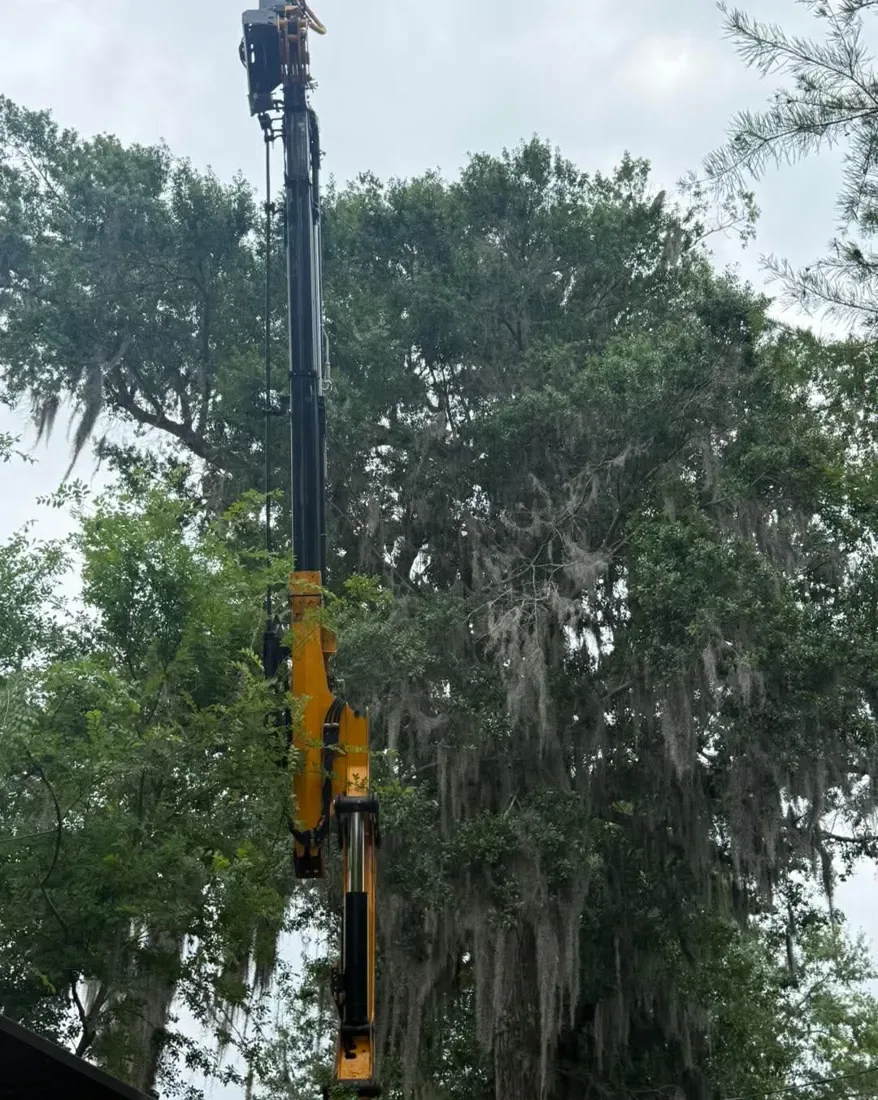
Compare Scope and Cleanup Expectations
The phrase ‘they removed the tree’ can conceal several separate tasks. Branch chipping, log hauling, stump grinding, removal of grindings and surface restoration may be included differently in different estimates. A reviewer who mentions a clean yard may have purchased a broader scope than another customer. Comparisons are fairer when the exact work agreement is understood.
When reading reviews, distinguish work quality from obligations that may never have been included. If stump grinding was excluded from one contract, leaving a stump does not automatically establish a failure. The customer should ask for the removal area, material handling, finish and exclusions in writing. That preparation helps prevent confusion and makes the final walk-through more objective than a general impression.
Use Photos as Evidence, Not a Substitute for Context
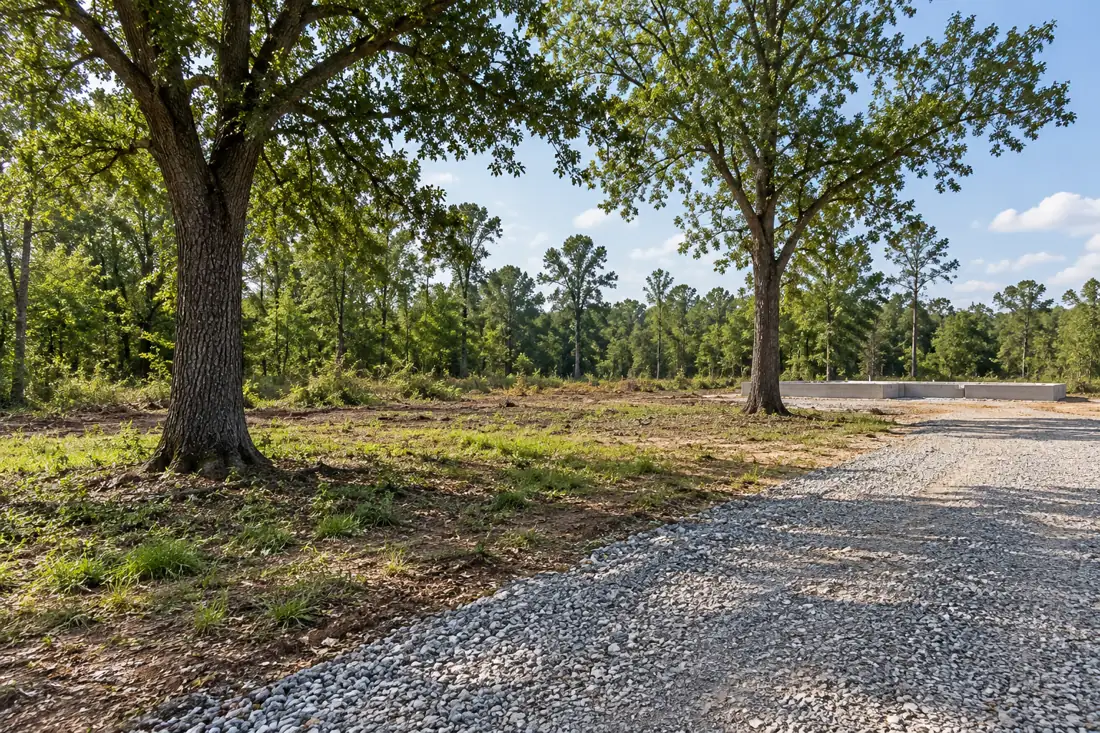
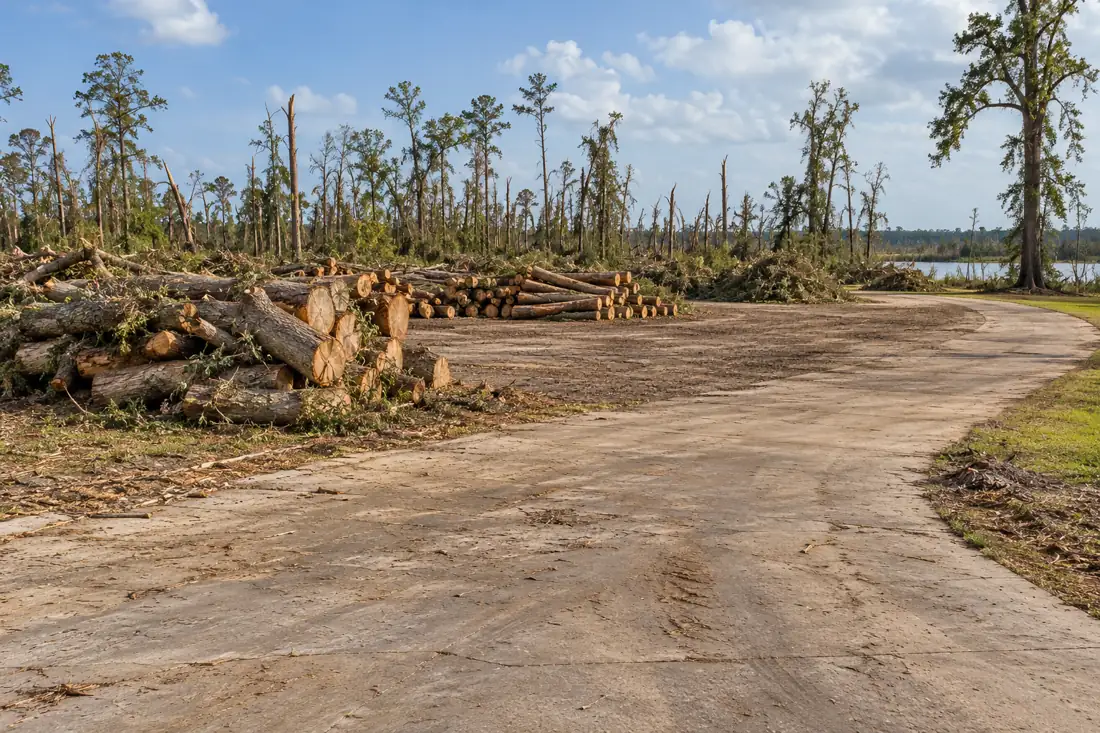
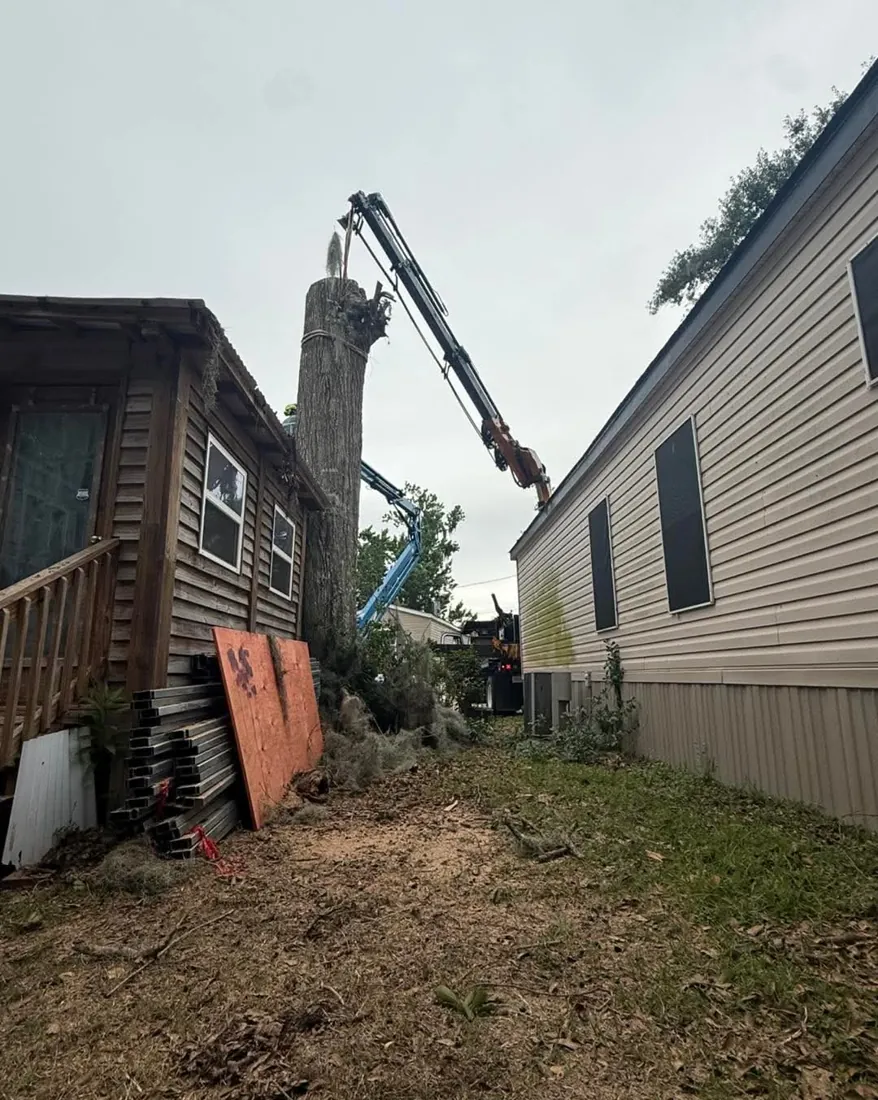
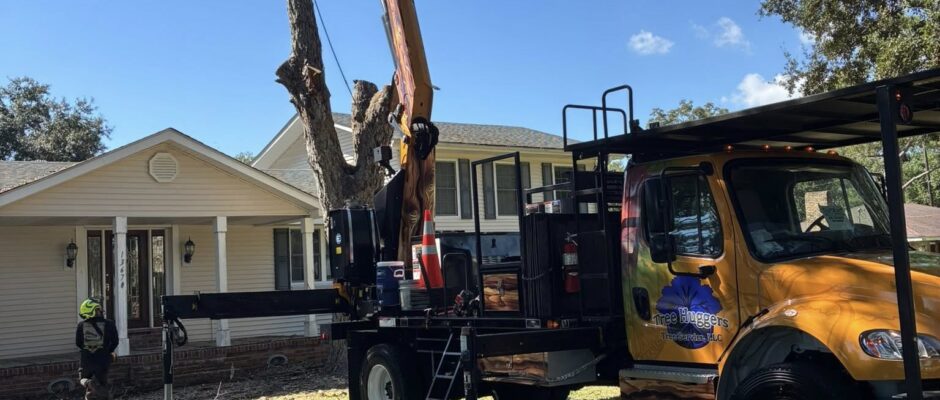
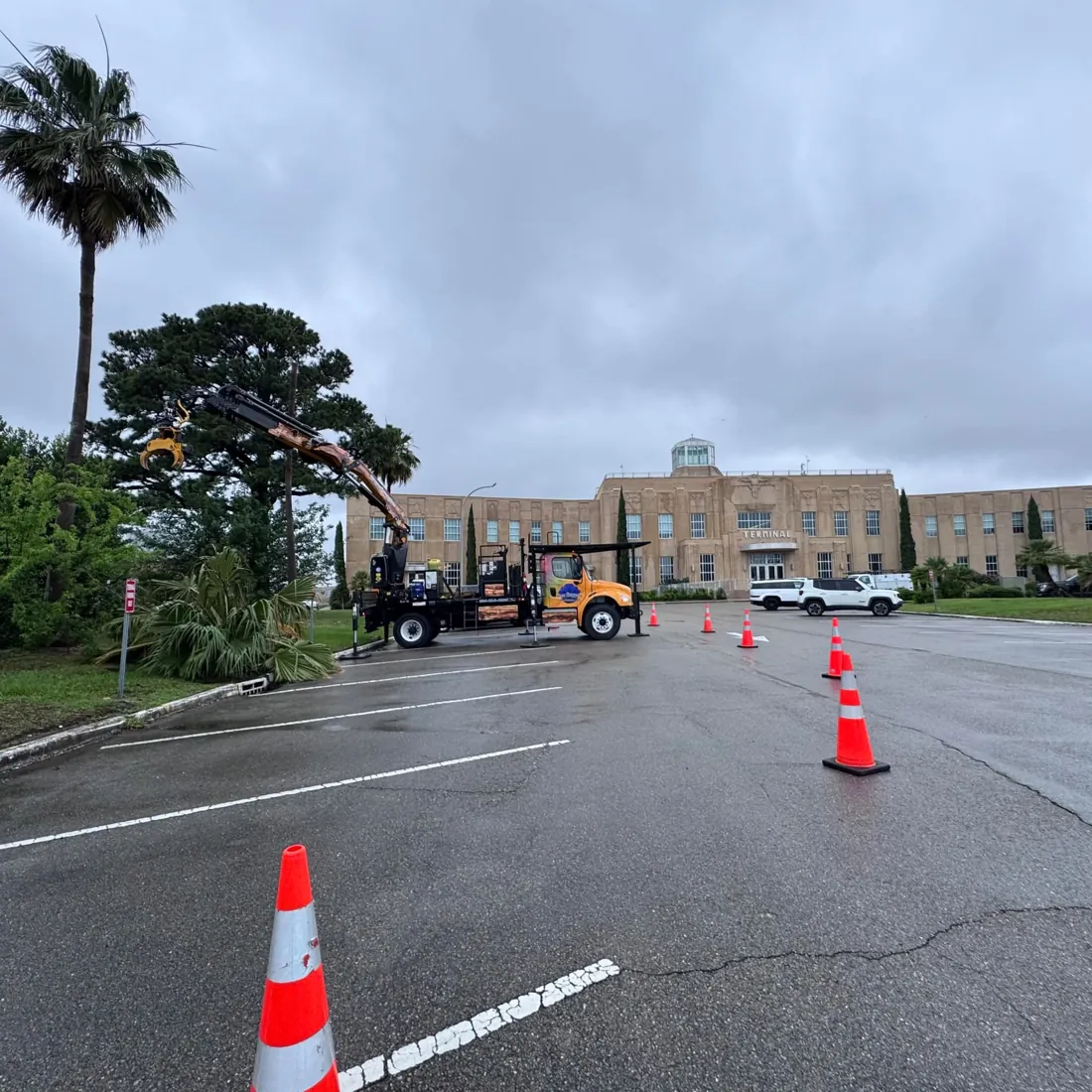
A review photo can show a finished work area or tree equipment, but it may not show conditions before work. Cropped images can omit adjacent property, access routes or remaining debris outside the frame. Without a verified link between images, captions should not imply a completed transformation. A photograph can support what is visible, not every claim about a project’s timeline, safety or customer satisfaction.
Tree Huggers’ company-supplied photographs belong in an equipment or context gallery unless tied to a documented assignment. They should not be attached to fictional reviewers or attributed to a customer without permission. This separation preserves the authenticity of both the company’s field imagery and actual third-party feedback. Visitors can still see the type of equipment involved while judging reviews from their original sources.
Evaluate Critical Feedback Fairly
No business should ask visitors to ignore a critical review simply because it is inconvenient. Read the actual concern and, when available, the company’s response. Is the disagreement about arrival timing, scope, unexpected site conditions, damage, communication or cleanup? The nature of the issue matters more than the tone alone. A single account may omit context, so avoid assuming either side is conclusively correct without relevant documentation.
When considering how the concern relates to your own project, identify the preventive question you can ask. A scheduling complaint may point to the need for written confirmation; a cleanup dispute may suggest more specific exclusions. If you have unresolved work with the company, document the address, agreed scope and concern and contact the appropriate representative. A review page should encourage accountable communication rather than attack either customer or contractor.
Ask for References Appropriate to the Work
For a routine residential project, public reviews and a clear written estimate may answer many questions. For a complicated removal, commercial site or government procurement, the buyer may need more tailored evidence. Ask whether relevant project references, current insurance information, qualifications and any required safety documentation can be furnished through the proper channel. A public review is not a replacement for formal bid requirements.

Compare project experiences without relying on invented ratings
When reading feedback about tree service, pay more attention to what the customer actually describes than to a star alone. Useful detail may include whether the estimate identified the right tree, how access was coordinated, whether debris removal was included, and how changes were handled. A review without project specifics may say little about whether a different property with tighter access or a different risk profile can be treated the same way.
Distinguish verifiable first-hand project comments from marketing examples or educational imagery. A photograph of an oak, driveway or stump can illustrate the kind of site planning discussed, but should never be treated as evidence of a completed customer job without provenance. Likewise, an internal editorial five-star asset tag is not a customer rating. Do not manufacture review counts, identities, quotations or average scores to fill a testimonial page.
For your own estimate, record the outcome you want, the trees involved, surface or landscape protections, hauling preferences and any neighbor or public-access constraints. These project specifics make it easier to evaluate a written proposal independent of online social proof. If a real review raises a concern, compare its described conditions with your own property rather than assuming it predicts the same experience.
Do not assume a portfolio image verifies a public contract or that a reviewer had work performed under the same conditions as your site. A prudent buyer can compare multiple proposals against the same written scope and ask how access, utilities, nearby property and cleanup will be handled. These practical safeguards matter regardless of how many stars appear next to the business name.
[/fusion_text][/fusion_builder_column_inner]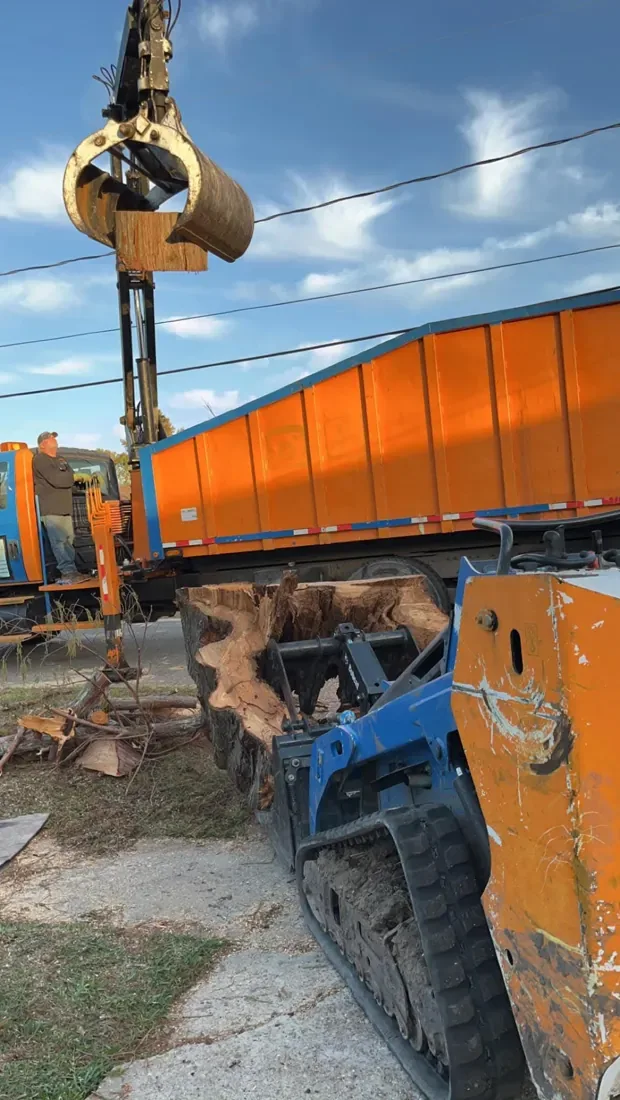
Leave Helpful Feedback Without Being Scripted
After work is completed, a useful review can explain the service requested and the parts of the experience you actually observed. Readers benefit from specifics: what was agreed, whether the schedule changed, how access was handled and the visible condition of the site afterward. An honest review need not be entirely positive or negative. It should reflect firsthand experience rather than marketing copy supplied by anyone else.
Tree Huggers should not offer invented reviews, ask customers to hide material concerns or dictate a favorable rating. If a review platform has its own policies on incentives or conflicts, those rules should be respected. If something remains unresolved, a customer may contact the business directly while keeping a record of the agreed work. Truthful feedback helps future owners ask better questions.
Turn Review Research Into a Better Project Inquiry
The decision to hire a tree contractor should combine several kinds of evidence: relevant public feedback, a clear scope, practical access planning and documentation appropriate to the risk. Before requesting an estimate, identify the tree, visible conditions, desired result, nearby structures and any prior work or damage. Send photos only from safe positions and be explicit about whether hauling or stump work is expected.
Ask when the next assessment can be discussed, who can approve changes and what completion means for the agreed task. For dangerous conditions, avoid the work area and contact the proper emergency or utility resources rather than waiting for a website reply. An inquiry begins the estimate process; it does not lock in a response time, price or crew assignment. Use reviews to frame questions, not to replace a site-specific decision.
Discuss the next step for your property
Use feedback to understand communication, cleanup and the customer’s reported experience, not as a substitute for a current written scope. Compare the work described in a review with your own tree, access and restoration needs. An unverified photo or illustration is not proof that the reviewed job was completed by Tree Huggers.
Frequently Asked Questions
Are the reviews on this page written by Tree Huggers?
No customer statements should be fabricated. Follow independent platform profiles to read actual public feedback in its original context.
Why can review counts change between visits?
Platforms update, filter or remove entries and may count different sources. A copied number should not be treated as permanently current.
Should I judge a difficult removal by pruning reviews?
Look for experiences with comparable tasks and constraints. Different tree projects can involve very different scopes.
Can a positive rating verify current insurance?
No. Request applicable current documentation separately when it is important to your project.
Do old reviews still matter?
They may show historical experience, but recent feedback and current company information are also relevant.
What cleanup details are important in feedback?
Look for whether hauling, chips, logs, stump work and restoration were part of the written agreement.
Are company equipment photos customer review photos?
Not automatically. Field imagery should not be attributed to a particular reviewer without verification and permission.
How should I handle a negative review?
Read the specific concern and any available response, then ask questions that clarify the same issue for your proposed work.
Can a review prove experience on a government contract?
No. Formal past-performance claims require separate substantiation appropriate to the procurement.
What makes a helpful review after my own job?
Describe your firsthand experience, the agreed work, communication and the visible result in your own words.
How do I raise a concern about completed work?
Use the company’s contact channel with the address, agreement and a concise description of the unresolved issue.
Does a highly rated company guarantee my appointment?
No. An inquiry is not a booked job. Confirm scope, appointment and availability directly before relying on them.
Get a scope for your property
Independent customer-review profiles can help you prepare better questions, but ratings alone cannot tell you which approach fits a particular tree. Compare feedback about the type of work you need, especially communication around difficult access, protection of nearby structures and the cleanup included in the agreement.
When you read older reviews, check the date and provider rather than assuming every past comment describes the present crew or service. If you are weighing a large or hazardous removal, gather a few safe wide photos of your tree and the surrounding property to accompany an actual scope inquiry.
Ask for a written estimate that identifies the tree, proposed operations, equipment access, what happens to logs and chips, and any necessary site assessment before work is scheduled. If you have a question about previous service, use the normal contact channel with the original scope and your observations so it can be addressed directly. We do not promise a particular review outcome, appointment time or price based on third-party listings. Use independent reviews as one input alongside current documentation and a clearly agreed plan.