Callback request
Include these details
- Name and best phone number
- Property address or project location
- Tree removal, trimming, stump grinding, storm damage or other service
- Emergency yes/no
- Best callback time
- Photos if available
Why we built a callback option
Tree customers are not always in a position to stay on a phone call. You may be at work, standing outside after a storm, dealing with tenants or simply trying to gather several estimates. A callback request lets you give us the essentials without waiting on hold. Our goal is to review the information first so the return call is more productive.
Photo-first estimating
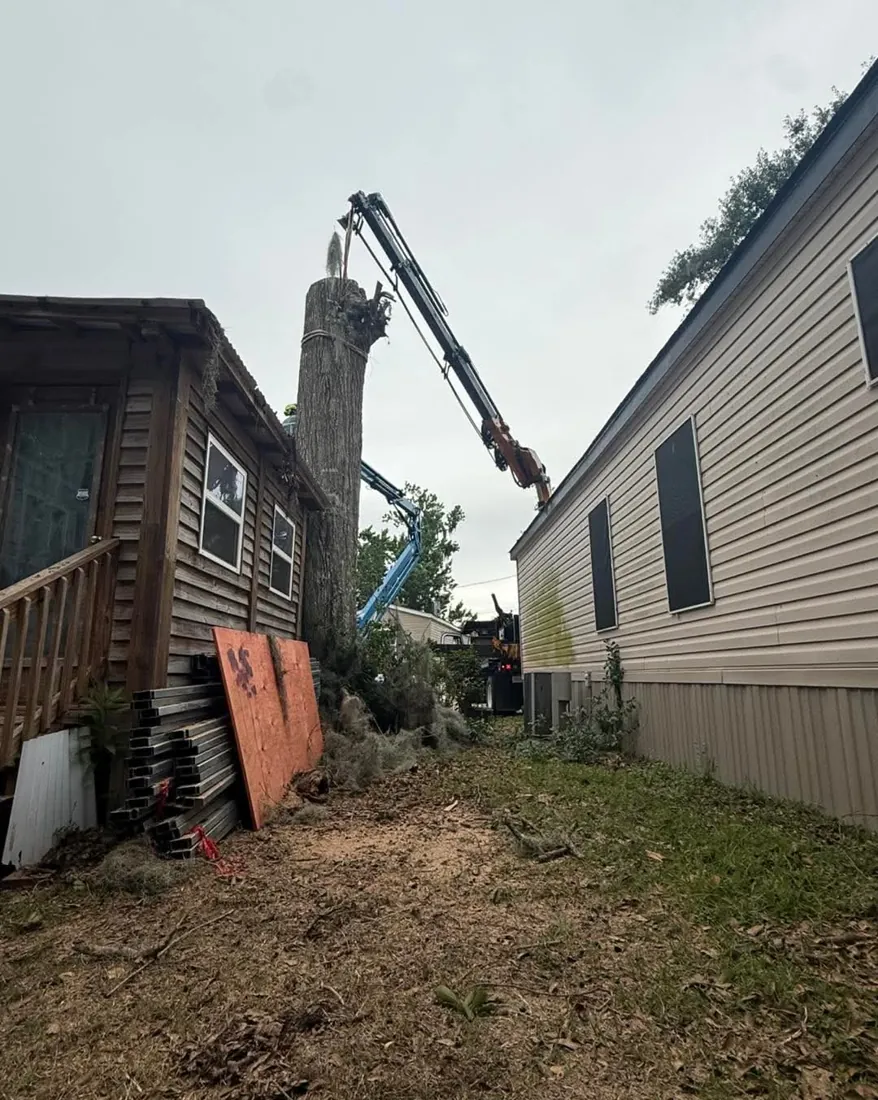
Photos cannot replace every site visit, especially for large or technically complex jobs. They can, however, help us determine whether the request fits our services, how urgent it appears, what equipment may be needed and which questions to ask. Send one photo from far enough back to show the whole tree and surrounding targets, then closer photos of the trunk, defects and damaged areas.
Large jobs and storm work
If the callback request involves a commercial site, multiple properties, storm deployment or government solicitation, include that in the first message. Those opportunities may need a different person, additional documentation and more time to review scope before a useful conversation can happen.
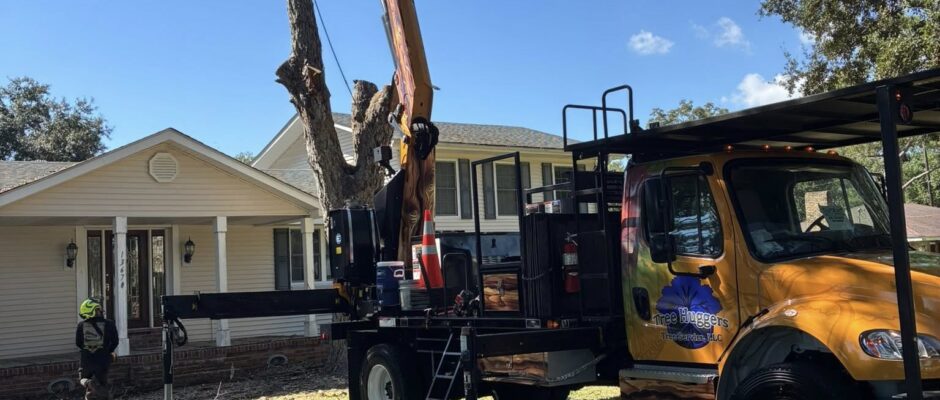
Make the callback useful
Send the property location, the tree service you are considering and a time window when it is practical to return your call. If you are reporting new storm damage or a hanging limb, say that first. A request is not confirmation of emergency dispatch, a firm quote or a scheduled arrival; keep away from unstable material and use the appropriate emergency services for immediate danger.
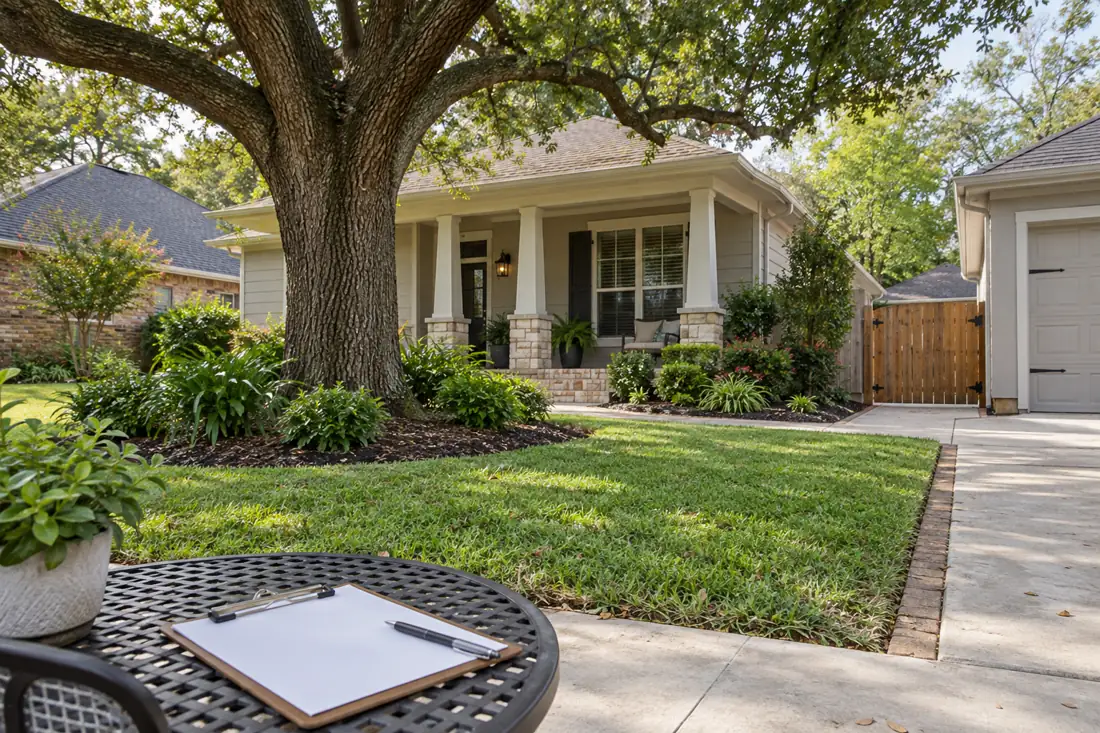
One safe wide photograph showing the whole tree, nearby structures and access route is helpful. If you have more than one tree, label each location in your message. An owner or manager can also note which person may approve the work. Do not enter a hazardous area just to supply another photograph.
What happens after the inquiry?
The purpose of a callback is to identify the decision and missing site information. The appropriate next step may be clarifying the work request, reviewing photographs or arranging an assessment. Discuss the agreed scope and exclusions before treating an estimate as approval. For photos and shorter messages, the text option is available; the contact page provides the broader inquiry route.
Questions about this project
Which photos should I text first?
Send a wide tree view, the base if safely visible, nearby targets and the equipment route. Add the address, desired work and any recent change. Identify each tree clearly if the request involves several.
Can photos confirm that a damaged tree is stable?
No. Photographs may omit defects, support conditions and other important details. Use them to prepare for the contractor's assessment, and avoid entering hazardous areas to obtain a better view.
What should I compare besides the price?
Compare tree identification, work objectives, access assumptions, hauling, stump treatment, site finish and exclusions. Ask whether permits or other coordination are part of the scope and who can approve changes if conditions differ.
Does an online request book the crew?
No. A request starts the estimate conversation. The company still needs to discuss scope, availability and any site assessment. For a dangerous or urgent condition, call 504-458-8336 rather than relying on a form response.
How should extra work be approved?
Use the agreed approval process and identify the change, reason, scope, price or schedule effect as applicable. Confirm who has authority before treating an additional tree or task as part of the original job.
What completion records are useful?
Keep the agreed scope, tree or area identification, authorized changes, invoice and labeled photos where appropriate. Include unresolved items and a contact. Contract-specific records should follow the buyer's stated requirements.
What access information helps an estimator?
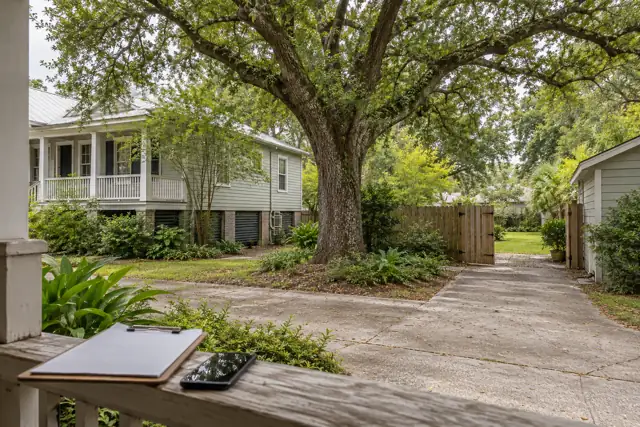
Send the narrowest opening, overhead obstacles, turns and the distance between the tree and the loading area. Include photos of the entire route and identify steps, soft ground or features that must remain protected.
Should I remove a fence before the visit?
First ask the contractor to assess access and agree on any temporary opening. Identify who owns the fence, who can authorize the change and who will reinstall it. Do not assume the opening is necessary or included.
Does cleanup include every root and wood chip?
That depends on the written scope. Tree removal, stump grinding, chip hauling and root excavation are different tasks. Ask what material is removed, what remains and whether soil or landscape restoration is separately included.
What should a final walk-through check?
Compare the identified trees and tasks with the agreement. Check agreed debris handling, stump treatment, access openings and any listed restoration. Record unresolved items clearly instead of relying on a general impression that the property looks finished.
What should I tell Tree Huggers about request a callback?
Explain the property address, the work you want and the specific concerns: work objective,property access,cleanup standard. Send safe photos of the tree, surroundings and access route. The contractor can then discuss the assessment and scope needed for this situation.
How do I request an estimate for this work?
Call 504-458-8336, text photos or use the estimate form on this page. Include the address, desired outcome and any timing constraints. The company will need to review scope and availability; an online request does not confirm a price, appointment or emergency dispatch.
Get a scope for your property
A callback request works best when it tells us what decision you need to make without asking you to stand near a hazardous tree. Include the property location and a brief description of removal, pruning, stump grinding, storm debris or a tree-health concern. Say whether any entrance, roof, vehicle or frequently used route is affected.
If you have safe photographs, send one view of the whole tree and one showing a gate or driveway; do not climb, enter a fall zone or approach electrical lines to gather evidence. Use the existing estimate request form or the published phone/text contact options to send your details privately.
Tell us which general time windows you prefer for a return call, but treat those as preferences, not a confirmed appointment or response guarantee. Depending on the condition, the discussion may lead to a site assessment before a written estimate can be prepared. Clarify whether debris hauling, stump work, access restrictions and cleanup are part of the request.
Do not share personal details in public comments or analytics events. If a tree is near an energized line or creates an immediate danger, keep away and contact the appropriate utility or emergency service first.