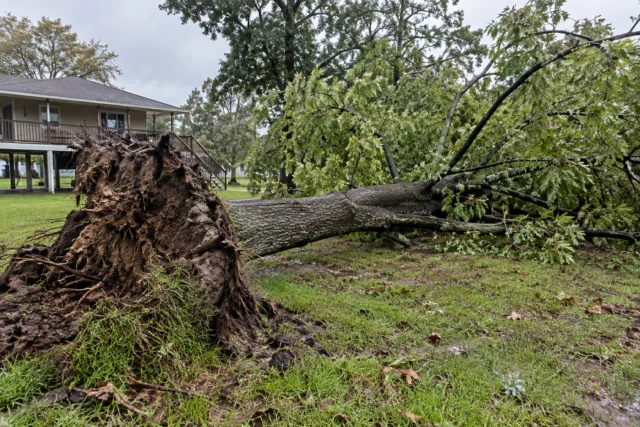
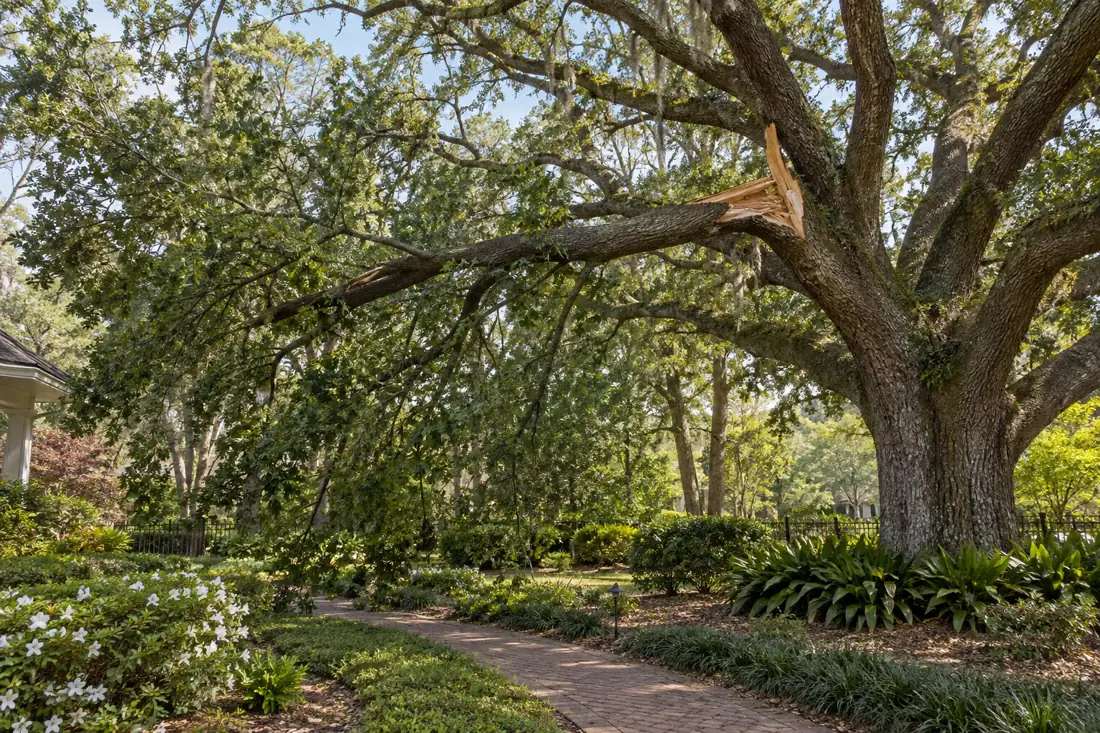
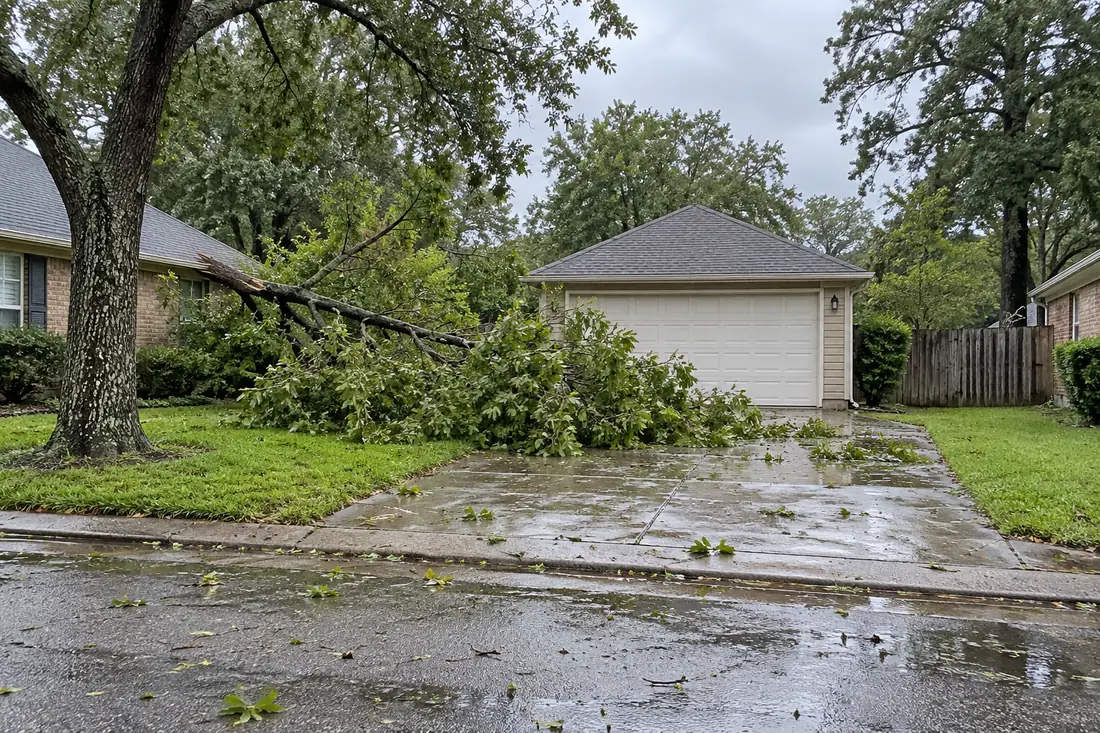
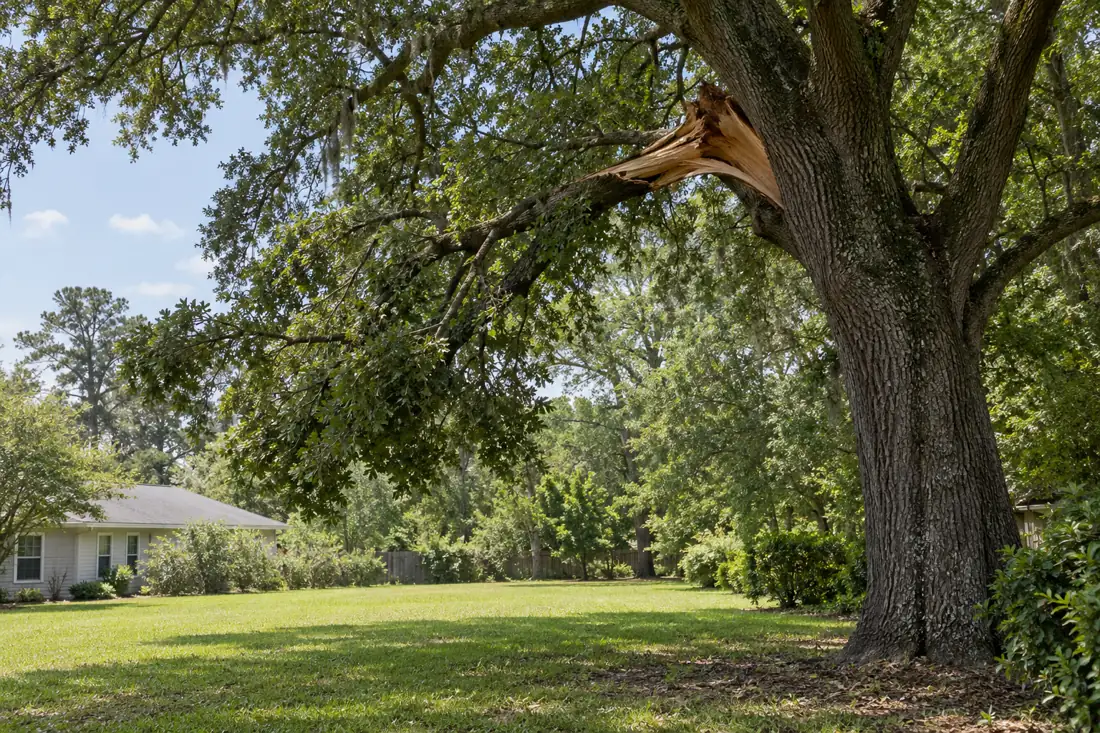
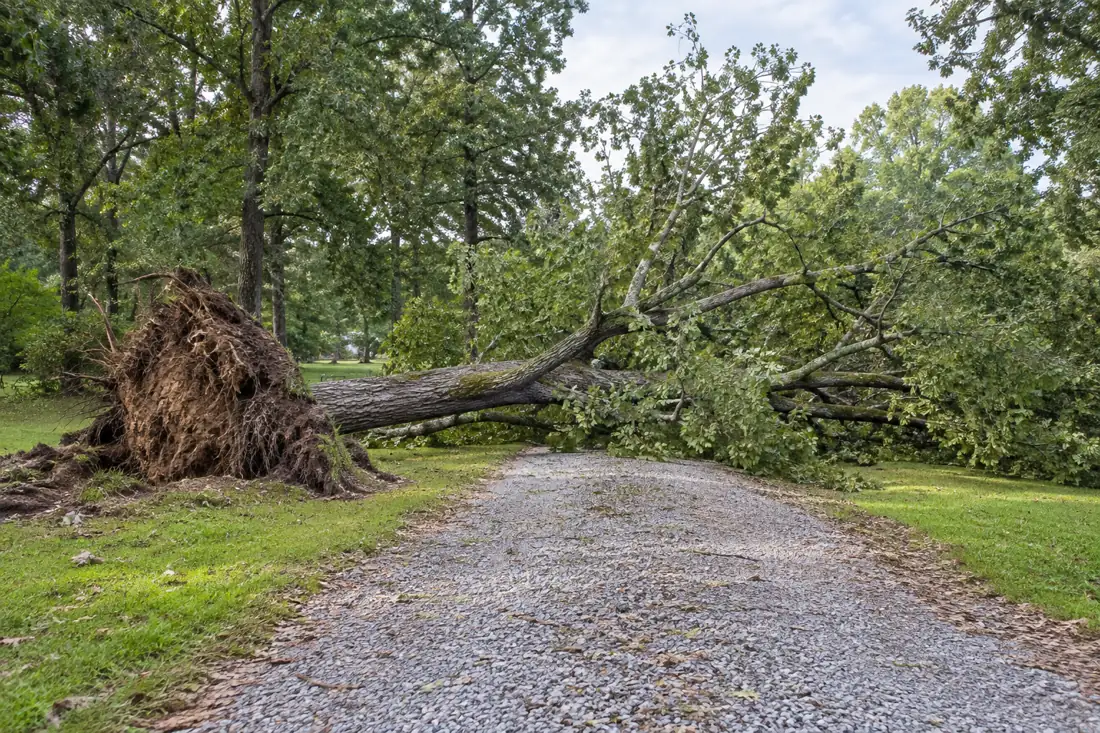
Branches mixed with roofing, fencing or other damaged material may not belong in the same hauling stream. Describe the mixture during the estimate and ask what the tree contractor will handle. Do not assume vegetative-debris removal includes demolition waste or hazardous materials. Separate responsibilities make the cleanup scope easier to price and verify.
Site planning detail: Storm cleanup often involves two different waste streams: tree material and damaged building components. Before a crew arrives, identify whether branches are mixed with shingles, insulation, nails, glass, fencing or household debris. Photograph the scene from a safe distance without climbing piles or moving unstable material. Mark any visible utility wires and avoid handling anything touching them. Ask the tree contractor what vegetative debris is included, where it may be staged, and whether non-vegetative material must be separated by another qualified service.
Verify where trucks can load without damaging curbs, drains or landscaping, especially after saturated ground. If insurance documentation is needed, capture the debris condition and property damage before removal when safe, then retain the approved scope and change orders. A cleanup completion walk should distinguish removed branches from remaining demolition debris; neither crew nor homeowner should assume the other category is included without written agreement.
Storm branches and trunks may be handled differently from roofing debris, insulation, drywall, fencing or demolition materials. Before anyone combines piles, identify which materials came from trees and which came from structures. Keep suspected hazardous materials, broken glass and sharp metal out of the tree crew's work area. Do not assume a tree-service quote includes construction debris disposal or that a municipal collection program accepts mixed loads. Ask the appropriate local service about current rules instead of relying on generic disposal promises.
Make a site plan showing separately accessible wood, mixed construction waste and any standing damaged trees. Tell the estimator if roofing material is tangled in branches or a trunk is resting against a building, because controlled dismantling may be needed before hauling. Document any material the crew is expected to leave, chip or transport, along with responsibility for bins and post-work cleanup. A clear separation of scopes protects workers, reduces return trips and makes a written estimate more useful for an owner or insurance representative.
Storm Debris Mixed With Building Materials: Start With a Controlled Assessment
After a southeast Louisiana storm, a limb pile may contain more than wood: roofing nails, shingles, broken glass, siding, wire, insulation, and fragments from damaged structures can be concealed by leaves and branches. Keep occupants, visitors, and unassigned workers out of the pile and the drop area. Do not climb onto a roof, pull on a lodged limb, or begin cutting hazardous trees yourself. First, identify who can safely assess the site and what areas must remain closed.
Walk only where the ground is visibly stable and access is clear; floodwater, soft soil, hanging limbs, and storm-hidden holes can change conditions from one step to the next. Photograph the debris from a safe distance, noting its location relative to buildings, vehicles, fences, and public access. A property owner or site manager can then provide responders with useful observations without disturbing evidence or shifting material. Decide who controls access, how occupants will be notified, and where a qualified tree professional can review the work.

Recognize Immediate Hazards Before Sorting
Treat every downed or nearby power line as energized, even if it appears quiet or lies across a branch. Keep people and equipment well away, prevent access to the area, and contact the electric utility or emergency services as appropriate. Do not use a vehicle, pole, rope, saw, or tree crew to move a limb touching a line. Utility personnel must address electrical hazards, while qualified tree specialists coordinate work around them; neither visual inspection nor a lack of sparks proves that a line is safe.
Look from outside the restricted area for suspended branches, split trunks, leaning trees, unstable fences, damaged gas or water service, and debris blocking exits. Report suspected gas leaks or immediate threats to the appropriate emergency provider rather than investigating with tools. Ask the site lead to identify the hazard, responsible responder, exclusion boundary, and conditions for reopening access. A useful decision is not merely whether cleanup can start, but whether the people, equipment, and work sequence proposed are appropriate for each hazard present.
Assess Structural Contact and Hidden Loading
A tree resting on a roof, wall, porch, vehicle, or temporary structure may be transferring substantial force even when the visible damage looks modest. Roof decking, rafters, masonry, and supports can be cracked or displaced beneath debris, and removing one section may shift the remaining load. Keep people out of affected rooms and away from the structure’s fall zone until qualified professionals assess it. Do not ask a crew to tug, lever, or cut a contacting limb simply to see whether the building moves.
Tell the tree professional what surfaces the tree touches and whether the building was already damaged, occupied, or altered by emergency work. Where structural stability is uncertain, involve a qualified building professional or engineer to advise on access and sequence; tree removal and structural evaluation are separate judgments. Ask who will determine when contact can be released, how workers will stay clear of likely movement, and whether temporary support or a staged removal plan is needed. Record those decisions before authorizing the next operation.

Separate Branches From Roofing, Glass, and Metal
Treat a mixed pile as several material streams, not as ordinary green waste. Clean branches belong in a separate stream from shingle pieces, roofing nails, flashing, metal trim, broken glass, plastic, insulation, and general construction debris. Small sharp items can disappear beneath leaves or lodge inside a limb, so appearance alone is not enough to call a load clean. Mark separate, stable collection areas before moving material, and make sure the layout does not block emergency access, pedestrian routes, drainage, or equipment travel.
Ask the crew how it will keep branch loads distinct from building debris as material leaves the work area. Where practical, use separate containers or designated piles with clear labels and a responsible person checking each transfer. Do not toss loose nails or glass into a branch pile, and do not assume a tarp makes mixed material safe to handle.
Decide in advance what happens when a branch is found contaminated: pause that stream, isolate the item or load, and direct it to the appropriate handling route.
Separate vegetative storm debris from damaged structures in the written scope
Storm debris often conceals two jobs with different handling rules. Branches and logs may be intertwined with shingles, fencing, insulation, glass, wiring, roofing nails, collapsed sheds or treated lumber. A tree crew should not be assumed to remove structural demolition waste, hazardous material or energized equipment as part of a tree estimate.
Mark the boundary between tree material and building components without moving dangerous pieces to demonstrate it. Determine who will assess the structure and what area must remain closed before either contractor begins. If a limb pins a fence or roof component, removal order matters.
Request a line-item scope explaining how tree material will be cut, staged, chipped or hauled, and what is explicitly excluded. Identify a separate approved contact for roofing, fencing, utility or demolition work where needed. Do not create mixed piles that are difficult to classify or transport, and do not promise that every material can go to the same disposal facility.
Before reopening a yard, examine the visible work area for large wood, protruding nails and debris within the agreed cleanup boundary; hidden contamination or structural safety requires appropriate specialists. A good handoff record says what tree work ended and what work still belongs to others.
Choose Sorting Methods That Fit the Exposure
Sorting is not a reason to send unprotected occupants into debris or have workers reach blindly into a tangled pile. Broken glass, sharp roofing fasteners, concealed wire, splintered lumber, and unstable limbs can injure hands, legs, or faces; contaminated material may also include substances that cannot be identified by sight.
Keep children and pets away, and do not use bare hands or casual household tools to search through a pile. Have the responsible contractor explain its access controls, handling approach, and stop-work triggers before sorting begins.
Ask whether material can be separated from a stable position with appropriate equipment or whether the pile must first be made accessible by qualified personnel. The answer depends on the debris, site conditions, and hazards, not a universal sorting technique. If suspect chemicals, containers, insulation, or other unknown materials appear, stop disturbance and seek guidance from the relevant qualified professional or authority. Document which materials remain segregated, what could not be identified, and who will decide the next safe and lawful handling step.

Keep Contaminated Debris Out of Chippers and Grinders
Do not chip or grind storm branches that may contain nails, screws, roofing fragments, wire, glass, or other building waste. Metal can become a projectile or damage equipment; glass and sharp fragments can be dispersed into chips, soil, landscaping, or nearby work areas. A visually clean outer surface does not rule out an embedded fastener. If a branch came from a mixed construction-debris pile or contacted damaged roofing, hold it apart until an appropriate inspection establishes its disposition rather than feeding it into a chipper.

Ask the tree contractor to state how it identifies material eligible for chipping, who checks it, and where questionable pieces go. Keep chipper operations away from people, buildings, vehicles, and public routes as required by the operator’s site plan, and do not treat resulting chips as clean mulch when contamination is uncertain. Make the project decision explicit: only material accepted under the contractor’s process may be chipped; questionable or contaminated wood stays segregated for an agreed alternate route. Include that rule in the handoff notes.
Identify the material stream before assigning hauling responsibility
After a storm, a single pile may combine tree limbs, fencing, shingles, flashing, glass and household materials. Identify the visible categories rather than describing everything as tree debris. A chipper intended for clean natural vegetation should not be fed construction material. Ask which trade will separate, move, transport and dispose of each stream. Do not pull branches apart yourself if they may be holding damaged fencing or contain nails, broken glass or wiring.
Photograph the overall mixture from a stable safe point, and tell the estimator about materials that are uncertain. Suspected asbestos-containing products, leaking chemicals or electrical components can require specialist assessment and handling. The fact that a pile looks small does not mean ordinary yard-waste disposal is suitable. Where a damaged roof is involved, coordinate with an appropriate building professional before tree crews begin unloading wood that may be resting against structural elements.

Separate natural vegetation from construction waste and sharp hazards
Request clear scope exclusions: whether the tree contractor handles vegetation only, whether it will stage brush for a separate hauler and whether stump work, fence sections or roof debris are excluded. Arrange equipment staging so different trades do not work under a shared overhead hazard. Temporary piles should stay clear of curb ramps, drains, hydrants and access routes. Resolve permission for neighboring lots and shared fences before arranging cross-property hauling.
At handoff, specify what was removed, what remains for a repair or disposal contractor, and whether logs or chips will stay. The responsible party should check for nails, metal shards and small debris where children or pets use the property. Preserve factual photos and itemized receipts, but do not promise insurance coverage or claim that a vegetation-only estimate includes all post-storm reconstruction waste.
Coordinate the Tree, Roofing, and Building Trades
Mixed storm damage often needs more than one trade, but overlapping work can create new exposure. A tree crew may need to remove a limb before roofers can cover an opening, while a building professional may need to assess a damaged support before anyone removes material bearing on it.
Identify one site contact who can coordinate access, exclusions, and sequence without directing specialized cutting. Ask each contractor what must be completed by others first, what conditions stop its work, and how it will communicate a changed hazard.
Use a written handoff that identifies the affected area, known contact points, power-line status as reported by the utility, segregated debris streams, and outstanding assessments. Do not assume one trade’s arrival means another hazard is resolved or that a contractor has accepted responsibility for all site conditions.
Agree on who will confirm that a work area is released, who protects openings or occupants between visits, and how debris custody changes at each stage. The practical decision is a coordinated sequence, not several crews working independently around the same pile.

Stage Loads Without Creating a Second Hazard
Choose staging locations with the property layout and local conditions in mind. Keep piles and containers clear of fire lanes, entrances, sidewalks, storm drains, utility access, and areas needed for emergency response. In southeast Louisiana, heavy rain can wash loose debris into drains, while saturated ground may not support a loaded container or truck. Do not place material where it blocks sightlines or forces pedestrians into traffic. Confirm that the surface, route, and access plan can accommodate the expected equipment and changing weather.
Before setting material at a curb, roadway, drainage servitude, or other shared space, check applicable parish or municipal requirements and any property, permit, or collection rules. Permission to stage debris on private land does not automatically authorize public placement. Ask who will secure the pile, prevent scattering, keep sharp pieces contained, and remove it if weather or access changes.
Separate containers should remain identifiable through pickup, and the site contact should know which hauler is authorized to enter and what load it is expected to take.
Confirm Lawful Hauling and Disposal Routes
Different materials may require different destinations: clean vegetative debris, roofing waste, metal, glass, and mixed construction material should not be presumed acceptable in one load. Ask the hauler where each stream will go and whether the receiving facility accepts that material in its present condition. Requirements can vary by facility and jurisdiction, so verify current local instructions rather than relying on a neighbor’s past experience. Do not burn debris or dump it in a ditch, vacant lot, waterway, or unauthorized collection point.
Before pickup, confirm who loads, transports, and pays any destination or separation charges, and how rejected material will be handled. Request a written record of the agreed streams and retain available disposal or transfer documentation for the property file. If a facility rejects a load, the hauler should explain where it was taken or where it remains and obtain approval for a revised route before additional charges accrue.
A clear chain of custody helps the site manager distinguish completed removal from material merely moved out of sight.

Make the Quote Specific About Scope and Exclusions
A useful quote describes the debris and work area, not just a general promise to clean up. It should state which branches are included, whether material touching a structure is included, how clean wood is distinguished from contaminated wood, and whether separation, loading, hauling, and disposal are covered. Ask for the proposed sequence, access assumptions, staging location, and how the contractor will handle newly discovered nails, glass, wire, shingles, or unknown material. Clarify whether the quoted work stops if utility coordination or structural review is needed.
Request explicit exclusions for work outside the described area, roof or building repair, engineering, utility work, hazardous-material assessment, permits, traffic control, inaccessible debris, and rejected or additional loads, where applicable. Ask how scope changes are documented and approved before extra work proceeds; do not treat an estimate as a guarantee of site safety, insurance coverage, or a particular disposal outcome.
Before closing the project, compare the completed work with the written scope, confirm remaining debris and responsibility for it, and record any unresolved hazard or follow-up trade.
Document Separate Debris Streams Before Loading
Vegetative debris is not necessarily interchangeable with roofing, treated lumber, broken masonry, insulation, wiring or material from a damaged building. When branches are tangled with construction waste, classify the visible materials from a safe distance and ask which provider will separate them. The tree crew may be equipped to handle logs and brush, while roofing, structural demolition, suspected asbestos and regulated waste require appropriately qualified contractors and disposal arrangements. Do not feed mixed material into a chipper simply because it is wrapped in leaves.
Create a pickup sketch showing where clean brush can be staged without blocking fire access, storm drains, sidewalks or neighboring entrances. Clarify who provides containers, which loads are covered by the tree quote and how rejected loads will be handled. Record disposal documentation when required by the project or governing program. Final photographs should show the agreed cleared limits; they do not prove that every hidden fragment or hazardous substance has been removed.
- Keep suspect hazardous or sharp building materials out of the wood pile.
- Write disposal responsibility separately for vegetation, roofing and demolition materials.
- Identify safe staging and the exact cleared boundary in the accepted scope.
See additional restrictions for debris work at a school campus
Questions about this project
Does vegetative-debris hauling include building waste?
Do not assume it does. Describe mixed roofing, fencing, soil or other material before pricing. Ask what is accepted in the scope and what needs a separate provider or handling arrangement.
Why does access affect a debris-removal price?
The route, loading position, carrying distance and obstacles affect how material can be handled. Send photos of both the pile and the access, and identify any remaining tree or utility hazards.
Does cleanup include every root and wood chip?
That depends on the written scope. Tree removal, stump grinding, chip hauling and root excavation are different tasks. Ask what material is removed, what remains and whether soil or landscape restoration is separately included.
What should a final walk-through check?
Compare the identified trees and tasks with the agreement. Check agreed debris handling, stump treatment, access openings and any listed restoration. Record unresolved items clearly instead of relying on a general impression that the property looks finished.
How should extra work be approved?
Use the agreed approval process and identify the change, reason, scope, price or schedule effect as applicable. Confirm who has authority before treating an additional tree or task as part of the original job.
What completion records are useful?
Keep the agreed scope, tree or area identification, authorized changes, invoice and labeled photos where appropriate. Include unresolved items and a contact. Contract-specific records should follow the buyer's stated requirements.
How should several storm-damaged trees be described?
Use marked photos or a simple tree list showing locations, affected targets and access problems. Identify urgent routes or buildings separately from later cleanup. The contractor can then discuss assessment and a practical work sequence.
Can restoration be handled in phases?
Yes, when the parties agree on clear scopes. Initial hazard or access work, planned removal, hauling and building or landscape repairs may involve different stages and providers. Record the responsibilities and completion requirements for each.
What should I compare besides the price?
Compare tree identification, work objectives, access assumptions, hauling, stump treatment, site finish and exclusions. Ask whether permits or other coordination are part of the scope and who can approve changes if conditions differ.
Does an online request book the crew?
No. A request starts the estimate conversation. The company still needs to discuss scope, availability and any site assessment. For a dangerous or urgent condition, call 504-458-8336 rather than relying on a form response.
What should I tell Tree Huggers about storm debris mixed with building materials?
Explain the property address, the work you want and the specific concerns: mixed materials, hauling exclusions, separation plan. Send safe photos of the tree, surroundings and access route. The contractor can then discuss the assessment and scope needed for this situation.
How do I request an estimate for this work?
Call 504-458-8336, text photos or use the estimate form on this page. Include the address, desired outcome and any timing constraints. The company will need to review scope and availability; an online request does not confirm a price, appointment or emergency dispatch.
Get a scope for your property
For a storm pile containing tree limbs and damaged building materials, photograph the separated materials from a safe place without handling sharp debris. Identify roofing, fencing, insulation, metal or other non-tree items that may need another disposal service. Ask what the tree-service quote includes, which loads must remain separate and what clean finish is possible. Do not assume all storm material can be transported in the same truck or billed as tree debris.