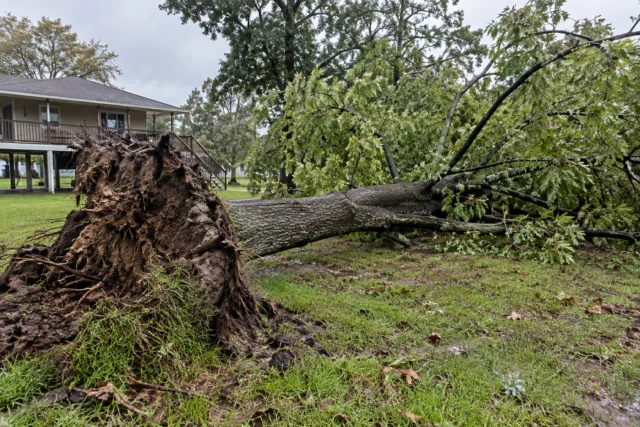
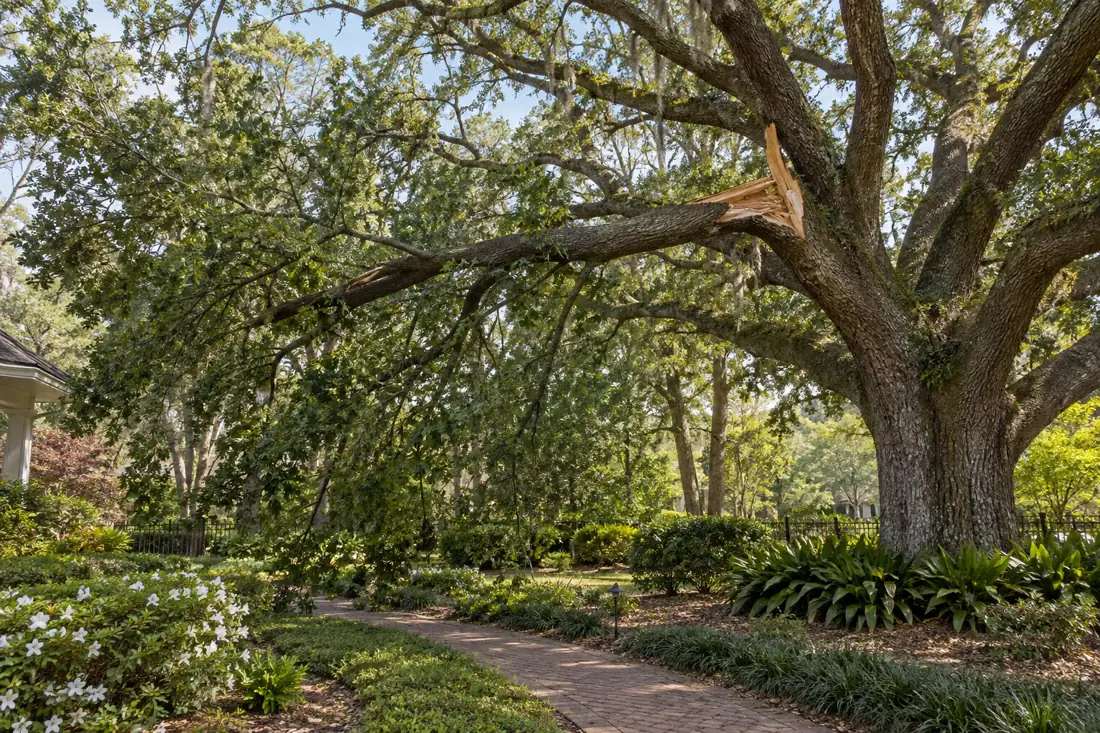
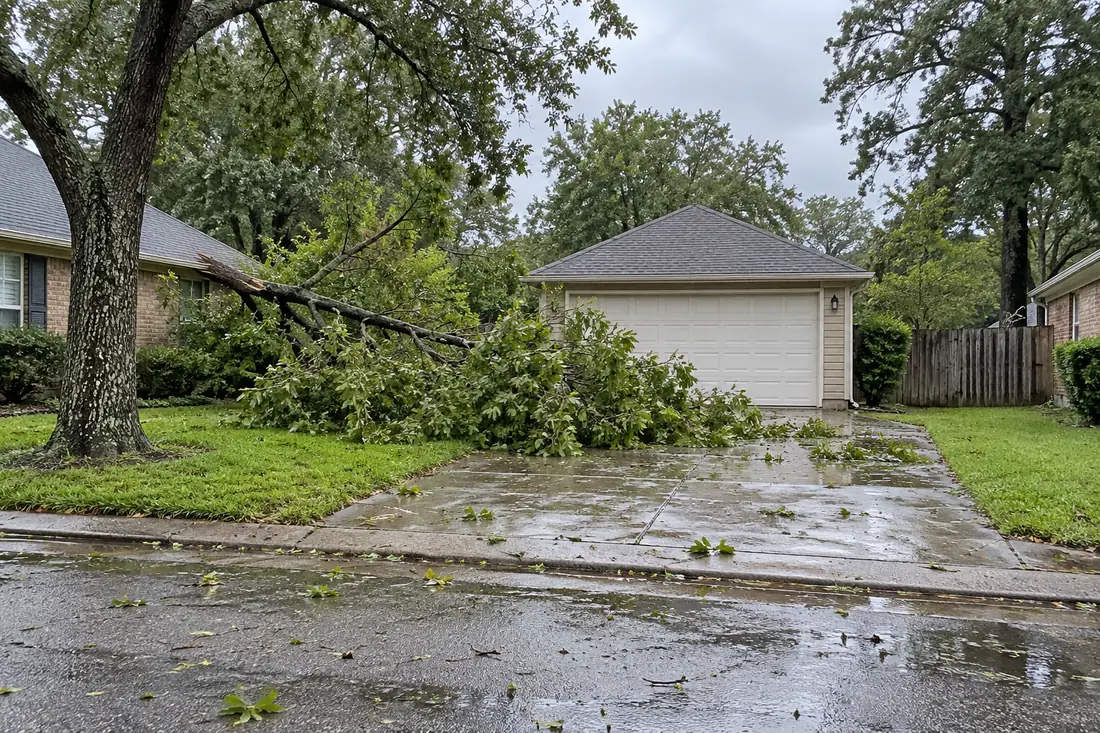
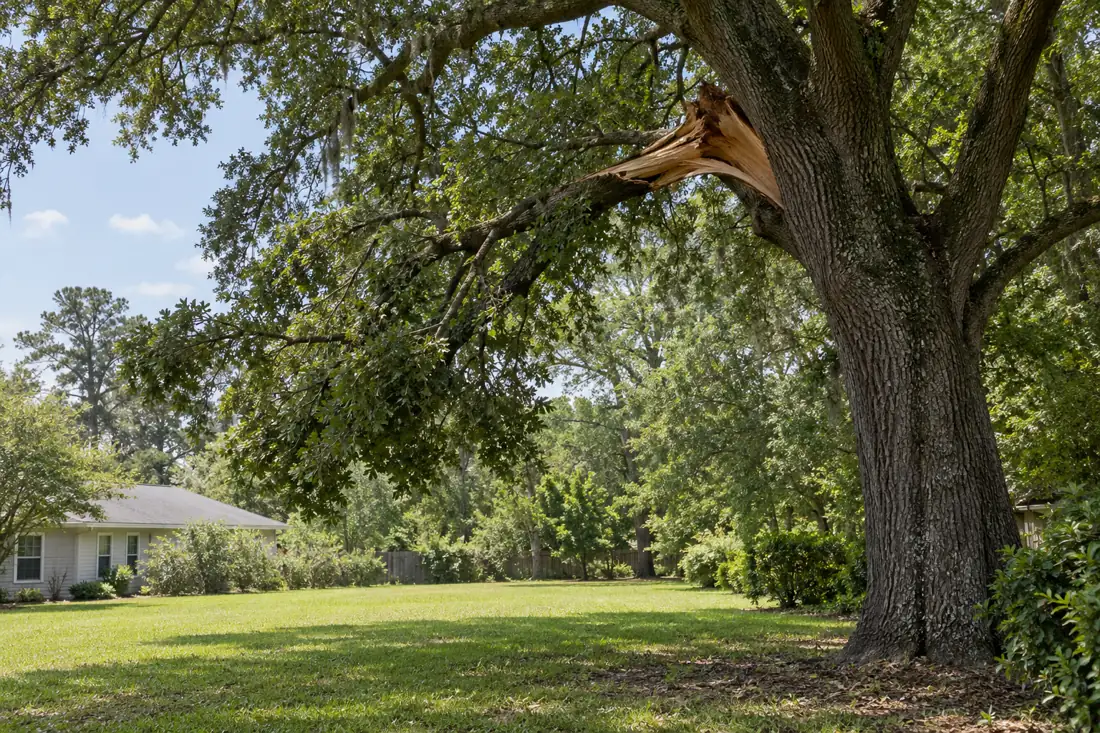
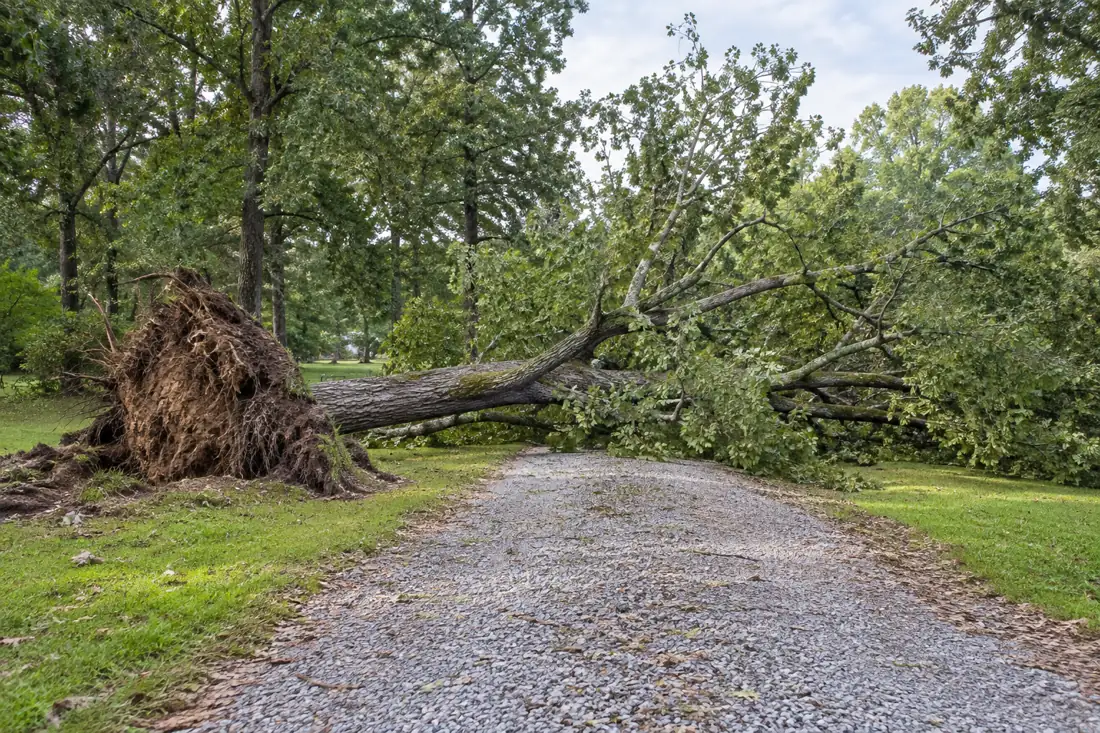
Reopening requires more than removing the largest visible trunk. Hanging material, traffic paths, loading activity and small debris need attention within the agreed scope. Identify which sections can remain closed and who can approve reopening. A phased plan can separate hazard removal, loading and the final site walk.
Reopen parking by verified zones rather than by an overall deadline
A parking lot may have one cleared row while another still contains damaged branches, blocked drainage, disturbed islands or a debris-loading route. Give each affected zone an identifier and record the status of overhead tree concerns, pedestrian routes, accessible stalls, fire lanes and contractor vehicles. Keep customer and delivery movements out of the active work zone, even if painted parking stalls are visible.
When tree operations are complete, site management should check the agreed conditions for each zone and note outside repairs that remain. If a utility, structural or surface concern is unresolved, the responsible specialist or authority must clear that issue separately. A reopening announcement should specify the open areas and any continuing restrictions rather than relying solely on the tree crew’s departure time.
Parking lots can contain downed limbs, branch hangers, torn canopies and trunks leaning over parked vehicles even when the driving aisles look clear. Identify entrances that are necessary for emergency access and mark spaces beneath damaged trees as closed. Do not use temporary cones as proof that an unstable canopy has been made safe. Coordinate with tenants and property management before relocating cars, and avoid driving equipment over damaged islands, buried irrigation or weakened storm drains.
Have the tree estimator map each work zone, decide whether overhead mitigation must come before debris hauling, and explain where chippers and trucks would stand. Determine the sequence for clearing fire lanes, accessible parking routes and customer walkways without mixing foot traffic with moving logs. Include sweeping, chip pickup, damaged curb protection and separately quoted stump or landscape repairs. Record inspection, completed work and any remaining restricted spaces before communicating that parking can resume.
Storm Cleanup Before Reopening a Parking Lot: Establish the Closure
Keep the lot closed after a storm until someone with site authority has set clear boundaries and assessed access from a safe position. In southeast Louisiana, a parking area can hide storm damage beneath standing water, scattered debris, or soft ground even when the pavement looks usable.
Block vehicle entrances and pedestrian approaches with visible barriers, and post a contact for questions. Do not rely on cones alone where drivers could easily move them or where a blocked entrance might send traffic into a work area.
Mark separate exclusion zones around damaged trees, fallen limbs, unstable-looking trunks, and locations where equipment will operate. Include parking spaces beneath suspect crowns, not just the visible debris footprint: a cracked limb can remain lodged overhead or drop after wind or rain. Keep tenants, customers, delivery drivers, and curious passersby outside the boundary.
Assign one person to maintain the perimeter and update it when crews move. The first project decision is whether the site can remain fully closed or whether a physically separate, unaffected area can be managed safely.

Survey Overhead Hazards Before Anyone Parks Below
Inspect parking rows from outside the suspected fall area before considering access beneath trees. Look for split unions, hanging or suspended branches, fresh cracks, broken tops, limbs caught in neighboring crowns, and branches resting on signs, wires, or roofs. A canopy may look unchanged from ground level while its upper structure has shifted. Photograph observations from safe positions and note the tree or row location. Do not climb, shake branches, pull lodged limbs, or ask maintenance staff to cut overhead wood.
A qualified tree-care professional can determine whether a hanging limb or damaged tree requires controlled removal, rigging, or further assessment, and can explain the work boundary. Ask which parking spaces must stay empty, what could change the hazard assessment, and whether additional defects may become visible as the canopy is unloaded.
Keep people and vehicles out until that professional has completed the agreed tree work and the site manager has checked that debris, equipment, and exclusion markings are managed. Do not treat a visual glance as proof that every overhead risk is gone.
Reopening a parking lot is an authorization decision
A clearance crew removing visible wood is not the same as an owner authorizing vehicles to return. Assign a person who can keep the entrance closed, identify the limits of the crew’s work and inspect the agreed work areas before the lot is released. The inspection needs to cover pedestrian approaches, accessible parking, delivery turns and walking paths between parked vehicles and doors. A path that looks open from the curb may still be under a broken hanging limb or beside an unstable trunk.

Define the precise conditions for reopening each parking area
A lot can look clean while a damaged limb still hangs above a stall or a temporary pile blocks a wheelchair route. Divide the site into numbered areas for assessment, crew access, loading and customer circulation. Mark disabled parking, emergency lanes, delivery turns, overhead lines and drains before deciding which portion might reopen first.
Coordinate tree removal with property management and any utility, structural or paving repairs. Tree crews can report their completed scope and observed remaining hazards, but they cannot certify energized equipment, a damaged building or the entire site as safe. Closure and reopening authority should be assigned to the party responsible for the property and supported by appropriate specialist sign-offs.
Before removing barriers, walk the relevant pedestrian and vehicle route, confirm loose brush and wood are cleared, note rutting or surface damage and check the intended truck turn path. Store dated photographs of each reopened section with the work ticket. A staged reopening can restore operations without presenting the entire property as finished.
If the property has multiple entrances, describe which one emergency crews or tenants may use while the others remain restricted. Keep photographs and written notes of barriers, work limits and unresolved concerns, especially when the next contractor is restoring fencing, lighting or pavement. A tree contractor can document its own scope; property management controls the separate decision about reopening general access.
Treat Wires and Utility Connections as an Active Emergency
Assume every downed, sagging, or tree-contacted wire is energized, regardless of whether it sparks or appears intact. Keep people away, prevent vehicle access, and contact the appropriate electric utility or emergency service according to the situation. Do not touch a tree, limb, fence, sign, vehicle, or puddle that may be connected to a wire. In storm-damaged southeast Louisiana neighborhoods, utility conditions can change as crews restore service, so an earlier outage report does not establish that a line is safe.
Tell the tree contractor and site manager where the hazard is, but do not ask tree workers to handle, move, or cut around a line until the utility has addressed its part. Confirm who will notify the site when utility work is complete and what separation or access restrictions remain.
Separate electrical, communications, lighting, and other infrastructure questions from tree removal decisions; the utility or infrastructure owner controls its equipment, while the tree professional addresses tree work within an appropriate boundary. Keep the affected area closed until the responsible parties provide usable direction.

Plan Traffic, Equipment, and Work-Zone Movement
Before cleanup begins, map where loaders, chippers, trucks, lifts, and debris containers will enter, turn, and leave. Consider narrow aisles, low canopies, overhead service lines, soft shoulders, drainage inlets, and entrances shared with neighboring businesses. A large machine can create a new conflict even when the original damage is confined to one row. Establish a route that keeps public vehicles and pedestrians away from backing movements and suspended loads, and designate a spotter where the operator cannot see the full travel path.
Ask the contractor what equipment is expected, which spaces need to be cleared, how the work area will be separated, and where storm debris will be loaded. Keep staging out of fire lanes, accessible routes, hydrant access, and utility response paths. If rain has left the ground soft, discuss rutting, buried features, and whether equipment weight could damage pavement edges or underground infrastructure. Choose and communicate one approved staging plan before mobilization; revise it only after affected people are notified and barriers are moved deliberately.
Parking lots should reopen by inspected zone, not by vague completion
A commercial parking lot may be partly usable while damaged branches remain above neighboring stalls or while loading equipment occupies its drive aisles. Create a simple numbered map of lots, entrances, accessible spaces, loading zones and lighting or sign structures before authorizing cleanup. If a trunk crosses customer travel, the owner must coordinate closures and traffic redirection; the tree crew's exclusion area cannot double as an informal pedestrian shortcut.
Mark where tree damage is intertwined with power lines, poles, canopies or signage for the appropriate specialist.
Separate the operation into immediate hazard containment, safe vehicle access, controlled cutting, hauling, and the final surface check. Work with the business to identify when deliveries occur and where trucks can turn without blocking an emergency lane. Review visible small wood, projecting stubs, disturbed curbs and rutting within the contracted finish, while recognizing that pavement or electrical repairs may be excluded.
The manager should sign off on each zone's condition and note remaining restrictions. Avoid a whole-property 'all clear' statement unless the specific scope and competent inspections support it.
Define the Handoff Between Tree Work and Infrastructure Repairs
A storm cleanup often involves more than tree care. Broken parking-lot lights, damaged service wires, bent signs, blocked drains, cracked pavement, and compromised irrigation may need different qualified providers or asset owners. Make a location-based list that distinguishes tree debris and tree condition from electrical, drainage, paving, building, and communications work.
Record who owns each item and who has authority to clear it. This prevents a tree crew from being asked to repair equipment outside its scope or a facilities worker from entering a hazardous tree zone.
Before authorizing work, ask each provider what they will address, what they will leave untouched, and what must happen before another trade can enter. Agree on a practical handoff: for example, the utility addresses a wire hazard, the tree professional completes specified limb work, and a facilities contractor then inspects a light pole or pavement.
Keep the area restricted when responsibilities are unresolved. The project manager should track open items by location and owner, rather than interpreting one contractor's completion as clearance for unrelated infrastructure.

Remove Debris Without Creating New Access Hazards
Once qualified crews have controlled the tree hazards, plan debris removal so branches and logs do not block escape paths or conceal problems. Keep piles away from building exits, hydrants, drains, fire connections, and pedestrian crossings. Wet leaves and small twigs can be slippery, while wood chips can obscure pavement markings or accumulate in curb ramps. Ask where material will be temporarily placed, how it will be transported, and who will make a final pass for sharp fragments, nails, broken sign pieces, or other storm debris.
Do not let cleanup pressure push workers into a still-restricted space to retrieve scattered material. A branch caught in a crown or resting on a structure needs assessment before anyone disturbs it, and a log near a wire may remain an electrical concern. Photograph notable damage before disposal if records are needed, then coordinate waste handling with the property’s normal service arrangements and local requirements.
Decide who owns the final debris sweep and what visible standard—clear pavement, open drainage paths, and no loose material in travel areas—must be met before evaluating reopening.
Sequence the cleanup around real vehicle movements
Before requesting an estimate, note the tallest vehicle normally using the lot, where equipment can stage without blocking fire lanes and whether a loaded debris truck can turn around. Parking spaces beneath the work should remain unavailable, not used as convenient storage. Ask how the contractor intends to protect drains from chips and how wet or soft ground could change loading arrangements.
When the work is complete, check the agreed debris handling and surface condition against the written scope rather than assuming every patch of landscape will be restored automatically. Separate a new storm-created defect from preexisting pavement damage in the handoff. For a location still under an emergency restriction, obtain authorization from the appropriate site authority before moving barriers.
See the related Tree Huggers service and request an appropriate assessment
Restore an Accessible, Continuous Pedestrian Route
Assess pedestrian access as a connected route, not as a single clear sidewalk. Check the path from the accessible parking spaces and passenger-loading area to the entrance, including curb ramps, crossings, door approaches, and any temporary detour. A fallen branch may leave the walking surface open but block the ramp landing or force people into moving traffic. Look for standing water, mud, uneven pavement, displaced wheel stops, damaged signs, and debris that could narrow or interrupt passage.
If repairs or tree work still block the usual route, consult the person responsible for accessibility at the property and identify a practical alternative before admitting pedestrians. The detour should be clearly directed and should not send people through equipment staging, behind backing vehicles, or across an unprotected work zone.
Do not label a route accessible based only on appearance; verify the whole journey and account for damaged surfaces and temporary barriers. Keep the accessible spaces and access aisle available only when their route to the entrance is actually usable.

Keep Fire Lanes and Emergency Access Usable
Identify fire lanes, hydrants, fire department connections, building exits, and emergency vehicle approach routes before choosing where to stage debris or equipment. Storm cleanup can narrow a lane through parked trucks, a chip pile, a lift, or a line of vehicles waiting to leave. Verify the site's marked emergency routes against current conditions; a painted line may be hidden by water, debris, or a fallen limb. If an emergency access point is obstructed or damaged, contact the responsible property representative and follow applicable local procedures.
Ask the fire-safety or facilities contact which routes and clear areas must remain available during work and whether any temporary access change needs coordination with local responders. Build those constraints into contractor staging rather than expecting crews to move equipment at the last moment. Keep a way for emergency vehicles to reach the building and for occupants to leave without crossing active work.
Reopening a row is not a sound trade-off if it compromises the site's emergency access, even when that row has no visible tree debris.
Set conditions for safely reopening a storm-damaged parking area
A parking lot may look open once a trunk is hauled away while broken limbs remain over the next row or sharp debris lies in driving paths. Map affected parking stalls, loading zones, curb ramps, pedestrian crossings and fire access separately. The property representative controls public closure notices, while qualified specialists must assess tree, structural and electrical hazards in their respective work. Do not infer safety solely because the cleanup truck has left.
Plan where a lift, chipper or truck can operate without routing customers or delivery drivers through the work zone. Accessible parking needs a usable continuous route, not an informal shortcut through traffic. Damaged lighting poles, exposed wiring and signs may require other trades. Photograph the tree from within the closed boundary, without trespassing into or beneath the damaged crown. Explain which aisles must remain unavailable until an assessment is complete.

Overhead trees, accessible paths and ground debris need separate checks
Use staged authorization: establish closures, evaluate remaining trees, conduct controlled tree work, haul vegetation, inspect pavement and arrange any infrastructure repair. These steps have different owners and may not be safe to overlap. Ask for a written description of which trees were cut or inspected and which were left untouched. Clean asphalt does not prove the canopy above was assessed, nor does a stable tree erase hidden glass or fasteners from damaged property.
Before reopening, the authorized manager should check accessible paths, drive aisles, drainage inlets, emergency access and remaining work barriers against professional findings. Keep areas with unresolved hazards closed and record the actual restrictions. An itemized handoff helps avoid the unsupported conclusion that the entire property is safe just because the largest pile is gone.
Reopen in Controlled Phases, Not by Guesswork
Use a distinct release sequence rather than opening the whole lot as soon as the largest debris is gone. First keep the entire site closed while hazards and utility concerns are assessed. Next, allow only authorized work access within established boundaries. Then consider a separated area for limited use only if its overhead conditions, pavement, pedestrian connection, and traffic separation have been checked and the work zone cannot spill into it.
Keep damaged rows and their fall areas closed until the relevant tree and infrastructure tasks are addressed.
Before releasing any section, walk its vehicle aisles and pedestrian route from the public entrance, confirm barriers direct people away from remaining hazards, and check that fire access remains open. Ask the responsible tree professional whether the specified tree work is complete and whether any observed condition calls for continued restriction; ask infrastructure owners about unresolved hazards in their domain.
Record the section, date, open items, and person authorizing the operational decision. A phased release is a management choice based on current conditions, not a guarantee against future storm changes.

Document Open Items and Recheck After Conditions Change
Keep a simple site log with a lot map, photographs, closure boundaries, contractor contacts, completed tasks, and unresolved issues. Identify each closed row or space by a sign, building, or aisle marker that crews and staff can recognize. Record who is responsible for each follow-up, such as utility notification, light repair, pavement inspection, or tree reassessment. Share the current boundary plan with security, property staff, tenants, and vendors so that an outdated verbal message does not send someone into a restricted area.
Revisit the decision when wind or heavy rain returns, when crews expose new damage, or when barriers, equipment, or site conditions change. A newly hanging limb, fresh crack, renewed flooding, or shifted barrier means the affected area should be controlled again and evaluated by the appropriate specialist.
Ask staff to report specific observations without approaching hazards or attempting repairs. Close out the log only when assigned work and operational decisions are accounted for; keep records of remaining restrictions visible to the people responsible for managing the property.
Questions about this project
Can the crew block a public sidewalk or road?
Required arrangements must be coordinated with the appropriate authority. Identify public routes and restrictions before scheduling. A private work agreement should not be treated as automatic permission to occupy or close public space.
When should parked vehicles be moved?
Set the timing and responsible contact before the work window. Vehicles may need to leave the tree zone, equipment route and loading area. Confirm where access must remain available during each phase.
Can a business stay open during tree work?
That depends on the site and scope. Discuss occupied routes, exclusion areas, loading and work windows with the contractor and property representative. Do not assume normal access can continue through the active work zone.
Who should communicate with tenants or visitors?
Agree on that responsibility with the property representative. The contractor needs a clear site contact, while the owner or manager should use the property's established process to communicate access changes and work windows.
How should several storm-damaged trees be described?
Use marked photos or a simple tree list showing locations, affected targets and access problems. Identify urgent routes or buildings separately from later cleanup. The contractor can then discuss assessment and a practical work sequence.
Can restoration be handled in phases?
Yes, when the parties agree on clear scopes. Initial hazard or access work, planned removal, hauling and building or landscape repairs may involve different stages and providers. Record the responsibilities and completion requirements for each.
Does cleanup include every root and wood chip?
That depends on the written scope. Tree removal, stump grinding, chip hauling and root excavation are different tasks. Ask what material is removed, what remains and whether soil or landscape restoration is separately included.
What should a final walk-through check?
Compare the identified trees and tasks with the agreement. Check agreed debris handling, stump treatment, access openings and any listed restoration. Record unresolved items clearly instead of relying on a general impression that the property looks finished.
How should extra work be approved?
Use the agreed approval process and identify the change, reason, scope, price or schedule effect as applicable. Confirm who has authority before treating an additional tree or task as part of the original job.
What completion records are useful?
Keep the agreed scope, tree or area identification, authorized changes, invoice and labeled photos where appropriate. Include unresolved items and a contact. Contract-specific records should follow the buyer's stated requirements.
What should I tell Tree Huggers about storm cleanup before reopening a parking lot?
Explain the property address, the work you want and the specific concerns: reopening boundary, vehicles, final inspection. Send safe photos of the tree, surroundings and access route. The contractor can then discuss the assessment and scope needed for this situation.
How do I request an estimate for this work?
Call 504-458-8336, text photos or use the estimate form on this page. Include the address, desired outcome and any timing constraints. The company will need to review scope and availability; an online request does not confirm a price, appointment or emergency dispatch.
Get a scope for your property
Before reopening a parking lot, map the spaces, pedestrian routes, entrances, loading areas and light poles affected by fallen limbs or debris. Identify the manager authorized to close and reopen the area, and document any hanging limbs before vehicles are moved back. A tree-service request should separate clearance of travel lanes from complete hauling and stump work, and note where equipment can stage without blocking required emergency routes.
Ask for a final walkthrough focused on overhead hazards, loose wood, sight lines and damaged pavement or fixtures that may require another trade. Reopening should follow the property's own safety process.