Restaurant trees may shade outdoor seating while also affecting deliveries, lighting and customer access. Explain which functions matter most and when the area can be closed for work. A pruning scope should be based on tree condition and the operating space, with cleanup completed before the area is used again.
Keep restaurant access and shade priorities in the same work plan
Restaurant shade trees can improve outdoor comfort while also creating conflicts with roof edges, signs, lighting, umbrellas and delivery vehicles. Note which branches affect dining tables and pedestrian routes, which need clearance for service trucks, and which shade is valuable to preserve. Do not default to heavy canopy removal merely to eliminate a small conflict. An appropriate pruning scope identifies the specific clearance objective and considers how the remaining crown will respond after cutting.
Before scheduling, map guest entrances, food deliveries, grease and waste service routes, patio furniture and potential work-zone boundaries. Discuss whether temporary closure of the patio or loading space is required and who will notify staff. A complete scope should state debris containment, cleanup and the final inspection needed before guests use the area again. Avoid promising no disruption or absolute safety; the operational plan should make the temporary constraints visible and manageable.
Identify what the shade trees contribute to the restaurant: patio comfort, customer seating, storefront visibility or screening from a road. Photograph the trees during the hours the patio and delivery zone are in use. A pruning request driven by one branch over a sign or doorway should not automatically sacrifice the rest of the canopy that makes outdoor seating attractive. Document branches near lighting, awnings and electrical service, and note any recurring litter or drainage concern separately from structural issues.
Coordinate with management on reservation periods, staff access, deliveries and a realistic closure window. Ask for a branch-specific scope that preserves useful shade where safe and states how tables, planters and fixtures will be protected. Cleaning the dining surface and removing fine debris before guests return is part of the operational handoff to define in the estimate. If proximity to power or buildings limits safe methods, let the qualified crew develop the plan rather than suggesting employees trim the problem limbs themselves.
Begin with the restaurant's daily guest pattern
A restaurant may use the same shaded courtyard for weekday lunches, evening service and weekend events, each with different access needs. The tree-care plan should map host stands, outdoor tables, entrances, pickup routes, delivery doors and staff circulation. Identify when guests gather under the canopy and when tables can be moved completely out of a work zone. A tree that looks isolated before opening can be beside a crowded waiting line only a few hours later.
Ask the operator who can authorize moving furniture, changing the reservation layout or canceling patio use if conditions warrant. Create a tree-location sketch using stable landmarks such as the front gate and kitchen door. Keep decorative lighting, speakers, overhead fans and umbrellas on the plan because they affect access. This operational context matters as much as the branch sizes: it determines how to separate tree work from food service without assuming the crew can simply work around diners.

Assess tree condition separately from fallen-leaf complaints
Falling leaves, flower litter or occasional small twigs may be inconvenient in a restaurant, but they do not alone show that a tree is unsafe. A qualified assessment should look at structural defects, deadwood, canopy changes, previous cuts, signs of decay and the tree's growing environment. The professional can then distinguish routine maintenance from a condition that merits temporary area restrictions or a more detailed evaluation. Excessive trimming solely to reduce sweeping is unlikely to eliminate every seasonal drop.
Keep a dated log of actual incidents when available. A reported limb near a table, repeated leaf buildup in a drain and reduced evening light are three different concerns and deserve different solutions. Do not label the tree diseased or dangerous in customer communications without evidence. When an area appears hazardous, keep people away from a safe location and seek professional advice. A decision to prune, retain, provide support or remove should follow the assessment rather than an assumption that every symptom has one remedy.
Keep food-service access and guest comfort in the scope
At a restaurant, a shade tree may be important to an outdoor dining area even when branches need attention. Identify patio tables, awnings, lighting, service entrances and kitchen-delivery periods before requesting a pruning proposal. Ask whether the objective is to remove deadwood, clear a specific interference or maintain a usable canopy without unnecessary live-branch removal.
Schedule the work to keep guests, servers and deliveries outside the active zone, then allow time for removing dust, chips and small debris from the dining area. The completed work should be checked against both tree-health goals and the restaurant's usable space.
Protect outdoor dining while preserving shade and tree structure
Restaurant tree care must account for tables, umbrellas, signage, lights and service paths as well as branch condition. Photograph the tree from a permitted guest area when clear, noting low limbs and equipment attached nearby. A request for additional sunlight or leaf control is not necessarily a reason for severe crown reduction. Consider what shade, privacy and weather comfort could be lost before choosing the pruning objective, and avoid promising a permanently leaf-free patio.
Plan isolation and cleanup with the operator so guests and employees do not cross the cutting zone. The estimate should identify which branches are proposed, what health concerns need assessment, and whether furniture or fixtures need relocation. Never attach rigging to lighting or occupied dining structures. Describe the intended clearance in practical terms and specify which areas can reopen after an authorized site check.

Keep shade benefits while managing the restaurant exterior
Mature shade trees can make a restaurant patio more comfortable, but low branches, deadwood, falling twigs or blocked lighting may create maintenance concerns. Identify where diners sit, where staff carry food and where customers move between parking and the entrance. A pruning plan should preserve useful shade when possible rather than automatically opening the full crown.
A branch affecting a sign has a different objective from one with a visible crack over occupied seating. Explain the concern without diagnosing the tree from a photograph. The operator may need a qualified assessment before deciding whether pruning, monitoring or a different seating layout is appropriate.
Preserve the customer comfort that shade provides
A mature shade tree can make a patio comfortable during warm Louisiana months, so pruning should not destroy the very feature guests appreciate. Ask what the operator wants to protect: overhead comfort, a view of the building, clearance above servers or separation from an awning. An arborist can select appropriate cuts for those objectives and explain their limitations. A sudden open canopy can expose tables and plants to greater sun and wind, changing how the outdoor space functions.
Measure the effect at the actual seating area rather than judging the crown only from the street. If one small branch interferes with a sign or light, it may be unnecessary to raise an entire canopy. If the conflict is with movable furniture, a layout adjustment may be less damaging than removing a major structural limb.
A staged approach can spread necessary change over time. Keep species, season, condition and available leaf area in mind rather than promising that a tree will recover identically from any pruning operation.

Restaurant shade is an operating asset, not merely a clearance problem
Start with the customer experience the trees support. A large live oak can shade an outdoor dining area that would otherwise be uncomfortable on a humid afternoon, while branches above a delivery lane or illuminated sign may create an entirely different concern. Map tables, umbrellas, accessible pedestrian routes, parking stalls, grease-service access and the routes used by regular deliveries. Photograph the tree from the public entrance and from the dining area without identifying patrons. Ask staff which branches have actually touched structures, not which branches happen to look low in a wide-angle image. Shade preservation and service access deserve separate instructions.
Make a practical work window that respects the restaurant's use of its property. Morning deliveries, lunch seating, outdoor reservations and trash pickup can all conflict with equipment and debris handling. Determine who has authority to close the patio, move movable furniture, restrict parking or communicate with neighboring tenants.
If a tree is near overhead electrical equipment, involve the responsible utility or qualified electrical professional for that issue; tree work is not permission to handle energized hardware. The estimate should identify suitable staging space and specify protection for drains, pavers, planters, lighting and outdoor kitchen connections.
Distinguish pruning objectives from tree-health questions. Dead or broken wood above an occupied patio deserves site-specific assessment, but removing healthy upper canopy to eliminate leaf litter can sacrifice shade without resolving seasonal shedding. If branches interfere with signage or lights, an equipment adjustment may be less disruptive than a major structural cut.
Request a scope showing the specific conflict, proposed target limbs, intended debris route, cleanup standards and what would trigger further assessment. A proposal that simply says 'trim restaurant trees' leaves the manager unable to coordinate operations or compare bids.
After the visit, use the same ground-level photo positions to review pedestrian clearance, seating shade and any remaining operational restrictions. Have the restaurant manager confirm that entrances, walkways and scheduled delivery areas are usable before resuming normal operations. Keep a basic maintenance log of tree observations and work scopes, separate from health claims that no one has verified. For multiple restaurants, each location needs its own tree and access notes; a chain-wide instruction can conceal completely different tree conditions and customer routes.

Schedule work when food and customers are protected
Tree cutting, chipping and branch lowering do not belong above an occupied restaurant patio. Confirm a closed service period or temporarily close the affected dining and access areas, considering staff preparation, cleaning and deliveries as well as seated customers. Equipment might need space beyond the patio itself. Agree on who secures doors and communicates closures to guests, employees and vendors. The contractor controls its work zone and should be able to stop if a person enters unexpectedly.
Ask about municipal noise requirements, neighboring businesses and lighting if work is planned outside normal hours. Some projects may need more than one closed period; a rushed schedule is not a substitute for safe conditions. Identify where debris will travel without passing through kitchen or food-preparation areas. No claim of a reopening deadline should be made before the contractor assesses access, weather and scope. The restaurant can plan reservations around the agreed work window only after the arrangements are workable.
Restaurant shade trees: balance guest comfort with safe operations
A restaurant may depend on tree shade above outdoor tables while also needing clearance for servers, guests, delivery carts and occasional service vehicles. Start with a plan showing patios, entrances, overhead heaters, signs, lights and the loading area. Identify which branches actually interfere with operations and which provide useful shade or visual screening.
A damaged limb over a busy table is a different request from a desire for more sunlight. Photograph the whole tree and the affected route without interrupting diners or capturing identifying customer information for an estimate.
Coordinate pruning during an authorized quiet window with sufficient time for cleanup before food service resumes. Identify where wood, sawdust and equipment could contact food-preparation areas, furniture, planted beds or lighting. Decide whether selective reduction is enough; aggressive thinning can permanently change the canopy and the value of outdoor seating.
Ask the manager to specify closure areas and any site-specific cleanliness expectations. At handoff, confirm that cut material and tools are removed, the intended clearance is achieved and the operator decides whether its outdoor area is ready to reopen. The crew should not promise a fixed dining-capacity or revenue outcome from pruning.

Dining-area canopy management
Tree canopy over outdoor tables affects shade, pedestrian clearance, cleaning and the hours a crew can safely work. Walk through the restaurant’s customer route and identify tables, service doors, overhead fixtures, hanging lights and surfaces that need protection. Plan the work zone around a real closure or other safe operating arrangement, not an assumed service window.
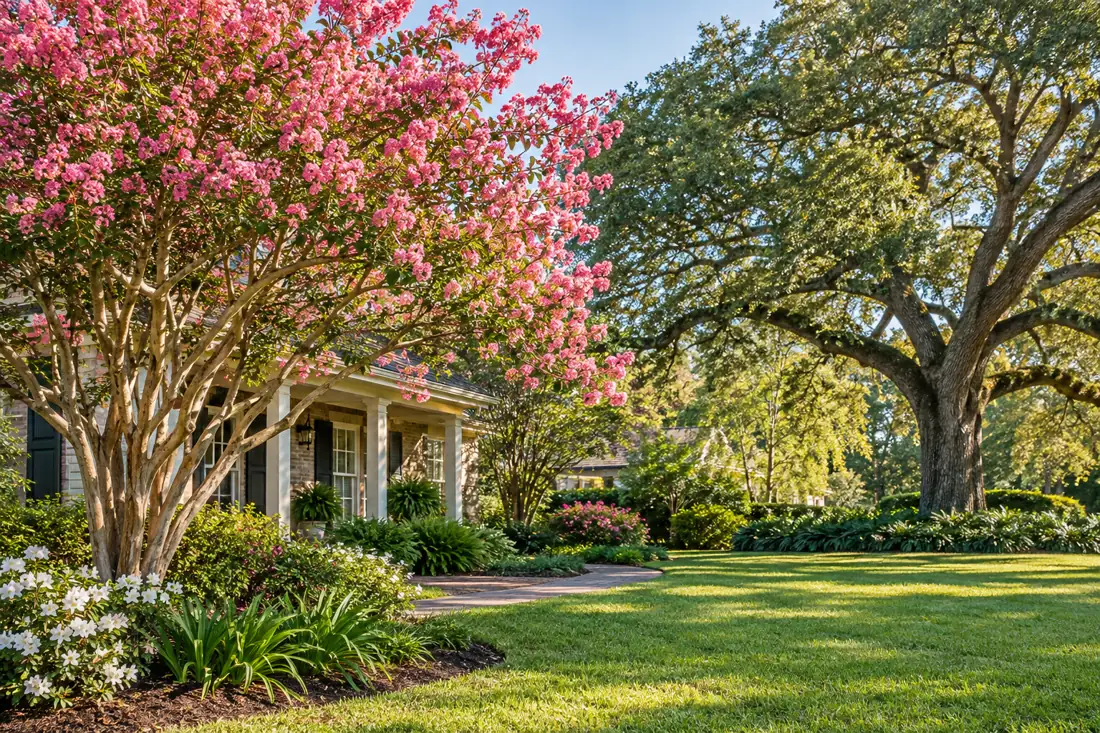
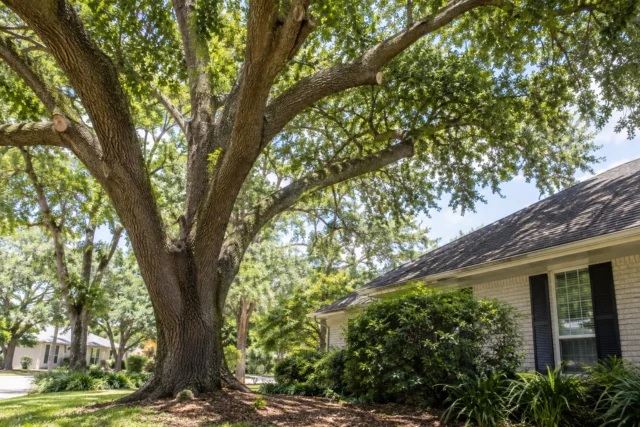
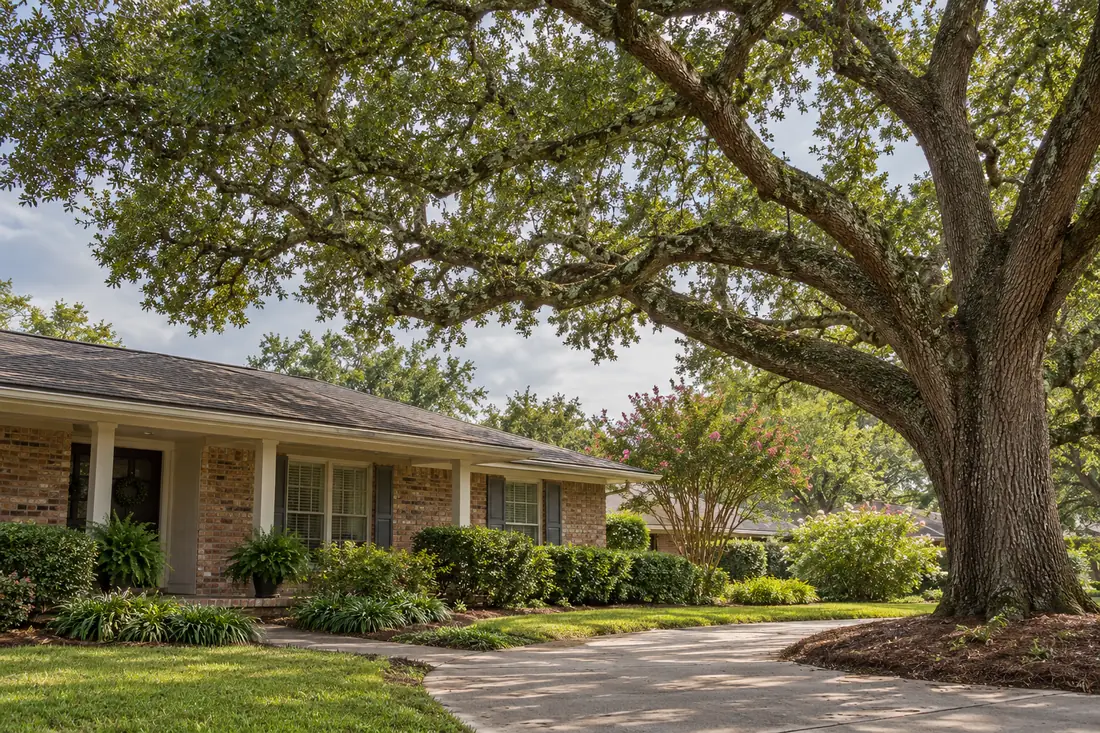
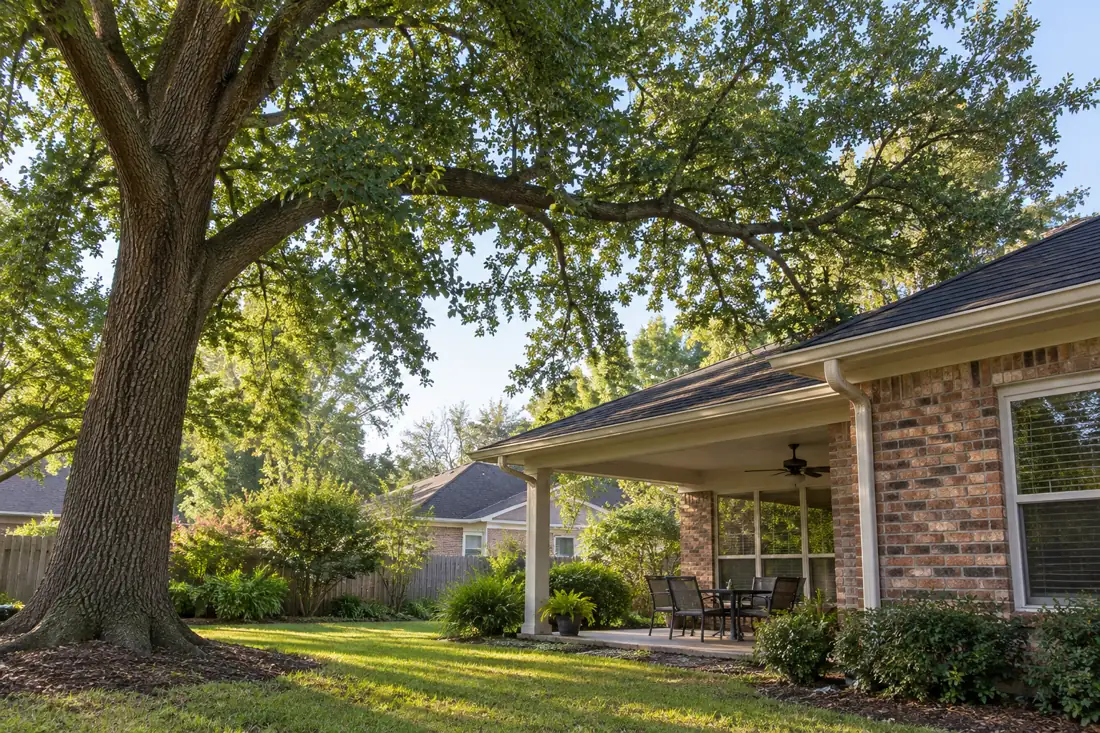
The image is a generated illustrative dining setting, not an actual restaurant or completed Tree Huggers pruning job. The scope should describe pruning objectives rather than promising an unchanging canopy or removing every leaf-producing limb.
Coordinate food service with a clean work boundary
The work plan should address outdoor dining closures, early deliveries, grease or waste areas, parking and the possible need to protect kitchen exhaust equipment. A cleanup schedule must include small chips or sawdust near seating and service doors, not simply removal of the large cut limbs. Do not conduct overhead pruning while patrons are on the patio.
Keep the service quote specific to identified trees and desired results. Ask who authorizes moving tables or planters and when the operator will inspect the dining area before reopening. Record any separate responsibility for pressure washing, furniture replacement or lighting repairs rather than assuming those tasks are automatically part of tree service.
See the related Tree Huggers service and request an appropriate assessment
Protect paving, planters and outdoor installations
Patios commonly contain pavers, drains, irrigation, raised planters, string lights, umbrellas, awnings and low-voltage equipment. Record their locations and existing condition before the contractor plans machinery or lowering lines. Root zones beneath hardscape may be vulnerable to compaction even where the roots themselves are invisible. Equipment pads and alternate access routes should be evaluated by the responsible crew. A tree-care plan is incomplete if it protects the branches but ignores fragile surfaces below them.
Move small furniture and loose decorations before the work zone is established, following the operator's responsibility agreement. Secure or disconnect items only through the appropriate authorized party. Do not wrap rigging around lighting cables or assume a planter wall is a safe anchor. Note where water drains after cleaning, and keep sawdust and branch material away from grease management areas or service drains. Discuss any existing lifted pavers as a separate property issue rather than implying pruning will resolve root-related movement.

Coordinate safe disposal and cleanliness
A restaurant needs more than a promise to haul away large limbs. Specify whether the work includes removing chips, fine sawdust, loose twigs and bark from tables, floor joints, planter surfaces and the main walking route. Discuss whether wood is to be hauled, cut into retained pieces or staged temporarily. Retained material should not obstruct exits, food deliveries, sanitation access or emergency paths. The crew should identify a staging location that avoids public traffic and sanitation equipment.
The final cleaning protocol for food-contact surfaces belongs with the restaurant's own operations, not with an assumption that tree debris removal makes a dining area ready for food service. The tree contractor should complete its agreed debris work and disclose any remaining materials. The operator should then conduct its normal sanitation and opening checks. Photographs may document a cleared patio, but only actual job photos should be presented as evidence of completed Tree Huggers work.
Avoid topping or indiscriminate canopy thinning
A request to make the tree 'smaller everywhere' needs a clearer objective. Removing many interior branches can leave long, exposed limbs, while cutting the top back to arbitrary stubs can encourage poorly attached regrowth. Excessive removal of live foliage may stress a mature tree, especially one already coping with compacted soil and restricted roots. A qualified professional should describe targeted pruning cuts, retained structure and what will remain visually after the job.
Explain why each major proposed cut addresses a real conflict or observed condition. If the tree is simply too large for its location, discuss alternatives rather than repeatedly forcing it into a much smaller space. This may include changing patio use, moving a light fixture or considering removal only after the implications are understood. The goal is long-term healthy shade where reasonable, along with safe access and documented limitations. An invoice saying 'trim tree' does not provide that reasoning.

Create useful photo evidence for an estimate
The best inquiry begins with a wide view showing the tree and restaurant, a second view of the canopy from a safe position, and focused photos of interference with awnings, rooflines or walkway clearances. Include a patio sketch with table groups and doors if the work zone is complex. Label any concerning branch with a clear description of its position rather than climbing up to place a physical tag. Photograph after-hours if that avoids identifiable guests and staff in the frame.
Explain whether the restaurant must remain open during a proposed time period, and which spaces may be temporarily closed. The form should collect only the project information the owner chooses to submit; do not place typed personal details into analytics events. If the tree appears unstable or a broken limb is suspended overhead, restrict access and seek qualified advice instead of using the normal web form as an emergency response guarantee. A visual estimate remains subject to appropriate inspection and scope confirmation.
Review light, drainage and growth after pruning
When the agreed work is complete, inspect the dining route and patio with the operator. Check whether overhead clearance is sufficient where servers walk, whether signage and lights remain unobstructed, and whether equipment or debris affected drains and paving. Also look at the retained crown; the completion discussion should identify what was intentionally left in place and why. Future growth may change the relationship between branches, strings of lights and awnings, so a clean result today is not a perpetual clearance guarantee.
Keep the actual tree number, service date, scope description and genuine before-and-after photographs together. Note any separate recommendation about mulch, soil conditions or professional reinspection. These records help new managers understand whether a branch was reduced for clearance, removed for damage or left for structural reasons. If a fixture or furniture arrangement changes, review the tree conflict again before ordering more cuts. Tree Huggers can use this documented context to discuss future service without inventing prior projects.

Integrate shade-tree care into property planning
Restaurant landscape planning should address irrigation, root-zone protection, seasonal debris management and routine observation, not only dramatic pruning events. Avoid placing heavy planters, temporary stages or vehicle storage over sensitive rooting areas without advice. Assign a staff member to notice blocked drains or new branch contact and to report concerns to management. That person need not diagnose decay or make independent climbing inspections. The management process should lead to timely qualified evaluation when conditions appear to change.
For renovations or expanded seating, involve the tree professional early enough to review footing locations, trenching and future canopy space. Preserving a valued shade tree may require changes to the proposed construction rather than a last-minute severe trim. Document decisions and service boundaries clearly, including who handles unrelated electrical, roofing or paving work. A thoughtful plan keeps outdoor dining pleasant while acknowledging that living trees, weather and restaurant operations require periodic reassessment.
Questions about this project
Can a business stay open during tree work?
That depends on the site and scope. Discuss occupied routes, exclusion areas, loading and work windows with the contractor and property representative. Do not assume normal access can continue through the active work zone.
Who should communicate with tenants or visitors?
Agree on that responsibility with the property representative. The contractor needs a clear site contact, while the owner or manager should use the property's established process to communicate access changes and work windows.
How should I describe the pruning I want?
Explain the objective: clearance for a route or building, deadwood, a damaged branch or structural development. Ask for suitable tree-specific work rather than requiring an arbitrary shape or amount of canopy to be removed.
Will pruning resolve every tree concern?
No. Root, trunk and major structural problems may need a different assessment or response. State the full concern so pruning is not used as a substitute for evaluating the condition that prompted the call.
Is leaving the trunk untouched enough to protect a tree?
No. Roots, soil conditions and nearby work can matter even when the trunk is not cut. Identify retained trees before planning access, excavation and storage, and ask what site-specific protection is appropriate.
Can pruning undo construction-related root damage?
Do not assume it can. Share the work history and ask for an assessment of the current tree and site. Pruning, monitoring or other recommendations should address an identified need rather than substitute for protection planning.
Does cleanup include every root and wood chip?
That depends on the written scope. Tree removal, stump grinding, chip hauling and root excavation are different tasks. Ask what material is removed, what remains and whether soil or landscape restoration is separately included.
What should a final walk-through check?
Compare the identified trees and tasks with the agreement. Check agreed debris handling, stump treatment, access openings and any listed restoration. Record unresolved items clearly instead of relying on a general impression that the property looks finished.
What should I compare besides the price?
Compare tree identification, work objectives, access assumptions, hauling, stump treatment, site finish and exclusions. Ask whether permits or other coordination are part of the scope and who can approve changes if conditions differ.
Does an online request book the crew?
No. A request starts the estimate conversation. The company still needs to discuss scope, availability and any site assessment. For a dangerous or urgent condition, call 504-458-8336 rather than relying on a form response.
What should I tell Tree Huggers about maintaining shade trees at a restaurant?
Explain the property address, the work you want and the specific concerns: outdoor seating, business hours, shade retention. Send safe photos of the tree, surroundings and access route. The contractor can then discuss the assessment and scope needed for this situation.
How do I request an estimate for this work?
Call 504-458-8336, text photos or use the estimate form on this page. Include the address, desired outcome and any timing constraints. The company will need to review scope and availability; an online request does not confirm a price, appointment or emergency dispatch.
Get a scope for your property
Restaurant shade trees can be a real asset to outdoor tables, but branches may also conflict with signs, patio lights, deliveries and customer pathways. Identify the patio edge, dining zones, kitchen-service door, nearby utilities and tree trunks in your request. Show the specific clearance concern with wide photographs taken before or after service, without moving beneath a questionable limb.
Tell us which portions of the patio need to remain shaded and which business hours or delivery windows limit access. This gives the assessment a useful balance between customer circulation and preserving a healthy canopy.
The scope should state which limbs or trees are included, what clearance objective is realistic, and how tables, planters, awnings and surface finishes will be protected or moved by the property. Ask who coordinates temporary exclusion of guests, cleanup of small twigs and chips, and any lighting fixtures that need attention.
Do not assume tree work can be performed during public service or that every branch close to a building needs removal. Where signs of decay, branch splitting or root movement exist, request a condition assessment in addition to ordinary pruning.