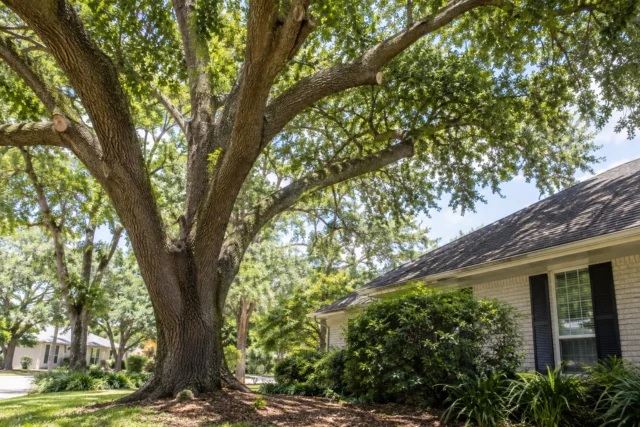
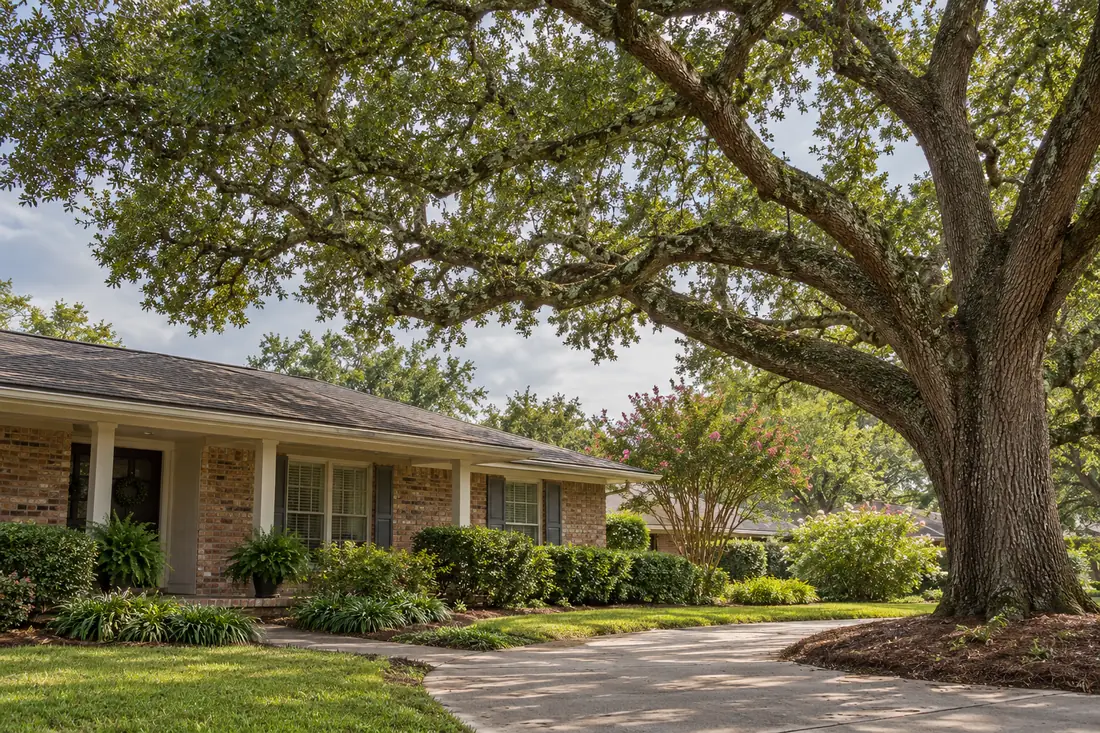
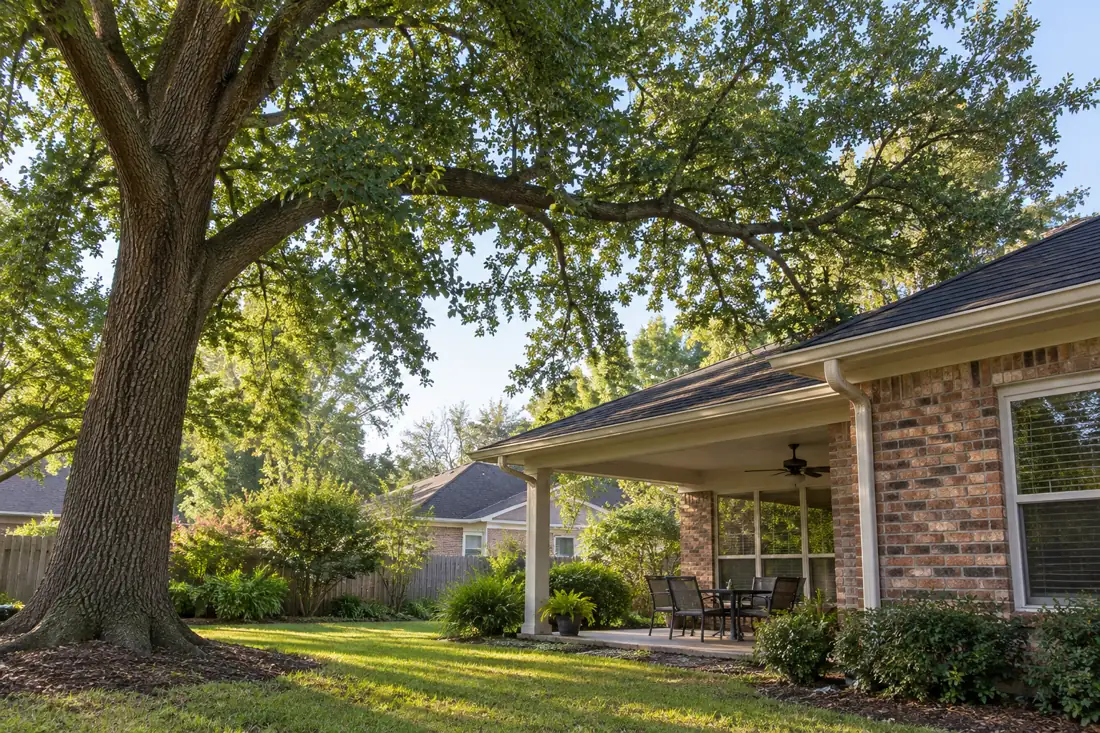
A daycare property may have small outdoor areas with concentrated use beneath trees. The work window and access arrangements should be settled with the authorized operator. Explain the specific tree concerns and identify fences, play equipment and pickup routes. Do not assume the property can remain occupied inside the tree-work zone.
Schedule daycare tree work around a genuinely secure exclusion area
Tree work at a daycare property requires more than avoiding the main playground. Identify arrival and pickup traffic, outdoor classroom areas, emergency exits, staff parking and the paths children use between buildings. A work zone should remain inaccessible to children and caregivers for the entire operation, including equipment setup and debris loading. Discuss the site supervisor’s approved work hours and procedures before the estimate is finalized. Do not assume a small branch job can safely occur while children are nearby.
Ask for an itemized plan covering pruning objectives, temporary barriers, any utility coordination, debris removal and final site inspection. Check that tools, wood pieces, protruding stubs and loose material are removed from areas used by children before normal use resumes. Record which trees and limbs were addressed and whether a separate follow-up assessment is needed. Keep work-completion documentation factual; it should not claim that a property is permanently free of tree risk.
Ask the daycare operator to identify outdoor activity blocks, drop-off and pickup peaks, protected exits and the person who can approve a closure. Even a modest pruning operation can involve falling material, saw noise and vehicles occupying a narrow route. Photograph the trees with adjacent play features, fencing and building entrances in view, and note whether an accessible alternate route exists. A crew's ability to finish quickly is not a substitute for keeping children and staff outside the entire work area.
Put the operating constraints in the written estimate: the agreed shutdown window, where workers and equipment may enter, how debris will leave, and who verifies that the area is ready to reopen. Ask whether the proposed cuts serve a defined hazard, branch clearance or maintenance goal. Do not schedule the work around children while relying on temporary verbal warnings. If equipment or falling pieces would extend over another occupied area, address that additional closure before authorizing the project.
Start with the childcare schedule and the person who can authorize work
A daycare tree-pruning request should begin with the hours when children, staff, deliveries and families use the property. The most important constraint is not simply the size of the crown: it is the possibility that people will walk beneath a work area before every piece of debris and every machine has been removed. Ask the operator to identify a decision-maker who can approve the scope and a separate on-site contact who can control access during the work.
Request a current site layout that marks classroom entrances, drop-off lanes, outdoor play areas, emergency exits and the main gate. Include areas used for morning and afternoon transitions, not only spaces occupied during normal play. A contractor may recommend a different day or sequence after reviewing the tree and available workspace. Do not promise that routine classroom supervision alone can manage a tree-work exclusion zone; the work needs a documented separation plan.

Identify where children and adults could be exposed to branches
Walk the grounds from established routes rather than standing under questionable limbs. Note branches above playground equipment, swings, fence corners, parking, sidewalks and frequently used outdoor seating. Include the place where parents gather when waiting for pickup, even if it is outside the formal playground. An assessment should consider tree condition and the likelihood and consequences of a failure, rather than assuming that a branch becomes hazardous merely because it extends over a fence.
Photograph the full tree from several safe viewpoints, then photograph the affected route or structure with enough context to connect the two. If a branch is hanging, cracked or moving unusually, restrict access from a safe position and seek qualified advice. Do not tug it loose, send maintenance staff up a ladder or permit children to watch close to the cutting operation. The purpose of documenting exposure is to make the tree inspection focused and the eventual work boundary unmistakable.
Coordinate with the operator's daily child-supervision plan
A daycare may use its grounds several times per day for arrivals, outdoor play and parent pickup. Identify entrances, stroller paths, fences and child-accessible corners before a contractor chooses the staging area. Tree work should occur only with a properly controlled exclusion zone and a site operator who can keep children away from moving equipment, ropes and falling debris.
Ask how sawdust, chips, sharp twigs and displaced ground coverings will be removed. The operator should confirm that gates and barriers are intact and the affected area is clean before it returns to normal use.
Schedule around child supervision before planning pruning access
At a childcare property, the first question is whether children and staff can remain completely outside the work zone. Identify the play schedule, secondary entrances, emergency routes and authorized site representative before choosing work hours. A low limb near a play surface might be a clearance issue, a structural concern or neither. Pruning should follow an assessment rather than a predetermined cutting target. A separate safe route may be needed for everyday operations.
Ask the proposal to define equipment entry, isolation boundaries and who approves reopening after debris and tools have left. Temporary cones alone may not prevent children approaching from multiple sides. Distinguish assessment from pruning and future monitoring of retained trees. Photographs can show the canopy, play equipment and access route from permitted areas without capturing identifiable children. Never make a schedule promise before the operator and contractor agree on a safe work window.

Design a daycare work zone around children’s movement
Tree work at a daycare is not a normal open-yard maintenance appointment. The operator should identify arrival and dismissal routes, fenced play areas, emergency exits and the times when children could be outside. A useful plan states which entrance is closed, how families will be told and who has authority to keep an area unavailable even after equipment leaves.
The pruning objective might involve deadwood over a play space, a clearance issue near a fence or a branch contacting a building. Those needs should be assessed separately. Do not schedule overhead work while children or staff use the adjacent outdoor area, and do not allow a convenience deadline to override the contractor’s exclusion zone.
Separate an inspection decision from a pruning prescription
A leafy crown can still contain defects, while a sparse or lopsided crown does not automatically justify severe cutting. Ask a qualified tree professional to identify deadwood, rubbing branches, structural concerns, root conditions and any previous pruning that may affect the proposed work. The goal is a defensible scope related to observed conditions. If the professional recommends a further assessment before pruning, record what question it would answer and whether temporary restrictions are sensible.
Staff may have noticed branches dropping during storms or a new sound at a union; those observations belong in the intake notes with dates if known. Avoid turning a concern into an unverified diagnosis in communications with families. The estimate should describe which trees and branches are under review and distinguish routine clearance work from response to a suspected hazard. Written limits matter on a campus with multiple similar-looking trees and overlapping work zones.

Make the daycare handoff specific to gates, pickup and play areas
A daycare can have a short outdoor play window and a highly predictable pickup surge, but its occupied areas can change quickly. Obtain an authorized contact who understands the center's schedule, entrance rules and emergency egress arrangements. Identify the trees in relation to playground fencing, shaded waiting areas, parking drop-off lanes and doors that staff must keep usable. The tree-work exclusion zone needs to cover more than the trunk; workers, lowering lines, cut branches and waste movement may occupy separate space. A closed classroom does not mean that parents or visitors cannot approach from the street, so all access routes must be considered.
Ask for a tree-specific assessment before treating every low branch as a pruning defect. The concern may be a dead limb, rubbing over a roof, shade retention, or obstruction of a supervised walkway. A qualified arborist can explain appropriate cuts and what they do not establish about a tree's future condition.
The center manager should arrange removal of movable outdoor toys and secure any fixed playground structures that could be affected, while the crew identifies how it will protect surfaces, fences, irrigation and nearby utilities. There should be no expectation that staff will manage dangerous branch-lowering operations or enter the restricted zone during work.
Agree in writing on the communication route for delays, unexpected findings and reopening. A storm or change in site condition may require rescheduling; do not promise a fixed response time that has not been confirmed. After the crew has cleared equipment and material, the operator can inspect the actual play surface, gates and paths before normal activities resume.
Photographs for the estimate should show trees and physical features only; avoid children, attendance boards or identifying details in any analytics or public project material. Preserve the work description and the operator's review notes so the next tree inspection does not depend on staff remembering a vague instruction to 'trim the playground trees.'
For several buildings or multiple play yards, assign a simple tree reference and an authorized contact to each area. That avoids confusion about whether a branch above the baby yard or a tree beside the parking lane was included in the price. A site walk can also identify fence panels, soft play surfacing and overhead canopies requiring extra protection.
After the job, a staff member can compare the original scope with photographs of completed work without publishing any pictures of enrolled children. Keep the documentation internal where appropriate.

Plan crew work during an actual closed period
The cleanest separation is usually to schedule heavy cutting and equipment movement when the daycare grounds are closed to children. However, weekends and holidays can still involve maintenance contractors, events, deliveries or staff access. Confirm who holds keys, who may enter the grounds, and how the crew will know the location is clear. If operating hours cannot be avoided, the plan may need to defer work rather than create a narrow corridor through an active play space.
Agree on entry, staging, equipment parking and exit locations before the crew arrives. A separate adult may be assigned to check that restricted gates remain closed, but that does not replace the contractor's responsibility for its working area. Ask how the team will respond if weather delays the job into a different day. Do not advertise a definite reopening time until the work, cleanup and final site check have been performed and the operator has confirmed the route is suitable.
Daycare reopening is a separate approval
Write down the childcare operator’s actual closure window, emergency evacuation route, caregiver access and the location of exterior play equipment before agreeing on pruning. Children and other unauthorized people should never share the work zone, and a crew should not rely on a small caution cone as the sole protection between an active saw operation and an occupied playground.
After cutting and hauling stop, confirm the gates close correctly, hard surfaces and play areas are cleared of wood and sharp debris, equipment is gone and the responsible manager has reviewed any remaining restrictions. Avoid photographing identifiable children for estimate or marketing content. A safe reopening decision belongs to the facility’s authorized representative, not to a generic website promise.
For an estimate: Give only safe, owner-authorized photos and describe the finished condition you want. A request is not a confirmed visit or price.
Daycare tree work: coordinate parent access without exposing children
A daycare campus may combine small play yards, drop-off queues, nap rooms, fences and gates within a compact space. Map the exact tree and any limbs above play equipment or walking routes. The provider should establish whether work can happen while the facility is closed or an affected area is kept fully inaccessible.
A tree crew cannot safely assume that a locked gate guarantees a yard will remain empty. Any suspected hanging wood or significant structural defect should be isolated pending assessment. Avoid sharing images that identify children or families as part of contractor quote documentation.
Ask the director or authorized operator to define the work window, communication channel and the person who can approve any change. Provide a clear equipment entrance, protected path for debris and instructions about gates that must remain secured. Distinguish pruning to resolve a particular branch concern from wholesale crown reduction just to allow more sunlight.
The site operator is responsible for child-safety procedures, while the contractor describes its actual branch and cleanup scope. Before reopening, check the work area for dropped wood, tools, disturbed surfacing, damaged barriers and anything that interferes with the facility's normal access plan. Record incomplete work rather than offering an unverified guarantee.
Reopening childcare grounds is its own handoff
The work schedule should be tested against actual child arrivals, playground supervision, outdoor lessons and emergency evacuation routes, not just the posted closing time. A pickup route can still be busy when classrooms are closed. Identify a manager who can confirm that a secure exclusion area is maintained until all wood, machinery and hauling operations are finished.
Photos used in the inquiry should avoid identifying children; the tree objective and access plan can be documented without them.

Write a daycare work-zone release checklist before scheduling
Daycare grounds need a more specific schedule than simply 'before opening' or 'after pickup.' Identify who controls the gate, which exterior routes are used for morning arrival and evacuation, where caregivers supervise children, and whether any adjacent play area remains accessible while tools and machinery are present. A locked gate is not enough if cut material could cross the fence or if a delivery vehicle blocks the emergency approach. Work should be arranged for a genuinely closed, controlled area and stopped if an unauthorized person can enter.
Before reopening, the authorized facility manager should confirm that tools and machines have left, wood fragments have been collected from soft play surfaces, fences and gates still operate correctly, and any new restriction is communicated to staff. The operator—not a website or a contractor's generic promise—decides when the space can safely return to use. Estimate photographs should avoid identifiable children and unnecessary personal information; a location sketch and unoccupied site images can usually convey the access problem.
Plan pickup, cleanup and the reopening handoff
Review where bucket trucks, chippers and debris trucks can stand without blocking emergency access or the supervised pickup line. Small branches, chips and equipment parts are especially important around a play area. Ask what barriers will be installed and who will inspect the surface for stray material before children return.
The estimate should identify the tree, the selected limbs, access arrangements and what restoration is included. Confirm the daycare operator’s authority to close and reopen areas. Retain a short completion note that distinguishes finished tree work from unfinished fence, landscaping or surface repairs, without suggesting that a tree-work receipt alone certifies a playground as safe.
See the related Tree Huggers service and request an appropriate assessment
Protect gates, play surfaces and emergency access
A pruning setup should consider whether ropes, lowering lines, chippers, trucks or outriggers could obstruct fire access or damage rubber surfacing and landscape edges. Note playground canopies, small shade structures, buried irrigation and utility pedestals. A truck parked outside a gate may still block the only practical evacuation or parent pickup route. Request a site plan that preserves required emergency access and keeps pedestrians separate from vehicle movements.
Discuss ground protection where equipment must cross lawns or finished surfaces. A contractor should explain whether a proposed work platform can be established without disturbing roots of the same tree or adjacent trees. If access requires temporary fence-panel removal, that should be a named line item with responsibility for secure replacement. Small objects such as sawdust and twig fragments matter in spaces where toddlers crawl or pick things up, so the finish standard must be more specific than general bulk debris removal.

Require pruning objectives that protect tree structure
The scope should name the reason for each operation: removing identified deadwood, providing limited building clearance, reducing a specific end-weight concern or improving visibility without stripping the tree. Terms such as 'cut it back a lot' are too vague to govern work near children. Ask the professional to explain what portion of living crown would remain and why the chosen cuts are appropriate to species, age and condition.
Avoid topping, indiscriminate lion-tailing or removal of healthy limbs solely to produce a symmetrical appearance. Those approaches can introduce weak regrowth or alter load distribution without solving the original safety concern. If pruning would leave an unacceptable defect or there is little living crown available, request alternatives rather than forcing the original scope. A responsible daycare plan values long-term shade and tree health while treating credible exposure risks seriously.
Coordinate weather, utilities and unexpected discoveries
Outdoor work may become unsafe during lightning, high wind or other conditions, even when the daycare is closed and the contractor is on site. Identify overhead wires, service drops and lighting before access equipment is positioned. The tree company must follow the applicable utility coordination and safety requirements; childcare employees should not attempt to clear energized conductors or move equipment into an electrical clearance zone.
Ask who can authorize a change if a concealed cavity, damaged union or access obstruction is discovered after work begins. The change process should distinguish a truly urgent site restriction from optional additional trimming. No one should reopen a play area based merely on the original estimated completion time if conditions changed. Record the revised area affected, the immediate control measure and who will make the next decision.

Prepare privacy-conscious photographs and project records
A useful inquiry includes a wide view of each tree, the associated fence or building, the approach gate and any visible problem from a safe location. Avoid uploading identifiable children, visitor badges, classroom records or license plates if they are not needed to describe the tree. A staff member can take photographs before children arrive and redact irrelevant identifying details while preserving the true condition of the tree and work zone.
For multiple trees, assign simple location labels using a map or numbered tags approved by the property manager. Keep those labels consistent in the proposal, photographs and completion notes. Distinguish illustrative educational photos from actual before-and-after project evidence; only genuine site photographs belong in records representing completed work. The request form can collect project concerns, but it does not guarantee a response time, immediate dispatch or the findings of an on-site assessment.
Inspect the ground before children return outdoors
After cutting stops, check the playground for limbs, twigs, bark shards, wire remnants, rope pieces, tools, spilled fluids and exposed or disturbed ground. Inspect gates and fences that were opened or temporarily moved. Confirm that equipment and hauling vehicles have exited and that no suspended branches or other conditions remain in the immediate activity area. The daycare operator should coordinate this handover with the contractor and retain control over reopening.
A visual walkthrough should include the quiet corners where chips collect under equipment, along drains and around raised edging. If turf or playground material was disturbed, document the condition and the agreed repair rather than hiding it under loose mulch. A completed pruning invoice does not by itself certify the entire property safe for every activity. Record any remaining restrictions clearly so the next shift does not mistake an unfinished area for a normal playground.

Keep a realistic tree-care and review record
Save the work order, the professional's stated observations, a tree location map, genuine completion photographs and any recommendations for monitoring. Note whether particular defects were addressed, whether work was deferred and who accepted the completed site. Staff who notice new damage during daily grounds checks need an easy route to report it without being expected to diagnose tree structure. A clear process is more useful than a generic instruction to inspect every tree personally.
Review conditions after major storms and when a tree visibly changes, with professional follow-up guided by the particular concern. Avoid promises that pruning eliminates falling-branch risk or creates a fixed period of guaranteed safety. The next daycare budget can separate routine clearance from assessment of developing defects. When seeking an estimate, tell Tree Huggers the campus hours, gates, outdoor-use schedule and relevant concerns so the discussion starts with the actual childcare setting.
Questions about this project
Can a business stay open during tree work?
That depends on the site and scope. Discuss occupied routes, exclusion areas, loading and work windows with the contractor and property representative. Do not assume normal access can continue through the active work zone.
Who should communicate with tenants or visitors?
Agree on that responsibility with the property representative. The contractor needs a clear site contact, while the owner or manager should use the property's established process to communicate access changes and work windows.
How should I describe the pruning I want?
Explain the objective: clearance for a route or building, deadwood, a damaged branch or structural development. Ask for suitable tree-specific work rather than requiring an arbitrary shape or amount of canopy to be removed.
Will pruning resolve every tree concern?
No. Root, trunk and major structural problems may need a different assessment or response. State the full concern so pruning is not used as a substitute for evaluating the condition that prompted the call.
Can the crew block a public sidewalk or road?
Required arrangements must be coordinated with the appropriate authority. Identify public routes and restrictions before scheduling. A private work agreement should not be treated as automatic permission to occupy or close public space.
When should parked vehicles be moved?
Set the timing and responsible contact before the work window. Vehicles may need to leave the tree zone, equipment route and loading area. Confirm where access must remain available during each phase.
How should extra work be approved?
Use the agreed approval process and identify the change, reason, scope, price or schedule effect as applicable. Confirm who has authority before treating an additional tree or task as part of the original job.
What completion records are useful?
Keep the agreed scope, tree or area identification, authorized changes, invoice and labeled photos where appropriate. Include unresolved items and a contact. Contract-specific records should follow the buyer's stated requirements.
Which property features should I point out?
Identify buildings, vehicles, fences, fixed fixtures, landscape features, utilities and occupied routes. Explain what can move and what must remain. Include existing damage and any buried features you know about along the access route.
Should people remain inside the work area?
The contractor and site contact should establish an exclusion area and access arrangements appropriate to the work. Keep children, pets, visitors and other workers outside the active zone until the responsible parties say it can reopen.
What should I tell Tree Huggers about tree pruning at a daycare property?
Explain the property address, the work you want and the specific concerns: operating schedule, play areas, controlled access. Send safe photos of the tree, surroundings and access route. The contractor can then discuss the assessment and scope needed for this situation.
How do I request an estimate for this work?
Call 504-458-8336, text photos or use the estimate form on this page. Include the address, desired outcome and any timing constraints. The company will need to review scope and availability; an online request does not confirm a price, appointment or emergency dispatch.
Get a scope for your property
For a daycare property, the practical problem is protecting a small, heavily used yard without interrupting drop-off, pickup or supervised outdoor time unnecessarily. Identify the affected tree, play-yard gates, nearby buildings and areas where children normally gather. Provide images from an already safe location, note any branches over fencing or play equipment, and share the facility's outdoor-use windows rather than assuming the crew can work while children remain outside.
Tell us if there are narrow access routes, locked gates, landscaping or emergency exits that must stay open.
The estimate should distinguish clearance pruning from a tree-health or structural inspection, identify the trees and expected cleanup, and explain what access restrictions are required before equipment arrives. The daycare operator should coordinate any temporary playground closure and staff communication. A site-specific plan may call for a different work sequence or a separate qualified assessment if visible cracking, new leaning or other warning signs are present.
No maintenance schedule or pruning technique can be promised safe without evaluating the tree and the occupied areas it could affect.