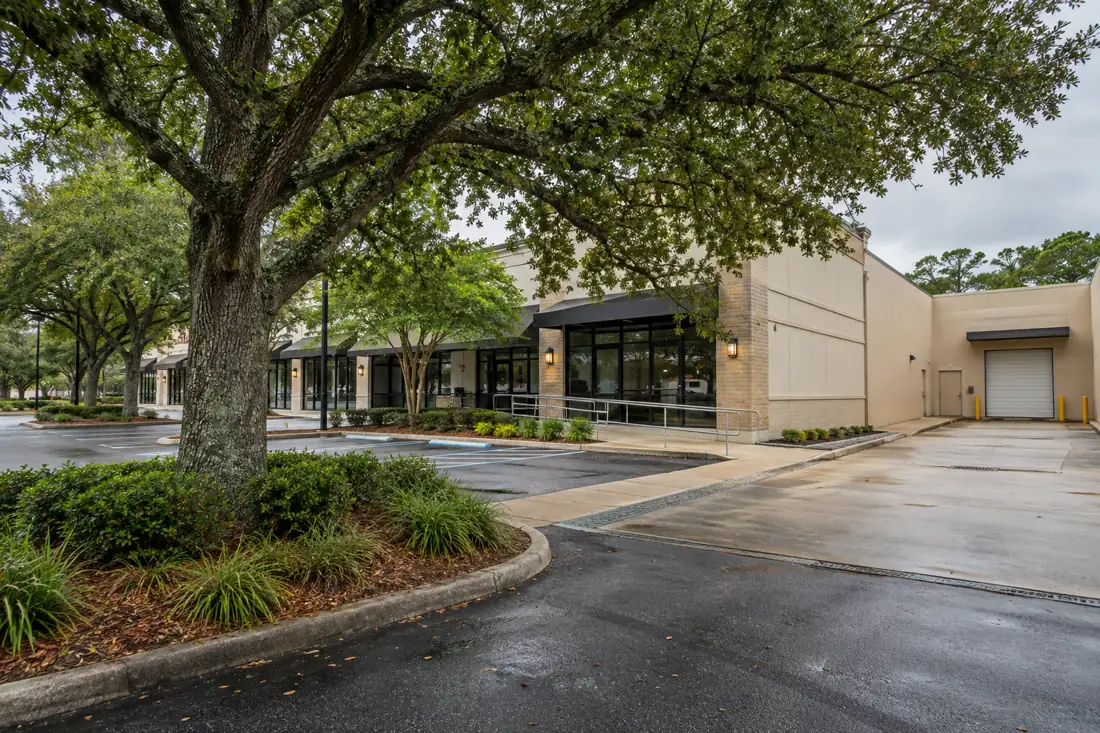
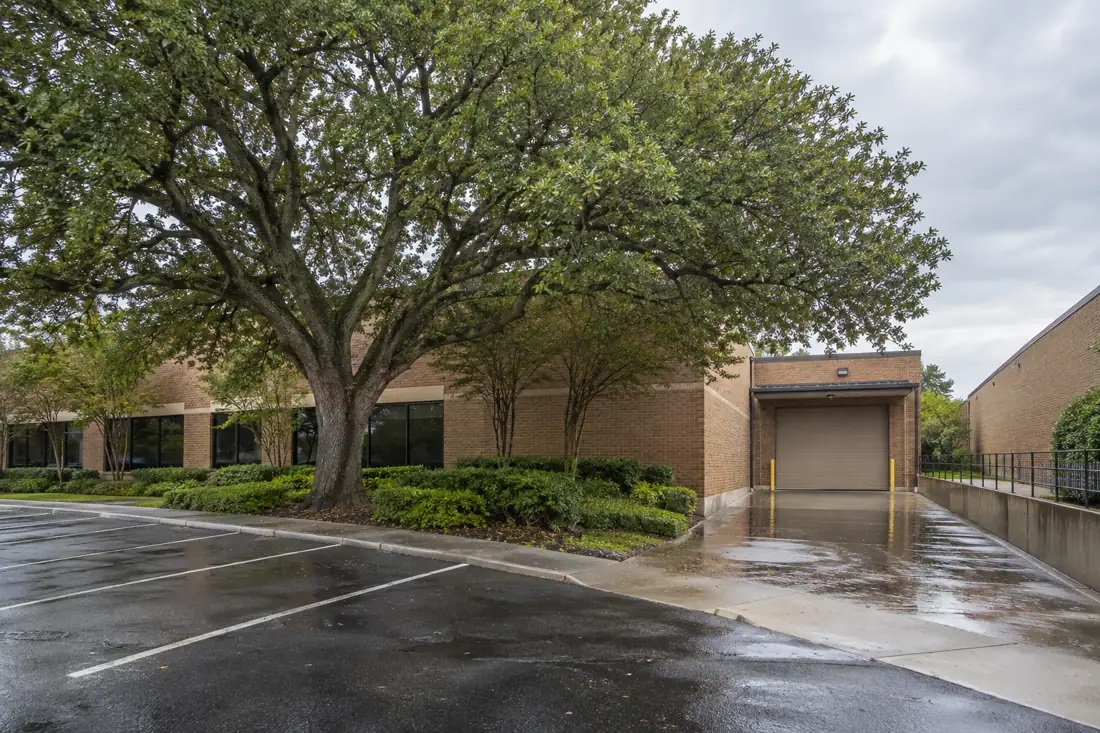
A care property may have residents, mobility needs and critical vehicle access near the work area. Discuss restrictions and the authorized point of contact before the site visit. The scope should define occupied areas, exclusion boundaries and completion checks. Facility requirements must be addressed directly rather than assumed from a generic maintenance quote.
Practical scope and safety guidance: Tree work at a nursing-home property should preserve authorized resident routes, emergency access and essential deliveries. Ask the facilities contact to mark entrances, courtyards, accessible walks, ambulance approaches, windows and outdoor areas that people regularly use. The facility, not the contractor, determines appropriate notifications and any temporary changes in resident activity. A work phase is not safe if the only accessible route passes through the operating area, even during an apparently quiet period.
Identify where equipment stands, where sections are controlled and which path debris trucks will take. Include irrigation, path edges and turf protection where access crosses landscaped grounds. A tree close to an exterior wall may also affect HVAC equipment or a rarely used service entrance. Require a documented closeout of debris, surfaces and barriers before the facility authorizes reopening. Avoid claiming special healthcare certifications or guaranteed noise limits without actual evidence.
At a nursing-home property, start the tree inventory with accessible walking paths, ambulance approaches, oxygen-delivery routes, visitor drop-offs, residents' windows and outdoor gathering areas. Identify branches over occupied spaces separately from routine canopy maintenance. Coordinate the proposed operation with the facility's designated clinical and facilities contacts; a route that looks empty in a photo may be essential for emergency access or scheduled resident activities.
Note where noisy machinery could affect residents and where an exclusion zone must remain secure from people with mobility or cognitive limitations. Avoid sending the crew onto the grounds with only a general instruction to work 'when quiet.'
Request a written phase plan naming which entrances stay open, where visitors and deliveries are directed, and how an actual change is communicated to staff. Equipment and rigging method decisions belong to the qualified contractor after assessing the tree and site; care personnel should never be placed in the operating zone.
Define cleanup around mobility surfaces, benches, ramps, lighting, drains and planted areas. Do not equate a completed cut with permission to reopen a resident path: the facility contact should confirm barriers, loose debris, noise-producing equipment and trip hazards are gone. Retain before-and-after photographs and distinguish completed items from future inspections or optional work.
Start with a resident-centered map of the grounds
A care facility may have several entrances serving different needs: resident and visitor doors, ambulance access, deliveries, staff parking, courtyards and maintenance routes. Mark each tree beside those areas on a current grounds plan before requesting a site visit. A tree over a quiet courtyard poses different exposure questions from one beside a vehicle transfer zone. Note the observed condition without making a diagnosis based only on color, shape or species.
Use photographs that show the entire tree, its base and the relationship to buildings and paths, but avoid capturing residents, patients, medical information or identifying room details. Assign each tree a location label that staff and the assessor can use consistently. The facilities representative should identify any controlled or sensitive area that needs an escort. A good plan gives the contractor enough site context without spreading confidential care operations.

Keep emergency and clinical access available
Before choosing a work window, trace the paths used by ambulances, transport vans, accessible shuttles and emergency responders. Identify which routes must remain open and whether a temporary alternative has actually been approved by the facility. Equipment positioning should not obstruct a hydrant, fire lane or critical delivery point. The site representative must coordinate these conditions with the appropriate clinical, safety and operational personnel; a tree contractor cannot independently redefine an emergency-access plan.
If no safe temporary route is available, consider phased cutting, another equipment approach or a different time rather than forcing the work through an occupied entrance. Put the closure limits and responsible contact into the written scope. Keep emergency arrangements factual: do not promise that a crew can clear any obstruction instantly or that a particular schedule has been approved. Confirm the condition again before mobilization because residents' needs and site activities may change.
Protect mobility routes and accessible surfaces
An ordinary sidewalk closure can be significant for people using wheelchairs, walkers or assisted transport. Identify smooth approaches, curb ramps, handrails, door landings and places where an alternate route would create a steep slope or long detour. The facility should evaluate accessibility under its own requirements before any work area is cordoned off. The contractor needs to know where no equipment, cord, hose or debris may be placed during occupied hours.
Ground protection must be considered at the same time as pedestrian protection. Stabilizer pads and tracked machines can affect paving, landscape edges and underground facilities; mats do not automatically make a soft surface suitable. Discuss travel paths and staging in advance, especially near planted courtyards. Following the work, inspect for twigs, chips, surface displacement and blocked drainage that might create a slip, trip or mobility hazard.

Separate urgent defects from routine canopy care
A hanging limb over a regularly occupied courtyard deserves a different immediate response from a healthy branch obstructing a sign. Ask the assessor to identify observable defects, likely consequences and appropriate options based on the individual tree. New cracks, fresh lean, extensive dead branches or soil movement should be reported promptly. Routine clearance and seasonal pruning can be planned through normal scheduling once the site representative understands the objective and tradeoffs.
Facility staff should not enter a suspected fall zone to obtain a close-up photograph or try to remove overhead material themselves. A professional may recommend restricting use of a small outdoor area pending evaluation; the facility decides how that restriction fits resident programming and care. Do not label a tree safe indefinitely after one visit. Document the conditions observed and any recommendation to revisit a concern following severe weather or noticeable change.
Coordinate with resident activities and quiet periods
Outdoor seating, visiting hours, therapy programs and meal deliveries may make the most convenient contractor time unsuitable for facility operations. Review a representative activity calendar and identify areas where noise, dust or work-zone visibility could cause avoidable disruption. The goal is not silence during tree work but a realistic schedule that separates active cutting from activities needing a calm, accessible setting. Some areas may require advance notices managed by the facility.
Agree who will authorize temporary relocation of an activity and who can approve a change if weather delays the crew. Avoid promising that all work can be completed outside visiting hours before equipment and tree conditions have been assessed. A staged plan may handle high-impact cutting in one window and lower-impact cleanup in another. Make that sequence explicit so staff do not reopen a courtyard while machinery or suspended material is still present.

Inspect roofs, drainage and utility interfaces
Care buildings may have covered walks, medical-gas service zones, exterior equipment, generator access and roof drainage near mature trees. Mark these site features on the assessment map and identify which ones require a facility escort or specialist review. The tree professional needs to evaluate branch reach and work positioning without making assumptions about hidden systems. If utility conductors are involved, coordinate with the relevant utility; do not treat ordinary tree trimming as authority to work near energized lines.
Ask that the scope distinguish tree-care activity from repair to roofs, gutters, pavement or facility infrastructure. A removal plan might need to protect an air-intake area or keep chips away from drains. Review any excavation or stump-grinding location for underground services before authorizing ground disturbance. A general site diagram should not substitute for actual utility locating where applicable. The responsible facility professional should confirm protected systems before work begins.
Define exclusions for residents, visitors and vendors
Temporary exclusion zones must consider people who may not recognize a work boundary or who require assistance navigating a detour. Ask the facility to own communications to residents and visitors, while the tree crew controls its immediate work area. Include vendor deliveries, waste collection, and emergency personnel in the coordination conversation. Unattended cones alone are not a complete plan for a heavily used entrance. A named facility contact needs authority to redirect normal traffic.
The plan should show where equipment will wait, which path workers will use to remove material and how the crew will communicate a changing boundary. If a branch is being lowered over a path, that path must remain protected for the duration of that activity. Do not invite visitors to pass through while the equipment pauses, and do not assume a narrow walkway is safely reopened because visible cutting has stopped. Reopening requires an actual check.

Specify cleanup and grounds restoration in the estimate
A nursing home may value a neat appearance, but the critical cleanup standard is safe use of the grounds. Ask whether chipping, hauling, stump treatment, sweeping, leaf cleanup and disposal are included. Specify that branches and sawdust must not remain on wheelchair routes, ramps or vehicle transfer zones. If access mats were used, the crew should inspect the underlying surfaces when they are removed. Keep unrelated landscaping or pavement repairs clearly identified as separate work unless contracted.
Record any ornamental plantings, irrigation components and benches near the tree before mobilization. Where a site includes a healing garden or memorial planting, mark those areas rather than assuming every green space can support staging. A final walkthrough should compare visible results to agreed scope, with attention to railings, lighting and clear sight lines. Photography for documentation should respect resident privacy and authorized facility areas.
Coordinate Nursing-Home Tree Work Around Residents and Care Access
Tree maintenance beside a nursing home is not simply a landscape appointment. Residents, visiting family members, caregivers, delivery vehicles and accessibility routes can share the same narrow outdoor space. Start by identifying the exact trees and the purpose of each proposed action: removing a visibly failed limb, improving clearance above a covered entrance, documenting a declining tree or maintaining a buffer around a service drive.
Ask facilities staff to mark any pedestrian entrance that must remain open, any courtyard that cannot be closed and any area where mobility devices need a firm, uninterrupted route. Keep those details in the scope rather than assuming a crew can improvise around occupied pathways.
A tree that looks easy from the street may require a different method once a protected walkway, emergency access lane or nearby air-conditioning equipment is accounted for.
Before choosing a work period, distinguish routine pruning from a time-sensitive hazard. A questionable limb over a regularly used entry deserves prompt professional assessment, but the appearance of a large old branch alone does not identify whether it will fail. Staff can document changes with date-stamped views taken safely from the ground, noting where the limb meets the trunk, recent breakage and whether the target below is occupied.
The estimator should decide how to establish an exclusion area and what equipment can arrive without blocking accessible parking or emergency circulation. Do not promise that a tree will be rendered risk-free; write what was inspected, what the crew intends to address and which concerns require further specialist evaluation. That record helps administrators explain the scope to whoever authorizes the expenditure.

What a facility contact should settle before an estimator arrives
Coordination matters before the first truck reaches the gate. Identify the facility contact who can approve the work area, the staff member who can temporarily reroute courtyard access, and the location where chips or cut wood can be loaded without interfering with patient transport. Discuss potential noise, sawdust and brief access restrictions with the facility rather than announcing a fixed quiet-time guarantee. Where tree parts overhang neighboring property, request a clear ownership and permission plan. Utility conductors and overhead service connections require appropriate coordination instead of a casual assumption that ordinary tree cutting is safe. Ask for a work plan understandable to maintenance personnel who did not attend the estimate meeting; that is more useful than an equipment-heavy proposal without a map of affected entrances.
At closeout, verify the exact areas that were included: which trees or numbered limbs received work, whether cut material was hauled or left for reuse, whether the original access routes are clear, and whether there are newly observed concerns that were not part of the authorized scope.
Separate completion documentation from claims that the property is permanently safe. A simple set of ground-level after views from comparable angles can support maintenance records without inventing a formal certification or guarantee. Facilities planning the next inspection can preserve the tree inventory and site restrictions for a later visit.
The inquiry form should invite an administrator to identify the facility type, city, access limitations and desired service, while keeping resident names, medical details and unrelated private information out of the initial message.
Make approvals, insurance and changes traceable
Identify the facility representative who can request the site assessment, the one who can sign a proposal and the one who can direct the crew on the day of work. They may be different people. Obtain written acceptance of tree locations, work limits, access windows and intended cleanup before scheduling. Verify relevant contractor information through actual documents without inventing licensing status, ratings, response guarantees or a blanket statement that every service is covered by insurance.
If concealed decay, a storm event or an unexpected access restriction changes the proposed method, pause and communicate the revised scope to the authorized decision-maker. Record what changed, any effects on resident routes and the agreed next action. A simple change record is especially valuable across shifts, where the manager on duty may not have attended the original walkthrough. Do not rely on informal verbal requests from a passerby to expand the work.

Close the job with a facility-ready handoff
At completion, the tree professional and facility representative should verify that the intended trees were addressed, debris was removed as specified, and affected paths and drives were inspected. Confirm that barriers, temporary equipment and loose limbs have been cleared before the facility resumes normal access. Note any visibly damaged surfaces or items requiring separate follow-up. The facility should decide when to reopen restricted areas based on its own safety and operating procedures.
Keep a dated summary that lists tree IDs, completed treatments and recommendations requiring future attention. It may support maintenance planning, insurance documentation and continuity between staff, but it is not a certification that no tree can fail. Record changes after severe weather and request an updated assessment where necessary. A useful final record makes the next decision easier without claiming a risk has been eliminated permanently.
Questions about this project
Can a business stay open during tree work?
That depends on the site and scope. Discuss occupied routes, exclusion areas, loading and work windows with the contractor and property representative. Do not assume normal access can continue through the active work zone.
Who should communicate with tenants or visitors?
Agree on that responsibility with the property representative. The contractor needs a clear site contact, while the owner or manager should use the property's established process to communicate access changes and work windows.
Can the crew block a public sidewalk or road?
Required arrangements must be coordinated with the appropriate authority. Identify public routes and restrictions before scheduling. A private work agreement should not be treated as automatic permission to occupy or close public space.
When should parked vehicles be moved?
Set the timing and responsible contact before the work window. Vehicles may need to leave the tree zone, equipment route and loading area. Confirm where access must remain available during each phase.
How should extra work be approved?
Use the agreed approval process and identify the change, reason, scope, price or schedule effect as applicable. Confirm who has authority before treating an additional tree or task as part of the original job.
What completion records are useful?
Keep the agreed scope, tree or area identification, authorized changes, invoice and labeled photos where appropriate. Include unresolved items and a contact. Contract-specific records should follow the buyer's stated requirements.
Which property features should I point out?
Identify buildings, vehicles, fences, fixed fixtures, landscape features, utilities and occupied routes. Explain what can move and what must remain. Include existing damage and any buried features you know about along the access route.
Should people remain inside the work area?
The contractor and site contact should establish an exclusion area and access arrangements appropriate to the work. Keep children, pets, visitors and other workers outside the active zone until the responsible parties say it can reopen.
What should I compare besides the price?
Compare tree identification, work objectives, access assumptions, hauling, stump treatment, site finish and exclusions. Ask whether permits or other coordination are part of the scope and who can approve changes if conditions differ.
Does an online request book the crew?
No. A request starts the estimate conversation. The company still needs to discuss scope, availability and any site assessment. For a dangerous or urgent condition, call 504-458-8336 rather than relying on a form response.
What should I tell Tree Huggers about planning tree work for a nursing home property?
Explain the property address, the work you want and the specific concerns: resident access, critical routes, facility requirements. Send safe photos of the tree, surroundings and access route. The contractor can then discuss the assessment and scope needed for this situation.
How do I request an estimate for this work?
Call 504-458-8336, text photos or use the estimate form on this page. Include the address, desired outcome and any timing constraints. The company will need to review scope and availability; an online request does not confirm a price, appointment or emergency dispatch.
Get a scope for your property
Tree work at a nursing home or senior-care property must account for residents with limited mobility, emergency access, visitors and outdoor therapeutic areas. Have the facilities lead provide a safe marked map of entrance routes, outdoor seating, accessible paths, drop-off areas and any tree hazard.
Do not include resident or health information in the inquiry. Ask for a staged work plan with clear barriers, noise and schedule coordination, safe equipment access and a defined reopening inspection. The written scope should state which limbs or trees are addressed, how debris and dust are controlled and which facility contact authorizes closure and handoff.