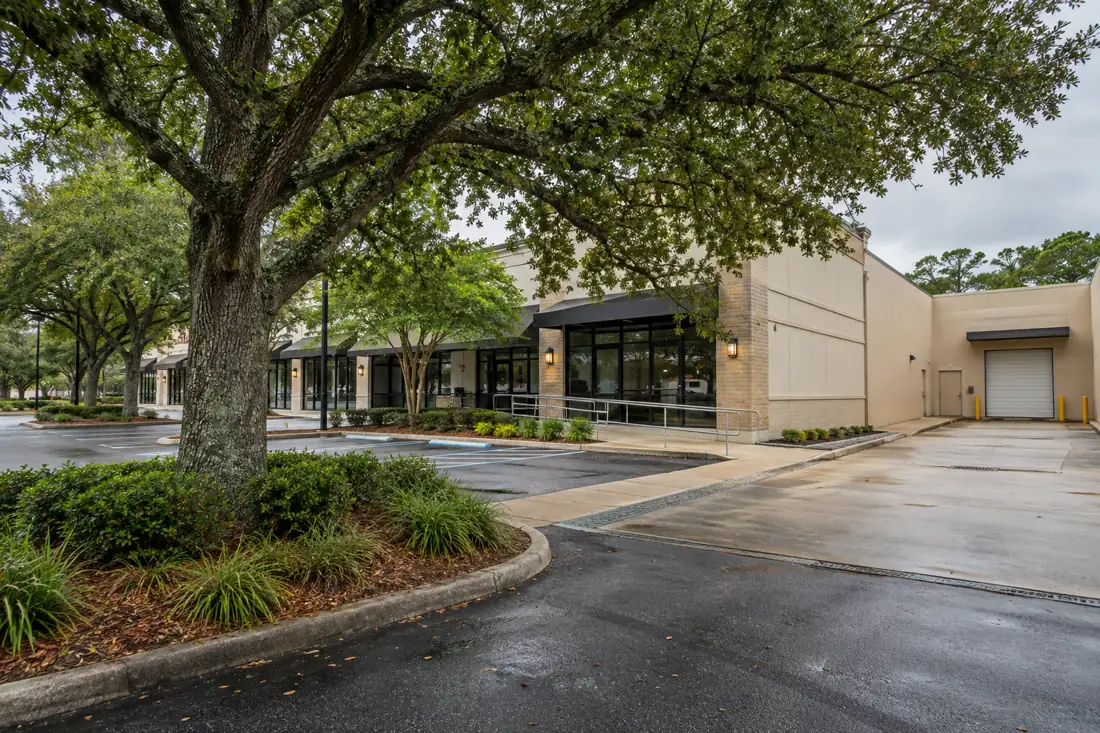
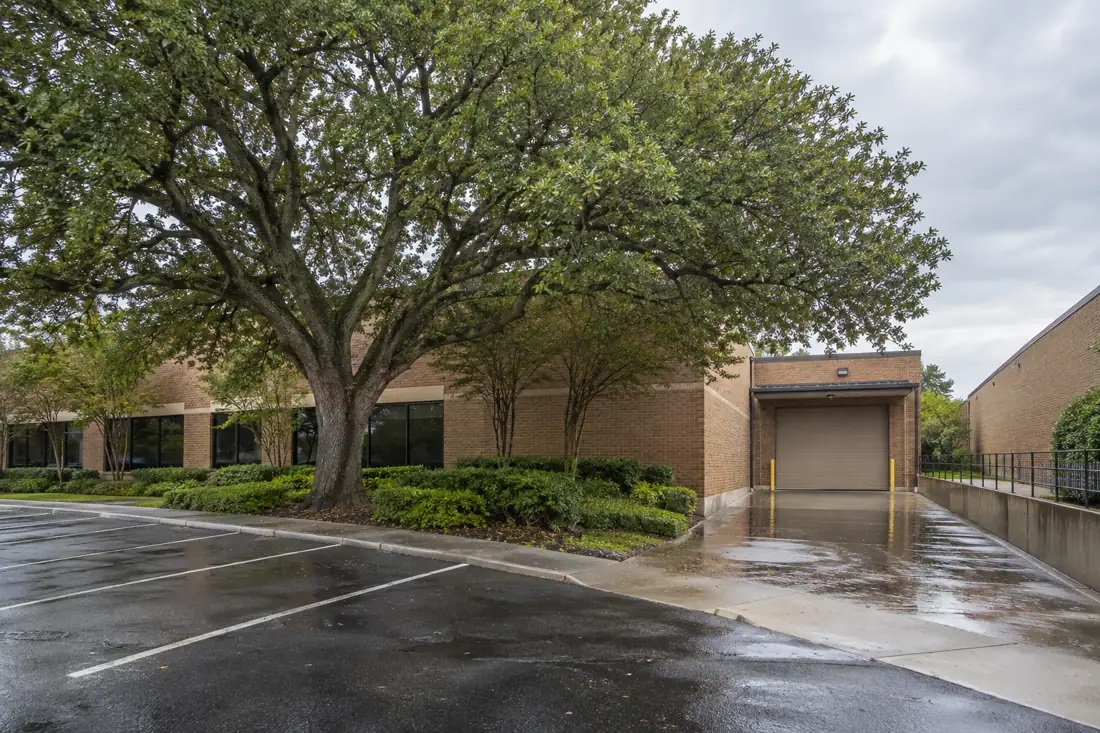
Marina tree work can involve vehicles, pedestrians, waterfront edges and equipment that must remain accessible. Identify the boundaries and any restrictions on debris or equipment placement. A site-specific scope should define staging and cleanup. Work near water may involve additional requirements that the buyer and contractor need to identify before scheduling.
Practical scope and safety guidance: Tree work at a marina should distinguish safe land-side access from shoreline conditions that may need independent structural review. Map boat slips, bulkheads, docks, ramps, electric pedestals, fuel areas, service drives and the exact tree location. A paved-looking edge may conceal voids or softened fill, and protective mats cannot certify the strength of an aging wall. Ask the marina representative about berth-holder access, emergency use of ramps and any temporary relocation authority.
The work method should prevent cut material from entering the water and state how debris will be removed lawfully. A tree leaning toward a boat or dock needs more than a promise to catch pieces; the qualified crew must evaluate reach, control and exclusion zones. Identify any site or environmental approvals rather than assuming ordinary yard procedures apply. Include a marina-approved sequence for closing and reopening each affected route or slip.
Site-specific planning checkpoint: Ask the marina manager to identify which slips, ramps, electrical pedestals and service drives can be temporarily restricted. A tree that can be reached from a land-side drive may still require special handling if sections could land in the water. Photograph the shoreline from stable public or authorized ground, and mark where equipment could encounter soft fill or an aging bulkhead. Confirm who can move vessels and who approves any dock closure before estimates are compared. Separate tree cutting, debris retrieval, water protection and surface repairs in the written scope; those are not automatically one task. If the bank appears unstable, pause access planning until the appropriate specialist evaluates it.
Map the affected trees relative to slips, docks, retaining walls, boat ramps, fuel or electrical service, shoreline vegetation and drainage outlets. Photograph the land-side route without stepping onto unstable banks or occupied docks. The distance from a stump to the water is not the only question; the landing zone, suspended sections, wind exposure and load-bearing condition of the shore must also be considered.
Identify whether vessels need relocation and who has authority to close a dock or ramp. Water-side debris containment and avoiding discharge into the marina deserve a separate plan from ordinary yard cleanup.
The contractor should describe land-side staging, equipment support, controlled handling of sections and a process for stopping if wind or bank conditions change. Confirm who coordinates with marina operations, berth holders and any relevant property or environmental authorities. Do not treat shoreline roots as disposable access obstacles without examining their stabilizing role.
Compare estimates for tree work, debris containment, hauling, ramp or lane closures and site restoration. At the end, inspect the ground for ruts or fresh bank disturbance, check storm drains and the waterline for chips or loose material, and document any specialist shoreline repair needed rather than implying tree work alone resolved it.
Map waterfront boundaries and tree locations first
A marina site combines land-based tree work with water, docks, boats and sometimes very narrow vehicle approaches. Begin with a map showing the shoreline, bulkhead, ramps, boat slips, pedestrian walkways, parking, service roads and each tree being considered. Identify the affected property line and any shared access routes. A branch extending toward a boat slip is a different practical problem from deadwood above the restaurant patio or roots affecting a retaining edge.
Describe the tree's visible condition and the relationship to occupied areas in photographs taken from safe, authorized positions. Do not lean over a bulkhead or enter an unsafe dock section to get a better angle. Mark the direction of prevailing drainage and areas that flood during ordinary heavy rainfall. The contractor needs to know where people and equipment can actually stand before choosing a method of pruning, sectional removal or material handling.

Examine bank stability before moving machinery
Waterfront ground can conceal soft fill, saturated soil or erosion beside the edge. A vehicle that operates safely on an inland paved lot may not be suitable near a bulkhead or embankment. Identify cracked pavement, settlement, voids, undermined edges and the condition of any retaining structure visible from a safe vantage point. A tree contractor should not assume a bulkhead can resist equipment loads or rigging forces without appropriate review.
Discuss equipment routes with the property owner and, where needed, qualified engineering or waterfront specialists. Protective mats may help distribute some loads but do not establish the strength of unstable fill or an aging wall. Keep heavy staging and truck movements away from suspect edges pending evaluation. When root loss or tree removal could affect a slope, seek technical guidance rather than treating grinding or digging as an unrelated finishing detail.
Keep slips, ramps and emergency access operational
Boaters, fuel deliveries, dock workers and emergency responders may all use a small network of entrances. Mark the critical access points and identify which cannot be obstructed by a chipper, log truck or temporary brush pile. If one boat ramp or dock approach must close, confirm who has authority to approve and communicate that restriction. A crew should not improvise a marine traffic diversion because a branch needs to be lowered over the waterfront.
Review the marina's busiest and quietest periods, remembering that weather and tides can alter arrival patterns. A planned low-traffic morning may become the main recovery window for vessels returning after bad conditions. Set a named on-site contact who can pause work or change the sequence when access becomes unexpectedly important. Any alternate route should be evaluated for accessibility and actual suitability rather than simply drawn on a map.

Separate overhead work from vessels and occupied docks
Overhanging branches can create direct exposure to boats, dock boxes, utility pedestals and people walking below. Discuss which slips or walking sections must remain empty and controlled before cutting begins. A dock is not automatically a safe platform for heavy equipment or rigging, and ordinary cleats and railings are not designed as tree-removal anchors. The crew must choose appropriate methods and support points based on the tree, access and structure.
The marina operator should coordinate boat movements and tenant notifications, while the contractor manages its actual exclusion zone. Do not promise work can occur above moored vessels without assessing the load path and potential for falling material. If the area cannot be cleared, consider a different equipment location or another date. Keep staff and customers out of the fall path even during short pauses when the crew appears inactive.
Plan marina tree work around water, vessels and shoreline structures
A tree beside a marina may overhang a dock, slip, parked trailer or moored vessel while its trunk stands on narrow or soft land. Show the tree and shoreline edge from a safe position, and identify who controls nearby slips and access. Bulkheads, docks and fill should never be assumed to support heavy equipment. Ask the marina representative to identify utilities, fuel areas, restricted gates and any boating movements that affect the work zone.
The proposal should separate the desired canopy or removal result from material handling and waterway protection. Discuss where cut wood could be lowered or staged, who can authorize closure of a dock or walkway and what happens to small debris near the water. Equipment selection, boat relocation and weather restrictions need site-specific decisions, not generic promises.
Keep the required tree work, debris transport and repair of shoreline features distinct. A before-and-after site record should show the agreed conditions without claiming that unrelated marine infrastructure has been inspected.
Plan debris capture and water protection
Brush, chips, leaves, sawdust and small wood pieces should be managed so they do not intentionally enter the water or block shoreline drains. Ask the contractor to describe where branches will be lowered, how material will be contained on land and where the truck will load. Wind can move loose debris quickly across open waterfront pavement, so a cleanup plan should account for weather rather than relying on a broad promise to rake afterward.
Discuss whether logs are removed, chipped, temporarily stacked or retained by the owner, and ensure any retained pile is outside dock approaches and emergency routes. Avoid placing material against drainage outfalls or erodible soil. Environmental requirements can vary with site activities and location, so the owner and contractor should identify any applicable permits or protection measures instead of assuming ordinary yard-work rules always cover a waterfront project. Preserve photographs and notes about any relevant restrictions.

Review tree roots near docks, utility runs and walls
Roots may interact with shoreline soils, paved walks, retaining walls and underground service corridors. An exposed root does not by itself prove structural instability, and a cracked walkway does not establish that the tree is solely responsible. Document visible changes and ask the appropriate specialist to assess how proposed trimming, root disturbance or removal might affect the tree and adjacent structure. Large root cuts should not be treated as harmless cosmetic work.
Marinas often have private electrical, water, communications and fuel-related systems near docks. Mark known lines and obtain appropriate locating or utility coordination before any stump grinding or excavation. The contractor must not assume a clear-looking planting bed is free of buried services. If tree work approaches energized shore-power equipment or conductors, qualified personnel and applicable safety controls are necessary. Record which systems the marina operator will isolate or protect if that is part of an approved plan.
Keep Marina Tree Work Clear of Boats, Docks and Water
At a marina, the most important access question may be where cut wood will travel rather than how the saw reaches the branch. Identify trees beside boat slips, launch lanes, shore-power equipment, parking and the water's edge. A crane or chipper cannot be placed on a dock or soft shoreline simply because the area appears open. Review the bank, ground support and land-side vehicle route with the professional before choosing a method.
Protect vessel access during the selected work window. Boat owners and visitors may enter at unpredictable times, and marina staff may need uninterrupted access to fuel, emergency equipment or the launch ramp. The site representative should manage any notice or temporary closure; the tree crew needs a controlled work perimeter. Never use occupied boat slips as an assumed drop zone or promise to work safely over water without an approved handling plan.

Use a land-side staging plan that respects the shoreline
Loose brush and sawdust should not be allowed to enter the marina basin. Ask how sections will be supported and brought to land, where chips and logs can be loaded, and whether shoreline or drainage protections are required. Salt exposure, wind and wet ground may affect practical staging but do not by themselves prove a tree is unsound. Keep electrical pedestals, utility connections, dock hardware and pedestrian surfaces in the prework discussion.
Request a written scope identifying each tree, land access permission, any boat movement to be coordinated by the marina, containment and removal of debris, and the agreed finish condition. During final inspection check the walkway, launch access and drainage as well as the work tree. A follow-up observation of retained trees is separate from the completed removal or pruning. Project photography should omit vessel owners' personal information and security details.
Prepare for rain, wind, tides and changing exposure
High winds can make working above slips or docks more difficult and may change the urgency of a damaged branch. Heavy rainfall can soften access routes, while elevated water can cover hazards near an edge. Note these variables during the assessment and agree that conditions will be reviewed again before mobilization. A schedule should include safe weather limitations without guaranteeing that a chosen date will remain suitable regardless of conditions.
After a storm, document newly fallen wood, fresh cracks, unexpected lean and changed shoreline surfaces from a safe location. Restrict access to obviously concerning areas while arranging professional evaluation. Do not send staff onto a damaged dock or beneath hanging material merely to confirm the extent of tree damage. A recent site inspection and revised scope may be needed before previously planned cutting resumes. Updated observations are more reliable than assumptions made before the weather event.

Use a specific, phased scope for each affected area
A useful marina estimate should identify trees by map location, describe the desired treatment and state how the work affects docks, ramps, parking and ground access. Ask separately about branch clearance, full removal, stump work, hauling, erosion-control coordination and cleanup. A single price without defined boundaries may not tell the owner whether the dockside work is included. Phasing can keep unrelated slips open while one area is temporarily controlled.
Identify the contracting party, the person authorized to close slips or move boats, and the decision-maker for changed conditions. If an unexpected obstruction requires new equipment or different access, document the change before committing to extra work. The buyer should verify applicable credentials and coverage through current documentation rather than inventing or accepting vague claims. Protect tenant information by keeping slip-holder names and confidential access details out of the public estimate description.
Coordinate contractors without assigning unsafe responsibilities
A marina tree project may overlap with dock repairs, landscaping, electrical work or shoreline maintenance. Decide who controls each physical area and when one contractor must hand it back before another enters. The tree crew should not rely on a dock repair contractor to manage falling limbs, and the dock contractor should not be expected to operate within an active tree exclusion zone. Put sequencing and responsibilities in writing rather than assuming separate trades will negotiate them on arrival.
Where a crane, lift or heavy truck is proposed, clarify who evaluates equipment support and any structural limitations. If nearby vessels need relocation, that is a marina-controlled activity with its own procedures. Retain a named contact who can coordinate schedule changes and access permissions. A careful plan prevents conflicting activities without claiming that one contractor can authorize work for every property or business using the waterfront.

Inspect the waterfront before returning it to use
When work ends, walk the affected land routes, boat-ramp approaches and authorized dock edges with the site representative. Confirm the agreed trees were treated and inspect for loose branches, chips, damaged boards or blocked drains. Note any shoreline or surface change that warrants separate specialist follow-up. Do not reopen a closed area simply because machinery has departed; the marina must assess conditions under its operating responsibilities.
Keep a dated record of tree locations, work completed, debris handling and remaining recommendations. Photographs should document the work zone without identifying customers or exposing security controls. Review vulnerable areas after subsequent storms, especially where trees and waterfront structures interact. Such records help the marina plan future maintenance, but they do not certify bulkhead integrity or guarantee that remaining branches cannot fail.
Questions about this project
Can tree equipment use any driveway?
No general assumption should be made. Pavement condition, edges, support, buried infrastructure and the proposed equipment all matter. Ask the contractor to assess the intended setup and route for the particular property.
Do mats guarantee there will be no ground damage?
Ground protection is one part of a site-specific plan. It does not remove every load, soil or access limitation. Discuss the proposed measures and any restoration responsibilities in the written scope.
Can a business stay open during tree work?
That depends on the site and scope. Discuss occupied routes, exclusion areas, loading and work windows with the contractor and property representative. Do not assume normal access can continue through the active work zone.
Who should communicate with tenants or visitors?
Agree on that responsibility with the property representative. The contractor needs a clear site contact, while the owner or manager should use the property's established process to communicate access changes and work windows.
Does cleanup include every root and wood chip?
That depends on the written scope. Tree removal, stump grinding, chip hauling and root excavation are different tasks. Ask what material is removed, what remains and whether soil or landscape restoration is separately included.
What should a final walk-through check?
Compare the identified trees and tasks with the agreement. Check agreed debris handling, stump treatment, access openings and any listed restoration. Record unresolved items clearly instead of relying on a general impression that the property looks finished.
How should extra work be approved?
Use the agreed approval process and identify the change, reason, scope, price or schedule effect as applicable. Confirm who has authority before treating an additional tree or task as part of the original job.
What completion records are useful?
Keep the agreed scope, tree or area identification, authorized changes, invoice and labeled photos where appropriate. Include unresolved items and a contact. Contract-specific records should follow the buyer's stated requirements.
What should I compare besides the price?
Compare tree identification, work objectives, access assumptions, hauling, stump treatment, site finish and exclusions. Ask whether permits or other coordination are part of the scope and who can approve changes if conditions differ.
Does an online request book the crew?
No. A request starts the estimate conversation. The company still needs to discuss scope, availability and any site assessment. For a dangerous or urgent condition, call 504-458-8336 rather than relying on a form response.
What should I tell Tree Huggers about planning tree work for a marina property?
Explain the property address, the work you want and the specific concerns: waterfront boundaries, access, debris control. Send safe photos of the tree, surroundings and access route. The contractor can then discuss the assessment and scope needed for this situation.
How do I request an estimate for this work?
Call 504-458-8336, text photos or use the estimate form on this page. Include the address, desired outcome and any timing constraints. The company will need to review scope and availability; an online request does not confirm a price, appointment or emergency dispatch.
Get a scope for your property
For waterfront tree work, identify docks, gangways, shore edges, boat access, overhead lines and any erosion-sensitive ground before selecting a removal method. Provide wide photographs from stable land or approved access points, not from underneath compromised branches or unstable banks. Ask what restrictions apply to dropping, staging and retrieving wood near water and whether harbor, marina or property approvals are required.
The written proposal should identify equipment positions, exclusion zones, shoreline protection, floating-debris prevention and who will inspect walkways and berths before reopening. Do not assume a normal inland yard setup works beside water.