Local Westbank tree service
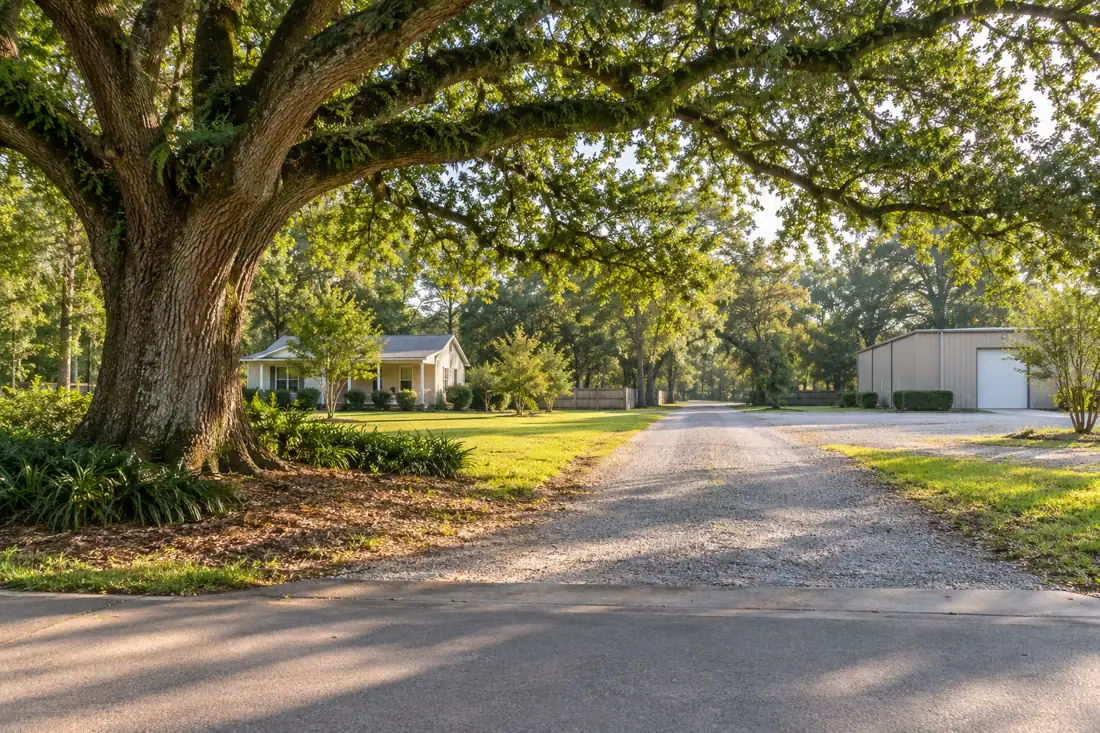
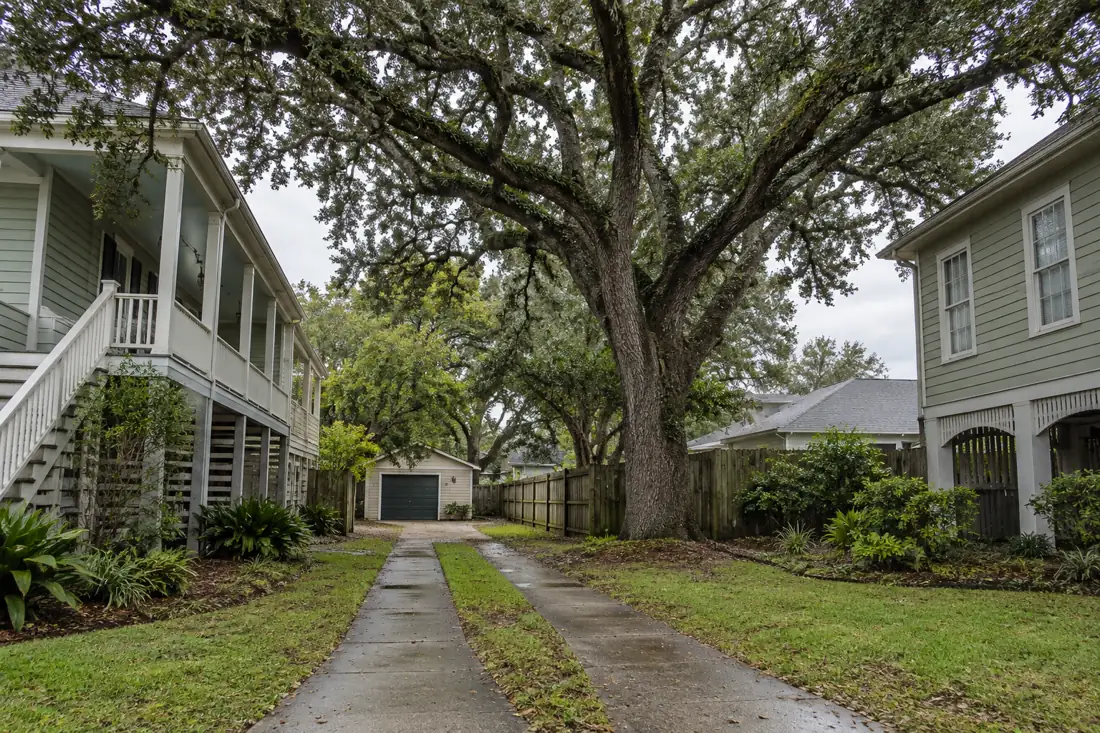
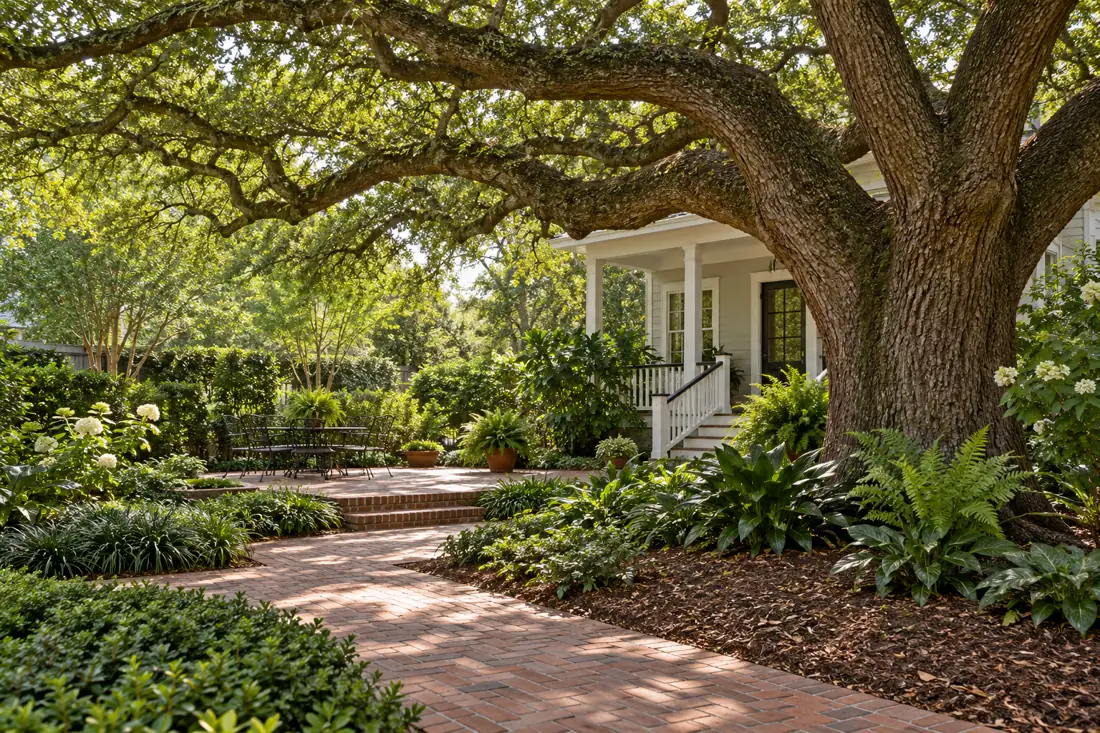
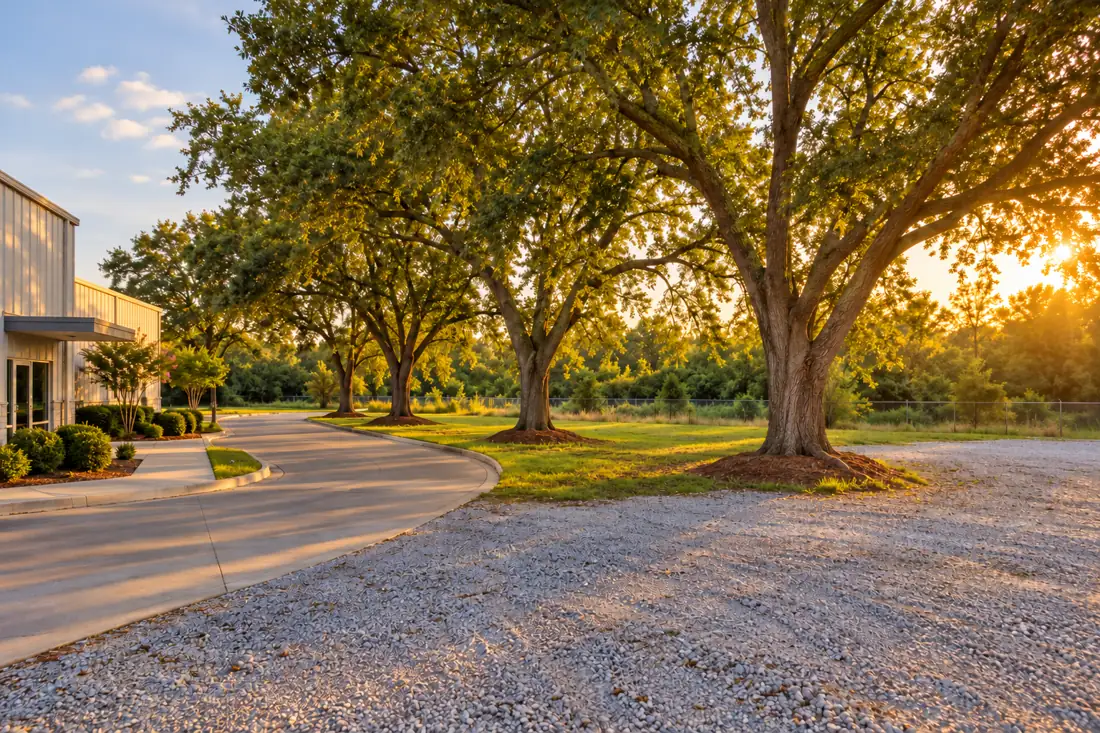
Harvey is minutes from Tree Huggers’ Marrero home base. That makes estimates and mobilization straightforward while still giving us the equipment options needed for large trees, tight access and storm damage.
Harvey residential and commercial work boundaries
Harvey tree projects can affect a home driveway, a business entrance, or several properties sharing a parking area. The first planning question is which routes must stay available during the work. Identify vehicle movements, service deliveries, pedestrian entrances and any scheduled appointments that would conflict with an exclusion zone. For a commercial request, include who has authority to approve temporary space restrictions and whether tenants or other operators need advance notice.
A tree close to a building may need more than a single photograph. Show the trunk base, canopy, nearby roof or awning, utility equipment and the approach path from the street. Do not climb or stand beneath damaged limbs to improve the photograph. If a utility line is involved, leave the area alone and refer electrical clearance questions to the appropriate utility or qualified specialists rather than assuming a tree crew can move energized facilities.
The written proposal should distinguish pruning objectives from whole-tree removal, stump finish, debris hauling and site protection. Ask how the crew plans to keep emergency access available and what will trigger a stop or adjustment if hidden obstacles are found. Clear responsibility for parking and gate access is just as important as the species and size of the tree.
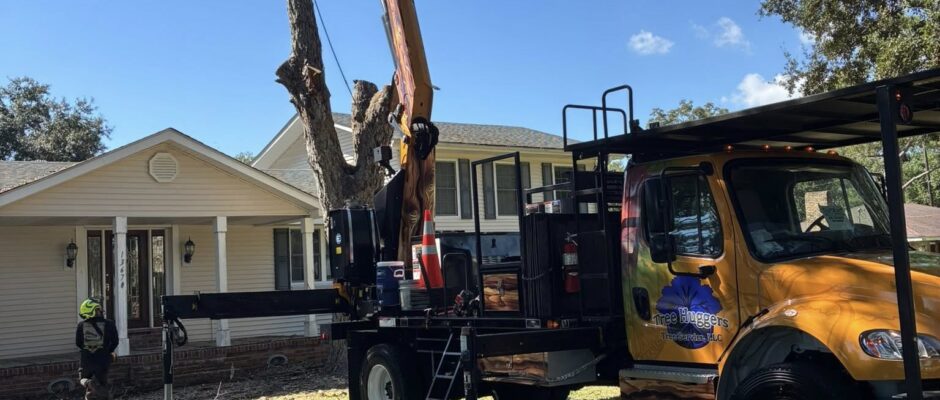
Tree size, lean, condition, surrounding structures, fences, pools, driveways and utility drops all influence the work plan. High-risk trees may require rigging, aerial equipment or crane support to keep sections controlled.
One community, several very different work sites
A Harvey homeowner may need a limb cleared over a carport, while a business contact needs tree work scheduled around deliveries. Both requests begin with a tree, but the handling space and operating constraints can be entirely different. Tree Huggers serves Harvey from its Marrero base and can discuss routine care, large removals, stump work and storm-related concerns. Explain how the site is used so the proposed work fits the property rather than just the tree.
For a residence, include gates, patios and neighboring structures in your photos. For a business, include the loading area, employee parking and entrances customers use. If you manage both a home and a commercial address, keep the requests identified separately. A site-specific estimate should make it easy to see which work belongs at each address, which constraints matter and who can approve the finished scope.
Start with the issue, then choose the service
Roof clearance, dead limbs and a tree occupying a planned construction area do not require the same response. Tell the estimator what you have noticed and what has changed. Useful descriptions include a branch now touching the roof, a tree newly leaning after weather, or a stump standing in a proposed walkway. A photograph of the entire tree and its surroundings is often more informative than a close view with no location context.
If preserving the canopy is important, lead with that goal when discussing pruning. If the objective is removing a tree, explain why and identify the nearby targets. Removal planning should address how material leaves the site as well as the cut itself. The equipment choice follows the condition, reach, access and handling needs. You do not need to diagnose the tree or select a crane before making a useful first request.

Treat parking and deliveries as part of the scope
At an operating property, an empty space during the estimate may be occupied when the crew arrives. Identify employee vehicles, customer spaces, delivery times and any lane that must remain available. If tree material has to cross a drive, discuss whether work can be phased or whether an agreed closure is needed. A driver should not discover the changed route only after reaching the loading door.
The business contact can help by naming one person who knows the day’s operations and can resolve conflicts. That contact should know which spaces must be cleared, when deliveries can be rescheduled and who can notify tenants. Keep emergency access in the conversation throughout cutting, loading and cleanup. An early-morning or weekend preference is useful information, but the company still needs to confirm a workable window and current availability before anyone promises the business a specific arrangement.
Look beyond the width of the driveway
A paved approach does not automatically provide suitable setup space for every machine. Show turning room, overhead lines, drainage features, slopes, surface damage and the area beside the tree. An access route may cross a small bridge, a utility cover or a decorative slab that was never intended for heavy handling. Tell the estimator about known buried infrastructure and any restrictions imposed by the property owner.
For backyard work, the narrowest turn can matter as much as the gate. Avoid measuring only the widest opening and assuming equipment will fit the whole route. Take a sequence of photos from street to tree and note fixed obstacles. If the proposed method changes because of access, ask how that affects the schedule, protection and price. The equipment page provides context, but the final approach needs to match the actual property being worked on.
Harvey Tree Estimates Near Yards, Drains and Shared Access
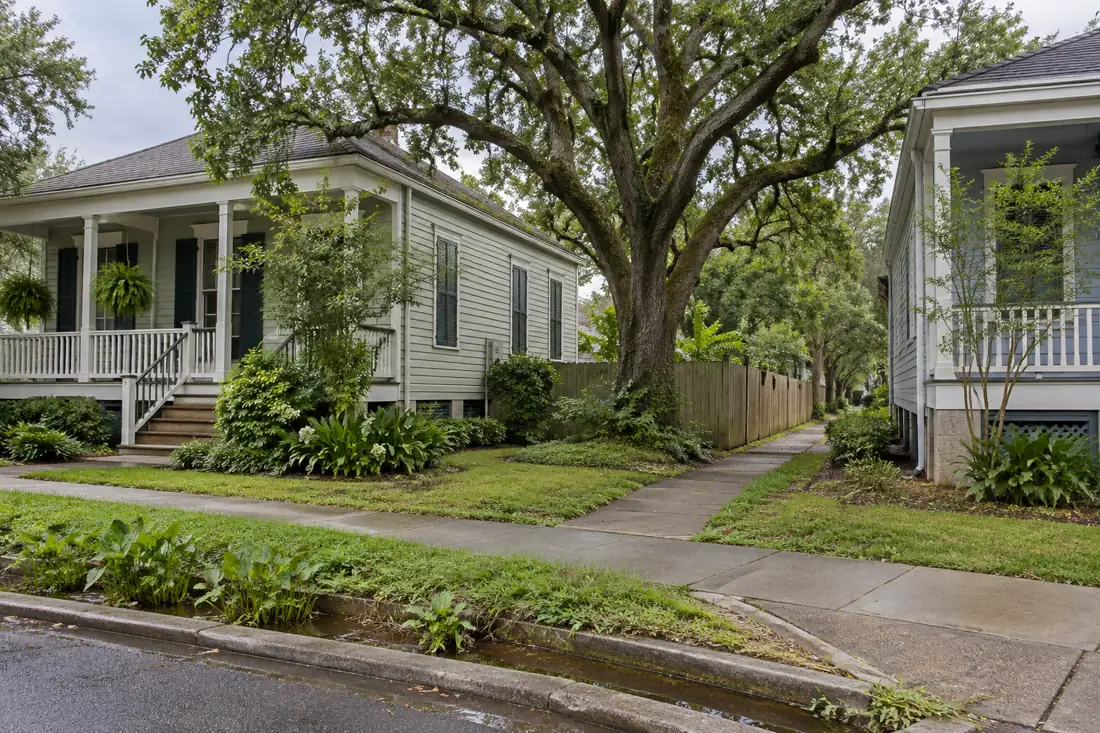
A Harvey property may have an open front lawn but a much tighter backyard, particularly when a drainage corridor, neighboring fence or shed lies behind the main tree. Start the estimate by describing which side of the building the work affects and how cut material would reach a safe loading area.
Branches over a patio, roof or shared access lane may require controlled lowering rather than a straightforward drop. A tree's age or height does not by itself tell you whether it is hazardous. Document visible concerns without declaring an internal defect from a photograph.
Ask what the proposed work is meant to accomplish and how the estimator reached that recommendation.

Rain and drainage should shape equipment planning, but a wet yard is not automatically evidence that a tree's roots are diseased. The crew needs to understand soft soil, drainage ditches, sprinkler lines and known underground services before setting outriggers or hauling timber. If a stump is to be ground, discuss whether the area will later become lawn, paving or another planting bed, because those objectives may call for different finishing choices. Do not cut structural roots yourself to address a driveway problem without considering the tree's stability. If excavation or utility work has recently occurred nearby, tell the estimator; that history can be more informative than a single image of the canopy.
Make the site conditions visible before comparing offers
Shared boundaries make the scope especially important. A tree inside one yard may have branches over another roof, while a drainage or service easement may restrict equipment access. Keep permission for entry, trimming limits and the proposed cleanup area clear before work begins. Where electrical service lines are involved, contact the utility and appropriately qualified personnel; homeowners should not touch hanging branches on conductors.
A useful photograph can show the tree, adjacent structure and open yard from a safe position. Avoid pictures that require crossing a fence or standing below cracked limbs. A generic educational illustration of a Harvey-style yard should never be presented as an actual local customer property.
At closeout, match the completed work to the written scope, including branches removed, remaining tree, wood disposition, stump treatment and agreed site cleanup. If unexpected decay or access limitations require a change, confirm the revised plan before assuming the initial bid covers it. Good records are especially helpful when several household members or a property manager are making decisions.
For a new inquiry, mention Harvey or the nearby service area, the service objective, and whether access is through a gate or driveway. The first message need not contain private documents, insurance numbers or contact details about neighbors.

Protect the landscape that remains after the job
A tree crew may be removing one tree while working beside several you intend to keep. Identify those retained trees and sensitive beds before access is chosen. Explain where irrigation lines, landscape lighting and drainage components run if you know. Give the same attention to a business sign, gate operator or bollard as to the building: these features can be small in a tree photo yet important to everyday use.
Describe the ground when it is wet, rather than relying only on the day of the visit. If heavy rain changes the route or setup area, tell the company before work. Protection measures and timing need to be practical for the surfaces and loads involved. They should not be treated as a promise that any equipment can travel anywhere. Ask what site preparation is expected from you and which restoration tasks, if any, are separately excluded from tree-work cleanup.
Make stump and debris decisions before scheduling
A storefront tree removal can leave a stump in a landscaped island; a residential removal can leave one where children play or a mower travels. Show how you intend to use that space next. Stump grinding, hauling chips, backfilling and replacing plants are different tasks. A clear quote should distinguish them instead of leaving the property contact to infer what a general cleanup phrase includes.
Debris handling also affects logistics. Tell the estimator if trucks can wait on site, if a loading approach is shared or if the gate locks at a certain hour. If you want useful wood retained, identify the amount, location and feasible handling arrangement in advance. Keeping wood does not automatically reduce every other part of the job. The agreement still needs a route, a work area and a definition of what material the crew removes.
Plan storm response around the immediate obstruction
For a storm request, say whether the tree is blocking a building entrance, lying across a private drive, resting on a structure or interfering with a business operation. Describe wires and other visible hazards from a safe location. Do not try to move a loaded branch or climb over the tree to reach a closer view. If there is an immediate threat to people or an electrical hazard, contact the appropriate emergency or utility service first.
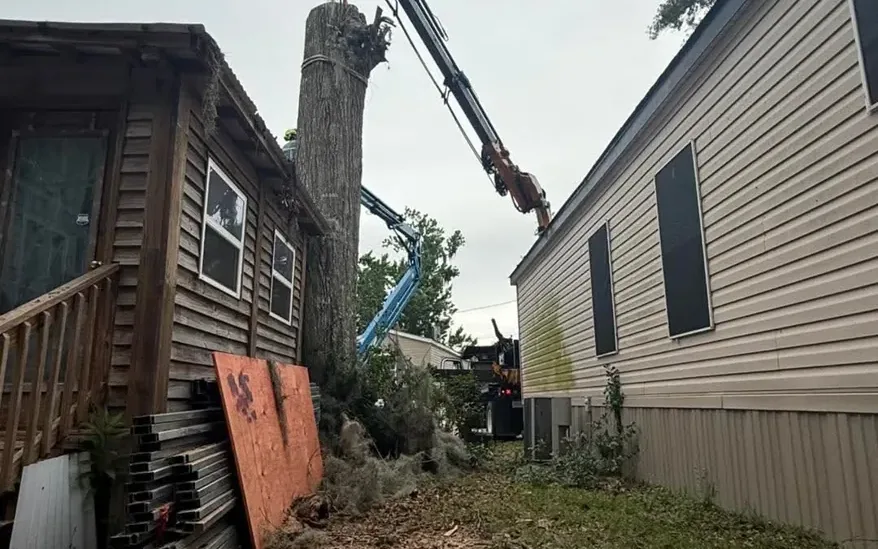
Once the urgent condition is understood, the tree-work scope may have more than one stage. Opening an access route can be different from complete removal, stump treatment and landscape restoration. Ask what can be assessed now and what requires later review. For operating properties, keep an authorized site contact available. The commercial storm response page can help organize a request that includes business access, several trees or multiple affected areas.
Turn several tree concerns into a practical order
If a Harvey property has ten trees and a limited current budget, identify the different objectives instead of requesting that everything receive the same treatment. One tree may need a condition assessment, another may need clearance, and a third may be a future landscape decision. Ask the company to separate proposed work from observations and later options. That lets you understand what you are authorizing today without losing the other concerns.
Use photographs or a simple numbered sketch to keep the discussion consistent. For a commercial site, tie numbers to parking islands or building sides; for a home, use fixed landmarks such as the rear shed or street-facing corner. Keep the same identifiers when accepting the quote and checking completion. An organized list prevents confusion when two similar trees stand nearby or when only one portion of a larger proposal has been approved.
Send a request that can move forward
A useful first message includes the Harvey address, the main tree concern, a wide photo and a few access views. Business requests should also name the site contact and operating restrictions. Explain any related roof, fence or paving project without presenting its deadline as an already confirmed tree-work appointment. The company can then discuss whether more information or a site visit is needed and what availability fits the proposed scope.
Before accepting, check the tree identifiers, pruning or removal objective, handling method assumptions, cleanup and stump decision. Save written clarifications with the quote. At completion, review those same items and identify anything intentionally left for a separate contractor. Text is convenient for safe photos and details; use a phone call for a newly dangerous condition. The goal is a clear handoff from your concern to an agreed result, whether the property is a family yard or an operating business.
Tree Service Harvey questions
Does Tree Huggers serve homes and businesses in Harvey?
Yes. Describe the property type, address and work objective. Commercial requests should include a site contact, operating hours and any access restrictions.
Can I request work before my business opens?
Share the preferred window and delivery schedule. Timing must be reviewed with the proposed scope and current crew availability before it is confirmed.
What should a parking-lot tree request include?
Show the full canopy, parking islands, loading approach and occupied entrances. Explain which spaces can close and who will arrange vehicle relocation.
Is a concrete drive enough for crane setup?
The surface alone does not decide suitability. Setup area, reach, ground support, underground features and access all need review for the proposed equipment.
Can you quote several Harvey properties together?
Send separate addresses and tree identifiers, along with a portfolio contact. Keep each location’s scope and operating restrictions clear.
What if I want shade retained over my yard?
Make preservation a stated objective. Discuss targeted pruning and condition concerns instead of asking for an undefined reduction of the entire canopy.
Does cleanup include replacing a parking-island landscape?
Only if expressly agreed. Confirm debris hauling, stump work, chip handling, backfill and any replacement planting as separate scope items.
Can I leave wood on the property?
Discuss a feasible amount and storage location before pricing. Retaining wood still requires safe handling and a clearly defined finish.
How should I report a tree blocking a delivery entrance?
Call with the address, obstruction and visible hazards. Do not enter the tree zone or move loaded branches to reopen access yourself.
Should tenants move their cars before the estimate?
Photos with parked cars can show normal site use. Relocation for actual work should follow the specific area and timing agreed with the contractor.
How do I identify trees across a large site?
Use consistent numbers on photos or a simple site sketch. Match those numbers to the task list, quote and completion review.
What is the quickest useful first message?
Send the address, desired result, a wide tree photo and access views. For a business, add the contact and work-window restrictions.
Let’s plan your tree work.
Send the property address, safe tree photos and the result you need. Include access restrictions and the person who can approve the work.