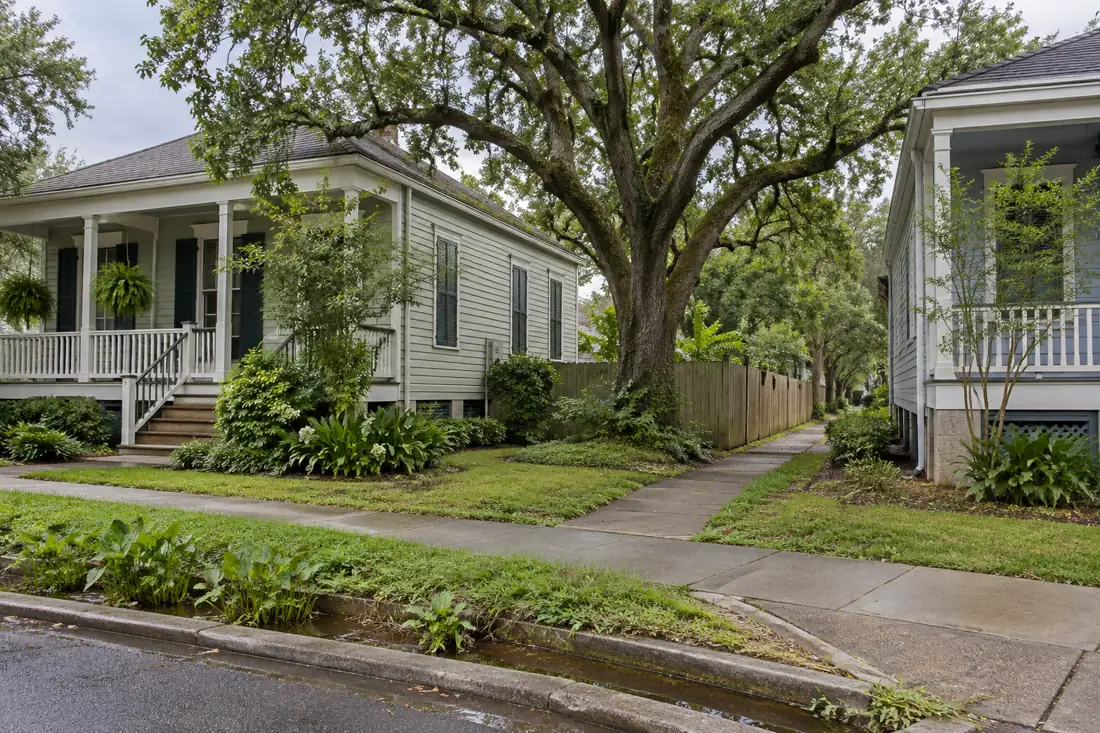
Mature canopy deserves a deliberate plan
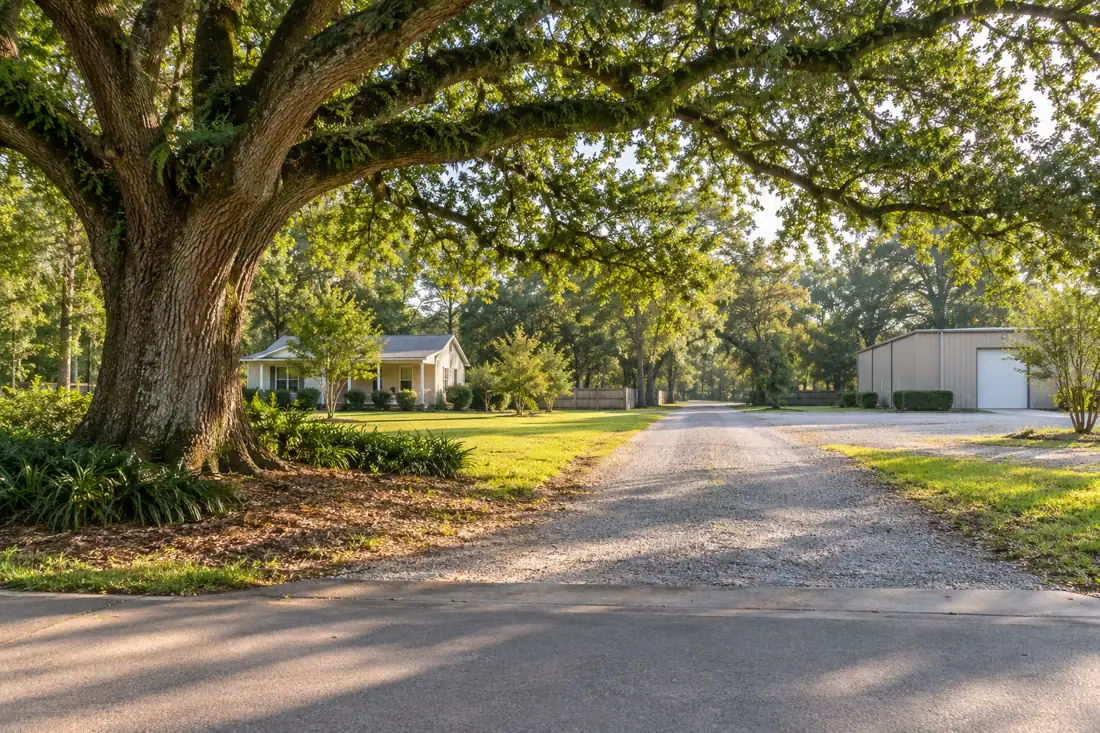
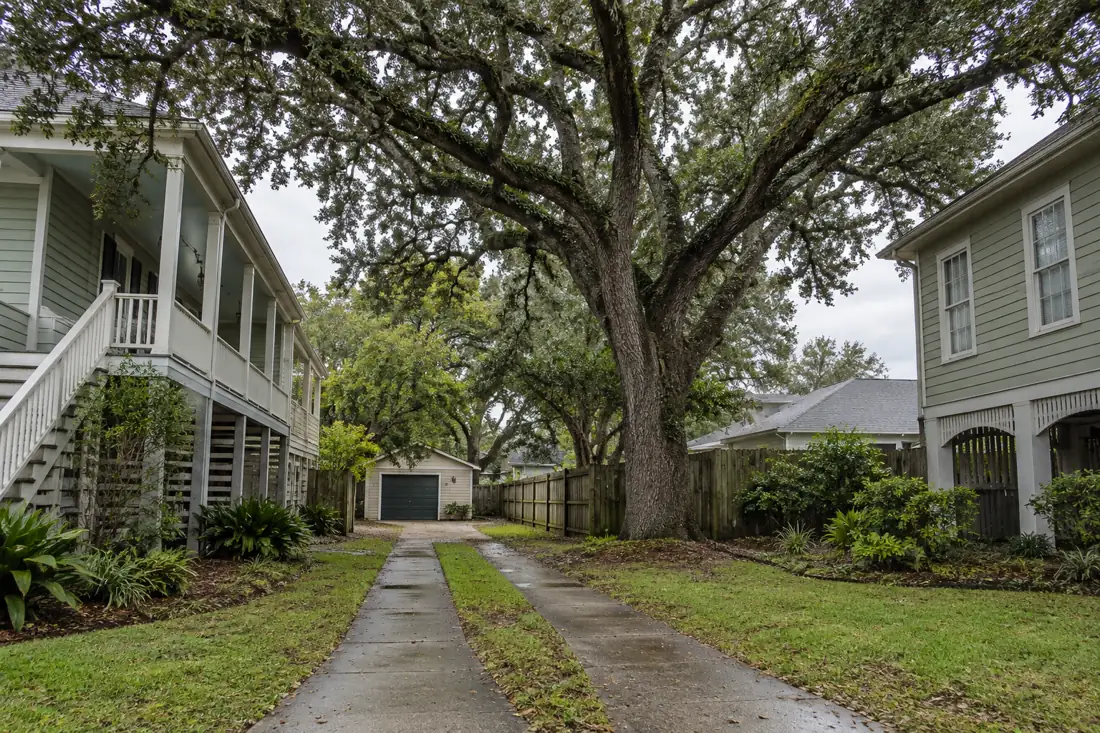
Audubon-area tree work often involves mature live oaks and other large trees near roofs, sidewalks, streets and landscaped property. The objective should be clear before cutting begins: deadwood, clearance, storm damage, structural concerns or complete removal.
Tree Huggers evaluates condition, targets and access so the pruning or removal method protects surrounding property and avoids unnecessary canopy loss.
Make the retention goal part of the first message
Tell Tree Huggers which tree or area matters to the garden and why you are considering work. A household may want to keep useful patio shade while addressing deadwood or a branch near a roof. Another request may concern a tree that has changed after weather or nearby ground work. Explain the desired result and the observed concern together so the conversation can begin with a specific decision rather than a general request to reduce the canopy.
The pruning service provides related context for selective work. Identify the tree clearly when several crowns overlap, and include a wider photograph showing the property around it. A first inquiry is not authority to cut every branch visible in the image. The accepted scope should distinguish retained features, requested work and any condition question that still needs an appropriate review before a particular action is chosen.
Describe how the outdoor space is used
Show patios, paths, play areas, gates and other regular use beneath or near the canopy. Explain which areas can be made available for the proposed task and who coordinates household access, pets or other activity. An empty garden in a photograph does not establish that it will stay unused throughout setup, tree handling and material movement. Current information helps the company understand the practical relationship between the tree work and daily property use.
If the tree question involves a managed facility, public space or park rather than a private yard, identify the actual owner and authorized contact. This area page does not imply a park contract or authority to direct work on every tree nearby. The commercial planning hub helps organize inquiries involving several users or decision-makers. Keep the actual property and scope visible so a neighborhood label does not replace the information the responsible purchaser needs to provide.
Mention a planned change in how the garden will be used, such as relocating a sitting area or arranging new landscape work. A condition discussion based on an unused corner may not address the same question once that area becomes part of everyday household activity. Share the intended use without assuming it dictates a particular tree treatment. The reviewer needs a current, recognizable picture of the site and the owner’s goal before the care and work decisions are finalized.

Give clearance work a recognizable objective
Explain the relationship between the selected branches and roofs, porches, garden structures or the route where clearance is wanted. If another trade requested the work, provide its actual requirement and contact where appropriate. A clear objective is more useful than assuming a universal cutting distance or asking for unrestricted crown reduction. Ask which task is proposed and how the owner will recognize that the agreed objective was met.
The preservation guide connects related retention decisions. Selected pruning should not be read as a complete assessment of the tree or a promise that every future storm effect has been prevented. Where the concern is a defect, movement or previous failure, explain that separately. State whether you need work pricing, condition advice or documented findings so the proposed visit and any limitations can be discussed before the owner relies on the result.
Look at the route around the retained garden
Photograph the entry, gate, turns, surfaces and transition into the tree’s work area. Show planted beds and trees the owner wants kept, together with relevant fixed features and known ground conditions. A broad lawn or patio can be reached through a much narrower route elsewhere. Material handling also needs a practical path out, which may not follow the route a visitor usually takes into the garden.
The equipment planning hub explains how method and access fit together. Describe shared or separately controlled portions of the approach before assuming they can be used. Do not remove planting, dig around roots or dismantle a boundary for a preliminary inquiry. Where a protection arrangement is proposed, discuss its scope and the accepted finish without assuming it eliminates every possible site effect. The useful plan starts with the features and constraints that actually exist.
Include soil and site history without diagnosing the tree
Report known changes such as excavation, paving, fill, altered watering or prolonged changes in ground conditions. Give timing and location when possible. A photograph of green leaves can omit a relevant root-area history, while a close view of one branch may not explain the owner’s wider concern. Distinguish what you observed from an opinion someone else offered so the reviewer can understand the information without treating a preliminary impression as an established finding.

Audubon: preserve canopy purpose
Where mature shade is valued, an estimate should explain the canopy the owner wishes to retain as well as the branches considered for removal. A clearance request near a porch may allow selective work; suspicion of a structural defect needs its own assessment.
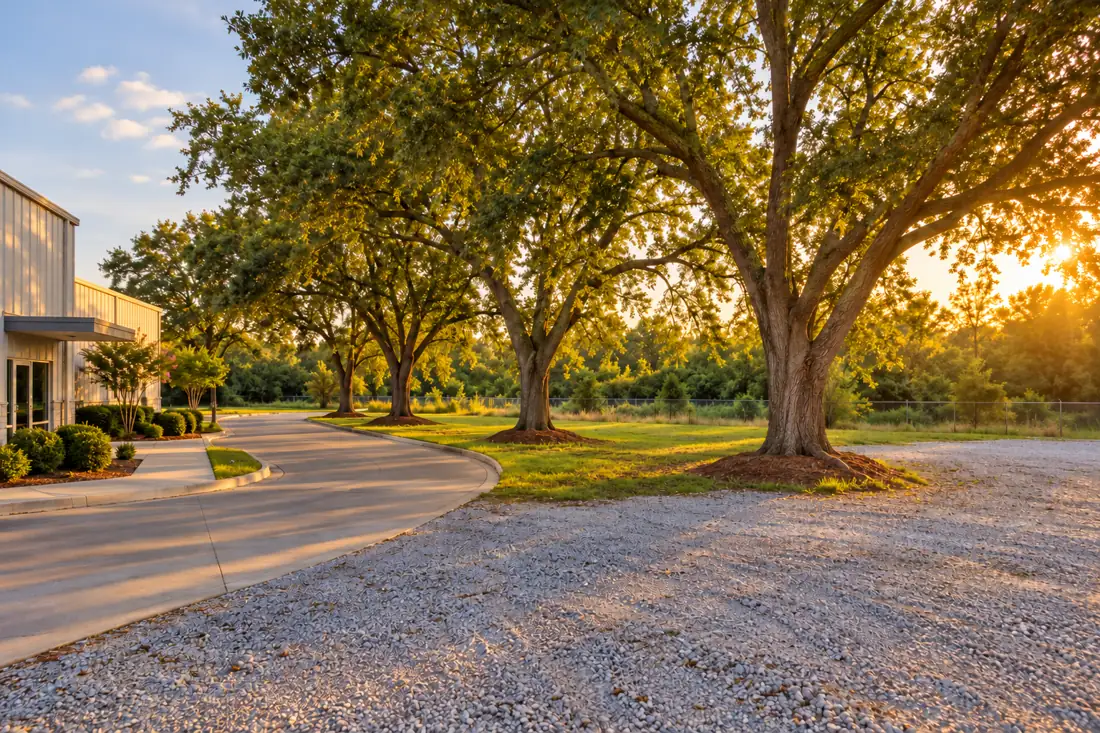
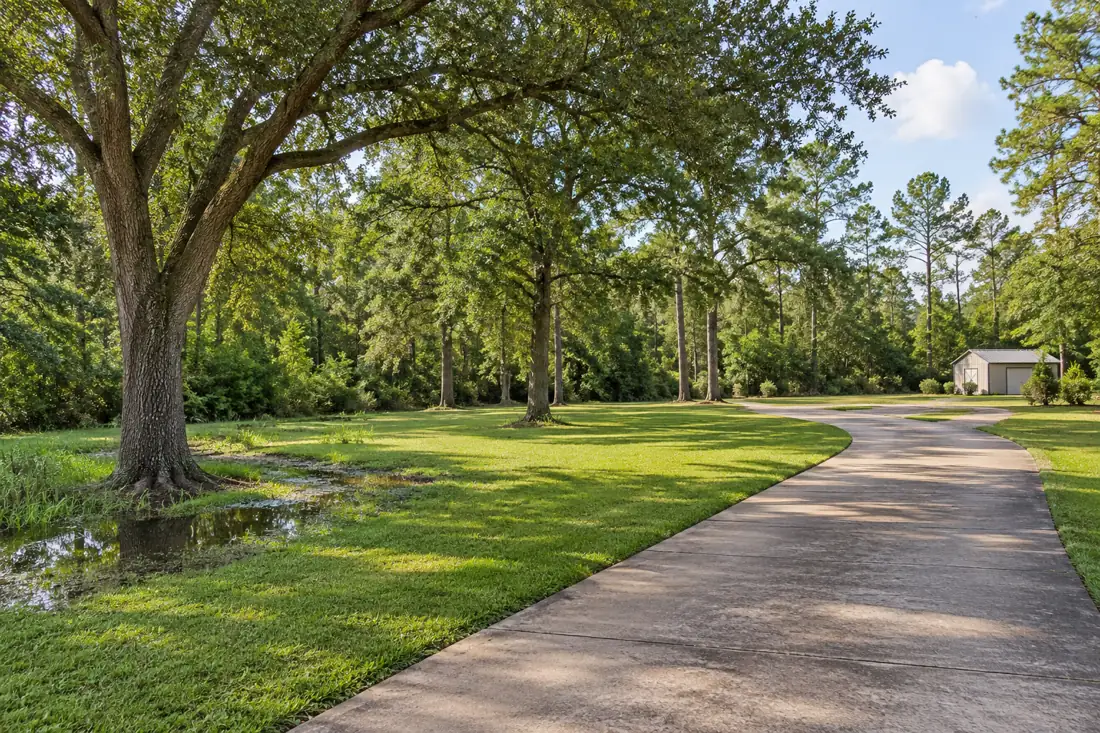
Point out recent excavation, grade changes, altered drainage or equipment traffic around the root area. Those observations matter even when the immediate concern is overhead. Safe photographs from more than one direction provide better context than a single image of the crown.
Distinguish maintenance, advice to monitor a condition and a recommendation for individual risk assessment. Record why significant canopy is being preserved, without claiming that trimming removes every future storm or stability risk.
The tree health overview and assessment page address related inquiries. Ask what review is appropriate and who will provide it, including relevant qualifications and the form of any findings. Do not select fertilizer, support hardware or removal simply because a service name sounds like a complete cure. Each proposed task should have a stated purpose linked to the particular tree, with uncertainty and follow-up made understandable to the owner.
Define removal and the next garden task separately
If a removal is requested or recommended, identify the intended tree and discuss branches, logs, chips and the stump. The removal service provides broader scope context. State whether material is requested to stay, how it should be processed and where it can be placed. Tree handling should not silently become a request to prepare firewood or complete a later garden reconstruction that was never described in the original brief.
The stump guide helps connect below-ground work with future use. Ask about grindings, excavation, backfill, grading and replanting as distinct operations. If a landscape provider follows the tree company, obtain the finish that provider needs before assuming a tree-removal quote supplies it. A clear handoff protects the owner’s planning by making completed tasks and outstanding responsibilities visible even when several providers contribute to the final garden result.
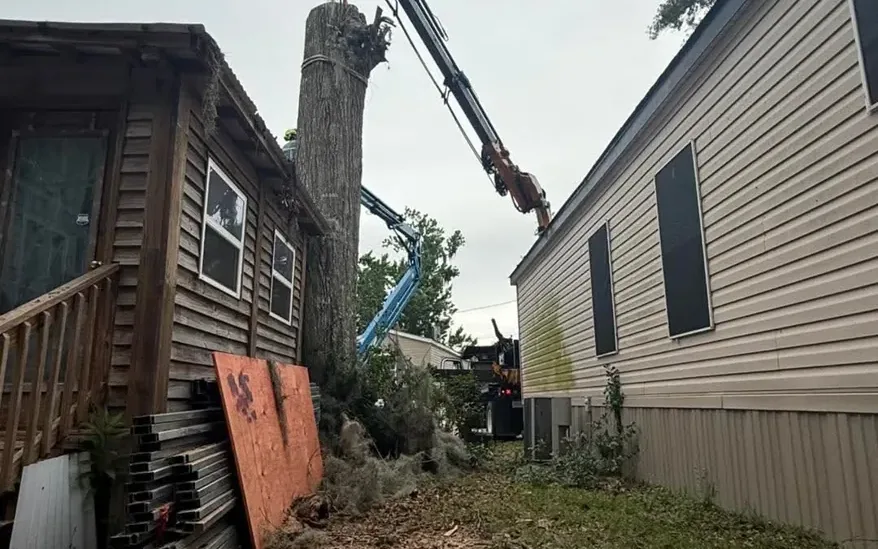
Keep weather-related changes out of the routine queue
Newly hanging wood, a fallen tree, a visible split or changed movement should be reported from a safe position. Keep people and pets away from affected areas. Call 504-458-8336 about current availability for urgent tree-work concerns; a form does not confirm dispatch. Immediate threats to people or electrical involvement need the appropriate emergency or utility response. Do not ask someone to enter a questionable area for a more complete photograph of the condition.
The storm service overview connects related response tasks. Explain which use area, structure or access route is affected and identify the person coordinating decisions. An event may change the question that was previously discussed as routine pruning. Update the company rather than relying on an estimate based on an earlier tree condition, and keep immediate tree handling distinct from wider cleanup, property repairs and later landscape work when defining priorities.
Leave a useful record for continuing care
Save the accepted tree identifier, objective, work scope and material decisions with any recommendations or follow-up instructions. Name the contact who can approve additions and review completion. If photographs are required, agree on labels and the intended output before work starts. Records should describe actual tasks and remaining items without implying that every tree on the property was evaluated or that completion of one visit guarantees a retained tree’s future condition.
A planning example is selective clearance work above a patio, separate review of a changed trunk condition and later bed restoration by the owner’s gardener. Those tasks can support the same retention goal while having different decisions and completion points. Send the address, safe tree and garden views, known history and desired result so Tree Huggers can discuss the next step for the actual property.
Tree Service Audubon questions
How should I describe a shade-retention goal?
Explain the tree's role, what you want kept and the specific condition or clearance question.
Does this page imply work for a nearby park?
No. Identify the actual property owner and authorized contact; no park contract or affiliation is implied.
What should photos include beyond the canopy?
Show nearby use, roofs, paths, retained planting and the complete access route.
Can one quiet photo establish an available work window?
No. Describe actual household, visitor, pet and delivery use and the person coordinating it.
Should pruning be judged by the amount removed?
No. Compare it with the selected objective and accepted work.
Is selected pruning a complete structural assessment?
No. State any separate condition question or written findings you need.
Should I clear planting to help with an estimate?
Do not improvise preparation. Show the actual route and discuss appropriate arrangements first.
What history helps with a tree-health inquiry?
Share known storms, ground work, watering changes and observed timing without assuming a diagnosis.
Does fertilization solve every stressed-tree problem?
No. Ask what identified need a proposed treatment addresses and what other work remains.
What should be agreed after removal?
Clarify material, stumps, grindings and the finish needed for later garden work.
How should new hanging wood be reported?
Keep clear, use safe observations and call about availability; involve emergency or utility services where appropriate.
What records help with ongoing care?
Keep tree identifiers, accepted tasks, findings where commissioned, material decisions and follow-up responsibilities.
Let’s plan your tree work.
Send the property address, safe tree photos and the result you need. Include access restrictions and the person who can approve the work.