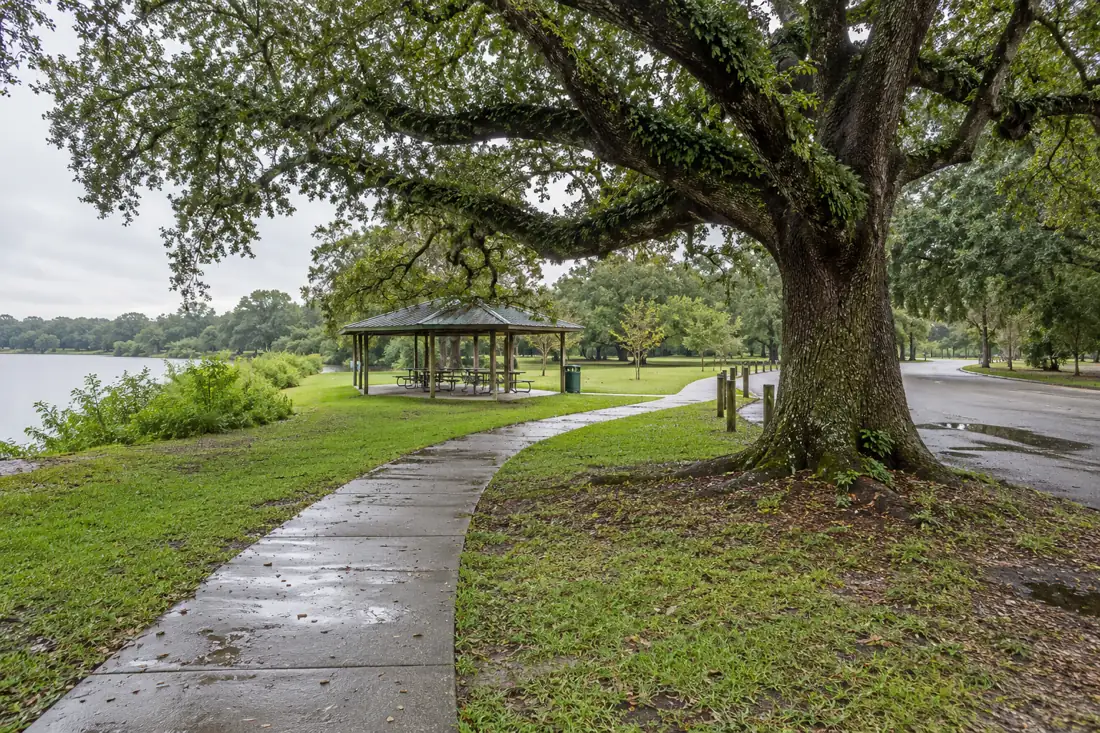
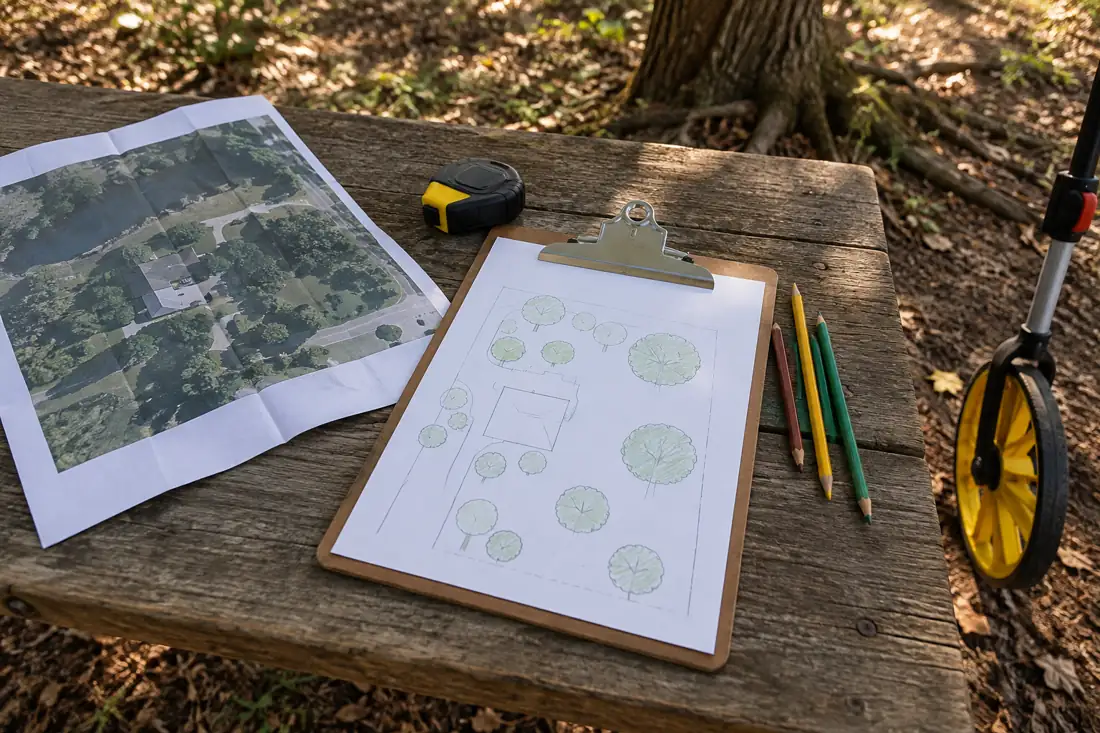
A municipal scope should identify the trees, work limits, public access requirements and completion standard. Include available maps or marked photographs and state which items are separately measured. The agency and contractor need a clear process for field changes. Contract-specific requirements should be provided rather than inferred from a generic service page.
Site-specific planning checkpoint: A municipal tree-removal scope should identify trees by reliable map reference and field marking, with a procedure for resolving discrepancies before cutting. Separate permission to remove from permission to stage machinery, close a sidewalk or haul debris along a particular route. Describe what counts as completion: stump height or grinding depth if applicable, debris disposal, protected surfaces and documented site condition. Do not rely solely on phrases such as ‘clear area’ or ‘remove all hazardous trees’ when specific quantities, exclusions and approvals are needed. If utilities, heritage trees, wildlife concerns or adjacent properties are involved, identify which authority must make those determinations. A useful scope also explains how unforeseen conditions are reported and approved.
Produce a tree-by-tree decision and measurement sheet
Create a schedule with a stable identifier for each proposed removal, its verified location, ownership or controlling authority, requested work, access constraint and the proposed measurement method. A map marker should resolve to the same identifier in photographs, quantity sheets and field notes. If an arborist or public official must first determine whether removal is appropriate, show that as an approval dependency rather than writing a conclusion on the contractor's behalf.
List stump grinding, surface restoration, hauling, traffic measures and utility coordination as separate scope lines when the buyer expects them. An apparently small difference such as removal to grade versus grinding below grade can change the work substantially. Record which quantities are firm, which are provisional, and whose written authorization is required when a newly discovered condition changes the schedule.
Before release, have an independent reviewer match the work schedule against the mapped trees and the intended acceptance condition. A defensible scope tells bidders what is being bought without implying the agency has already inspected or approved unverified trees.
Read the related tree work quantity verification before a bid guide · Review public-sector tree-work services
Map the limits before the work begins: A municipal tree-removal scope should identify each target by a consistent location key rather than a vague reference such as “large oak beside parking.” Pair the tree schedule with a plan showing public entrances, travel lanes, sidewalks, fences and approximate canopy reach. State which work includes complete removal, selective pruning, stump treatment, grinding, debris loading or restoration; these are not interchangeable pay items. If the municipality needs a protected tree retained next to the removal, designate it explicitly and describe acceptable ground protection and excavation limits.
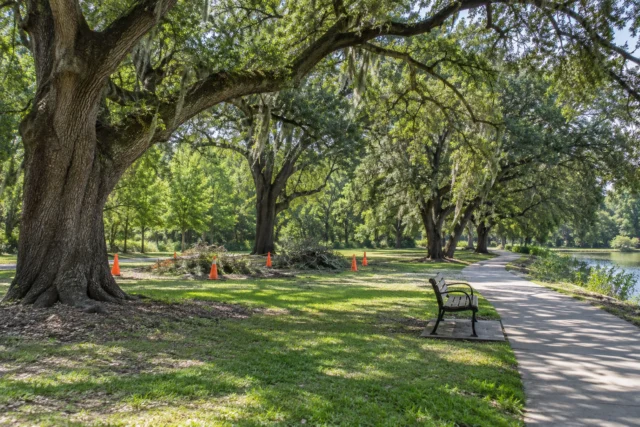
Define the reason for removal and the decision authority
Different municipal needs require different documentation. A tree may interfere with a planned capital project, have a condition identified through an assessment, obstruct a required clearance or be part of a storm-response order. State the primary purpose and the office or authorized official who makes the removal decision. If protected-tree ordinances, public notices or other approvals apply, identify the responsible party and required process rather than assuming a contractor's proposal supplies permission to cut.
The scope should also say what happens when a tree in the inventory cannot be located, differs materially from the description or shows a condition that changes the recommendation. A contractor can report the discrepancy and await direction. Do not silently replace a listed tree with another one in the field. Written authorization protects the owner, contractor and public record when the original plan changes.
Begin with a verifiable tree inventory, not a broad street name
A municipal tree-removal request should identify the actual trees or locations that the buyer intends to authorize. A street corridor may contain trees under different ownership, varying overhead utilities and different pedestrian exposure. Use parcel references, marked maps, sequential tree numbers or another unambiguous system to locate each item. A general instruction to remove dangerous trees in an area leaves contractors guessing which specimens are included and whether later discoveries are automatically billable.
An initial site walk can record approximate size, accessibility, visible condition and surrounding uses, while keeping uncertainty explicit. Do not invent tree-health findings or assert that a particular tree is hazardous without appropriate evidence. If the buyer requires a qualified assessment before deciding on removal, identify that service separately. Photographs should be genuine observations of the project and labeled with the actual location; generated educational images must not be used as proof of a completed inspection.
Describe the site and constraints tree by tree
A single price per tree may conceal major differences between an open park and a narrow sidewalk beside traffic. Record nearby buildings, fences, overhead services, slopes, drainage inlets, sensitive landscape features and access limits. If the route requires working near schools, parks, transit stops or medical facilities, identify periods when pedestrian or vehicle access is especially important. Aerial imagery can support planning but should not replace current field observations of clearance and ground conditions.
For each item, distinguish known restrictions from items the selected contractor must verify. The buyer may provide a traffic-control plan, or the contract may require the vendor to propose and secure an approved approach. State which. Do not specify a machine type as a substitute for a performance outcome unless the procurement actually requires it. Contractors should be able to price a safe method consistent with site constraints, with an explicit process for approving deviations.

Separate the trunk removal from stump and restoration work
Removal of the standing tree, processing the wood, hauling debris, stump grinding, root excavation and landscape restoration are different operations. A municipal scope should state which are included. If stump work is needed, define a measurable depth and lateral limit where practical. If the site will be paved, the design or construction team must establish the subgrade requirements. The tree contractor should not be presumed to certify a future roadway or sidewalk foundation.
Describe whether the buyer wants logs retained, chipped material removed, usable timber set aside or all debris hauled to an approved facility. Identify who owns salvageable material and any required documentation of disposal. If a curb, irrigation system or planting bed is disturbed, state the acceptance and restoration process. Clear line items help procurement compare bids for the same work and reduce disputes over assumptions hidden in a lump-sum figure.
Specify public access and traffic management responsibilities
A removal beside an active road or public path may require permits, cones, barriers, signs, flagging or temporary closures. The contracting agency must identify the relevant authority and define which party obtains approvals and supplies traffic control. A vendor should not be expected to close a public route solely on the strength of a private-looking work order. Where accessible detours are needed, involve the responsible public access personnel in the plan.
The work schedule should account for emergency routes, school operations, deliveries, peak traffic and nearby events where relevant. A written plan should cover tree cutting, equipment staging, chipper loading and cleanup, not merely the moment a limb is lowered. State how unforeseen conditions are escalated and who can approve a revised closure or work window. Without those procedures, a seemingly simple tree list can become an unmanageable series of last-minute field decisions.
Avoid presenting uncertain quantities as measured facts; establish how substitutions or unexpected buried conditions will be evaluated. Make completion observable. Describe the expected condition of the remaining trunk, stump height or ground surface; the destination or handling of vegetative debris; and whether final sweeping, temporary barrier removal and reopening of paths are in scope.
Separate emergency stabilization from permanent corrective work when both might be needed. Specify the buyer’s process for site access, work-hour approval, utility clearance and change authorization. That clarity reduces disputes over reasonable tasks without writing a contract clause that promises conditions no one has verified.
Establish measurable safety, documentation and reporting requirements
A bid package should state what evidence the buyer expects, such as tree identifiers, date of work, photographs of actual completed tasks, disposal tickets where appropriate and notes on exceptions. Avoid requesting claims that every tree is risk-free after the project. The contract should require the selected firm to use applicable safe practices, qualified personnel and appropriate equipment, but it should not pretend that a single generic method fits every tree. Reference the governing procurement and safety requirements accurately.
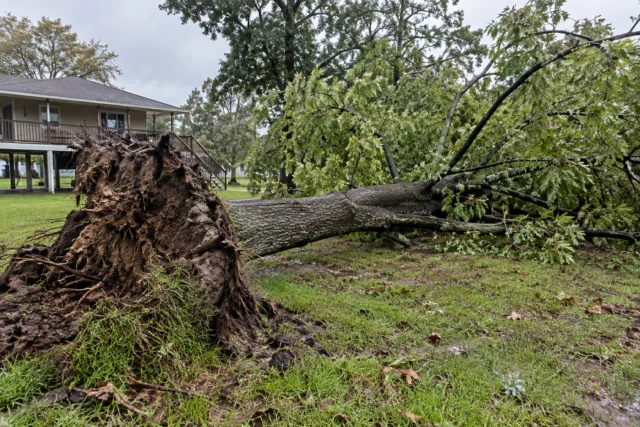
Defining a measurable municipal tree removal scope
A municipal removal description needs more than a species name and a rough trunk diameter. Establish the tree location with a map or numbered field schedule, the intended removal limits, and whether stump work is part of the same item. A clear distinction between cut-to-grade, stump grinding, root handling and debris haul-off prevents a seemingly complete bid from omitting the finish that matters to the public agency.
Record nearby overhead conductors, traffic lanes, bus stops, sidewalks, drainage inlets and accessible routes without promising which authority can close or relocate them. Identify any required coordination with utilities or a traffic-control provider as a scope dependency. A contractor should not be expected to assume that a lift, crane or grapple-saw staging area is available merely because the tree can be seen from the road.

Separate site constraints from the work quantity
Where a bid uses units, explain how each unit will be verified. Per-tree work may need a numbered acceptance list, while debris removal may use documented loads or another defined method. If quantity estimates are preliminary, state which measurements are estimates and the procedure for approved adjustments. This is especially important when a field walk reveals hollow sections, retained fencing or inaccessible root flares.
Specify the desired finish separately from the removal technique: level debris-free work zone, protection of nearby public features and a documented handoff with photographs of the completed condition. Include a change-condition pathway for newly discovered defects or severe weather rather than relying on informal verbal direction. Tree risk, access and disposal should be discussed before a public buyer compares bids on price alone.
Make utility coordination a defined precondition
Trees in a municipal corridor may be close to electric distribution, street lighting, telecommunications and buried services. The scope must distinguish the tree contractor's responsibility from the utility's authority over its own infrastructure. Existing clearances do not establish that a line is safe to approach. The procurement documents should specify utility contacts, marking responsibilities and any prerequisite de-energization or qualified line-clearance arrangements.
For underground work, public locating processes and private service investigations may both be necessary. Provide available drawings and ask bidders to state assumptions about unmarked infrastructure. If an unexpected line is found, the field crew needs authority to stop affected work and request direction. Build a documented pathway for changed scope and schedule rather than expecting the contractor to absorb every unknown condition in a unit price.
If the agency needs a formal tree condition assessment, describe its required qualifications and deliverable rather than assuming a removal invoice is an assessment. Likewise, ask for insurance and compliance documents appropriate to the procurement without publishing fictitious insurance numbers or certifications. Distinguish bidder-provided evidence from buyer verification. A practical reporting format makes it easier to audit progress without collecting unnecessary personal information from residents or site users.
Create clear unit prices and an approval method for changes
Tree quantities and site conditions may vary after procurement. A useful schedule of values could distinguish specific tree size categories, accessible versus constrained locations, stump work or debris hauling, but only when those categories correspond to measurable work. Avoid artificially precise prices derived from a tree photograph. Explain how quantities will be measured and who confirms them. State whether traffic control, permits and mobilization are included or separately compensated.
Changed work should have a defined authorization path before it proceeds, except where an established emergency order applies. A field note, photograph and revised price may be needed when a listed tree is inaccessible or additional material is discovered. The person approving a change should be named by role in the contract. A clear variation process is more effective than a broad statement that the contractor must do whatever is necessary regardless of the original limits.
Finish with inspection and a defensible acceptance record
Final acceptance should connect each authorized item to actual work performed. The agency representative can check that the listed tree was removed or treated as specified, debris left the work area and agreed protections or surface repairs are complete. Any unresolved work should appear on an exception list with a responsible party and next step. Reopening a road, park or public path may require a separate authority decision after the contractor has finished its tree work.
For an early vendor inquiry to Tree Huggers, send the draft inventory, location map, procurement timeline, access requirements and the approval process already established by the agency. Ask the company to identify what further information is needed to quote an actual defined scope. Do not represent a request for information as a contract award or a promise of availability. A strong municipal scope is specific enough to price, flexible enough to handle justified changes and accountable enough to verify afterward.
Turn discovery answers into priced municipal work items
A municipal removal scope needs a stable tree number, reason for work, limits of pruning or removal, access conditions and a documented finish. If separate stump removal, haul-off or surface restoration will be required, identify them as separate measurable tasks rather than hiding them under a broad phrase such as complete tree work. This gives both bidders and the owner a defensible comparison.
Use a clarification matrix when site conditions are not yet verified. A bidder should not be forced to guess who may close a lane, who can authorize work near utilities or which trees must be retained. When the buyer is still exploring equipment options, market capacity or potential procurement methods, the companion RFI guide belongs earlier in the process than a final bid scope.
- Cross-check each line item against the marked tree list and a safe site photograph.
- Specify who decides whether a field discrepancy changes the authorized work.
- Separate public access control from the tree contractor's cutting and cleanup boundaries.
Questions about this project
What should a government buyer send first?
Send the agency or prime contact, project reference, site, scope, deadline, access conditions and required documents or submission format. Identify the authorized contact for questions and the buyer's process for clarifications.
Does a capability page prove contract eligibility?
No. Request and verify current documentation relevant to the particular opportunity. Registration status, certifications, licensing, insurance and availability should not be inferred from a broad marketing statement.
Is a total tree count enough for a large quote?
Usually the parties also need locations and tasks. Use consistent tree numbers, marked photos or a site plan so the estimate and crew instructions refer to the same trees and retained areas.
Does a work inventory include a condition assessment?
Only if that service is expressly part of the scope. A list used to identify and price tasks should not be mistaken for a documented assessment of every tree's condition or risk.
Can the crew block a public sidewalk or road?
Required arrangements must be coordinated with the appropriate authority. Identify public routes and restrictions before scheduling. A private work agreement should not be treated as automatic permission to occupy or close public space.
When should parked vehicles be moved?
Set the timing and responsible contact before the work window. Vehicles may need to leave the tree zone, equipment route and loading area. Confirm where access must remain available during each phase.
How should extra work be approved?
Use the agreed approval process and identify the change, reason, scope, price or schedule effect as applicable. Confirm who has authority before treating an additional tree or task as part of the original job.
What completion records are useful?
Keep the agreed scope, tree or area identification, authorized changes, invoice and labeled photos where appropriate. Include unresolved items and a contact. Contract-specific records should follow the buyer's stated requirements.
Does cleanup include every root and wood chip?
That depends on the written scope. Tree removal, stump grinding, chip hauling and root excavation are different tasks. Ask what material is removed, what remains and whether soil or landscape restoration is separately included.
What should a final walk-through check?
Compare the identified trees and tasks with the agreement. Check agreed debris handling, stump treatment, access openings and any listed restoration. Record unresolved items clearly instead of relying on a general impression that the property looks finished.
What should I tell Tree Huggers about writing a municipal tree removal scope?
Explain the property address, the work you want and the specific concerns: tree schedule, public access, completion criteria. Send safe photos of the tree, surroundings and access route. The contractor can then discuss the assessment and scope needed for this situation.
How do I request an estimate for this work?
Call 504-458-8336, text photos or use the estimate form on this page. Include the address, desired outcome and any timing constraints. The company will need to review scope and availability; an online request does not confirm a price, appointment or emergency dispatch.
Get a scope for your property
Share the tree schedule, access limits and desired stump/debris finish to request a scoped tree-work review.