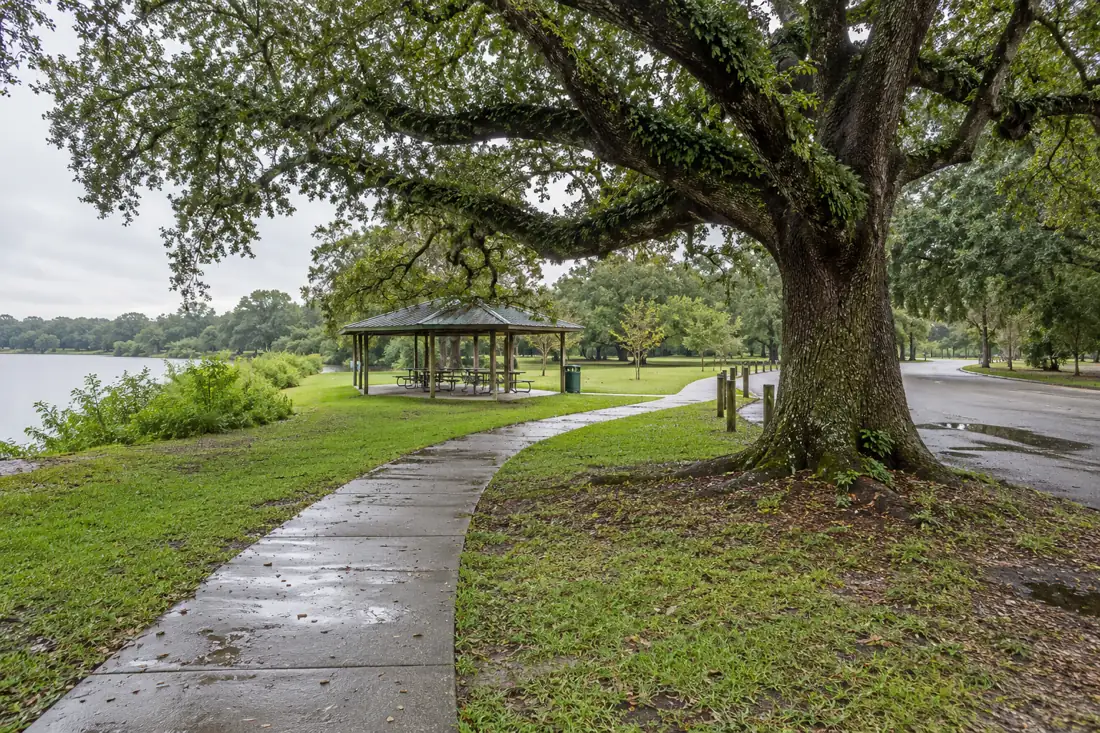
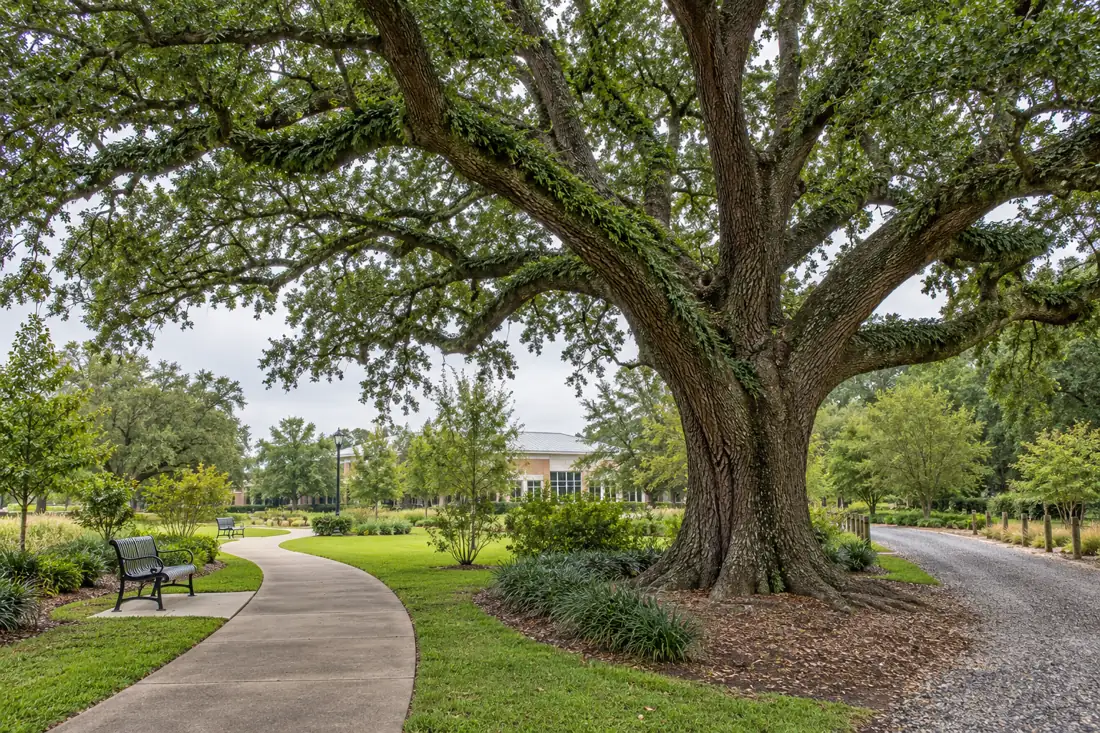
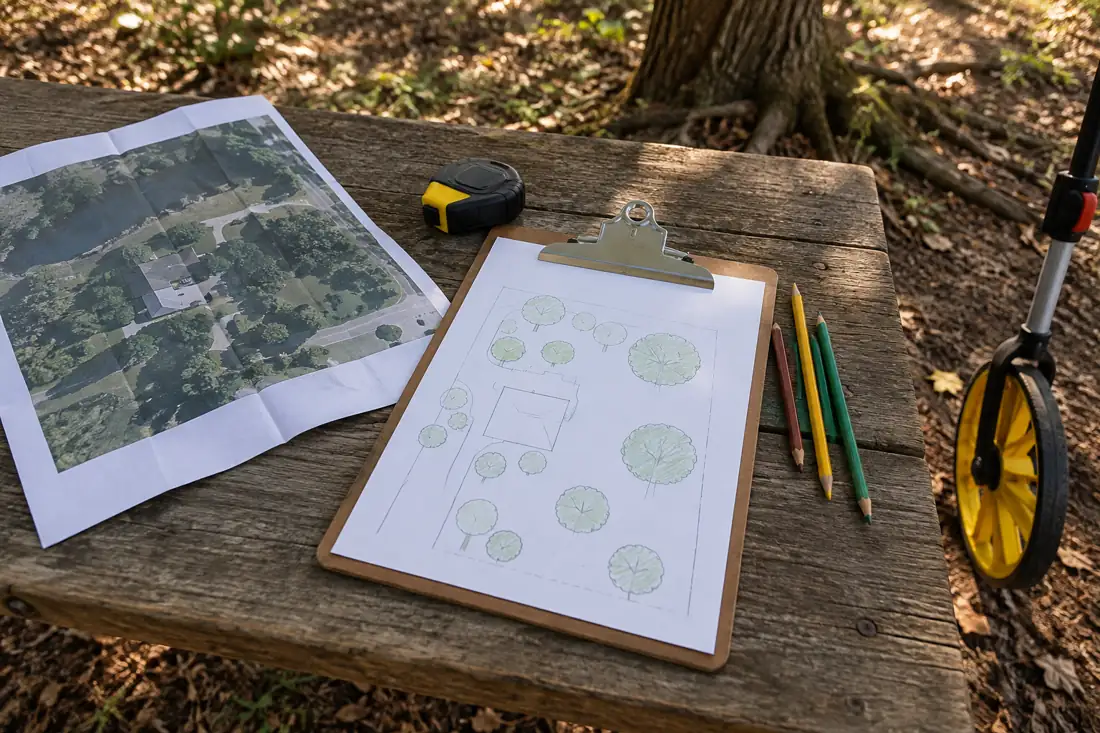
Public tree-work acceptance should be based on a defined contract scope, an identifiable work location, and evidence of the finished condition. A buyer should not confuse a crew leaving the site with a formal completion decision.
Public buyer closeout: document work, limits and unresolved items
A public-agency tree work completion record should connect each finished item to the authorized scope. Keep the site or work-order identifier, location, before and after photographs where safe, actual work performed and the date of site verification together. That makes later questions about debris disposal, a missed stump or a reopened pedestrian route easier to resolve than a general statement that all trees were handled.
Separate substantially completed operations from items requiring additional authorization. A contractor may finish the hazardous limb removal while stump grinding, replacement planting, pavement repair or a new tree assessment remains outside the original scope. Those exclusions should not be hidden inside a broad completion checkbox. Where work was performed near roads or occupied facilities, record the temporary access restrictions and who cleared the contractor’s work zone.
The buyer should review quantities and locations against the contract’s measurement method, not infer them from photographs. Verify required disposal tickets, work logs, change approvals and punch-list items only to the extent the contract calls for them. A clear closeout helps procurement, maintenance and field personnel distinguish accepted work from future maintenance without inventing guarantees or retroactive approvals.
Match every tree or work zone to a location
Public properties often contain several similar trees, multiple gates, or long road segments. Use the existing tree numbers, station references, building names or mapped zones to confirm the crew worked at the intended location. The reviewer should not have to guess which oak a photograph represents. A location schedule can show completed, partially completed, not accessible and pending items separately, with comments explaining why a location could not be finished.
For a multi-site contract, a single overall completion claim can hide unfinished work at an outlying property. Ask for site-by-site confirmation and evidence appropriate to the task. If the scope was altered in the field, the change should identify the original item and replacement or additional work. This gives purchasing staff a record they can reconcile with invoices, while grounds staff retain a useful history for future inspections.
Site-specific planning checkpoint: A completion inspection for public tree work should compare the delivered work with the marked limits, preserved trees and approved changes rather than rely on a tidy panoramic image. Walk the property in a consistent order and record unresolved stubs, debris, surface ruts, blocked storm inlets and impacts to sidewalks, signs, fences or irrigation. Compare observations with pre-work photographs before attributing every existing defect to the contractor. Confirm which wood piles, mulch, stump fragments or landscape restoration items were explicitly included. Keep pedestrians out of unresolved hazards and route any structural or electrical concerns to a qualified party. A punch list should identify each location, needed correction, responsible reviewer and acceptance date. A successful visual check supplements, but does not replace, the contract’s documented acceptance process.

Review pruning outcomes without treating shape as proof of safety
Completed pruning should be considered against the agreed branches, clearance objective and tree-care approach. Ask whether the intended pedestrian or equipment clearance was achieved and whether cuts appear consistent with the stated work. A tree can look visually neat while retaining a concern outside the pruning scope. Conversely, natural asymmetry is not evidence that the job was incomplete. The buyer should separate workmanship questions from any broader tree-risk assessment.
If the proposal included a qualified assessment or written arborist findings, verify that the specified deliverable was actually supplied. Do not assume an ordinary work invoice certifies future tree stability. Mature trees may need monitoring, preservation work or independent review beyond the completed task. Record remaining issues, the person responsible for deciding next steps, and any site-use limitation. Acceptance of completed pruning should not erase an unresolved condition that was never part of the contracted operation.
Begin the closeout review with the signed scope
Bring the approved tree list, map, work order, pricing schedule, and written changes to the inspection. The reviewer should know which limbs, trees, stumps and debris tasks were actually purchased. A photograph of a clean lot cannot establish that all numbered trees were addressed. Check the scope line by line and distinguish work ordered from recommendations that were deferred, declined, or assigned to a different contractor. A previously discussed idea is not automatically a contract obligation.
If the agreement called for pruning specific branches rather than general canopy shaping, compare the result to the stated objective. If a removal proposal included stump grinding, confirm the specified depth and finish rather than assuming the trunk cut alone was sufficient. Any substitutions should be supported by buyer-approved changes. A checklist tied to scope language is more useful than a generic “work complete” box that does not identify what was inspected.

Inspecting the Finish on a Public Tree Contract
Begin the acceptance walk with the approved location map and the work descriptions, not just a general impression of the property. A park can look clean while a numbered tree remains unaddressed; another tree may appear altered even though it was excluded from the contract. Walk the route from ordinary public access points and match visible changes to each authorized task. Take contextual photographs from a safe position that another reviewer could repeat.
For pruning, compare the treated branches with the stated objective instead of judging success by canopy symmetry alone. For removal, distinguish trunk removal from stump treatment, root excavation and full landscape restoration. Those are not interchangeable deliverables. Inspect surface damage and material placement against what the contract actually required, and recognize that some subsurface conditions are not visible from an ordinary walk. Do not represent a visual review as a certified tree-risk determination.

Public buyers should connect the completion review to tree identifiers, approved scope, locations and authorized changes. A clean-looking site is not proof every contractual task was completed, especially when work involved multiple trees or restricted areas. Walk the accessible route and record any unresolved debris, surface condition or access restriction with the appropriate site contact.
Keep inspection notes and work photographs associated with the correct area, and distinguish informal observation from a professional tree-risk assessment. If the contract includes retained-tree protection, pavement repair or return visits, review those deliverables separately. Acceptance criteria should come from the actual agreement, not a generic checklist.
Check acceptance by line item rather than appearance
A practical checklist should distinguish accepted work, incomplete work, observed damage and items that could not be inspected. If the buyer requested restricted access hours or pedestrian protection, review whether the handover route is open and whether equipment, chips or barriers remain in circulation space. Tie each exception to its tree or zone number. This creates a usable follow-up rather than an ambiguous instruction to improve the site.
After review, assign any corrective action to the appropriate party and confirm how acceptance will be recorded. Retain relevant before and after images with the same tree identifier but do not edit them to exaggerate the result. A site photograph may document where work occurred without proving method, compliance or unseen conditions. The closeout record should preserve that distinction so future maintenance decisions are not based on implied assurances.
Verify material handling and disposal requirements
A public buyer may require that wood be hauled to a specified facility, that chips be retained in a designated area, or that vegetative loads be documented. Review the actual agreement for those obligations and request the specified records. If a contractor used a receiving facility, match load tickets or receipts to the project when required. A photograph of an empty pile location proves only that the material is no longer visible there, not where it ultimately went.
For projects with separate cutting and hauling vendors, note exactly when material custody transferred. A remaining pile may be acceptable under one contractor's scope but still require a scheduled pickup from another. Clarify whether small branches, bark, sawdust or stump grindings were included. Receiving-site requirements and record formats should come from the buyer's actual contract rather than a generic assumption about all public work.
Close out public-site work by location
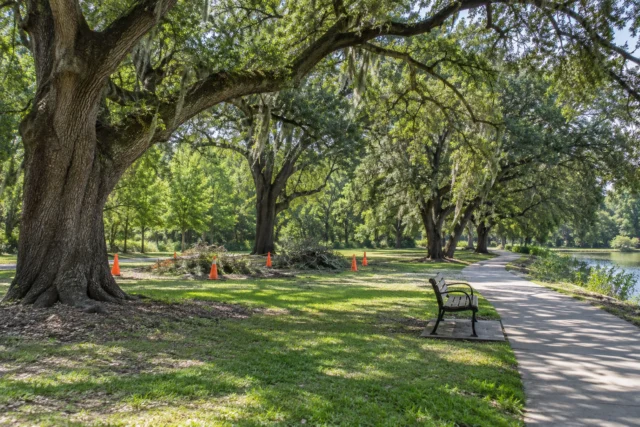
A shaded path in a public park illustrates why acceptance should be tied to documented work locations and remaining public access needs. Compare each identified tree or area to the agreed scope, photograph the finished condition where permitted and record unresolved cleanup or access restrictions. A path that appears clear in one image cannot certify the work as complete or prove the underlying trees are free of hazards.

Compare completion to the authorized scope: Public tree-work completion should be checked against the original authorization, not just a clean-looking photograph. Start with the tree list and line items: removal, pruning, stump treatment, loading, disposal, barrier removal, sweeping and restoration. For each location, confirm the actual completed activity and note any exception such as a blocked gate, inaccessible stump or utility clearance delay. Compare final images to the same mapped location and, where practical, similar camera direction as the initial record.
Check the work area from ordinary access routes
A final inspection should consider entrances, walkways, ramps, parking aisles, service routes and occupied spaces that were affected by the operation. Verify that agreed brush and woody debris have been handled and that temporary material piles do not block drains or accessible routes. Do not enter a restricted area or pass under a questionable remaining limb merely to finish the checklist. The site owner should manage access until the appropriate person determines the area may be used again.
Where the contractor used equipment across lawns, courtyards or paved drives, note visible rutting, surface damage, disturbed fencing or affected landscape features. The contract decides what restoration was included; the reviewer should distinguish existing defects from changes that may have occurred during the work. A clear exception note is fairer than asserting causation without evidence. The presence of tracks does not by itself establish who made them, but an observed condition can be recorded for discussion.
Confirm removal, stumps and retained-tree protection
Where a tree was removed, confirm the correct tree and the agreed treatment of the remaining stump. “Cut near grade,” “grind below the specified finish surface,” and “remove roots” describe different work, costs and consequences. If stump grinding was included, ask where the grindings go and whether backfill or surface preparation is a separate obligation. Do not expect an undocumented depth or final grade that was not in the written purchase scope.
Also inspect trees that were supposed to remain. Their trunks, roots and surrounding soil may have been close to equipment or temporary storage. A closeout note can record obvious visible changes or damaged protective fencing without pretending to verify concealed roots. If a later construction trade will operate in the same area, transfer protection requirements to that contractor. The end of tree removal is not automatically the end of the responsibility to protect adjacent living trees.

Make the documentation usable for future maintenance
Organize work photographs by site, tree number, date or relative stage, and the operation shown. Keep original project images distinct from edited marketing graphics or hypothetical planning illustrations. If a photo does not show the entire tree, include a labeled wider view or note the limitation. Store the approved scope, change records, material receipts, contact notes and acceptance decision according to the buyer's retention policy. Do not fabricate camera GPS or imply observations no one documented.
The final record can guide later inspection schedules, drainage or facility projects, and requests for new estimates. If a tree still needs monitoring, identify who owns that follow-up and what prompted the recommendation. A contractor's completed-work record should not promise that future storms cannot cause damage. What matters is that the agency can reconstruct the decision, see the work that was performed and understand the unresolved items without relying on someone's memory months later.
Review approved changes and unresolved items
Field changes occur when access differs from the estimate, a tree has concealed damage or site conditions make the original method impractical. The closeout record should list the issue, who authorized the adjustment, and the effect on the work. If a new tree was removed or an operation omitted, the buyer needs that decision linked to its approval trail. Informal conversations should not replace a written change where the contract requires one.
Use a short punch list for unfinished or disputed work, each item with a location, description, responsible party and next decision. Avoid labeling every difference as contractor fault before reviewing the initial scope and site baseline. A damaged irrigation head, missing permit document, uncollected log and remaining hung limb are different kinds of exceptions and may require different action. Closing everything as “minor cleanup” hides important operational distinctions.
An educational illustration or a resized derivative is not evidence that real field work occurred. The public buyer should distinguish contractor self-checks from formal inspection or acceptance. A final walk can review reopened accessible routes, remaining hanging material, exposed roots, ground rutting, chips in drains and leftover temporary signs. Disputed quantities or omitted work belong in a tracked punch list with a responsible party and follow-up channel. Completion records should preserve uncertainty honestly instead of declaring every tree safe for all future conditions.

Use an exception list instead of a blanket completion statement
A final walkthrough should produce a usable record, not an unsupported statement that every location is complete. Record exceptions where they occur.
- Compare by location: Walk the agreed tree and work-zone register from the accessible route, checking the actual operation at each location. A tidy entrance does not prove a remote stump, retained tree or disposal item has been completed.
- Record open items: Keep an exception row with the location, agreed requirement, observed condition, safe photograph and responsible decision maker. A separate follow-up request is more useful than a vague note that the property is unfinished.
- Close by authority: Distinguish crew departure, owner inspection and contractual acceptance. Document the buyer's actual sign-off or pending correction path, including unverified areas. Do not treat invoice receipt or a public website form as acceptance of the work.
A public buyer can share a redacted location-by-location exception list without exposing staff contact details or protected facility information.
Assign the acceptance decision to the correct person
A site custodian may observe cleanup, but purchasing, facility operations or a project manager may be responsible for formal acceptance. The contract should identify the approver and what evidence they require. If an inspection occurs after hours, document who had access and whether any area remained closed. Removing safety barriers should follow the owner's site procedure. A worker leaving the property is not the same as the public authority reopening it.
Where work was performed under a prime contract, clarify whether Tree Huggers submits records to the prime or directly to the public agency. Do not bypass the buyer's payment or closeout process. If required certificates, affidavits or other documents have not been supplied, record that as a document issue without claiming an inspection failure. Keep the acceptance date tied to the authorized sign-off rather than inventing it from a photograph timestamp.
Prepare a precise follow-up request
To resolve an incomplete item, provide the original location number, approved scope line, a safe current photograph and a clear question about the expected finish. If new tree work is needed, request it as a new or amended scope rather than assuming it was included. Share the public agency's approved contact information and practical access limitations. Do not upload private procurement records, visitor details or security credentials through an ordinary website inquiry.
Tree Huggers can review its agreed work and discuss next steps for tree services, subject to the actual contract and current availability. Its public form does not establish acceptance, release of payment, response guarantees or a completed risk assessment. The public buyer should preserve its own approval and recordkeeping requirements. A useful closeout leaves three things unambiguous: what was authorized, what was done, and what still needs an accountable decision.
Closeout is an acceptance decision, not a pile-of-photos test
The public owner should compare the finished site against the original authorized tree list, subsequent approved changes and agreed restoration criteria. A clean-looking lawn does not prove the correct tree was pruned or that a protected root zone was undisturbed. Review individual line items, document exceptions and identify who has authority to accept, defer or reject a task.
Preserve a clear punch list with the tree number, observation date, responsible party and reinspection requirement. Material or debris tickets belong in the supporting record where the contract calls for them. The companion vegetative-debris guide explains how loads and destinations should be traceable without treating them as proof that every tree-work item was completed.
- Keep completed, disputed and deferred items in separate states.
- Attach safe before/after views to the exact tree or work-area identifier.
- Preserve the approving authority and date for each closeout decision.
Questions about this project
What should a government buyer send first?
Send the agency or prime contact, project reference, site, scope, deadline, access conditions and required documents or submission format. Identify the authorized contact for questions and the buyer's process for clarifications.
Does a capability page prove contract eligibility?
No. Request and verify current documentation relevant to the particular opportunity. Registration status, certifications, licensing, insurance and availability should not be inferred from a broad marketing statement.
How should extra work be approved?
Use the agreed approval process and identify the change, reason, scope, price or schedule effect as applicable. Confirm who has authority before treating an additional tree or task as part of the original job.
What completion records are useful?
Keep the agreed scope, tree or area identification, authorized changes, invoice and labeled photos where appropriate. Include unresolved items and a contact. Contract-specific records should follow the buyer's stated requirements.
Does cleanup include every root and wood chip?
That depends on the written scope. Tree removal, stump grinding, chip hauling and root excavation are different tasks. Ask what material is removed, what remains and whether soil or landscape restoration is separately included.
What should a final walk-through check?
Compare the identified trees and tasks with the agreement. Check agreed debris handling, stump treatment, access openings and any listed restoration. Record unresolved items clearly instead of relying on a general impression that the property looks finished.
Is a total tree count enough for a large quote?
Usually the parties also need locations and tasks. Use consistent tree numbers, marked photos or a site plan so the estimate and crew instructions refer to the same trees and retained areas.
Does a work inventory include a condition assessment?
Only if that service is expressly part of the scope. A list used to identify and price tasks should not be mistaken for a documented assessment of every tree's condition or risk.
Does stump grinding remove the entire root system?
Grinding normally addresses an agreed stump area and depth. It should not be assumed to extract every underground root. Describe your future use of the site and ask what additional work or coordination is needed.
Can the area be paved or planted immediately afterward?
That depends on the intended project and the agreed finish. Chips, remaining roots, excavation and soil preparation may need separate attention. Coordinate the grinding scope with the installer who is responsible for the next phase.
What should I tell Tree Huggers about tree work completion checklist for a public buyer?
Explain the property address, the work you want and the specific concerns: acceptance criteria, unresolved items, required records. Send safe photos of the tree, surroundings and access route. The contractor can then discuss the assessment and scope needed for this situation.
How do I request an estimate for this work?
Call 504-458-8336, text photos or use the estimate form on this page. Include the address, desired outcome and any timing constraints. The company will need to review scope and availability; an online request does not confirm a price, appointment or emergency dispatch.
Get a scope for your property
A public-buyer closeout inquiry should include the approved scope, work-zone list and safe photographs of specific exceptions.