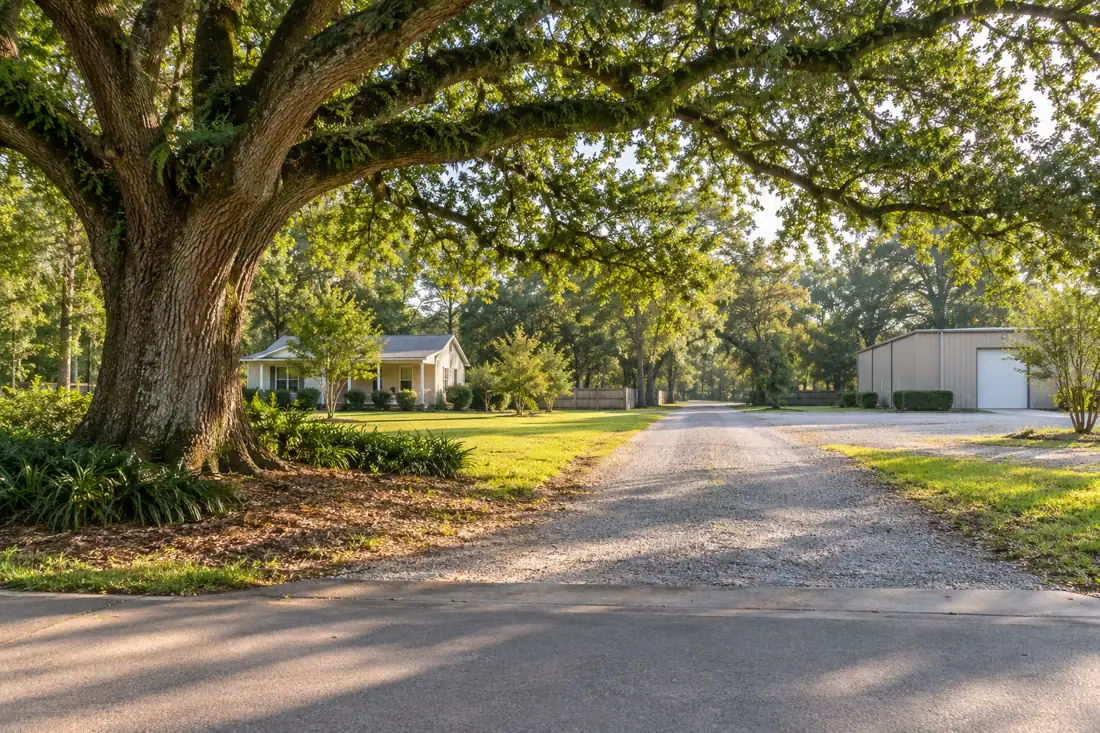
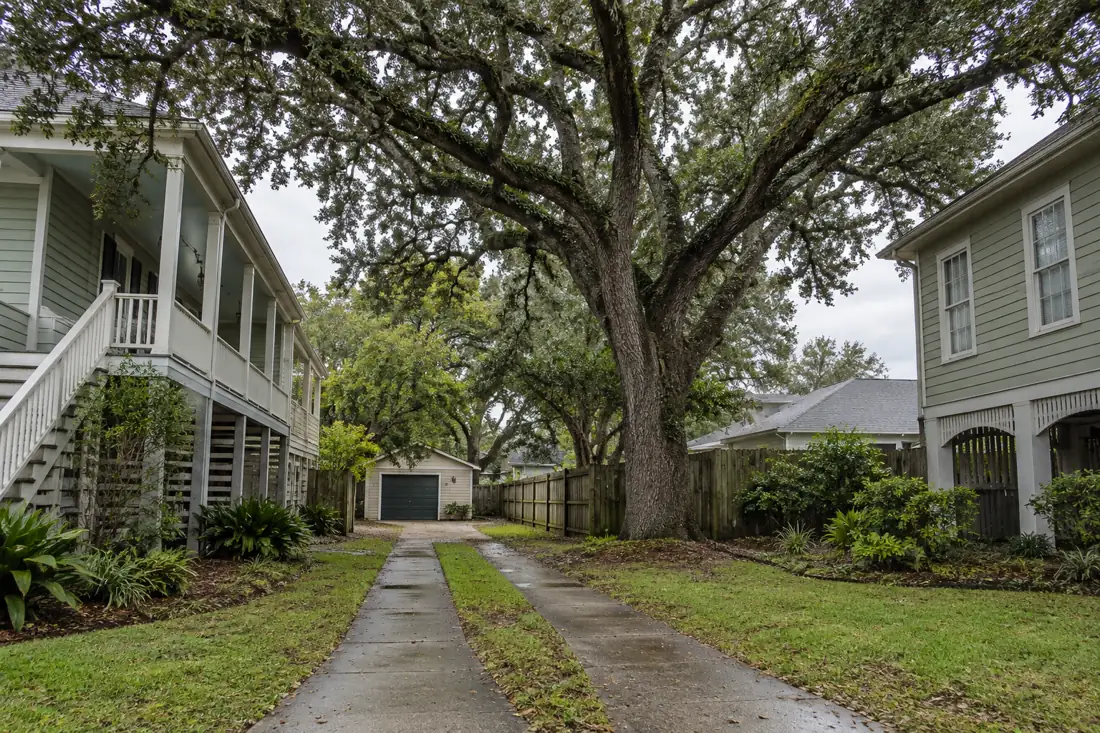
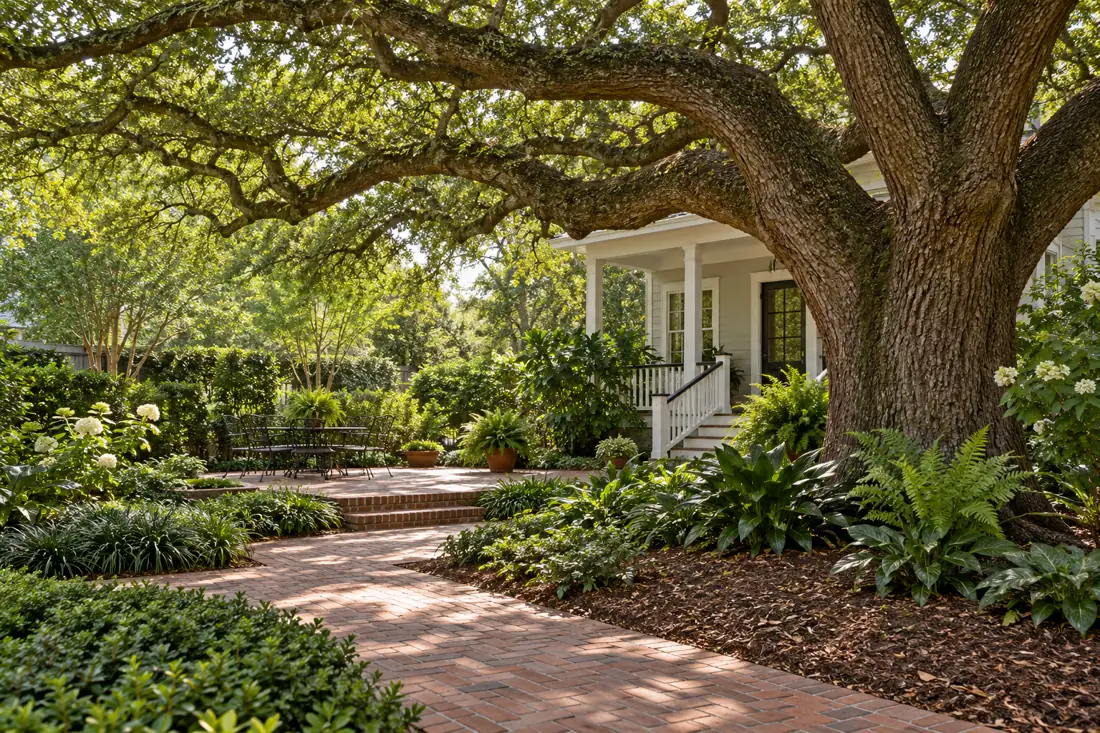
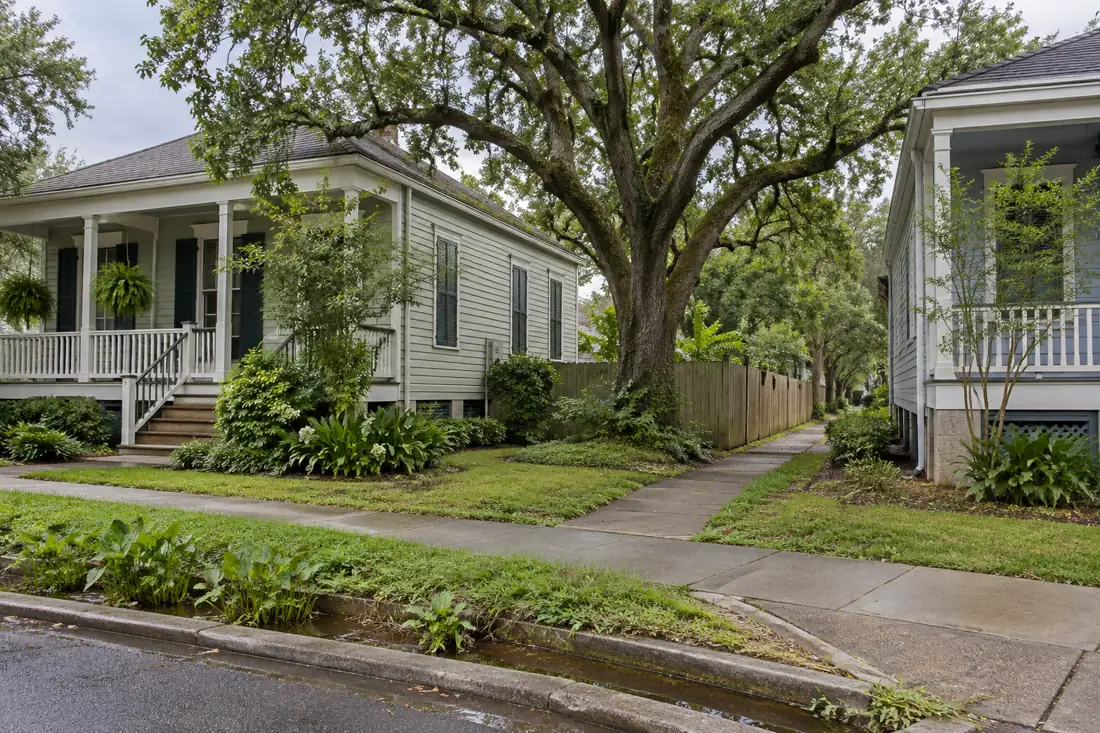
A double or small multifamily property may have several occupants using the same yard, driveway or walkway. Identify the authorized owner or manager and the routes each household needs. Tree work should be coordinated around occupancy and access, with the approved trees and cleanup clearly described.
Site-specific planning checkpoint: For a double or small multifamily home, establish one authorized decision-maker while recognizing that several households may need entry, parking and safe access. Mark each unit’s doorway, common walkway, gates and shared utility or parking areas on the site plan. Request information about mobility needs or essential access arrangements without collecting sensitive personal details in analytics. Identify which trees are included and which service requests come from individual tenants rather than the owner or manager. Schedule noisy or access-restricting operations with practical notice, but do not promise an exact completion time when conditions may change. The contractor should explain whether sections of the yard, driveway or stairway must be temporarily unavailable. Confirm who will move vehicles or outdoor belongings, and separate tree removal or pruning from property repairs and tenant communications. Save one accepted scope for everyone involved.
In a double or multifamily property, the person reporting a problem may be a tenant, owner, property manager or member of an association.
Define authority when several households share a property
Tree work at a duplex or multifamily home should begin with a clear answer about who may authorize the project. An owner, property manager, tenant and association representative may all have opinions, but their rights are not interchangeable. Identify the contracting party, the affected parcel and any shared courtyards or easements before scheduling cutting. A tenant's concern about a branch is useful information, not by itself permission to remove a jointly controlled tree.
Ask for a single project contact who can approve site access, answer scope questions and distribute factual updates to occupants. Record which units use the driveway, outdoor storage, laundry path or shared entrance near the work zone. When property control is unclear, pause the affected portion until it is resolved. A properly scoped estimate can still describe potential methods while distinguishing them from authorized work.
Treat shared outdoor space as an operating property
At a double or small multifamily home, one driveway may serve several residents while the tree stands beside a common walkway, trash area or meter bank. Build a simple access chart showing which households need each route and when vehicles normally move. The tree crew should be given the actual entrance and staging arrangement rather than being told to use whatever gate is open.
If a tenant works nights or relies on an accessible path, the responsible manager should plan the temporary closure around that need. The absence of a car at the estimate visit is not evidence that the driveway can be blocked all day.

Map individual entrances and shared escape routes
Two front doors may be obvious from the street, while a rear apartment depends on a side passage hidden behind a fence. Walk each occupied entrance and identify gates, steps, wheelchair access, shared stairs and routes emergency responders may need. A branch landing zone cannot be treated as empty merely because the owner does not normally use it. Show the crew where each resident needs to travel during the day.
Plan a temporary route or a specific period of exclusion for each affected area. If no safe substitute entrance exists, coordinate with the people responsible for occupancy and access rather than promising everyone can come and go normally. Written notices should explain the expected interference and whom to contact, without publishing residents' names or contact details on public-facing project pages.
Give every occupant a workable access plan. Multifamily tree work may block parking, doors, shared paths and courtyards. Determine who can approve the scope, who needs advance notice and how emergency access will remain available. Route debris away from entrances and consider residents who are absent during the work. Document shared-area conditions without collecting unnecessary personal details.
Handle neighboring property and utilities separately
Branches can cross property lines, but that does not automatically determine who may authorize removal of a shared or boundary tree. Identify the apparent trunk location and request appropriate ownership or legal clarification before work that could affect another parcel. Utility lines, exterior air-conditioning units, meters, balcony rails and shared fences also need to be recorded during access planning.
A contractor can discuss methods and constraints, while questions about title, leases or association authority belong with the proper decision-maker. Do not promise residents that every overhanging branch can be cut back to a line regardless of tree health or local restrictions.
Coordinate multifamily tree work through the right person
In a double or multifamily property, the person reporting a problem may be a tenant, owner, property manager or member of an association. Confirm who has authority to approve cutting and authorize access. Map shared gates, meters, stairways, parking spaces and patios. Shared spaces can affect several households even when the tree appears to stand beside one unit.
Separate the actual tree objective from individual residents' concerns. Work above one entrance may need a different safe route than material movement along a second unit's garden. Ask the authorized representative to coordinate access and notices without publishing residents' private contact details in photographs or website analytics.
The scope should identify one responsible project contact, expected access conditions, what happens to cut material and any separate permissions required for neighboring property. Avoid promising exact response times, insurance outcomes or approvals. A clear approval chain helps reduce schedule conflicts without inventing a completed job history.
Inventory trees against buildings and unit boundaries
Make a small tree schedule with a stable identifier, approximate location, visible condition and proposed service for each tree. Describe overhangs above particular roofs, balconies, shared patios and common fences so the estimate does not accidentally treat separate hazards as one job. A mature canopy may cover several residences even when the trunk stands on one side of a property line.
Where a tree leans toward multiple buildings, request a qualified assessment instead of inferring its safety from a single photo. Separate routine clearance pruning from evaluation of defects, storm damage or root disturbance. This avoids turning every neighbor complaint into a removal recommendation and helps an owner budget the work that is actually justified by tree condition and property use.

Coordinate notifications without creating false guarantees
Residents deserve useful notice about equipment arrival, noise, blocked parking and restricted outdoor areas, but exact operating times depend on weather and safe work conditions. Provide a reasonable work window and updates when the plan changes. Avoid promising a silent morning or uninterrupted vehicle access during a job involving saws, chippers and controlled branch lowering.
Choose one way for occupants to report an unexpected access issue to the authorized manager, while keeping actual exclusion-zone decisions with the crew. If a resident has mobility needs or scheduled deliveries, the manager can pass along the practical constraint without unnecessarily disclosing private details. Good communication reduces conflict; it does not replace barriers, spotters and safe cutting procedures.
Agree on shared-use access at a double or multifamily home
At a double or other multifamily property, one tree may affect two entrances, shared parking, balconies, several vehicles and different occupant schedules. Map each resident's normal access rather than assuming a single owner approval resolves the practical workday. Identify clotheslines, AC units, outdoor meters, shared fences and low overhangs in the potential work zone.
Safe photos from each accessible side can help the contractor identify whether wood or equipment must cross a shared area or whether residents need to move belongings before a visit.
Plan a multifamily tree job around every household's usable entrance
A double, duplex or small apartment building can share one driveway, rear gate, courtyard or parking strip while occupants use different doors. Begin with a sketch showing the tree, trunk position, entrances, stairs, meters, overhead wires and ordinary walking paths. Ask the property manager or owner which areas are common and which are leased or controlled separately.
A tree that overhangs a neighboring unit can create an access issue even when the base is entirely inside a shared yard. Occupants should not be told to walk beneath suspended wood or through equipment staging to reach their homes.
Before the estimate, distinguish routine pruning from urgent damaged-tree response and tell the contractor if residents have mobility requirements, children, pets or scheduled deliveries. Establish who will deliver notices and which person can authorize a temporary parking or entrance restriction; the tree crew should not assume every tenant can approve work.
Where a machine route crosses another unit's private patio, record permission before it is treated as available. Ask for a scope that identifies cleanup, debris removal, temporary access protection and the point at which each entrance is safely returned to use. Do not promise dates or guaranteed access until the actual work method is evaluated.
Inspect gates, fences and equipment turning space
A narrow side gate, low balcony or parking court may make a truck-based approach impractical. Measure clear passage width and height and identify steps, soft surfaces and overhead obstacles. The crew should verify these dimensions on site before selecting a machine, not rely on a photograph that makes a compact courtyard appear larger than it is.
Where equipment must pass shared fences or landscaping, agree on a route and document pre-existing marks before work. A controlled hand-carry route may protect a surface but increase labor and the number of trips. The written estimate should make these differences visible rather than stating only that machinery will be brought to the back yard.

Coordinate Tree Service for a Double or Multifamily Property
A double, duplex or multifamily home can have more than one household affected by a single tree. Identify the person authorized to approve work and the spaces each resident uses, including entrances, parking, outdoor storage and shared walkways. A maintenance request from one unit does not automatically establish permission to access the other. Provide the contractor with a contact structure for approvals, but avoid sharing tenants' private information beyond what is necessary to coordinate authorized site access.
Take pictures that show the full tree against all relevant roofs, porches, stairs and building services. A limb over one entrance might influence the safety plan for both households. Mark any door that must remain usable and any temporary access restriction that needs advance coordination. Avoid promising exact arrival or completion times to residents until the work method, weather and equipment arrangements are confirmed. Notices should tell people what action is expected, not merely announce that a tree crew is coming.

Keep every household informed without confusing authority
Discuss where vehicles can be relocated, whether shared garbage collection will be affected and how branches will travel without entering neighboring balconies or patios. If the building has common wiring, meters or overhead feeds near the tree, that requires the right utility coordination. The same is true for decks and roof systems: tree contractors should not be assumed to inspect or repair those building components. Ask for a practical material-handling route, with an alternative when a narrow side passage cannot be used.
Write the final scope so an owner or manager can tell what is included for the common area and what is not. Include any necessary resident preparation, the tree treatment, debris and stump decisions, and how the site will be checked when work ends. A clear document prevents the same work from being described differently to multiple households. If any resident identifies an access concern, settle the authorized route before equipment arrives rather than improvising through an occupied living area.
Manage parking spaces and resident vehicles
Some multifamily properties have assigned spaces and others use an informal shared driveway. Determine who controls moving vehicles and whether a truck can safely turn without blocking the only exit. Mark hydrants, utility meters, bicycles and refuse bins that occupy the planned access. Leaving vehicle movement until the crew arrives can make a safe plan impossible.
Communicate any requested parking changes through the authorized property contact and provide alternatives when practical. Do not move a tenant's car or personal belongings without permission. If a vehicle remains inside a necessary work zone, stop that portion and reassess the schedule or method rather than shifting ropes or branch drops around it.
Consider roofs, utilities and shared systems
Apartment buildings often have separate utility meters, exterior service conductors, air-conditioning equipment and satellite or communications lines clustered near the same tree. Record these features without touching or approaching electrical hazards. Work near energized lines may require coordination with the utility or a qualified line-clearance professional, regardless of how urgent a pruning request feels.
Also locate shared sewer cleanouts, drainage grates and buried irrigation where stump work or stabilizers might be placed. A tree contractor can adjust its plan to avoid a known obstacle, but cannot guarantee protection of an unlocated private pipe. Put uncertain underground locations on the pre-work checklist rather than assuming the owner has provided every detail.
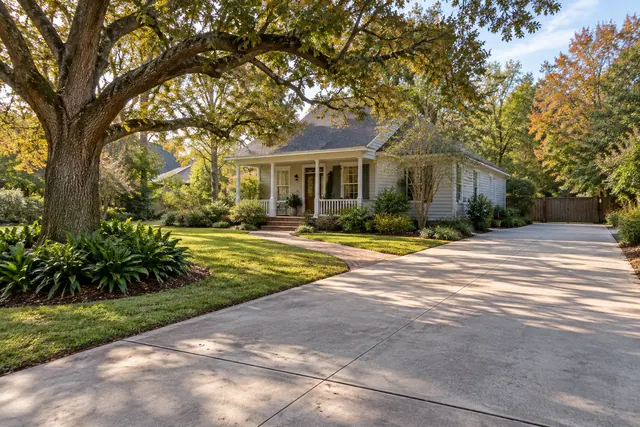
Choose debris paths that respect living areas
Moving limbs through a shared courtyard can create temporary obstacles at the laundry room, bicycle racks or mailboxes. Agree on a branch-handling path that avoids occupied windows, children's play space and narrow emergency routes. If debris must cross a common walkway, the crew should control access while it is moved and reopen the route only after clearing hazards.
Specify whether logs are chipped, loaded, cut for owner retention or hauled away, and where any approved retained wood can sit without blocking access. A promise to leave a neat pile is insufficient when several households share the yard. Identify a final cleanup inspection for paths, parking areas and drains, as well as the ground immediately beneath the tree.
Make the estimate intelligible to owners and managers
List each tree and its proposed work separately, with access conditions and any meaningful exclusions. When one service addresses a shared hazard, avoid inventing separate charges for individual apartments unless the contracting arrangement actually requires that accounting. The estimate should explain why a specialized method may be necessary and what changes would trigger a revised scope.
Distinguish pruning, removal, stump grinding and post-work repair so a manager can budget them accurately. Note whether fence removal, landscape restoration, permits or utility coordination are outside the tree contractor's price. A clear written document is more useful for owner approval than a vague assurance that the crew will handle anything near the building.

Close out without leaving a shared-property dispute
After the crew leaves, inspect each affected entry, gate, parking court and common walkway against the agreed work limits. Take appropriate completion photographs that show the tree work and condition of shared features without including residents or their private belongings. Record any follow-up for another trade, such as a paving issue or damaged irrigation, rather than burying it in a verbal conversation.
Give the owner or manager a concise record of which trees were serviced, which concerns remain and how retained wood or debris was handled. If a resident notices a new condition later, a documented baseline helps evaluate it fairly. A coordinated closeout makes future maintenance more predictable and preserves trust between households that must continue using the same property.
Communicate the work without sharing unnecessary household details
An occupant notice can explain the general work area, anticipated access impacts and the manager's contact without disclosing residents' names, schedules or private phone numbers to the crew. Put vehicle relocation instructions, gate arrangements, pet containment and debris pickup expectations in writing. If the scope changes because hidden decay or an equipment issue appears, the authorized contact should handle approvals and communicate any revised restrictions.
Residents should not be asked to walk beneath active cutting simply because a corridor usually stays open. Temporary closure should be clear, physically recognizable and coordinated with the people who manage the property.
Define a completion that serves every household
For an estimate, ask whether removal, pruning, debris hauling, stump treatment, surface repair and final access checks are included. Photograph work areas from common spaces with permission, avoiding unnecessary views into occupied rooms. After the crew finishes, confirm shared gates are secured, stairs and sidewalks are unobstructed, parking is usable and any open stump area is appropriately addressed.
Record items that remain for a separate landscaper or property-maintenance provider. When several parties pay for or approve the work, preserve the final written scope and approved changes so that nobody later mistakes an optional service for a completed obligation.
Separate work authorization, resident notice and shared-area access
At a duplex or multifamily property, the person seeking a quote may not control every affected tree, parking stall or entrance. Confirm the legal work authorizer, on-site liaison and any owners of shared areas. A resident's willingness to move a vehicle is not permission to remove a disputed tree or block a common exit.
The proposal should explain the temporary restrictions occupants can expect, who communicates schedule changes and how a blocked entrance or new hazard is handled. Record the completed work and restoration of shared space at closeout.
- Name the approving owner/manager and the on-site contact separately.
- List occupied entrances, common parking and utility access.
- Plan resident notices without promising an unapproved response time.
- Verify shared-area reopening and debris removal at handover.
Resolve boundary uncertainties before issuing removal approval
Questions about this project
Can a business stay open during tree work?
That depends on the site and scope. Discuss occupied routes, exclusion areas, loading and work windows with the contractor and property representative. Do not assume normal access can continue through the active work zone.
Who should communicate with tenants or visitors?
Agree on that responsibility with the property representative. The contractor needs a clear site contact, while the owner or manager should use the property's established process to communicate access changes and work windows.
Can the contractor use my neighbor's yard?
Only after the required permission and suitable access arrangements are in place. Identify the proposed route and who can authorize it. A quote accepted by one owner does not automatically grant access to someone else's land.
Does a tree estimate determine the property boundary?
No. Resolve an uncertain boundary or ownership question using appropriate property information and professionals. The tree contractor needs an authorized scope and access plan, but a visual work estimate is not a survey or legal determination.
What access information helps an estimator?
Send the narrowest opening, overhead obstacles, turns and the distance between the tree and the loading area. Include photos of the entire route and identify steps, soft ground or features that must remain protected.
Should I remove a fence before the visit?
First ask the contractor to assess access and agree on any temporary opening. Identify who owns the fence, who can authorize the change and who will reinstall it. Do not assume the opening is necessary or included.
Is a total tree count enough for a large quote?
Usually the parties also need locations and tasks. Use consistent tree numbers, marked photos or a site plan so the estimate and crew instructions refer to the same trees and retained areas.
Does a work inventory include a condition assessment?
Only if that service is expressly part of the scope. A list used to identify and price tasks should not be mistaken for a documented assessment of every tree's condition or risk.
What should I compare besides the price?
Compare tree identification, work objectives, access assumptions, hauling, stump treatment, site finish and exclusions. Ask whether permits or other coordination are part of the scope and who can approve changes if conditions differ.
Does an online request book the crew?
No. A request starts the estimate conversation. The company still needs to discuss scope, availability and any site assessment. For a dangerous or urgent condition, call 504-458-8336 rather than relying on a form response.
What should I tell Tree Huggers about tree service for a double or multifamily home?
Explain the property address, the work you want and the specific concerns: shared routes, occupant coordination, owner approval. Send safe photos of the tree, surroundings and access route. The contractor can then discuss the assessment and scope needed for this situation.
How do I request an estimate for this work?
Call 504-458-8336, text photos or use the estimate form on this page. Include the address, desired outcome and any timing constraints. The company will need to review scope and availability; an online request does not confirm a price, appointment or emergency dispatch.
Get a scope for your property
Provide an owner or manager contact, safe photos of shared entrances and the tree, and any already-approved resident access arrangements.