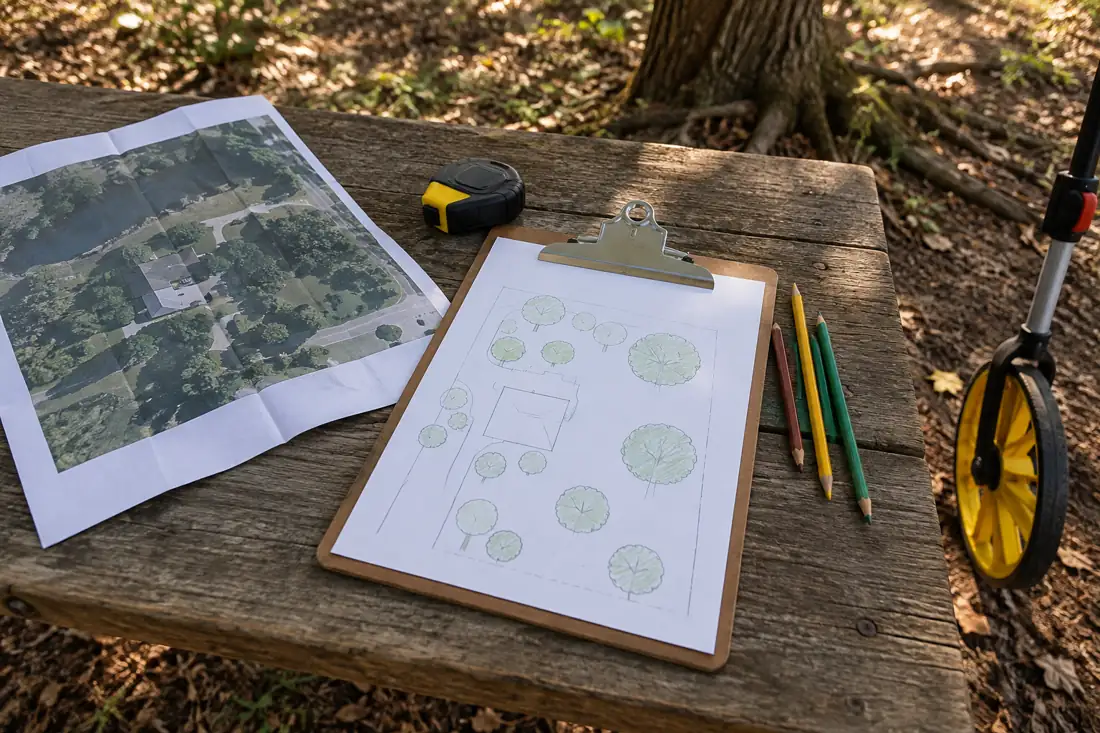
A clearer picture of the scope


Example: Hazard removal at a public park
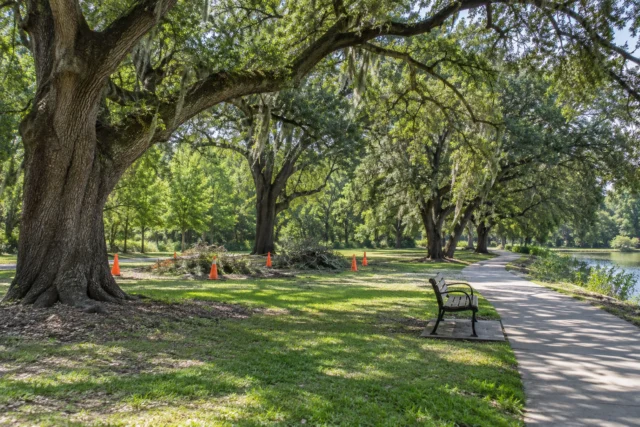
The broken tree and debris are cleared while healthy shade trees remain. A remaining stump needs its own finish specification.
Public-property tree work demands clear scope and coordination
Municipal and public-facility projects often involve traffic, occupied facilities, public access, documentation and emergency-response expectations. Tree Huggers can coordinate those requirements while keeping the field operation focused on safe, controlled production.
Practical scope and safety guidance: A public-sector tree project is governed by the specific solicitation, site authority and acceptance conditions. Before pricing, identify the department and contracting representative, the work boundaries, required site walk, insurance or qualification documents, and whether tasks are unit-priced or lump sum. Count and classify the trees or debris items under the actual specification rather than estimating undocumented volumes from photographs. Clarify whether work includes pruning, removal, stump grinding, right-of-way clearing, hauling and disposal, and how traffic control or utility coordination will be assigned.
Keep the location and date of documentation clear without implying photographed conditions were inspected by Tree Huggers. A practical proposal should define deliverables such as before/after views, disposal records, punch-list completion or an approved change order where the contract requires them. Public work must not begin on an informal assumption that authorization has been issued.
Government scope: authority precedes field scheduling
Government-property inquiries need the public owner, contract route and site jurisdiction identified before a contractor can promise a specific sequence. Note whether trees sit in a park, drainage servitude, school ground, street right-of-way or another controlled parcel. Attach available plans and any permitted access windows; a nearby address does not establish control or permission.
Distinguish procurement documentation from technical recommendations. Bid documents may specify insurance, prevailing requirements, work zones, inspections, disposal tickets or closeout photographs, while a tree professional must still evaluate on-site hazards and feasible methods. Requests involving several different privately owned properties belong first in the broader commercial planning hub. This guide focuses on decisions the public buyer or its authorized representative must make. Commercial & Government.
Locations, hazard priorities, access, equipment requirements, debris handling and documentation expectations.
Schedule crews and equipment around site contacts, public access and project priorities.
Complete the agreed work and organize job-related photos or scope documentation when required.
Storm, right-of-way and hazardous tree capability
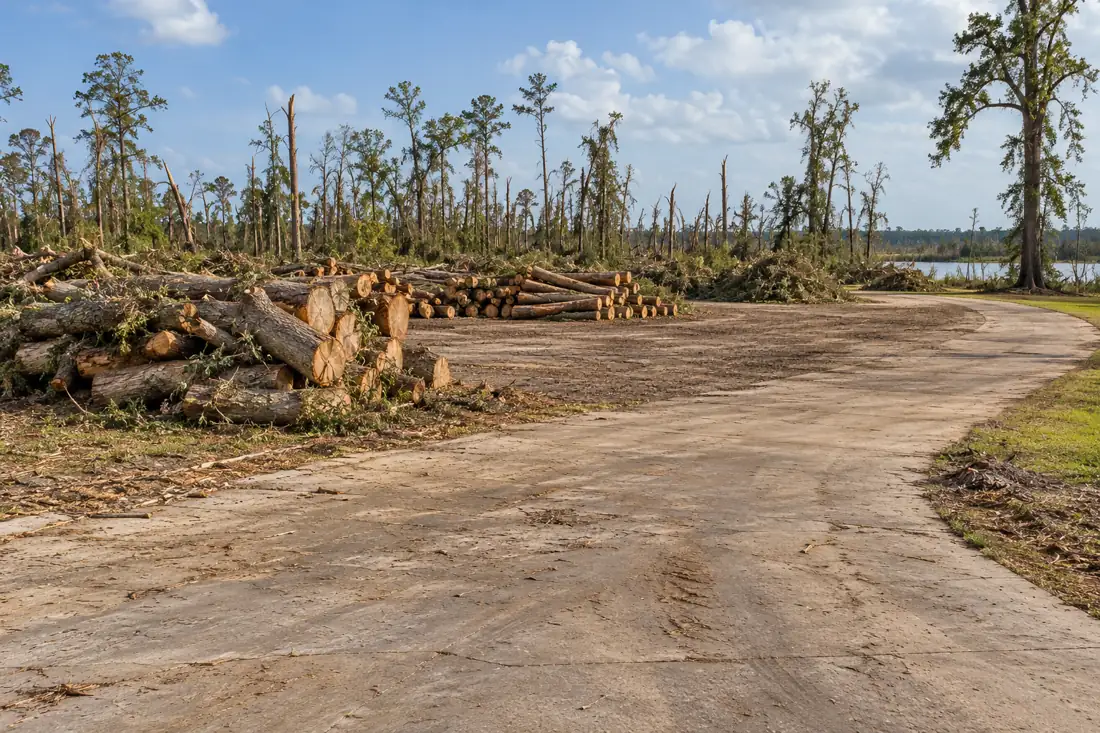
Public work can range from a single dangerous tree at a facility to widespread storm damage affecting roads, campuses or public property. High-risk removals, dangerous limbs, blocked access, vegetative debris and equipment-assisted production are natural extensions of our commercial and emergency capabilities.
Related services
Give the opportunity a clear reference
Start with the agency or prime-contractor contact, project reference, work locations and response deadline. Attach or provide the current scope and submission instructions through the agreed business channel. A broad inquiry about government tree work is useful for initial contact, but pricing needs the actual task and site requirements. Identify whether the request is a walkthrough, budget discussion, formal quote or urgent field need so the response matches the stage of the project.
Tree Huggers’ public-work discussion can cover removals, pruning, hazardous limbs, storm-related access and debris handling. Review current eligibility and documents for the particular opportunity rather than inferring them from a service page. General capability and specific contract qualification are different questions. The buyer should state what must be supplied, while the company can identify what is available and what needs clarification before a commitment.

Separate public movement from the active work
A park path, facility entrance or service drive can stay in use even when an area appears quiet during a walkthrough. Tell the contractor about occupied buildings, programmed activities, school movement and critical routes. Identify who controls access arrangements and which approvals or coordination are needed for the proposed work area. A private work agreement should not be treated as authority to close a public route.
The field plan should account for cutting, material handling, loading and cleanup. If work is phased, define the area boundaries and reopening contact. Tell the contractor about events or other trades scheduled during the same window. A clear public-access arrangement should be resolved before the schedule is treated as final, so the site team is not asked to improvise around visitors or a delivery route once equipment is already positioned.
Document public-site boundaries and approval authority. A municipal tree-work request should include an actual site map or clearly identified property limits, the responsible agency contact, public-access restrictions and the expected deliverables. Determine whether adjacent road, sidewalk, utility or park areas need coordination with a separate owner. Request a written scope that distinguishes hazard response, routine pruning and hauling; each creates different traffic, disposal and closeout needs. Keep logs or photographs tied to authorized locations and do not represent a proposal as an awarded contract or approved government vendor status.
Connect every task to a field location
A public site may have several entrances, building names and informal descriptions for the same tree. Assign consistent identifiers on a map or marked photographs. Pair each identifier with the requested task and any known constraints. If the quantity is preliminary, say how it will be checked. Avoid treating a total count as enough information where pruning, removals and retained trees are mixed across several areas.
For a route or dispersed group of sites, include the practical access point as well as the general address. Record which trees are proposed, authorized, deferred or outside the contract. The same identifiers should appear in the price schedule and completion record. This lets a reviewer connect the administrative scope to the field result without assuming the crew and office use the same local nickname for every location.
Define quantities and price assumptions early
The buyer should make the intended pricing basis understandable. A tree-by-tree scope, measured item or defined area each needs a corresponding way to verify completion. Identify whether stump treatment, hauling or a particular finish is included in the task or listed separately. If the proposed work depends on an assumed access route or setup area, ask the contractor to make that assumption visible in the response.
Ambiguous quantities can create confusion even when everyone agrees that tree work is needed. Record which observations remain to be confirmed at a site visit and how a discovered difference will be handled. Avoid folding unrelated future trees into an informal field instruction. A usable scope connects the authorized location, task and quantity to the buyer’s review process, rather than leaving the final invoice to explain a changed understanding after the work.
Coordinate equipment with the site’s restrictions
Equipment selection should follow the task, tree condition, reach and available setup. Public property can contain buried infrastructure, fragile paths, irrigation and retained root zones that are not obvious in a wide photograph. Share known information and restrictions before mobilization. A larger machine is not automatically a better fit if its route or support conditions have not been reviewed.

Turn a public bid walk into a verifiable scope
A public tree-service request should give bidders the same physical starting point. Attach tree numbers, current location photos, measurable work limits and a clear map of public entry routes. If a street tree and a courtyard tree have different access, define them as separate locations. A generic request for several dangerous trees leaves too much room for competing assumptions about traffic control, handling, and post-work surface repairs.
At the walk, distinguish owner-furnished information from the contractor’s field verification. Describe known public-use restrictions, historic landscape considerations, underground-service records when available, and hours that the agency may authorize. Do not imply that an agency has granted lane closures or that a permit is automatically unnecessary. A useful quote identifies what would require a separate approval, inspection, or change order under the actual procurement rules.
For closeout, specify the record that makes the work auditable: tree IDs, work completed by location, any approved changes, debris disposition, and photographs if the agreement calls for them. The resulting package helps a later facilities manager understand what was performed without converting educational website imagery into a claim about government projects Tree Huggers completed.
For larger removals and dispersed work, the equipment capability page provides context for the discussion. Ask how material will be moved and where trucks can load, not only how the cut will be made. If wet conditions or a changed site restriction affect the agreed approach, review that change before arrival. Setup, production and debris movement need to remain connected to the same authorized work area.
Distinguish urgent stabilization from the full project
Following a storm, the immediate objective may be restoring access to a facility or addressing a specific damaged tree. The full cleanup can require a separate assessment, quantity record and authorization. Tell Tree Huggers what is urgent, who is coordinating the site and what limits apply. A call about availability does not by itself establish a work order, public purchasing authority or permission to expand the task.
Keep the response record tied to locations and time windows the buyer has actually authorized. If the work evolves, use the governing approval process rather than relying on an informal request from an unidentified person in the field. The disaster mobilization page helps organize larger inquiries. Specific resource availability and project conditions still need to be discussed for the current event.
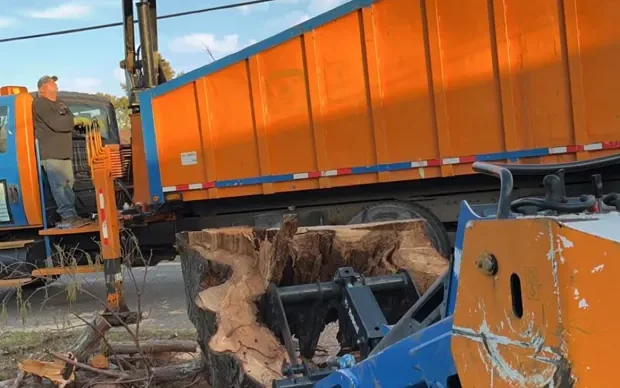
State debris and site-finish expectations
Tree removal does not automatically define the handling destination, stump treatment or surface restoration. Identify the required disposition of wood and chips, any designated staging area and any documentation the buyer expects. If disposal tickets or particular records are required by the project, communicate that before pricing. Do not assume ordinary tree hauling produces every document a particular funding or contract process might request.
Walkways, lawns and planted beds may have different acceptance expectations. Define what cleanup means in each affected area and who performs separate repair or landscaping. For municipal work, a consistent finish description helps compare locations with different site conditions. Keep the invoice and acceptance record aligned with the actual scope so a missing landscape item is not confused with a tree task that was never authorized.
Prepare a closeout package people can review
Agree on the records before fieldwork. A useful package may include location identifiers, completed tasks, authorized changes, labeled photographs and unresolved items, according to the project requirements. The buyer should specify the necessary format and recipient. Avoid collecting a large volume of unlabeled images that cannot be connected to individual work items when the project reaches review.

A public-tree work request should connect every tree to a verifiable location
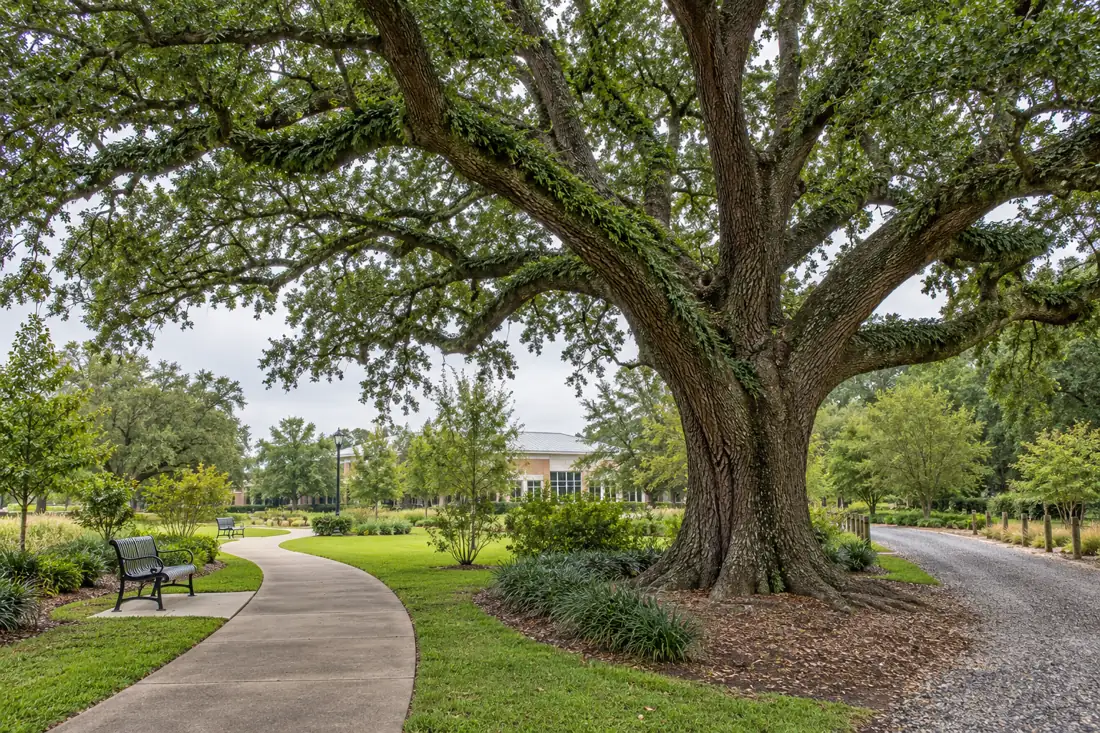
For municipal grounds or other public property, a numbered asset list helps avoid confusion between trees that look similar in one photograph. Reference a map, address, park sector or other agency identifier, then distinguish inspection, pruning, removal and stump work in the requested scope. The agency should identify the authorized purchasing and field contacts as well as any restrictions on vehicles, gates, work hours or protected landscape areas. A pleasant public walkway image is context, not an approved job plan.
Public movement needs its own planning step. Identify pedestrian routes, accessibility needs, bus stops and public entrances that may require a reviewed detour or closure, then determine who has authority to approve and communicate it. Record debris destinations, surface restoration expectations and the documentation that will be needed for closeout. A tree-service contractor should work from the agency’s actual contract and safe access decisions rather than treating a generic civic-property setting as proof of conditions.
Photos show visible conditions and results; they do not prove every hidden condition or guarantee future performance of retained trees. Keep claims in the record specific to the work performed. Reconcile final quantities using the agreed basis and identify incomplete or deferred items clearly. This helps the reviewing contact understand what is ready for acceptance without having to reconstruct the job from separate text messages or informal site conversations.
Send a request that the estimating team can act on
Include the current opportunity reference, site list, marked scope, deadline, access conditions and documentation requirements. Name the authorized contact for questions and explain the process for clarifications. If a walkthrough is available, provide its arrangements. If the request is still exploratory, say which decision the information needs to support, such as whether an equipment-assisted approach is feasible at a particular site.
The next step is reviewing scope, availability and current project requirements with the company. Keep buyer approvals and field instructions synchronized as the opportunity develops. Commercial and government capabilities can introduce related work, while the actual response should remain specific to this project. Clear information at the start helps avoid an impressive-looking proposal that still leaves the essential location, quantity or authorization question unanswered.
Government Tree Services questions
What should an agency send with an inquiry?
Provide the project reference, contact, scope, locations, deadline and current submission or document requirements. Identify whether the request is exploratory or a formal response opportunity.
Does this page prove eligibility for our contract?
No. Request and verify current documents for the specific opportunity. Do not infer registrations, certifications, insurance limits or past performance from a general service description.
How should dispersed tree locations be listed?
Use consistent identifiers, marked photos or a map with practical access points. Pair each tree or area with the task and known constraints.
Can a field contact add trees to the work?
Only through the project’s authorized approval process. Identify the person with authority and record the proposed change before treating it as included work.
Can tree work close a public walking path?
Required access arrangements and approvals need coordination with the responsible authority. The scope and work window should identify those responsibilities before mobilization.
How do we handle a preliminary tree quantity?
Label it preliminary and state how it will be verified. Align the pricing basis, authorized quantities and completion record before work proceeds.
Does emergency availability establish a work order?
No. Availability, site conditions and the buyer’s authorization need confirmation. An initial call or online request is not itself a contract or dispatch order.
Are debris records automatically included?
Specify the records needed for the project before pricing. Disposal tickets, photo formats and other closeout requirements should be expressly agreed.
What should a completion photo identify?
Use the project’s tree or area identifier, the visible work result and relevant context. Unlabeled images are harder to connect to accepted quantities.
Does removal include stump and surface restoration?
Only when included in the agreed task. Define stump treatment, chips, grading and any separate landscape or path repair requirements.
How should site restrictions be shared?
Provide known buried features, route limits, occupied areas and setup restrictions during estimating. Update the company if those conditions change before arrival.
How do prime contractors start a discussion?
Send the scope, locations, schedule, interface requirements and requested documents. Identify the approval contact and how the tree-work portion will be coordinated with other trades.
Let’s plan your tree work.
Send the property address, safe tree photos and the result you need. Include access restrictions and the person who can approve the work.
Public contracting starts with documented authority
Tree work on a public property requires a specific authorized request, site map or work order rather than an assumption that a vendor may proceed because the need is visible. Confirm the purchasing route, property authority, permit or traffic-control responsibilities and which measurements or photos an inspector expects. Separate routine tree maintenance from storm-response procurement so scope and invoices remain auditable.
The public-works tree-services guide explains field-level tree and location identification. The government procurement and vendor guide addresses vendor documentation and buyer approvals. Neither page establishes that Tree Huggers holds a particular award or that unspecified agency requirements have already been satisfied.