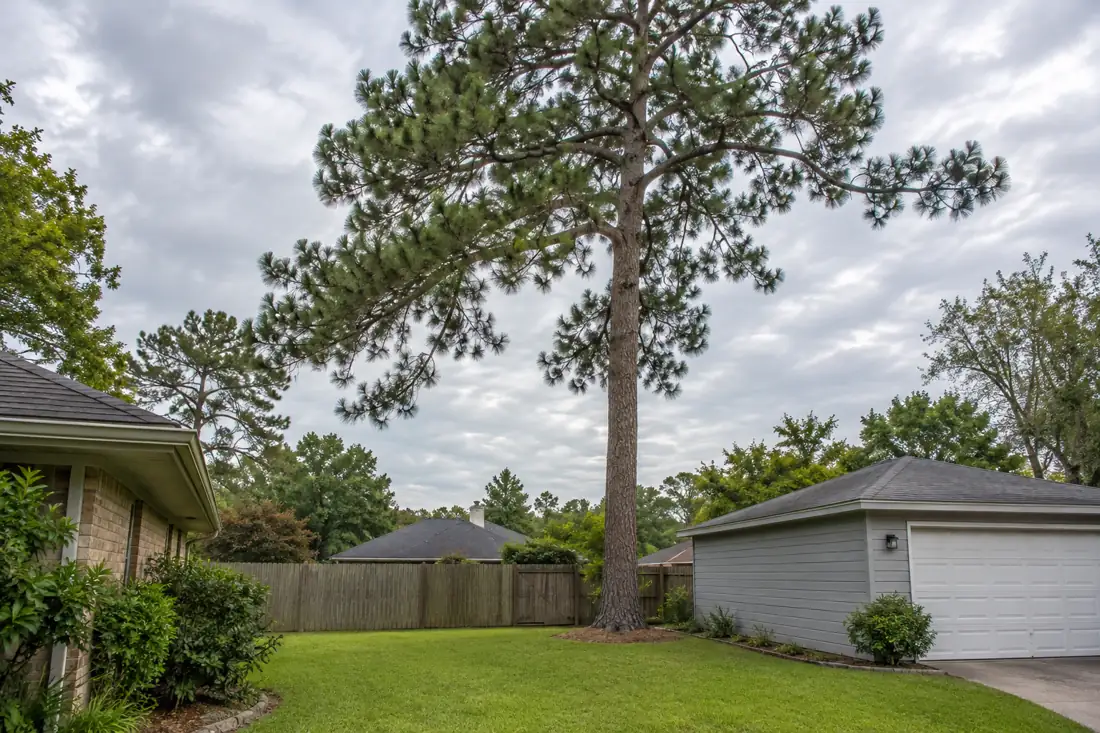
What makes a tree high risk?
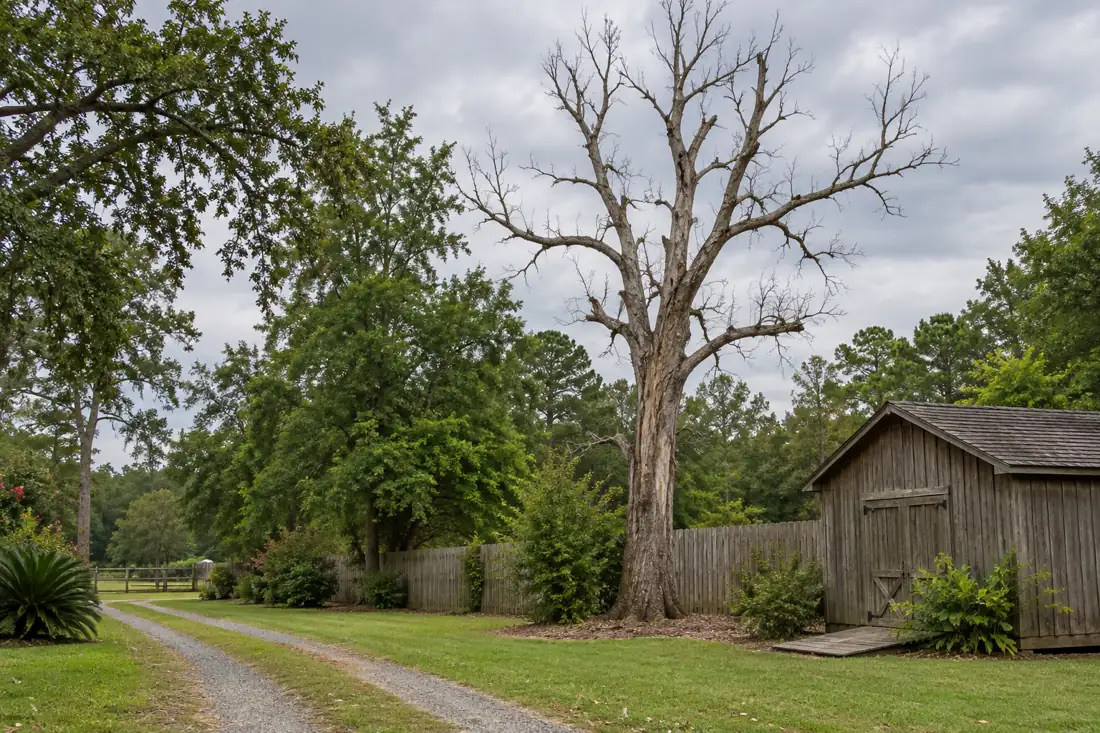
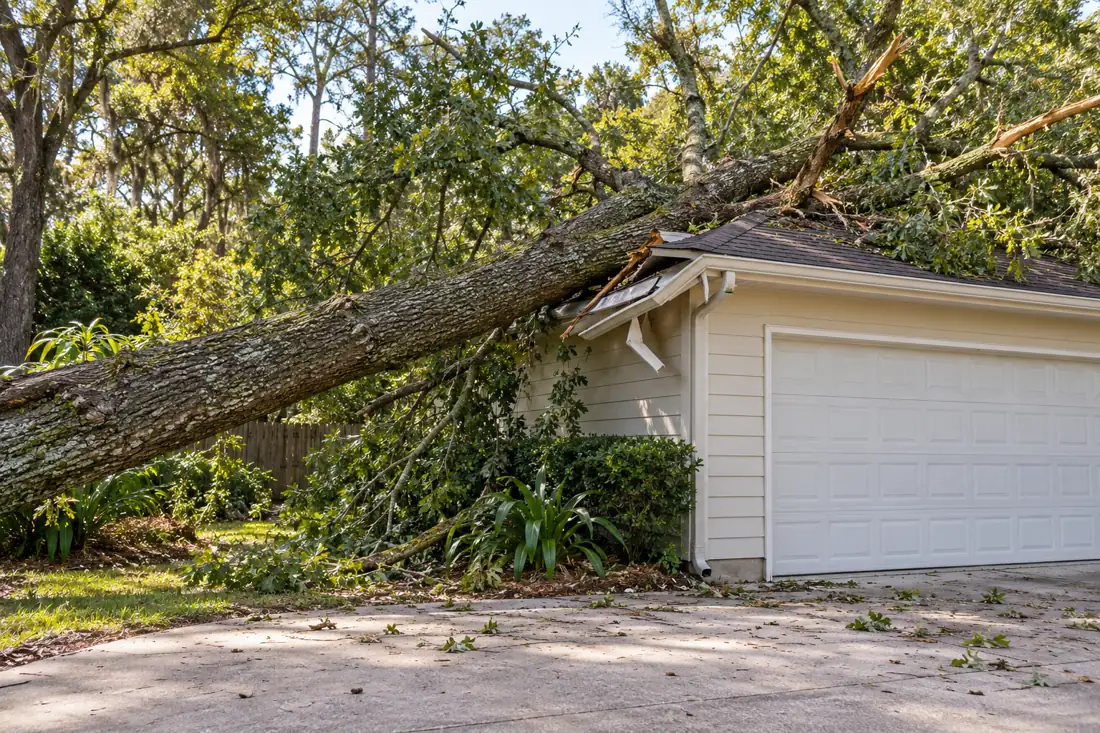
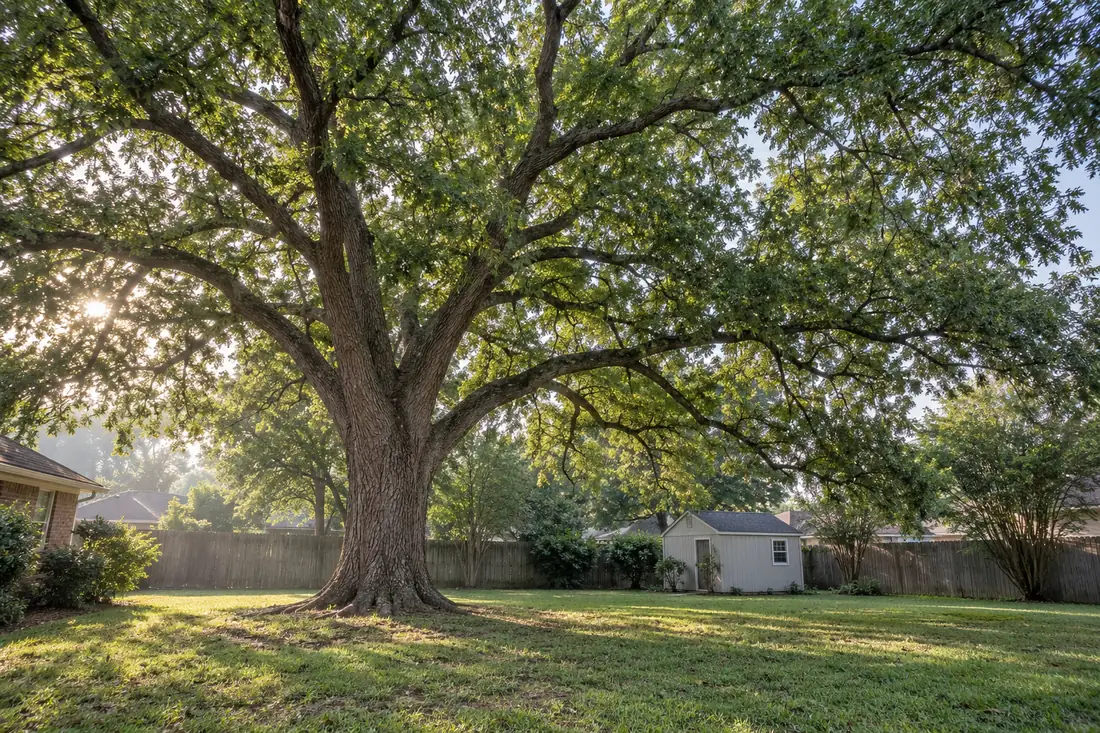
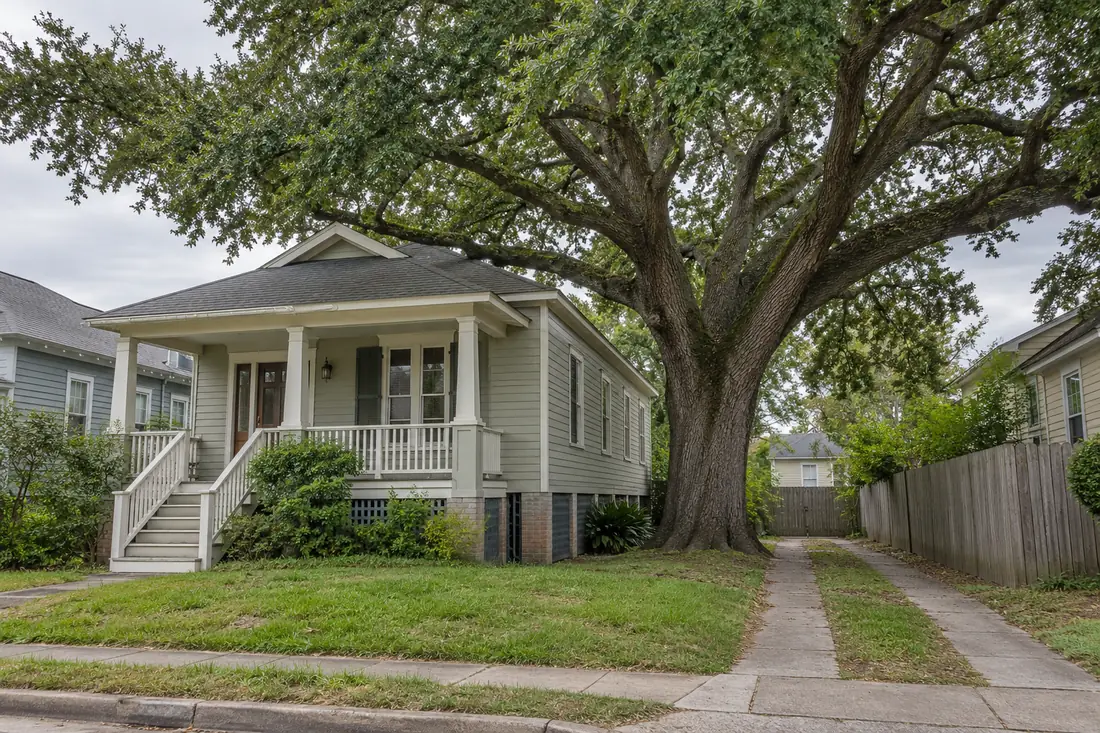
Size alone does not determine risk. We consider visible defects, lean, root-zone changes, decay, storm history, target occupancy, access, weather exposure and the consequences of failure. A medium tree beside a bedroom can be a more serious problem than a larger tree in an open field.
Practical scope and safety guidance: High-risk tree work involves both the likelihood of a failure and what might be harmed if one occurs. A visibly damaged trunk, split union, deteriorating root area or heavy limb over an occupied space deserves a site-specific review rather than a decision based only on species or size. Photograph the full tree and any relevant defect from the ground without standing beneath unstable branches. Tell the assessor about previous storm damage, recent excavation, changes in soil level, drainage and nearby structures.
The resulting plan may involve restricted access, staged limb removal, equipment-assisted dismantling or another measured response. No single image or online checklist can certify a tree safe. Ask for a scope that identifies major constraints and separates hazard mitigation, stump treatment, debris disposal and subsequent site repairs. Prevent people from entering the work zone while the hazard remains.
Identify likely failure points, targets and the consequences of uncontrolled movement.
Select climbing, rigging, crane, mechanized or mixed methods based on the site.
Reduce weight and remove sections in a sequence designed around the targets.
Equipment expands the options
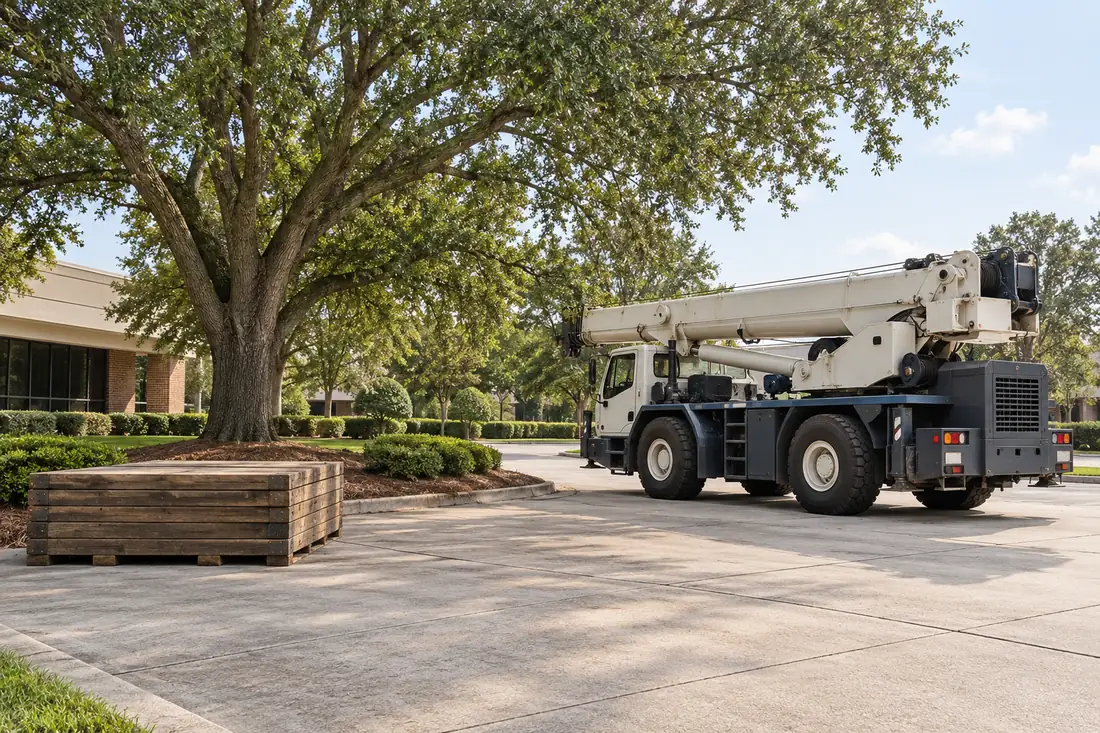
Crane assistance and remote-controlled or mechanized cutting can reduce manual handling and improve control on the right job. These tools are especially valuable when heavy sections must be supported, when there is little room to drop material, or when storm damage makes the tree unpredictable.
Related services
Describe the concern before assigning a label
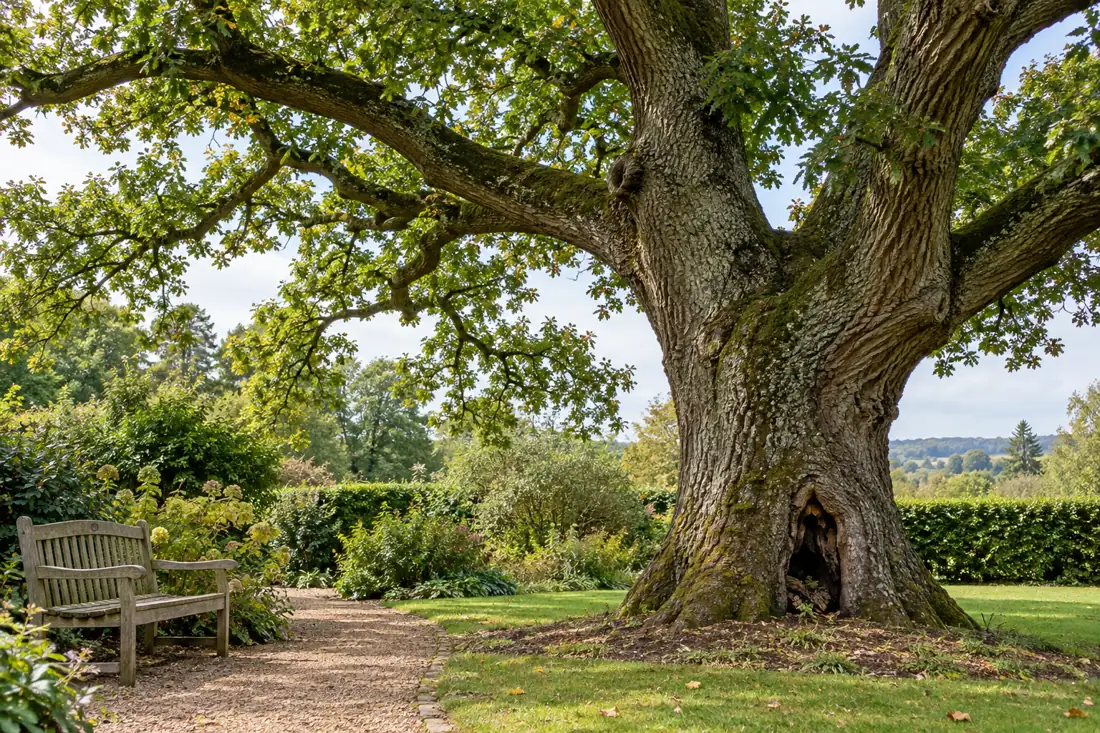
Customers may use “dangerous,” “high risk” or “unsafe” to describe very different observations. Explain what you actually see: a recent split, a failed branch, a changed lean, damage after a storm or a tree contacting a structure. Include when you noticed the change and what is affected nearby. That information is more useful than a label without the condition behind it.
Tree Huggers can discuss the appropriate next assessment and whether removal is the service being considered. A service page or photograph cannot establish the condition of a particular tree. If a qualified assessment or other relevant record already exists, share it rather than relying on a second-hand summary. The work conversation should start with current, clearly identified information.
Immediate danger requires the appropriate direct response
If people are in immediate danger or electrical lines are involved, contact the appropriate emergency service or utility and keep clear. Do not wait beside the tree for an online estimate response. A web form does not dispatch a crew, establish an arrival time or confirm that an area can safely remain occupied.
Call Tree Huggers at 504-458-8336 to explain an urgent tree condition and ask about current availability and the next step. State what the tree is touching and whether access is blocked. If you cannot describe part of the condition from a safe place, explain that limitation. Do not approach unstable wood or enter a damaged area merely to make the request more detailed.

Describe exposure and access before classifying a tree as high risk
A high-risk label should follow an assessment of both an observed condition and the people or property exposed to it. A leaning tree is not automatically unstable, just as an upright tree is not automatically sound. Identify where the trunk, limbs and possible falling sections could reach, and record nearby sidewalks, occupied buildings, parking areas and electrical services from a safe distance. Do not enter the suspected fall zone to obtain a closer image.
Ask whether the concern is a hanging limb, a newly opened trunk crack, ground movement, decay, compromised support, or a change in the intended use of the area. These are different problems with different potential controls. Temporary isolation of a walkway or parking space may be appropriate while the site is assessed; any restrictions must be coordinated with the responsible property owner and relevant authority. Do not promise that a single photo can produce a formal risk rating.
A proposed intervention should state the specific hazard it addresses, what would remain afterward, and what inspection or monitoring is recommended. If removal is considered, request a separate access and debris-management plan that accounts for structures and utilities. The goal is to help property decision-makers document exposure, establish appropriate authority and compare options without confusing urgent conditions with ordinary pruning or treating marketing language as a professional diagnosis.
Show the targets as well as the visible defect
A close photograph may document a visible concern, but it does not show the house, driveway, occupied path or neighboring property that gives the concern practical importance. Pair it with safe wide views. Tell the estimator how the nearby area is used and whether people, vehicles or another activity regularly pass through it.
If the tree affects a rental or managed property, identify who can coordinate access and who can approve work. Those roles may be separate. A clear site contact helps the company understand the surroundings and communicate the next step. It also prevents instructions from being passed through several people without anyone knowing which tree or target is actually being discussed.

Keep changes in the record while an estimate is pending
A tree condition may not remain the same between the first call and a planned visit. Report a new failure, additional contact with a structure or another significant change directly to the company. Update photographs only when they can be obtained safely. Do not assume the original proposal describes a condition that has since changed.
Keep the timeline simple and factual: when the concern was noticed, relevant recent events and what is different now. Avoid turning guesses about hidden damage into confirmed facts. The contractor needs an accurate description to decide what should be reviewed before proceeding. If the new condition creates immediate danger or utility involvement, use the appropriate emergency response rather than waiting for ordinary scheduling.
Removal and preservation are separate decisions
The purpose of a concern-based assessment is to understand the situation and discuss an appropriate response, not to assume every questioned tree must come down. Tell Tree Huggers if retaining a valued tree remains important to you. Ask what evaluation is needed and whether a pruning, support-system or removal conversation is appropriate for that specific tree.
The tree-risk assessment, pruning and cabling and bracing pages describe related discussions. They are not diagnoses or promises that a particular measure will suit your property. If removal is proposed, ask how that recommendation relates to the observations and the work objective rather than accepting a generic high-risk label as the entire explanation.
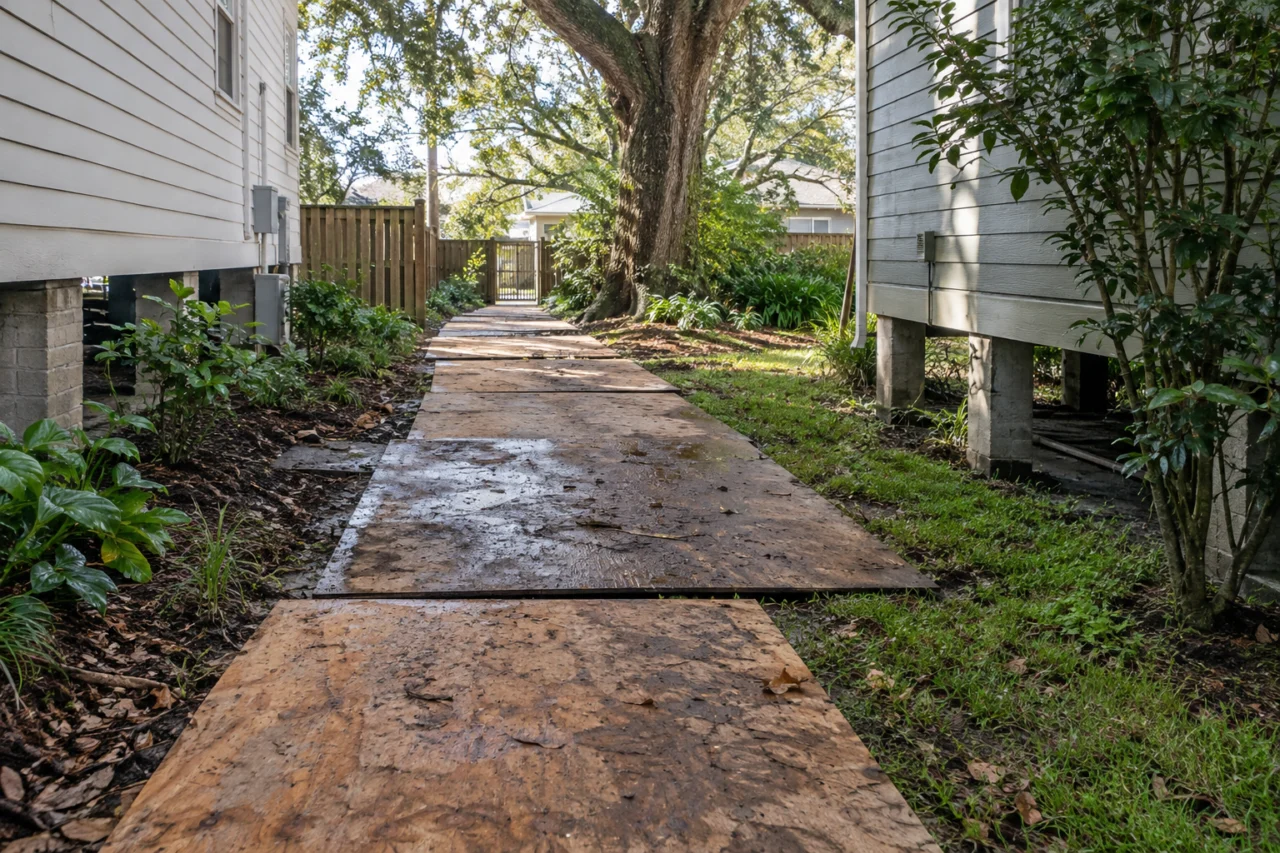
A constrained target area changes the removal discussion
When a tree extends above a building, busy route or fixed feature, explain what must be protected and what cannot move. Include fences, enclosures, neighboring structures and the space available on the ground. The surrounding layout can affect both the assessment and the handling plan; it should not disappear from the conversation once the visible defect has been photographed.
Ask how the proposed method accounts for those targets. Crane assistance or remote-controlled equipment may offer options on suitable sites, while other jobs need different or combined methods. The contractor must evaluate suitability. The customer’s role is to explain the property and desired outcome, not select a technical removal sequence from a picture.
Plan access without preparing the tree yourself
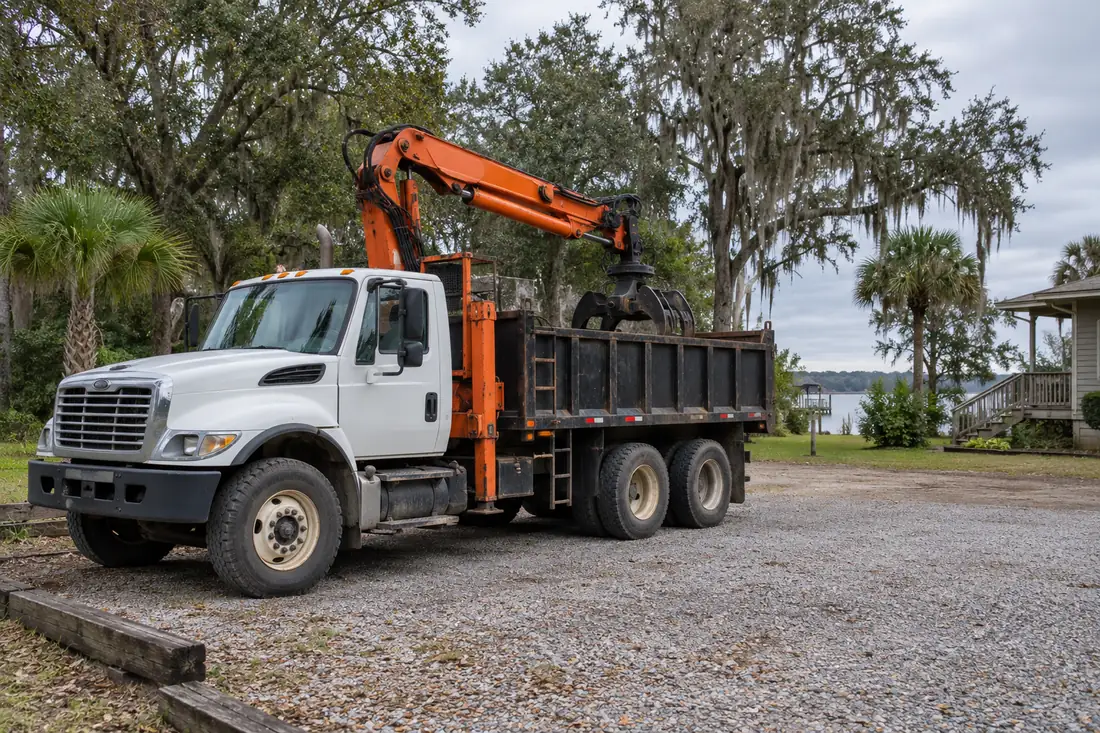
Show the equipment approach, working area and route material might take to a loading or processing location. Identify gates, turns, surface constraints and anything controlled by another party. A difficult tree still requires a workable access arrangement, and an open space near it is not enough if that space cannot be reached or used as assumed.
Do not cut branches, move loaded wood or modify the tree to help the crew before assessment. Likewise, discuss any fence opening or route modification before undertaking it. Confirm which portable property items should be moved and what access can be arranged. The preparation should fit the agreed plan rather than create a new condition that the estimate did not anticipate.
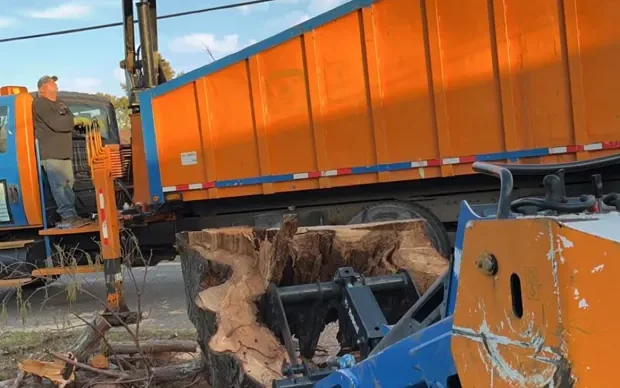
Separate initial hazard work from a finished property
An urgent first phase may address a particular obstruction or condition, while complete removal, hauling, stump treatment and repair remain for later scope. Ask what the authorized visit is intended to accomplish and what it will leave. This distinction is especially useful after storms, when several trees and several different providers may be involved.
The storm-response information can help organize priorities. Keep an identified list of remaining work with locations and a responsible contact. A property should not be described as fully restored simply because the first tree-work task is complete. Tree work, building repair and landscape restoration need clear responsibilities and the appropriate review for each phase.
Put authorization and changes into plain language
Identify the tree or damaged area, the proposed objective, included handling and the person who can approve the work. If another condition is discovered or the owner requests an added task, discuss it through the agreed approval process. Keep the change tied to a particular tree, reason and effect on scope rather than giving a general instruction to do whatever seems necessary.
For property managers, public buyers or a prime contractor, provide the actual documentation and approval requirements early. The website does not establish the company’s qualifications for a particular contract, guarantee insurance coverage or confirm that another party has approved a method. Request current documents directly when needed and keep them with the project’s agreed work record.
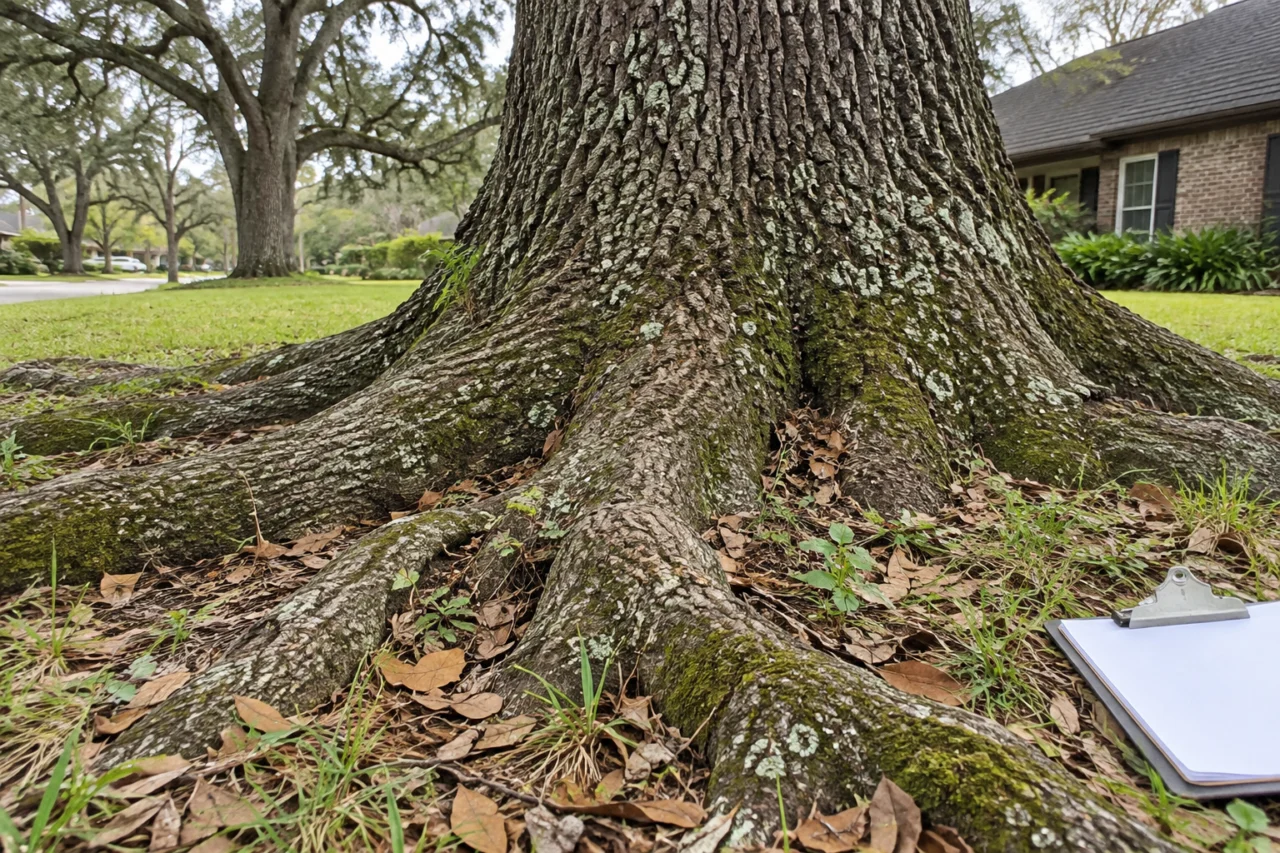
Review the result against the specific concern and scope
At handover, compare the identified work with what was authorized and note remaining items explicitly. Confirm the included material handling, stump treatment and separate follow-up responsibilities. If you are not present, arrange a knowledgeable contact and an appropriate record so the next person reviewing the property understands what was done and what still needs attention.
To begin a Greater New Orleans inquiry, call or text Tree Huggers at 504-458-8336 with the address, safely observed concern, nearby targets and access information. The company can discuss assessment, scope and availability. Keep the information current and the request specific. A removal plan should be based on the actual tree and property, not a generic assurance made online.
High-risk removal: do not confuse a sign with a diagnosis
A split union, hanging branch, changed lean or root-plate movement deserves attention, but no single photograph establishes the probability of failure. Describe what changed, when it was noticed and which routes or structures may be exposed. Never stand under a suspect limb to obtain a close-up.
Immediate danger involving people, a road or utilities needs the appropriate emergency service or utility. For other concerns, request a professional site-specific discussion. Dead foliage can have different causes from structural failure; visible trunk damage may not show the internal condition. The assessment guide helps record evidence without inventing a diagnosis.
When work is authorized, identify the specific tree, controlled work boundary, access, debris handling and any excluded areas. Update the contractor if conditions change after an estimate, and discuss expanded scope before approving it. The emergency guide distinguishes urgent escalation from ordinary scheduling.
Three details to settle before an estimate
- Record what changed and affected targets
- Escalate immediate hazards appropriately
- Agree on controlled boundaries and scope
High-Risk Tree Removal questions
What does high-risk mean for my particular tree?
Describe the observed condition, nearby targets and how the area is used, then ask about an appropriate assessment. The label alone does not establish a diagnosis or the right response.
Should I wait for the form if there is immediate danger?
No. Use the appropriate emergency service or utility when immediate danger or electrical involvement requires them. Call Tree Huggers to discuss availability; a form does not confirm dispatch.
Can a photograph prove that a tree is safe or unsafe?
No. Photographs can prepare the conversation but may omit important conditions. Send safe views and explain what you observed without treating an online image as a complete assessment.
What should I say about a recently changed lean?
Explain when you noticed the change, any relevant recent event and what is nearby. Keep clear and contact the appropriate responder if immediate danger is present; do not investigate unstable conditions yourself.
Does every concerning tree need to be removed?
Not automatically. State whether preservation is a goal and ask what evaluation or care discussion is appropriate. A particular tree’s suitability cannot be determined from the service description.
Should I remove a damaged limb before the estimate?
Do not alter unstable tree material to help the crew. Describe the current condition from a safe place so the contractor can discuss the assessment and a suitable work plan.
What if a neighbor’s property is part of the access route?
Explain who controls the route and what arrangements are needed. Access and authorization should be resolved with the appropriate parties rather than assumed from the tree-work request.
Will a remote-controlled system make the removal risk-free?
No. Specialized equipment may offer options on a suitable site, but assessment, targets, access, handling and the work-area arrangement still matter. Ask why the proposed method fits the actual condition.
How should managers identify several concerning trees?
Use consistent tree names or marked wide photographs with the locations, observed concerns and affected areas. Identify the site contact and the person authorized to approve the work or changes.
Does emergency hazard work include full restoration?
Only the agreed scope is included. Initial work may leave follow-up removal, hauling, stump or repair tasks. Confirm what remains and which provider is responsible for the next phase.
What happens if another problem is found during the visit?
Use the agreed approval process to identify the condition, proposed task and any scope or price effect. A new finding should not leave the owner and crew guessing about authorization.
How do I start a high-risk tree-removal inquiry?
Call or text 504-458-8336 with the address, safely observed condition, targets and access information. Ask about assessment and current availability, and keep the company informed of significant changes.
Talk to Tree Huggers
Get a clear estimate for your tree work.
Text the property address, a wide photo of the tree, and what you want done. We’ll talk through access and next steps.