A clearer picture of the scope


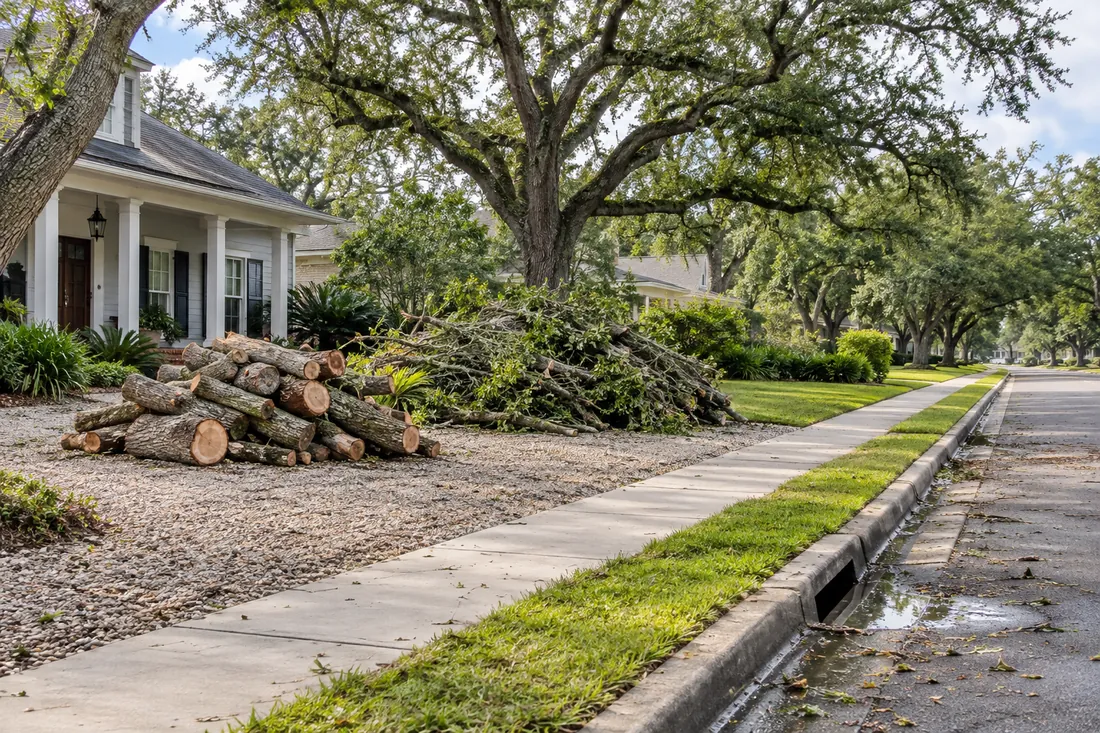
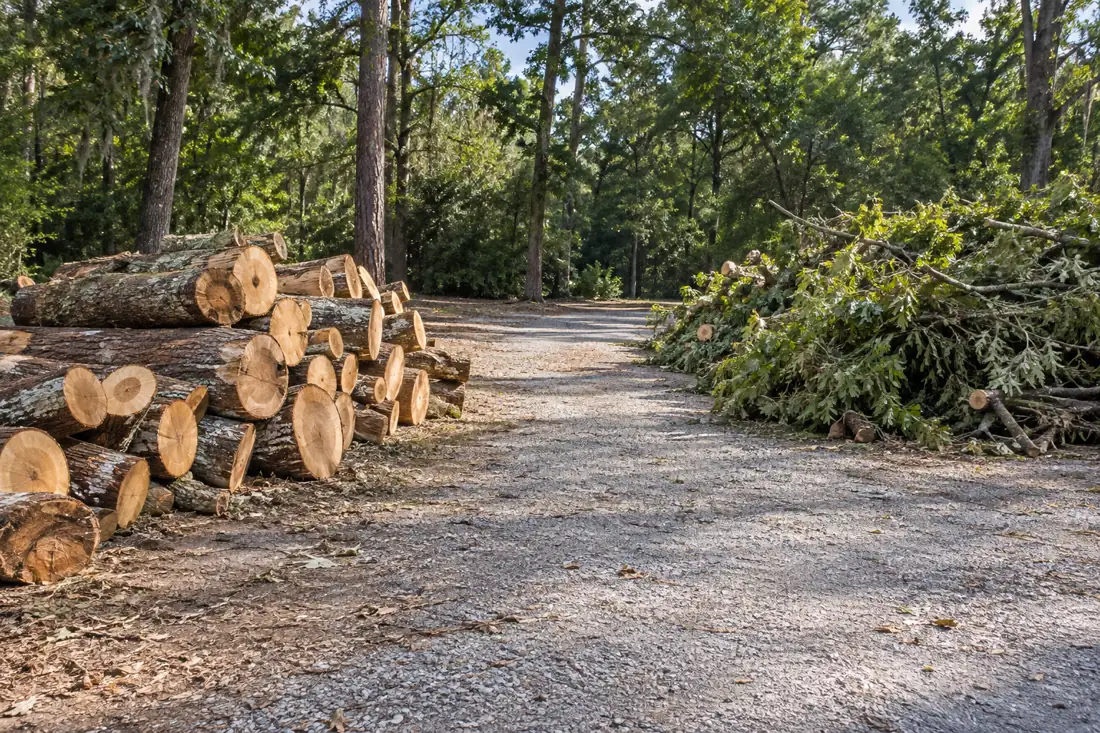
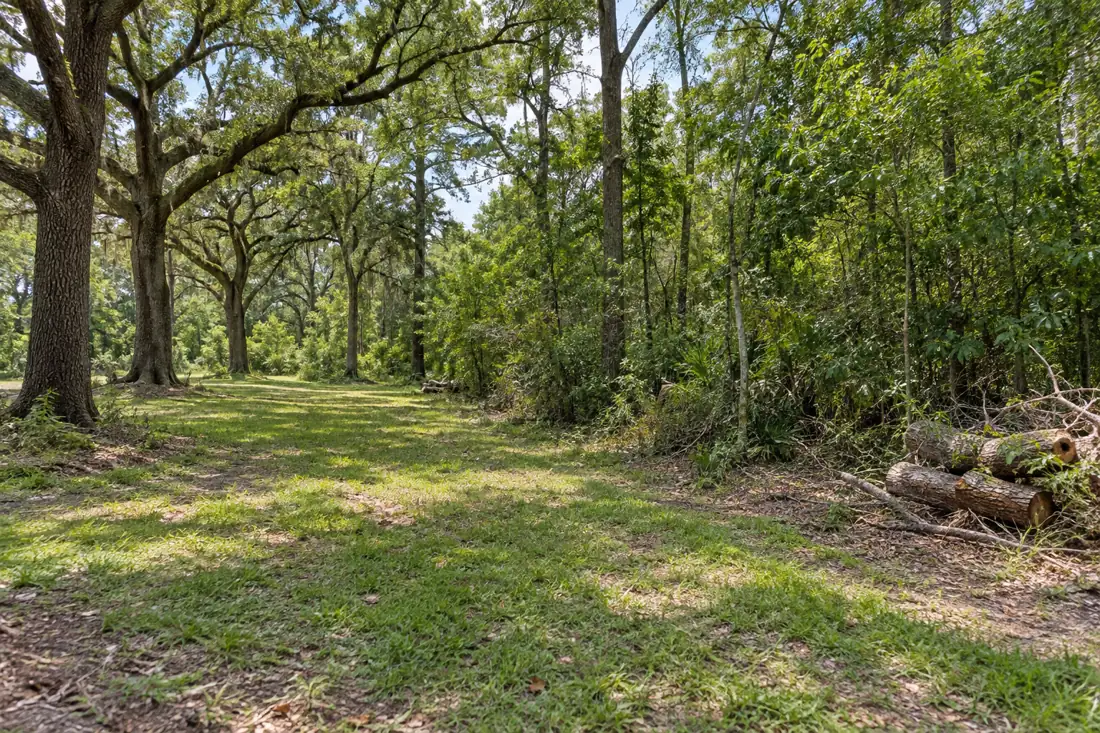
Example: Logs and brush hauled away
Staged wood, branches and the trailer are removed, leaving minor sawdust and normal ground disturbance.
Tree debris hauling is a material-and-access scope
Identify exactly what is on the ground
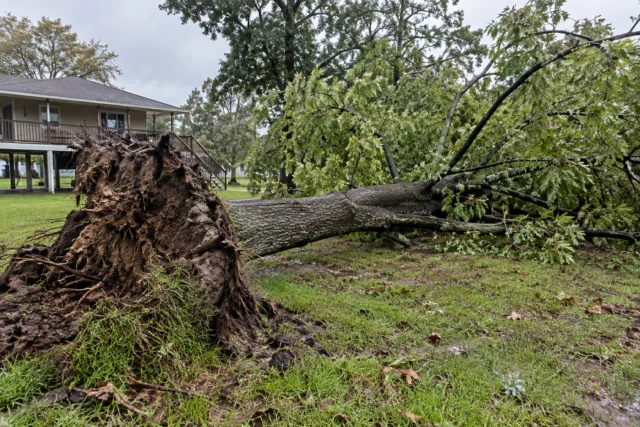
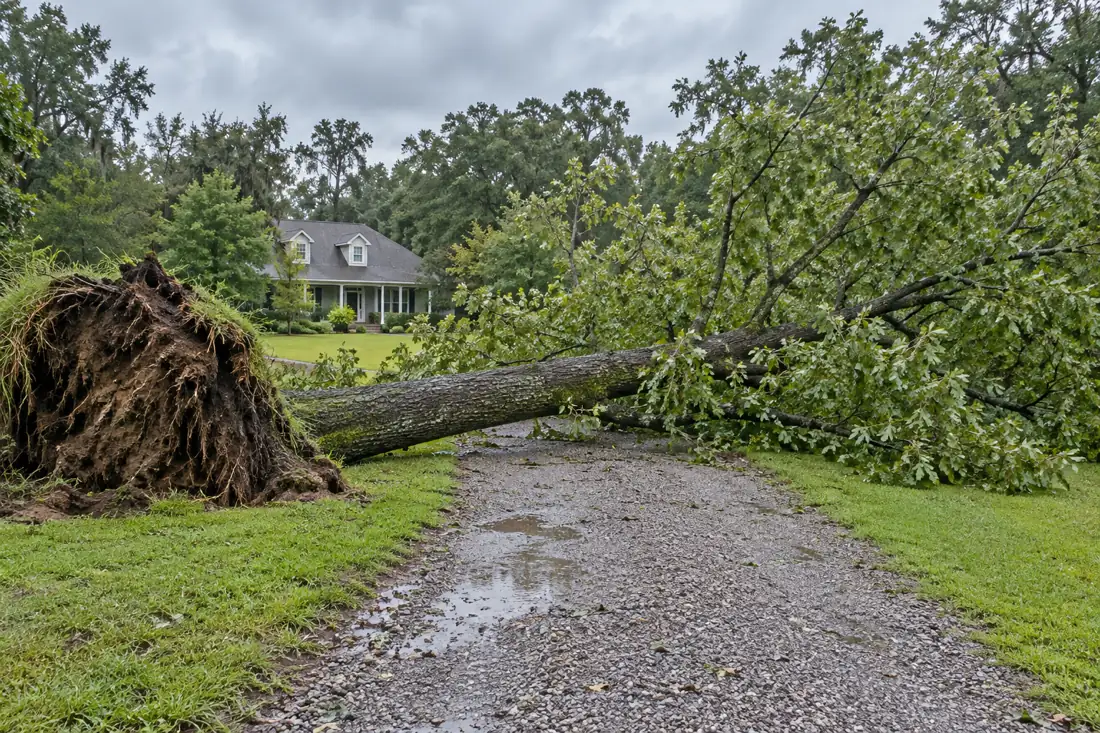
Loose branches, large trunk rounds, brush piles and stump grindings do not handle alike. Tell the estimator whether material came from a completed tree project, remains mixed with soil or construction waste, or lies around a root ball still attached to a fallen trunk. The latter can be an unstable tree-removal problem, not merely a haul-off task.
Separate clean vegetative material from other waste where practical and safe, but do not climb into a log pile or move loaded limbs to make the site look tidy. Describe whether the load is at the curb, rear yard or behind a restricted gate.
Agree on the destination and final finish
An estimate should distinguish cutting material to loadable sizes, moving it across the property, hauling it away and cleaning small residual debris. Ask whether chips, roots, dirt and nonvegetative material are included; they can follow different disposal paths. A property owner needing tree removal before hauling should begin with fallen-tree removal. A property with widespread windblown debris and unresolved hazards is better addressed under storm cleanup. Never assume a public curb pile is eligible for a municipal pickup program without checking its rules.
Debris removal is easier when the scope is clear
Tree projects can generate logs, limbs, chips and stump grindings. Storm cleanup can add scattered material across a property. We define what material is being handled, whether it needs processing, and where it is going before work begins.
Practical scope and safety guidance: Tree debris removal starts with knowing what is in the pile and who is responsible for it. A heap of brush may include trunks, roots, mixed fencing material, metal, household trash, soil or items that require separate handling. From a safe position, photograph the overall pile, an object that provides scale, the driveway and the route to the staging area. Do not step on or pull from a pile containing trapped limbs, tangled utility cables or unstable logs.
The estimate should distinguish cutting and loading material already on the ground from dismantling standing or suspended tree sections. Ask how chips, logs, root balls and off-site disposal will be addressed, and whether lawn protection, traffic control or final sweeping is part of the quoted scope. If the work involves public rights-of-way or storm-related collection, confirm who has authority to approve hauling and whether municipal pickup rules apply. Site access and debris composition can change equipment and disposal requirements.
Tree debris removal: separate collection from tree cutting
Loose tree limbs, logs and brush waiting for pickup present a different scope from actively cutting hazardous limbs out of a tree. Tell the estimator whether material is already grounded, where it is piled, approximate dimensions, any embedded fencing or metal and whether machinery can reach the pile without crossing protected surfaces.
This is the general service entry for handling woody tree debris and confirming load, access and disposal expectations. The linked vegetative-debris guide is better for mixed natural-material streams, staging rules and what does not belong in a vegetation pile. Never assume a municipal curbside pickup program accepts private contractor waste or that a contractor can remove material from a public right-of-way without the required permission. Vegetative Debris Removal.
Logs, branches, brush, chips and any items that are outside the tree-debris scope.
Cut and consolidate material for equipment handling and hauling.
Restore driveways, work zones or landscaped areas according to the scope.
Storm debris may still hide hazards
Before cleanup begins, we check for hanging limbs, partially failed trees and loaded branches that could move while crews are working below. Hazard correction comes before routine hauling.
Related services
Name the material before estimating the pile
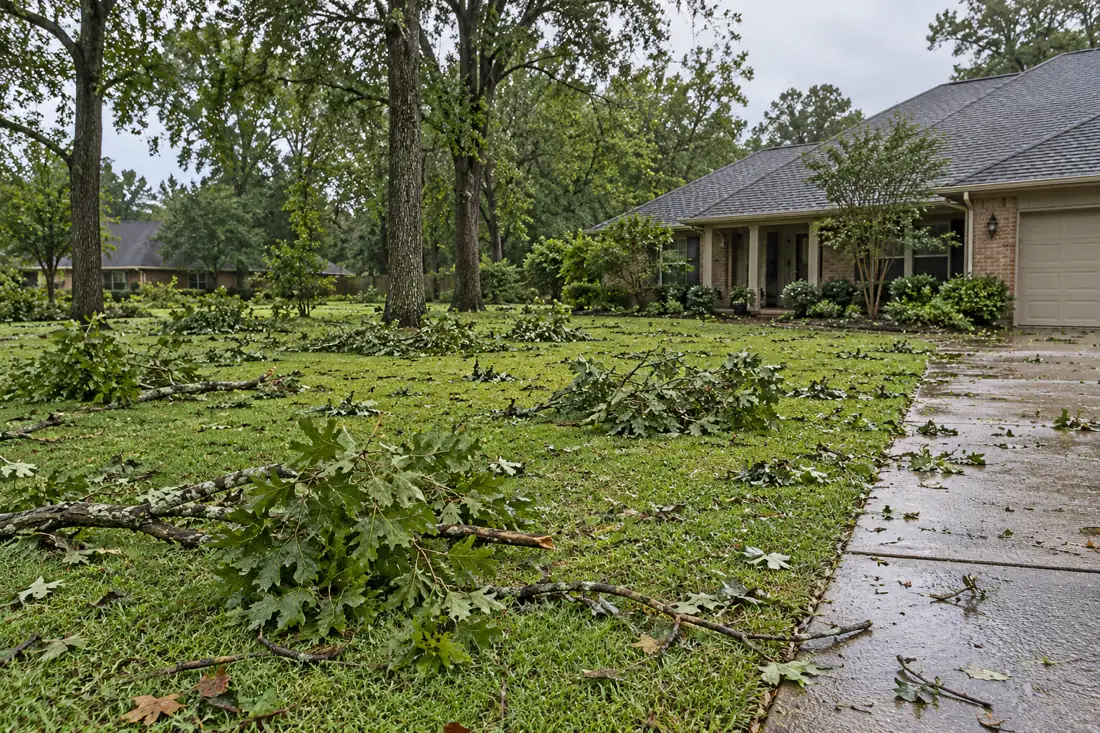
Start with a plain description: cut logs, leafy branches, brush, wood chips or stump grindings. Explain whether the material came from recent tree work, accumulated over time or was scattered by weather. Those details help establish the task without assuming that every outdoor pile can be collected in the same way. Include the property address and the location of each separate area being considered.
If roofing, fence wire, metal, household items or other non-tree material is mixed in, say so before accepting a quote. Do not sort through a hazardous pile to produce a perfect inventory. Explain what is visible and what remains unknown. Tree-debris hauling is different from an undefined demolition or general rubbish service. The company needs the material boundary before it can discuss handling and whether a separate arrangement is necessary for items outside that boundary.

Describe whether processing is still needed
Tell the estimator if the tree is already cut and consolidated, lying in long sections or still partly attached. Material that appears to be a simple pile may contain a supported trunk or branches extending into another tree. If standing damage or suspended limbs remain, identify them before treating the job as ordinary loading. The fallen-tree service and hanging-limb page address those related conditions.
Do not cut, drag or compact damaged material to prepare it for an assumed collection method. The company will review the task and suitable approach. If another contractor created the pile, ask what work that provider has completed and what remains. A clear handoff prevents the customer from booking hauling for a job that still includes unaddressed tree handling or concealed attachments. Keep those responsibilities visible in the accepted scope.
Define chip, wood and brush disposition separately. For a debris-removal inquiry, distinguish brush and leaves, branch sections, large logs, stump grindings and any material that is not vegetation. Ask whether the customer wants usable wood left at a specified location, whether chipping happens onsite and whether loose chips should be hauled away. Identify gate width, loading surfaces, roadside restrictions and who authorizes any additional material discovered later. The job is complete only against an agreed cleanup boundary; stump removal, grading, soil import and repairs to damaged hardscape should not silently be assumed included.
Show the amount without hiding the edges
Use safe wide photographs showing the entire pile and nearby fixed features that help communicate its scale. Include more than one view if a long row, multiple stacks or scattered areas cannot fit in a single frame. A tightly cropped close-up may reveal the material type but hide the amount. State if branches extend behind the visible pile or if another area needs a separate visit to review.
Approximate dimensions can help introduce the request, but do not climb onto wood or unstable material to measure. Show where the pile sits relative to a drive, fence, building or retained tree. If the photo is older, mention additions or changes since it was taken. A useful estimate discussion connects material, quantity and location; a photograph of a large log without that context does not show the whole handling task.
Walk through the loading route in the request
Show how material would move from its current location to the loading area. Gates, turns, steps, soft ground and narrow passages can matter as much as the pile itself. A truck-accessible street does not establish a usable route from a rear yard. Mention surfaces or features along the path that are not obvious in the photographs, such as a shallow utility feature, an enclosed courtyard or a recent landscape installation.
Do not relocate a pile onto a public route or another person’s property to improve presumed access. Discuss a suitable arrangement with the company first and obtain the necessary permission where applicable. The equipment planning hub explains route and setup questions. For an occupied business, identify delivery activity, parking restrictions and the person coordinating entry. That helps connect loading to actual property operations without promising that every location can be served in the same way.
Identify the wood or chips you want retained
If some material is staying, say which items and where you would like them placed. Retaining logs for later use differs from leaving a broad mixed pile where it sits. Discuss whether processing, movement or separation is feasible for the actual job and included in the quote. Do not assume firewood lengths, splitting or a particular chip placement follows automatically from an agreement to remove tree debris.

Define the debris pile without hiding the hazards underneath
Photographs of a debris pile can hide the exact material and the route needed to remove it. Provide one view that shows the whole pile and another that shows the largest trunk sections, access gate and nearby paving. Separate loose brush from heavy logs and identify material mixed with fencing, soil or other waste. An estimate based only on a close-up of leaves is unlikely to describe handling or hauling accurately.
After a storm, a pile may still contain tensioned limbs or wood resting against a structure. Do not climb into, pull from or cut an unstable pile, and never approach material involving downed electrical conductors. The site assessment should identify whether debris is already safely on the ground or remains attached, suspended or trapped. Those are different work scopes even when all are described casually as tree debris.
State where the collection point is permitted, whether vehicles can reverse safely and what finish the property owner expects. Does the work include small twigs, sawdust, stump chips or only the identified logs and brush? A clear before-and-after description prevents misunderstandings without promising municipal pickup schedules or disposal rules that have not been verified.
The grindings guide addresses a related choice after stump work. Keep retained material clear of necessary access in the agreed plan. If another person will collect the wood later, define the handoff and obtain appropriate access permission. A concise retained-material list makes the final result easier to inspect and helps avoid hauling something the owner expected to keep or leaving something they expected to have removed.
Distinguish pile removal from a finished landscape
Ask what the practical surface will look like after the agreed material is removed. Small fragments, chips, disturbed soil, impressions and existing damage are different issues from the main log or brush pile. Full soil repair, sod, grading and planting should not be inferred from the word cleanup. State the next use of the space so the company can explain the available finish and any separate work needed.
For example, clearing a loading area for an upcoming delivery has a different completion test from preparing ground for a new garden. This is a planning comparison, not a customer project claim. The debris planning hub helps organize the boundary. Review the accepted area together and distinguish pre-existing conditions from agreed work, especially when several contractors or earlier storm damage are involved in the same property response.
Organize several areas as a readable scope
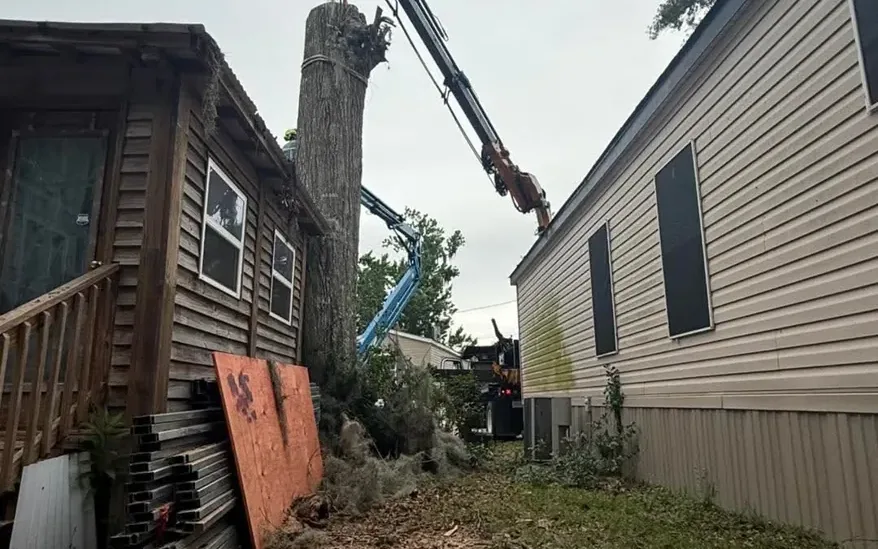
At a managed property, use simple location identifiers for each pile or scattered area. Connect those identifiers to photos and the proposed work list. Identify who can authorize removal and who will meet the crew if entry is controlled. A collection of messages from different tenants or maintenance workers can otherwise leave uncertainty about which material is included and who has approved the task.
Discuss access windows and ongoing operations without assuming a guaranteed visit time before availability is confirmed. For material spread across a storm-affected site, the storm cleanup page provides wider context. Separate known work from optional additions so the scope can be accepted clearly. If additional material is discovered later, report it rather than silently adding it to a pile that was priced and arranged under a different description.
Send one complete starting request
Include the address, material types, full-pile photos, access route, retained wood preferences and the result you need. Mention mixed contents, current overhead damage and restrictions before they become surprises at loading. Use the approved direct channel for private entry information. If the concern is an urgent tree hazard rather than ordinary hauling, call 504-458-8336 to discuss response availability and use the appropriate emergency or utility service where needed.
Before approving the work, review what is collected, any processing included, where retained material goes and what remains on the surface. Ask what changes would require a revised discussion. A usable debris quote connects all four parts instead of relying on the size of the truck or a general promise to clean the property. That clarity gives the customer a practical way to compare proposals and recognize the agreed finished result.
Set debris collection boundaries before loading
A pile of branches may hide larger trunk sections, soil, damaged fencing, construction waste or roofing pieces. Provide safe photographs that show the entire pile, including edges and surrounding ground, and state which materials you know are present. Vegetative hauling is not automatically acceptance of mixed rubbish or unknown items. Do not move a hanging limb or unstable stack merely to improve the view for an estimate.
Loading access is as important as pile size. Describe the approach from the road, turning room, gates, soft ground, overhead limbs and drainage channels. If the material blocks an entrance that must remain in use, explain that constraint. A small vehicle fitting a driveway does not prove that larger loading equipment will. If recent rain has weakened the ground, report it rather than assuming the same equipment plan applies.

Differentiate loose tree wood from other site material
Make wood preferences explicit. Some customers want certain logs retained for later cutting, while others want wood chipped or hauled and some want chips left on site. Clarify stump grindings, leaf litter and surface restoration separately. Removing a load does not imply the stump was ground or that rutting, disturbed soil and lawn repair are included. Define the expected finish before approving the task.
For larger properties, label each pile or area and keep its status with the accepted scope. After work, compare safely accessible areas against that list and identify material that remains for other trades. A useful completion record describes what was actually collected and disposed of, not a broad promise that every trace of storm damage or landscape disruption was corrected.
When the job is a tree-debris pickup rather than active tree work
This service is most relevant when branches, log sections and similar tree material are already on the ground and can be assessed for collection. A storm-fallen trunk still under tension, a root plate that could move, or a damaged standing tree is not simply a pile to load. Such conditions require a separate hazard review and possibly tree cutting or controlled dismantling before ordinary hauling can begin.
Describe what must be collected, how it reaches the loading point and what should remain after pickup. Mark mixtures of wood with metal, roof material, glass, soil or household waste rather than assuming all items can share a load. For larger projects involving mixed vegetative material, collection staging, public areas or volume-based handling, the vegetative-debris page considers the wider material stream and operational planning. This page focuses on a defined tree-material removal request and a clear completion check.
- Give wide photographs of the pile and the route from pile to vehicle.
- Identify logs too large for ordinary handling and any concealed sharp or non-tree materials.
- Specify whether chips, leaf litter, roots and surface cleanup are included or separately managed.
For the related but different decision, see Vegetative Debris Removal. Confirm the work required for this property before relying on a general example.
Tree Debris Removal questions
What counts as tree debris for the request?
Describe logs, limbs, brush, chips and grindings separately. Identify any non-tree material so the company can discuss the accepted scope.
Can you estimate from a close-up of the pile?
A close-up may identify material, but wide views, amount, location and the loading route provide more useful context.
Should I move debris to the street first?
Discuss the arrangement before relocating material. Do not obstruct public access or use another person’s property without the appropriate permission.
Does debris removal include cutting a fallen tree apart?
Confirm whether processing or tree handling is needed and included. A hauling request should not conceal an unfinished removal task.
What if a pile includes fence wire or roofing?
Disclose mixed contents and any unknown material. Handling may require a separate provider or arrangement.
Can I keep some logs or chips?
Discuss the retained material, processing and placement before accepting the scope. Particular lengths, splitting or placement are not automatic.
Will a rear-yard pile cost the same as one beside the drive?
The route, handling and loading conditions affect the task. Describe the whole property rather than comparing pile size alone.
Does hauling include sod or soil repair?
Ask specifically. Removing the main material and restoring the landscape are different operations unless expressly included.
How should a managed property identify several piles?
Use consistent location labels attached to photos and the work list, with a named contact who can approve scope and arrange entry.
What if there are hanging limbs above the debris?
Report the overhead condition before routine loading is planned. Do not work beneath damaged material to organize the pile.
Are stump grindings included with other wood?
Identify them separately and confirm whether they stay, move or leave. The appropriate finish depends on the intended use and accepted scope.
What should I compare between debris quotes?
Compare material accepted, amount, processing, access, retained items, hauling and the final surface condition.
Separate ordinary wood pickup from a multi-load debris operation
Tree-debris removal can mean collecting an already safe pile of branches, loading cut logs, carrying away brush from routine maintenance or clearing storm material after a qualified crew makes the area safe. For a straightforward pickup, photograph the whole pile and its loading approach; give an approximate scale and specify what material may remain. Keep roofing, glass, treated construction materials and other nonvegetative waste out of the assumed tree-debris scope unless the contractor expressly agrees to handle them.
Larger or distributed vegetative piles may require a staged operation with processing space, several truck movements and defined routes. The vegetative-debris guide explains that workflow. If storm branches are tangled with broken fencing or building materials, review the mixed-debris guide before anyone starts sorting by hand.
Do not move wood under tension, enter a utility hazard area or attempt a cleanup solely to improve photographs. The estimate should identify accepted material, who cuts it if necessary, loading constraints and the point at which the property is considered cleared.
Related decisions: Vegetative Debris Removal · Storm Debris Mixed With Building Materials
Let’s plan your tree work.
Send the property address, safe tree photos and the result you need. Include access restrictions and the person who can approve the work.