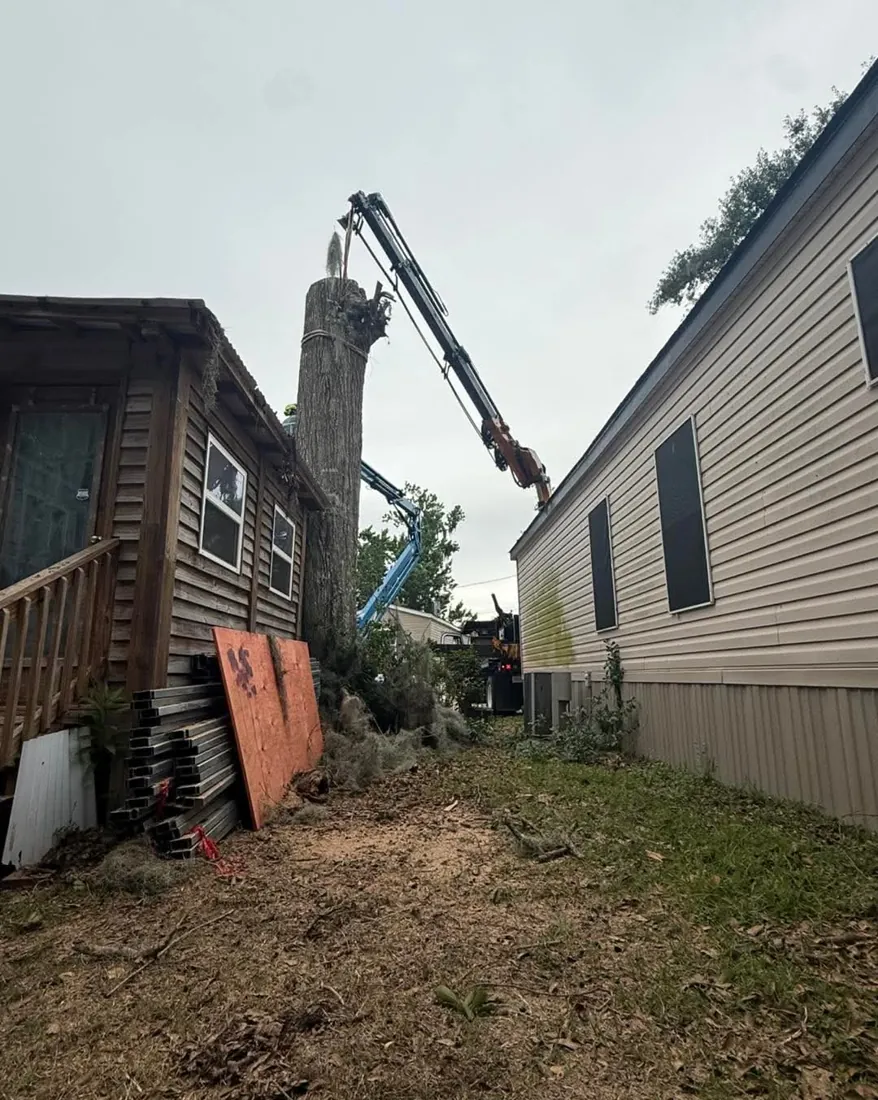
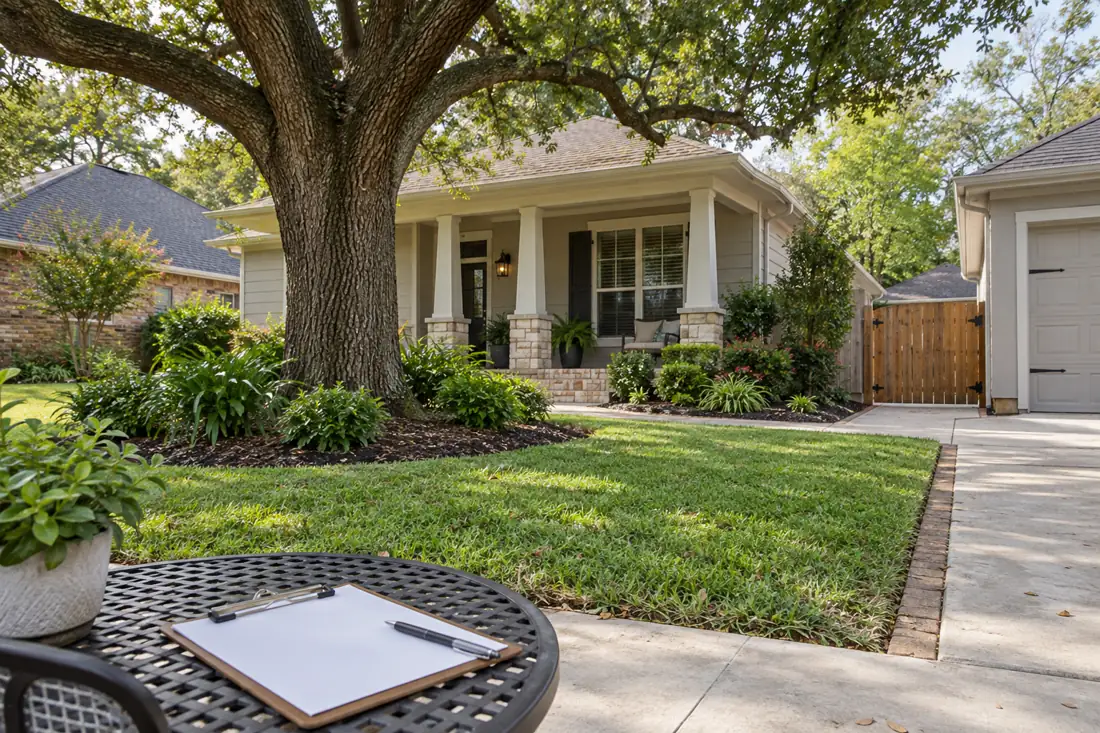
Late-October tree work succeeds when a delivery driver, household member and tree crew never compete for the same narrow entrance. Map the real sequence before anyone arrives.
Visitor parking is a different access problem from a delivery window
An appliance delivery or building-material drop needs a brief, known route and a handoff between work crews. Hosting visitors can create multiple arrivals, additional parked cars, longer use of paths and people gathering in a yard that usually stays quiet. Even if the driveway itself is clear, the proposed guest area or overflow parking may change what must be inspected and protected before tree work.
Use the separate visitor parking and outdoor-space tree-work guide when the priority is an event, gathering or several vehicles. For deliveries, keep the focus on a controlled arrival window, communicated loading path and confirmation that debris and equipment have cleared the route.
Protect the delivery-day handoff after the crew leaves
Holiday delivery conflicts often happen after the cutting work appears finished. Decide who checks the driveway, gate swing, street parking, temporary mats and walkable parcel route before the first scheduled delivery resumes. A package carrier may use a different turn or vehicle from the household car, so the work closeout should describe the usable route, not merely say that the street is open.
If an unexpected branch, equipment delay or access restriction changes the schedule, the homeowner or designated property contact should notify the relevant delivery contact using their own booking channel. Keep a written alternate drop-off or delivery-day plan that does not send people beneath suspended material or through an active loading zone. Photograph the cleared surface from the usual entrance after the crew finishes, without claiming it proves unseen tree conditions.
Make a shared access handoff for delivery days
Build one shared schedule with the tree crew's proposed setup, hauling and release windows alongside actual household, vendor and delivery appointments. Mark which driveway, gate or walking route each party needs; a broad arrival estimate is not permission to enter an active work area. Identify the person who may approve a change and make sure affected occupants and contractors get the same revised instruction rather than conflicting text messages.
If the schedule shifts, record the change and recheck every affected path before anyone arrives. A holiday deadline should never override a professional safety restriction or cause someone to move around barriers. If a suspected dangerous tree or overhead electrical issue is involved, isolate the affected area and follow the appropriate professional, utility or emergency guidance. Avoid telling drivers to squeeze through an unverified equipment route.
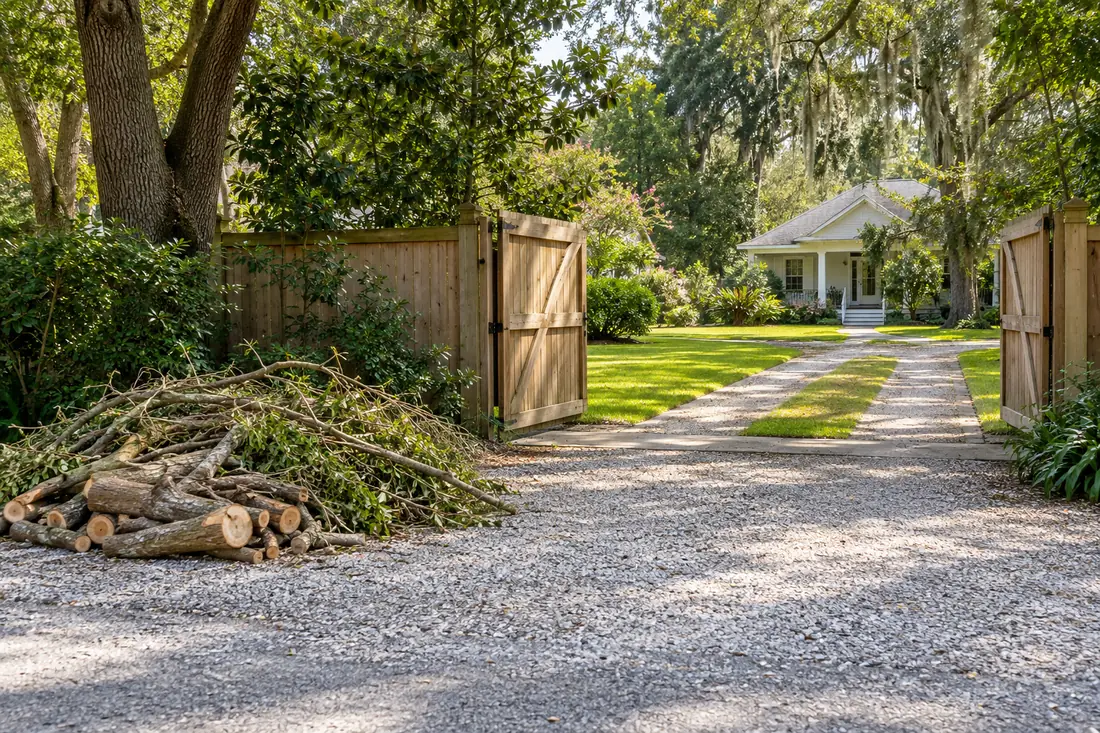
Keep deliveries separate from debris loading
A delivery window is a practical constraint, not simply a date on the calendar. Show the tree crew where the delivery vehicle must stop, which gate the driver will use, and whether materials need a clear walkway or driveway. Mark any location where limbs, equipment, or a chip truck would block that route.
Ask that the cleanup scope identify where cut material will wait before loading and what must be clear at handoff. If the access plan cannot accommodate both activities safely, schedule them separately instead of assuming the arriving driver can work around equipment.
At closeout, confirm the agreed debris outcome, walking and vehicle access, gate operation and any outstanding restrictions. A request for tree services should explain those access constraints separately from the intended pruning or removal. Keep a versioned handoff with the property decision-maker, the final accepted scope and the contacts who received it. That is more useful than assuming a job is ready for deliveries simply because cutting has stopped.
Build a calendar that distinguishes firm deliveries from guesses
List the actual delivery commitments before requesting a tree-work window: appliance installations, furniture drop-offs, building materials, catering, parcel pickups and routine collection. Record whether each appointment has a confirmed arrival window or only an estimated day. A large refrigerator truck has very different unloading needs from a courier carrying one box. Ask the party scheduling the delivery whether the driver must park at the curb, reverse into the driveway or access a garage door. These details turn a vague conflict into a manageable site plan.
Tree work may require staging a chipper, carrying brush across the driveway, positioning a truck or establishing a temporary exclusion area. The size of that zone is determined by the crew's actual method, not by the homeowner's preferred parking arrangement. Do not reserve the same strip of pavement for two activities and assume the parties will negotiate after arrival.
Share only relevant site and timing details with each provider, then obtain separate confirmations. Keep one designated person responsible for updating both schedules if a delivery changes.

Trace the entire route from street to doorway
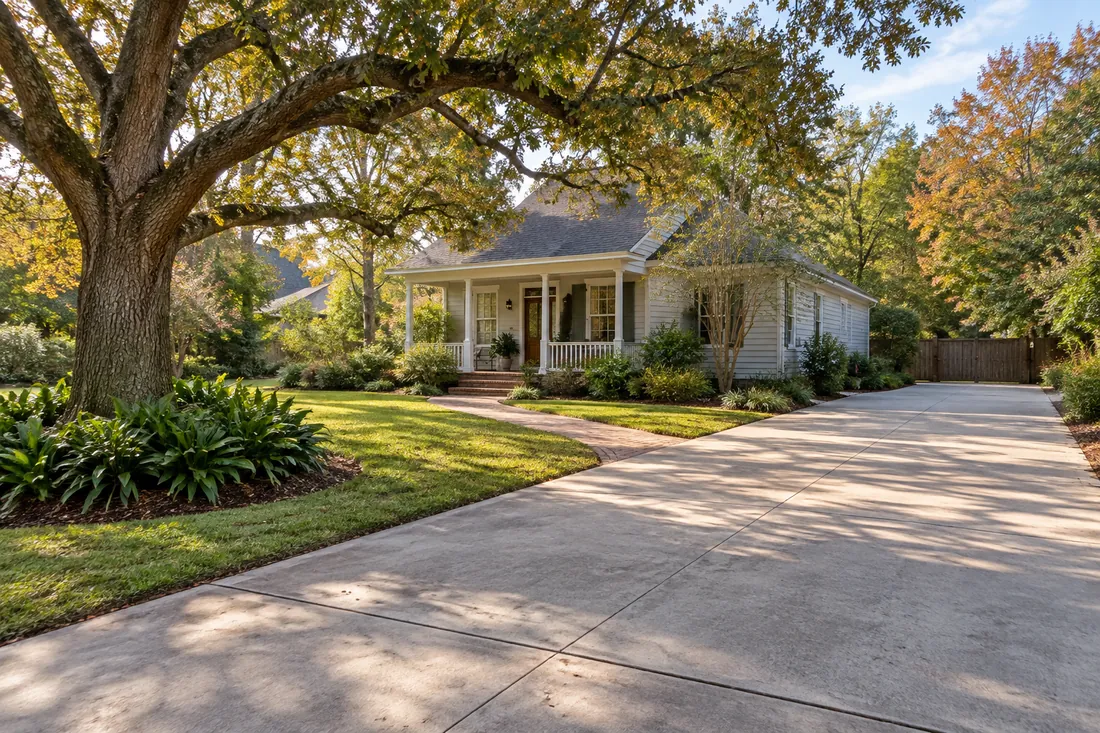
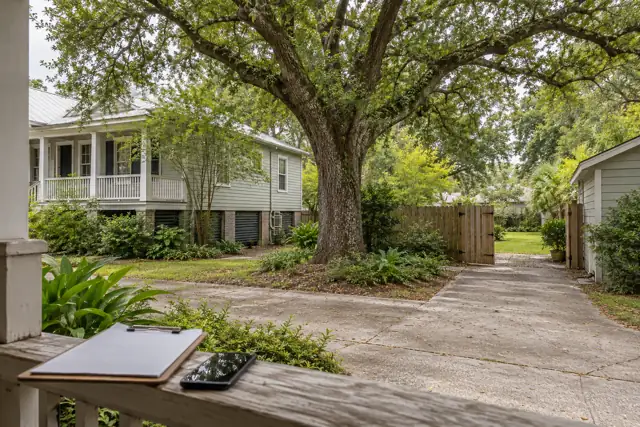
Stand in an ordinary safe location and sketch the route used by every relevant vehicle and pedestrian. Note the street approach, turning direction, narrowest gate, driveway edge, overhead branches, mailbox, steps, ramps and entry door. Include a photograph with enough surrounding context for a reviewer to understand the space; an isolated limb close-up does not show whether a truck can turn or where materials could be carried. Measurements are useful when verified, but a guessed driveway width should be labeled uncertain rather than presented as an equipment clearance.
Think beyond the front bumper. A delivery truck may need to swing wide, lower a liftgate or hold space for a hand truck. A tree crew may require an unobstructed path for branches or wood and room for ground workers to remain outside active cutting areas.
Neither service should use the other's equipment or staging zone as a shortcut. If the only accessible route crosses a neighbor's property or a shared servitude, confirm the relevant permission before the work date. A plan built on an unavailable route is not a plan.
Holiday-delivery congestion changes the tree-work access plan
Late October can combine extra parcels, visitors and service appointments on a driveway that normally seems easy to use. Record unusual delivery dates, accessible entrances and the route for debris before asking a contractor for an available slot. This seasonal article identifies the temporary holiday conflict; scheduling around home deliveries addresses the general household routing and handoff process. Keep the two timelines distinct so a tree-work booking does not inadvertently block a necessary delivery.
Identify the route that must remain open
A household may need continuous access for a wheelchair user, school pickup, home care visit, emergency services or a business delivery. Mark the essential route on the site drawing and tell the tree company before a proposal is finalized. A pedestrian detour should not send people through an active work area, soft ground or an unfamiliar uneven surface. If no safe route exists during certain operations, arrange an appropriate temporary closure or an alternative day rather than expecting workers to stop mid-cut for repeated crossings.
Communicate closure details to those affected: residents, tenants, property managers and expected visitors. A simple notice stating which entrance is closed and whom to contact is more useful than a general warning that tree work is underway. Do not promise unrestricted entry while branches are being lowered or equipment is moving. The provider controls the safety of its work zone; the property decision-maker manages occupant information and authorization. Keep the two responsibilities separate but coordinated.
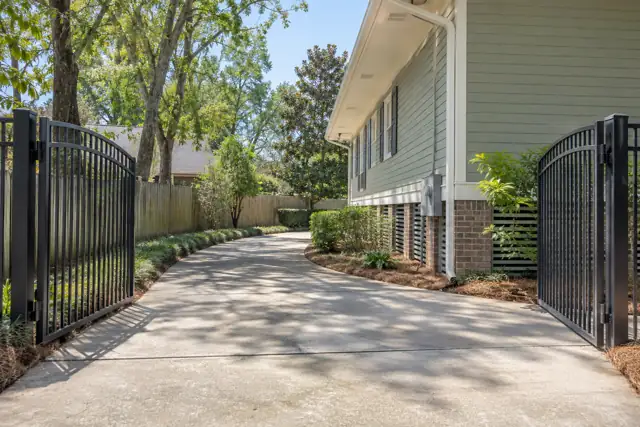
Separate tree risk from ordinary schedule convenience
Not every low branch is an urgent hazard, and not every visible tree issue should be deferred for a holiday delivery. From safe ground, record observable facts such as fresh breakage, hanging material, a recent change in lean or soil movement at the base. Do not climb, pull a branch down, enter beneath suspended material or approach utility conductors to inspect more closely. If conditions appear immediately dangerous, keep people away and seek qualified urgent assistance rather than negotiating a routine appointment around a furniture truck.

For nonemergency work, ask a qualified provider to explain the objective of pruning, removal or inspection. A request to 'clear everything above the driveway' can invite unnecessary cuts that compromise tree structure. The right scope might address a specific damaged branch, clearance for documented vehicle use or simply an assessment. Deliveries create scheduling constraints, not technical instructions for how a mature live oak should be pruned. Retain any previous assessment or relevant tree-work invoice so new decisions reflect known history.
Make parking a deliberate part of the work order
Identify where residents will park while the crew is on site, where delivery vehicles may legally stop and whether curb space is restricted. Check whether parked cars block the driveway turning radius or prevent wood from being moved safely. Ask affected neighbors about their ordinary access needs without treating their frontage as available storage. The property manager should determine applicable parking permissions; the contractor should confirm its equipment requirements. An agreement about tree work does not automatically authorize blocking a public roadway or neighboring driveway.
Temporary parking is especially important at multifamily residences, office entrances and small commercial sites. Moving cars at the last minute can delay an otherwise well-planned job. Provide clear advance notice, designate a contact who can reach vehicle owners and establish what happens if a required area remains occupied. Avoid sending a laborer to find a car owner while rigging or cutting is underway. A modest amount of preplanning can protect the intended work window and prevent avoidable disruptions to tenants and delivery crews.
Account for wet soil, hidden features and surface protection
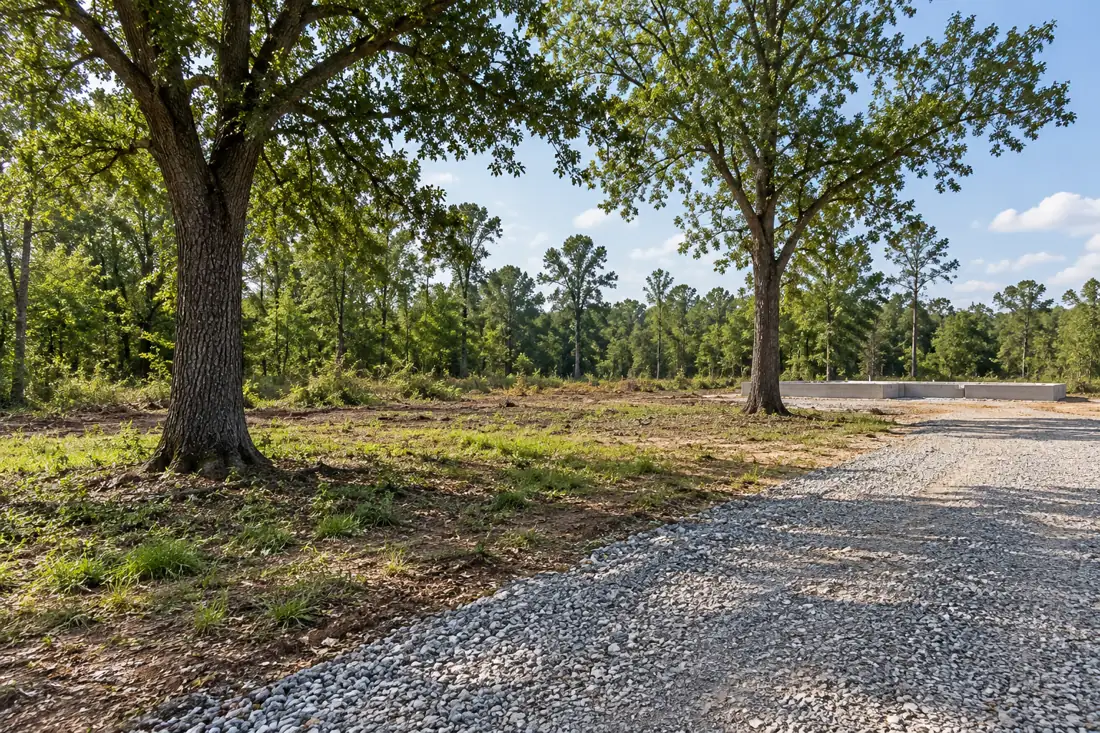
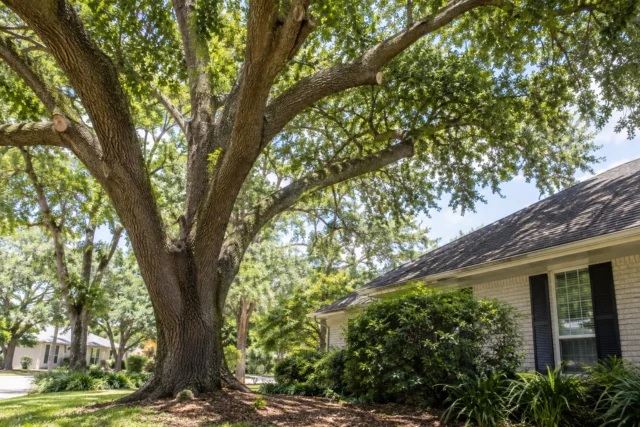
Late-October conditions in southeastern Louisiana can include wet lawns, localized ponding and softer ground than a sunny photograph suggests. Tell the tree provider about recent rain, irrigation, buried drainage, septic components, shallow utility service lines, pavers and fragile landscape edges. Do not direct heavy equipment onto a lawn because ordinary passenger cars crossed it before. Equipment choices and ground-protection methods require a real site assessment; they cannot be reliably selected from a single overhead image.
Consider how a delivery could change conditions while work proceeds. A truck may leave ruts at a soft shoulder or block a drainage inlet. Moving wood across a decorated path could damage edging or lighting. Record the existing surface condition with truthful wide photographs and identify what needs to be protected or temporarily removed.
Do not dismantle utilities or excavate roots on your own. Where underground systems are uncertain, say so explicitly, arrange appropriate locating, and reconsider the route rather than assuming those features are absent.
Specify debris removal and the final walkable condition
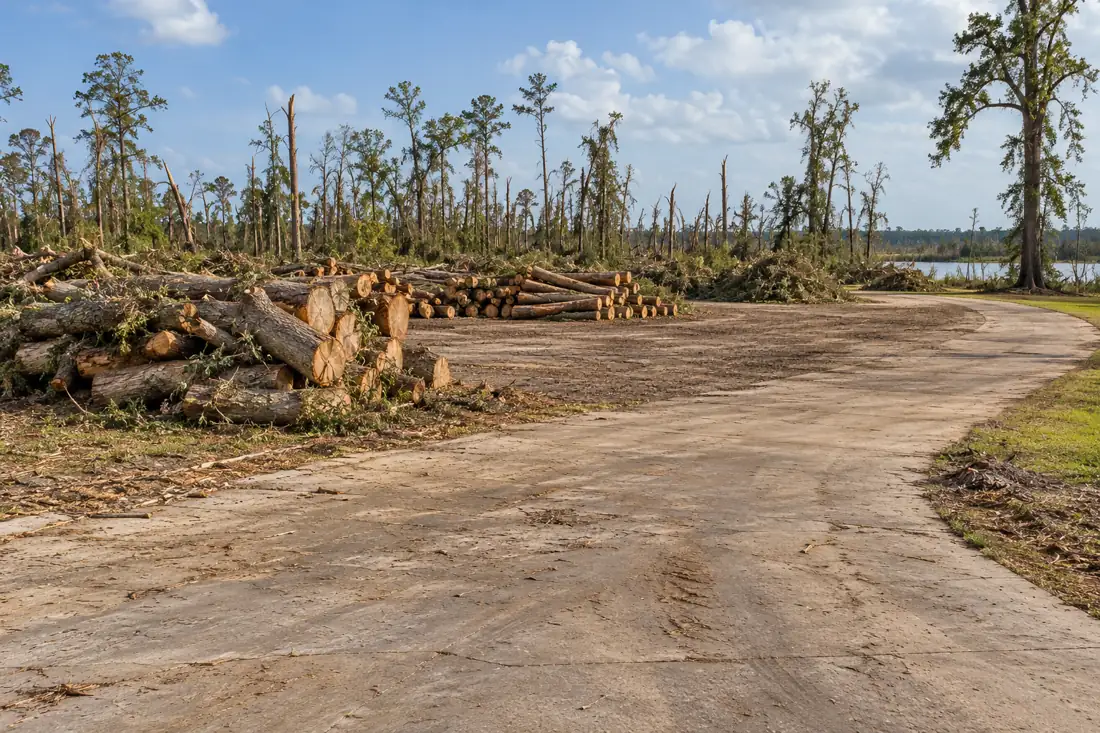
Before approving a quote, establish whether cut branches, logs and chips will leave the property or remain in a designated area. If wood is retained, describe the location, practical handling requirements and whether it would obstruct a delivery route. A stump is a separate finish question when removal is proposed: grinding, surface cleanup, backfill and landscape restoration should not be assumed from the word 'removal.' Clarify who manages nonvegetative material such as old holiday decorations, damaged fencing or packaging if found nearby.
The end of cutting is not necessarily the moment a driveway is usable for a hand truck. Ask the provider how it will define completion of the agreed debris scope and when the exclusion area can be reopened. The property representative can then check that the planned route is accessible, acknowledge any remaining restoration or trade follow-ups, and notify delivery parties.
Avoid claiming a surface is structurally undamaged from appearances alone; document visible conditions and bring concerns to the appropriate professional. Completion notes are valuable for next year's scheduling too.

Confirm permissions and keep utility coordination separate
A mature tree near a shared boundary, overhead line or public corridor can involve parties beyond the person who booked an appointment. Identify property ownership, common-area control, HOA requirements, municipal restrictions and any utility coordination before committing to cuts. Never ask a tree crew to move or touch an energized wire to make room for a delivery vehicle. If there is a line-related concern, stay clear and contact the responsible utility or appropriate emergency service. A private tree-work estimate does not substitute for required authorization.
Property managers should distinguish approval to inspect from approval to perform work. A tenant may report a branch but not have authority to contract for removal. A delivery company may provide access observations but cannot approve cutting on another owner's property. Keep written scope acceptance, permission records and the authorized contact together. If the decision depends on a site visit or third-party approval, record that dependency and update the calendar; do not imply work is booked before those conditions are resolved.
Send an estimate request and confirm next steps
An effective request to Tree Huggers identifies the property address, tree location, known concern, anticipated delivery conflict, accessible entrances and any time restriction that truly cannot move. Include a wide photograph from safe ground showing the tree and route, plus another showing a relevant ground obstacle if it can be captured without approaching danger. Explain whether an urgent safety concern is suspected, but avoid making your own structural diagnosis. The provider can then determine whether an assessment, pruning or another service is appropriate.
After a proposed scope is returned, confirm exactly which access areas are needed, the agreed handling of wood, who will notify residents and what would trigger rescheduling. Record the responsible person for each unresolved item. The native estimate form is the proper place for personal contact information and optional photos; anonymous page-click measurements should not collect what a visitor types. Keep the inquiry, professional assessment, estimate, authorization and actual completion as separate stages rather than treating a form submission as a finished job.
Confirm delivery-day access before scheduling a crew
Before confirming the crew's arrival, have one authorized person reconcile the delivery calendar, available curb space, gate width, pedestrian route and the planned place for wood and brush to leave the property. Decide who can postpone tree work if a contractor or delivery vehicle unexpectedly blocks the approach, and keep that contact reachable on the day.
Photos for an estimate should show route dimensions and obstructions without exposing private addresses, parcels or entry codes. Describe which dates are fixed and which are tentative; a holiday delivery deadline does not by itself make a tree hazard an emergency.
Questions about Late-October Tree Work: Plan Access Before Holiday Deliveries
Can tree work and a large delivery happen on the same day?
Sometimes, but only when the actual vehicle routes, exclusion zones and timing do not conflict and each provider confirms the plan.
What should I tell the tree company about driveway access?
Explain the street approach, narrow gates, parked vehicles, overhead obstructions, essential pedestrian access and any uncertain measurements.
Should I move my car before the tree crew arrives?
Follow the agreed parking plan. Ask which parking and staging areas the crew actually needs.
What if a delivery company gives only a broad arrival window?
Treat it as a scheduling uncertainty and consider a separate tree-work window rather than claiming both areas will remain available.
Can visitors cross the tree-work area between cuts?
Do not plan on it. The crew controls its exclusion area and should confirm when normal access is restored.
Does a branch above a driveway always need removal?
No. A qualified assessment should determine the objective and appropriate work, if any.
What photographs help with an estimate?
A safe ground-level wide view of the tree, driveway and nearby structures is usually more useful than an isolated branch close-up.
What if I see a hanging branch or recent root movement?
Keep people clear and seek appropriate qualified assistance. Do not enter beneath unstable material to photograph it.
Are stump grinding and surface restoration included with removal?
Not automatically. Ask for the exact stump, cleanup, backfill and restoration scope in writing.
Can a tree crew work around overhead electric lines?
Only under applicable qualified procedures and utility coordination. Never approach or handle conductors yourself.
Should I tell neighbors before shared-driveway tree work?
Yes when access may be affected; obtain any required permissions and give clear notice of a confirmed closure.
Does sending the quote form guarantee a booking time?
No. An inquiry starts the process; assessment, scope, scheduling and authorization are separate steps.
Get a scope for your property
Holiday deliveries can crowd driveways and loading areas that a tree crew also needs for equipment and debris hauling. Before requesting work, photograph the affected tree along with the drive, gates, parcel-drop point and any shared access route. Note scheduled deliveries, tenants or contractors who need to pass through, plus the narrowest turn and where parked vehicles normally sit.
Avoid assuming that a delivery driver can safely bypass a truck, chipper or overhead cutting zone. If a weakened tree or hanging limb threatens the route, keep people clear while obtaining qualified advice.
Ask for a proposed work window with a clear staging location, affected access points and who must be told before temporary closure. Define whether branches, logs, chips and road sweep-up are included and when the driveway can be checked for reopening. A property owner may need to move deliveries or approve an alternate drop-off point rather than promising uninterrupted access.
The written estimate should separate tree risk assessment, access management and any later surface repairs. The objective is predictable coordination, not a guaranteed holiday schedule that ignores weather or site conditions.