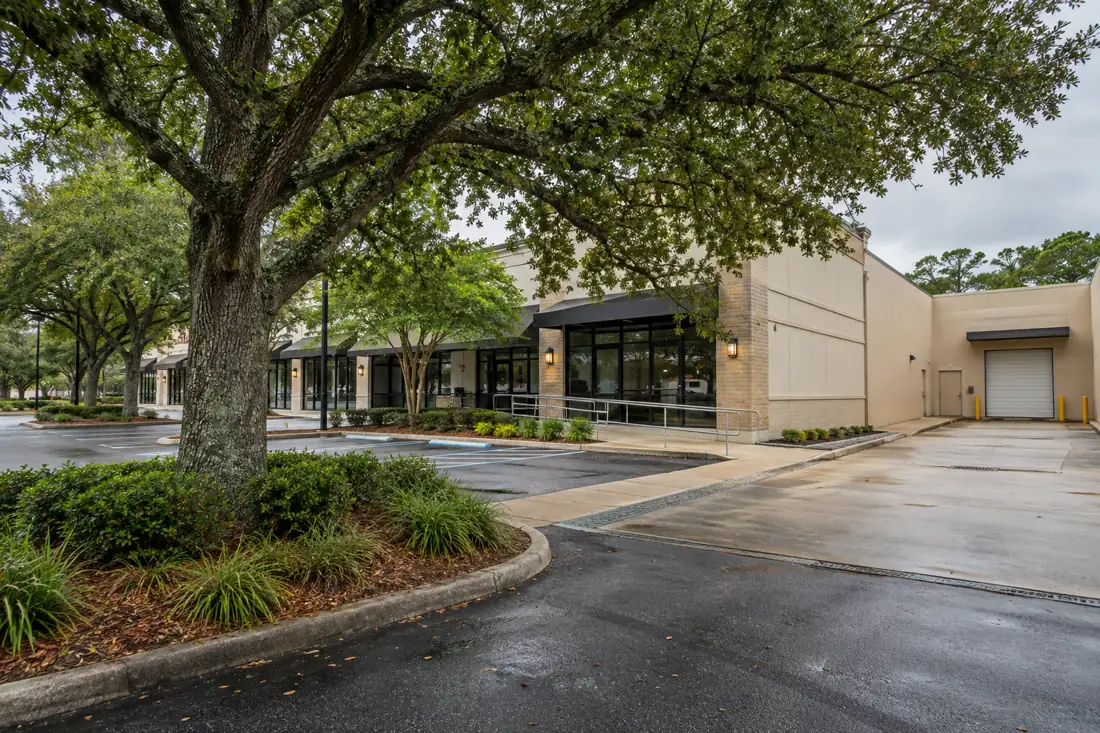
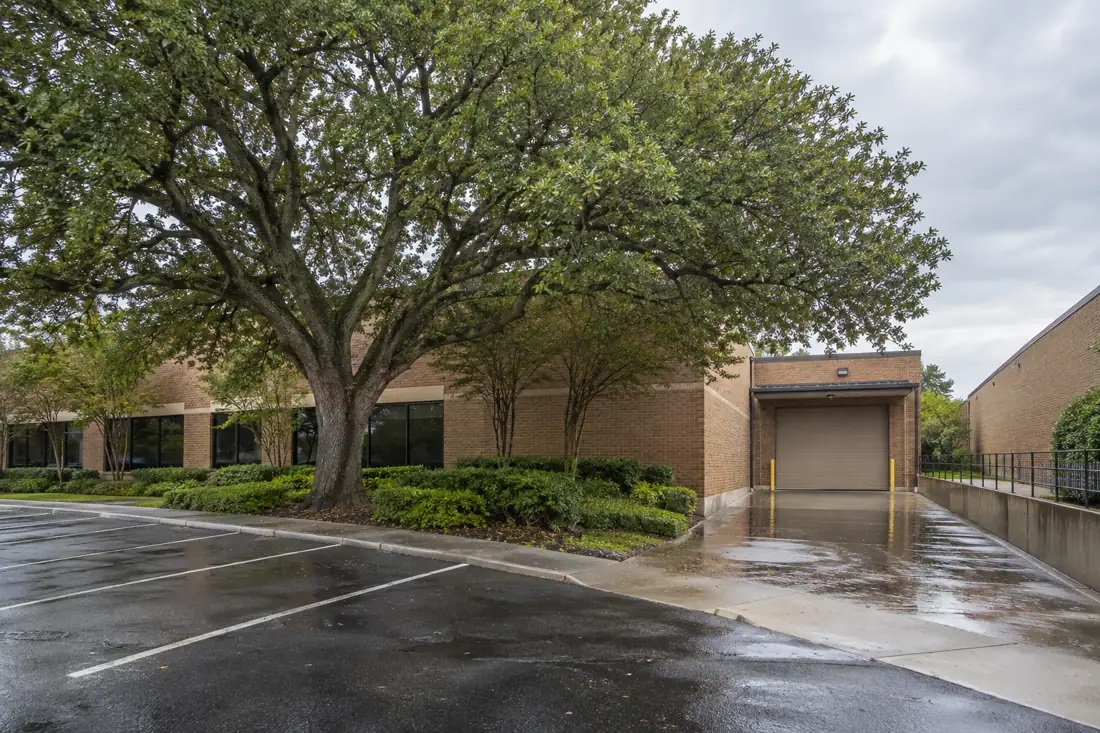
An owner who cannot attend needs clear photos, tree identification and a local access contact. Agree on who can approve the scope and any changes. The contractor should know the desired cleanup and how completion will be documented. A vague request to handle the trees can lead to mismatched expectations.
A remote-owner approval packet that works without an on-site visit
For an owner who lives elsewhere, collect one wide photo showing the tree and building, one showing the trunk base and surrounding ground, and a sequence showing the entire proposed entry route. Ask the local contact to identify gates, pets, tenants, irrigation controls and areas that cannot be accessed. Photos should be taken from safe ground, not beneath hanging limbs.
Designate one person who can open the site and one person authorized to approve a change in scope. Those may not be the same person. In writing, distinguish a remote preliminary estimate from a site assessment and note which conditions could not be seen. An owner should not approve removal solely from a cropped photograph that hides proximity to structures.
For completion, request a short location-labeled photo record showing the agreed tree, debris condition, stump finish if included and the exit route. Keep tenant details and personal data out of public project examples. A simple before-and-after checklist reduces arguments about whether hauling, chip removal or ground restoration were included.
An absentee property owner should identify a local contact with clear authority to provide access, approve a defined scope and receive photographs. Start by giving the contractor the tree location, property boundaries, gate instructions, visible hazards, nearby occupied spaces and the outcome requested. Distinguish an authorized caretaker from a tenant or neighbor who merely reports a problem.
Photo-based estimates may help triage, but the equipment route, hidden defects and utility conditions may still require an onsite assessment. Do not send a crew onto land or through a locked gate based solely on an unconfirmed message.
Before work begins, agree on how options, exclusions, price changes and unexpected findings will be communicated and documented. Request photos that show the same tree and work zone before and after, plus a clear explanation of what was cut, removed, retained or deferred. Specify hauling, stump work, surface protection and any return visit separately so the owner does not mistake an incomplete phase for a finished project.
If the property cannot be accessed safely, document the obstacle and obtain new authorization rather than improvising. An organized written closeout is especially valuable when the person paying cannot inspect the site immediately.
Create a verified property map before requesting a remote quote
An owner who lives elsewhere may know the street address but not the current position of trees relative to gates, roofs, neighboring lots and service lines. Start with a recent aerial image and mark each tree by number, building side or another unmistakable reference. Ask a trusted local contact to verify the map from authorized ground-level locations. A tree beside a rear fence can be confused with a similar tree on the next parcel if the request contains only close-up pictures.
Write down what prompted the request: storm damage, a branch touching the roof, a dying canopy, blocked access or a planned sale inspection. State what was actually observed and by whom rather than turning an old photo into a diagnosis. The property owner should preserve survey or boundary information and disclose uncertain areas. This lets the contractor evaluate access and likely scope without pretending the owner has personally seen current conditions.

Choose a local access representative with defined authority
A tree contractor needs to know who may unlock a gate, escort the crew, move a vehicle and answer practical questions on site. The owner should designate a property manager, relative, tenant representative or other authorized person and specify the limits of that person's role. Someone who can provide gate access is not necessarily authorized to approve extra removal or a changed price. Separate those permissions in writing before scheduling.
Keep door codes, keys and contact details in secure private communications, not in publicly visible form fields or project photographs. If a tenant occupies the property, coordinate visits through applicable lease terms and notice procedures. The remote owner should not assume the crew can walk through occupied areas without authorization. A clear division of authority avoids repeated calls during setup and protects both the property and the people using it.
Authorize access and changed scope remotely. An out-of-town owner should identify who can grant access and approve an amended scope. Provide a reliable way to reach that person during work, describe locked gates and tenant needs, and specify finished-condition documentation. Photos support remote review but cannot replace required permission or a site inspection.
Give a remote owner a decision record they can actually use
When the owner cannot attend the site walk, establish a local contact who can verify gates, pets, parked vehicles and access agreements without giving that person unlimited authority to approve new charges. Ask for labeled photos showing the full tree, its base, nearby buildings and any overhead lines, plus a simple site sketch if several similar trees stand close together.
The written proposal should separate required safety work from optional appearance or cleanup items. Agree in advance who approves unexpected conditions and how a completion photo set and debris-removal status will be delivered for remote review.
Give a remote owner one reliable decision trail
Remote ownership often turns a straightforward tree question into several disconnected conversations. Start a single record containing the exact property address, recent wide photographs, the location of each tree, known gates or locked areas, and the name of the person authorized to meet a crew. Mark any shared fence, tenant area or adjoining property before requesting a field visit.
A local representative can report what is visible, but should not be asked to climb, probe or handle a hazardous tree. Keep estimate questions and approvals in writing, including whether the goal is inspection, pruning, removal or storm cleanup. For occupied properties, coordinate notice and safe access with the occupants without sharing more personal information than the contractor needs.

Define the remote owner's decision authority
A property owner who lives elsewhere can still plan tree work carefully, but the contracting party should be identifiable and reachable. Provide an address, the parcel or building involved, and the name of the person who may approve scope changes. A tenant, neighbor or caretaker may be able to open a gate and describe a problem without having authority to authorize removal. Make those roles explicit before a crew travels to the property. If the property is vacant, tell the contractor who can confirm that nobody is expected to enter during operations. Remote ownership should not become a reason to skip the ordinary site-access and safety discussion.
Gather reliable site evidence from more than one angle
Ask a trusted local contact for safe, recent pictures of the entire tree, its base, surrounding structures and possible equipment entrance. They should not climb a ladder, enter a damaged building or stand beneath suspended limbs to take photos. Aerial imagery may help orient a conversation but can be outdated, especially after storms or changes to fencing.
If an assessment must be conducted on-site, discuss how it will be arranged and what decisions can be made afterward. Ask the contractor to distinguish what the photographs demonstrate from what remains unknown. A single close-up of broken bark rarely establishes equipment access or the full extent of tree damage.
Send useful photos without encouraging unsafe inspection
For an initial review, a distant photograph showing the whole tree and surroundings is often more useful than a close-up of an isolated leaf. Request views of the trunk, canopy, roof clearance, access lane and the observed defect from safe positions. Ask for context about recent storms or changes. Do not direct the local contact to climb, enter beneath hanging branches or stand in traffic to document a concern; the professional assessment can fill those gaps.
Photographs should avoid faces, license plates, personal papers, house numbers tied to private information and visible security credentials where not needed. Label each image with the tree map number and viewing direction. Record the date the image was actually taken instead of inventing camera metadata or a location. If the contact cannot safely see a defect, say so; uncertainty is preferable to a dangerous attempt to prove the concern remotely.

Distinguish a visual estimate from a full assessment
A contractor may be able to discuss likely access and a preliminary scope from images, but hidden decay, root condition and exact equipment positioning often require a site inspection. Ask which parts of the quote depend on a professional visit and what information is still unknown. A remote owner should not request a definitive safety certification based solely on a few photographs. The observed targets, recent changes and tree structure may alter the appropriate recommendation.
Record whether the proposal covers pruning, removal, stump grinding, debris hauling or a more limited evaluation. If the tree is close to an electric line, utility coordination may be necessary before ordinary tree work. The owner should understand that a lower preliminary price does not necessarily represent the same scope as a fully assessed project. Request written clarification rather than accepting an unspecified promise to handle everything.
Check title, boundaries and adjacent-property access
An absentee owner may not be aware of a new fence, locked alley or neighbor disagreement that changes equipment access. Confirm ownership of the affected trees and identify any shared drive or neighboring ground the contractor would need to cross. A local contact can describe conditions but should not independently grant access on behalf of another owner. Where property rights are disputed, appropriate documentation or professional advice may be required before work can be authorized.
Ask the tree contractor to describe the intended path for machines and debris from the public road to the tree. If that path involves a neighboring parcel, secure permission before setting the work date. Do not rely on a neighbor's casual text if the scope requires formal authorization under local circumstances. Keep a record of which area is approved and any limits on timing, protection or restoration.

Plan for occupants, deliveries and emergency routes
A rental home may have tenants, maintenance vendors and deliveries using the same gate a tree crew needs. The owner or manager should coordinate notices and agree on any necessary temporary closures. If a driveway must be blocked, identify where vehicles can be moved and how emergency access remains available. The crew controls the work area but should not be expected to manage residential obligations that belong to the owner or property manager.
Ask for an explicit schedule window with a contact who can respond if a vehicle, pet or locked gate prevents the planned setup. Do not promise tenants unrestricted access through an active drop zone, and do not assume a quiet-looking house is vacant. For an unoccupied property, verify security arrangements before and after the visit. A controlled handoff helps prevent both unsafe improvisation and an unsecured property after work.
Use written approvals and stop-work conditions
The owner should approve an itemized scope identifying each tree and treatment before the crew mobilizes. Define who can approve additional work and what happens when concealed decay, unstable soil or a blocked route requires a different method. A local contact may report these conditions without having authority to expand the contract. Written communication protects against a later disagreement about whether a more expensive removal or extra cleanup was actually requested.
Include an agreement about how photos and progress notes will be sent, and which changes require a new signature or payment authorization. Avoid assuming every unexpected issue is a contractor mistake or a new charge; ask for the reason and proposed response. The owner should verify applicable qualifications and insurance documentation through current records. Do not fabricate a promised response time, availability or guarantee in the project description.

Specify cleanup, security and surface protection
An absentee owner cannot personally see whether a walkway is swept, a gate is secure or logs have been removed at the end of the day. The estimate should spell out debris treatment, stump handling, mat removal and any excluded restoration. Identify protected objects such as fences, irrigation, porch steps and drainage. If equipment will travel over soft ground or paving, ask how the contractor evaluates load and ground conditions rather than assuming protective mats eliminate damage.
The owner should instruct the local representative to inspect key areas against the scope when practical. Require prompt notice of a discovered condition that was not visible in the original photographs. Keep existing landscape, roof and fence defects documented so later comparisons are grounded in evidence. The final project should not be judged only by one distant after-photo of the canopy; the work area, exit route and property security also matter.
Build a useful remote completion package
A practical handoff might include photographs from the same angles as the initial request, a tree-by-tree completion list, notes about retained debris and any recommendation for further assessment. Images should have genuine dates and avoid private tenant information. The contractor can document completed services without claiming that a newly trimmed tree is permanently safe. The owner should verify that the work matches the signed agreement before accepting unrelated extra items.
Ask the local contact to confirm gates, doors and vehicle approaches have returned to their agreed condition, while respecting the tenant's normal rights and privacy. If a follow-up action is outstanding, record it separately with an actual responsible party. Keep the documents in a place the next property manager can access. This small record becomes especially useful after storms, when the owner needs to distinguish new damage from work already completed.

Set a sensible follow-up strategy rather than a blanket promise
A remote owner may be tempted to purchase the same tree service every year without reviewing actual conditions. Instead, retain the location map, assessment notes and observations that would trigger a return visit. Large storms, sudden lean, fresh cracks or changes after construction can justify earlier review. Different trees may need different maintenance, and pruning frequency depends on species, health, site use and previous work.
If the property will be sold, rented or renovated, provide the relevant tree information to the responsible representative without misrepresenting a service invoice as a structural certification. Establish who will look for visible changes between professional visits and how concerns should be reported. Avoid encouraging tenants or neighbors to investigate dangerous branches themselves. A clear follow-up process makes an absentee owner's decisions informed without pretending all future tree risks can be removed.
Build a written approval and communication chain
Decide whether written estimates and authorizations should be sent to the owner, a manager or both. Set a clear process for additional work if the crew discovers an unlisted tree, hidden obstruction or changed access condition. An estimate should identify the trees and work limits, materials to be hauled, exclusions, timing assumptions and responsibility for permits when applicable.
Avoid vague authority such as 'do whatever is needed' without limits or documented approval. If the owner is in another time zone, account for the practical availability of the decision-maker. No online form submission alone should be treated as a scheduled crew visit, a confirmed emergency response or consent to additional charges.
Verify the finished property condition remotely
Before completion is accepted, request appropriate site photographs of the approved work area and the entrance, showing what changed and what remains. Confirm whether the wood is removed, chips retained, a stump ground, soil restored or a fence reopened according to the agreed scope. Separate existing property damage from any new concern that needs follow-up, and keep the invoice with the agreed written changes.
When a tenant or caretaker is helping, ask for factual observations rather than assigning them responsibility for a professional safety inspection. Keep private household information out of any published portfolio or marketing content. The goal is a documented handoff the remote owner can understand without pretending to have personally witnessed the job.
Questions about this project
Which photos should I text first?
Send a wide tree view, the base if safely visible, nearby targets and the equipment route. Add the address, desired work and any recent change. Identify each tree clearly if the request involves several.
Can photos confirm that a damaged tree is stable?
No. Photographs may omit defects, support conditions and other important details. Use them to prepare for the contractor's assessment, and avoid entering hazardous areas to obtain a better view.
How should extra work be approved?
Use the agreed approval process and identify the change, reason, scope, price or schedule effect as applicable. Confirm who has authority before treating an additional tree or task as part of the original job.
What completion records are useful?
Keep the agreed scope, tree or area identification, authorized changes, invoice and labeled photos where appropriate. Include unresolved items and a contact. Contract-specific records should follow the buyer's stated requirements.
Is a total tree count enough for a large quote?
Usually the parties also need locations and tasks. Use consistent tree numbers, marked photos or a site plan so the estimate and crew instructions refer to the same trees and retained areas.
Does a work inventory include a condition assessment?
Only if that service is expressly part of the scope. A list used to identify and price tasks should not be mistaken for a documented assessment of every tree's condition or risk.
What should I compare besides the price?
Compare tree identification, work objectives, access assumptions, hauling, stump treatment, site finish and exclusions. Ask whether permits or other coordination are part of the scope and who can approve changes if conditions differ.
Does an online request book the crew?
No. A request starts the estimate conversation. The company still needs to discuss scope, availability and any site assessment. For a dangerous or urgent condition, call 504-458-8336 rather than relying on a form response.
Does cleanup include every root and wood chip?
That depends on the written scope. Tree removal, stump grinding, chip hauling and root excavation are different tasks. Ask what material is removed, what remains and whether soil or landscape restoration is separately included.
What should a final walk-through check?
Compare the identified trees and tasks with the agreement. Check agreed debris handling, stump treatment, access openings and any listed restoration. Record unresolved items clearly instead of relying on a general impression that the property looks finished.
What should I tell Tree Huggers about planning tree work for an absentee property owner?
Explain the property address, the work you want and the specific concerns: remote approval, local access, completion photos. Send safe photos of the tree, surroundings and access route. The contractor can then discuss the assessment and scope needed for this situation.
How do I request an estimate for this work?
Call 504-458-8336, text photos or use the estimate form on this page. Include the address, desired outcome and any timing constraints. The company will need to review scope and availability; an online request does not confirm a price, appointment or emergency dispatch.
Get a scope for your property
An absentee property owner needs a reliable way to identify the exact tree, approve the work and verify what was completed without being physically present. Provide the property address through the native inquiry form, a site sketch or numbered photographs and the details of a local contact who has agreed to help with access.
Identify locked gates, tenants, pets and any shared drive before proposing a visit. Do not send unnecessary personal identifiers or assume a tenant has authority to approve removal. If the concern is urgent, separate observations about danger from conclusions that require qualified evaluation.
Request a written proposal that lists trees by location, proposed actions, work exclusions, payment and approval steps, and how changes would be authorized remotely. Ask what before-and-after evidence the contractor can reasonably document and who will confirm gates and access routes are secured after work. The property owner should agree on notification and completion-review methods rather than relying on a vague promise that everything will be handled automatically. Any third-party access or boundary question should be resolved before equipment arrives.