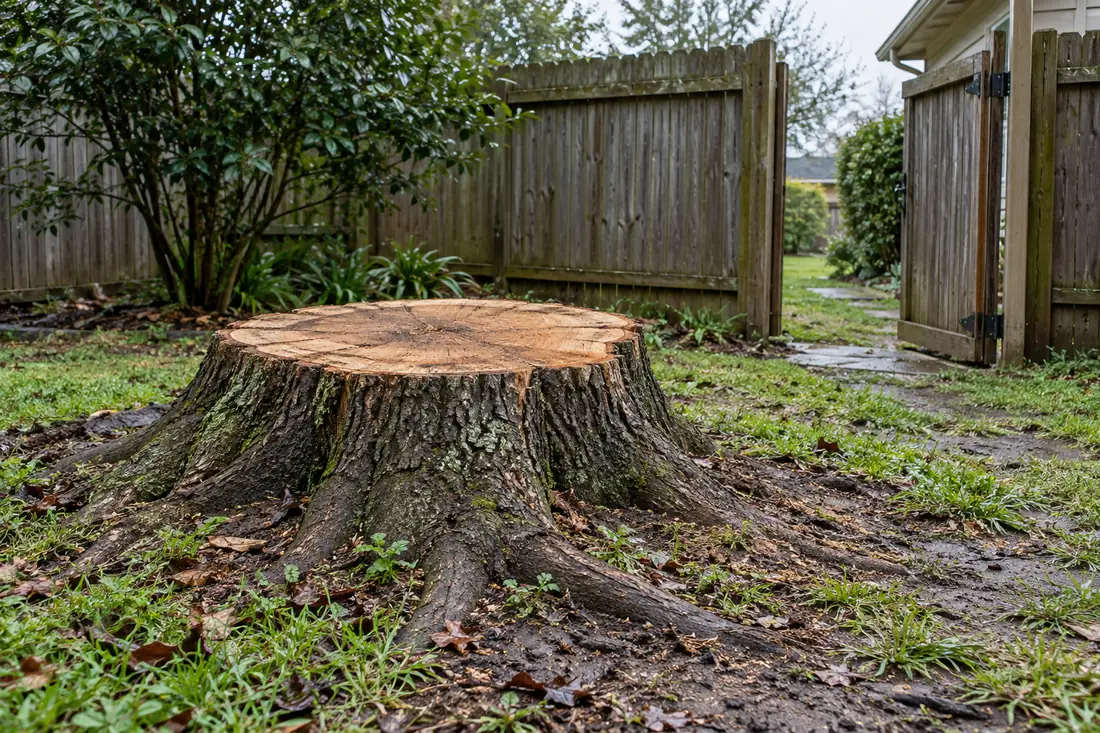
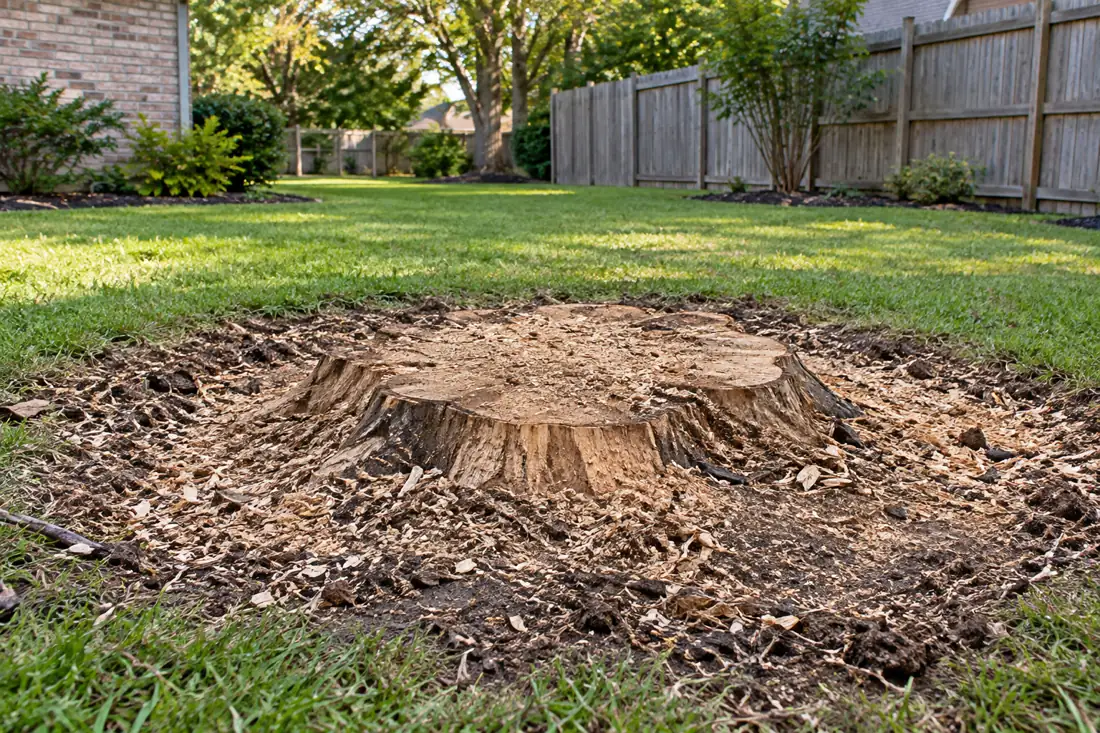
Measure the stump footprint and the route to it
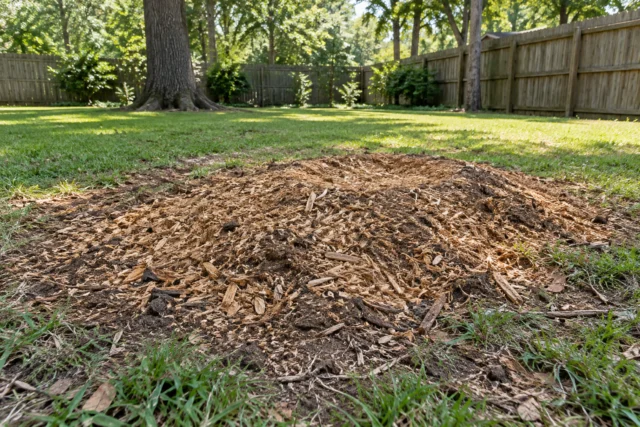
For a stump estimate, collect a photograph with an object for scale, the approximate widest root flare, stump height above surrounding grade and the smallest gate or access opening. Note nearby irrigation, slabs and utility markings. The visible cut face may be much narrower than the rooted wood the grinder must negotiate.
Before comparing quotes, confirm the requested depth, chip handling, whether exposed lateral roots are included and what final grade is expected. A quote for an accessible stump with chips left onsite should not be treated as equivalent to one that includes removal, soil replacement and lawn restoration.
Stump price is about the whole work area
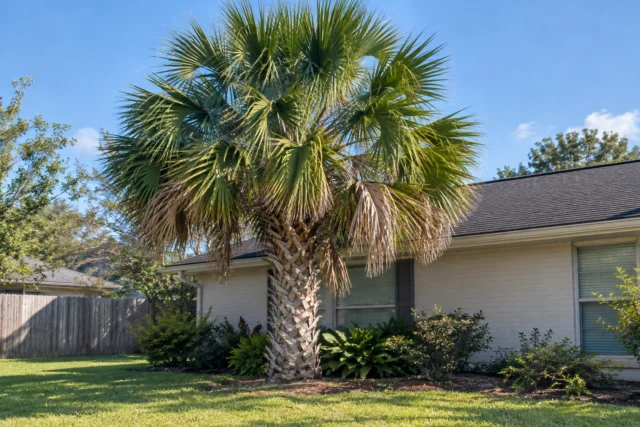
Visible diameter is only one factor. Root flare, species, stump height, slope, gate width, nearby slabs, fences, landscaping and buried utilities can all change the time and equipment required. A small front-yard stump in open space is very different from a large hardwood stump behind a narrow gate or beside a foundation.
What the estimate should define
The scope should state how far below grade the stump will be ground, whether major surface roots are included, how grindings are handled and whether the area is left for landscaping. Tree Huggers can grind stumps after removal or as a separate service when equipment can safely reach the site.
Identify the stump and the result you want
A useful price request shows more than the upright remnant of the trunk. Include the base, visible flare, nearby surfaces and the route to the work area. Tell the provider whether the next use is lawn, planting, paving or another project. A small visible stump in difficult access can present a different job from a broad stump in an open front yard. The scope should describe the actual working area and desired handover condition.
Compare stump quotes by their finished condition
Two stump prices cannot be compared fairly until they describe the same finished condition. Ask whether the proposed depth applies to the visible cut face only or to the accessible flare around it, whether chips will remain on site, and whether the contractor is expected to leave a loose ground surface or a separately prepared area.
A quoted total that excludes restricted access or haul-away should not be treated as equivalent to a scope that includes those tasks. Avoid treating an online average as a property-specific price.
When requesting estimates, provide one wide photograph showing access, one image with a measured stump diameter and surrounding flare, and the intended use of the area. Identify the narrowest entrance and any known irrigation or buried systems without assuming that a marked utility route covers private pipes. If the next step is planting, paving or sod, the planning guide helps define handoff tasks for the appropriate trade before the numbers are compared. For the related but distinct decision, see Stump Grinding Project Planning.

Explain the route from the street to every stump
Send views of gates, turns, steps, slopes and overhead restrictions along the route. Note soft ground, delicate paving and fixed landscape features. A machine reaching the first stump does not establish that it can reach another behind a separate fence or garden bed. Tell the company which openings and parking arrangements are under your control and which require another person’s agreement.
Do not remove a fence panel or move fixed fixtures until the actual plan and restoration responsibilities are understood. If access needs a shared driveway or neighboring property, confirm permission before scheduling. Changes after the estimate should be reported before arrival, including recent rain-related ground changes or newly installed landscaping.
These details influence whether the proposed equipment and handling arrangement fit the price. They also make it easier to distinguish a revised access scope from an unexplained change in the charge for grinding the wood itself.
Compare what each stump-grinding estimate actually includes. A price comparison is useful only when the scope is the same. Record stump diameter at the widest visible point, expected root flare, gate and equipment access, desired depth below finished grade and whether chips will be removed or left. Ask separately about visible surface roots, soil replacement, hauling and the condition of the site afterward. If utilities or hardscape are close, request an inspection rather than treating a basic diameter quote as a complete final cost.
If the standing tree has not been removed yet, discuss stump work as part of the overall plan rather than assuming it is included in removal. If it is an older stump left by another provider, explain what is known about the original work. Do not guess dimensions or underground conditions to obtain a more precise-sounding quote. Safe photographs and honest limits help the company decide whether initial information is enough or a site review is needed before confirming a scope and price.
Measure the feature the estimator actually requests
Ask which dimensions the company needs for its estimating process. A stump can be broad at the ground and narrower higher up, so an unqualified diameter can be misleading. Show the widest visible base and any included surface-root area. Use a reference or safe measurement only where the location is already accessible and free of an unresolved tree hazard. A picture should make the measurement context clear rather than hiding the base beneath debris.

Compare the finished ground condition, not just a price
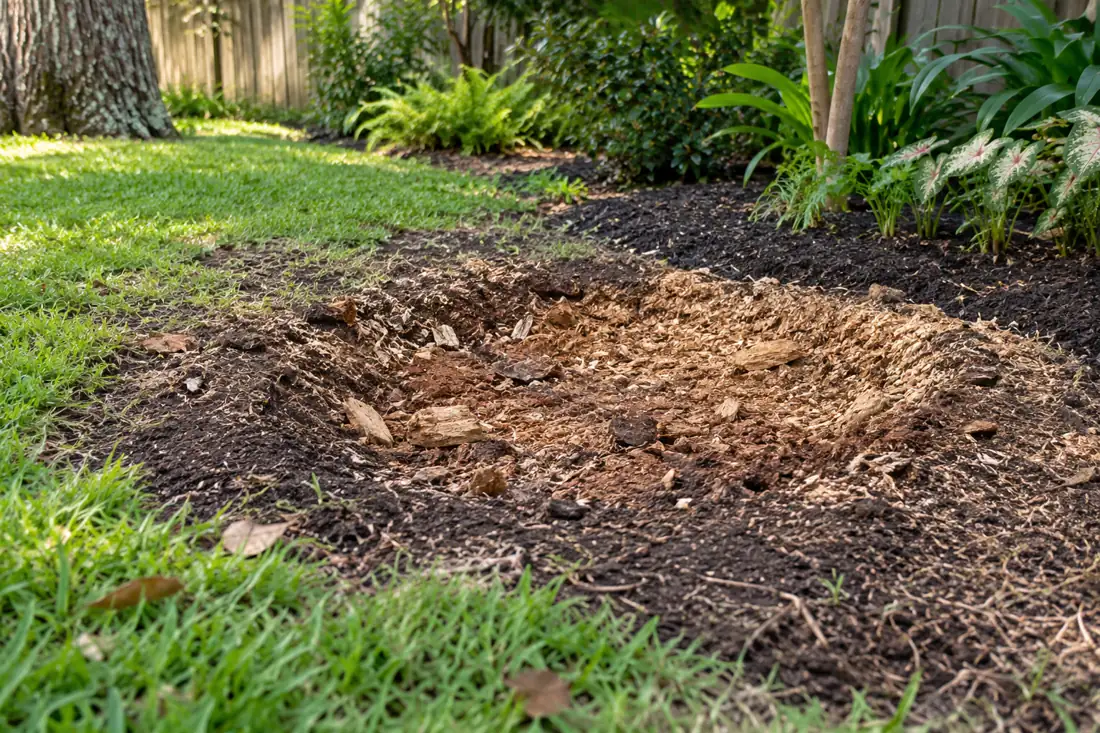
Two estimates can both say stump grinding while describing different outcomes. One may leave a mound of chips above the surrounding lawn; another may include separating excess grindings and bringing the depression back to a usable grade. Ask what happens to the chips, how the work area will be left, and whether surface restoration belongs to a separate landscaping contractor.
Before comparing amounts, mark the stump’s actual diameter at the exposed flare, the narrowest access point, and any nearby irrigation, fencing, edging or buried utilities. A photograph taken from a safe distance with the surrounding ground visible is usually more useful than a close-up of the cut face alone. The finished use—sod, mulch, replanting or simply level ground—should drive the scope.
A stump-grinding estimate must specify the finished surface
Stump-grinding cost depends on more than the diameter of a clean cut across the top. Root flare, multiple stems, hard material, depth requested, nearby pavement, buried services and the route available for a machine can change the work. This guide helps compare bids on the same assumptions; it does not provide a universal price per inch or promise a particular machine.
Photograph the stump and safe approach without digging around buried features. State whether the area will become lawn, new planting, a path or another landscape use.
A useful comparison separates grinding, wood-chip handling, additional roots, backfilling, grading and any future landscaping. Specify whether the surface should be left as grindings, spread level, or made ready for a separate restoration contractor; these are different outcomes. Do not assume grinding removes every root or makes soil immediately ready for replanting. The main stump-grinding service page is appropriate when seeking an actual work estimate, while this page is the scope checklist that helps prevent confusing totals.
For several stumps, identify each one separately and explain whether they share the same access route. Do not multiply a guessed price for one stump by the count and assume it represents the complete job. Equipment access, size variation and material handling can differ within one property. The stump measurement guide helps organize the request. The estimator should confirm how its quote identifies the agreed work, including any flare or surrounding woody area that the owner expects treated.
Match depth and footprint to the next use
Ask the provider to describe the grinding depth reference and the area included. The surrounding lawn, a raised mound and a future finished grade may not be the same level. Agree on the relevant reference so both parties understand what the quote covers. Grinding the stump is different from removing every lateral root, and a construction project may need preparation outside the ordinary grinding scope.
Specify the usable ground condition after grinding
A stump quote should describe the footprint the equipment can reach and the result the owner intends to use afterward. Measure from the widest visible root flare if the estimator requests it, note the height above surrounding soil and show the route from gate to stump. Include pavement edges, irrigation heads, drain lines and private services that may require separate location or protection.
Grinding below existing grade can serve ordinary lawn restoration, but the necessary extent for new paving, a fence footing or a future tree planting is a different decision. Do not assume a standard depth will satisfy an unrelated contractor's excavation requirements. Ask how surface roots, buried obstructions and inaccessible edges will be handled or excluded.
At handover, distinguish the ground wood-and-soil mixture from clean topsoil. Agree in advance whether excess grindings are left, relocated or hauled and whether backfill or final grading is included. Comparing two stump estimates only by headline price is unreliable when one stops at grinding and the other includes additional site finishing.

Share any actual requirement from the builder, concrete contractor or landscape provider who will follow. The grinding-depth guide explains how to frame that discussion without choosing one generic number for every use. A price should not be treated as certification that the subsurface condition meets a future engineered project. Ask which provider handles remaining excavation or soil preparation and what happens if an obstruction prevents the agreed result. Defining those boundaries early is more useful than comparing depth figures detached from the site and next task.
Resolve utilities and private systems before pricing certainty
Disclose known irrigation, drains, lighting circuits, pet-fence systems and other private features near the stump and access route. Follow the appropriate utility-location process and discuss additional locating where needed. Louisiana 811’s private-locator resource explains the need to consider areas outside ordinary member utility marking. Do not assume that one locate identifies every customer-owned system, and do not dig or probe around uncertain lines yourself.
Ask who arranges required preparation, separate disconnection or repair work and how an unexpected obstruction will be handled. A nearby slab, fence footing or landscaping rock may also affect the working area. The quote should make unresolved assumptions visible instead of promising unrestricted grinding around features that have not been identified. Resolving the site information helps the provider offer a clearer scope and helps the owner understand why a stump in an open area and one beside buried services may require different arrangements.
Choose grindings handling before comparing totals
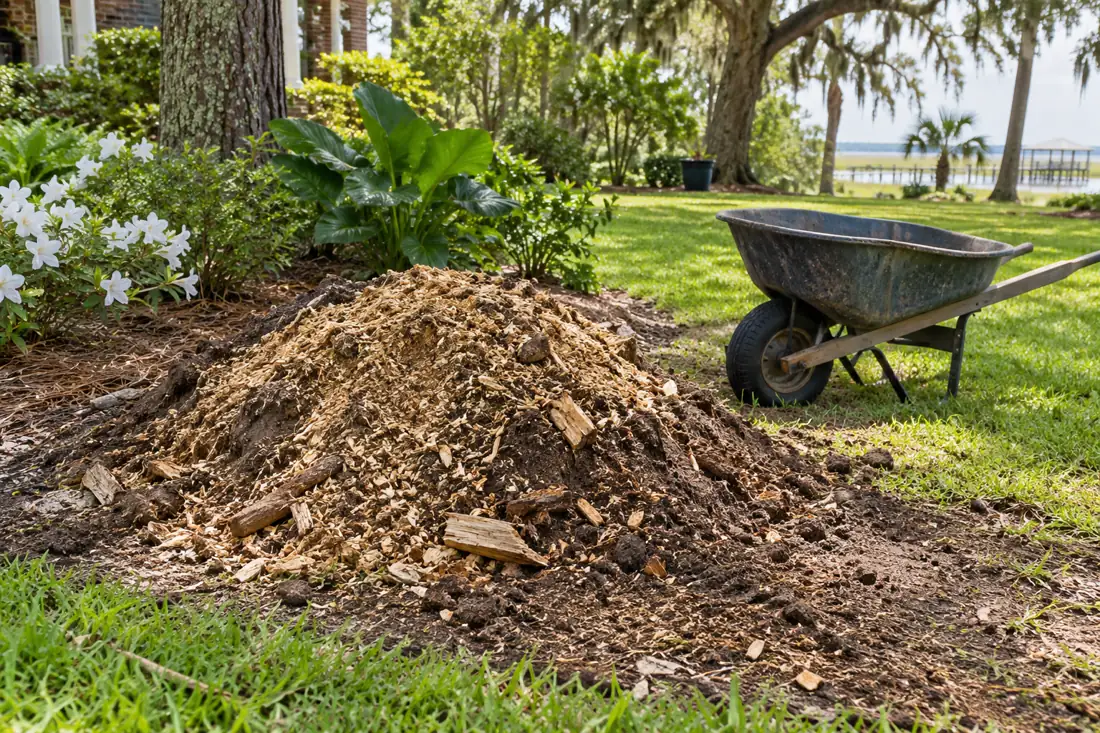
Decide whether loose material stays, is moved to an agreed place or is hauled. State whether the requested finish includes removal of the visible pile only or a more specific preparation of the former stump area. Grinding produces wood mixed with material from the site, and the amount of handling should be understood before the equipment leaves. An owner who wants a ready starting point for landscaping should explain that goal explicitly.
Use grindings retention versus hauling to prepare the cleanup choice. Imported soil, grading, sod and planting are separate unless expressly included. Ask the next provider what condition its work requires, then make the handoff responsibilities clear. Two quotes with the same grinding depth can leave very different amounts of follow-up work. A fair price comparison accounts for the actual finish the owner wants rather than assuming the lowest grinding total also includes loading, disposal and restoration.
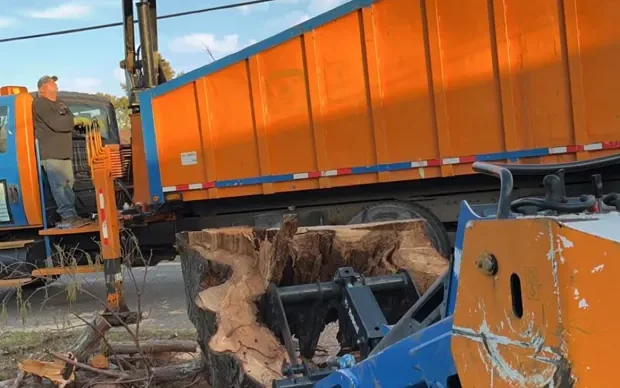
Compare a group of stumps as a defined project
For multiple stumps, send a numbered set of views with each location and size context. Identify which are reached through the same route and which need different access arrangements. Ask the company to describe the complete group in its proposal, including any stump omitted or requiring another review. Do not assume there is a guaranteed quantity discount or a universal per-inch rate; ask how the actual project is being quoted.
If several owners are sharing the visit, identify who can authorize work and charges for each property. Agree on material handling at every location instead of assuming one owner’s preference applies to the others. Keep any change in count or requested footprint with the accepted quote. This approach gives the company a practical project to assess and gives each customer a clear record of the purchased result, with no need to invent a rate formula that may not match the contractor’s actual estimating method.
Ask for a quote you can verify at handover
Send Tree Huggers the address, stump and base views, nearby features, full access route and intended next use. Include the count, known utilities and preference for grindings retention or hauling. Share any written preparation requirement from the next trade. Ask whether the initial information supports a quote or whether an on-site review is needed before the scope and price are confirmed.
At completion, compare the agreed stump locations, footprint and material handling with the proposal from a safe permitted position. Keep any remaining excavation, soil or landscape task in the record for the next provider. The stump-grinding service is the starting point for this discussion. The useful number is for a defined result at your property, with access and exclusions understood. It should not depend on assuming every stump of the same visible diameter creates the same job or leaves the same finished ground.
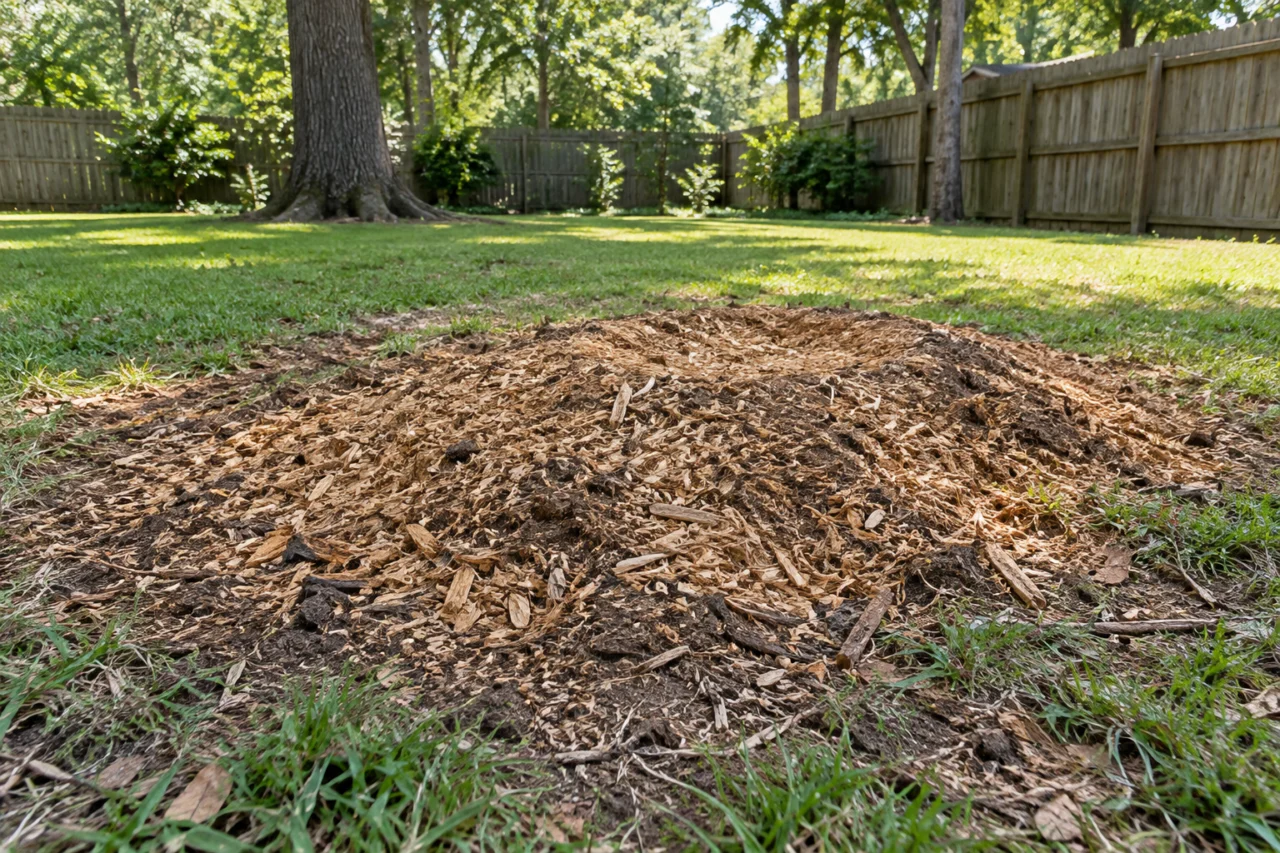
Separate stump work from the larger tree project
A stump estimate should start with what remains in the ground, where the machine can reach it and what the owner intends to do afterward. The diameter at the flare, number of stumps, buried irrigation or utilities and requested grinding depth affect planning. Specify whether grindings are retained, removed or spread, and whether the contractor is expected to backfill or prepare the spot for another use.
This guide focuses on stump grinding rather than taking down a standing tree. For removing the trunk and canopy first, consult the tree removal cost guide; for retaining a tree through selective canopy work, use tree trimming cost guidance. A proposal that combines services should itemize the final ground finish so the stump does not become an unexpected follow-up.
Know what a stump-grinding estimate does and does not cover
A stump-grinding estimate should begin with the remaining stump, its root flare and the customer’s intended use of the space. Grinding an obstruction enough for a lawn repair is not necessarily the same scope as preparing for a paved surface or new planting. Ask the provider to specify the anticipated grinding depth and working footprint, and identify what remains outside that scope. Root networks can continue well beyond the visible stump.
Access needs its own review. A short distance from a driveway can still involve a narrow gate, retaining edge, wet lawn, steps or delicate landscaping. Tell the estimator where underground irrigation, electrical lines, drains and private piping may run. Utility locating and site coordination may be required before ground-disturbing activity; do not assume the absence of visible pipes means the route is clear. Photograph the stump from several safe angles alongside a wide view of the path.

Depth, chips and the next use of the ground
Grinding produces a mixture of wood chips and soil, not a finished planting bed. Ask whether the price includes raking chips, removing excess material, importing soil, grading or seeding. If you plan to build a patio or install fencing, discuss the next contractor’s depth and ground-preparation requirements before authorizing work. The tree’s removal and stump treatment may be separate jobs with different timing and exclusions.
A clear estimate identifies the stump or group of stumps, the intended treatment depth, access assumptions, known obstacles, material disposition and what follow-up is excluded. Avoid treating a ground surface that looks flat as proof that all roots have been removed or that it is ready for a footing. The right scope depends on the property’s next use and should be confirmed before committing to the work.
Stump Grinding Cost in New Orleans questions
What matters besides stump diameter?
Root flare, height, access, ground, utilities, grinding footprint, depth and cleanup can all change the project.
Which diameter should I report?
Ask what the estimator needs and show the visible base and flare, not an unexplained measurement taken higher on the stump.
Does every quote use a per-inch formula?
Do not assume one. Ask how the company identifies and prices the actual scope.
Should several stumps be listed separately?
Yes. Number their locations and views, including access and size differences.
Does grinding remove every root?
No. Clarify the footprint and any separately agreed roots; broader excavation is a different task.
Who sets preparation for a concrete project?
Obtain the actual requirements from the responsible designer or contractor and share them before the stump scope is accepted.
Will utility marking identify every private system?
Do not assume that. Disclose known systems and discuss any additional locating or coordination.
Are grindings automatically hauled?
No. State whether material stays, is moved or is removed and define the finished area.
Does new soil or sod come with grinding?
Only if expressly included by the appropriate provider; otherwise arrange the separate handoff.
Can several stumps be assumed to get a discount?
No guaranteed pricing rule applies. Ask for a quote on the defined group and its access and cleanup needs.
Should I open a fence before arrival?
Only after the accepted plan establishes the opening, permission and restoration responsibilities.
What should the estimate request include?
Send the address, stump views, count, access, nearby services, next use and preferred material handling.
Let’s plan your tree work.
Send the property address, safe tree photos and the result you need. Include access restrictions and the person who can approve the work.