Regional mobilization is a logistics decision
Confirm capacity against the actual deployment
A widespread event can require more than crews arriving with saws. Equipment transport, fuel access, lodging, staffing, local site controls, debris disposal and traffic coordination all affect whether work can be carried out safely. A buyer should distinguish a single commercial-property emergency from a multi-site or multi-jurisdiction assignment. Define the geographic footprint, expected work categories, staging arrangements and who has authority to assign or accept work orders. Avoid implying a response capacity, arrival guarantee or municipal contract that has not been specifically confirmed.
Make work orders measurable
For larger scopes, ask for a site-by-site inventory, hazard priority, access restrictions, material handling destination, documentation requirements, acceptance criteria and closeout process. Clear quantities and exclusions help avoid treating every debris pickup as identical to hazardous tree dismantling. Public procurement may add insurance, safety, permitting or reporting obligations that must be established from the actual solicitation. Commercial storm response addresses an individual property’s operating needs; government procurement planning addresses the buyer’s bid and documentation process. This page explains mobilization considerations, not a blanket claim of availability.
Large events need a production mindset
Disaster work is not simply normal tree work multiplied by a larger number. Travel, lodging, equipment transport, fuel, staging, debris flow, site contacts, prioritization and documentation all become part of the production plan. The project needs enough volume and clarity to support mobilization.
Practical scope and safety guidance: Disaster mobilization requires more than a claim of being able to send crews. The requesting organization should provide locations, incident conditions, expected work types, hazards, access arrangements, local permissions and a chain of command. Separate immediate route clearing from complex removals near structures, ongoing debris collection and later site restoration. Define who confirms a task is ready, who authorizes changes, and how work quantities and completion will be recorded.
Storm conditions can make equipment travel, fuel, lodging, disposal outlets and communications difficult, so the response plan should be based on confirmed availability rather than an assumed arrival guarantee. Share safe site maps and photographs with a contact responsible for utility and public-access coordination. Before contracting, request actual qualification and insurance documents for the assignment, establish invoicing and closeout requirements, and record any exclusions. Do not treat this page alone as proof of government prequalification or a standing emergency contract.
Locations, expected volume, access conditions, hazards, timeline and site contacts.
Match crew and machine capacity to the work and expected production rate.
Restore critical access, remove immediate hazards and progress through the agreed scope.
Storm capability beyond the home market
Greater New Orleans remains home base. Significant hurricane, tornado or regional storm projects can justify deployment across Louisiana and the Gulf South, especially when the scope involves high-risk trees, commercial properties, public-property work or large vegetative-debris volumes.
Related response services
Establish the project before requesting travel
Provide the actual work locations, a current contact and the tree-work objective. Explain whether the request involves hazardous standing trees, access obstructions, removal, vegetative debris or a combination of identified tasks. A broad statement that an entire region needs help does not establish an assignable project. The company needs a defined request before it can discuss whether moving people and equipment makes sense.
Greater New Orleans is the home base described in the existing service scope. Significant regional, out-of-state and national storm projects can be discussed when a defined scope supports deployment. Current availability and logistics still require direct confirmation. Call 504-458-8336 with the project brief and ask about current fit and availability. The commercial response page provides a related starting point for property portfolios and occupied-site requests.
Turn preliminary information into an assignable list
Identify each site by address or another usable location reference, with a contact who knows the current condition. Separate confirmed tasks from preliminary reports. If quantities are estimates, label them as estimates rather than presenting them as field measurements. Attach safe photos to the relevant site and explain which areas have not been viewed. This allows the discussion to reflect the reliability of the available information.
For numerous locations, use a consistent list of tree concerns, access conditions and proposed completion points. Do not assume identical work at each address. A broken tree above an entrance differs from a consolidated pile in an open loading area. The storm planning hub helps organize those distinctions. A clear list can be expanded as information improves without losing the connection between the inquiry, the authorization and the actual work location.

Identify who controls authorization and entry
Name the contracting contact, on-site access contact and person who can approve changes. Explain whether individual sites have separate owners, managers or purchasing requirements. A regional coordinator’s interest does not by itself establish authority to work at every listed property. The request should make those boundaries visible before anyone relies on access or assigns a crew to an area with unresolved permission.
Provide actual onboarding instructions, scope documents and relevant buyer requirements for review. Do not assume an existing contract, public procurement status, credential or financial arrangement merely from a capability description. The government tree-work service addresses related public-property inquiries. Keep private access details in the agreed direct channel. For a changing response team, maintain a current contact list so an unavailable purchaser does not leave essential site or scope decisions without an authorized path.
Prioritize a storm mobilization list by observable conditions
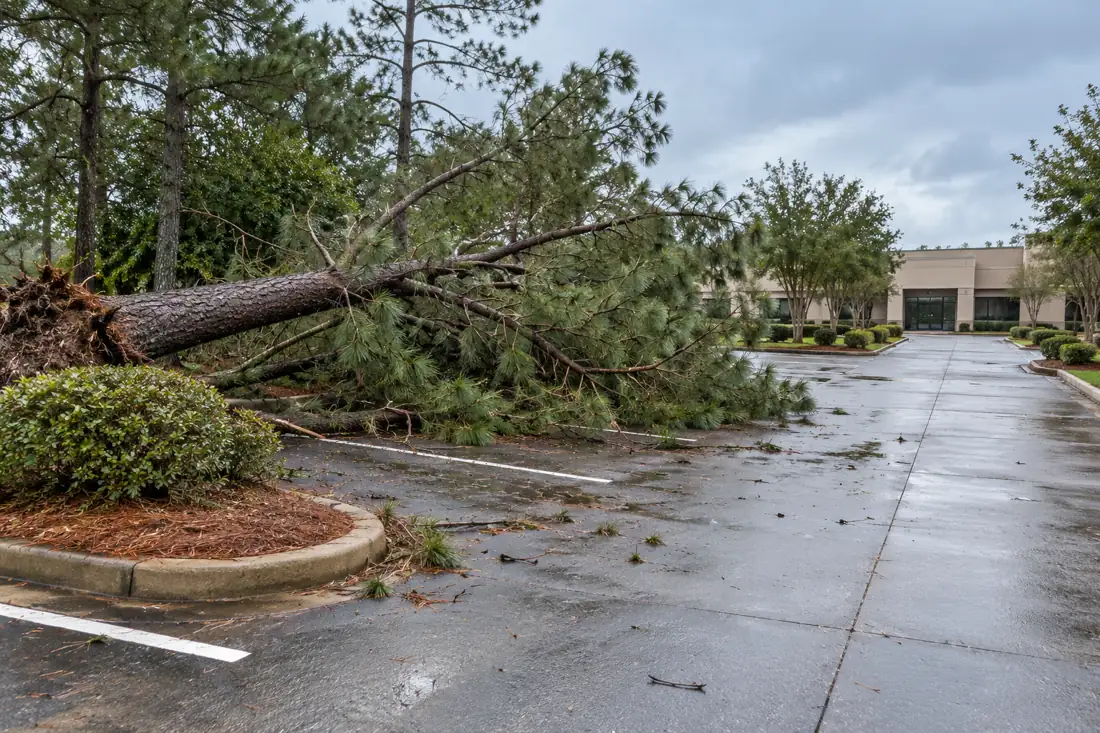
After a storm, different sites can have very different immediate needs. A tree blocking the only vehicle entrance, a limb suspended above an occupied walkway and brush in an unused lawn area should not receive the same vague label. For each address, record what is visibly affected, the safest available access and who can approve work. Do not assume that a remote photograph is a complete hazard assessment. Electrical conductors, damaged buildings and unstable suspended material may require other responders before tree work can proceed.
Build a location register with separate fields for urgent protection, tree cutting, debris transport and later surface or building repair. Give each phase an authorization contact and record which tasks remain pending assessment. Routes, weather, resources and access permissions can change, so a schedule should be treated as a plan rather than a guaranteed response time.
Ask for completion notes by location; an overall invoice may not show which entrance was reopened or which material remains. This helps the property contact compare work performed against the actual agreed scope.
Discuss travel logistics as project inputs
Locations, duration, equipment transport and a workable operating arrangement affect whether deployment fits the request. Share known travel or site-access restrictions and the expected work window without promising that all logistics have already been resolved. Current conditions can change the practical route and available resources. A proposed start date should be discussed against the actual scope and availability rather than treated as confirmed by submission.
Explain any arrangements the project owner is offering and which matters remain for the company to arrange or review. Do not invent lodging, fuel access or staging permission to make the brief look complete. Those details need current confirmation from the responsible parties. A transparent logistics discussion helps both sides recognize what is ready, what needs verification and whether the defined amount and type of work support travel beyond the routine local service area.
Connect staging to the complete work route
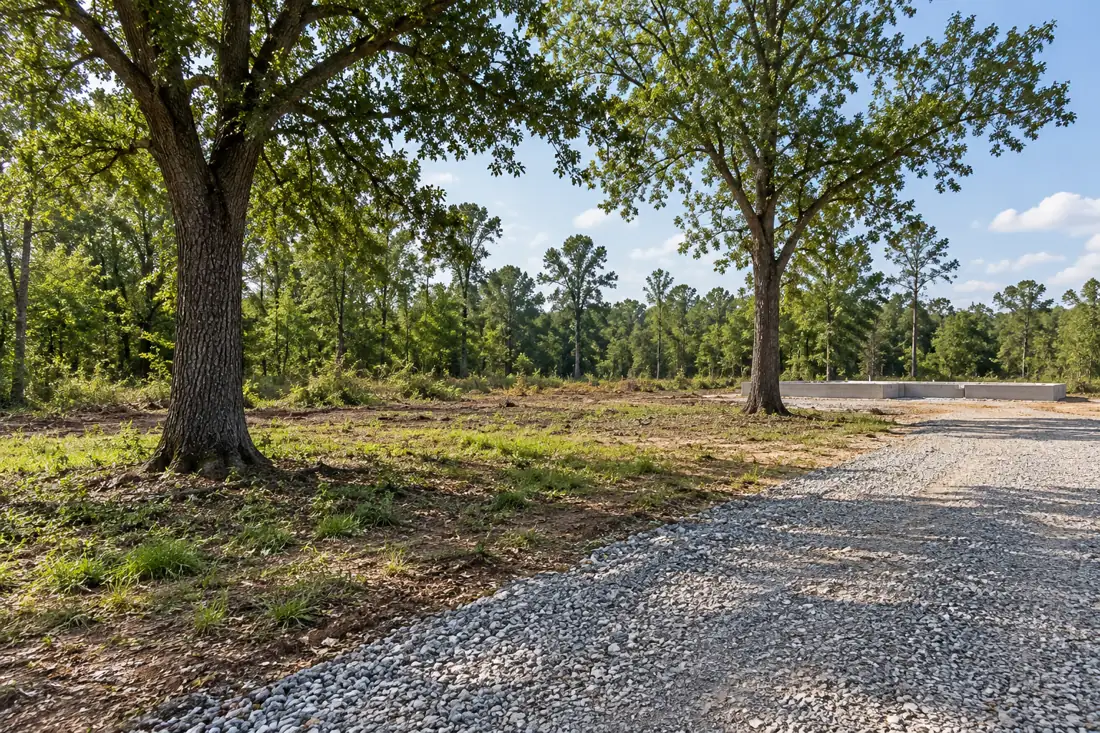
Show the approach, work areas, turning and setup space, loading locations and material destination arrangements. A large empty-looking parcel is not automatically available staging land. Identify the responsible owner, ground conditions and restrictions before relying on it. Include changes from weather or other contractors that may affect access. Equipment plans need a current view of the property, not just a favorable image from before the event.

Build storm-response mobilization around verified work orders
A request for large-scale storm work should specify the geography, authorized client, incident priorities and who can issue work orders. An initial phone call may describe blocked roads or damaged trees but still leave critical questions about property control, public access, utility clearance and debris destinations. Record each location with a unique identifier and the current source of information before estimating travel or crew assignments.
Mobilization planning includes staging space, fuel, equipment access, lodging when applicable, communication methods and the path for approving changed conditions. A contractor may have equipment capacity without automatically having permission to close streets, enter private property or use a disposal site. Do not promise statewide or emergency-response availability without confirming personnel, approvals and the specific engagement.
At each handoff, record completed work against the location identifier, deferred hazards, debris handling and any requested documentation. A clear status board differentiates assessed, authorized, in progress and closed work instead of implying every reported hazard was resolved. This is particularly important when multiple agencies, owners or crews share information during an evolving response.
The equipment hub explains why route, support and handling conditions matter together. Discuss the actual trees and tasks before selecting machinery or assuming a production rate. Where several providers share an area, connect their relevant contacts and boundaries. The plan should show how equipment and wood move through the project without treating every open route, neighboring parcel or temporary material area as unrestricted space.
Define material handling and its limits
Distinguish standing-tree work, processing, loading and hauling. Identify logs, brush, chips and other accepted vegetative material separately from roofing, fencing or general waste. If the contents are mixed or uncertain, say so. A substantial volume estimate does not explain what can be handled or where it will go. The accepted scope needs a usable material boundary and actual arrangements for the relevant destination.
The debris planning guide and storm cleanup service provide related questions. Stumps, excavation, grading and landscape or building repair are distinct tasks unless expressly included. Identify responsibility for the next stage so a cleared access route does not become confused with complete site restoration. Changes to material conditions or accepted areas should be reviewed through the authorization path, rather than silently expanding the project as operations progress.
Agree on records before relying on them
Discuss the records the buyer expects: site identifiers, accepted tasks, relevant before and completion images, approved changes or a required purchaser format. Provide actual requirements early. Tree-work records should state what was observed or performed without inventing quantities, event causation or professional assessments that were not part of the agreed service. A photo set alone is not a substitute for every possible reporting requirement.
Public funding, insurance coverage and payment eligibility are decisions for the responsible organizations under their own requirements. Do not assume the tree company’s ordinary closeout evidence guarantees acceptance by any outside program or payer. The procurement planning hub offers related buyer-side preparation. A clear documentation agreement reduces later uncertainty about who needed a particular record and whether its collection was actually part of the authorized project.
Confirm deployment against the accepted scope
Before treating travel as arranged, review locations, work types, contacts, logistics, access, material handling, documentation and the agreed authorization. Ask what remains unconfirmed and how updates will be communicated. Keep new sites or tasks visible as additions rather than assuming they fall within a general regional-response request. Current information matters throughout the project, particularly when damage reports and access conditions continue to change.
For example, several managed properties with named contacts and identified tree tasks offer a different starting point from an unverified request covering an entire parish. This is a planning comparison, not a claim about a past deployment. Send Tree Huggers the strongest available brief and keep estimates labeled honestly. The next step is a direct conversation about the actual project and current availability, with commitments based on the reviewed scope, locations and practical deployment arrangements.
Make regional disaster mobilization verifiable
A regional response request should distinguish confirmed work sites from reports still awaiting verification. List each property’s address, tree concern, nearby targets, access status, responsible person and the date the information was checked. An assortment of photos covering several parishes is not an authorized work order. Flag uncertainty in quantities and conditions rather than claiming a deployment plan can be priced or scheduled from incomplete reports.
Travel introduces staging space, equipment transport, fuel availability, safe routes, lodging and vegetation-disposal logistics. Identify which party would handle each item and the constraints at individual locations. These are questions to review, not guarantees that a crew is available or has deployed. Keep restricted site credentials in authorized direct channels and expect changing road or weather conditions to require updated coordination.

Do not confuse preliminary damage reports with assignments
One coordinator can help organize the project, but each site should still have a contact who identifies the correct trees and confirms access and approval. Distinguish urgent public-safety situations from blocked drives and later landscape maintenance. Electrical hazards and unstable public areas require appropriate emergency or utility authorities. Never require someone to enter a dangerous zone to improve photo documentation.
Before any commitment, confirm authorized locations, actual tasks, equipment and material arrangements, recordkeeping needs, approval of changes and payment documentation. At completion, maintain site-specific records of work performed and remaining responsibilities. A planning conversation must not be presented as a completed mobilization, a confirmed production rate or a promise about response times.
Disaster Response Mobilization questions
Does this page confirm a crew is available in my region?
No. Send the actual locations and scope and discuss current availability directly before treating deployment as arranged.
What makes a useful regional tree-work inquiry?
Provide locations, identified tasks, current contacts, access conditions, expected work, logistics and buyer requirements.
Can preliminary quantities be included?
Yes, if clearly labeled as estimates with their information limits. Do not present them as verified field measurements.
Is a list of storm-affected cities enough?
It introduces the area but does not establish an assignable project. Specific locations, authority and tree tasks are needed.
Who needs to authorize work across several properties?
Identify the contracting authority and appropriate permission for each site, including any separate owners or purchasing requirements.
Can the project offer a staging area?
Describe the actual area, responsible owner, permission, ground and restrictions so the arrangement can be reviewed.
Does machinery choice establish a production rate?
No. Actual trees, scope, route, setup, material handling and conditions affect the work plan.
Are travel and start dates confirmed by sending the form?
No. Logistics and current availability need direct review and an accepted arrangement.
Is mixed demolition debris part of vegetative tree work?
Identify mixed contents separately and confirm handling boundaries and destination arrangements before authorization.
Will ordinary job photos satisfy every buyer requirement?
Not necessarily. Send the actual current record format and requirements before relying on a particular closeout package.
Does documentation guarantee public-program or insurance payment?
No. Outside organizations make their own eligibility, coverage and payment decisions.
How should additional sites be added later?
Keep new locations and tasks visible and use the agreed change-approval path rather than silently expanding the original project.
Organize multi-site storm work before mobilization
Provide the authorized coordinator, general service area, number of affected locations, access restrictions and the categories of work requested. Distinguish hazardous standing trees, blocked routes, vegetative debris and any non-tree material needing another contractor. Note any required reporting format, traffic control or public procurement rules. Do not send personal information or protected agency records through an ordinary inquiry. Deployment, resources and contractual terms require direct verification and agreement.