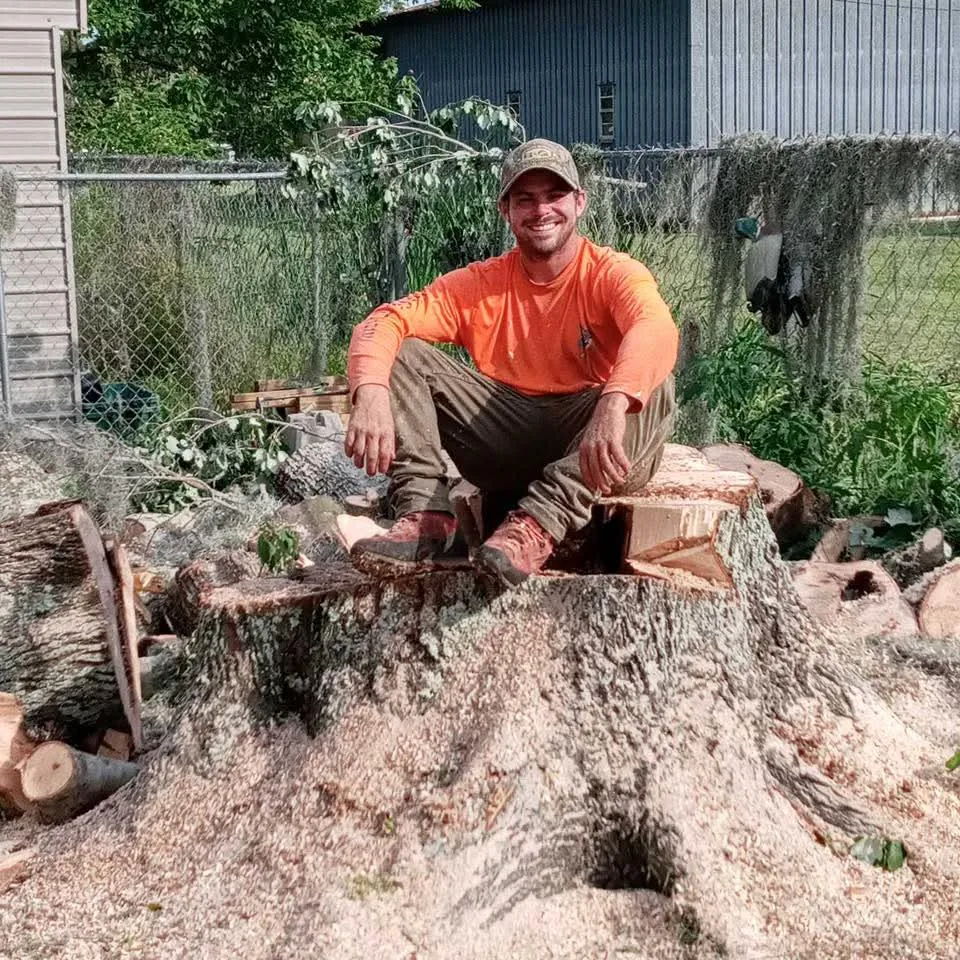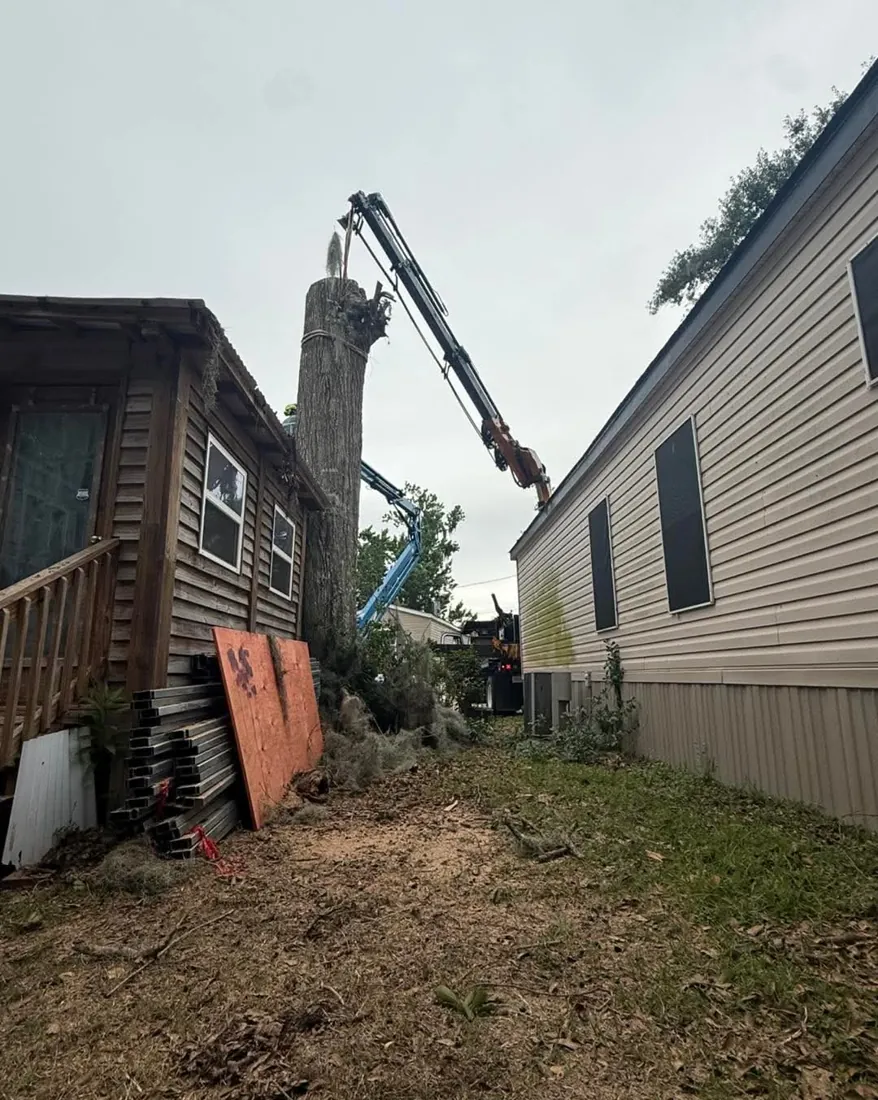
Insurance coverage for tree removal depends on the policy and circumstances. A tree that damages a covered structure may be treated differently from a standing dead tree the owner wants removed before a storm.
Keep coverage decisions separate from the removal quote
A useful insurance record distinguishes the observable event, the tree’s condition, the structure or other property affected, and the date each action occurred. Keep safe wide-angle photographs, written contractor proposals and final invoices as separate documents. Ask the insurer which documentation and authorization procedures the policy requires before nonemergency work proceeds.
Tree Huggers can explain a proposed removal method and document completed tree work, but cannot interpret a policy or guarantee payment. If urgent hazard stabilization and complete cleanup are different scopes, request separate line items so the sequence remains intelligible to everyone reviewing the claim.
Tree contractors do not decide coverage
Tree Huggers can document conditions, provide a scope and take completion photos, but the insurer or adjuster determines coverage. Customers should preserve their own photos and communications.
Describe what happened before asking what is covered
Begin with the event, the property affected and the work being considered. A standing tree you want removed, a fallen tree on an open lawn and a tree resting on a building are different situations to explain to an insurer. State the observed facts without choosing a coverage category yourself. Include when the event occurred, what the tree contacted and whether there is an immediate safety concern. If you do not know the cause, say that instead of filling the gap with a convenient assumption.
Use the insurer’s process to report the event and ask what information it needs. Keep the policy reference and current contact details available. Tree Huggers can discuss the removal or cleanup scope, but the company does not decide whether the event or expense meets your policy terms. That distinction is useful even before a price is requested: a contractor can prepare a truthful description of work without needing to promise that the carrier will approve or reimburse it.
Read coverage in the context of the actual policy
The Louisiana Department of Insurance homeowners resource explains that protection depends on a covered cause of loss and the policy. Ask your agent or carrier which terms apply to the specific incident, including the relevant property, exclusions, limits and deductible. A neighbor’s payment or an online example does not establish the answer for your contract. Keep a copy of the response and ask for clarification if the explanation does not address the question you submitted.
Avoid treating an advertised tree-service capability as evidence of insurance coverage. A company can be able to remove a tree without having authority to interpret your policy or commit the insurer to a price. If the decision is disputed, use the appropriate insurance or legal professional for advice on that dispute. Keep that process separate from authorizing the actual tree work. A clear removal agreement should still identify the customer, scope and payment terms while the carrier’s review is pending.

Ask separately about structures, access and yard debris
Tell the carrier what the tree actually affected. Identify a roof, detached building, fence, vehicle, driveway or other feature accurately, without assuming each falls into the same part of the policy. The LDI post-disaster guide uses different tree scenarios to show why the facts and contract matter. Ask the insurer to address your situation directly rather than applying one example to every fallen tree on the property.
Describe blocked access as it exists, including which route is affected and whether another normal entrance is available. Do not move branches or enter an unsafe area to demonstrate the obstruction. If material is simply scattered in a yard, explain that too. The tree contractor should price the work actually requested, not relabel the entire cleanup as structural removal. Honest distinctions make it easier for the owner and carrier to understand the records and avoid confusion between necessary tree handling and discretionary yard improvements.
Keep immediate safety and coverage review coordinated
If anyone is injured, trapped or threatened, use the appropriate emergency services. If lines are involved, contact the utility and keep clear. Do not wait for a routine claim response while people remain exposed to an active hazard, and do not enter a damaged area to gather a more complete claim file. Tell the insurer what urgent condition exists and ask how necessary protective work should be documented through its process.
Keep the claim decision separate from the tree-work scope
Insurance conversations and contractor estimates answer different questions. The contractor can explain the proposed removal, access constraints, debris handling and site finish. The insurer interprets the policy, circumstances, limits and applicable claims process. Ask each party for the information it can actually supply instead of expecting a price quote to confirm reimbursement.
Keep a file with the date, safe location photographs, the affected tree or structure, notices and the exact accepted work. Distinguish emergency access or stabilization from later elective work. If the cause or time of a condition is uncertain, label it as uncertain rather than adding a confident explanation to improve a claim narrative.
Compare the final invoice with the scope actually performed: tree sections removed, hauling, stump decisions and any separately agreed adjustments. Give the insurer factual documentation requested under the policy, but do not treat a five-star image metadata rating or a website description as evidence of coverage or a customer review.

Tell the tree provider about the same current condition and any instructions already received from responders or the utility. Ask about present availability and the assessment needed before work can be confirmed. An online inquiry does not schedule a crew or establish a covered emergency. Keep the accepted scope and any authorization record together. The owner needs both a practical response to the tree and a clear understanding of the insurance process; neither should be represented as automatically completing the other.
Separate the removal price from the claim outcome
Ask the contractor to define the trees, handling, access, hauling and finish included in its proposal. If the request involves a tree on a building, clarify whether stump work and general yard cleanup are separate. Ask how additional findings or changes will be approved. A detailed proposal helps the owner understand the purchase even if the insurer later evaluates individual expenses differently under the policy.
Do not ask for invented line items, inflated charges or a description of equipment that was not used. If the carrier needs more explanation, request an accurate clarification of the actual work. Payment arrangements and insurance review should both be understood before signing. A quote does not guarantee reimbursement, and a carrier’s request for a quote does not itself authorize the contractor to begin. Confirm who is accepting the tree-work agreement and who remains responsible for decisions while the claim is being reviewed.
Discuss neighboring trees without assuming liability
If the tree originated on another property, explain where it stood and what it affected, based on what you actually know. Provide available photographs and contact the insurer for guidance. Do not assume that the tree’s origin alone decides who pays. Policy coverage, responsibility and any dispute require the appropriate review, and a tree-removal crew should not be asked to make a legal finding while arranging cleanup.
Confirm access and permission for the tree work independently. A damaged fence or an urgent request does not automatically give a contractor permission to use another owner’s driveway or remove unrelated standing trees. Identify the person who can authorize each part of the scope. Where ownership is unclear, ask how the work boundary will be resolved before nonurgent work is accepted.
Keeping those matters explicit helps the practical job proceed on a sound agreement without presenting a work invoice as a determination of fault between neighbors.
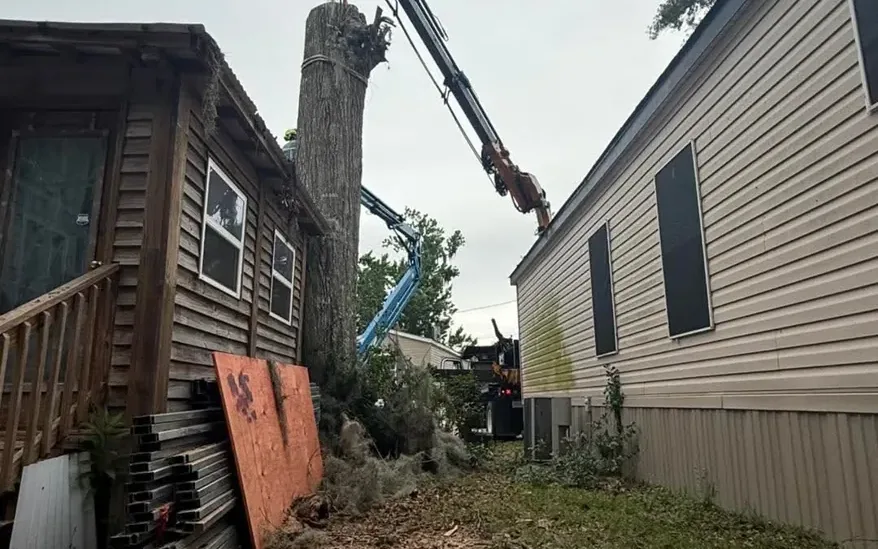
Keep a file that follows the actual sequence
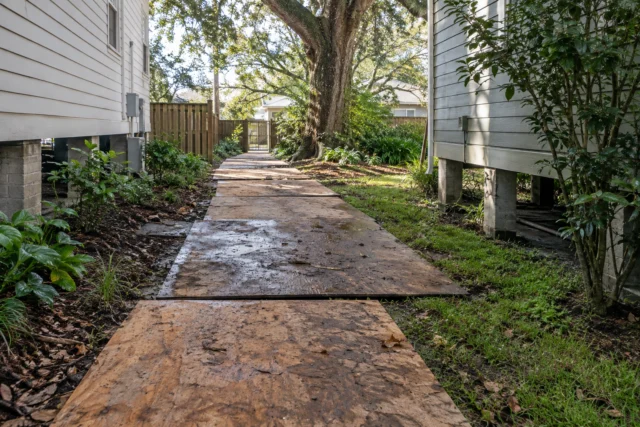
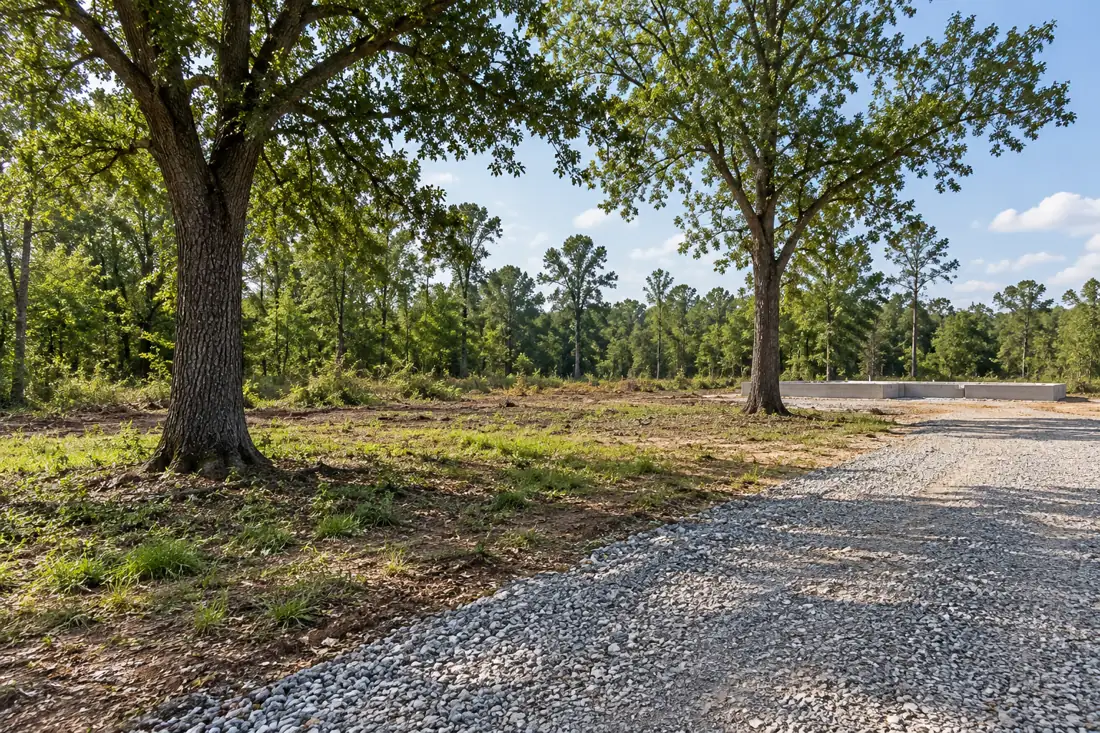
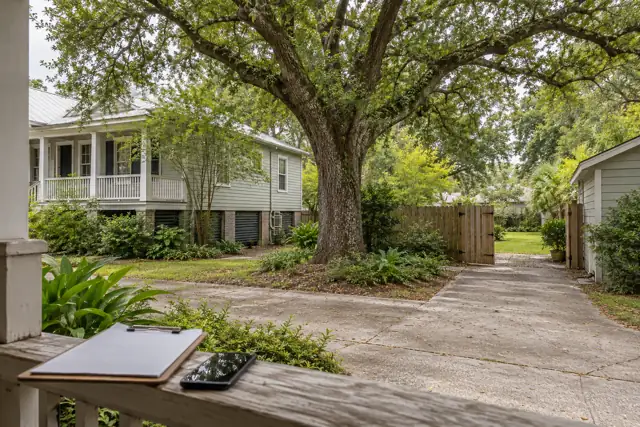
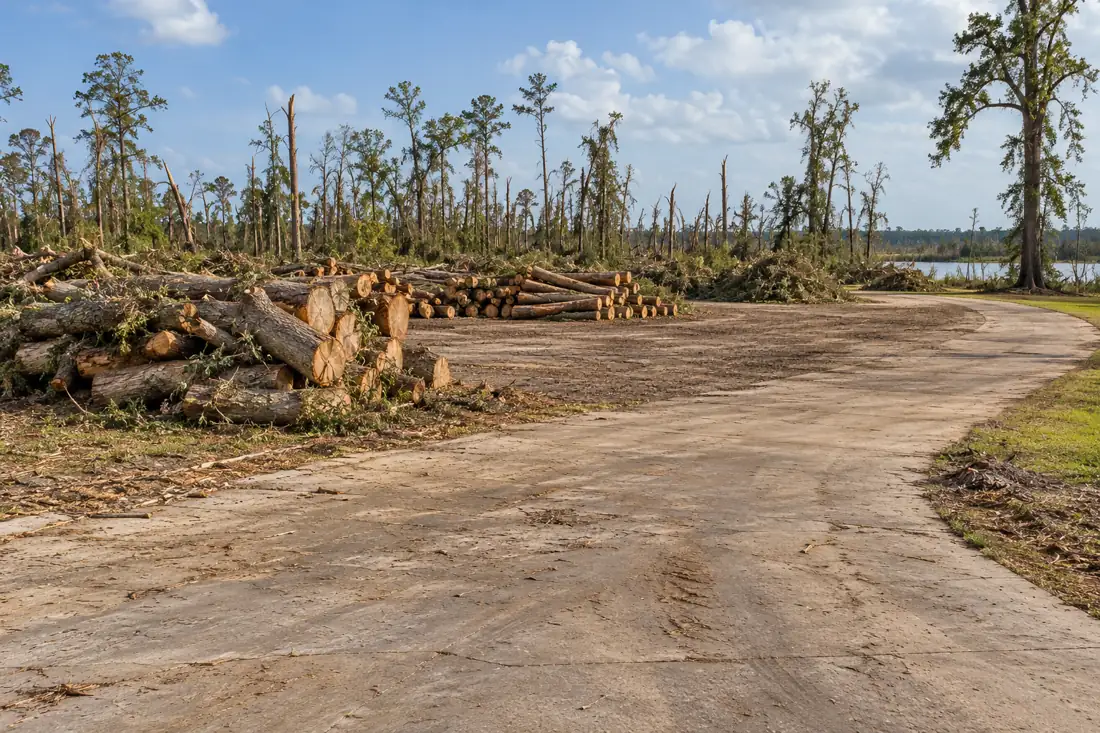
Retain safe original photographs, the incident description, insurer communications, accepted tree scope, authorized changes and final invoice. Label records from the roofer or other providers separately. If a picture was taken after some work had already occurred, say so. A truthful sequence is more useful than a folder in which every image is described as before damage. Do not recreate the original event or use website illustrations as evidence of your property.
Ask what job photographs and notes the tree company can provide. Its record should describe the work performed and any remaining task, without promising a policy result or certifying the building for occupancy. If part of the work changes, retain the updated agreement alongside the original so the final amount can be understood. The insurance documentation service page focuses on this contractor-side record; this guide helps you prepare the separate coverage questions that belong with the insurer.
Prepare the two conversations clearly
For the carrier, describe the event, affected property and the specific coverage question. Ask what documents, inspections or follow-up it requires. For Tree Huggers, send the address, safe wide views, what the tree is contacting, access restrictions and the result you need. Share a specific documentation request from the insurer if it affects what the contractor should explain, while avoiding unnecessary private policy material in the first service inquiry.
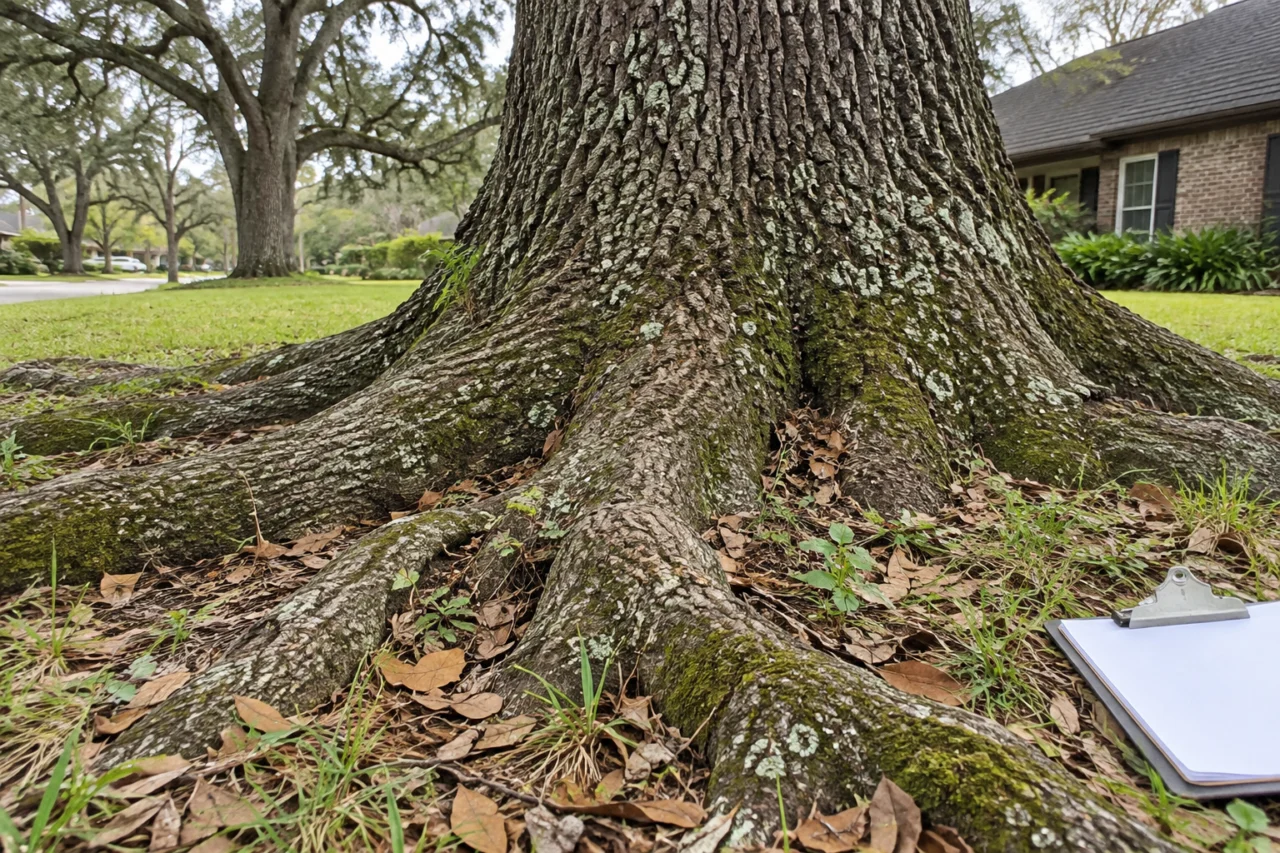
Confirm whether you need urgent availability, a scheduled site visit or pricing for an already defined scope. Use tree-on-house removal when a structure is involved and debris removal for an appropriate cleanup inquiry. The useful next step is an insurer’s answer about the actual policy and a contractor’s clear agreement about the actual tree work. Keeping those responsibilities understandable gives you a stronger basis for decisions than an advance promise that every fallen tree will be covered.
Document tree removal for an insurer without making coverage claims
Begin a tree-related insurance file with facts that can be checked: when damage was noticed, where the tree stood, what it contacted and what property was affected. Photograph the scene from safe locations before conditions change if possible, but never delay necessary emergency actions or enter a dangerous area solely for a claim photo. Keep the homeowner's notes about the event separate from a tree contractor's observations. Neither party should invent a cause or a precise failure time that cannot be established.
Ask the insurer or adjuster what documentation it wants before assuming a particular removal is covered. A standing tree posing a concern, a fallen tree on bare ground and a tree that has damaged a covered structure may be treated differently under individual policies. Tree Huggers can provide a work scope and records of services it performs, while the carrier makes policy and coverage decisions. An estimate is not an insurer authorization, a claim approval or evidence that the whole amount will be reimbursed.

Keep observations, authorizations and invoices distinct
When ordering urgent work, record who approved the scope and which immediate hazard had to be addressed. Where practical, distinguish temporary access clearing, controlled removal from a structure, haul-off, stump work and later landscaping in the estimate or final invoice. If the situation changes during work, keep the added items and purchaser approval identifiable. This makes the records more useful without claiming that the contractor investigated every possible source of damage.
Keep copies of photographs, contracts, invoices, adjuster communications and any separate building or tree assessment. Share only the documents genuinely necessary for the service or claim; a first tree-work inquiry usually does not require the full policy or other sensitive records. If an adjuster requests additional facts, provide the observed information honestly and identify anything unknown. The best documentation is a clear chronology and a traceable work description, not a preselected coverage conclusion.
A coverage-ready file without promising reimbursement
Coverage is determined by the policy, the cause of loss and the actual damage, not by the tree service's choice of equipment. Document the condition and location first: where the tree originated, what it struck, what portion is blocking access and what damage is visible from a safe position.
Keep the incident date separate from the date you discovered the damage. Do not move hazardous wood just to take better photographs, and do not describe a branch as 'storm damaged' unless there is evidence of that condition.
Ask the carrier or adjuster which documents they need before authorizing nonemergency work. An estimate should distinguish emergency stabilization, removal from a covered structure, hauling, stump work and unrelated maintenance. These items can be treated differently; a single bundled invoice makes the scope harder to evaluate. Where an immediate safety response is unavoidable, preserve the reason for that decision and the contractor's contemporaneous work description. Save any policy correspondence and claim reference in a private file, not in a public web form.
Maintain an evidence ledger listing each photo, invoice, statement and date received. Record what was requested and whether it was supplied, without claiming approval that has not been received. A tree company can describe work performed; only the insurer and applicable contract terms can establish what may be reimbursed. This separation helps the property owner ask precise questions and avoid misunderstanding the estimate as a coverage determination.
Practical handoff checklist
- Identify the affected structure and blocked access, if any.
- Request line-item scope rather than a single undifferentiated price.
- Record emergency actions and why they were necessary.
- Track insurer responses without sharing claim identifiers publicly.
For related context, see the insurance documentation checklist guide. This planning information is not a substitute for an on-site professional assessment.
Will Insurance Pay for Tree Removal? questions
Will every fallen tree be covered?
No universal answer applies. Ask your insurer how the actual event, affected property and policy terms apply.
Does a removal quote approve an insurance claim?
No. The contractor prices its work; the carrier reviews coverage under the policy.
What if the tree only fell into the yard?
Describe that accurately and ask the insurer about the applicable terms rather than assuming structural-damage treatment.
Should I report a blocked driveway separately?
Yes. Explain the actual obstruction and available access without entering an unsafe area to document it.
Does the neighbor's tree automatically mean the neighbor pays?
Do not assume that. Give the facts to the insurer and obtain appropriate advice about coverage or responsibility.
Should urgent safety concerns wait for routine claim handling?
Keep people clear and use emergency or utility services when needed. Ask the carrier how necessary protective work should be documented.
Can the invoice include equipment that was not used?
No. Records should describe actual work and truthful charges; request accurate clarification when more detail is needed.
Does the insurance inquiry authorize a crew?
No. Confirm the tree-work agreement, authorized customer and current availability separately.
Should stump grinding be part of the same line item?
Clarify it separately when included so removal, grinding, hauling and restoration are understandable.
Can website illustrations document my claim?
No. Use actual incident and job records with their original context and dates when known.
What if coverage is disputed?
Use the appropriate insurer, insurance professional or legal adviser. A tree crew does not determine policy disputes.
What should I send Tree Huggers first?
Send the address, safe views, current tree condition, access limits and the work or documentation you need.
Let’s plan your tree work.
Send the property address, safe tree photos and the result you need. Include access restrictions and the person who can approve the work.