Define which branches may be touched and why
A pruning estimate becomes useful when it identifies the objective: remove deadwood above a walkway, reduce contact with a roof, improve young-tree structure or inspect a damaged union. Ask for the tree species and location to appear in the proposal. A broad instruction such as ‘thin the whole tree’ can hide fundamentally different treatment approaches.
Clarify whether debris removal, access preparation and return maintenance are included. The amount of foliage removed is not a reliable measure of value; proper cuts are judged by the intended outcome and tree response, not by the size of the pile left on the ground.
Tree trimming is not one standard scope
Deadwood removal, roof clearance, storm preparation, structural pruning and canopy reduction are different jobs. Price changes with height, spread, species, amount of material removed, targets below the canopy, equipment access and whether controlled rigging is required.
A useful estimate identifies the objective and the work necessary to reach it. Over-pruning can create unnecessary stress while failing to solve the real concern, so Tree Huggers focuses on targeted work rather than simply cutting the canopy back.
Start with the pruning objective
A request to trim a tree can mean many things: addressing deadwood, clearing a particular roof area, improving young-tree structure or reviewing a branch over a used space. Explain the actual need before collecting prices. A contractor cannot define an appropriate scope from the word trim alone, and a lower price may simply cover a smaller or different task. The result should be understandable without measuring value by the size of the debris pile.
Tell the estimator what you want retained as well. Shade, privacy, flowers and natural form may be part of the owner’s goals, even when a clearance issue needs attention. Those priorities do not decide which cuts are suitable, but they help the provider discuss the tradeoffs honestly. Ask whether the next step is a pruning estimate or an assessment of a condition concern. A price for routine maintenance should not be treated as a complete answer to an unresolved structural question.
Identify the exact tree and work area
When several trees share a yard or canopy, use safe photographs and a simple description to identify the requested work. Show the roof edge, driveway, sign or outdoor area that motivates the pruning. If another trade has a specific clearance requirement, share that actual requirement rather than guessing a universal distance. The estimator should be able to connect the proposal to a tree and an objective the owner recognizes.
Avoid vague instructions to cut everything back equally. Different branches and trees may need different recommendations, and some requested size changes may not be appropriate. Ask what the proposal includes and which portions are outside the scope. If the owner is absent during the work, keep the marked tree views and accepted instructions available to the authorized contact.
For a multi-tree courtyard, a numbered wide view and matching close views can keep similar branches and shared canopies from being confused. Identify the requested objective beside each number so the estimator and the person approving the work use the same reference. Clear identification helps prevent a disagreement in which the crew performed an understood pruning task but the customer expected an entirely different part of the canopy to be addressed.

Explain the features beneath the canopy
A branch over an open area presents a different handling discussion from one above a roof, pool, fence or outdoor kitchen. Show the contractor what lies beneath and around the work area. Include delicate surfaces, furniture and items that can or cannot be moved. Do not assume the amount of foliage removed is the only factor in the quote. Access and controlled handling can matter even when the pruning objective is modest.
Ask who prepares the area and how occupants will use entrances while work occurs. If material crosses a neighbor’s property or public route, discuss the required permission and coordination for the location. Never promise access you do not control. A clear pruning proposal should reflect these arrangements rather than treating them as invisible extras. The owner can then compare estimates based on the same work area and handling assumptions instead of interpreting every difference in total as a difference in cutting price alone.
Compare trimming costs by the cuts and finish, not just tree height
This pricing guide helps buyers compare the scope of two pruning estimates; it is not a substitute for a tree-trimming service inquiry. Two trees of similar height can require different methods because of species, branch attachments, location above a roof or utility, equipment access and the objectives of retaining healthy foliage. Identify whether the proposal addresses deadwood, building clearance, storm damage or structural pruning. Vague phrases such as clean up the canopy do not make competing prices comparable and can encourage unnecessary cutting.
Ask each provider to describe the target branches or pruning objective, equipment access, management of suspended material, debris hauling and the finish to be left behind. Clarify whether an inspection, stump work, landscaping or third-party utility coordination is outside the bid. Avoid using a published example as a current fixed price for your own property; site conditions and scope determine any actual quote. For scheduling and a tree-specific service discussion, continue to the main trimming page with safe photographs and your desired outcome.
Discuss equipment and access without choosing the cuts
Send views of gates, turns, overhead features and the route from the street. A usable access plan helps the provider determine how the requested pruning can be approached. Do not remove roots, limbs or a fence to prepare for equipment before the accepted plan establishes what is needed and who handles restoration. If access changes after the quote, report it before the appointment.
The contractor may discuss climbing, an aerial device, mechanized handling or another suitable arrangement. Ask why the proposed method fits the objective and property. An equipment name is not proof that the same method should be used on every tree. Keep the discussion focused on the intended result, site constraints and responsibilities. The owner should understand the proposal while leaving technical procedures to the qualified people performing the work, particularly when branches are damaged, utilities are nearby or material must be handled over structures.
Keep appropriate pruning distinct from maximum cutting
More severe cutting does not automatically make a pruning quote better value. Ask how the proposed work addresses the identified objective and what should remain. The topping guide explains why indiscriminate size reduction is different from a suitable pruning plan. A proposal to create a dramatically shorter outline should still explain its basis and limitations rather than relying on the visible amount removed as proof of quality.

Compare pruning quotes by the specified outcome
Ask each estimator to identify the reason for pruning: deadwood over an entrance, one rubbing branch, structural training, clearance for equipment or another specific objective. A quote based only on 'trim the whole tree' leaves too much open to interpretation. Describe the tree, visible targets and the result to be achieved, not a guessed number of limbs.
Clarify where the material will be lowered, how traffic and landscaping are protected and whether hauling and cleanup are included. Two proposals might recommend different cuts because the assessor sees different structural concerns; ask them to explain those differences instead of asking for the largest amount of foliage removed.
Before approving the price, confirm any relevant timing, permissions and follow-up observation. Do not treat a trimmed canopy as a guarantee against storms. Compare the proposals by the defined pruning objective, retained tree health and practical property protections, then document the result with accessible photographs after the work is complete.
If the requested clearance cannot be achieved appropriately on the existing tree, discuss the alternatives before accepting a date. That may involve a changed objective, another site arrangement or a broader decision about the tree. Keep current broken or suspended material separate from elective cosmetic work. A condition-focused assessment may be needed before the pruning scope is finalized. This distinction prevents the owner from buying an undefined trim while assuming it resolves every safety, appearance and future-growth concern at the property.
Match timing to the tree and the property schedule
Explain any deadline from roof work, an event, inspections or another contractor. Ask how the tree and pruning objective affect the timing discussion. A seasonal maintenance window does not establish that every proposed cut is suitable, and a recent hazardous change should be reported independently of routine scheduling. Do not wait for a preferred month while people continue using an area beneath unresolved damaged material.
For the broader planning discussion, see pruning timing in Louisiana. Confirm the actual appointment and what the owner should do before arrival. Weather or a changed access route can require a review of arrangements even when the pruning objective stays the same. Keep the accepted work status clear: a requested date or online form does not mean the company has booked the crew or completed the preparation needed to perform the scope as described.
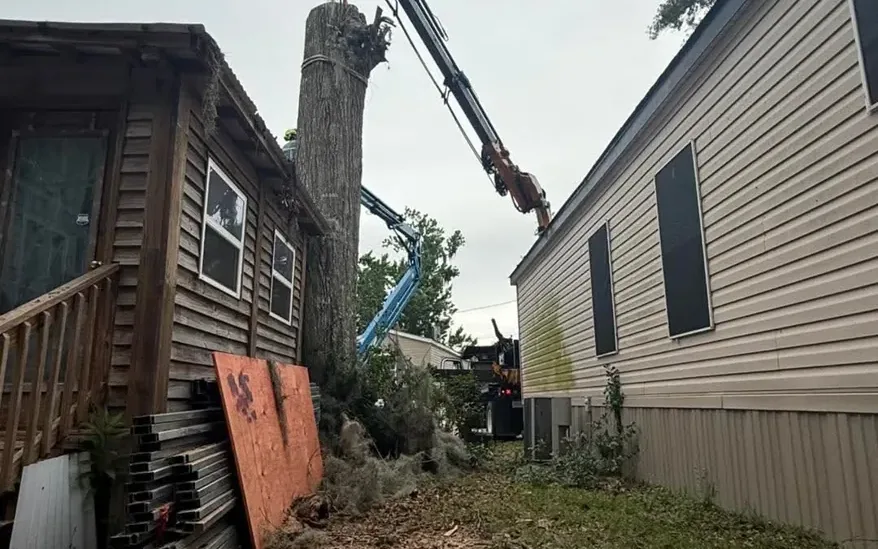
Compare cleanup and future maintenance responsibilities
Ask whether branches and other pruning debris are hauled or retained, and identify any additional processing requested. Clarify how the access area is left and which surface or landscape tasks are separate. A pruning price that includes hauling is different from one that leaves material for the owner, even if both address the same branches. Record the finished condition rather than relying only on the phrase complete cleanup.
If future review is recommended, ask what it is intended to evaluate. A maintenance plan should identify the trees, objective and follow-up responsibilities instead of automatically repeating the same amount of cutting each year. Keep photographs and the work record so another manager or provider understands what was done and why. The owner can then assess value against an appropriate result and a usable maintenance history, without assuming one visit permanently stops growth or removes every future tree-care need.
Request prices for the same defined result
Send Tree Huggers the address, safe whole-tree views and the feature that needs clearance or attention. Explain any known damage, past heavy cutting and site history. Include access, delicate features, shade or privacy priorities and a real project deadline if one exists. Ask whether a site visit or assessment is needed before an appropriate scope and price can be confirmed.
Use tree trimming and pruning to begin the service discussion. When comparing quotes, ask each provider to identify the trees, objective, affected work area, handling, debris removal and exclusions. If two proposals differ, clarify the scope before judging only the totals. The useful estimate describes work you can understand at the actual New Orleans property, with realistic expectations for the finished tree and site. It does not depend on an invented per-branch rate or a promise that the most cutting is always the best purchase.
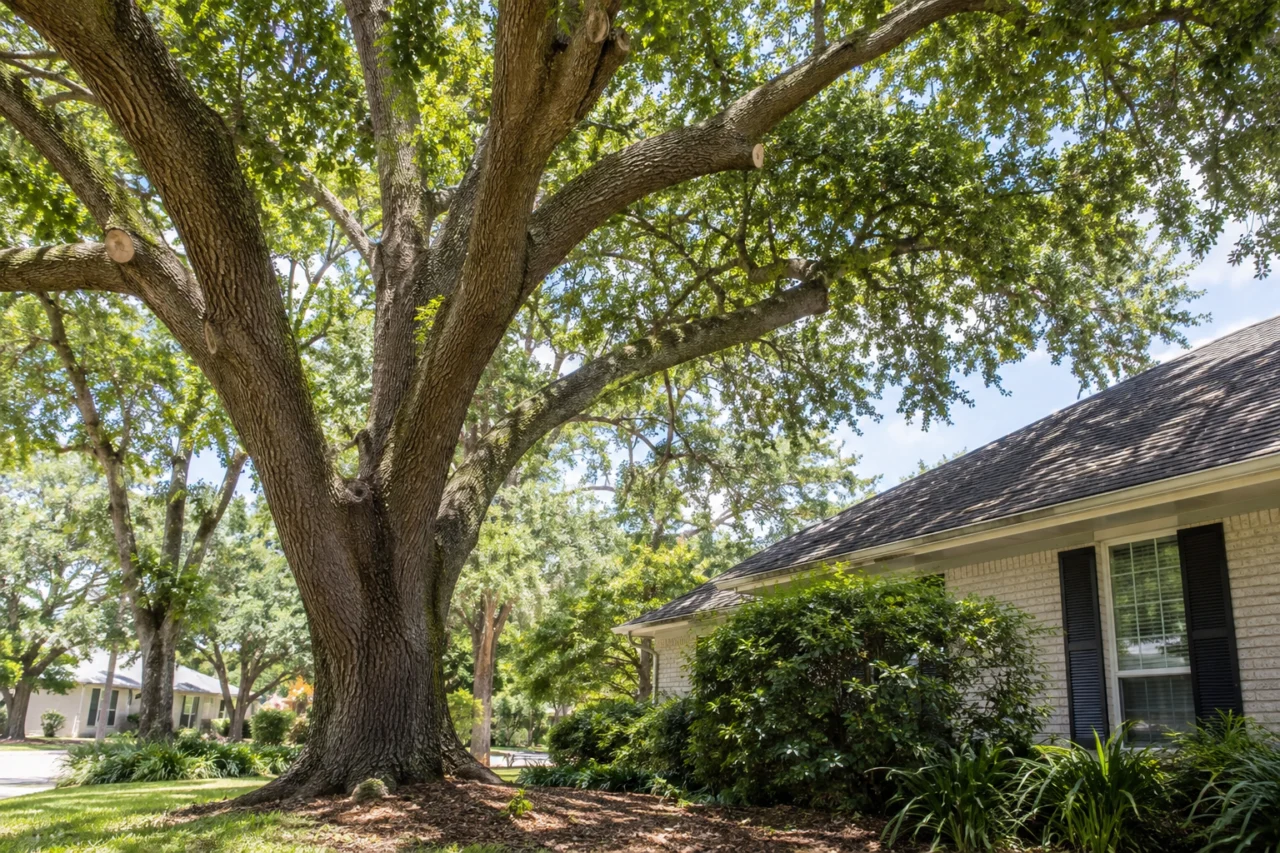
Define the pruning objective before comparing quotes
Tree trimming is a selective task, not a smaller version of tree removal. A useful proposal identifies the tree, the deadwood or clearance concern, the portion of canopy involved and how branches will be handled above fragile surfaces. Ask about pruning standards, access and whether the proposed cuts preserve a healthy structure. A lower bid for broad, undefined cutting is not necessarily a comparable service.
If an assessment finds the whole tree cannot reasonably be retained, compare a separate removal estimate with its own access and disposal scope. If the tree is already gone and the remaining issue is a stump, see stump grinding costs. Keeping these outcomes separate helps prevent duplicated work, missing cleanup and disagreements about what the crew was hired to accomplish.
Define the pruning outcome before comparing trimming prices
Before asking for a trimming price, describe the outcome rather than requesting a vague amount of canopy removal. The work might address deadwood, a branch rubbing a roof, clearance for a driveway or a structural defect in one union. Those are different assignments with different access and disposal demands. A proposal should identify which limbs or sections are being considered, the relevant constraints and why the requested cuts would improve the specific situation.
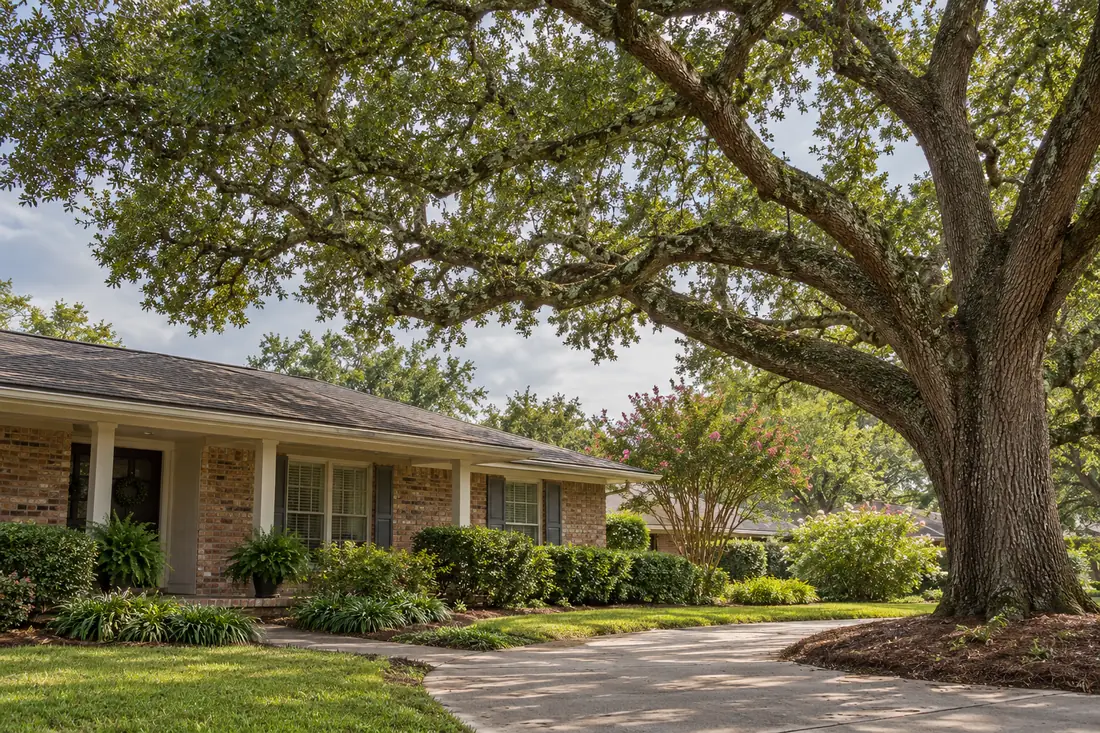
Tree species, maturity and prior pruning history affect what can reasonably be accomplished in one visit. A live oak near a roof cannot be treated like a small ornamental planted away from structures. Aggressive topping may create weak regrowth and additional maintenance without solving the underlying concern. If several trees are involved, number them in the request and obtain a separate scope for each so neither the bid nor the crew relies on memory.

A clear objective avoids unnecessary cutting
Make room for the practical worksite details. Explain whether branches cross a neighbor’s property, hang over a pool enclosure or block service vehicles. Share photographs of both the canopy and the ground route from safe accessible positions. Equipment movement, limb handling and branch disposal can be significant work even when the cuts themselves are few. If a specific vehicle must pass beneath the tree, provide its clearance need without asking someone to measure from an unsafe position.
To compare proposals fairly, ask what pruning objective, cleanup, wood handling and potential access restoration are included. Confirm whether an on-site assessment is necessary before any final scope can be agreed. The cheapest number does not establish that the same biological or structural result is being purchased. Written details make it easier to approve sound work and to recognize a change before cutting begins.
Tree Trimming Cost in New Orleans questions
Why is tree trimming not one standard price?
Deadwood, clearance, structural care and other objectives can require different work, access and material handling.
Should I request a price by the number of branches?
Branch count alone does not define the objective, condition, position or handling requirements of the work.
What photos help a roof-clearance quote?
Show the whole tree, the specific roof area and nearby features from safe positions, plus the access route.
Should shade and privacy priorities be mentioned?
Yes. Explain them before the recommendation so tradeoffs can be discussed alongside the pruning objective.
Does removing more foliage mean better value?
No. Compare the appropriate result and scope rather than treating the debris volume as a quality measure.
Is topping the same as a suitable reduction plan?
No. Ask how the proposed cuts address the objective and what limitations or alternatives apply.
Can damaged material need a separate assessment?
Yes. A maintenance quote should not be assumed to resolve every structural or current hazard concern.
What access information matters?
Show gates, turns, overhead restrictions, fixed features and surfaces that may affect equipment and handling.
Should seasonal timing control an urgent branch concern?
Report a new hazardous condition promptly; routine pruning timing is a separate discussion.
Does every trimming quote include hauling?
No. Confirm debris removal, retained material, access cleanup and separate restoration tasks.
Will one visit stop future growth conflicts permanently?
Do not assume that. Ask about realistic results and any future review or maintenance responsibilities.
How can two estimates be compared fairly?
Use the same trees, objectives, work areas, access assumptions, debris handling and finished condition.
Let’s plan your tree work.
Send the property address, safe tree photos and the result you need. Include access restrictions and the person who can approve the work.