A clearer picture of the scope


Example: Selective pruning and cleanup
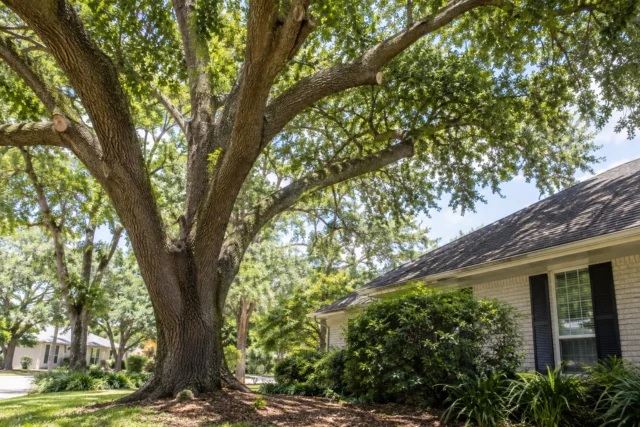
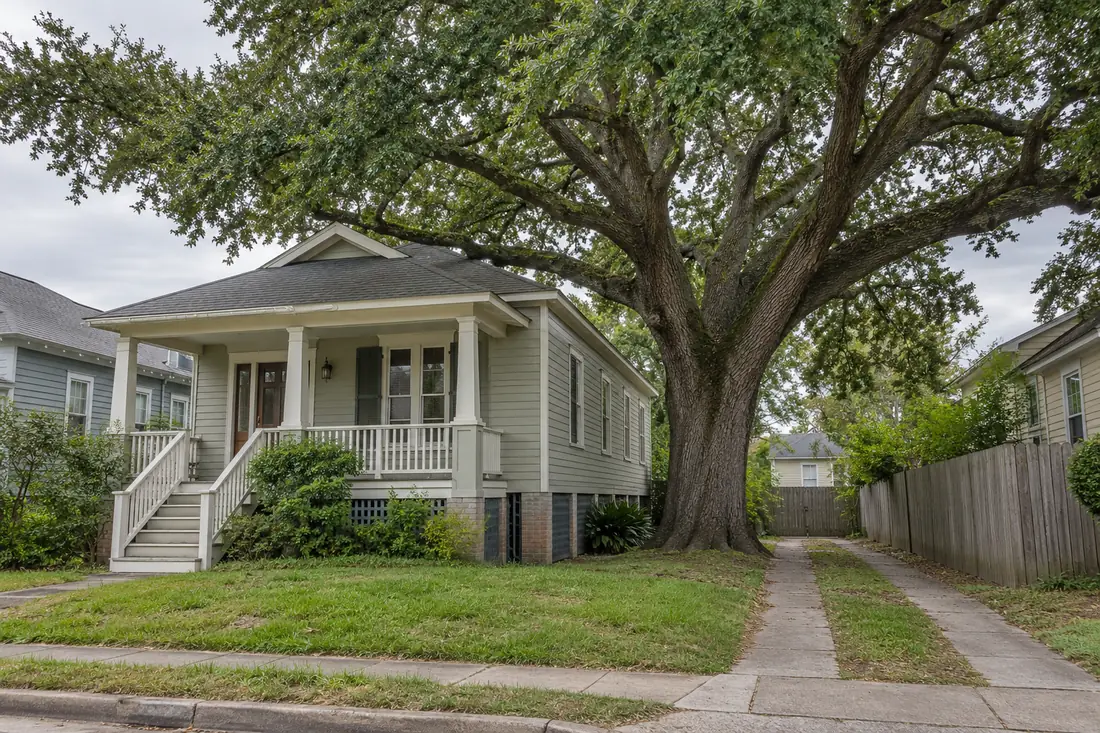
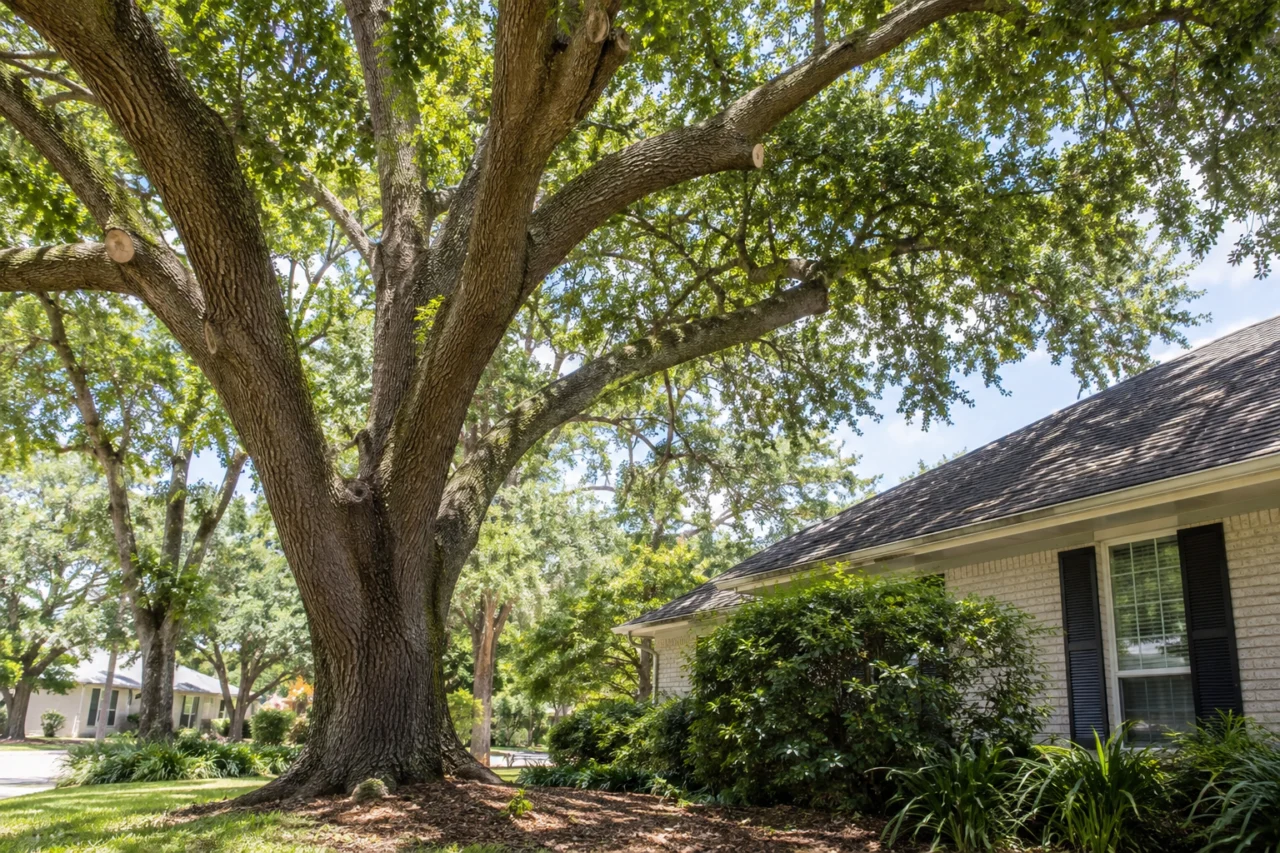
A natural leafy crown remains after modest clearance pruning, with the branch pile removed from the driveway.
Pruning should solve a specific problem
Tree Huggers approaches trimming around the objective: remove hazardous deadwood, create clearance from roofs or streets, reduce end weight, correct storm damage, or improve structure without stripping away more canopy than needed. Mature trees deserve a different approach than young trees, and large limbs over occupied areas require careful control.
Distinguish selective trimming from damaging canopy reduction
Tree trimming is most useful when the property owner can describe what needs to improve: clearance, dead branch removal, an obstructed view or a competing branch structure. Cutting an arbitrary percentage of a canopy without looking at the tree’s health, species and age can create unnecessary stress.
Ask whether removal of a selected branch would solve the problem more effectively than shortening many branches. For a mature shade tree, preserving sound attachment points and an appropriate branch distribution is often as important as visible clearance.
Photograph the conflicts from the ground before the estimate: roof edges, driveways, neighboring property, signs, lighting and walking routes. Have the crew identify any lines that require utility coordination, and never try to clear energized conductors yourself. Written trimming scopes should name the intended area, debris handling and situations that would trigger another evaluation. It is reasonable to review the finished clearance from the actual use area, not just from the street.
Site planning detail: Tree trimming is not a uniform haircut around the edge of a canopy. A useful plan starts with the tree’s species, age, branch architecture, health and the reason for pruning. Removing dead or broken wood, improving structural branch spacing or creating responsible clearance can each require different cuts. Topping, excessive interior thinning and leaving large stubs can increase future defects rather than solve a problem.
Ask how much live foliage would be removed, which limbs are targeted, and how the work supports the tree over coming seasons. Near buildings or walkways, discuss the actual clearance need instead of requesting indiscriminate cutting. Do not approach branches entangled with utilities or perform elevated chainsaw work without proper training. Confirm debris cleanup and how any protected landscaping beneath the canopy will be treated.
Clearance, risk reduction, storm repair, structure or appearance.
Choose the limbs and sequence that accomplish the goal without unnecessary canopy loss.
Lower or handle limbs safely and complete the agreed debris cleanup.
When trimming can help preserve a tree
Pruning can sometimes reduce specific hazards and delay or avoid removal. Deadwood removal, selective weight reduction and clearance work may be paired with tree-risk assessment, cabling or other preservation strategies when the tree remains a good candidate.
Related services
Start with what you want the pruning to accomplish
“Trim the tree” can mean a very different thing to each customer. One owner wants dead branches addressed above a patio; another wants room for delivery vehicles; a third wants to keep a valued shade tree from contacting the roof. Describe the problem in everyday terms. You do not need to choose individual cuts or prescribe a technique before an estimator sees the tree.
Separate your priorities if there are several. A request for roof clearance, improved visibility from a driveway and a more balanced appearance may involve different parts of the canopy. Tree Huggers can discuss those objectives together and explain what belongs in the proposed scope. Naming the result you want is more useful than asking for a fixed amount of canopy to be removed everywhere.
Show the clearance problem from more than one view
A close photograph of a branch touching a gutter can establish where the contact occurs, but it does not show the branch’s connection to the tree or the surrounding canopy. Pair that detail with a wide view from a safe place on the ground. Include the roof edge, driveway, walkway or sign that needs clearance so the estimator understands how the space is used.
If vehicles are the concern, explain which vehicles and which route. A passenger car, a service truck and a delivery vehicle may use the same entrance differently. On a commercial property, identify occupied loading areas and any clearance objective supplied by the property manager. Do not climb onto a building or stand beneath suspect limbs to obtain a more useful photograph.
Mature shade trees deserve a deliberate scope
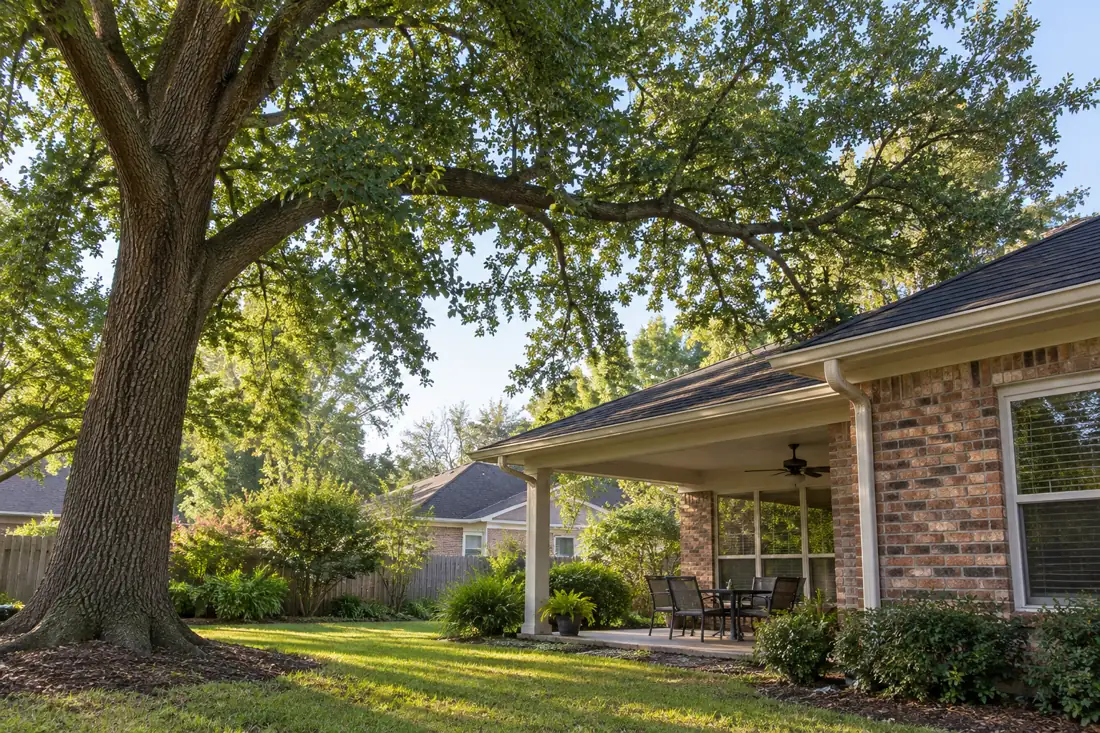
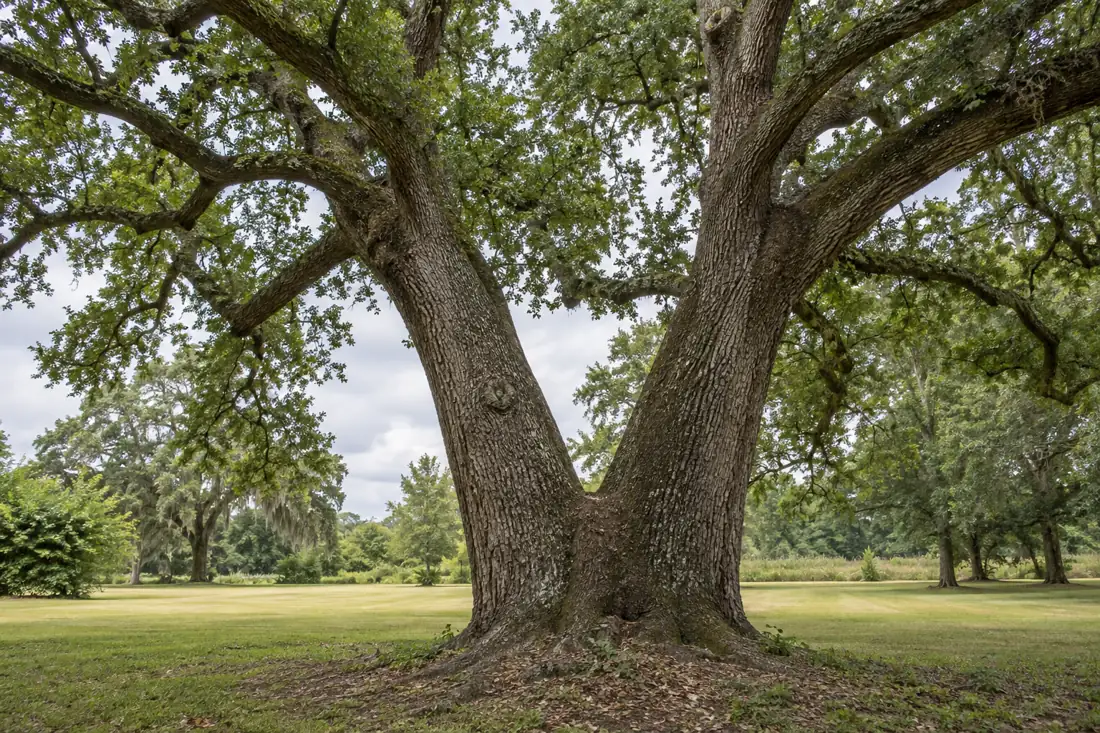
A long-established oak can be part of how a house and yard function. Shade over a patio, a leafy street frontage and the relationship between the crown and neighboring buildings all matter to the owner. Explain what you want to retain as well as what you want changed. The scope should help communicate those expectations rather than treating every large branch as an obstacle.
Tree Huggers’ approach is selective work tied to an objective, not a promise to reshape every mature tree into the same outline. Ask which concerns the proposed pruning will address and which conditions need a separate assessment. If repeated aggressive cutting has left you unsure what to request, begin with that history. Existing size and shape alone do not tell the whole story of the tree.

Deadwood, contact and structure are different concerns
A dead branch over an occupied area, a live branch rubbing a roof and a damaged union are not interchangeable problems. When you describe the tree, point out what you have actually observed and when it changed. Avoid labeling a condition from a distant photograph if you are unsure. The contractor needs clear observations to decide what should be examined and how to frame the work.
Ask the estimate to distinguish the included pruning tasks. A general request for cleanup may not communicate roof clearance, deadwood attention or a concern about a specific damaged limb. The written description does not need to be unreadably technical, but it should be clear enough that you can compare the proposed result with the reason you called.
Trim by outcome, not by a fixed percentage
For a general trimming request, describe the part of the property affected and the condition you want afterward. A branch over a walkway may need a different approach from a limb touching a roof or a canopy with scattered deadwood. Include wide photographs showing the whole tree as well as the relationship to the target; avoid climbing or standing under unstable limbs.
Ask the estimator to distinguish clearance pruning from structural or health-related pruning, and to identify any work that would need a different assessment. Agree on how debris will be handled and whether access or plant protection affects the scope. A useful finished result is one the property owner and crew can recognize without expecting the tree to be cut to a particular shape.
Keep pruning and tree-risk questions connected
Pruning may be part of a tree-care plan, but it is not an automatic answer to every concern about a tree. If you have noticed a new lean, movement near the base, a major split or other recent damage, disclose that before requesting cosmetic work. The next step may involve a tree-risk assessment discussion rather than simply scheduling a trimming visit.
Where preservation is the objective, ask whether further evaluation or a separate support-system conversation is appropriate. The site’s cabling and bracing information can help you prepare questions, but a service description cannot establish suitability for a particular tree. Likewise, reducing a canopy does not create a guarantee about how the tree will behave in a future storm.
Large-limb handling affects the work area
The branch being pruned may extend above a house, fence, parked vehicle or garden bed. Even when the objective sounds modest, handling that material can require room, coordination and an appropriate method. Show nearby targets in the estimate photographs and mention anything delicate or difficult to move. The crew’s work area may extend beyond the patch of ground directly beneath the trunk.
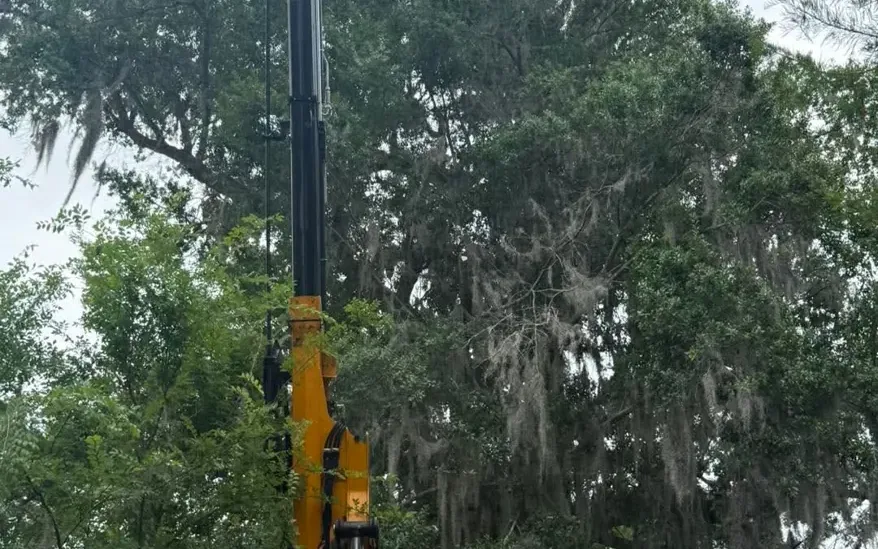
Discuss resident access and any route that must remain available. For shared driveways or occupied commercial sites, the property contact may need to coordinate vehicles and work windows. Specialized equipment can provide options where the site allows, but its suitability depends on access and setup. The pruning goal should guide the plan rather than the customer selecting machinery in advance.

Choose trimming cuts for a specific target, not an arbitrary shape
A mature tree can have a broad healthy crown and still need attention to one branch. When requesting trimming, name the target that matters: a low limb over a pedestrian route, dead wood above parking, a branch touching a structure, or a visible crack that may require assessment before any cut. A wide tree photograph shows overall form, but a second ground-level angle should show the particular problem and what lies beneath it. No photograph alone establishes how much living canopy can safely be removed.
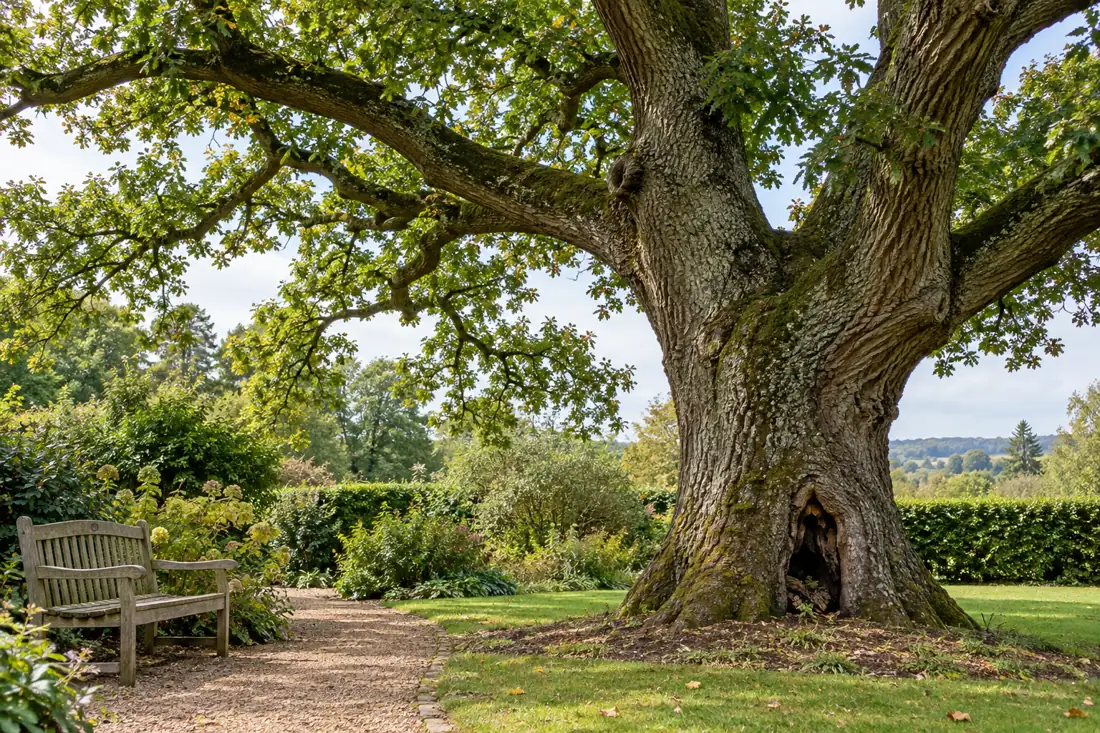
Ask the estimator to distinguish structural care from clearance, deadwood removal and simple appearance changes. Have the property contact describe nearby service wires, fences, overhead structures, drainage and access for material handling, without attempting to measure live electrical clearance. Confirm whether the proposed scope includes debris removal and protection of lawn or hardscape. The accompanying synthetic tree scene illustrates branch structure only; it is not a pruning demonstration or a diagnosis.
Plan for branches and chips before they accumulate
Pruning leaves material to handle even when the standing tree remains. Decide whether the included branches will be hauled, processed or retained in a specific place. If you want wood kept for a later use, explain the desired finish before the estimate. Ask what the crew’s cleanup includes around patios, driveways, beds and other affected areas.
Keep cleanup expectations separate from unrelated landscaping work. Replacing plants, repairing existing surfaces or restoring a neglected bed may require another provider or an additional agreement. For managed properties, identify where equipment can stage and where material cannot be placed. A clear plan for debris helps the crew maintain an orderly route and makes the finished pruning visit easier to review.
Explain timing without assuming a universal pruning date
Owners often have a practical reason for scheduling: a roofing project, a driveway delivery, a property event or a recurring clearance problem. Include that context when you call. The appropriate work and timing depend on the tree, the concern and site conditions. Tree Huggers can discuss current availability and what needs to be assessed before confirming a work window.
For several trees, ask whether the work should be organized as one scope or separate priorities. Give the estimator a tree list and identify the highest-concern areas. If a new failure occurs while you are waiting, report it rather than assuming the original pruning proposal covers the changed condition. Use the emergency guidance when there is immediate danger, and do not wait beside unstable material.
Set an appearance expectation you can communicate
Useful examples include keeping shade over a seating area, improving access to an entrance or addressing a particular canopy edge. A photograph with the concern marked can make those expectations easier to discuss. An unrelated photograph of a different tree is less useful if its size, condition and surroundings bear little resemblance to your property.
Ask the contractor to explain the intended outcome in plain language. If a desired shape would conflict with the proposed tree-care approach, settle that difference before authorizing work. Avoid changing the objective after pruning has begun without discussing the effect on scope and price. A clear agreement protects the customer’s priorities and gives the crew a consistent target for the visit.
Make the completion review about the agreed objectives
Walk through the specified trees and clearance areas with the estimate in hand. Check the included debris handling and any remaining items identified by the contractor. The review should connect the finished work to the goals discussed before the visit, not to a general expectation that every branch in the tree would be cut.
To request trimming in Greater New Orleans, call or text Tree Huggers at 504-458-8336 with the address, whole-tree photographs and the specific branches or spaces that concern you. Mention recent damage and any timing constraints. If removal is also being considered, say so; the company can discuss the appropriate next step without treating preservation and removal as the same request.
Pruning: preserve the purpose, not a percentage of foliage
A useful trimming request identifies a conflict: branches near a roof, deadwood beside a walkway or vehicle clearance at a gate. Photograph both the whole crown and the concern from a safe location. Explain whether the owner prioritizes mature shade, the canopy’s form or a defined clearance. A generic request to cut back the tree cannot communicate these differences.
Ask how the proposed pruning relates to the tree’s structure and future growth. Roof clearance may not require heavy changes across the entire canopy. A visible crack or recent lean requires a different discussion; the tree assessment guide helps organize that information without attempting a diagnosis from photographs.
Before work, identify vehicles, pets, doors and outdoor spaces that affect access. Ensure the written scope lists the particular trees, intended outcomes, debris handling and exclusions. Evaluate the result against those objectives rather than against the size of the branch pile. Unexpected conditions should be discussed before any expanded work is authorized.
Three details to settle before an estimate
- Show the problem and the whole canopy
- Name clearance and shade-retention goals
- Agree on included trees, cuts and cleanup
Tree Trimming questions
What should I ask for instead of “trim everything”?
Describe the problem: deadwood over a patio, branches touching a roof or clearance along a driveway. Explain what shade or canopy you want retained so the estimate has a clear objective.
Can you trim around a roof without removing the tree?
That may be an option, depending on the tree and site. Send a wide canopy view and photographs of the contact area, then discuss the appropriate assessment and pruning scope.
Will pruning guarantee the tree survives a hurricane?
No. A pruning scope addresses agreed concerns; it cannot guarantee future storm performance. Explain recent damage or other observations so the contractor can discuss whether further evaluation is appropriate.
Should I choose a percentage of canopy to remove?
Start with the desired outcome rather than a universal percentage. The scope should reflect the particular tree, its condition and the reason for pruning, with the proposed approach explained by the contractor.
What information helps with driveway clearance?
Describe the vehicles using the route, where clearance is needed and any scheduling restrictions. Include the whole tree and entrance in safe photographs, not only a close-up of one branch.
Is deadwood removal the same as reshaping a tree?
No. They describe different objectives. Ask the estimate to specify the tasks included so you understand whether the scope addresses deadwood, clearance, damaged branches, appearance or several concerns.
Can trimming be discussed alongside cabling?
Yes. Tell Tree Huggers that preservation is the goal and ask what evaluation is needed. Support systems are a separate discussion and are not automatically appropriate for every tree.
Do I need to move vehicles before pruning?
Ask which areas the crew will need for access, handling and staging. Vehicles may need to move beyond the trunk area if limbs extend over the driveway or equipment requires room.
What if the tree changed since my last pruning visit?
Explain the change, when you noticed it and any recent weather or property work. New failures or movement should be discussed before treating the next visit as routine maintenance.
Are branches hauled after trimming?
Confirm the included debris handling in the estimate. If you want wood or chips retained, specify the material and placement; processing or landscaping beyond the agreed cleanup may be separate.
Can several trees be priced in one visit?
Ask for an identified tree list with priorities and a clear scope for each. That allows the estimator to discuss the combined work window without losing the differences between the trees.
How do I request a pruning estimate?
Call or text 504-458-8336 or use the form. Send the address, safe whole-tree views, marked concerns and the result you want. Confirm any visit, scope and scheduling directly with Tree Huggers.
Match trimming work to an observable pruning objective
Trimming is most useful when a specific outcome is stated: remove identified deadwood, restore a clear route, address a branch contacting a structure or discuss a tree’s long-term framework with a qualified professional. Ask the estimator to distinguish branch reduction from removal, and identify which tree and canopy sections are involved. A photo of the full crown plus the contact point is more informative than a close crop alone. Avoid asking for indiscriminate thinning as a substitute for assessing a possible structural defect.
This is the core trimming and pruning service, not a promise that every hazardous condition can be fixed by cutting branches. A tree with severe storm damage or very large sections above a structure may require a different removal or equipment assessment, discussed in the crane-assisted removal guide. If the tree conflicts with a planned fence, the fence project guide helps establish construction sequencing and clearance goals. Preserve useful shade where practical and have the written scope state what will be cut, retained and hauled.
Related decisions: Crane Tree Removal · Tree Removal Before Installing a New Fence
Talk to Tree Huggers
Get a clear estimate for your tree work.
Text the property address, a wide photo of the tree, and what you want done. We’ll talk through access and next steps.